Sensory Connection

Winter 2026


A Quarterly Newsletter to Share Resources With Educational Teams 
and Families Supporting Deafblind Learners


Produced by the RI Dual Sensory Impairment Project, Paul V. Sherlock Center on Disabilities 

Rhode Island Materials Access Center


The Rhode Island Materials Access Center (RIMAC), in partnership with the Rhode Island Department of Education, is the Accessible Instructional Materials (AIM) Library in Rhode Island. This statewide library creates, provides and lends accessible instructional materials to students with disabilities and students with vision and print disabilities. Paul V. Sherlock Center on Disabilities houses the comprehensive RIMAC library on the Rhode Island College campus.


Become a RIMAC library patron and borrow from hundreds of free resources, such as:

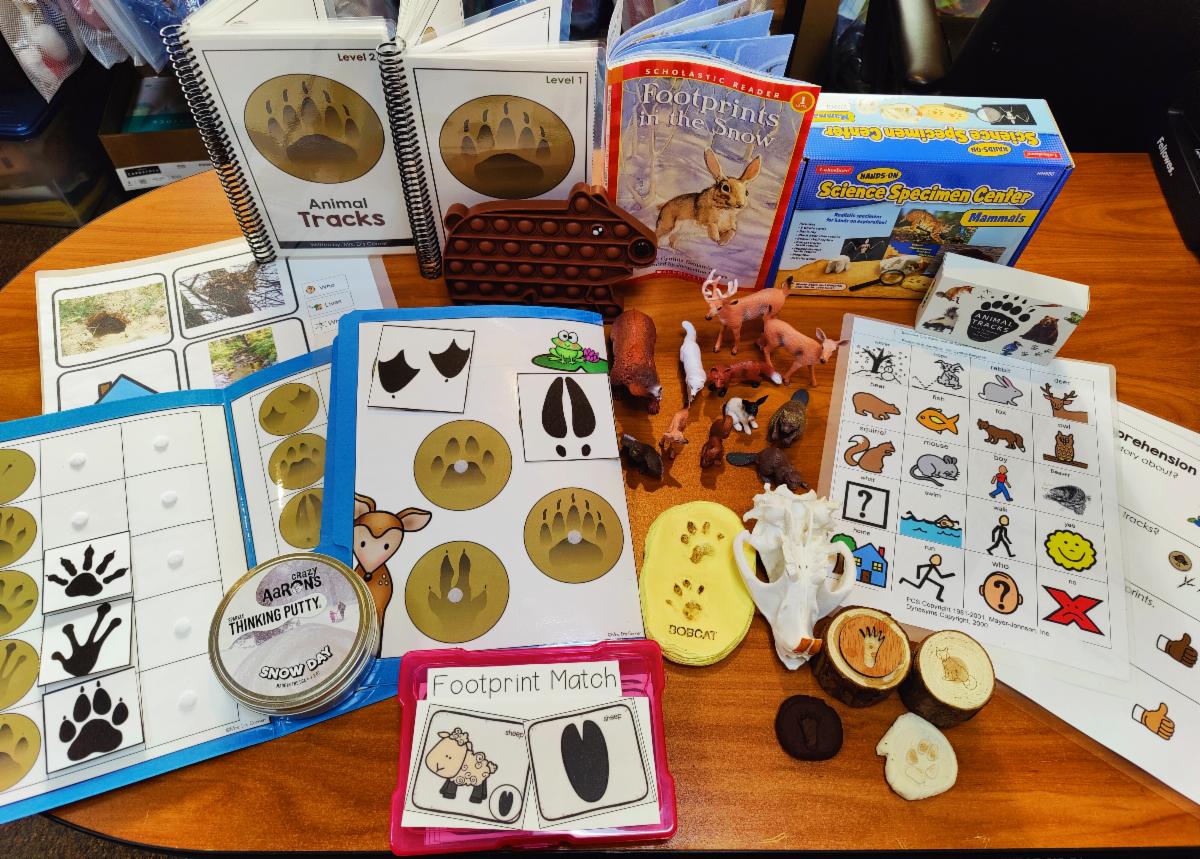
Footprints in the Snow: Reading Kit

Footprints in the Snow: Reading Kit

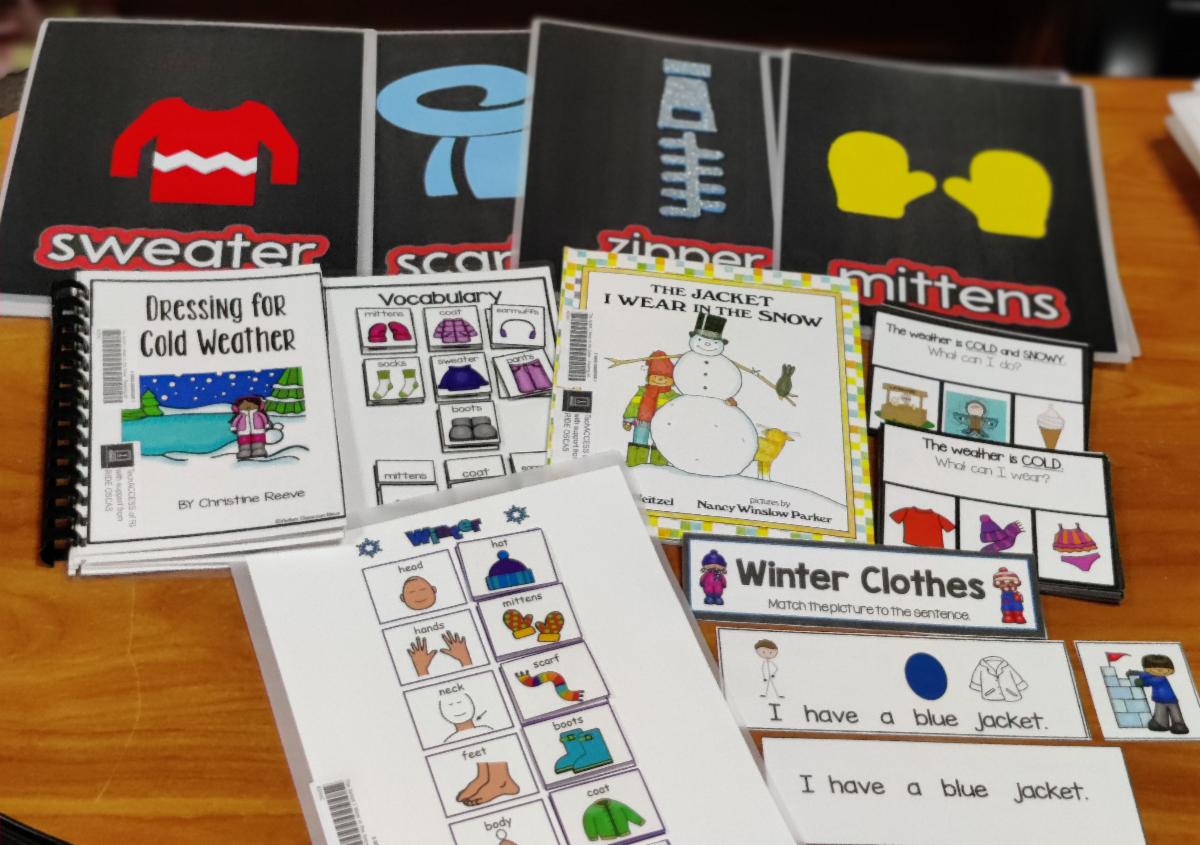
The Jacket I Wear in the Snow: Reading Kit

The Jacket I Wear in the Snow: Reading Kit

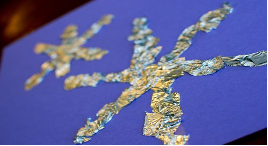
Craft: Tinfoil Snowflakes

A tinfoil snowflake
  • Black or dark blue construction paper


  • Double-sided tape


  • Tin foil


Steps


Modification Ideas for Students Who Are Deafblind

1. Put double-sided tape on paper in the shape of snowflakes.

Textured Paper/Tape: Use textured paper or raised-dot tape for tactile guidance.


Braille or Raised Symbols: Add braille labels or raised symbols to represent snowflakes.

2. Provide child with strips of tin foil that they can rip apart.

Variety of Textures: Offer different textures of tin foil (crumpled, smooth, etc.).


Hands-On Assistance: Assist with tearing the foil if needed, or prepare smaller pieces in advance.

3. Have child stick pieces of tin foil onto the tape.

Guiding Hands: Gently guide their hands to the correct spots on the paper.


Haptic Feedback: Use gentle vibration or tapping to signal when they are placing foil in the right spot.

4. Allow child to explore and stick foil in their own way.

Self-Expression: Encourage them to explore the materials (feeling textures) without worrying about perfect placement.

5. Encourage the child to continue until the snowflake shape is covered.

Slow and Steady: Provide extra time and reassurance if needed, allowing them to feel and explore at their own pace.

6. Once finished, celebrate their work.

Positive Reinforcement: Provide tactile praise (gentle taps or hand squeezes) when they complete a step.


Completion Prompt: Guide their hand to feel the finished snowflake for a sense of accomplishment.

7. Optionally, allow child to explore the artwork further or discuss.

Tactile Storytelling: Share a sensory story about winter or snowflakes by describing textures, sounds, and sensations.


Sound Elements: Use soft bells or chimes to mark each completed step.

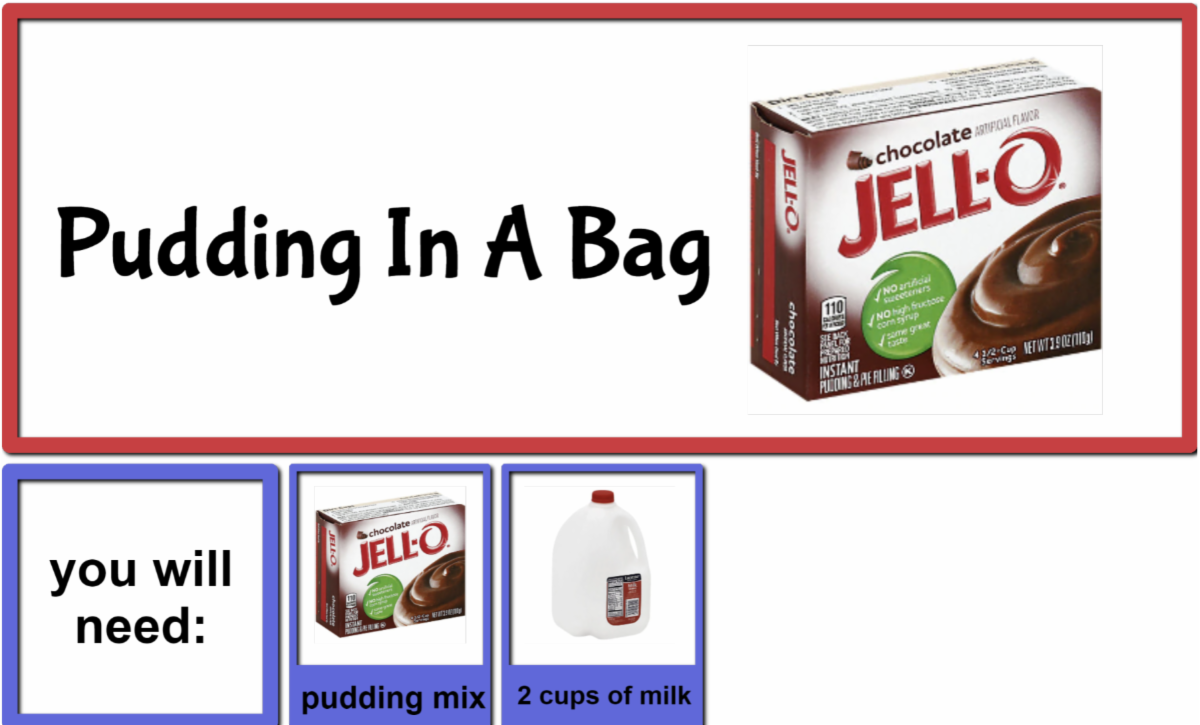
Recipe: Pudding in a Bag

In Miss Tennille’s class, first the students vote on what flavor pudding to make. Then, they follow the recipe together. For those with visual impairments, the materials needed for the recipe are Velcroed onto black foamboard (e.g., empty pudding box, empty milk carton, zip-top plastic bag).

You will need:

  • Pudding mix
  • 2 cups of milk


Steps:

  1. Pour milk into bag.
  2. Pour pudding mix into bag.
  3. Close the bag.
  4. Use hands to mix the pudding.
  5. Put in the refrigerator for two hours.
  6. Serve the pudding.


Recipe adapted from AccessibleChef.com

More Multisensory Activities

A child smells a flower

For Everyday Learning


  • Baking: Involves touch, smell, taste, sight, and following steps (auditory/visual).
  • Musical Puzzles: Combines sound with visual matching.
  • Nature Walks: Engage sight, sound, smell, and touch with the environment.


For Literacy and Learning


  • Sand Trays: Write letters or words in a tray of sand, salt, or shaving cream while saying the sound or word aloud.
  • Tactile Letters: Use sandpaper letters or pipe cleaners to form shapes.
  • Pair Color with Texture: Add different materials to paint (rough sand to blue, soft pieces of yarn to red) then finger paint or brush paint and let the textures dry with the paint.


For Movement and Focus (Proprioception/Vestibular)


  • Scooter Board & Squigz: Move on a scooter board while sticking toys to a wall.
  • Tunnel Play: Roll through a tunnel while balancing or listening.
  • Jumping and Tapping: Jump or balance while tapping out sounds or math problems.

RI Dual Sensory Impairment Project 

The Sensory Connection newsletter is one of many ways the Rhode Island Dual Sensory Impairment (DSI) Project can assist educational teams and families supporting learners with deafblindness. For additional information on the DSI Project, to refer a new child, to contact project personnel, or view or additional resources, visit the project website.


The contents of this publication were developed under a grant from the US Department of Education, # H326T230002. However, these contents do not necessarily represent the policy of the U.S. Department of Education, and you should not assume endorsement by the Federal Government, Project Officer. 

Paul V. Sherlock Center on Disabilities at Rhode Island College and department of education logos

Rhode Island Services to Children and Youth with Dual Sensory Impairments (2026, January).

Sensory Connection. Sherlock Center on Disabilities, Rhode Island College 

Facebook  LinkedIn