The Wyoming Health Council works to ensure that all people can access safe, unbiased, high-quality sexual and reproductive health care. | |
|
Sexual health is often a taboo topic, and during Sexual Health Month, we can foster an open dialogue around the subject. Having conversations about sexual health not only helps to destigmatize the subject, but can also be very educational—raising awareness of different types of contraception, how to practice safe sex and more.
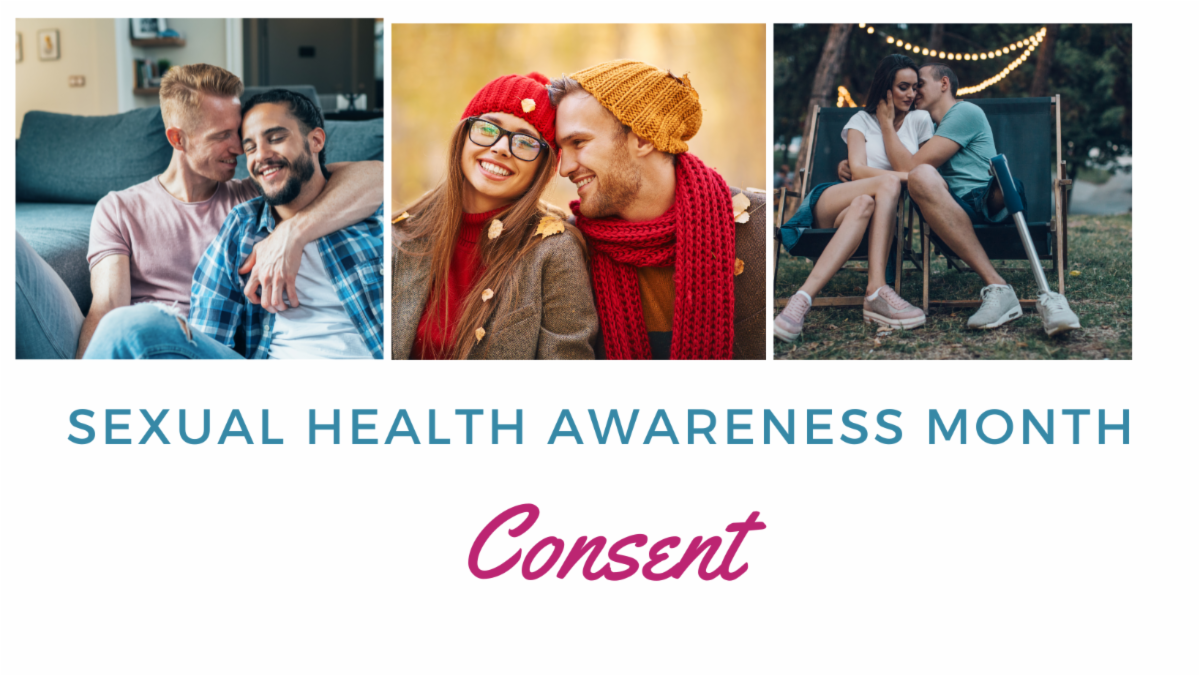
Sexual health is having a healthier body. A satisfying sex life. Valuing and feeling good about yourself. Having peace of mind. Positive relationships, whether short term or long term. Experiencing pleasure, intimacy, and joy, while practicing enthusiastic consent! (Which is by the way, the theme of World Sexual Health Day!)
| |
 | |
How Do We Effectively Teach Sexual Consent?
“It’s perhaps not surprising that we found many sexual consent education programs framed consent within the context of risks and potential negative impacts of sexual activity. This approach creates stigma and shame and can make it challenging for young people to ask questions and talk about sex and healthy relationships.”
Dr Carter, who is also an Associate of the Australian Human Rights Institute, said sexual consent education programs should be sex-positive, meaning discussions should be open, honest, and non-judgmental, and should acknowledge the benefits of consensual, pleasurable sex and healthy relationships.
“Bearing in mind age appropriateness, examples of topics include not only what consent is and what sexual assault is, but also things like developing a positive relationship with your body; identifying your personal values surrounding sex; understanding your right to have autonomy in decisions involving your body; setting healthy sexual boundaries with yourself and others, and being open and communicating with your partner about your wants and needs including what you do not want,” explained Dr Carter.
| |  |
|
The Foundation of Sex Education? Enthusiastic Consent
A good sex education grounded in enthusiastic consent gives young people the skills and desire to engage in healthy sexual relationships. From a social-emotional perspective, arming young people with the communication and decision-making skills necessary to respectfully navigate sexual activity provides them with a foundation to live emotionally healthy sex lives, whatever that looks like for them. A sex life that is free of shame and stigma and supports a young person’s goals in life.
| | |
|
Ways To Celebrate
1.) Educate Yourself
Check out books from the library or watch videos online about sexual health. There are many great resources available to help you understand your body and stay healthy.
Top 25 Books to Learn About All Things Sexual Health
2.) Get Tested
Make sure to get tested for STDs regularly. This is an important step in staying sexually healthy and preventing the spread of STDs.
How Does STD Testing Work?
3.) Practice Safe sex
Using condoms and other forms of protection when engaging in sexual activity is essential for protecting yourself and preventing the spread of STDs. Including birth control method if applicable.
What To Know About Safer Sex Practices
4.) Talk to your partner
Discussing sexual health with your partner is important. Talk to them about their STD testing history, birth control options, and any other concerns you may have. Consent!
American Sexual Health Association
| |
|
Sexual Health Month is also a great reminder for people to make sure they're up-to-date with their sexual health tests. Yearly annual exams, scheduled Pap Smears and regular STI screenings are important for preventing long-term health problems, as well as helping to detect potential infections before they become serious.
Which is why this month goes along great with
Gynecological Cancer Awareness Month
| |
|
According to the American Cancer Society, it is estimated that this year more than 113,500 women will be diagnosed with a gynecologic cancer and more than 33,000 will die from the disease. Gynecological Cancer Awareness Month provides an important opportunity to draw attention to this important women’s health issue and offer vital information on risk cancers, warning signs, and prevention strategies.
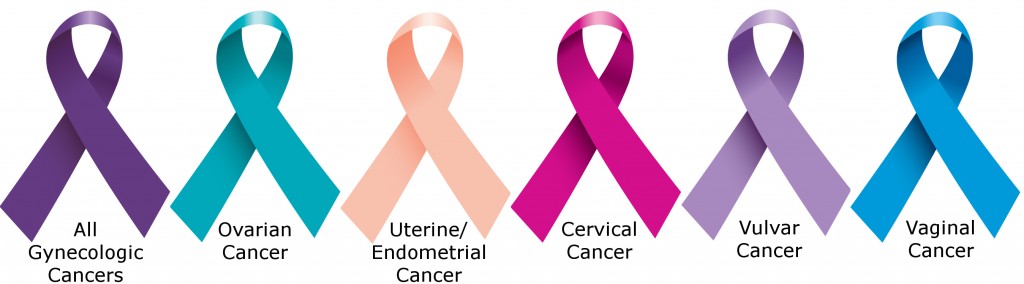
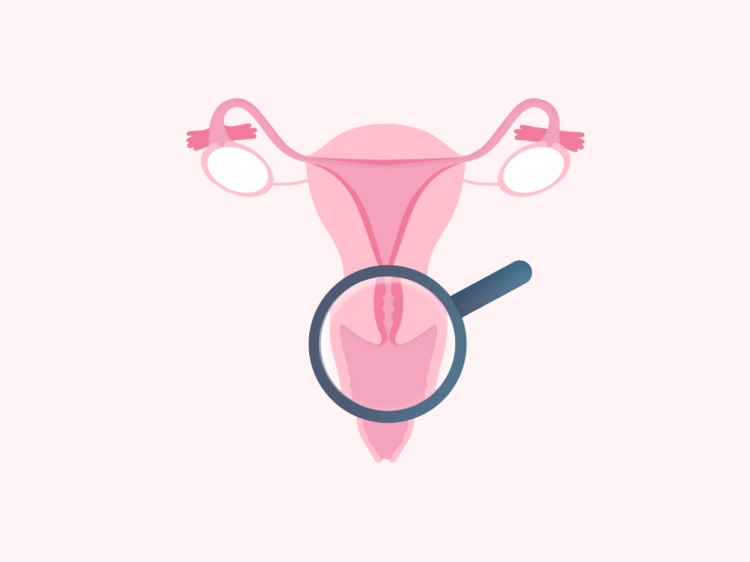
Gynecologic cancers are cancers of women’s reproductive organs. The five main types are cervical, ovarian, uterine, vaginal, and vulvar cancer. Gynecologic cancers result from the rapid growth and spread of abnormal cells in one of these organs.
Common Symptoms of Gynecologic Cancers
- Abnormal vaginal bleeding or discharge is common for all gynecologic cancers except vulvar cancer.
- Feeling full too quickly or difficulty eating, bloating, and abdominal or back pain are common for ovarian cancer.
- Pelvic pain or pressure is common for ovarian and uterine cancers.
- More frequent or urgent need to urinate and/or constipation are common for ovarian and vaginal cancers.
- Itching, burning, pain, or tenderness of the vulva, and changes in vulva color or skin, such as a rash, sores, or warts, are found only in vulvar cancer.
It is important to pay attention to your body and know what is normal for you, so you can recognize the warning signs or symptoms of gynecologic cancer and to schedule your annual exams and pap smears as directed!
| |
|
What is a Pap Smear?
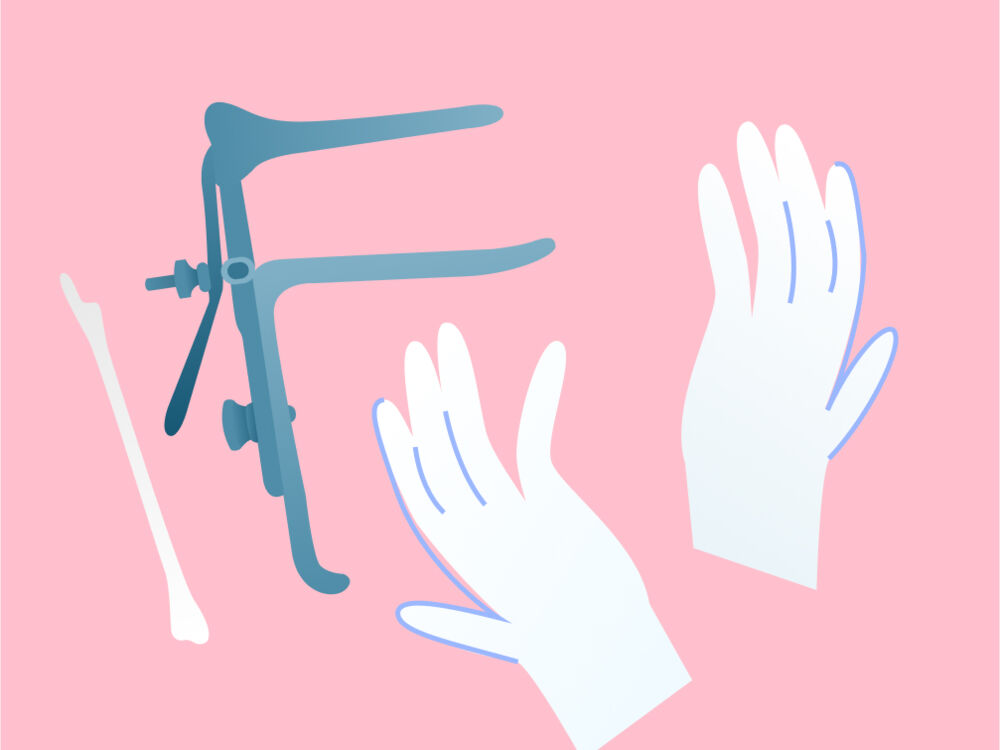
A Pap smear (or Pap test) is quick and does not usually hurt. A Pap test is used to screen for cervical cancer. A provider can look at cells from your cervix under a microscope and check for abnormal changes in the cells (cervical dysplasia) and precancerous or cancerous cells. If any are found, more testing can be done to diagnose cancer.
Why Is a Pap Smear Done?
A Pap smear helps providers pick up on abnormal cervical changes that, in some cases, may suggest that cancer is likely to develop or that cancer has already developed.2 In many cases, it is possible to identify and treat developing cancer before it has a chance to spread beyond the cervix. Pap smears usually are done as part of regular pelvic exams.
This article will go over why Paps are used, what to expect during a Pap smear, how long a Pap takes, and how to understand your Pap test results.
| | |
|
10 things Your Gyno Wants You To Stop Doing Now
As a general rule, your gynecologist's office is a #nojudge zone where you can talk about all the TMI stuff you're too embarrassed to share with your friends or parents. (If you can't, then read the 6 things your gyno should NEVER do during an appointment and find a new one if anything rings true!) Still, there are a few common mistakes that doctors see over and over – and those mistakes can keep you from getting the best possible care.
Here's what your gyno wishes you'd stop doing.
1. Being too nervous to schedule an appointment.
2. Waiting until you're sexually active to see her.
3. Clamming up at your checkup...
| | |
All persons who have a cervix, ovaries, uterus, vagina and vulva are at risk for these cancers. | |
6 Things Every Lesbian Should Know About Her Health, From A Gynecologist
A lesbian patient recently asked if she needed to see me less often than straight women since she was at a lower risk for sexually transmitted infections. She figured she needed fewer Pap smears.
Actually, no.
Lesbians and bisexual women need to see their doctor with the same frequency as heterosexual women. The Pap smear, breast and pelvic exams, and mammogram screenings are done at the same interval regardless of your sexual orientation.
Here are a few things every lesbian should know about their health...
| |
Transgender People Need Cancer Screening and Timely Care
Screening should be done based on which organs a person has, not their gender identity.
Many transgender, gender-nonconforming and nonbinary people may be missing out on appropriate care to prevent and treat cancer, according to a small but growing body of research. Gender-affirming therapy does not necessarily eliminate—and in some cases may increase—cancer risk. Some trans men remain at risk for breast, cervical, endometrial, uterine and ovarian cancers, while most trans women are still susceptible to prostate cancer. There is a still a dearth of research on the effects of gender-affirming hormone therapy on cancer risk and disease progression.
Trans people often face barriers to care, including lack of awareness, discrimination and less access to medical care. Lack of health insurance or inadequate coverage are also concerns.
| |
Wyoming Health Council Encourages Annual Gynecological Exams for Women | |
|
Your health matters. That isn’t the mission statement of the Wyoming Health Council, but it should be. It’s a phrase that is oft-repeated within their walls and is something they genuinely believe.
Your health matters.
This is true for men, women and adolescents, but women especially should take extra measures to ensure their health.
One way to do this is by getting an annual exam.
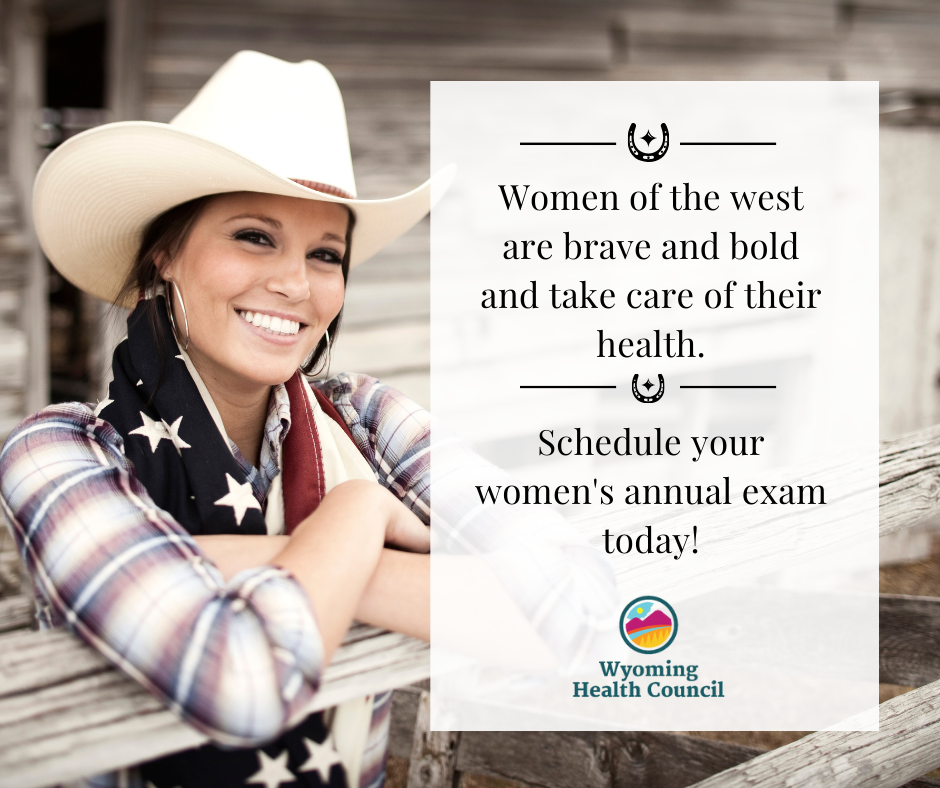
An annual exam is a yearly check-up to ensure your body is in good shape. Annual exams, which can also be called gynecological exams, pelvic exams or well-woman exams, are imperative to a woman’s health, and the Wyoming Health Council strongly encourages anybody with breasts, a vulva or a uterus to receive one every year.
It’s important to note that annual exams are not the same thing as pap smears. Pap smears are procedures used to test women for cervical cancer. The American College of Obstetricians and Gynecologists suggests that women should begin having a Pap Test or Pap Smear at age 21. Then, depending on age and history, women may only need a Pap Test every 3–5 years. That is one of the main differences between a pap smear and an annual exam — annual exams, as their name implies, should happen every year.
“Ultimately, women can say that they don’t need a pap every year,” said Gail Wilson, the clinical director of the Wyoming Health Council. “But they still need to come in for other things. There is general health maintenance, routine blood work, and other issues that should be addressed every year. It is a chance for women to discuss with their provider anything that might be going on, so that they can help you and maybe refer you to other healthcare services. Maybe you don’t need your Pap, or maybe you don’t need your birth control renewed, but you should still get an exam. You still have other body systems that need to be cared for.”
The WHC website states that, during annual exams, a doctor or nurse will check blood pressure, heart rate and weight. They may also perform a physical exam, checking breasts and the abdomen for abnormalities. Additionally, depending on one’s age, they may also perform a pelvic exam, utilizing a speculum to examine the inside of the vagina or cervix. The clinical provider could also perform a pap smear. They can also go over birth control options or STIs (Sexually Transmitted Infections) if the person is sexually active.
| |
|
Almost all cervical cancer is caused by HPV. Some cancers of the vulva, vagina, penis, anus, and oropharynx (back of the throat, including the base of the tongue and tonsils) are also caused by HPV. Research is still being done to understand how and to what extent HPV causes these cancers.
Most of the time, HPV goes away by itself within two years and does not cause health problems. It is thought that the immune system fights off HPV naturally. It is only when HPV stays in the body for many years that it can cause these cancers. It is not known why HPV goes away in most, but not all cases.
Vaccines protect against the types of human papillomavirus (HPV) that most often cause cervical, vaginal, vulvar, penile, and anal precancers and cancers, as well as the types of HPV that cause most oropharyngeal cancers. The vaccine used in the United States also protects against the HPV types that cause most genital warts.
| |
U.S. Kids’ HPV Vaccination Rate Has Stalled
For the first time in a decade, the rate at which American adolescents received the human papillomavirus (HPV) vaccine has not increased, new data show.
Current guidelines from the U.S. Centers for Disease Control and Prevention recommend that both girls and boys receive the vaccine at ages 11 or 12, although vaccination can begin as early as age 9. HPV vaccines protect against cervical and other cancers strongly linked to the virus. They are typically delivered in two doses given over a period of six months to a year.
Much of the stagnation in immunization rates occurred among children covered by Medicaid, the researchers noted.
| | |
 |
One in five men worldwide infected with potentially cancerous HPV, says study
Experts said the figures show men are an 'important reservoir' for HPV, and should be included in control strategies
One in five men worldwide are infected with a potentially cancerous form of HPV, researchers have found.
According to an analysis published in the Lancet Global Health journal, 21 per cent of men aged 15 and over are infected with at least one of the high-risk, potentially cancerous forms of HPV, or human papillomavirus – a family of more than 200 related viruses.
In response to the findings, the World Health Organization (WHO) said that more must be done to include men in global strategies to both reduce the risk for men and curb the spread of infection.
While the majority of HPV cases are asymptomatic and resolve on their own, the virus can cause certain types of cancer, most commonly cervical – which kills around 340,000 women every year.
But it is also linked to cancers of the genital areas and head, neck, throat and mouth – some of which affect men more than women and are becoming more common. In 2018, the International Agency for Research on Cancer estimated HPV was linked to more than 69,000 cancer cases in men.
While HPV’s prevalence is fairly well-documented in women, estimates on its spread in men have been limited – until now.
| | |
|
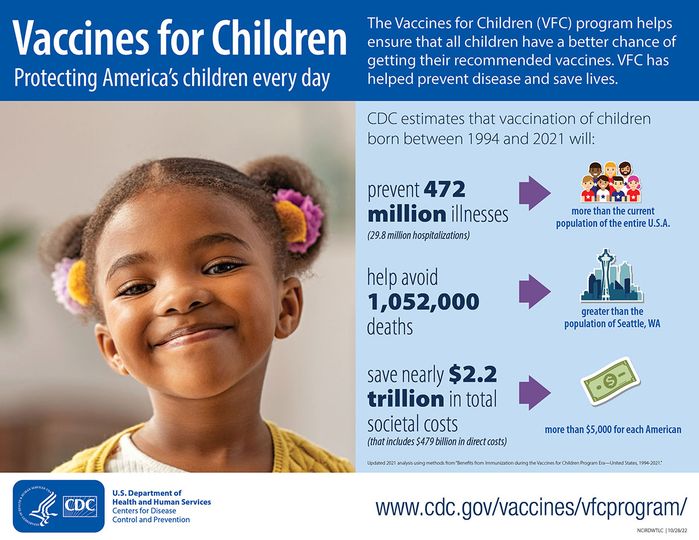
Hey Wyoming! Did you know that the Vaccines for Children (VFC) Program helps provide vaccines to children whose parents or guardians may not be able to afford them!
A child is eligible for the VFC Program if he or she is younger than 19 years of age and is one of the following:
- Medicaid-eligible
- Uninsured
- Underinsured [1]
- American Indian or Alaska Native
Vaccines work by teaching the body's immune system to recognize and defend against harmful viruses or bacteria before getting an infection, and reduce the chance of getting certain infectious diseases!
| |
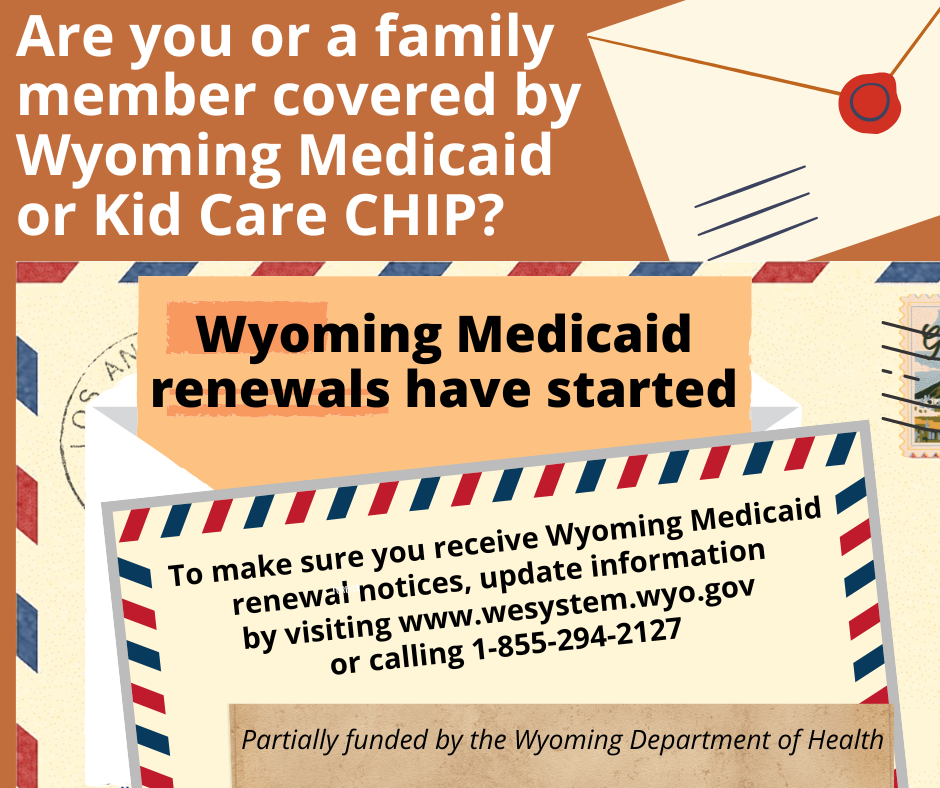
Heads Up Wyoming!
The renewal process for families covered by Wyoming Medicaid or Kid Care CHIP (Child Health Insurance Program) has reached a key stage, according to the Wyoming Department of Health
The department recommends beneficiaries check whether Wyoming Medicaid or Kid Care CHIP has current contact information renewal so notices are not missed. Call 855-294-2127 or visit www.wesystem.wyo.gov to make sure you have current contact information on file.
For those who have received packets, the WDH said it is critical for forms to be completed and submitted as required to avoid loss of coverage.
WDH has been reporting the state’s renewal status to the federal government since April. Through the end of July, coverage was renewed for just over 9,000 beneficiaries. During the same period, coverage was ended for just over 600 clients for reasons such as reaching adulthood and no longer eligible for coverage as a child, increased income, a health status change or a move to another state.
Free help is available from Enroll Wyoming to guide people through the renewal process. Whether one needs help with re-enrollment or finding new health coverage, we can identify options so people can make informed decisions. Just go to enrollwyo.org or dial 211.
..............................................................................................
SAVE THE DATE: Open Enrollment
Open Enrollment is the limited window from Nov. 1, 2023, to Jan. 15, 2024, when people can sign up for 2024 health plans through the Health Insurance Marketplace. During the same time, those with existing plans can review their coverage.
For most people, this is the only time when they can access the marketplace and see if they qualify for additional savings. Even if you think you will not qualify, please take the time to make a free appointment with a Navigator and examine your options.
| | |
|
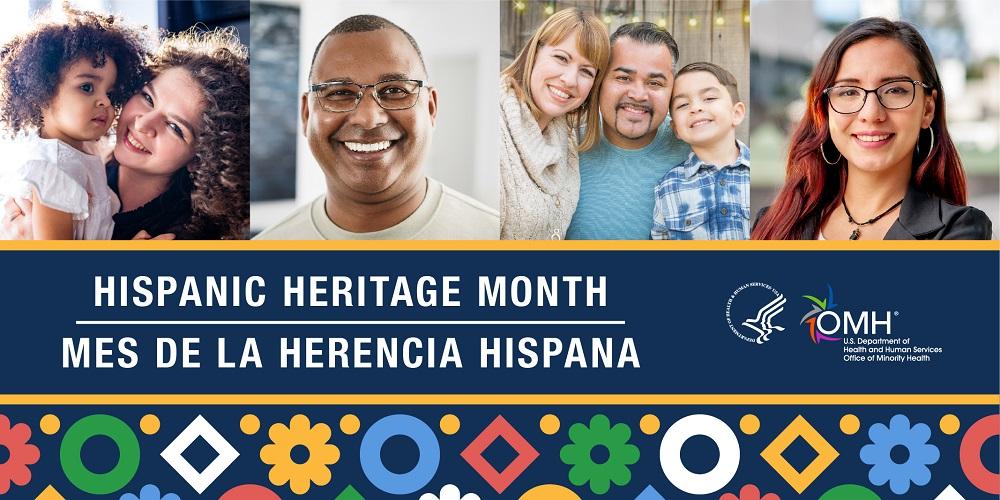
National Hispanic Heritage Month is observed each year in the U.S. from September 15 – October 15 to celebrate the achievements, histories, traditions, and cultural diversity of Hispanic/Latino Americans.
The HHS Office of Minority Health (OMH) is committed to advancing Better Health Through Better Understanding for Hispanic/Latino individuals by providing them with culturally and linguistically competent healthcare services, information, and resources. When patients are provided with culturally and linguistically appropriate information, they are empowered to create healthier outcomes for themselves and their communities.
This year’s national theme, Todos Somos, Somos Uno: We Are All, We Are One , reinforces the diversity inherent within the Hispanic/Latino population, as well as the power that comes from being a united community. Hispanic/Latino Americans are the largest ethnic minority group in the U.S., representing 18.8 percent of the total U.S. population, and include people who trace their heritage to Spanish-speaking countries in South and Central America, as well as Mexico, Puerto Rico, Cuba, Dominican Republic, and Spain.
| |
 | |
Why Hispanic Women Are Still Dying For A Curable Cancer
Hispanic women are 40% more likely to be diagnosed with cervical cancer and 20% more likely to die form it.
The medical community is divided on why these numbers are so high. Erica Montes, MD, a board-certified ob-gyn in Arizona, explains that a few factors can prevent her female Hispanic patients from getting the Pap smears and cervical cancer treatment they need.
A lack of health insurance prevents some from coming to the office regularly. “One in four Latinos don’t have insurance,” she says...Language is often another obstacle. Plus, for women who aren’t proficient in English, medical jargon and pamphlets can be even more frustrating to receive....Another hurdle for many Hispanic and Latinx women can be cultural expectations in their families and communities. Many people don't see an advantage to “offering sex education at schools or at home or in the community in general,” says Sarah Lucena, an assistant teaching professor of Spanish and Portuguese at Georgetown University.
| |
 | |
#FOCUSIMMIGRATION: Silent Sex-Ed In the Latino Community
Many Latino parents decide not to give the sex education talk because they are scared they will encourage their kids to have sex, get pregnant and corrupt their religious beliefs, which state they should stay abstinent until marriage.
However, without giving sex-ed to their children, they are depriving them of important information regarding STDs, different changes their body goes through during puberty, how to practice safe sex and what consent is.
According to Pew Research, 77 percent of Latinos are Christians. A majority of them may also put their children in religious private schools where the sex education is focused on abstinence. There is no talk of what changes their body is going through or what sex actually is.
Karla Cortez, a junior business major with a concentration in business analytics, grew up in her Mexican household with no information on sex-ed. Her parents never had a sex talk of their own, and she thought it would make them feel awkward.
“[My parents] never told me because they thought I would learn,” Cortez said. “I learned from TV, which made me sad because it didn’t sound real. I also learned from friends, and in sixth grade everyone was having sex.”
| |
İHablemos! Sexual Health & Reproductive Care in Latino Communities | |
|
Discussing sexual health may be an uncomfortable topic for some Latinos but generational shifts in attitude are opening the conversation. However, significant barriers prevent our community from seeking and receiving comprehensive care – Latino communities are two to three times more likely to develop STDs when compared to their white counterparts and 46% of Latinas of childbearing age live in states that restrict women's reproductive rights – and these barriers can have profound consequences for an individual’s and family’s well being.
Join this session as panelists discuss recent developments in the sexual healthcare space, how we can promote safe sex and healthy relationships, new initiatives that empower culturally competent sexual health education, and how significant changes to reproductive healthcare access at the federal, state, and local levels are affecting Latino communities.
| |
|
Female Condom Day
September 16th
| |
|
The female condom is still the ONLY dual protection method that is under the full control of the woman, and recently, any person.
In 2018, the US Food and Drug Administration renamed and reclassified the female condom as a “single-use internal condom,” a change that de-genders the prevention tool and provides a more inclusive description of who is encouraged to use and benefit from it.
It also was approved for both vaginal and anal intercourse, thus endorsing use of this tool for a wider spectrum of sexual activities.
Since the internal condom came on the market more than 20 years ago, people of all genders have used it both vaginally and anally to reduce transmission of HIV and STIs.
The FDA’s action demonstrated a recognition of the unique role internal condoms can play in enabling receptive partners of all genders to protect themselves and their partners.
| |
 |
The History of the Female Condom and Some Surprising New Facts
The female condom or “internal condom” looks kind of like a tube sock. It’s not super sexy looking BUT it does protect against unwanted pregnancy and STIs which most other forms of birth control don’t. It puts control into the female partner’s hands. And, what’s more, there’s data that sex with a female condom can actually be more pleasurable! Intrigued?
The History
Female condoms were first described in ancient Greece and were made out of a goat’s bladder. They were also described in the early 1900s as a method for collecting animal semen for breeding. I’m really selling this, I know. Totally makes you want to try one I’m sure.
But the female condom as it is now, was developed and patented in 1994 in the US by a Danish inventor, Lasse Hessel who was a family medicine physician.
It is remarkable in that it’s the first medical device to put the control in prevention of pregnancy AND STIs into the hands of the female partner. But unfortunately, it’s use never became very widespread – less than 0.1% of women in the US (according to data from the Guttmacher institute).
| | |
 |
The Enduring Unpopularity of the Female Condom
The internal condom saves lives, but it has been criticized from the start.
A tubular sheath with rings on both ends—that’s how the United Nations describes “the only female initiated dual protection device that is believed to be effective at preventing STIs and pregnancy.” After being inserted vaginally or anally, it prevents the passage of fluids from one person to another. It feels much like a conventional condom, even if it looks much more ungainly at first.
In the early 1980s, Hessel heard the Danish gynecologist Fritz Fuchs speak about the new scourge AIDS, and the barriers women faced in protecting themselves from infection. During the talk, Fuchs challenged Hessel to develop a female condom. That day, Hessel made the first prototype by cutting apart some hospital gloves and, with an iron, fusing the palm-covering areas together. The invention hit stores in Europe in 1990. In the U.S., the Food and Drug Administration finally approved the internal condom for domestic sales in 1993.
The product was heavily politicized from the start. One of the first mainstream publications to mention the internal condom, Forbes, didn’t paint a very flattering picture. Criticizing the FDA in 1993, Peter Brimelow and Leslie Spencer noted, “The same agency that holds up potentially useful drugs tends to become lax when politically fashionable products come before it. Thus the agency has responded to feminist pressure to approve the very failure-prone female condom.”
| | |
Bisexual Awareness Week 2023
September 16-23
| | |
|
This week seeks to accelerate acceptance of the bi+ (bisexual, pansexual, omnisexual, polysexual, fluid, no label, queer, etc.) community. #BiWeek draws attention to the experiences, while also celebrating the resiliency of, the bisexual+ community.
According to a Pew Research Center 2022 survey, 62% identify as bisexual.
When in monogamous relationships, bisexual people are often assumed to be gay, lesbian, or heterosexual based on the gender of their partner.
When bisexual people are open about their sexuality, they face:
- increased levels of violence from intimate partners
- rejection by community, family, and peers
- skepticism from the people and organizations whom they turn to for help, resources, and services.
- Bisexual people experience biphobia from both inside the LGBTQ+ community and from their communities as a whole, which means they are less likely to come out than their gay or lesbian counterparts. This leads to greater negative impacts on the mental health of bisexual individuals overall than those in the gay or lesbian community.
Time to step up and be an ally to your bisexual friends, neighbors and patients!
| |
To disclose or not to disclose: Inside the push for bisexual-affirming medical care
The last time Lauren Krouse saw her primary care doctor, the medical assistant breezed through Krouse’s patient history form. She laughed and brushed off the question about sexual orientation.
“I don’t even know why I’m asking this,” the assistant said. She assumed Krouse was straight.
But Krouse is bisexual, and knows the assistant should have asked. Because for many bisexual people, disclosing sexual orientation is matter of health and safety.
“Disclosure can have pros and cons … that can then put them at risk for discrimination, victimization,” Feinstein says. “Bisexual people have these same kinds of stigmatizing experiences with healthcare providers, where they'll see providers who say things that essentially invalidate their identity, or even to the point of implying that once we fix your depression, and that's better, you won't be bisexual anymore.”
| | |
Bisexuals are the ‘invisible majority’ in LGBTQ America
Nearly three-fifths of LGBTQ adults in America identify as bisexual, according to a new Gallup poll, a finding that illustrates the extent of a population that some researchers have termed the “invisible majority” of the queer community.
Young Americans, and young women in particular, have widely rejected the notion of sexuality as a binary choice — straight versus gay — just as they have largely abandoned the either-or, boy-girl system of fixed gender.
“We have a range of sexualities within us,” said Michael Bronski, a Harvard professor who penned a definitive Queer History of the United States. “I think women have far more permission to be open about their sexual desires than men do, no matter how men feel.”
| | |
|
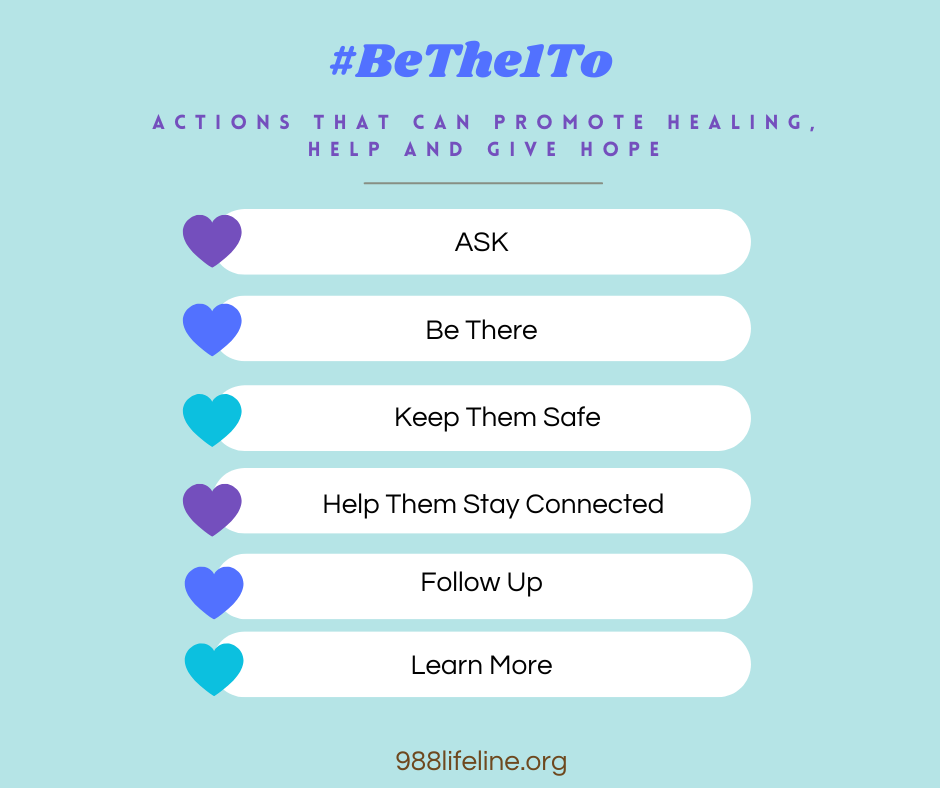
#BeThe1To is the 988 Suicide & Crisis Lifeline’s message for National Suicide Prevention Month and beyond, which helps spread the word about actions we can all take to prevent suicide.
The Lifeline network and its partners are working to change the conversation from suicide to suicide prevention, to actions that can promote healing, help and give hope.
| |
National Gay Mans HIV/AIDS Awareness Day
Sept 27
| |
|
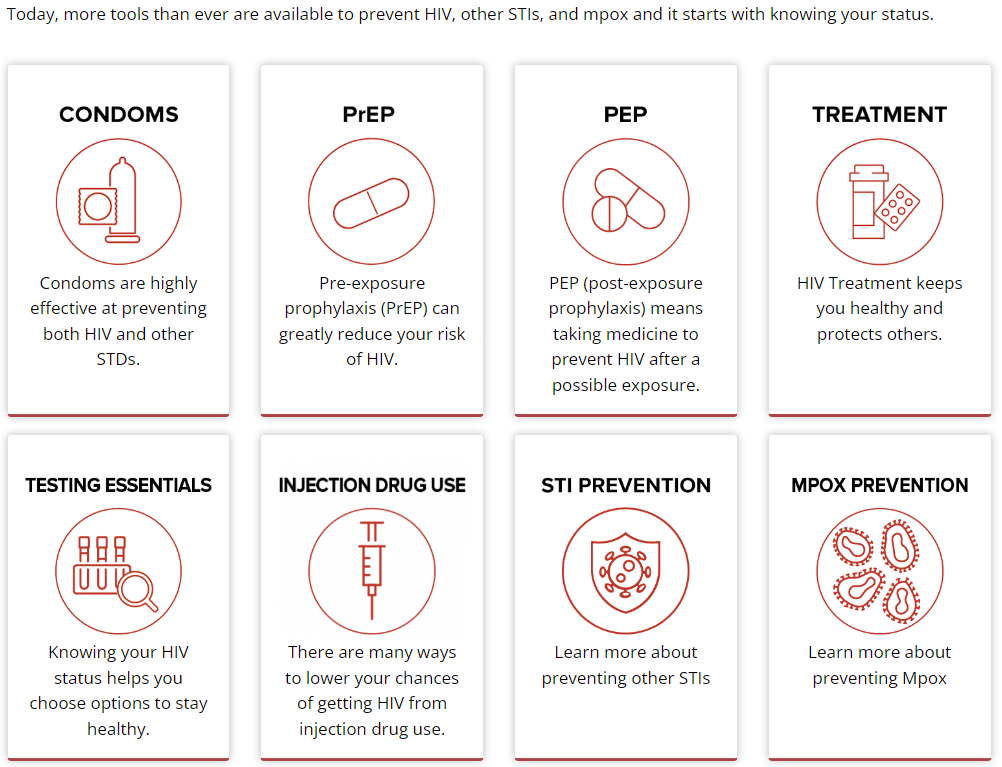
National Gay Men’s HIV/AIDS Awareness Day, is a day to help stop HIV stigma and encourage HIV testing, prevention, and treatment among gay and bisexual men!
In 2021, gay, bisexual, and other men who reported male-to-male sexual contact accounted for 70% (22,400) of the 32,100 estimated new HIV infections and 86% of estimated infections among all men.
Men who have sex with men accounted for the highest percentage of cases among males from 2016-2020, 49%, in Wyoming.
| |
WYOMING HEALTH COUNCIL
111 S. Durbin, Suite 200
Casper, WY 82601
Call Us: (307) 439-2033
| | | | | |