|
Dear Community:
September calls us to awareness, action and compassion. This month, we recognize Sickle Cell Awareness, Prostate Cancer Awareness and Suicide Prevention Awareness – three critical health issues that deeply affect the Black community. These observances are not just dates on a calendar. They are reminders of the urgency behind our work as they impact the Black family more than others.
Sickle cell disease disproportionately impacts Black families because of the higher risk for the gene. Prostate cancer remains one of the leading causes of cancer deaths among Black men; early checkups can help change that. Suicide is affecting the lives of Black men ages 15-24 as they often suffer with mental health in silence.
At Closing the Health Gap, our mission is clear: “We Must Save Us.” Together, we can break down barriers to care, challenge stigma and ensure every person has access to the knowledge, resources and support they need to thrive. Let this month be a call to lift one another, share life-saving information and fight for the health equity our community deserves.
Blessings to all of you for a safe and healthy week ahead!
Renee Mahaffey Harris
President & CEO
| |
A Black Women's Town Hall: Saturday, Sept. 13 at 10:00am
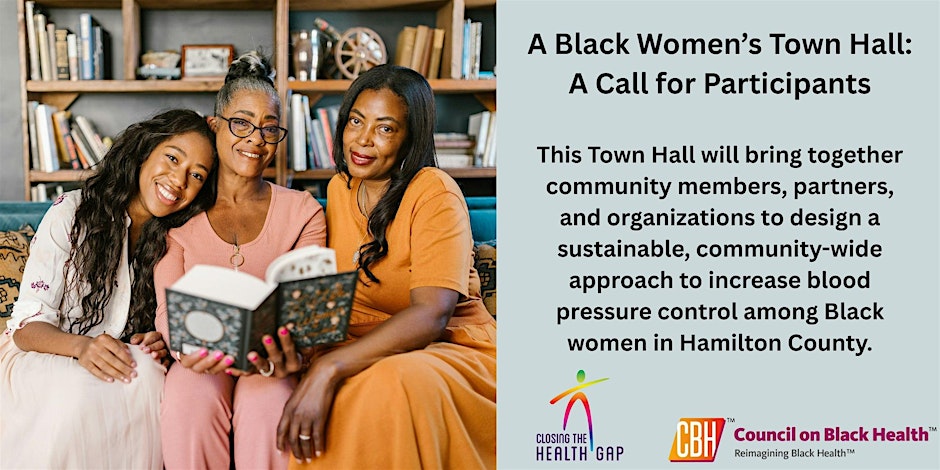
The Center for Closing the Health Gap, in partnership with the Council on Black Health, is hosting a Black Women's Town Hall with a focus on Hypertension on Saturday, September 13th at the Greater Cincinnati Foundation from 10 a.m. to 1:30 p.m. This Town Hall will bring together community members, partners, and organizations to design a sustainable, community-wide approach to increase blood pressure control among Black women in Hamilton County. CLICK HERE TO REGISTER.
| | |
Washington Chaos Takes Over Your Healthcare
by Dr. Clyde Henderson
We remember the ravages of the COVID-19 pandemic. An estimated 1.2 million Americans died between the beginning, January 31, 2020, and the official end, May 11, 2023, of the pandemic emergency. Tens of millions of Americans were hospitalized, businesses and schools were shuttered, hundreds of billions of dollars were lost in the economy. White Americans experienced 1.2 years decrease in life expectancy, comparing 2019 to 2020. The life expectancy of African Americans decreased a staggering 2.9 years during that period. Another disproportionate effect on Black folks is the much more severe learning loss suffered by children in the US public-school systems because of the pandemic.
Many would argue that the only proper pandemic management by the then President, Mr. Trump, was "Operation Warp Speed." The Covid-19 vaccine developed under this program, which used mRNA technology pioneered by an African American scientist, Dr. Kizzmekia Corbett, became available in December 2020, months if not years before expected. Tens of thousands of Americans and millions of lives around the globe were spared. The current President and his administration have verbal amnesia regarding "Operation Warp Speed" and seem reluctant to acknowledge the lives saved by the mRNA Covid-19 vaccine and the science of its origin. Consistent with Trump’s ongoing unscientific approach to the healthcare for Americans he placed Robert F. Kennedy, Jr., an environmental lawyer, and longtime anti-vaccine activist, in charge of the Department of Health and Human Services (DHHS). The measures that he and the President are taking seem contrary to the DHHS mission of "Enhancing the health and well-being of all Americans."
We are saddled with a President who has told his DHHS Secretary to "go wild on healthcare." RFK, Jr. is doing exactly that. Trump and Kennedy are responsible for the firing of 10,000 DHHS employees in just the last seven months. The termination of these real experts has weakened, if not ended, the Department’s research and policies designed to combat America’s greatest health, environmental, poisoning, violence, and injury challenges. In the Spring, 2025 Mr. Kennedy downplayed the worse U.S. measles outbreak seen in years. He issued a delayed, less than full-throated, endorsement of the proven measles vaccine whose use had once resulted in the eradication of measles in the US. He strongly advocated the unproven use of Vitamin A (found in high concentrations in cod-liver oil), and steroids as alternatives. Texas reported hospital admissions for Vitamin A toxicity after his musing. Additionally, approximately $500 million was taken away from mRNA research and its promises for our health. These canceled contracts affected not only vaccine development but also cancer research and other potential health break throughs.
Other baffling moves include removing pregnant women from the recommendation for the updated Covid-19 vaccine, much to the objection of the American College of Obstetrics and Gynecology. RFK, Jr. also fired the entire Advisory Committee on Immunization Practices (ACIP) and replaced them with people more aligned with his long-standing anti-vaccine positions. This Committee approves the recommendation of the FDA before vaccines are allowed to come to market. The Center for Disease Control and Prevention (CDC) building in Atlanta, GA was shot up by a man whose reported motive was to protest COVID-19 vaccines. Approximately 150 windows were damaged and RFK, Jr., whose DHHS is responsible for the CDC, was accused of being slow to respond. The latest action was that Sec. Kennedy replaced the one-month in office CDC Director, Dr. Susan Monarez, with a non-physician. Dr. Monarez, along with four of her CDC experts, refused to endorse an "updated" vaccine policy which they all felt was political and not based on science or data. Nine former Directors of the CDC, who served for Republican and Democrat administrations since 1977, agreed with these recently fired CDC experts. The former Directors wrote in a New York Times Op-Ed on September 1, 2025, “Kennedy is Endangering Every American’s Health.
There is additional chaos affecting your healthcare. As a result of Trump’s “Big Beautiful Bill (BBB Law) it is estimated that twenty (20) MILLION people will be kicked off their Medicaid healthcare. These Medicaid cuts are being strategically delayed until after the 2026 election. They do not want the voters to hold them responsible for their 2025 actions. Additional consequences will be reductions in Supplemental Nutrition Assistance Program (SNAP), significant automatic decreases in Medicare benefits triggered by the Medicaid cuts, because of Trump’s BBB. Massive premium increases on the Affordable Care Act exchange are on the immediate horizon, thus fewer Americans will be able to afford the insurance. Chaos has been unleashed in every aspect of Americans’ lives. Let us not be discouraged by, nor let the chaos kill us. Get your COVID-19 and flu vaccine when they become available. Remember the perpetrators of this chaos, and their enablers, as you prepare to vote.
Clyde E. Henderson, MD
Cincinnati Medical Association
| |
Improving access to care and delivery to marginalized and vulnerable populations: a committee opinion
It has been estimated that only a quarter of persons with infertility in the United States can sufficiently access infertility care. Against this backdrop of disparity, specific populations, including persons of color, sexual and gender minorities, immigrants, and lower-income persons, face barriers that further constrain access to care. This document outlines these communities’ barriers and reviews best practice recommendations to extend inclusive access to care for marginalized populations. This reference is intended to support health professionals with knowledge of barriers that limit access to care and to provide practical strategies to improve access and optimize healthcare delivery.
| |
UC Health Celebrates Opening of the Expanded Timothy Freeman, MD, Center for Developmental Disabilities
UC Health announced the grand opening of the newly expanded Timothy Freeman, MD, Center for Developmental Disabilities, a first-of-its-kind facility in the Greater Cincinnati region dedicated to providing comprehensive care for adults with developmental disabilities.
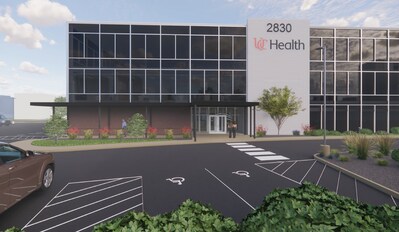
Named in honor of Dr. Timothy Freeman, a tireless advocate for equity and lifelong care for adults with developmental disabilities, the new center marks a transformative step forward in healthcare access and inclusion. Now located at 2830 Victory Parkway, the expanded Center increases its footprint tenfold, allowing UC Health to welcome more patients and deliver high-quality, interdisciplinary care in an environment designed for accessibility, dignity, and comfort.
"Hundreds of adults with development disabilities in our region still lack inclusive, coordinated care, and waitlists for vital services can stretch for years," said Cory Shaw, president and CEO of UC Health. "With the expansion of the Freeman Center, we are closing that gap. This space is our commitment to removing barriers to transform health and improve the lives of our community."
Every detail of the new Freeman Center was informed by input from patients, caregivers, self-advocates, and community partners. This collaboration led to the creation of a healing space that is physically accessible, sensory-friendly and tailored to the unique needs of adults with developmental and genetic disabilities, including autism, cerebral palsy, Down Syndrome and spina bifida.
|
Improving health outcomes by connecting with patients on a cultural level
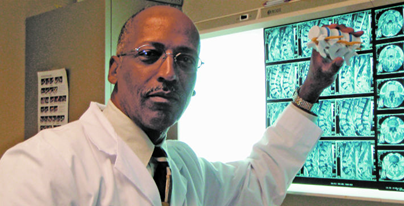
When Debby Lee cares for patients at the UC Davis Health Midtown Ambulatory Care Center, she carries cultural knowledge that connects her to a group of patients deeply affected by health disparities. Lee, who is of Hmong descent, is passionate about serving communities underserved in health care.
“My parents came to the U.S. as Hmong refugees after the Vietnam War,” Lee said. “I’ve always been passionate about improving representation in medicine.”
Her commitment to better inform and transform the medical field through culturally sensitive care — treating people with respect for their culture, traditions, and beliefs, so they feel understood — has not gone unnoticed.
|
Mediating Pathways between Neighborhood Structural Investment and Cardiometabolic Health Across U.S. Cities
Background
Epidemiologic studies have linked neighborhood socioeconomic conditions to health. However, few have examined neighborhood structural investment (NSI) influences on cardiometabolic risk markers across urban environments. This study investigated whether NSI varies by historic redlining, associations between NSI and the prevalence of obesity, diabetes, and coronary heart disease (CHD) and whether redlining’s effect on obesity, diabetes, and CHD prevalence are mediated by neighborhood structural investment.
Methods
NSI was measured using a composite score based on census tract data from MapUSA, which included home value, rent, vacant houses, and structures older than 30 years (higher scores representing greater investment). Obesity, diabetes, and CHD prevalence estimates were from the 2024 CDC’s 500 Cities 2024 data. Redlining data from the Home Owners’ Loan Corporation (HOLC) scores from the University of Richmond’s Mapping Inequality Project were analyzed for seventeen U.S. cities. NSI was tested as a mediator of these associations. Models were adjusted for % Black, % of people 60 and older, % of families in poverty, % of people with a college degree, % unemployed, median household income, and length of residency.
Results
Living in a formerly redlined neighborhood was associated with lower NSI longitudinally. NSI was associated with decreased obesity, diabetes, and CHD prevalence, but these associations varied by city. NSI mediated associations between redlining and health outcomes varying by city.
|
Disparities in Heart Failure Epidemiology, Diagnosis, Management, and Outcomes
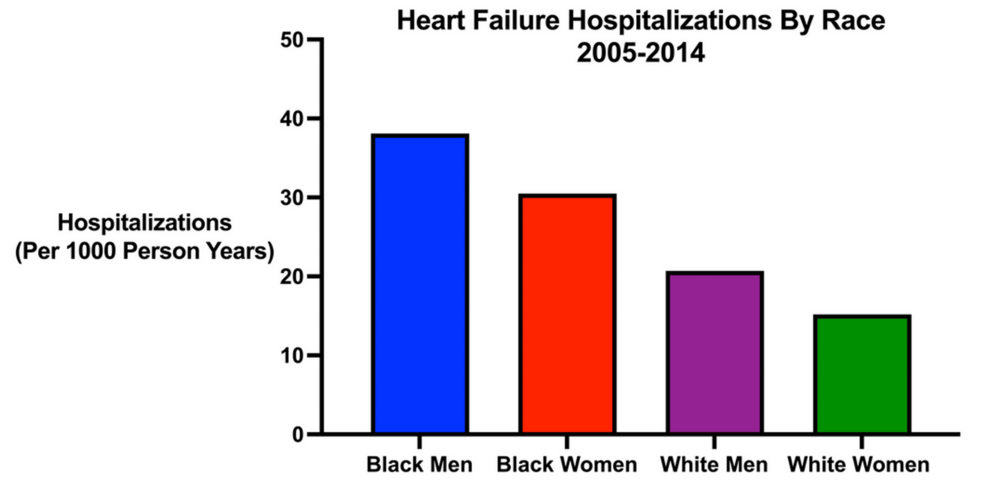
Heart failure (HF) disproportionately impacts minority groups in the United States. Among minorities living with HF, disparities exist in treatment, access to advanced therapies such as durable left ventricular assist devices and heart transplantation, and outcomes. Reasons for observed disparities range from the prevalence of traditional cardiovascular risk factors to social determinants of health, including housing, access to healthcare, and socioeconomic status. Clinical practice guidelines frequently are unable to address these observed disparities, and clinical trials often underrepresent minority populations. Custom programs tailored toward addressing disparities in HF care are needed to help improve outcomes in minority populations.
| | |
Join the University of Cincinnati Cancer Center for a film viewing followed by a dinner and panel discussion of the latest prostate cancer prevention and care. There will be two screenings of the event:
- Thursday, September 18, 2025 from 5:30 - 8:30 p.m. at Probasco Auditorium (2839 Clifton Ave., Cincinnati, OH 45220)
- Saturday, September 20, 2025 from 3:30 - 6:30 p.m. at United Community Christian Church (1710 Maryland Ave., Covington, KY 41014)
The Black Walnut is an award-winning docudrama about the alarming prostate cancer disparity impacting Black men. Featuring nine actual prostate cancer survivors, a urologist and a medical oncologist in dramatic roles, the film explores the myriad of barriers Black men encounter in securing healthcare. Black men are more likely to develop prostate cancer than white men and the film aims to encourage men to prioritize their health.
Participants will have the opportunity to:
-
View The Black Walnut film and meet the writer and producer Terrance Afer-Anderson.
- Connect and have a discussion with a panel of local prostate-focused physicians and survivors who will provide suggestions on how to address some of the significant barriers and disparities the Black community faces regarding prostate cancer.
- Receive free PSA screenings via blood draw.
Register HERE.
| | | | |