U52 Bridge over Skagit _1_.jpg
scl_logo_white_horiz_transparent.png

SKAGIT RIVER HYDROELECTRIC PROJECT

SEPTEMBER 2021 RELICENSING NEWS

A newsletter to update partners and other interested parties about the federal relicensing of the Skagit Hydroelectric Project. Information is also available on the project website or by emailing the project team at scl_skagitrelicensing@seattle.gov

Project Update: Planning for the future of the dams

City Light’s mission is to provide our customers with affordable, reliable, and environmentally responsible energy services now and in the future.


We are pursuing a new federal license for the Skagit River hydroelectric dams (licenses are given between 30-50 years at a time). The relicensing process is an opportunity for us to look at the entire ecosystem that surrounds the three-dam system. We are in the first phase, which is studying how the dams are affecting the natural and cultural environment. The second phase will use that research to decide how best to address the effects of the dams. In the final phase we will submit our proposed protection, mitigation, and enhancement measures to the Federal Energy Regulatory Commission (FERC) for their decision about the next license.


While hydropower is clean energy that does not burn fossil fuels, it is not perfect, nor without cost. The Skagit dams impact the Skagit River and the surrounding natural resources including fish and wildlife. These resources have cultural, spiritual, and economic importance to Tribes and First Nations. It is incumbent upon us to understand the project’s beneficial and negative impacts on these important resources. To that end, we are conducting over 30 scientific and cultural studies over the next two years to better understand our impacts and how beneficial impacts can be enhanced and negative impacts can be mitigated (see the Science Spotlight below for more on the study plan).


We also know that a lot can change in 30-50 years and Gorge Dam and the Skagit Hydroelectric Project may not always be as essential to our clean, carbon-free energy future as they are now. Climate change and technological advancement could change that. The needs of fish and wildlife populations also change over time, and our stewardship of the watershed needs to adapt as well. Recognizing this, City Light has committed to reevaluating the future of the dams periodically through the next license. 

Seattle City Light creates multimillion-dollar ecosystem fund to support fish on the Skagit

On Monday Sept. 20, 2021, Seattle City Council voted unanimously to authorize a new fund to support endangered fish species in the Skagit River watershed, including bull trout and Chinook salmon. The Skagit Habitat Enhancement Program will start with $2.5 million in initial funding to support fish and aquatic habitat projects. Each year, $500,000 will be added to this fund, until the new Skagit Hydroelectric Project license is in place. The Upper Skagit, Swinomish, and Sauk-Suiattle Tribes, and federal and state resource agencies will provide input on the fund and Seattle City Light will administer it.

Learn More

Science Spotlight: The Study Plan

City Light spent more than a year collaborating with nearly 40 organizations to develop the study plan that was recently approved by FERC. This study plan helps us answer important questions about the future operations of the dam, including whether, when, and how fish passage should be provided at the dams. With FERC approval of the study plan, City Light is starting:


  • Recreation studies to evaluate how visitors use the area around the project for boating, hiking, and other outdoor activities.


  • Fisheries and aquatics studies to evaluate habitat for salmon, steelhead, and bull trout. This helps us determine the timing and amount of water to release from the dams so we can protect adult salmon when they are spawning and young fish when they emerge from their eggs. Studies also evaluate water quality of the Skagit River to support the fish and wildlife. The fisheries studies will include an evaluation of fish passage over all three dams and the suitability of habitat for salmon in the reservoirs and tributaries.
skagitscience1.jpg

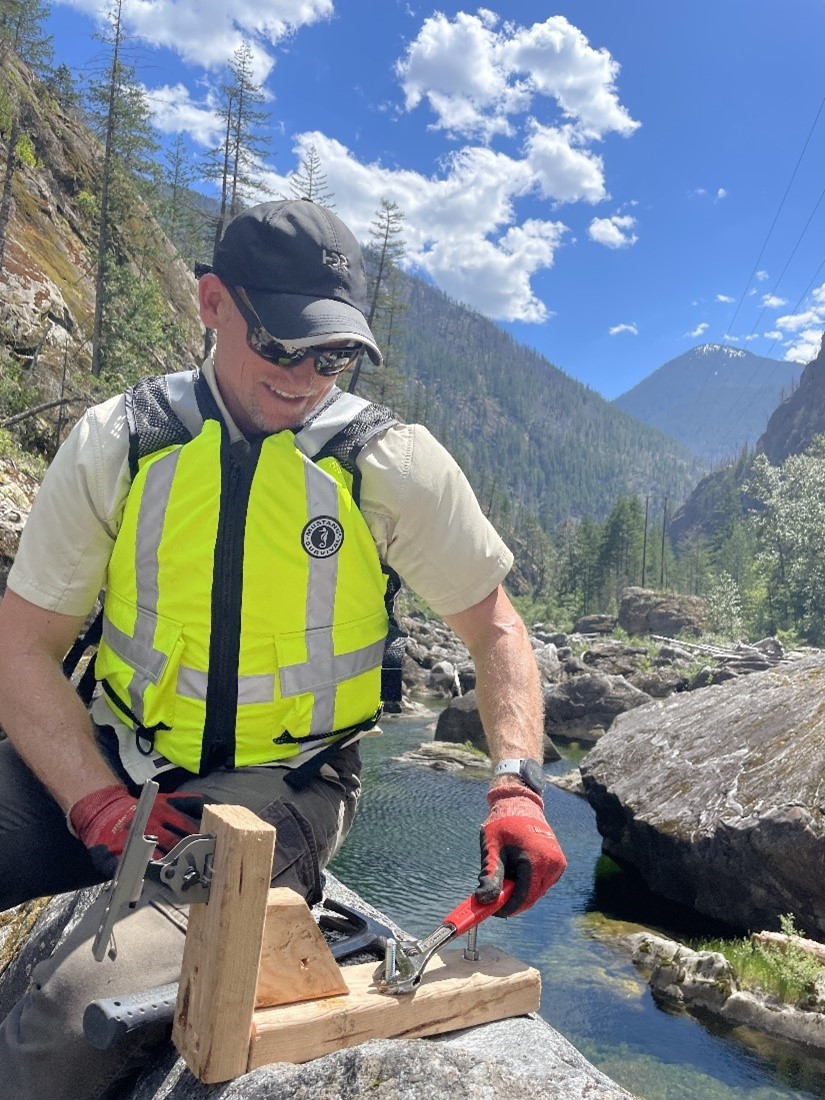
Above: FA-04 study lead Mike Garello installs the base for one of several time-lapse cameras documenting flows in the Skagit below Gorge dam.

  • Cultural resource studies to take inventory of and record historic buildings, archaeological sites, and traditional cultural places that may be vulnerable. 


  • Wildlife and botanical studies to assess the condition of habitat for sensitive wildlife species and for rare and culturally important plant species. These studies will help us understand how best to protect these species.  

Questions and Answers

Have a question for City Light about the dams or relicensing? Email us at scl_skagitrelicensing@seattle.gov.


Q: How important is the electricity that the Skagit dams produce? 


A: The three Skagit dams produce about 20% of the electricity used by the residents and businesses in Seattle. Hydroelectricity is an important source of clean energy and is more consistently available than solar and wind energy. When renewables like hydroelectricity aren’t enough to meet Seattle’s needs, we rely on gas and other carbon-based fuels. Clean energy is vitally important to our efforts to control greenhouse gasses and a warming planet.

salmon.jpg

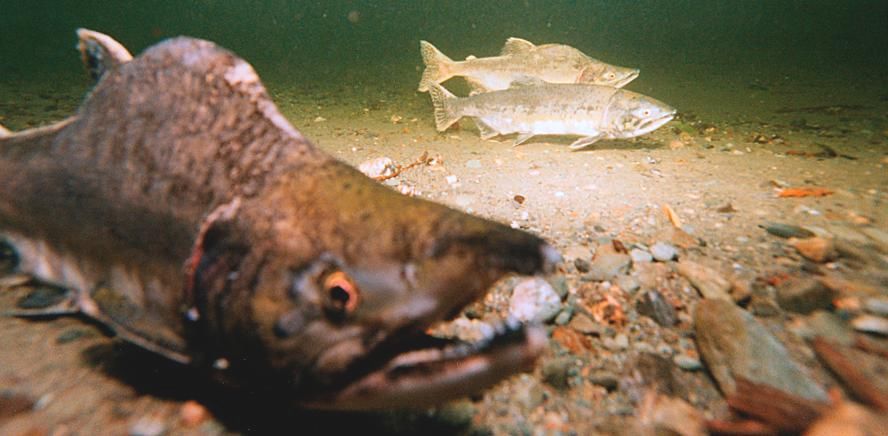
Above: Pink salmon (Chum salmon) in Diobsud Creek, Skagit. (Courtesy of the Seattle Municipal Archives, Identifier #122617)

Q: Why are salmon at risk in the Skagit River? 


A: All five species of pacific salmon, as well as steelhead and bull trout, live in the Skagit. Salmon spend the beginning and end of their lives in fresh water like the Skagit, and the middle part of their lives in the ocean. The Skagit, the largest river in western Washington, is an important salmon spawning ground. But because they travel so far, the salmon are put at risk and impacted by a variety of factors. While the dams certainly change the natural environment, other factors include a significant reduction in fish habitat due to land use activities in the estuary and lower river, as well as warm water temperatures and other water quality issues in the river and Puget Sound, and unstable food supplies in the ocean.


Q: What are the types of actions that City Light can take to protect salmon and trout in the next license? 


A: City Light is a willing partner in supporting salmon recovery via all means possible and can take direct action by seeking to operate the Skagit Project with a set of priorities that continues to put precautionary management of fisheries resources ahead of power production. City Light seeks to understand the effects of the Project on salmon and implement mitigations, protections, and enhancement activities targeting the controllable threats to salmon that are linked to the operation of the hydroelectric project. City Light has an excellent track record of investing in science and research to guide and implement our programs in partnership with the Tribes and agencies charged with managing these resources. 

Learn More

City Light's Hydroelectric Resources

BoundaryRainbow2.jpg

Learn more about the Skagit River Hydroelectric Project and other City Light hydroelectric resources.

Skagit Tours and Recreation

SkagitBoatTour.jpg

Explore the Skagit River and the beauty of the North Cascades.

Skagit Relicensing Project Page

RossLake.png

Learn more about the relicensing process, including the library of public documents

OUR MISSION

Seattle City Light provides our customers with affordable, reliable and environmentally responsible energy services.

City Light Website | Powerlines Blog

Facebook  Twitter  LinkedIn  YouTube