It is estimated that 1/4 women in their lifetime will be affected by vulvodynia. The vulva is the anatomical term for the external genitalia in women. This includes the clitoris, labia, mons pubis and the vestibule (vaginal opening).
There are various causes and presentations of symptoms that can be considered vulvodynia. The most common form is provoked Vestibulodynia.
This is pain with touch to the vaginal opening. Most common reports are with attempted tampon use, penetrative sex, and pelvic exams.
The causes of provoked vulvodynia are often multifactorial and can include genetic, hormonal, inflammatory, musculoskeletal, neurological, psychosocial, and structural defects.
Approximately 90% of women diagnosed with provoked Vestibulodynia had pelvic floor dysfunction. Meaning the pelvic floor muscles are a large contributing factor in conditions like dyspareunia, vaginismus, and vulvodynia.
Often patients with these conditions have hypertonic pelvic floor dysfunction. This means the muscles are being overused through the day, which often leads to compression of the pelvic nerves, blood vessels which results in increased pelvic pain.
Therefore, in pelvic floor therapy we focus on relaxing the pelvic floor muscles, regulating the nervous system, and balancing the surrounding pelvic musculature to improve blood flow, nerves, and muscle function. In addition to that, we focus on neuromuscular re – education, pain physiology, desensitizing the central/peripheral nervous system, a home exercise program and behavioral and lifestyle modifications.
These are my top 5 home remedies for chronic pelvic pain and vulvodynia.
🔹 Pelvic Floor Drops
Lengthening and opening the pelvic floor muscles. As you inhale imagine your pelvic floor is a flower and it is blooming. Or as you inhale imagine you are breathing through your vagina. Complete 3 – 5 of these breaths daily are whenever having pain.
🔹 Diaphragmatic Breathing
As you inhale let your belly rise, your ribs expand and your chest rise gently. On the exhale let the chest and belly fall naturally and effortlessly. Practice 3 – 5 minutes daily when you notice increase in pelvic pain or stress. You can practice this breathing and pelvic drop together.
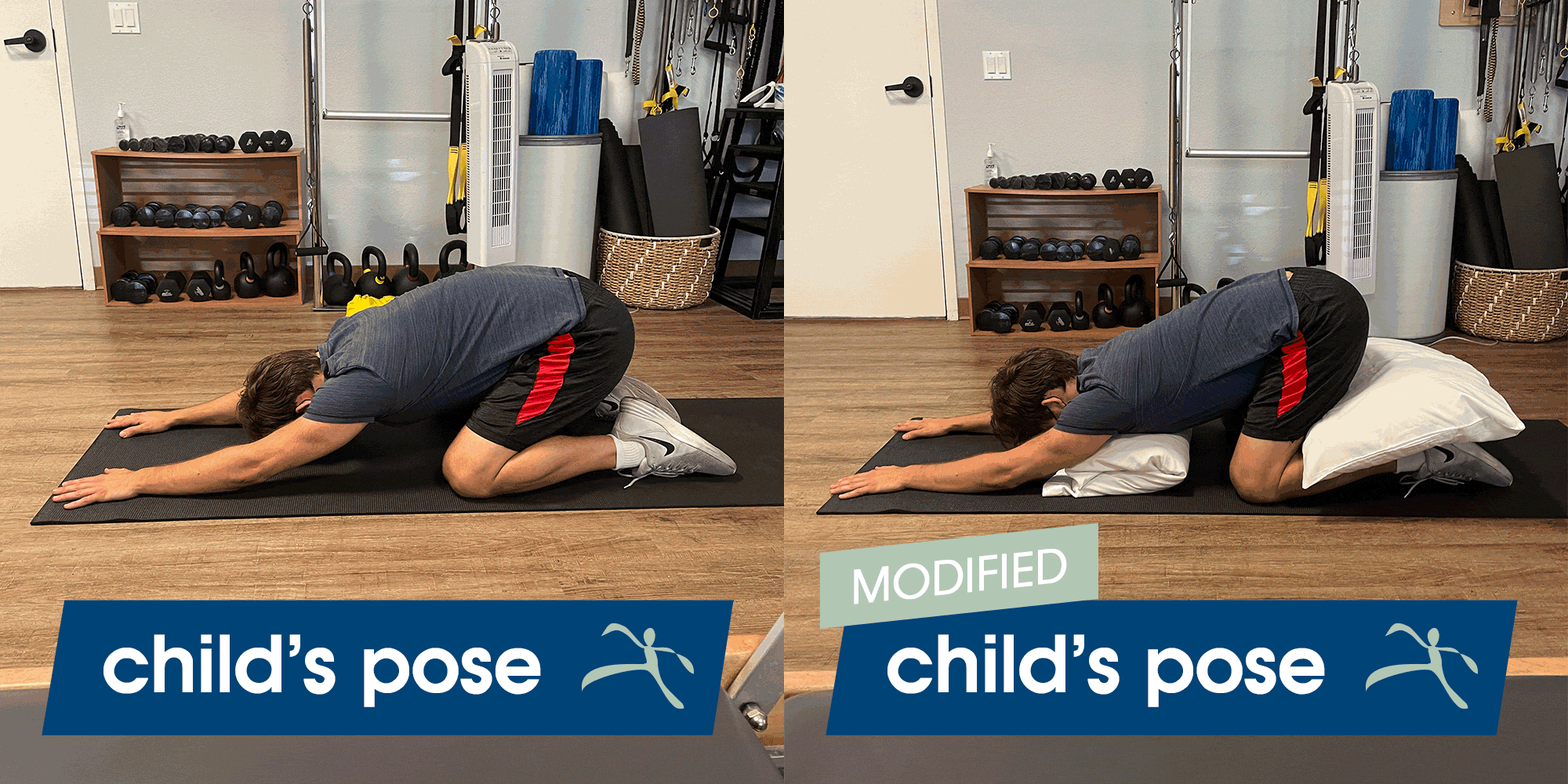
🔹 Child's Pose
The muscles can lengthen in drop in this position. Complete this pose for 1 – 5 minutes combined with diaphragmatic breathing to relieve pain.
🔹 Foam Rolling
Roll out the posterior glut muscles to reduce trigger points, improve blood flow, nerve function, and alleviate pain.
🔹 Stress Management Techniques
Throughout the day, utilize meditation and stress management practices that give you joy and can reduce stress. This will help the pelvic floor muscles relax, not be overused throughout the day, and regulate the nervous system.
Questions or concerns? Give us a call! 858-457-8419