September 2024
NBGA Newsletter Vol. 3, #9
| |
|
Hello and welcome to the September 2024 NBGA e-newsletter! Northarvest has had a very busy month, maybe the busiest few weeks since January's Bean Day, and we are looking forward to sharing numerous updates with you. Be sure to check out the NBGA in the News & on the Move section of the newsletter.
Mid-September means that harvest season is here. To those who are done with dry bean harvest, congratulations! To those who still have dry bean harvest ahead, we wish you a safe, productive, and successful harvest. To everyone who farms, may harvesting all your other crops also go well!
Every year, growers are faced with challenges. For example, the cool, wet conditions around planting time and the early part of the season caused planting delays and/or delayed crop maturity for many in our region. Northarvest recognizes the dedication required to grow dry beans, and we take pride in promoting the excellent beans produced by our growers. Thank you for providing such a nutritious food to people around the world.
| |
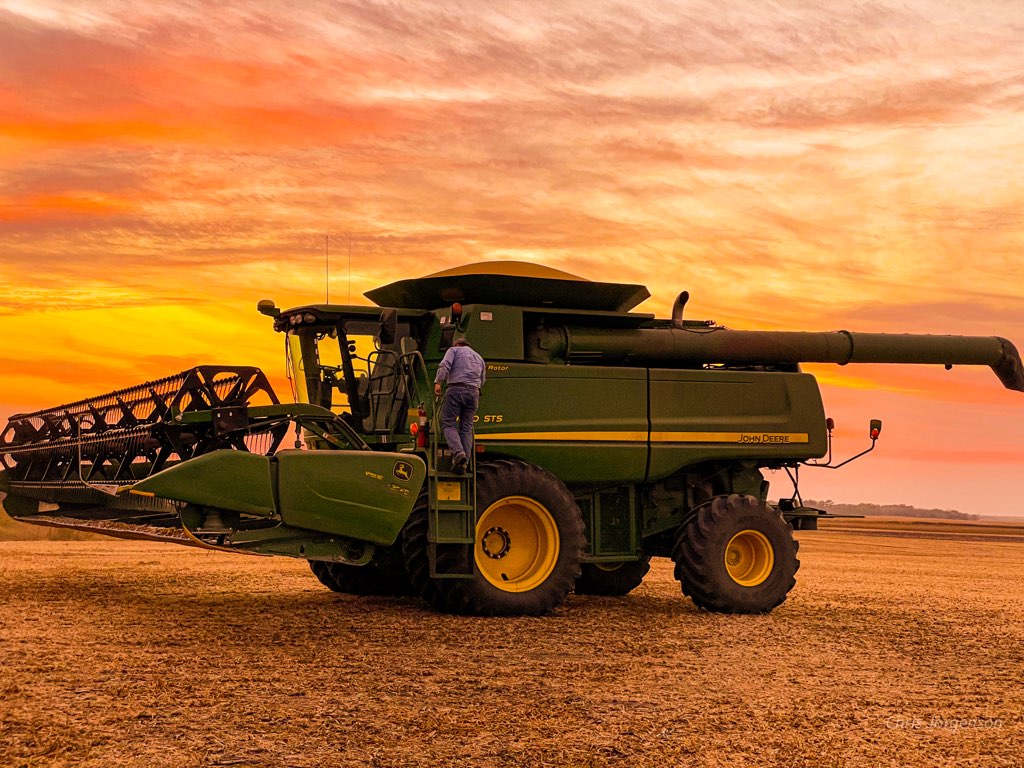
Sunset photo contributed by NBGA President Eric Jorgensen | |
Did you know NBGA provides the opportunity for two children or grandchildren of MN & ND dry bean growers to win a $2,000 scholarship for college? | |
All of the information needed to apply is included on the application form you can find by clicking the graphic above or the button below. | |
|
September 2024 Newsletter Table of Contents:
- Bean Poll
- NBGA Member Profile
- USDA Weekly Dry Bean Market Review
- NBGA Partners with a Chef
- Bean Institute: Enjoying Beans this Fall
- Bean Nutrition Corner
- Northarvest in the News and on the Move
- The Dry Bean Scene
| |
|
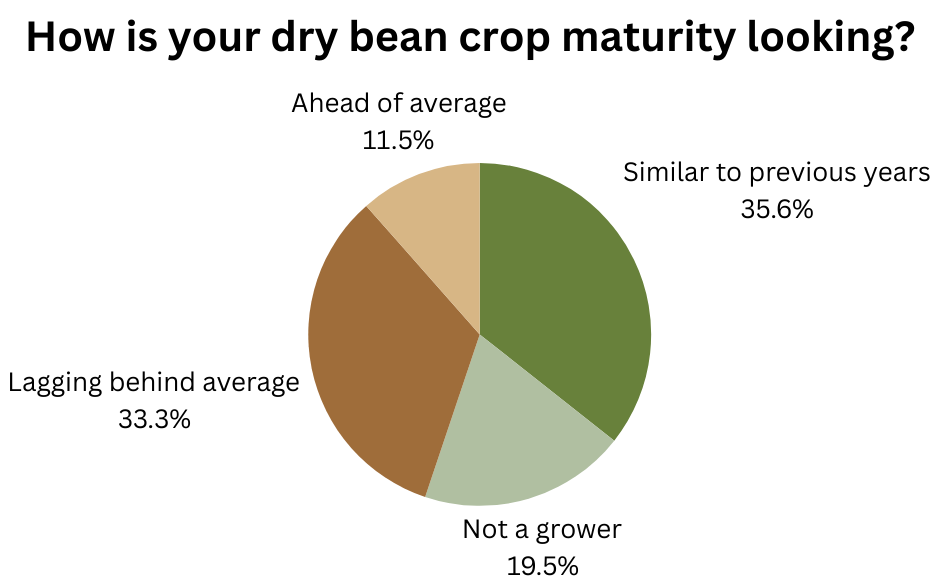
In the August 2024 newsletter poll, we asked you about how your dry bean crop was developing. Thank you to everyone who participated in our poll!
As you can see in the pie chart below, the most common response was that crop maturity was similar to previous years, followed closely by the response option for lagging behind average maturity. Below is the full breakdown of responses.
| |
For our September 2024 poll, please click below to indicate your answer. As always, we will reveal the response breakdown in next month's newsletter. | |
September 2024 poll: How is your dry bean harvest going? | |
| How is dry bean harvest going? Please select your response below. | | | |
|
Please share photos and/or videos of dry bean harvest!
Please consider sharing photos and/or video clips from your 2024 dry bean harvest. This is a very exciting time of year, and we would like to post these on YouTube and other platforms, to share a glimpse into the field with the public. You can see other grower videos on NBGA's YouTube playlist of NBGA Grower Shared Videos.
Please email photos and video clips to jed@northarvestbean.org - and tell us who is sending them and where they are farming. Photo credit and shout-outs will happily be provided.
| |
|
NBGA Grower Spotlight
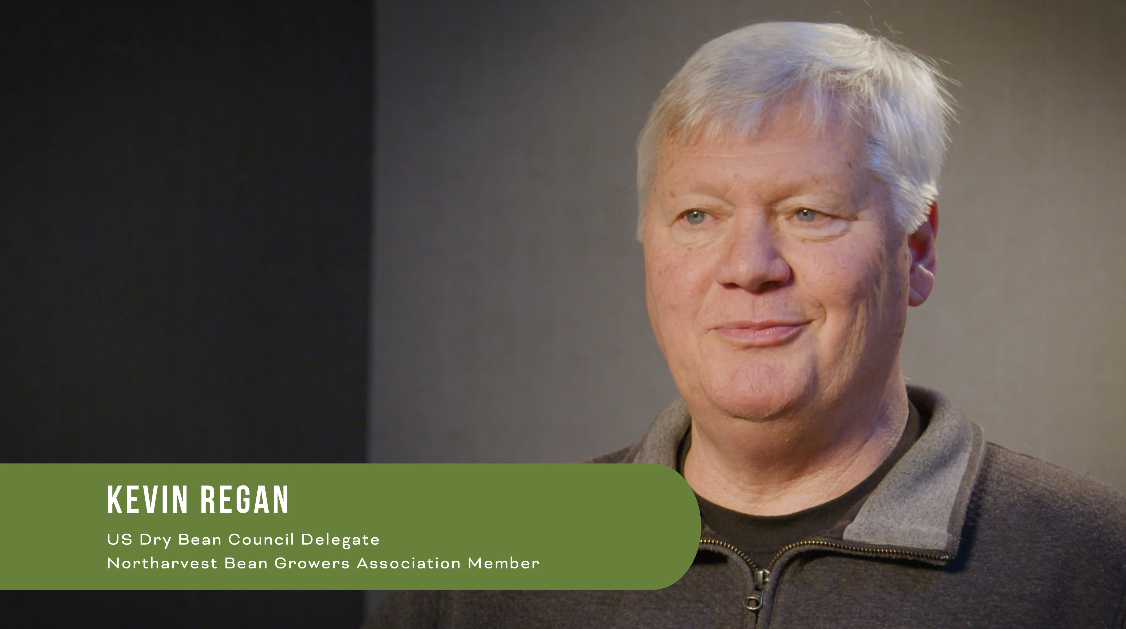
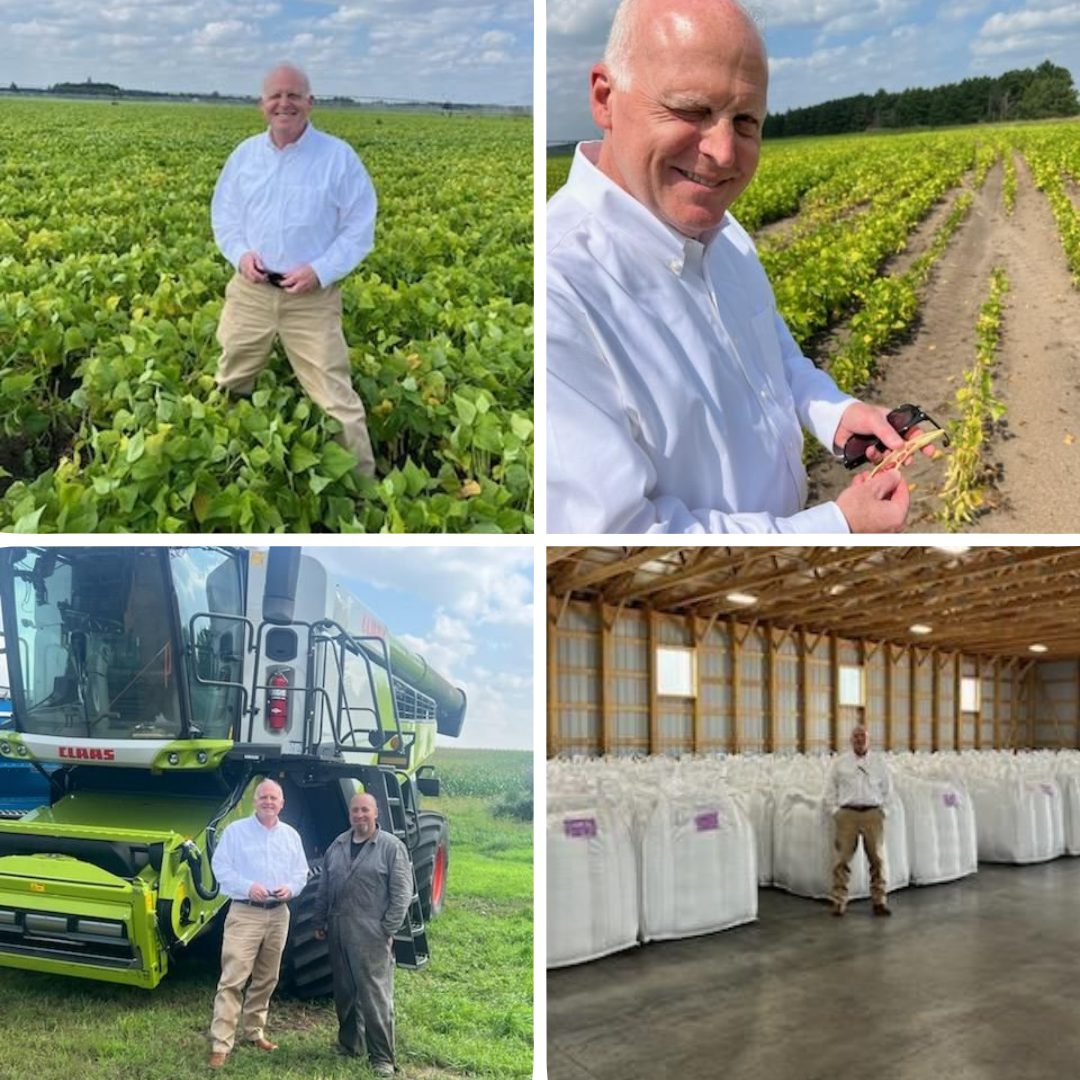
This month's NBGA grower profile is Kevin Regan. Based in the Devil's Lake area of North Dakota, Kevin has been farming for 40 years. Kevin has also been NBGA's representative for the U.S. Dry Bean Council for the last 9 years, having recently finished up after serving three terms.
NBGA would like to thank Kevin for his significant service to his fellow growers and to the dry bean industry.
Click the image below to watch this NBGA grower profile video to learn more about Kevin & his experience around dry beans and serving his fellow growers.
| |
|
Below, you can find links to the most recent USDA Weekly Dry Bean Market Reviews. Click on the date to see the report.
-
The next USDA Weekly Dry Bean Market report will be released soon. You will be able to find that report here.
-
September 10, 2024: "Compared to last week: Trade remained light with mostly steady bid prices. According to the Crop Progress Report September 9, 2024, Dry Edible Peas are 91% harvested in North Dakota. Dry Edible Beans are 84% harvested in Montana, 46% harvested in Washington, 5% harvested in Minnesota, 24% harvested in Idaho, 12% cut in Colorado, 2% harvested in Michigan, 5% harvested in Nebraska, 5% harvested in North Dakota, and 8% harvested in Wyoming."
-
September 3, 2024: "Compared to last week: Trade remained light with mostly steady bid prices. According to the Crop Progress Report September 2, 2024, Dry Edible Peas are 96% harvested in Montana and 85% harvested in North Dakota. Dry Edible Beans are 81% harvested in Montana, 1% harvested in Minnesota, 1% cut in Colorado, and 22% cut in Wyoming."
-
August 27, 2024: "Compared to last week: Trade remained light with mostly steady bid prices. According to the Crop Progress Report August 25, 2024, Dry Edible Peas are 70% harvested in Washington, 92% harvested in Montana, 75% harvested in North Dakota, and 73% harvested in Idaho. Dry Edible Beans are 52% harvested in Montana, 4% harvested in Idaho, and 10% harvested in Washington."
-
August 20, 2024: "Compared to last week: Trade remained light with mostly steady bid prices. According to the Crop Progress Report August 18, 2024, Dry Edible Peas are 54% harvested in Washington, 89% harvested in Montana, 55% harvested in North Dakota, and 58% harvested in Idaho. Dry Edible Beans are 45% harvested in Montana, 1% harvested in Idaho, and 3% harvested in Washington."
-
August 13, 2024: "Compared to last week: Trade remained light with mostly steady bid prices. According to the Crop Progress Report August 12, 2024, Dry Edible Peas are 42% harvested in Washington, 61% harvested in Montana, 47% harvested in North Dakota, and 36% harvested in Idaho. Dry Edible Beans are 24% harvested in Montana."
| |
Introducing a brand new segment -
Researcher Profiles
| |
|
One of the unsung categories of bean industry supporters is the small group of researchers working in that specialized field. Without their efforts, we would not have the new varieties or information to deal with pests and diseases affecting beans. NBGA would like to spotlight some of those who are dedicated to strengthening our industry through research and bean breeding.
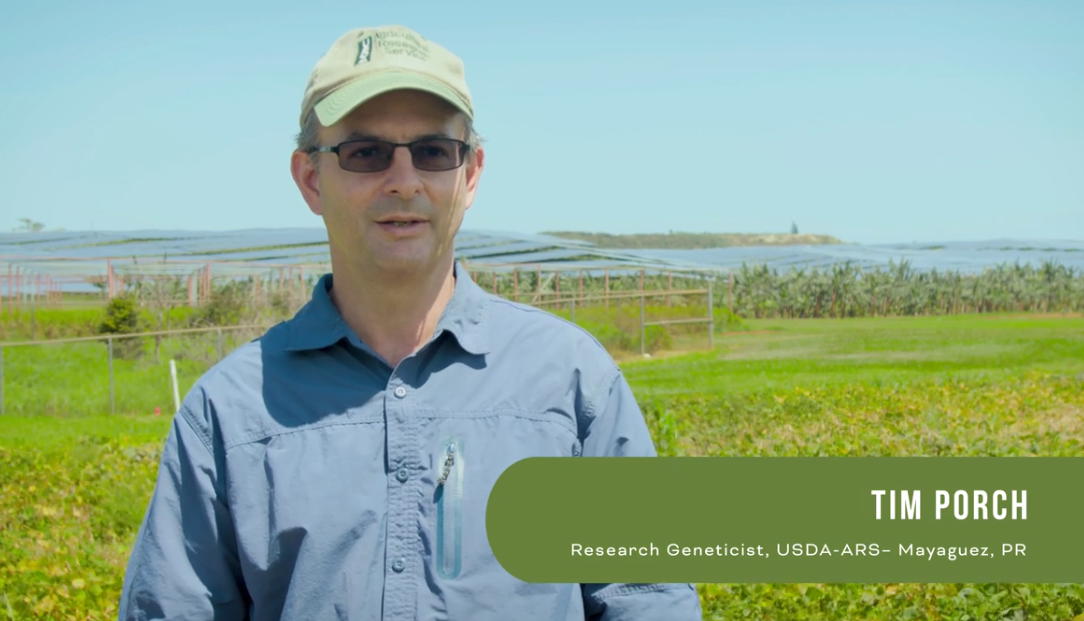
For the first of our series of researcher profiles, NBGA is sharing this interview with research geneticist Tim Porch, captured earlier this year as part of our overview of the Puerto Rico dry bean overwinter site.
Tim took the time out of a very brief window - during an incredibly hot day - to spend a few moments sharing some of his expertise and insights into beans and how they fit into our diet and the world around them.
| |
NBGA Partners with a Chef | |
|
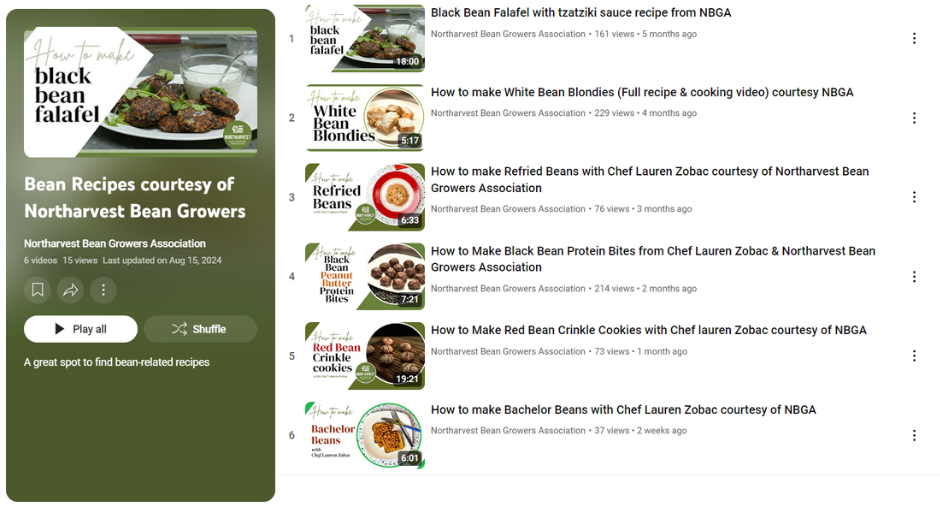
Over the past several months, we have shared six delicious bean recipes created by Chef Lauren Zobac - (and there's more in the works!). That is a lot of delicious bean dishes!
To make it easy to find all of them, we wanted to provide a list of all the recipes to date and a link to the NBGA bean recipe playlist on YouTube.
| |
|
Bean Recipes from Chef Lauren Zobac
These recipes showcase the versatile ways in which we can use beans in the kitchen. The YouTube videos are easy to share with friends and family, to encourage them to also include more beans as a regular part of their weekly menu. We look forward to bringing you more bean recipes in the future, to continue to shine a spotlight on beans!
➡️ Find the full bean recipe playlist on NBGA's YouTube channel. You can also click on links to the individual recipes below.
| |
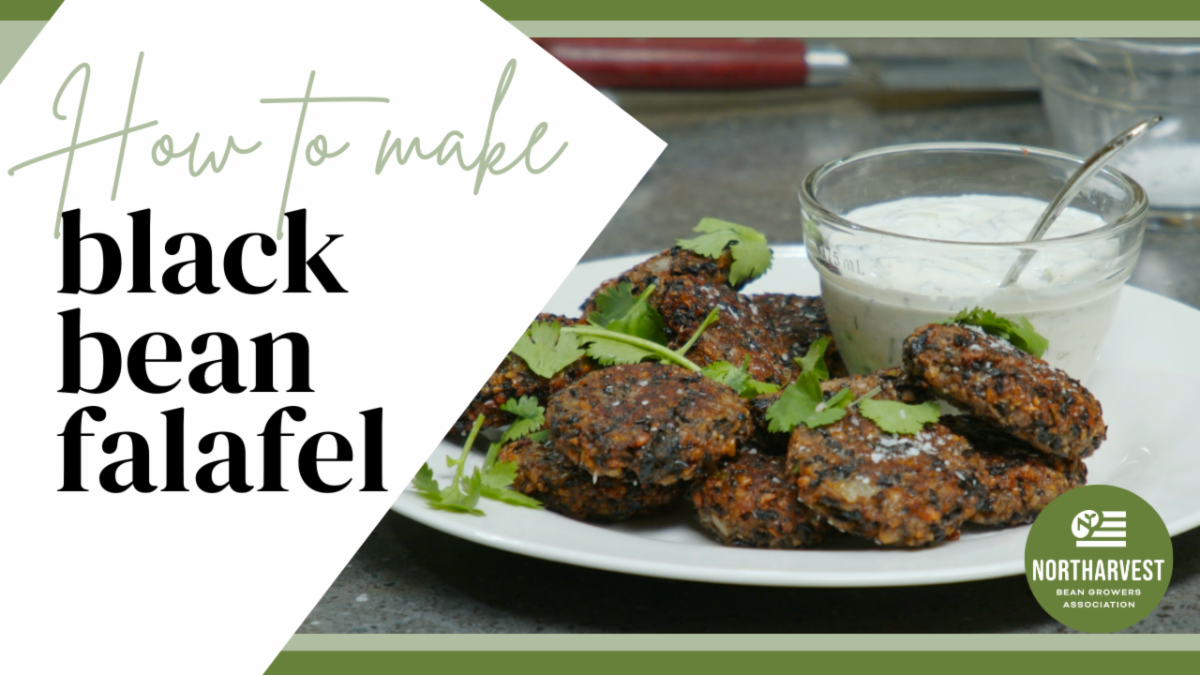
Black Bean Falafel - People often think of garbanzo beans in falafel, but this recipe stars black beans! Black Bean Falafel is bursting with flavor from the fresh herbs and creamy yogurt sauce. You will enjoy the contrast between the soft interior and crunchy exterior, and stay satiated thanks to the black beans. | |
White Bean Blondies - Adding beans to baked goods is a great way to make a healthier treat. Black bean brownies may be better known, but after you try these White Bean Blondies, we are confident they will also earn a place among your favorite baking recipes. | |
Refried Beans - Every home needs a delicious, go-to recipe for Refried Beans! Chef Lauren talks through her tips for the tastiest refried beans. | |
Black Bean Protein Bites - If you are looking for a nice, tasty, filling snack or breakfast on the go, these Black Bean Protein Bites are the answer. | |
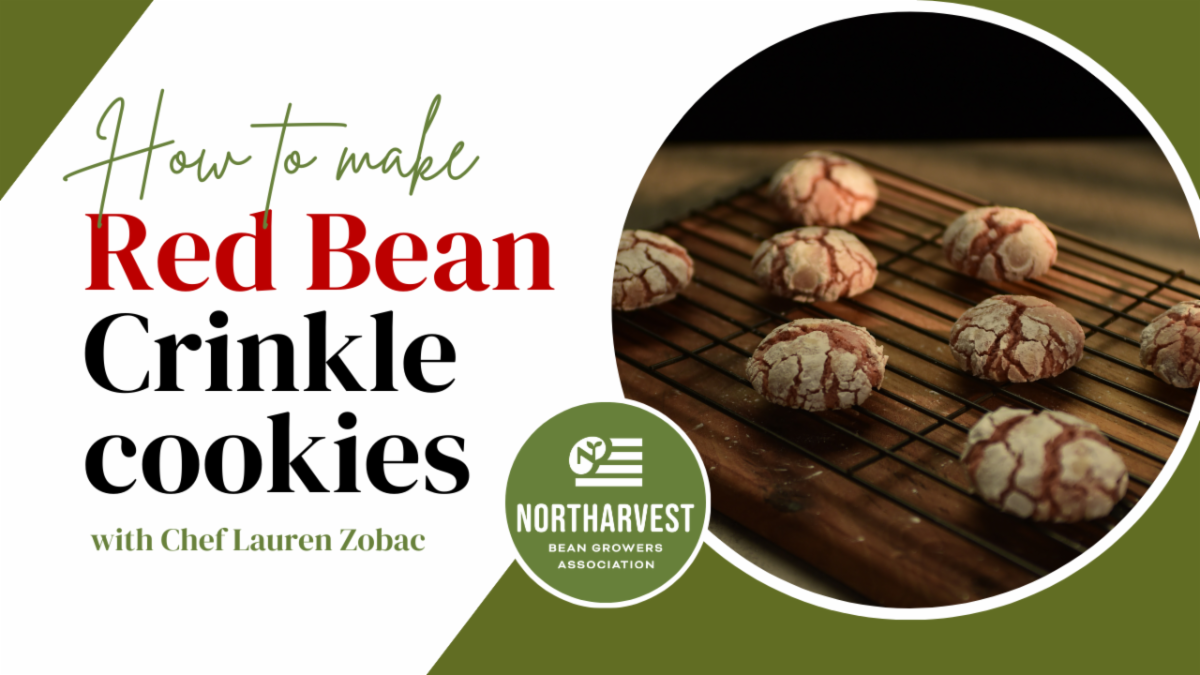
Red Bean Crinkle Cookies - These cookies are another creative way to use beans in baking! Plus, their nice red color makes these Red Bean Crinkle Cookies perfect for any upcoming holiday baking. | |
Bachelor Beans - Don't let the simple ingredient list fool you. These Bachelor Beans served over toast make a very flavorful, satisfying meal any time of the day. | |
|
Let Us Know What You Think!
We hope you enjoy these bean recipes! If you make them, please send us photos and let us know what you think! Or, upload photos to social media and tag us on Facebook, Instagram, and/or LinkedIn.
Please vote in the poll below. This will help inform future recipe development. Even if you have not yet tried all of the recipes, we would like to hear which one sounds the best to you.
| |
| Which is your favorite recipe so far? | | | |
Bean Institute: Enjoying Beans this Fall | |
Fall is a beloved season for many, when people enjoy the changing colors, the cooler weather, and fall foods. Squash and pumpkin - and pumpkin spice flavored everything - come to mind for lots of folks. However, we know that fall also means a fresh harvest of dry beans!
To help you celebrate the season, here are several recipe ideas from the Bean Institute that combine pumpkin/squash and beans. Two of these recipes were developed by the Culinary Institute of America. The third recipe is for granola and is a good example of how beans can easily be used in less traditional ways, to add a nutritional boost to anything you are making! You can share these bean-centric recipes with friends and family, and of course also enjoy them in your own kitchen.
| |
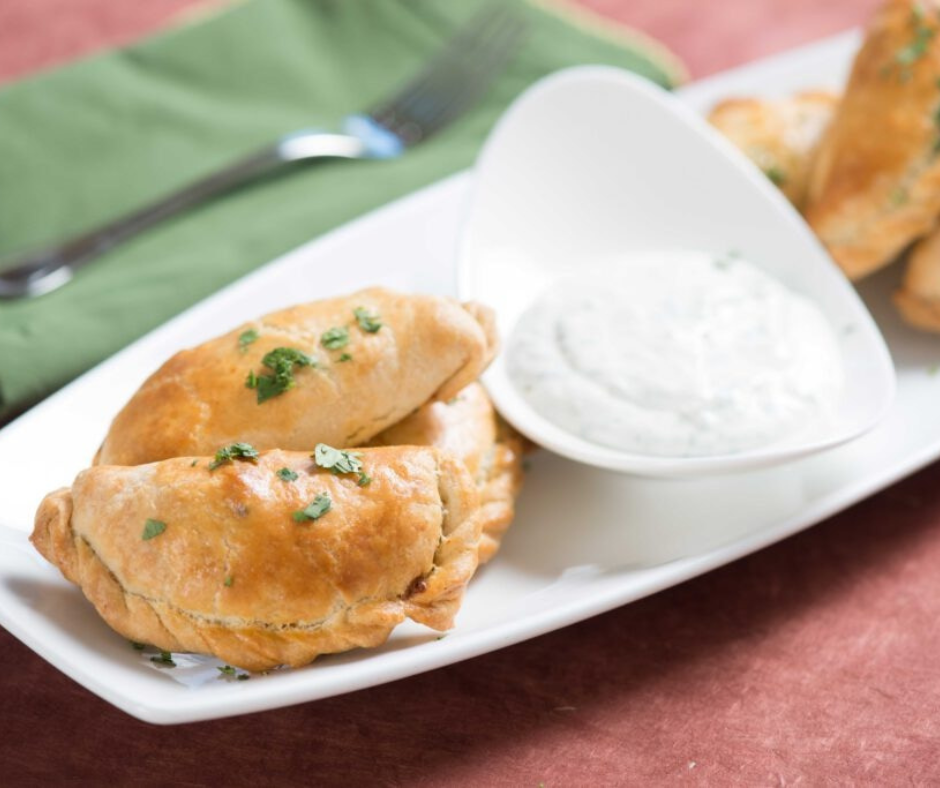
Pork & Pumpkin Empanadas with Black Beans
These satisfying empanadas are stuffed with black beans and other flavorful ingredients. In the recipe video, Chef Bill Briwa of the Culinary Institute of America (CIA) prepares this dish. One of the many helpful cooking tips that he shares is that when he cooks beans, he adds onion, celery, and/or other herbs to help flavor them. This time, he added some of the liquid from the chipotle peppers to give them a nice kick.
➡️ Click here to see the recipe for these Pork & Pumpkin Empanadas with Black Beans.
| |
|
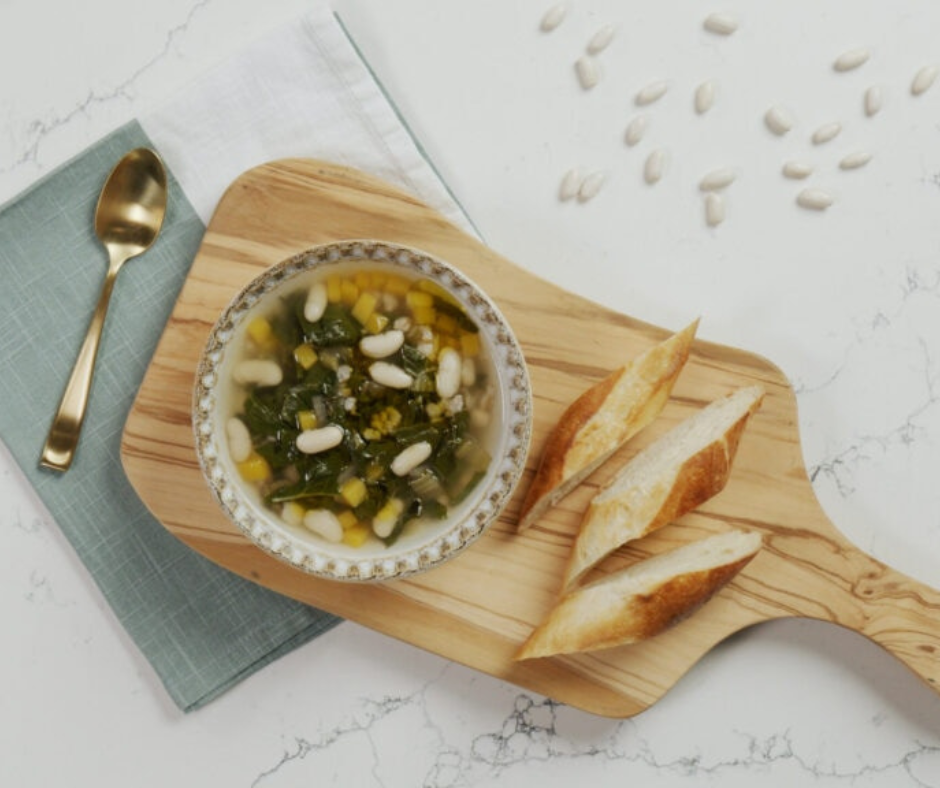
White Bean Soup with Butternut Squash
As the temperatures start to drop, a nice, healthy soup that warms you up from the inside out makes a perfect meal. This soup uses white kidney beans, also called cannellini beans, and a variety of other produce. The chef in the video talks about the benefits of using beans in soups, as well as sharing other cooking tips.
➡️ Click here for the recipe and video of a CIA chef making this White Bean Soup.
| |
|
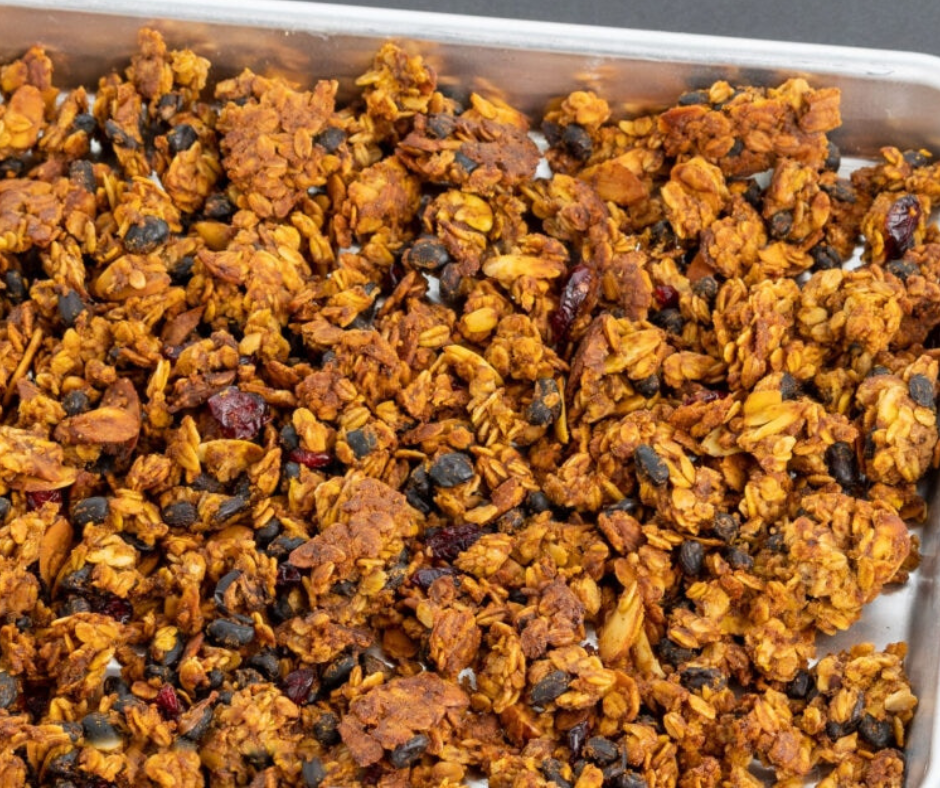
Pumpkin and Black Bean Granola
Beans may not be the first ingredient you think of when you hear the word granola, but they really shine in this Pumpkin and Black Bean Granola. This recipe demonstrates that beans make a great addition to just about any dish you are making! This granola makes a tasty yogurt topping, or simply snack on it as is.
➡️ Click here for the recipe for this Pumpkin and Black Bean Granola.
| |
|
More from the Bean Institute | |
|
Did you see the Bean Institute's August 2024 newsletter? The featured topic addressed how beans can help fill many nutrient gaps (i.e., critical nutrients and dietary components that most Americans do not get enough of) that exist in the typical American diet. The post's author focuses on the high dietary fiber and potassium content of beans, stating that, "Beans are nutritional gems that can be easily added to a healthy diet. The benefits include increased fiber and potassium intake, which contribute to overall health improvement."
You can see a snippet below, or click here to read the full post.
| | |
|
Are you looking for more helpful and fun bean information and some bean recipe inspiration? Subscribe to the Bean Institute's newsletter: The Bean Bulletin.
➡️ Sign up by clicking here!
| | |
Slow-Darkening Pinto Beans | |
|
As you will see in the Dry Bean Scene section of this newsletter, the August 18, 2024 episode is of Dr. Juan Osorno discussing slow-darkening pinto beans. He mentions that there are several key benefits of slow-darkening pintos. For this month's Bean Nutrition Corner, we want to dive into the findings of two recent science articles - authored by Osorno and colleagues - that elaborate upon these benefits.
Why do slow-darkening pinto beans not darken like regular pinto beans?
Traditional pinto beans experience darkening with conditions such as delayed harvest, adverse weather, and storage. Darker pinto beans are often presumed by consumers to be older and therefore less desirable. Hence, pinto bean darkening patterns are important to growers, processors, vendors, and consumers.
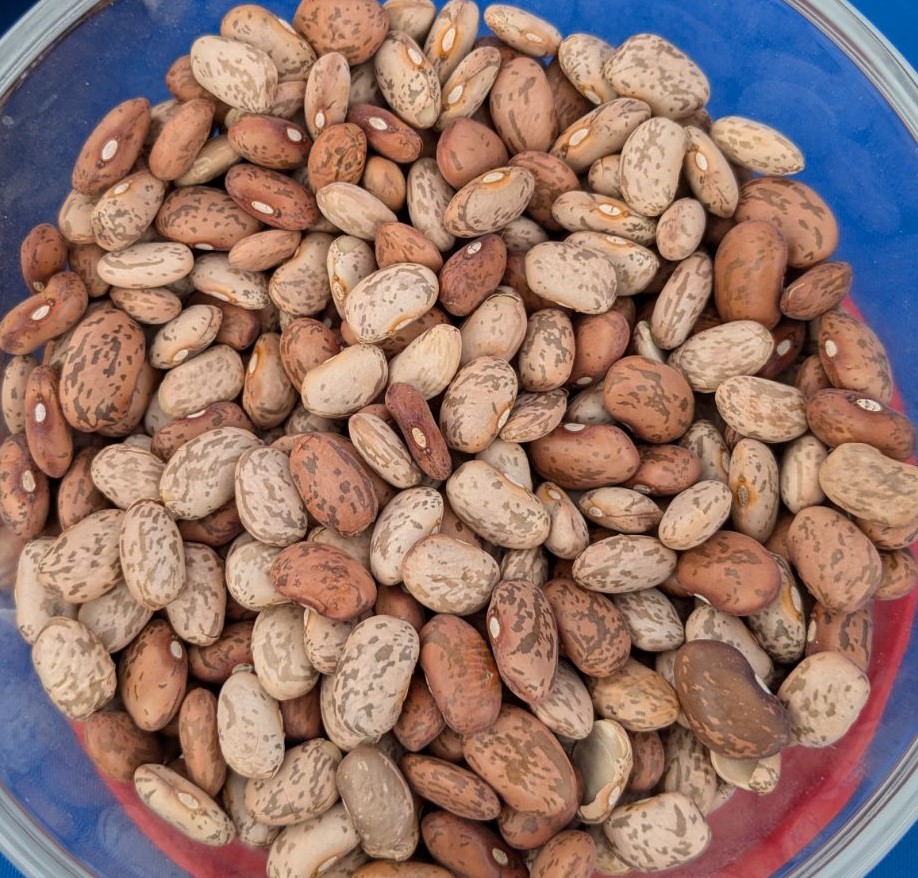
Researchers have discovered a trait that slows seed coat darkening. Slow-darkening pinto beans have a recessive gene that results in their seed coats darkening much slower under storage and delayed harvest conditions.
|  | |
|
As you can see, the slow-darkening pintos look much lighter after storage and exposure to light than do the regular-darkening pintos.
| |
|
What are potential nutritional benefits of slow-darkening pinto beans?
In their study, Wiesinger and colleagues (2021) evaluated both slow-darkening and regular-darkening pinto beans for both iron concentration and iron bioavailability. They found no clear distinction between the actual iron content of slow-darkening versus regular-darkening pinto beans.
However, there was a marked difference in iron bioavailability, or the iron that is actually available for the body to absorb and utilize. The authors state, "These results demonstrate that SD [slow-darkening] pintos have the capacity to deliver more dietary iron than RD [regular-darkening] pinto beans." Indeed, the slow-darkening varieties provided 2 to 7 times more bioavailable iron than their regular-darkening counterparts.
Why is it beneficial that slow-darkening pinto beans have faster cooking times?
Study results revealed that the slow-darkening pinto varieties tested by Wiesinger and colleagues (2021) cooked about 30% faster than the regular-darkening varieties. One of the main reported barriers to higher bean consumption is long cooking times. Dry beans that cook faster appeal to the consumer desire for convenience, making it more feasible to prepare dry beans in the home.
There are also environmental and economic implications to beans that cook more quickly. Faster cooking times can help reduce energy use, both on a household level and a larger commercial scale. This in turn results in the associated cost savings.
What about agronomic performance of slow-darkening pinto beans versus regular-darkening pinto beans?
Importantly, Miklas, Osorno, Chaves, and Cichy (2020) demonstrate that recent lines of slow-darkening (SD) pintos can compete with regular-darkening (RD) pintos in terms of agronomic performance: "Across 2010–2012 trials, the “early generation bred” SD pintos, as a group, had significantly lower emergence, increased lodging, less seed yield, and smaller seed size than the RD group. Conversely, in the 2018 trial, “recently bred” SD pinto breeding lines had competitive agronomic performance to RD lines for seed yield, reduced lodging, and increased emergence."
Bean breeders - like NDSU's very own Juan Osorno - continue to work to ensure strong agronomic performance of slow-darkening pintos. You can hear him speak more about this in a recent episode of the Dry Bean Scene.
References:
-
Miklas, P. N., Osorno, J. M., Chaves, B., & Cichy, K. A. (2020). Agronomic performance and cooking quality characteristics for slow‐darkening pinto beans. Crop Science, 60(5), 2317-2327. Read full article here: https://acsess.onlinelibrary.wiley.com/doi/full/10.1002/csc2.20220
-
Wiesinger, J. A., Osorno, J. M., McClean, P. E., Hart, J. J., & Glahn, R. P. (2021). Faster cooking times and improved iron bioavailability are associated with the down regulation of procyanidin synthesis in slow-darkening pinto beans (Phaseolus vulgaris L.). Journal of Functional Foods, 82, 104444. Read full article here: https://www.sciencedirect.com/science/article/pii/S1756464621000931
| 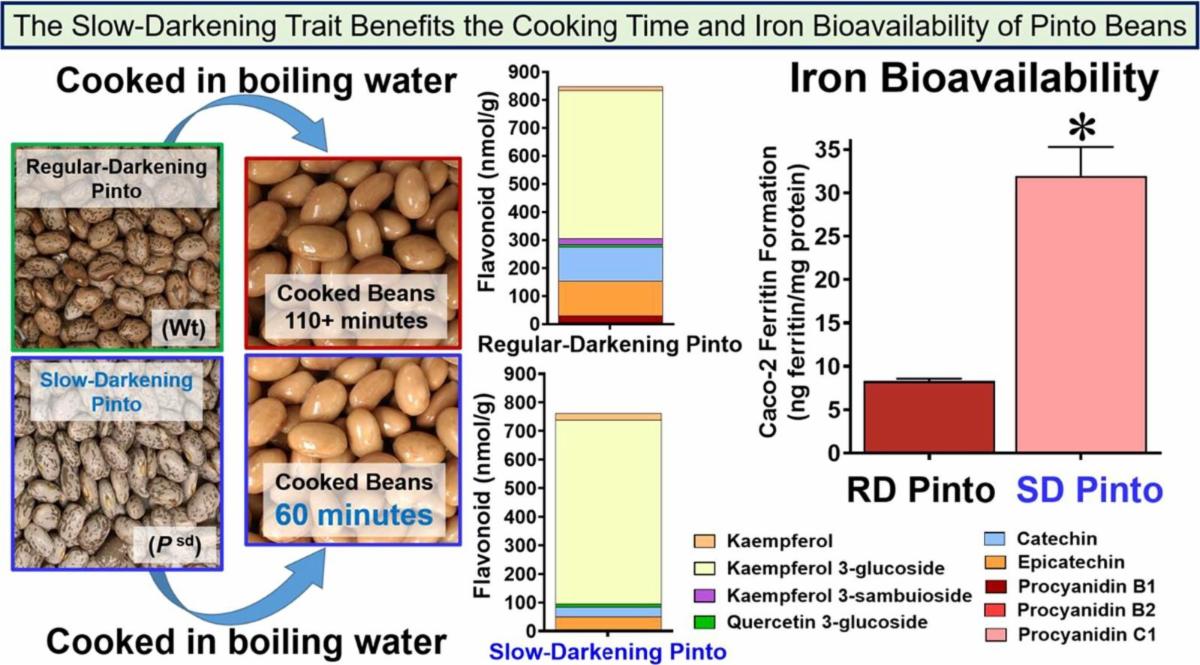 | |
Moral of the story? Slow-darkening pinto beans have several key benefits, including delayed darkening (which has visual appeal for consumers), faster cooking times, and improved iron bioavailability compared to regular-darkening pintos. | |
|
NBGA Welcomes the U.S. Dry Bean Council's Worldwide Reverse Trade Mission
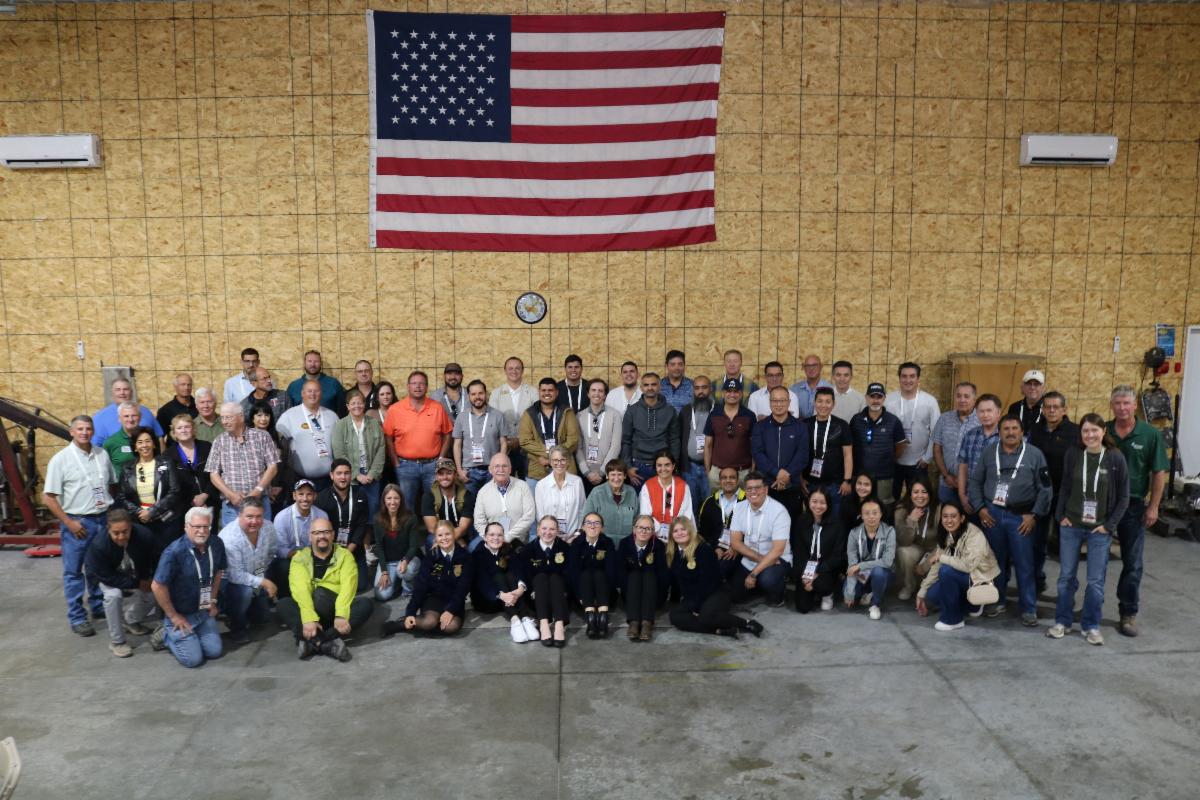
As we shared in last month's newsletter, NBGA is assisting in hosting this year's Worldwide Reverse Trade Mission, an important U.S. Dry Bean Council event held in conjunction with USDA Foreign Ag Service. As this newsletter arrives in your inbox, NBGA & several of its growers are actively participating in the trade mission visit (and why this newsletter is a day late to your inbox, we wanted to hold off to include the group photo below and say hi to some new subscribers visiting from overseas - Hi, friends!). Thank you to everyone who is traveling, participating, and helping make this event possible.
We look forward to sharing updates about how it went in our October 2024 newsletter. In the meantime, check out this snapshot taken just a few hours ago...
| | |
Free Soybean Cyst Nematode Tests for Dry Bean Growers
Soybean cyst nematode is a pest that feeds on legume roots. It negatively impacts soybean yields, and it can also affect dry bean yields. Thus, it is important to test soil, to determine if a field is infected, and population numbers in infected fields. You can read more in the AgWeek article titled Get Your Soil Tested for Soybean Cyst Nematodes.
To help facilitate testing for soybean cyst nematodes, NBGA is funding test kits for dry bean growers. The best time to test your soil is before or after harvest, before the ground freezes. To receive a free test kit and instructions, reach out to NBGA Office Manager & Finance Director Jennifer Hansen at jennifer@northarvestbean.org with your name and address.
| | | |
Minnesota Department of Agriculture and Minnesota Farmers Union Events
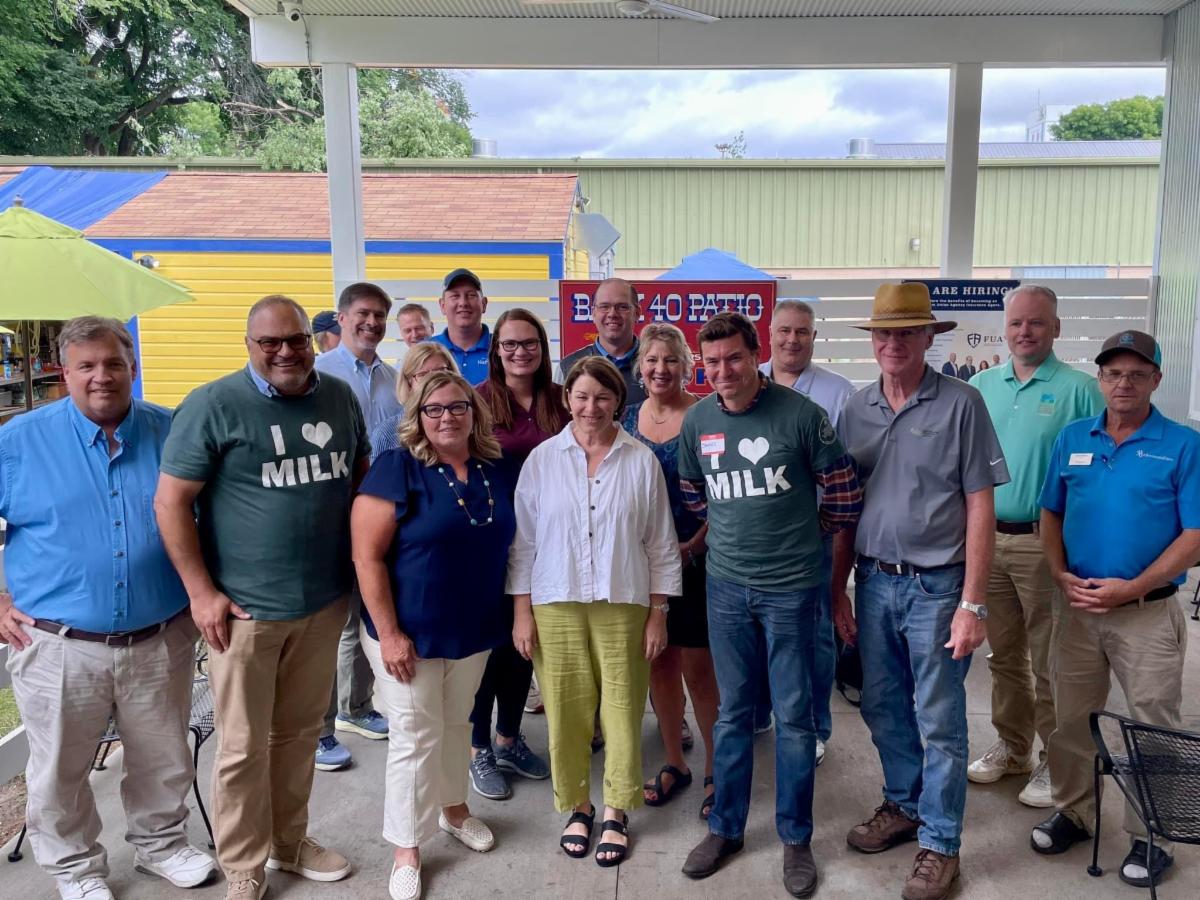
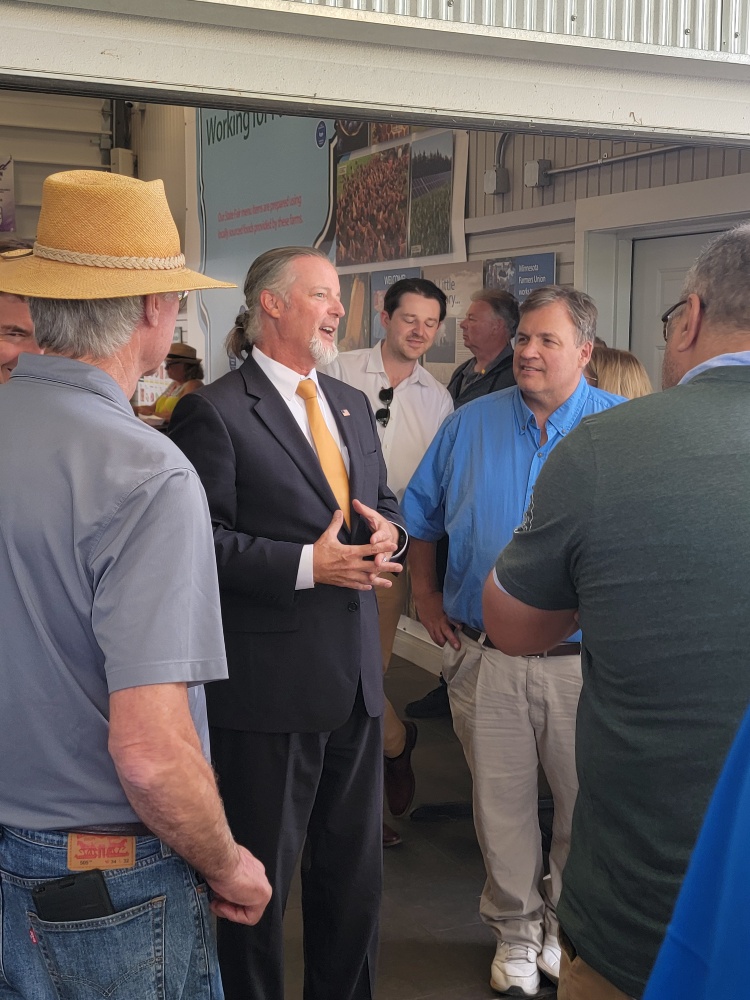
In late August, two events were co-hosted by the Minnesota Department of Agriculture and the Minnesota Farmers Union at the MFU building on the Minnesota State Fairgrounds. Mitch Coulter, NBGA Executive Director, attended both events to represent the dry bean industry.
Meeting with UK Government Representatives
The first meeting was with several government representatives from the United Kingdom: Richard Hyde (UK General Consul), James Roscoe (UK Deputy Ambassador), Jennifer Groover (UK Sr. Policy Advisor for Agriculture & Trade), and Jan Bauer (UK Consulate Office). Coulter detailed important events from the last couple of years in the ongoing dialogue between Minnesota and the UK, which led up to this meeting:
- In 2022, Past NBGA President Eric Samuelson traveled to the United Kingdom with Minnesota Governor Tim Walz and MN Department of Agriculture Commissioner Thom Peterson to help establish the dialogue.
- In 2023, UK General Consul Richard Hyde traveled to Minnesota, where Eric Samuelson attended a luncheon at MN Governor Tim Walz’s house of residence.
-
In 2024, the aforementioned contingent of partners from the United Kingdom were invited to the Minnesota State Fair to meet with Minnesota Agriculture Commodity Group leadership to discuss several critical issues. Points of discussion included precision plant breeding, biosecurity in livestock, vaccine banks, food security, new trade agreement discussions with Ukraine, and trade policies.
Coulter also noted that kidney beans are the single most exported product from Minnesota to the United Kingdom today. With dry bean harvest season here, there was avid interest from the UK leadership about the 2024 crop. NBGA is looking forward to continuing to foster these important relationships and share about the excellent quality beans produced by growers in the Northarvest region.
| 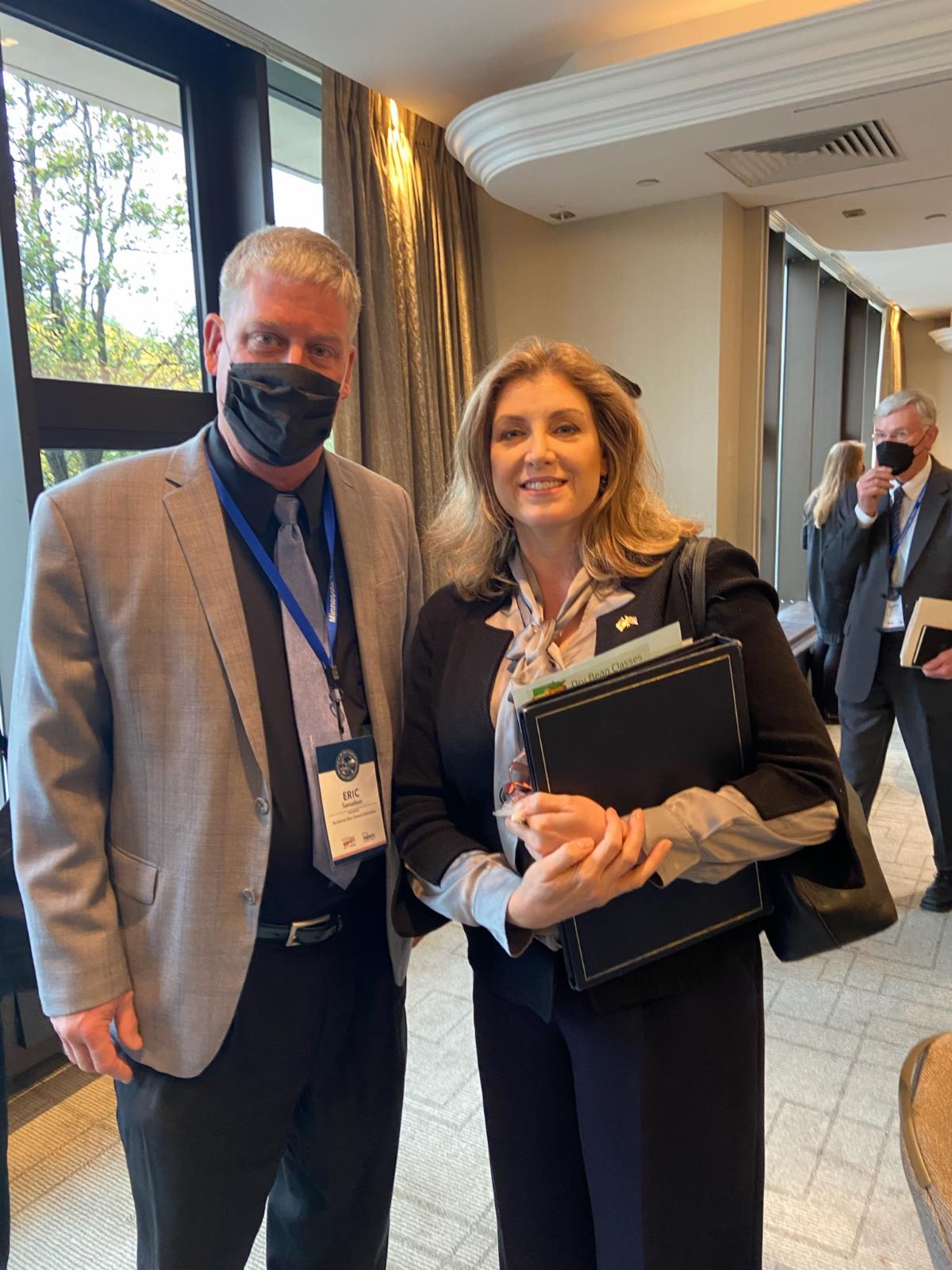 | |
Eric Samuelson representing dry bean growers from Minnesota and the Northarvest region with UK Minister of State for Trade Policy Penny Mordaut | |
|
Front row L-R: Thom Petersen (MN Dept. of Agriculture Commissioner), Richard Hyde (UK Consul General), Rachel Grey (MN Cattlemen’s Association), Amy Klobuchar (MN State Senator), James Roscoe (UK Deputy Ambassador), Gary Wertish (President MN Farmers Union),
Second row L-R: Jennifer Groover (UK Sr. Policy Advisor for Agriculture & Trade), Lauren Servick (MN Pork Producers Association), Jan Bauer (UK Consulate Office), Mitch Coulter (Northarvest Bean Growers Association), Joe Smentek (MN Soybean Growers Association), Blair Hoseth (MN Corn Growers Association),
Back row L-R: Laurence Reszetar (Director of International Business Strategy – MN Trade Office), Lucas Sjostrom (MN Milk Producers Association), Dan Glessing (President MN Farm Bureau)
| |
|
Meeting with the United States Chief Trade Negotiator for the USTR
Minnesota Department of Agriculture Commissioner Thom Petersen and the Minnesota Farmers Union again partnered to host a meeting with Doug McKalip, the Chief Trade Negotiator for the USTR (United States Trade Representative).
McKalip expressed having experienced a lot of questions from importing nations around elections, Coulter explained. "Doug touched on elections and how that can affect the trade landscape... He said it is a tough landscape to negotiate until elections are settled."
| |
Doug McKalip, Chief Trade Negotiator for the USTR | |
There was also time for Commodity Groups to share trade concerns from a Minnesota perspective. Northarvest showed a chart of lost bean trade to Argentina since the 232 steel and aluminum tariffs in the United Kingdom. Coulter said that McKalip listened graciously and assured Northarvest that he "was very aware of this fact and [he] expressed encouragement for continuing to repair the relationship." | |
That Midwestern Mom Helps NBGA Share the Story of Beans |
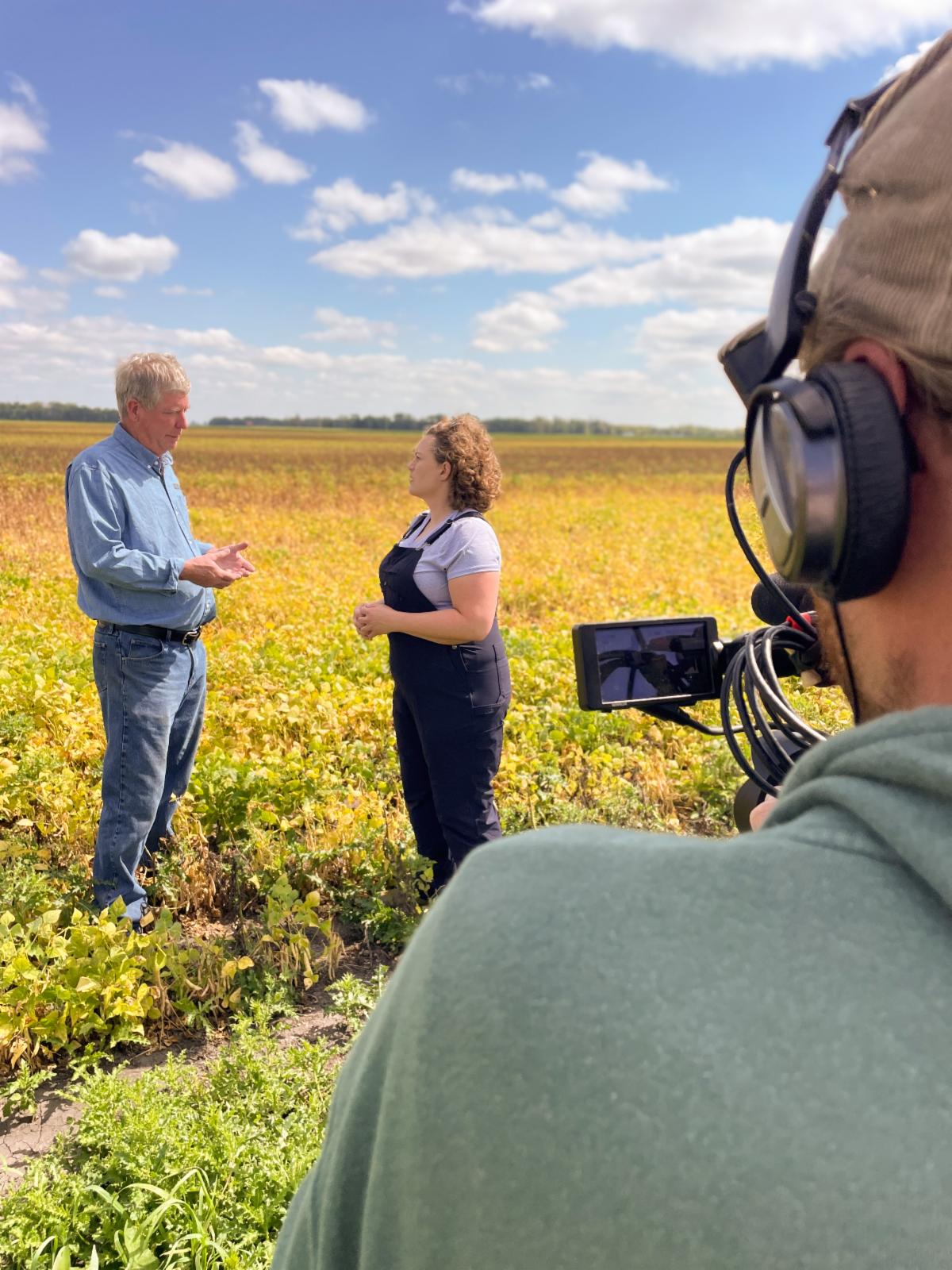
The filming continues for NBGA's "Seed to Stovetop" project - directed by NBGA Marketing & Communications Director Jed Brazier - that we have shared about in previous newsletters. Amber Estenson, popularly known by her social media name That Midwestern Mom, returned to Eric Samuelson's farm for an update on how the growing season has been progressing.
In total, she will have visited Samuelson three times this growing season, to follow the beans from planting through harvest. We appreciate her sharing what she has learned about beans grown in the Northarvest region with her extensive following on social media. We also want to thank Dead Horse Productions for filming, Eric Samuelson for hosting us on his farm, and everyone else involved in this production!
Check out one of Estenson's recent Facebook posts here, sharing a glimpse into her recent trip to Samuelson's farm. You can also see more behind-the-scenes photos below.
| | | |
Samuelson shares with Estenson about how the season has gone, and what beans look like as they get close to harvest. | |
|
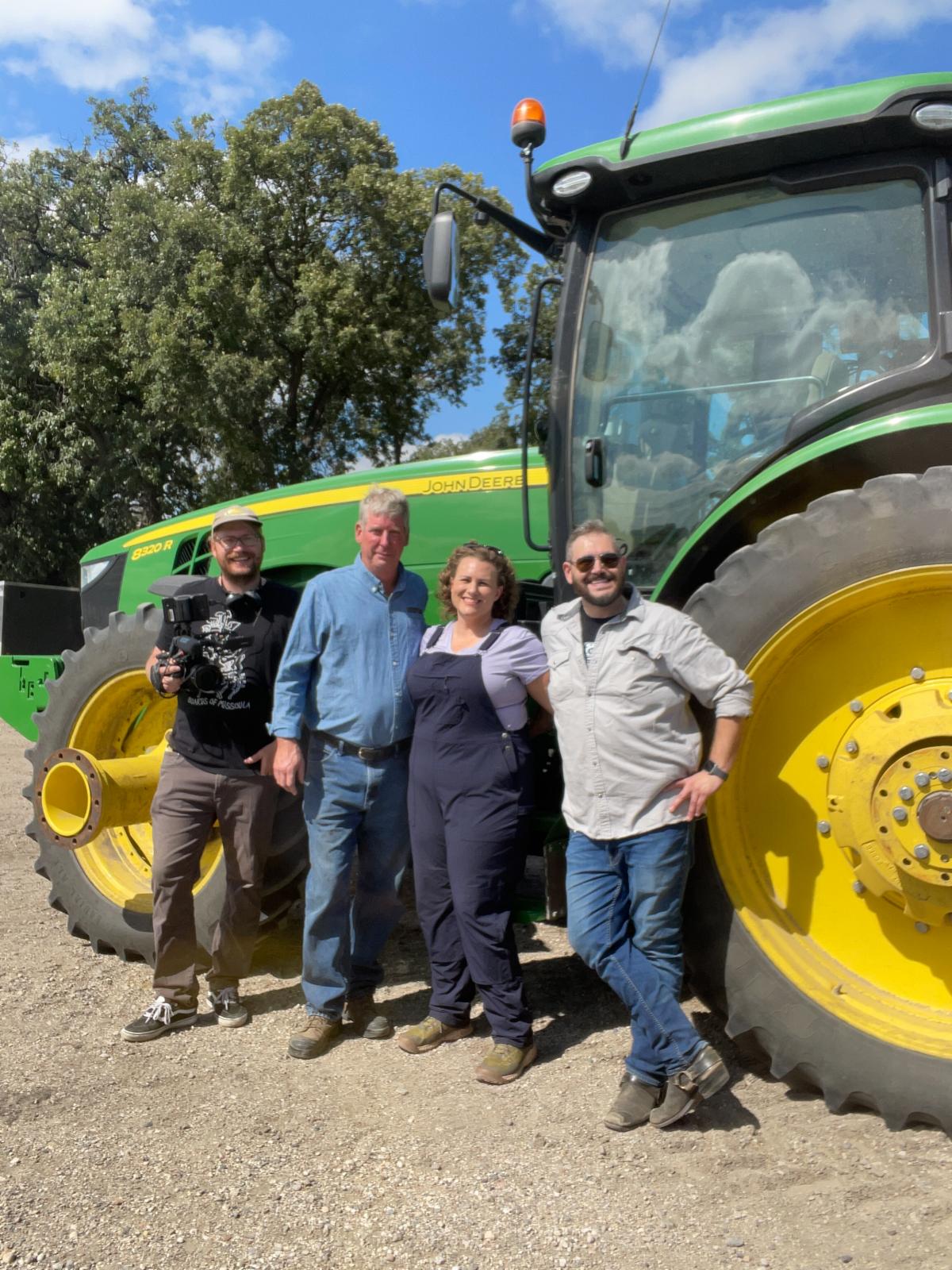
It was a picture-perfect day for filming on the farm.
(LtoR: Videographer Jordon Broby, NBGA farmer Eric Samuelson, Amber Estenson aka @ThatMidwesternMom, NBGA Communication & Marketing Director Jed Brazier on site at the Samuelson Farm)
| |
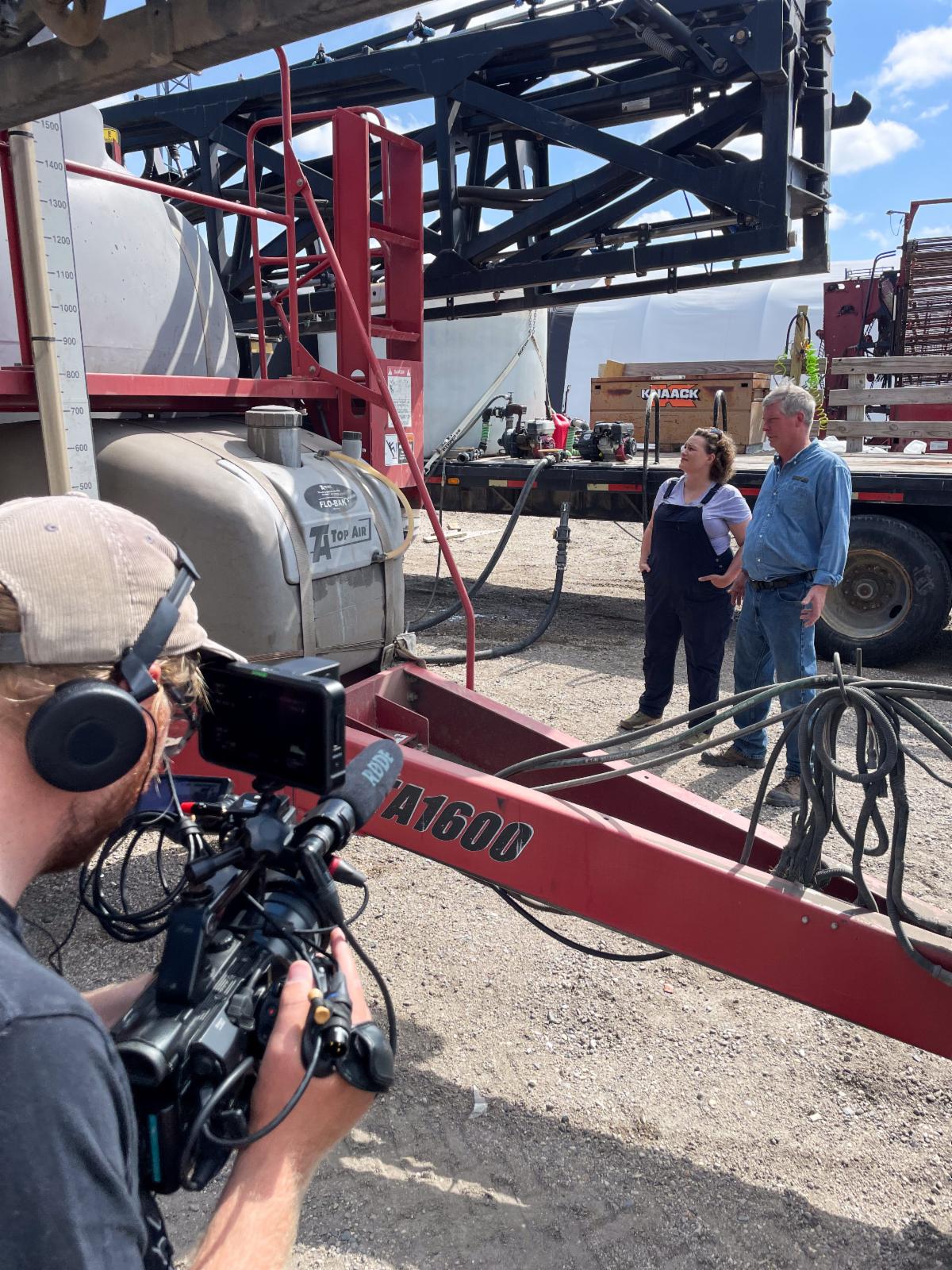
We are excited to share more about the entire process of growing beans, including equipment used throughout the season. | |
|
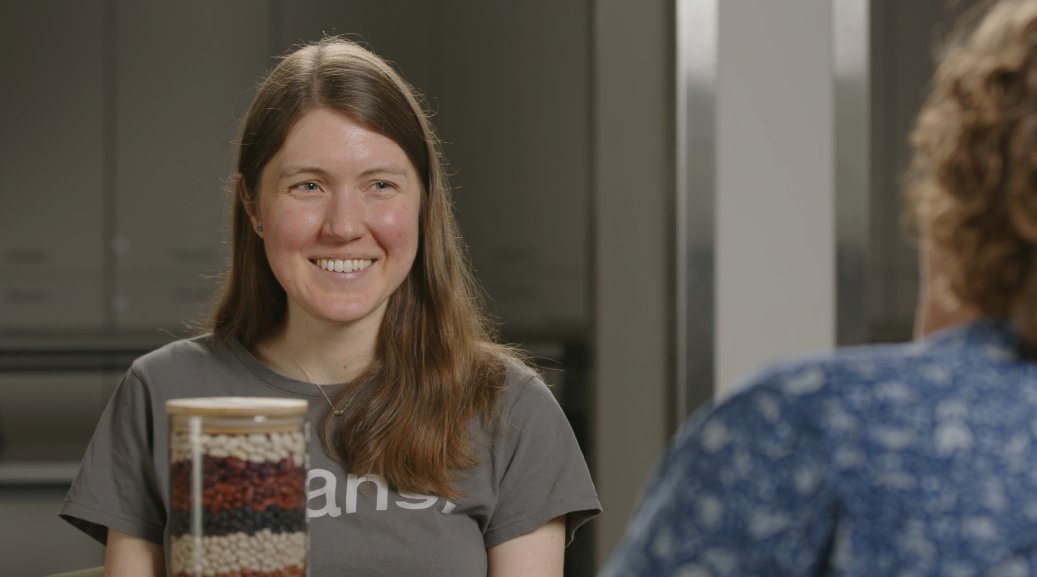
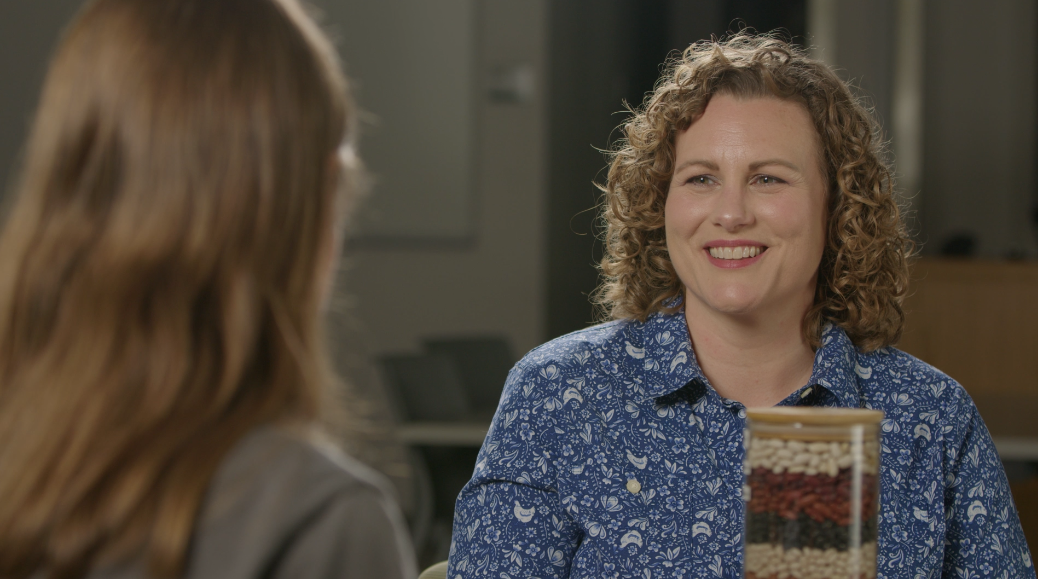
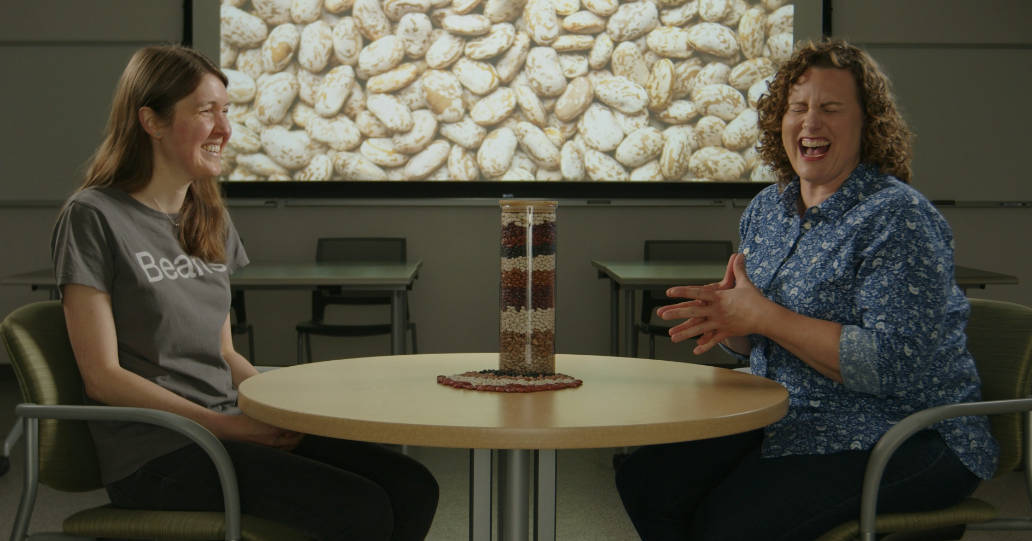
Speaking of @ThatMidwesternMom , Thursday, Sept. 19th @ 7 pm on the NBGA YouTube channel will be the debut of the lead-in to our “Seed-to-stovetop” series featuring “Friend of the Bean” Award-winner and woman behind alegumeaday.com , (and monthly NBGA newsletter contributor) Chelsea Didinger.
Chelsea and Amber had a great conversation and as you can see in the photos below, they seemed to have a few laughs along the way.
| |
Combest Sell Visits MN
The Midwest Dry Bean Coalition (MDBC) would like to thank Jeff Harrison with Combest Sell & Associates for making the long trip from Washington D.C. all the way to Park Rapids, MN. MDBC President John Berthold provided a guided tour of Green Valley Bean Company, in addition to farm visits. Visits like these help build a stronger relationship and foster a deeper, more hands-on understanding of how critical dry beans are to agricultural systems.
Thank you to Combest Sell for your support and dedication to the dry bean industry!
| |
|
|
Jed Brazier, Marketing & Communication Director for NBGA was invited to speak on behalf of Northarvest at the Anderson Farm Field Day, where he spoke about the many marketing pieces underway highlighting not just Northarvest or dry beans, but the many industry partners.
On the Event, Jed shared, "It was a really nice turnout and a well-run event. A lot of growers turned up on a beautiful day to learn more about what's happening in the bean world and brush up on some best practices.
"Chippewa Valley Bean had several folks make the trip from Wisconsin to take part, including CVB President Cindy Brown and V.P. of Sustainability / Sales & Marketing Charles Wachsmuth both of whom had state of the industry as well as market info to share. Tricia Kwak, Dir. of Global Quality shared really impactful information for growers on how to ensure their beans make it to the processors in the best possible shape.
"Anna Breiger, Vice President of the Irrigators Association of Minnesota passed along some updates, Grant Anderson talked about AFREC developments happening in Minnesota. Pickett Equipment sponsored a combine clinc that was very well received. Dr. Juan Osorno also attended along with several NDSU research students and gave a presentation as well as led a field tour, and Bush Brothers and Co. sponsored a delicious lunch. Great event, all-in-all. I hope to be at the next one & NBGA appreciated being asked to take part."
| | | |
The Anderson Farms crew (or at least a fair amount of those who helped out that were willing to pose for a group photo) from the August 8 event in Belgrade, MN. NBGA and fellow growers would like to Thank Anderson Farms & all involved for putting on a fantastic event. | |
2024 Row Crop Tour
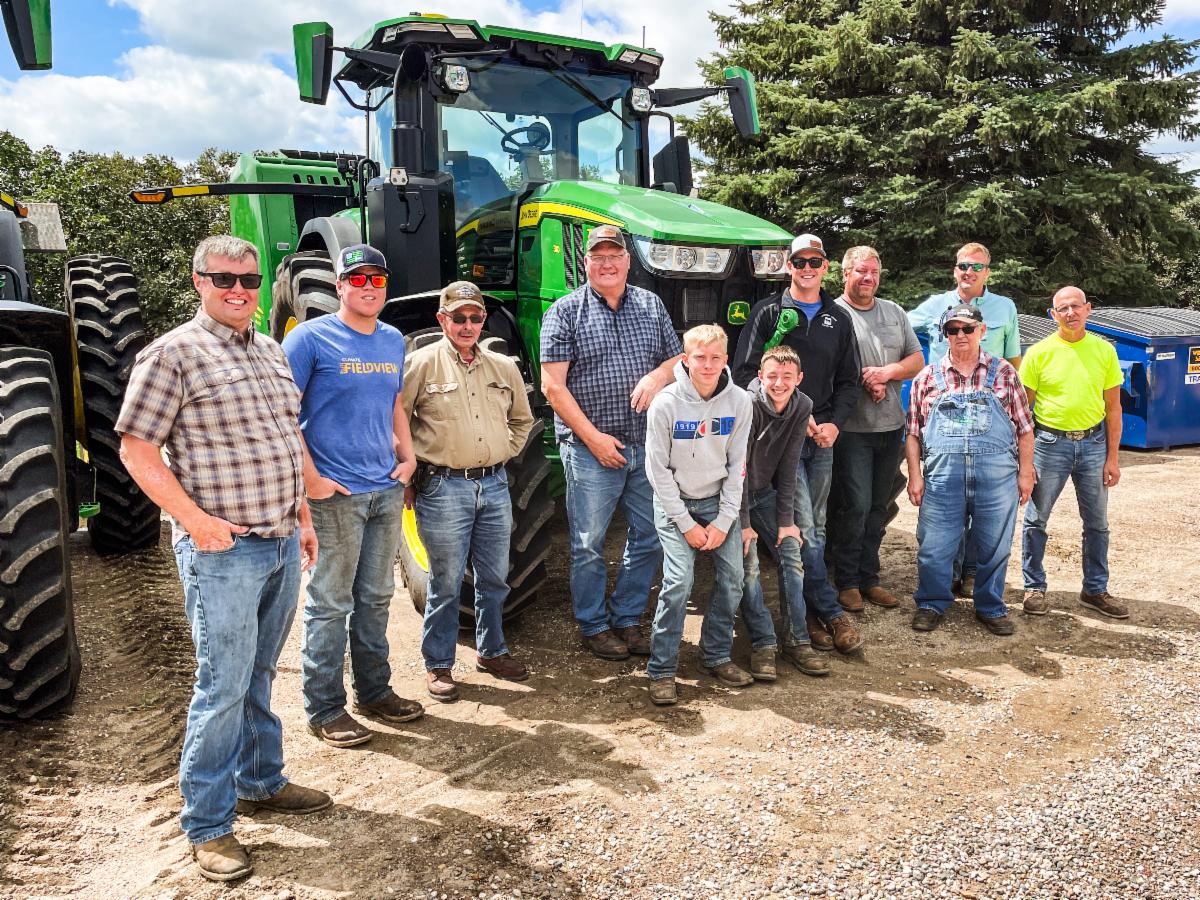
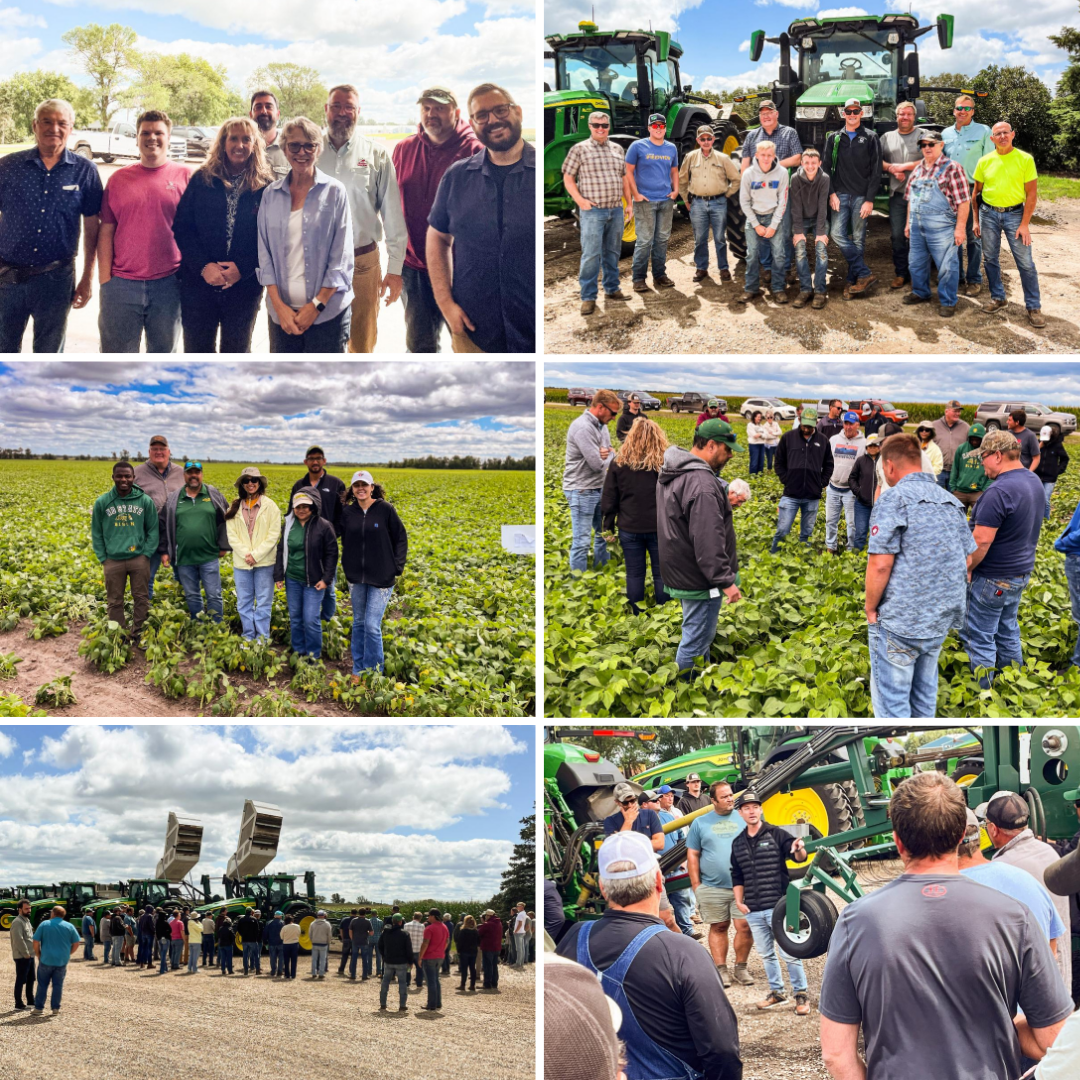
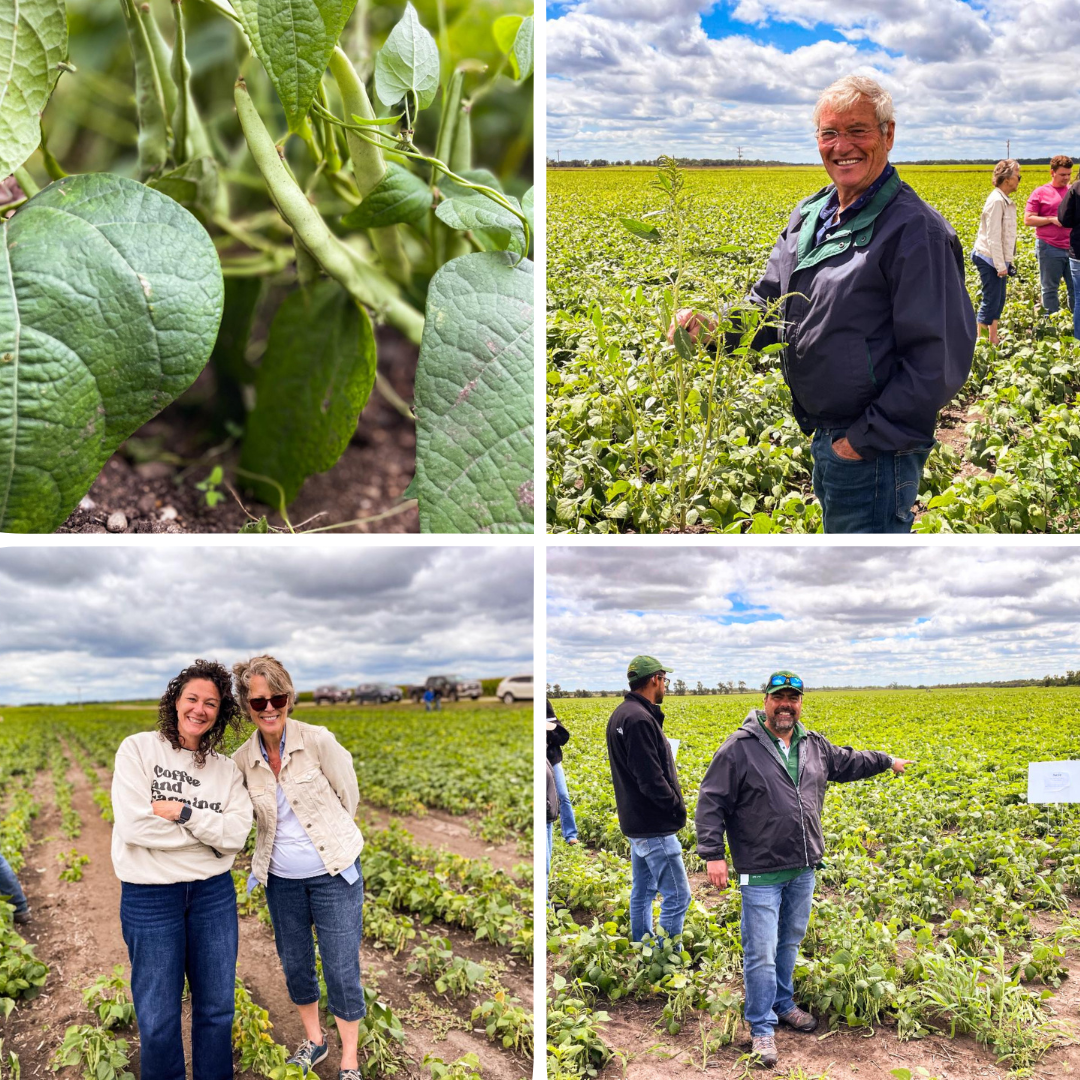
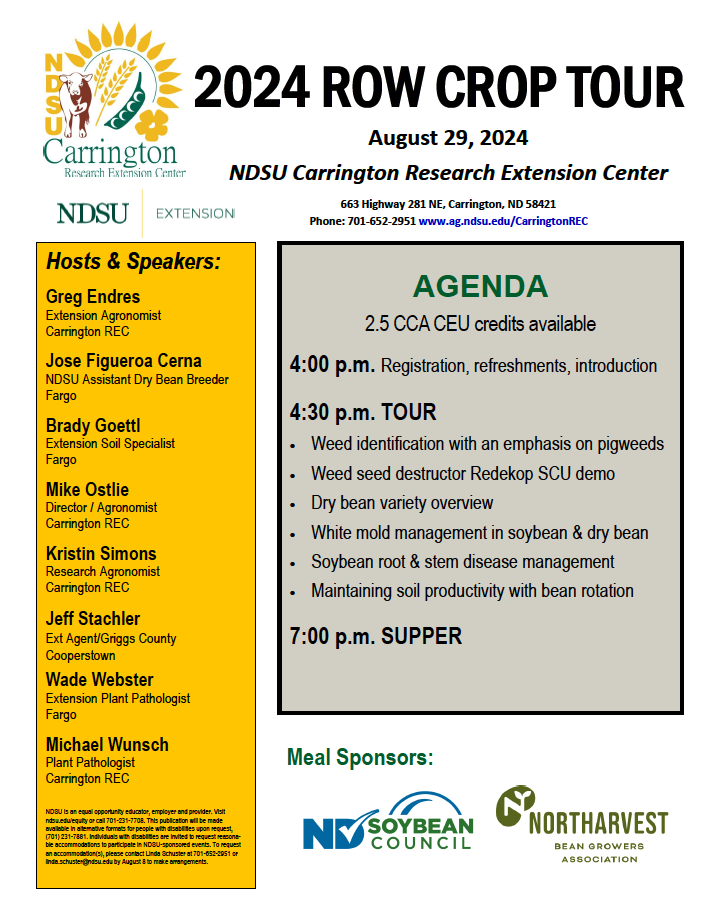
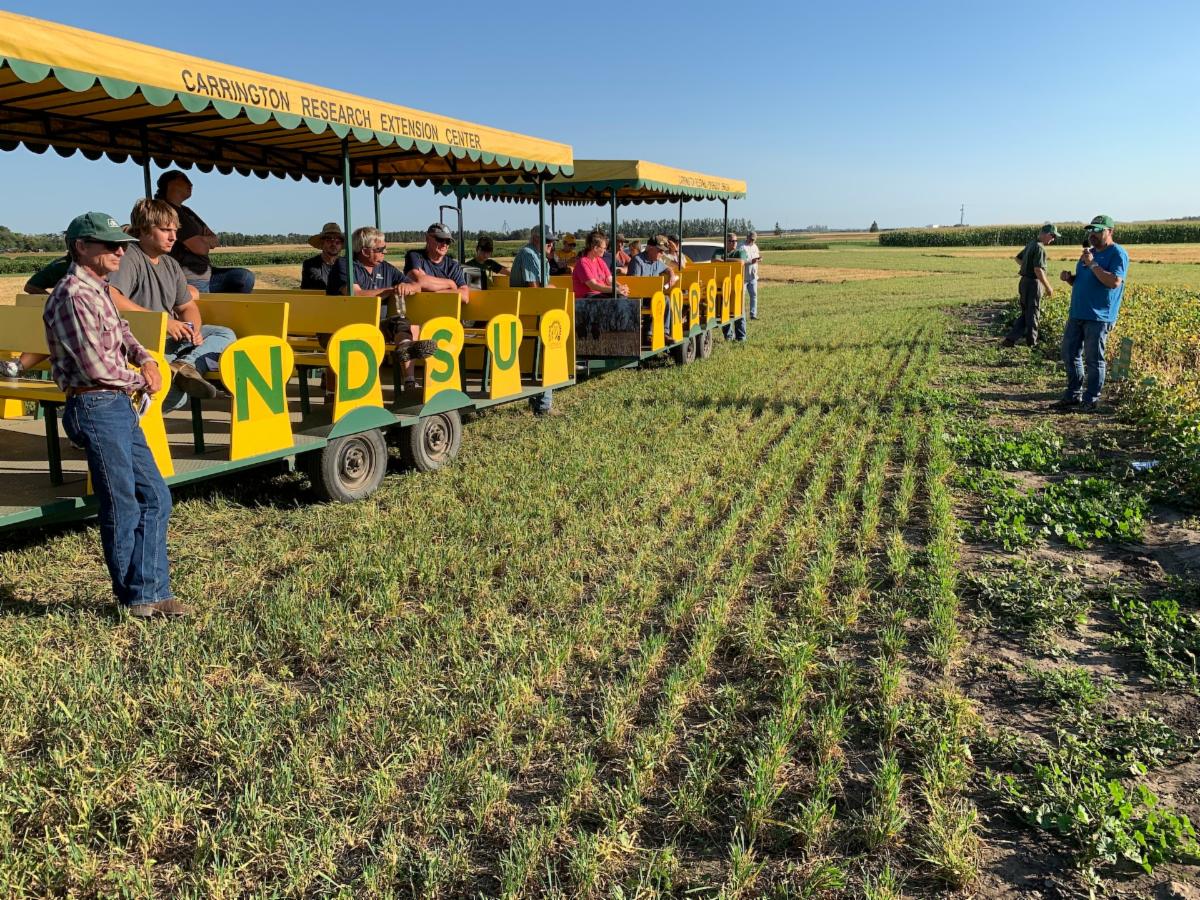
On August 29, the 2024 Row Crop Tour took place at the Carrington Research Extension Center. Dry beans were a primary focus of the tour, and NBGA was a meal sponsor. Thank you to the Extension team for sharing research updates and running this tour, and to everyone who attended.
| |
|
The Red River Farm Network shared an update from this tour regarding white mold:
With a wet growing season, the conditions were ripe for white mold in dry bean and soybean production. During the NDSU Dry Bean Tour at the Carrington Research Center, NDSU Extension Research Plant Pathologist Michael Wunsch said the crops that entered full bloom before the three-week period of hot weather in July had the more significant white mold problems. Timing for fungicide applications is a focus. “We’ve learned a lot about application timing and droplet size,” said Wunsch. “On the droplet size, we still need to finalize exactly what canopy characteristics drive your decision-making for which droplet size to use.”
| |
Juan Osorno presenting the dry bean variety overview during the tour. | |
|
The Dry Bean Scene is sponsored, in part, by NBGA. Click on the links below to listen to the most recent episodes.
-
➡️ August 31, 2024: Northarvest Bean Growers Association President Eric Jorgenson talks about crop conditions and the impact of weather this season. Although there has been some drown out, he says the crop looks good. Due to rains, he anticipates that dry bean harvest will not begin for a couple weeks. He also discusses the upcoming Worldwide Reverse Trade Mission.
-
➡️ August 25, 2024: NDSU Extension Cropping Specialist Greg Endres highlights the annual row crop tour, which took place at the Carrington Research Extension Center on August 29, 2024. Dry beans were a focus of this crop tour, and there was a chance to look at numerous entries in the variety trial.
-
➡️ August 18, 2024: North Dakota State University dry bean breeder Juan Osorno offers an update on the benefits of slow-darkening pinto beans. Benefits include positive consumer perception of lighter-colored pinto beans, faster cooking time, and higher iron bioavailability.
-
➡️ August 12, 2024: NDSU Plant Pathologist Sam Markell shares several seasonal reminders. He states, “Rust in dry beans... can cause yield loss and we’ve had great conditions for it.” In addition to rust, he discusses white mold management.
| |
Do you know someone who would enjoy Northarvest News? Forward to a fellow bean grower, family, and friends so they can sign up and be in the NBGA know, too! | | |
Thank you for reading. We'll see you next month - and the 2nd Tuesday of every month - with more news and updates. NBGA wishes you a good rest of September, and we look forward to sharing more information in October. | | |
|
4844 Rocking Horse Circle S, Suite 2
Fargo, ND 58104 • info@northarvestbean.org
www.northarvestbean.org
| | | | | |