|
Table of Contents
- President's Letter
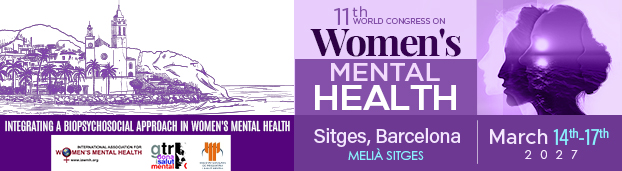
- 11th World Congress on Women's Mental Health
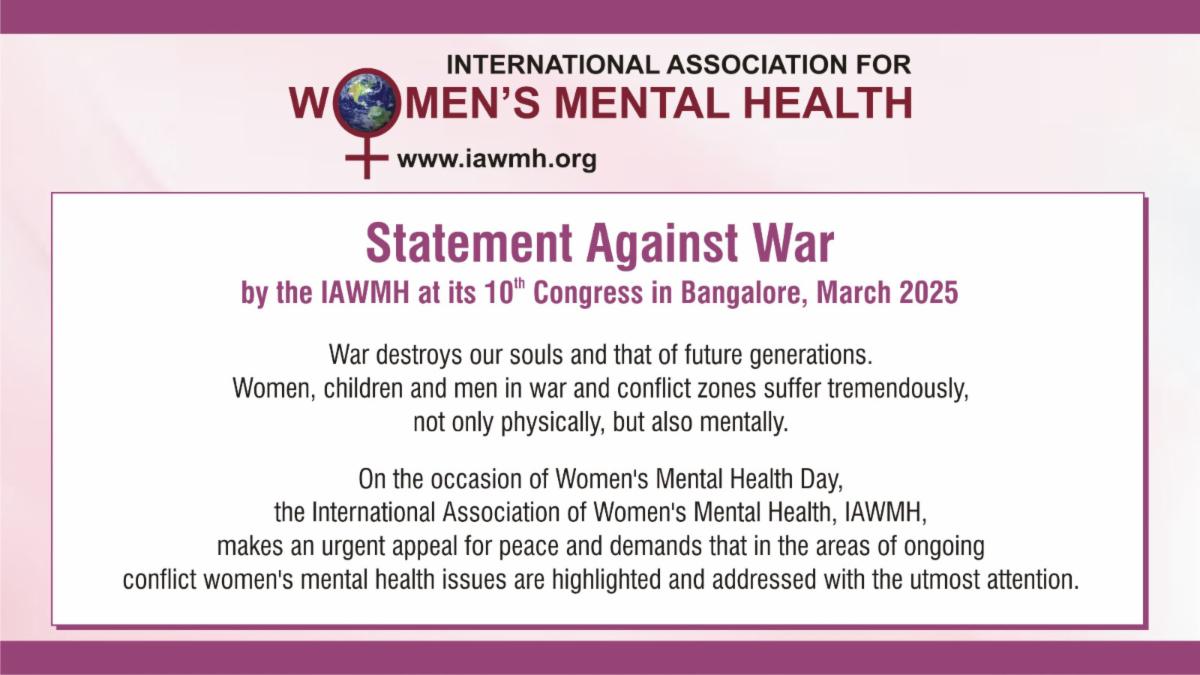
- IAWMH Statement Against War
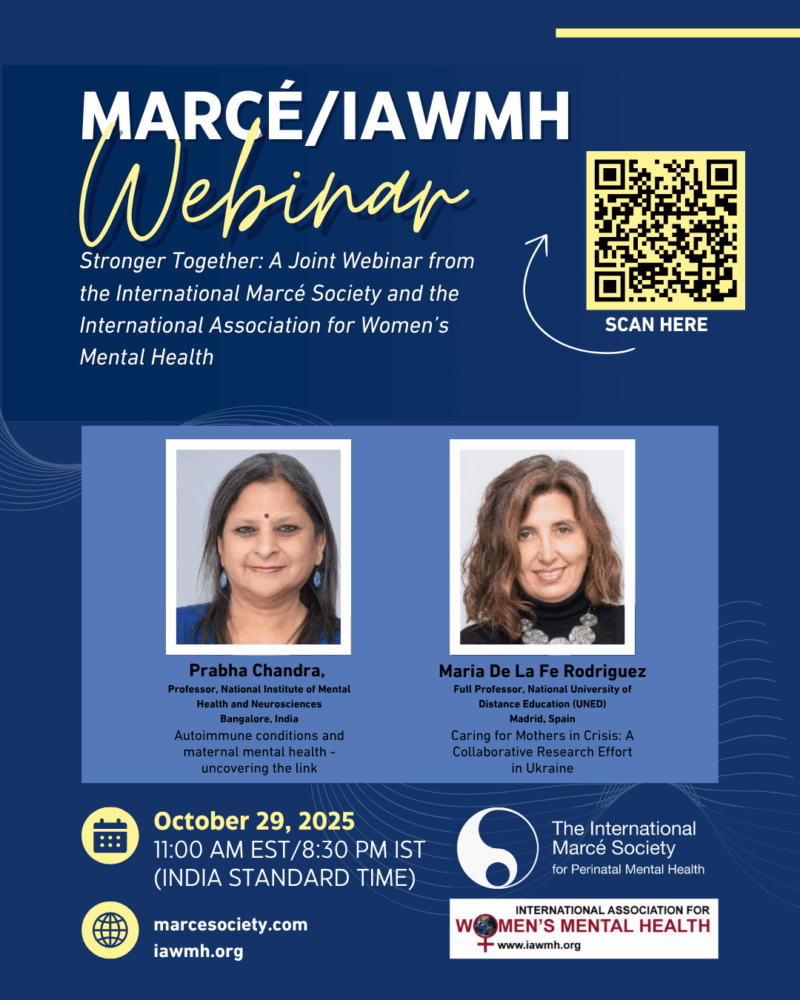
- Joint Webinar - IAWMH & Marce
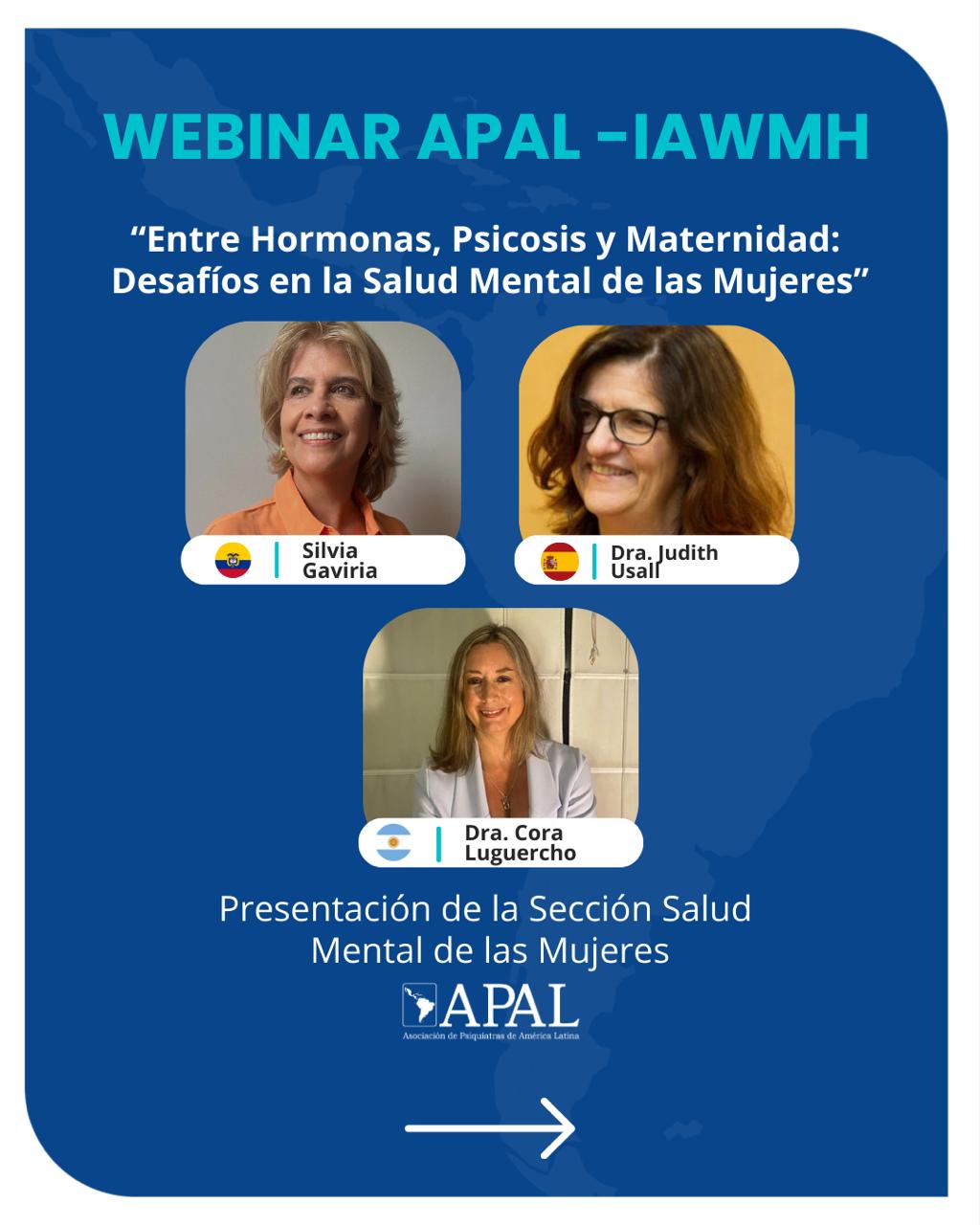
- Joint Webinar - IAWMH & APAL
-
Self Learning Module on Psychotropic Medications in Pregnancy and Lactation
-
Archives of Women’s Mental Health (AWMH) - official journal of IAWMH
-
Editorial Fellowship at Archives of Women's Mental Health
- A paper commentary by Dr. Gihan ElNahas, IAWMH President-elect
- IAWMH Members' Activities
- Upcoming Events
| |
Dear Members, dear Colleagues,
Once again, I am pleased to greet you and share new updates on the activities and recent initiatives of our Society.
First I would like to take this opportunity to share the mission of our Society with all of you:
- To improve the mental health of women throughout the world.
- To expand the fund of knowledge about Women’s Mental Health.
- To promote gender-sensitive and autonomy-enhancing mental health services for women.
- To advance collaboration with other Societies and Sections.
In line with our commitment to expanding the fund of knowledge about Women’s Mental Health, I would like to remind you that The Archives of Women’s Mental Health is the official journal of the IAWMH, and all members have free access to its content. Members can access that link on the Members Only page on our website – https://iawmh.org/
In this edition of the newsletter, we include a piece by Dr. Anita Riecher-Rössler, who is stepping down as editor of the Journal. In her text, she not only bids farewell but also reflects on key aspects that could help improve knowledge generation and the dissemination of research in women’s mental health. I want to express my deep gratitude for her excellent work and dedication over the years.
I would also like to warmly congratulate Dr. Prabha S. Chandra, who, after her outstanding work as IAWMH President, will now take over as the new editor of the Journal.
Following the new section we introduced in the previous issue — a commentary on an article from the Archives of Women’s Mental Health that we find particularly relevant or innovative — this edition features a contribution from Dr. Gihan ELNahas, our President-Elect.
As part of our mission to foster collaboration with other organizations committed to women’s mental health, we are pleased to announce two upcoming webinars in the coming months: one in collaboration with Marcé Society, and another with Latin American Psychiatric Association (APAL).
We have also included a IAWMH Position Statement in Support of Pregnant Women’s Access to Effective Mental Health Treatment that reaffirms our commitment to promoting gender-sensitive and autonomy-enhancing mental health services for women, another key pillar of our mission.
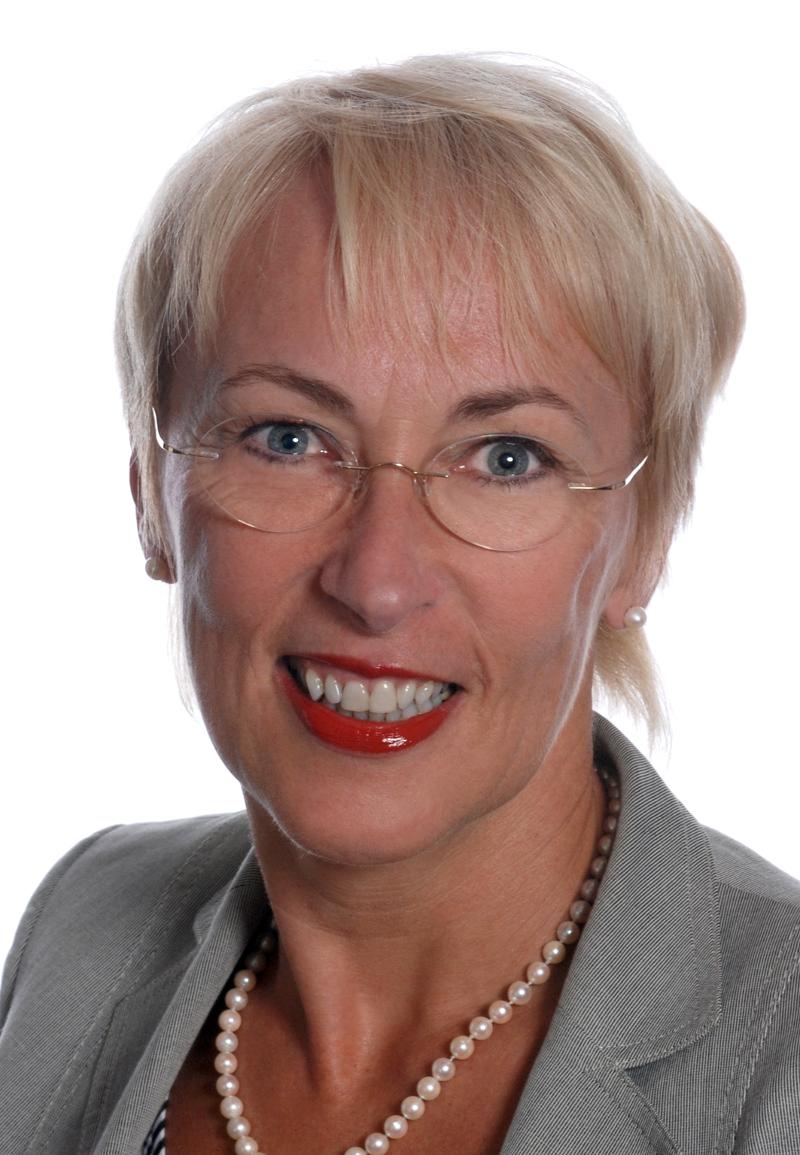
Finally, we are pleased to highlight several activities carried out by members of our Society. In particular, I would like to mention Dr. Florence Thibaut, Immediate Past President of the IAWMH, who participated in a Delphi study conducted in Europe and the USA, recently published in 2025, focusing on women's mental health.
As always, we encourage you to reach out to me and the Board with your ideas, concerns, and proposals. Your input is vital as we continue to grow as a global advocate for women’s mental health.
With my best personal wishes
Judith Usall i Rodié
IAWMH President
"Reclam, indicis d’una llengua abolida - parla de dona."
“Claim, traces of an abolished Language —a woman's Voice"
Maria-Mercè Marçal
Click here for IAWMH Leadership
| | |
Stronger Together:
A Joint Webinar from the
International Marcé Society and the
International Association for Women’s Mental Health?
30 October 2025 - 11am EST, 8:30pm IST
Click here to register!
| |
Joint APAL and IAWMH Webinar
September 30th - see below for time
Topics of interest and current affairs about women’s mental health.
Tópicos de interés y actualidad acerca de la salud mental de las mujeres.
Click here to register!
"Between Hormones, Psychosis, and Motherhood:
Challenges in Women's Mental Health."
| | |
In English
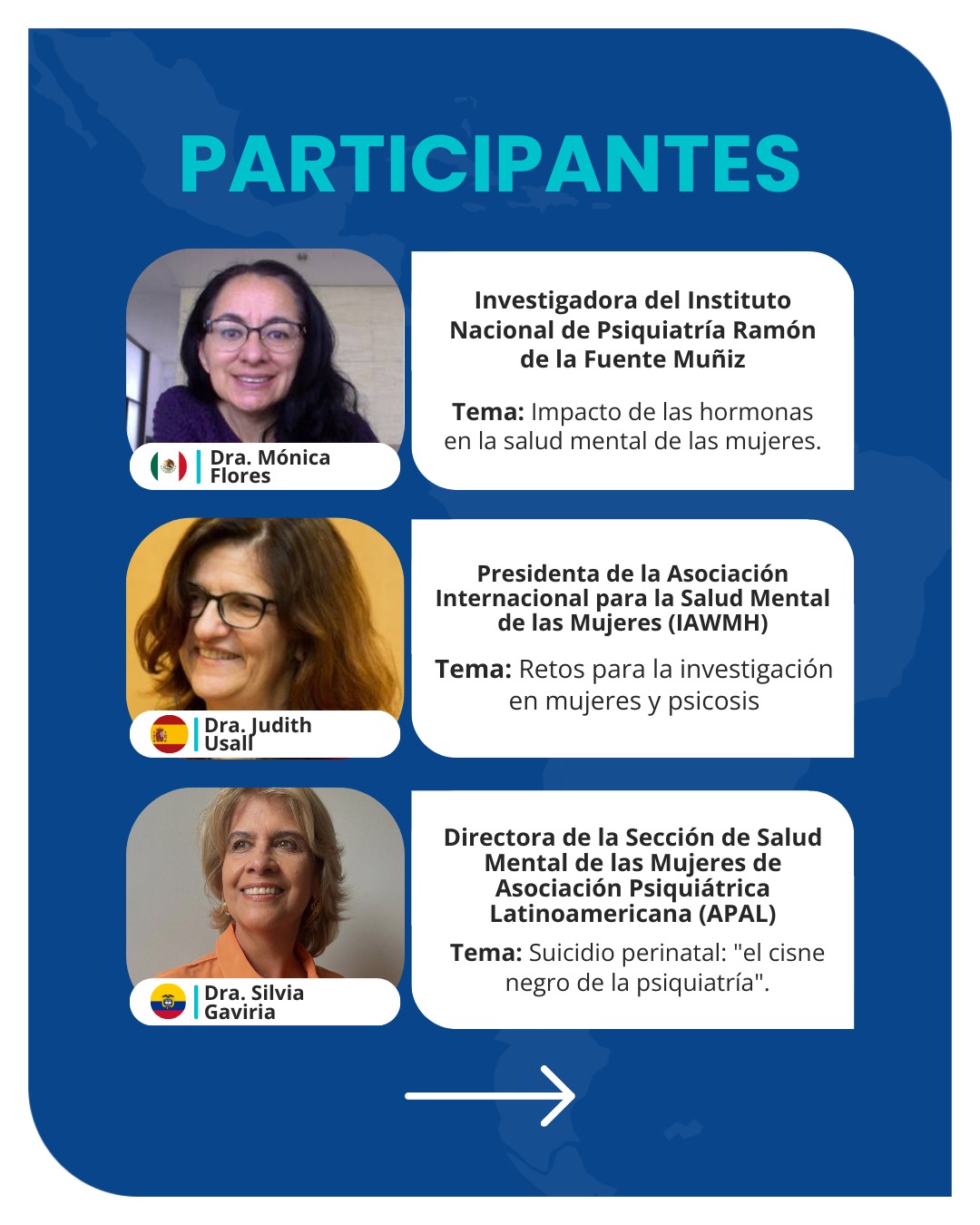
PARTICIPANTS:
Coordination: Dr Cora Luguercho (Argentina)
Dr Judith Usall (Spain): Challenges for research in women and psychosis.
Dr Mónica Flores (Mexico): Impact of hormones on women’s mental health
Dr Silvia Gaviria (Colombia): Perinatal Suicide, "the black swan of psychiatry"
Language: Spanish
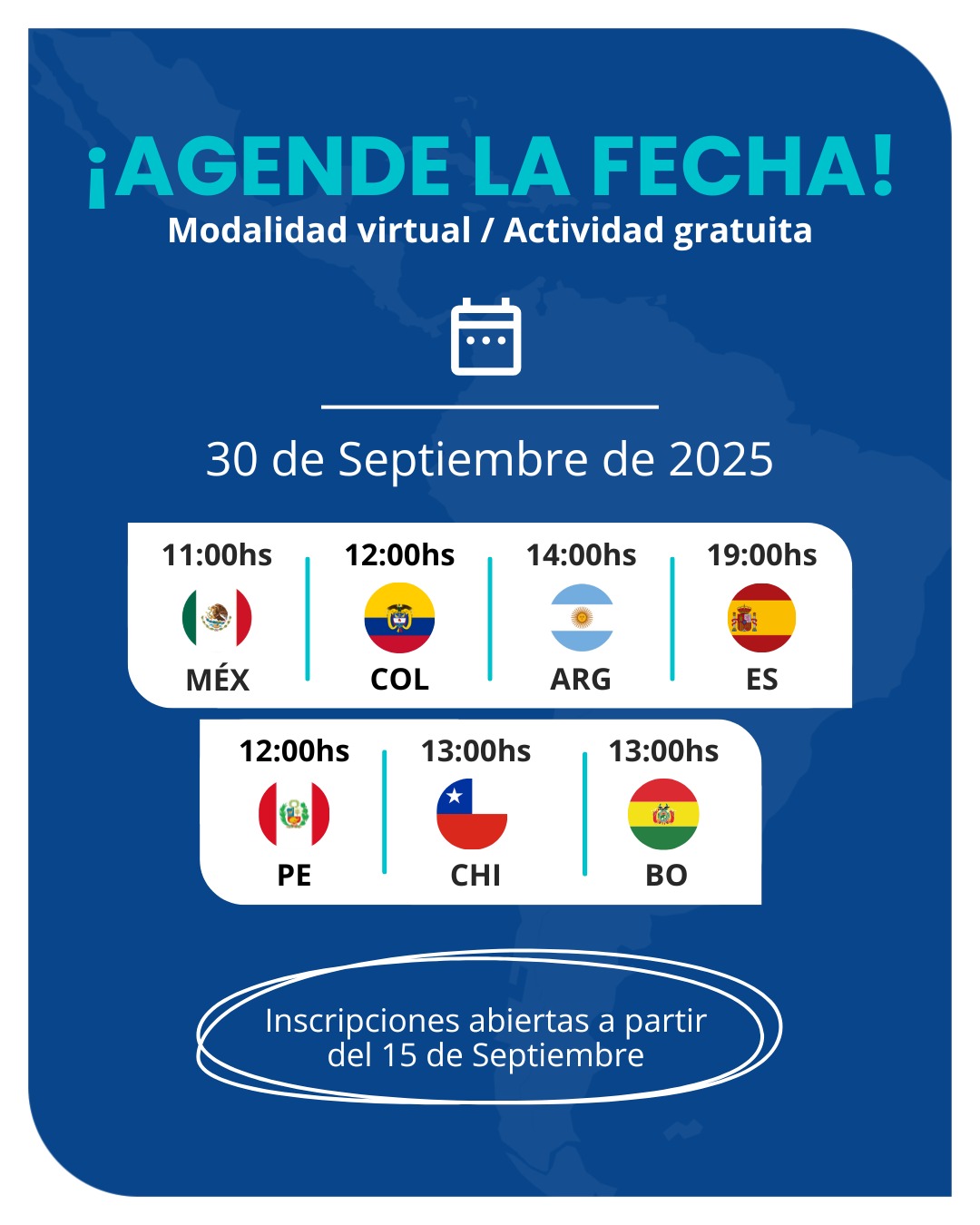
Date: September 30th
Hour:
Mexico: 11 am
Colombia: 12m
Miami: 1 p.m
Argentina: 2pm
Spain: 6pm
| |  | |
En idioma español
PARTICIPANTES:
Coordinación: Dr Cora Luguercho (Argentina)
Dr Judith Usall (España): Retos para la investigación en mujer y psicosis.
Dr Mónica Flores (México): Impacto de las hormonas en la salud mental de las mujeres
Dr Silvia Gaviria (Colombia): Suicidio Perinatal, "el cisne negro de la psiquiatría"
Idioma: Español
Fecha: 30 de septiembre
Hora:
México: 11 am
Colombia: 12m
Miami: 1 pm
Argentina: 2pm
España: 6pm
| | |
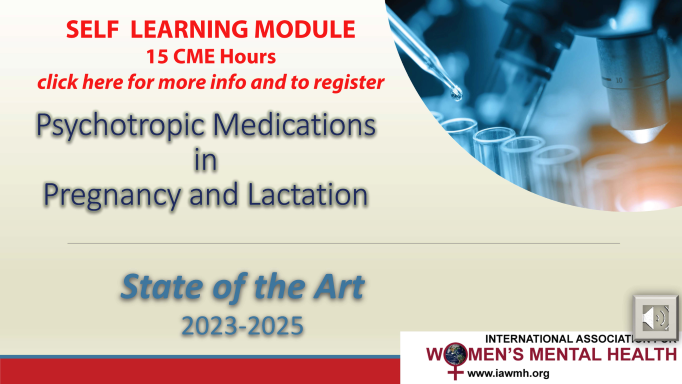
15 CME Hours - SELF-LEARNING MODULES
Psychotropic Medications in Pregnancy and Lactation
| | |
IAWMH is pleased to offer a Self Learning Module on Psychotropic Medications in Pregnancy and Lactation that will earn 15 CME hours, accredited by American Association of Continuing Medical Education (AACME), upon successful scoring of the knowledge assessment test upon completion of your study.
Click here for the Welcome Video for the course
IAWMH Members are Complimentary. $10 for a CME Certificate.
Non-Members registration will be $149, $99 LAMIC discounted fee.
Click here to register for the course
| | |
From the Editor-in-Chief of Our Journal,
Archives of Women’s Mental Health
| | |
Archives of Women’s Mental Health (AWMH) is the official journal of the International Association for Women’s Mental Health (IAWMH), the International Society for Psychiatric Disorders in Childbearing (Marcé), and the North American Society for Psychosocial Obstetrics and Gynecology (NASPOG).
| |
Dear colleagues, friends, and readers,
This time, I am writing to inform you of a leadership change at Archives of Women’s Mental Health. After 8.5 years of service, I have decided to step down from my position as Editor-in-Chief, effective June 15, 2025.
My journey with the journal began in 1998, when I had the honour of publishing in its very first issue (Riecher-Rössler et al., 1998), under the founding leadership of Mario Lanzik. In 2002, I edited a topical collection on estrogens and schizophrenia together with Mary Seeman (Riecher-Rössler 2002; Riecher-Rössler & Seeman 2002). Finally, in early 2017, I was appointed Editor-in-Chief.
Thanks to the dedication of my predecessors - Mario Lanzik and Meir Steiner - the journal now holds the distinction of being the only international journal solely dedicated to women’s mental health. It is the official journal of leading societies in the field, including the International Association for Women’s Mental Health (IAWMH), the Marcé Society (International Society for Psychiatric Disorders in Childbearing), and the North American Society for Psychosocial Obstetrics and Gynecology (NASPOG). I am pleased to continue serving as a Consulting Editor in 2025.
My vision for the journal has always been to foster a broad, interdisciplinary approach to women’s mental health. While we have made significant progress, there remains room for growth. Over the years, we expanded our scope from a focus on peripartum mental health to other aspects of reproductive mental health such as menstruation and menopause. We explored sex and gender differences in mental disorders and their underlying mechanisms throughout the female life course. We addressed risk factors and prevention strategies, and consistently encouraged submissions from diverse fields - not only psychiatry, psychology, and gynaecology, obstetrics, but also child and adolescent psychiatry, epidemiology, stress research, basic science, psycho-endocrinology, neuroimaging, neuropsychology, sociology, public health, and policy. We also promoted research on education and training in women’s mental health, including mentoring programs for women.
Nonetheless, several key knowledge gaps remain. Why, for example, is depression two to three times more prevalent in women than in men? Similar disparities exist in anxiety disorders - yet the opposite holds for suicide. Solving these major riddles in psychiatry could not only improve women’s mental health but also enhance our general understanding of these disorders' pathophysiology.
Guidelines are another area of concern. Many international guidelines on women’s health lack adequate focus on mental health - menopause guidelines are a striking example. Conversely, guidelines for severe mental illnesses often fail to account for gender differences and the specific needs of women.
There is also a substantial gap in interdisciplinary research, particularly in linking child and adolescent psychiatry with adult psychiatry, psycho-endocrinology, neuropsychology, sociology, and other domains.
Lastly, we must do more to help women worldwide who live in devastating conditions. Many endure war, trauma, and oppression – incredibly terrible suffering with serious mental health consequences. Yet, research on these populations is sparse. Stronger evidence could help improve their lives. Even in high-income countries, women face discrimination that affects their mental health - through partner violence, workplace inequality, or forced childbirth, to name a few. Moreover, political movements that deny the importance of gender may lead to a backlash to traditional gender role models with harmful mental health consequences - not just for women, but also for men. Through the journal, we have worked to support affected women by publishing research on their suffering and potential preventive and therapeutic strategies.
Women’s - and men’s - mental health relies on rigorous, evidence-based research.
It is my pleasure that Dr. Prabha S. Chandra has assumed the role of Editor-in-Chief as of June 16, 2025. Many of you already know Dr. Chandra and are aware of her deep expertise and commitment to the field.
She is a distinguished Senior Professor of Psychiatry. She previously served as Head of the Department of Psychiatry at NIMHANS. Dr. Chandra is a past President of the International Association for Women’s Mental Health and pioneered Asia’s first Mother-Baby Inpatient Psychiatric Unit and Perinatal Psychiatry Service. She led India’s Project Stree Manoraksha, a nationally recognized program that trained over 3,000 frontline workers in gender-based violence response during the pandemic. Dr. Chandra has co-authored global curricula on intimate partner and sexual violence and led major research initiatives. She holds editorial roles in leading journals, including Archives of Women’s Mental Health and The Lancet Psychiatry. Her international contributions include advisory roles with WHO, UNAIDS, and India’s National Health Mission. Among her many accolades are the Marcé Medal and a rare honorary Fellowship of the Royal College of Obstetricians and Gynaecologists. She was also featured in The Lancet Psychiatry as a global champion for women’s mental health. Her work continues to shape research, policy, and clinical care worldwide.
Dr. Chandra has long been part of the Archives of Women’s Mental Health community, serving as a Senior Editor in recent years. I am confident that under her leadership, the journal will continue to thrive and evolve.
I sincerely thank our Section Editors, Editorial Board members, all our authors and reviewers, readers, and my predecessors Mario Lanzik and Meir Steiner. I am deeply grateful to each of you for your interest. And I wish Dr. Prabha Chandra and the journal all the best for the future.
Warmest regards,
Anita Riecher-Rössler
-
Riecher-Rössler A, Häfner H, Dütsch-Strobel A, Stumbaum M (1998) Gonadal function and its influence on psychopathology - a comparison of schizophrenic and non-schizophrenic female inpatients. Archives of Women's Mental Health 1: 15-26
-
Riecher-Rössler A (2002) Oestrogen effects in schizophrenia and their potential therapeutic implications - Review. Archives of Women's Mental Health 5: 111-118
-
Riecher-Rössler A, Seeman MV (2002) Oestrogens and schizophrenia - Introduction. Archives of Women's Mental Health 5: 91-92
| |
Call for Applications:
Editorial Fellowship at Archives of Women's Mental Health
| | |
The Archives of Women's Mental Health is pleased to announce that applications for its Editorial Fellowship Program is open. This initiative is designed to mentor early-career professionals and researchers with a strong interest in academic publishing and women's mental health.
Editorial Fellows will work closely with the journal’s editorial team and section editors. Fellows will:
- Receive mentorship from experienced editors.Participate in editorial meetings and discussions.
- Assist in identifying peer reviewers for submitted manuscripts.Conduct manuscript reviews under guidance.
- This is a unique opportunity to gain hands-on experience in the editorial process and contribute meaningfully to the advancement of scholarship in women's mental health.
The fellowship is for one year, with the possibility of renewal based on continued interest.
We welcome applications from early-career researchers, clinicians, and professionals with demonstrated interest in women’s mental health and academic publishing.
How to Apply
Interested candidates should submit:
- A brief statement of interest mentioning why they want this position and what makes them qualified for it (max 500 words)
- Two Page Curriculum Vitae in the following format - Name, Country, Discipline/Subject, Highest degree obtained and when, Current Affiliation, Awards and Recognitions, List of conference presentations, List of publications.One writing sample (e.g., published paper, thesis excerpt, or review)
Deadline for Applications: November 30 2025, ongoing thereafter
Submit Applications CLICK HERE
We look forward to welcoming a new cohort of Editorial Fellows committed to advancing the field of women's mental health.
https://link.springer.com/journal/737/updates/27809956
| | |
A paper commentary by Dr. Gihan ElNahas, IAWMH President-elect
Mental Health Outcomes Across the Reproductive Life Course
Among Women with Disabilities
| | |
The published research that most recently engaged my interest evaluates mental health trajectories across the reproductive life span of women with disabilities and appears in the special collection on Disability and Women's Mental Health in the Archives of Women’s Mental Health.
The review titled: Mental health outcomes across the reproductive life course among women with disabilities is authored by Andrea Lauren Deierlein, Curie Park, Nishtha Patel, Robin Gagnier, and Michele Thorpe from New York University. It provides a rigorous synthesis of the available empirical evidence, situating the topic within the socio-structural determinants of reproductive health.
Women with disabilities face unique challenges in reproductive health that can negatively affect their mental health; a constellation of disadvantages, including pervasive ableism, discriminatory health policies, social isolation, and obstacles to comprehensive and respectful healthcare. These cumulative disadvantages elevate the risk of mental distress and the development of psychiatric disorders across the life span. Nevertheless, the period of reproductive life has not received adequate attention, especially the critical phases of pregnancy and the postpartum period. Having identified this research gap, this review aimed to systematically examine mental health outcomes across the reproductive life course among women with disabilities juxtaposed to those without disabilities, focusing on key reproductive periods including prepregnancy, pregnancy, postpartum, and parenting.
The authors analyzed data pertaining to four key reproductive milestones: prepregnancy, pregnancy, immediate postpartum and postpartum parenting, aiming to provide a comprehensive understanding of how mental health trajectories are shaped across the life course of reproductive-capable women with disabilities.
Researchers executed a systematic review encompassing three electronic databases to identify publications evaluating mental health outcomes among women with disabilities in reproductive contexts located in high-income countries. The investigation operationally constricted eligibility to quantitative investigations that incorporated a comparison cohort of women without disabilities and concurrently excluded qualitative reports and investigations originating from low- and middle-income settings. Mental health outcomes were extracted where assessed via standardized diagnostic frameworks, validated screening instruments, or patient self-reported data. Out of 2520 carefully assessed studies, 27 were eligible to be included in the review. The methodological rigor and quality of included studies and potential biases were carefully considered.
The final synthesis of evidence revealed several salient findings:
- Women with disabilities manifest statistically significant higher rates of mental distress, clinically diagnosed mental disorders, and psychiatric service utilization across all reproductive phases compared to non-disabled women, with higher prevalence concentrated among women with intellectual and developmental disabilities (IDD) and those with multiple concurrent disabilities.
- Furthermore, within reproductive subpopulations, pregnant and postpartum women with a disability are at an elevated risk of perinatal psychiatric disorders and psychiatric emergencies necessitating urgent clinical intervention.
- Mothers with disabilities concurrently experience substantial emotional distress and a pronounced deficit in perceived social support.
- The review highlights that women with disabilities encounter barriers to adequate perinatal mental health services, comprising not only reproductive health information that are inaccessible, but also negative clinician attitudes, and physical inaccessibility of healthcare settings. Standardized mental health assessment is insufficiently tailored to their needs, and medical staff generally lack formal training in disability-informed care. These deficits weaken individualized care, incrementally elevating the risk of adverse mental health adversities across the reproductive life course.
Study limitations:
- The absence of qualitative inquiries and the omission of research originating in low- and middle-income economies constrain an in-depth comprehension of heterogeneous experiences, consequently rendering generalizability of results and recommendations potentially biased toward high-income contexts.
- Potential misclassification bias due to variability in how disability status was defined across different studies.
Recommendations:
- Institutionalize an adaptive mental health assessment for women with disabilities in routine reproductive health care.
- Develop educational curricula and continuing professional development modules to integrate principles of disability-aware, individualized mental health care.
- Construct integrated care pathways in which disability-specialized clinicians collaboratively contribute to obstetric and psychiatric care.
Strategy for research and service enhancement:
Further studies should prioritize reproductive health intervals often overlooked-menstruation, conception, fertility and menopause-within populations of women living with disabling conditions and turn a lens to low- and middle-income nations, where the majority of disabled persons reside. The integration of qualitative inquiry will deepen identification of daily real-life, environmental, structural, and relational barriers to care, and systematic support gaps. Evidence presented in this synthesis reiterates the dire needs of reproductive-age women with disabilities to receive comprehensive, accessible, and integrated mental health interventions. Advancing clinician training and holistic care models will help reduce health inequities, improve mental health outcomes, and enhance reproductive healthcare experiences for this underserved population.
References:
Deierlein, A.L., Park, C., Patel, N. et al. Mental health outcomes across the reproductive life course among women with disabilities: a systematic review. Arch Women’s Ment Health 28, 647–664 (2025). https://doi.org/10.1007/s00737-024-01506-5
For Further Reading on the Topic:
-
Munshi, S.C., Hoex, E.C.I., Weggelaar-Jansen, A.M. et al. Integrated care for multi-domain vulnerability during pregnancy: a retrospective cohort study. Arch Womens Ment Health 28, 699–709 (2025). https://doi.org/10.1007/s00737-024-01554-x
-
Prasad, M. Reproductive Concerns Among Women with Disability: A Host of Opportunities for Reproductive Health Care Professionals. J Obstet Gynecol India 73, 198–200 (2023). https://doi.org/10.1007/s13224-023-01761-z
-
Brown, H.K., Vigod, S.N., Fung, K. et al. Perinatal mental illness among women with disabilities: a population-based cohort study. Soc Psychiatry Psychiatr Epidemiol 57, 2217–2228 (2022). https://doi.org/10.1007/s00127-022-02347-2
-
Montagnoli, C., Zanconato, G., Cinelli, G. et al. Maternal mental health and reproductive outcomes: a scoping review of the current literature. Arch Gynecol Obstet 302, 801–819 (2020). https://doi.org/10.1007/s00404-020-05685-1
| | |
IAWMH Members are Active.
Here's what some have been doing.
| | |
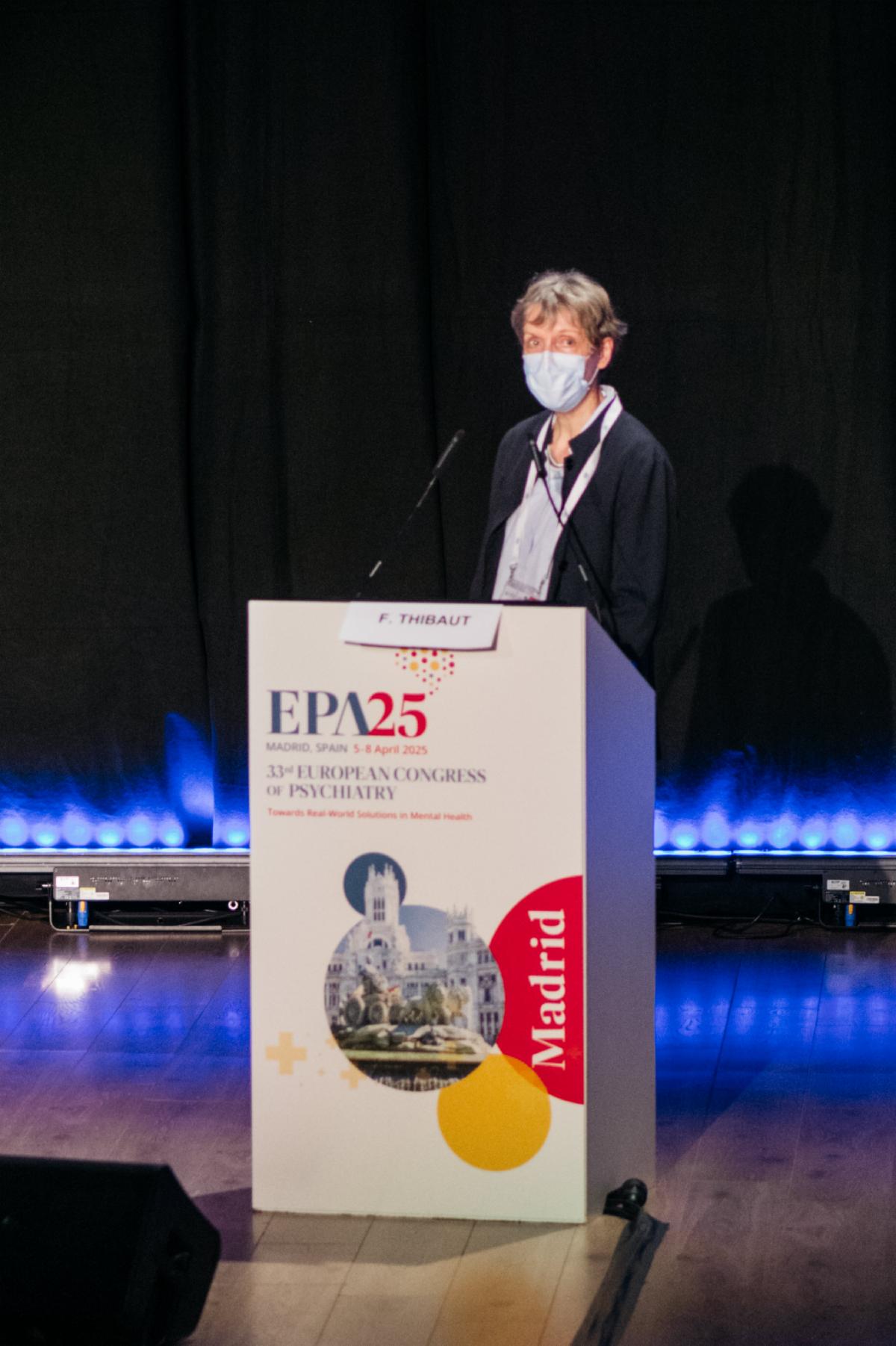
During the last EPA congress held in Madrid in April 2025, Prof. Florence Thibaut, Immediate Past President of the IAWMH gave a plenary lecture entitled: Current priorities in women's mental health: Research, policy and training (see the photo above). 2000 participants attended the conference.
| |
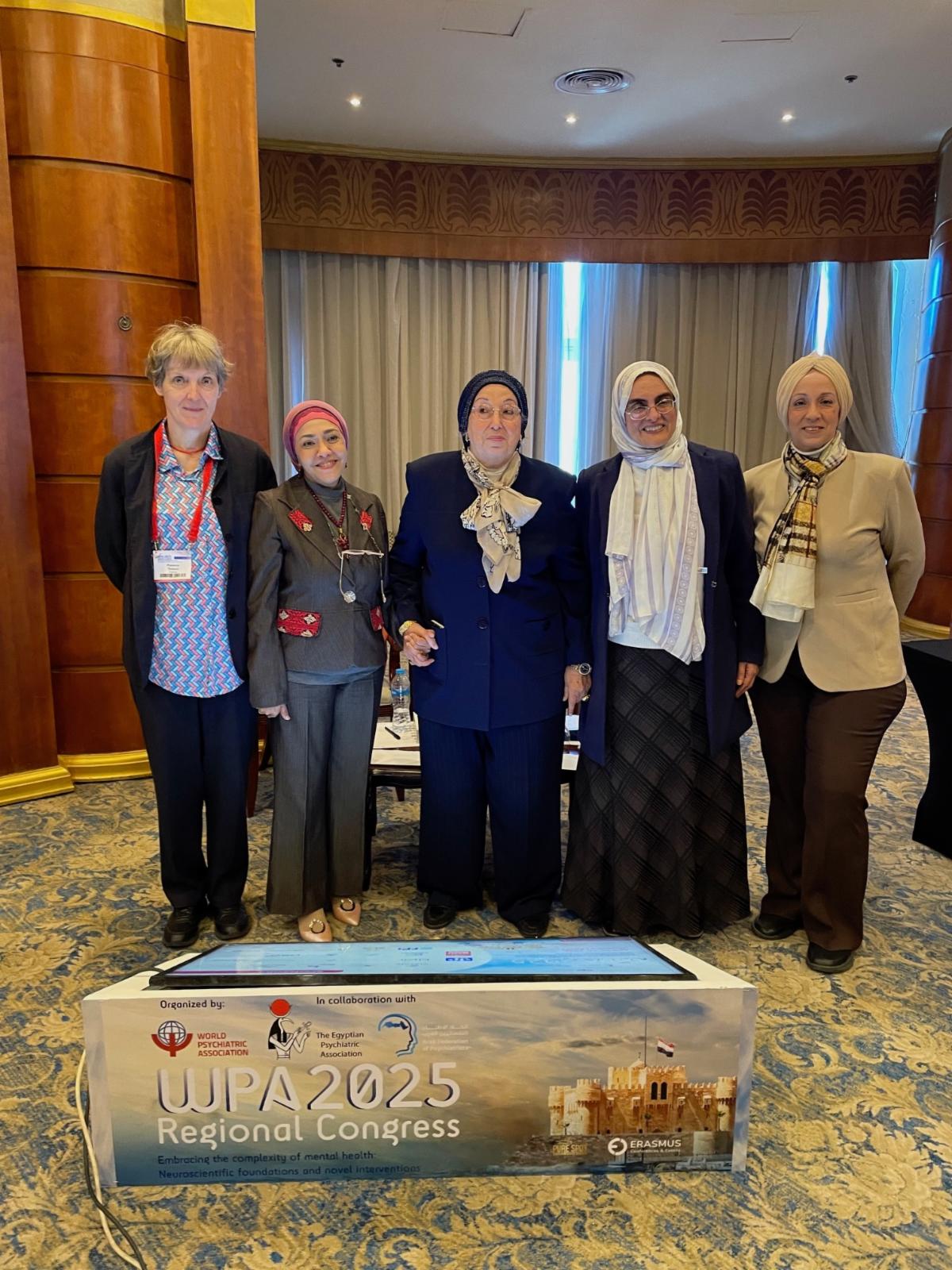
During the last regional congress of the WPA held in Alexandria, Egypt, Prof El Nahas President Elect of the IAWMH and Prof. Thibaut Immediate Past President of the IAWMH were involved in two symposia:
Symposium 16: Scoping Perinatal Psychotropics: Case-based Insights for Safe Prescriptions
Chairs: Gihan ELNahas (Egypt) - Florence Thibaut (France)
Florence Thibaut (France): Substance Use Disorder pharmacological treatment during pregnancy
Gihan ELNahas (Egypt): Pharmacological treatment of Depression in pregnancy
Discussant: Gihan ELNahas (Egypt)
Symposium 19: Stress in the Womb: Unravelling the Maternal-Fetal Connection
Chairs: Florence Thibaut (France) - Gihan ELNahas (Egypt)
Gihan ELNahas (Egypt): Revealing Maternal Stress Transmission to Offspring
Heba Elshahawi (Egypt): Is Maternal Nutrition protective against neurodevelopmental disorders
Marwa Elmiissiry (Egypt): Mitigation of maternal stress risk for the wellbeing of mothers and offspring
Discussant: Florence Thibaut (France)
| |
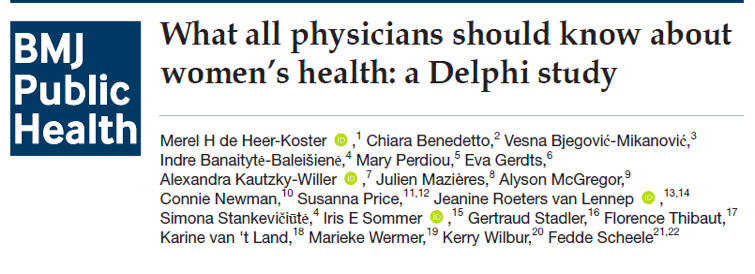
BMJ Public Health 2025;3:e001786. doi:10.1136/bmjph-2024-001786 (free access): https://bmjpublichealth.bmj.com/content/3/1/e001786
file:///Users/florencethibaut/Downloads/What_all_physicians_should_know_about_womens_health.pdf - click here to download
Prof. Florence Thibaut, Immediate Past President of the IAWMH, was involved in a Delphi study conducted in Europe and the USA and published in 2025 about women's mental health.
Eighteen core clinical conditions and public health issues in women’s health in Europe and North America have been identified based on consensus of 10 experts of different specialties. Several overarching domains were mentioned: the societal position of women in health, patient perception of disease and treatment, differences in symptomatology, pharmacological considerations and the impact of the female life cycle on health and disease.
Our study could influence guidelines, to include topics from our list, or to critically assess whether women’s health is represented in guidelines. Policy-makers can use the results of this study as a discussion point and reference. For medical education, this study is also a starting point to include women’s health throughout the curriculum (women’s health must not be solely focused on the female reproductive system).
There are several domains, such as menopause and menstruation, in which societal norms do not recognise pathophysiology or in which complaints are even normalised.
| |
Past IAWMH President Marta Rondon was appointed an International Distinguished Fellow of the APA. This month she is participating in the Guideline Development Group for the update of the WHO guidelines for the care of women affected by intimate partner violence and sexual violence and she has been appointed a member of the PAHO Special Advisory group on suicide prevention.
| |
Looking for news from our members!
As we are preparing IAWMH Newsletters we want to highlight our members'
activities, awards and news. Let us know what's happening that would be of interest to
other IAWMH members. Send your news to Debby Tucker at debra@iawmh.org to be
included in the next newsletter.
| | | | |