DSCEJ Staff Experts Visit Roseland Community in Aftermath of Facility Fire | |
Insights from the Field: A Firsthand Account by Kim Dunn, MSPH, DSCEJ Technical Training Director
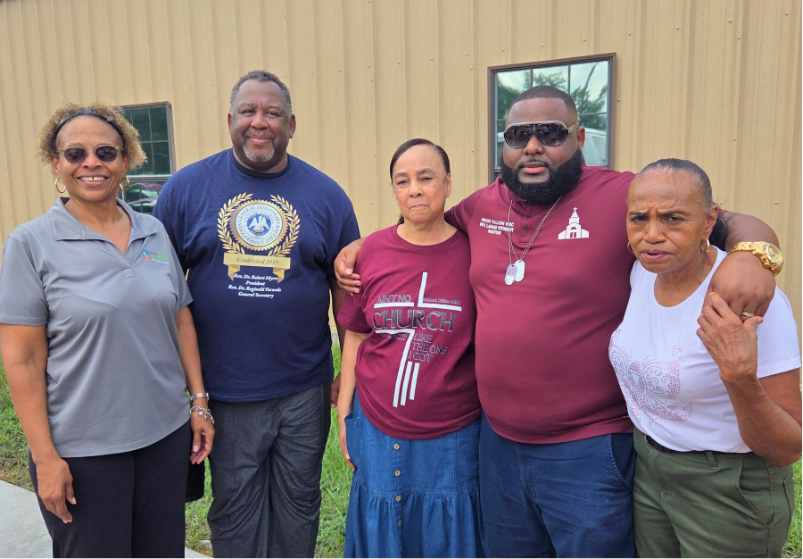
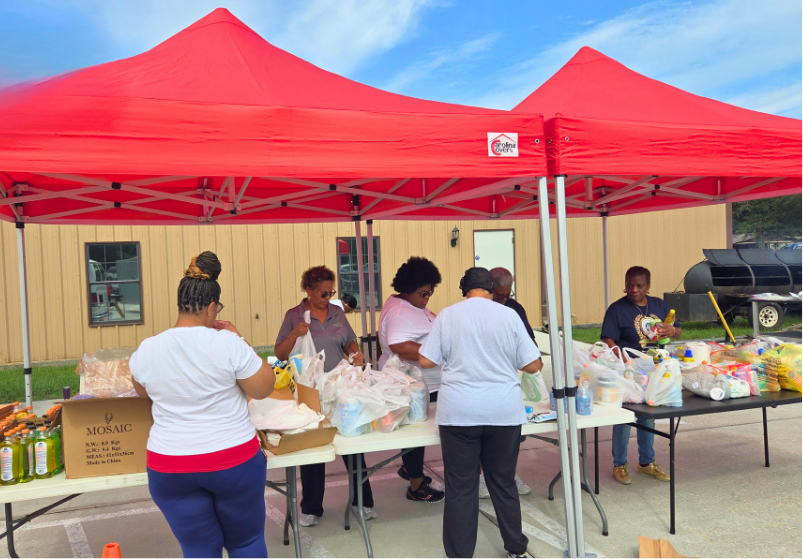
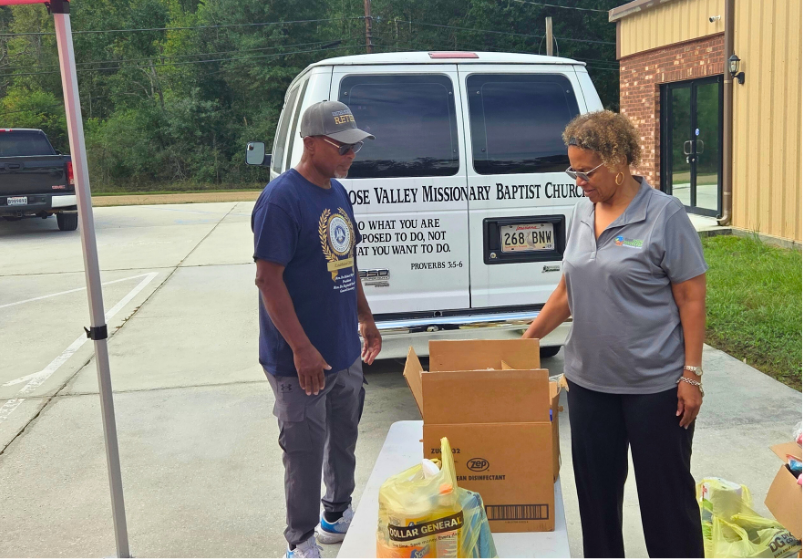
On Saturday, September 6, 2025, Bruce and I visited Roseland several weeks after the Smitty's Supply facility fire on August 24, 2025. We collaborated with the Baptist National Convention and other faith-based organizations to provide cleaning supplies, meals, and discuss the incident and ongoing concerns with community members and leaders.
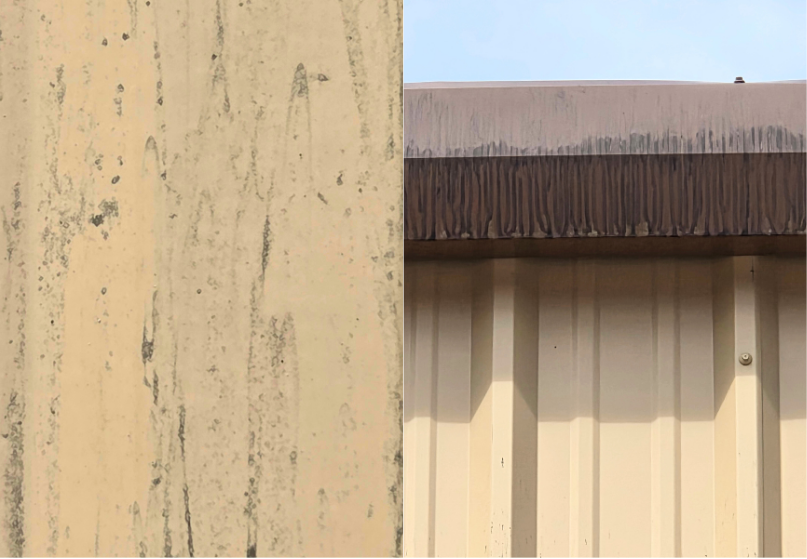
We spoke with residents living directly across from the Smitty's facility. After the immediate and brief mandatory evacuation on August 24, the residents reported they'd been allowed to return home after a week. Upon their return, they found oil covering exterior surfaces and could taste oil in the air. While they were informed that contaminant levels were safe for re-entry, they expressed a lack of specific information regarding their exposure and how to protect themselves. Residents reported feeling ill, especially when performing outdoor activities like cutting grass or cleaning. They also indicated that little information had been provided about the actual contaminants, and they didn't understand why they were responsible for cleaning up the incident's contaminants.
| | |
We also spoke with the Mayor of Roseland, who confirmed the lack of information from the state or EPA regarding the incident's contaminants. We offered to attend town hall meetings to help educate residents, raise their awareness, and provide training to minimize and prevent contaminant exposure.
The location where food and supplies were distributed was over a mile from the fire site. We observed what appeared to be oil and soot on the sides, roof, and dripline of the church building. This suggests a potential for contaminants to be tracked indoors or encountered when outdoors, particularly during activities such as yard work, caring for animals, cutting grass, or cleaning.
| | There is a critical lack of information being provided to residents of this small rural town regarding a toxic event that is causing immediate adverse health effects and has the potential for more long-term health issues if not addressed. Transparency regarding what was released, as well as awareness education and training to prevent exposures, are crucial at this time. | | |
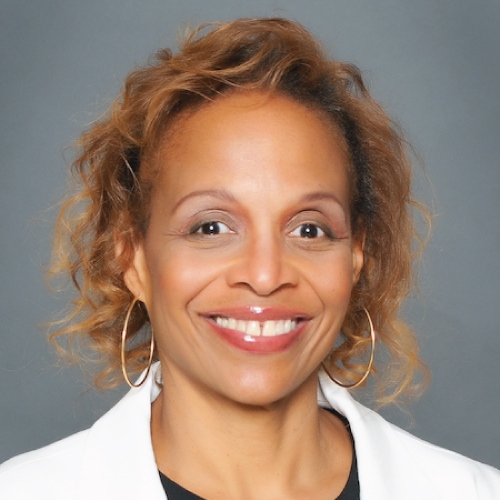
Kim Dunn is an environmental professional who has worked in the field of construction and traditional Industrial Hygiene (IH) and conducted environmental, health, and safety training and education for 40 years. She is a native New Orleanian and graduate of Xavier University and the Tulane University School of Public Health & Tropical Medicine. Kim is the current Technical Training Director at the Deep South Center for Environmental Justice (DSCEJ) in New Orleans where she has been employed since May 2000.
Due to climate change, environmental justice issues, and a heightened sense and need for emergency preparedness and response and health and safety training and education, she has conducted environmental activities after catastrophic events and advised and trained volunteers, business leaders, workers, and residents in some of the most vulnerable populations along the gulf coast. In her relentless journey of helping individuals in the environmental field, her hope is that she leaves a legacy by continuing to advocate for those that are less fortunate, educate and train on environmental, health and safety issues, promote sustainable practices, and mentor future environmental leaders.
| | |
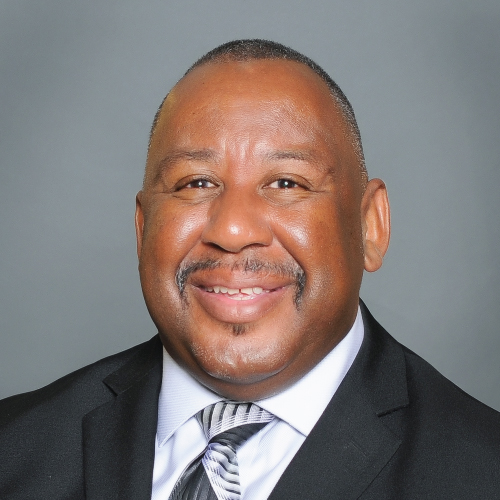
Bruce McClue serves as the Technical Training Manager DSCEJ. A graduate of Dillard University with advanced coursework at Tulane University, Bruce has been a leader in the environmental justice field since 1986. His extensive experience includes work on Superfund sites, disaster cleanups since Hurricane Katrina, and training workers for natural disasters and the BP Oil Spill response. At DSCEJ, Bruce designs, develops, and delivers workplace environmental, health, and safety training programs across the Southeast region..
| | Student Interns Share Documentary Films at Katrina 20 Mini Film Fest | |
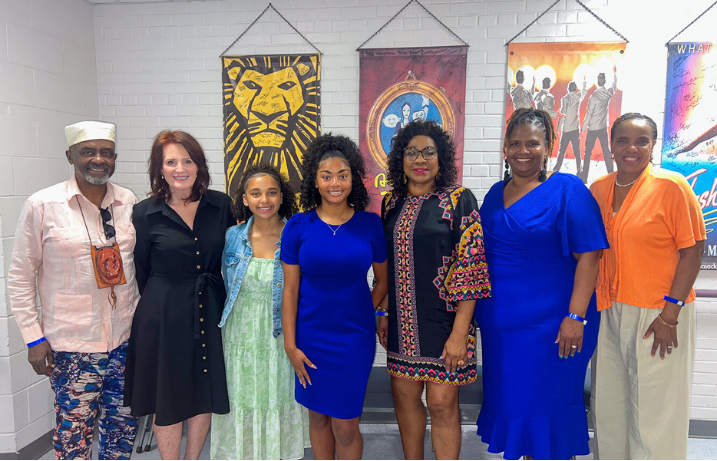
The DSCEJ Digital Storyteller Interns who worked with the Zion Travelers Cooperative Center in Phoenix, LA and the Alsen/St. Irma Lee Community Village in Alsen, LA had the honor of presenting their documentaries at the Katrina 20 Mini Film Festival on Tuesday, August 26th.
As part of the Internship, these students captured the voices, challenges, and resilience of their communities in the face of ongoing environmental and climate justice issues.
VIEW THEIR DOCUMENTARIES >>>
| | DSCEJ Welcomes New Director of Research Initiatives | |
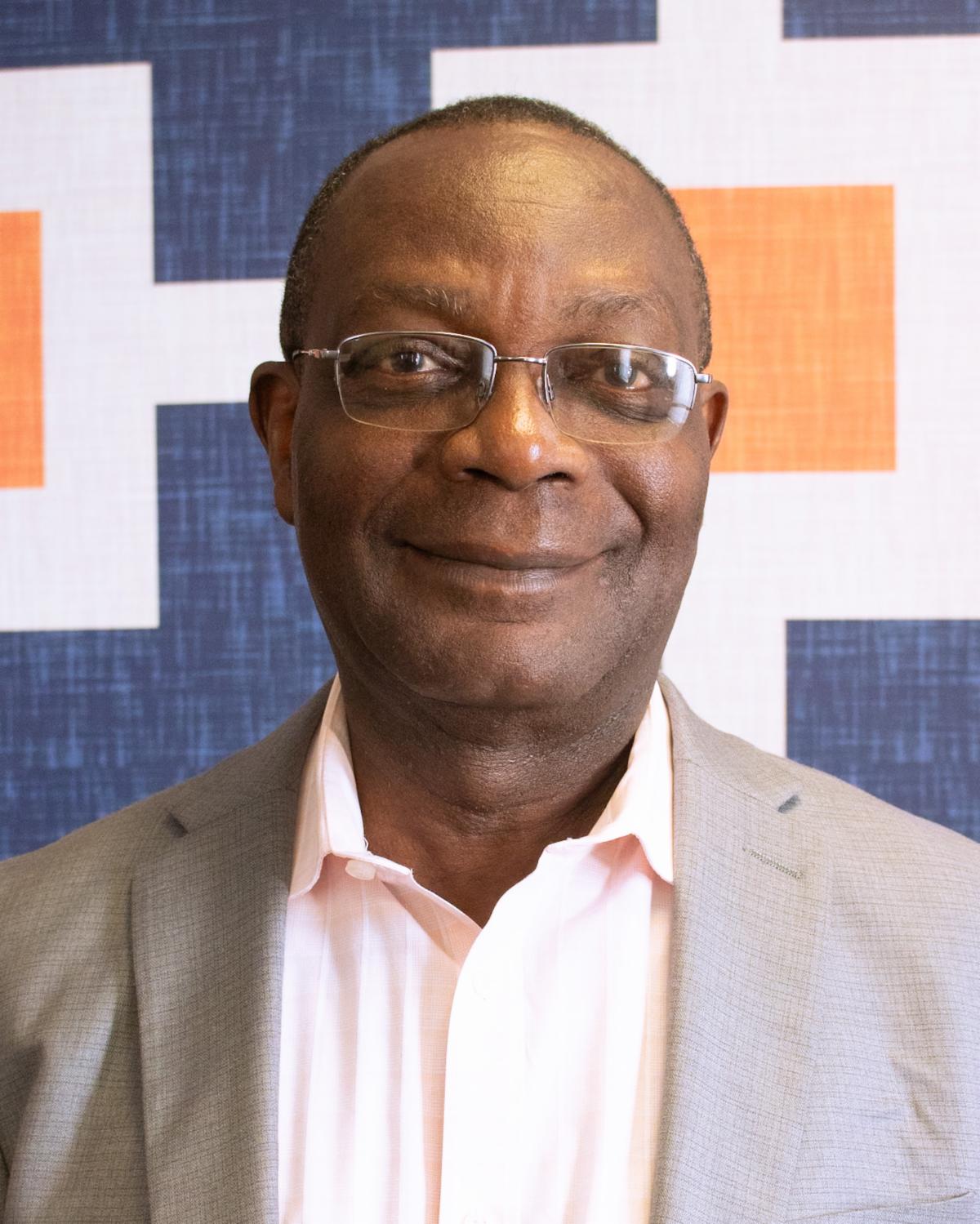
We are pleased to announce the appointment of Dr. Femi Adesanya as the new Director of Research Initiatives.
Dr. Adesanya is a seasoned professional with over 38 years in environmental monitoring, pollution prevention, and education, specializing in air and water issues. He has managed projects for the EPA, DOE, and NASA, and has a strong background in analytical methods, instrumentation, and quality control.
As the founder of the Environmental Equity Information Institute, Dr. Adesanya secured over $1.25 million in grants to focus on environmental justice and community education. He has also contributed to various policy boards, including the CDC’s Board of Scientific Counsellors and the EPA’s Federal Advisory Committee on Stormwater, while advancing tools and processes for community engagement and environmental analysis.
Dr. Adesanya earned his PhD from Clemson University and graduated with his Master's and Bachelor's degrees from the University of Nebraska-Lincoln.
| | Now Accepting Student Abstracts! 11th Annual HBCU Climate Change Conference! | |
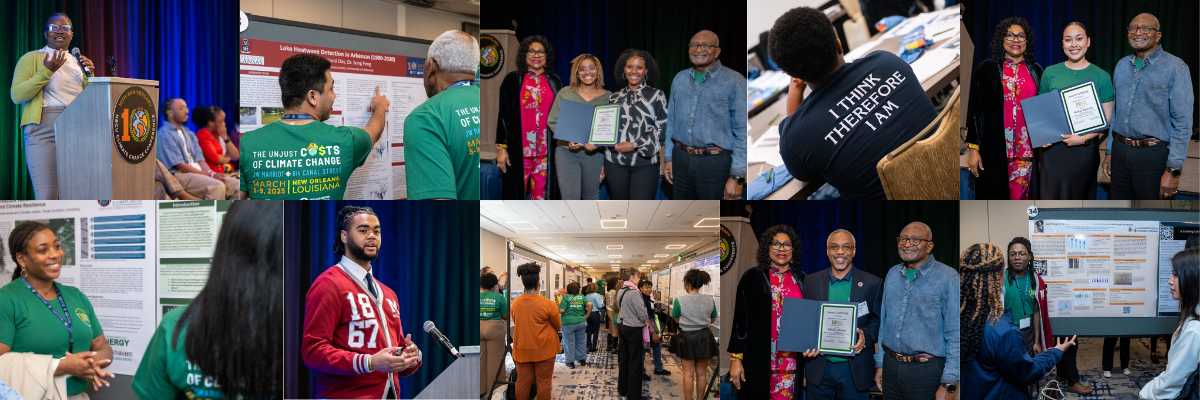
The Deep South Center for Environmental Justice in collaboration with The Bullard Center for Environmental & Climate Justice at Texas Southern University will host the 11th Anniversary HBCU Climate Change Conference on March 18 - 22, 2026 at the Jung Hotel in New Orleans.
We are now accepting student abstracts for panel and poster presentations at the 2026 conference. This annual opportunity allows students to share their research, engage with environmental and climate justice experts, and learn directly from community members living with the impacts of environmental exposures and climate change.
Read the College Student Abstract Submission Instructions and Guidelines
The deadline to submit student abstracts is December 1, 2025.
LEARN MORE >>>
| | Now Accepting Applications for our 2025-2026 Workforce Development Program | |
Our Workforce Development Program focuses on delivering comprehensive training to increase the number of disadvantaged and underrepresented minority workers in areas such as environmental remediation/restoration, construction, hazardous materials/waste handling and emergency response.
We are currently accepting application for this 6-week program which focuses on delivering environmental and construction training and offers certifications and accreditations in areas such as NCCER Core Construction, electrical basics, asbestos abatement, hazardous waste worker, mold remediation
and OSHA construction safety. Upon successful completion of the program, participants will be assisted with job placement. DSCEJ has an average job placement rate of 91% with graduates earning an average of $17 – $20 per hour.
Learn more about the program and complete an application>>>
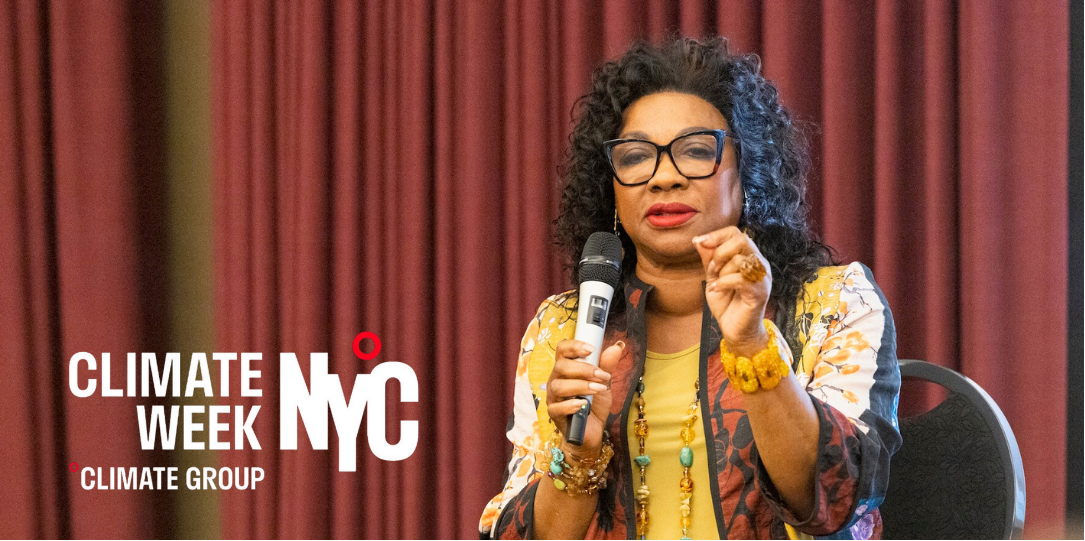
| | Dr. Beverly Wright to speak at 2025 NYC Climate Week Events | |
On Monday, September 22nd, 2025, Dr. Wright will present at a UN General Assembly Side Event on narrative strategies for environmental justice and human rights, in collaboration with the Metropolitan Group.
Later that day, she will participate in a panel session on leveraging the Municipal Investment Fund for clean energy and water infrastructure, hosted by ICLEI – Local Governments for Sustainability USA and the Coalition for Green Capital (CGC).
On Tuesday, September 23rd, 2025, Dr. Wright will take part in Day 2 of Opening Ceremonies as part of the "Big Emissions, Bigger Bills - How Can We Make the World's Biggest Polluters Pay" panel discussion hosted by the Climate Group. She will later join a Tides Frontline Justice Fund panel discussion focusing on legal climate justice challenges and systemic inequalities.
| | ABOUT CLIMATE WEEK: Climate Week NYC, (Sept. 21-28) is a world-leading global climate event, the biggest of its kind. It brings together a crucial mix of existing and new leaders from the world of business, tech, politics, academia, and civil society that have the means, the scale and the ideas to take bold action. It’s a key global moment that shapes corporate and political thinking and decisions well into the months and years that follow, with the aim of shifting entire systems. | | |
About the Deep South Center for Environmental Justice
Founded in 1992 by Dr. Beverly Wright, the Deep South Center for Environmental Justice (DSCEJ) is the nation’s longest-serving environmental justice resource center, committed to advancing the health, safety, and livelihoods of communities impacted by pollution and climate change. Through research, education, and workforce training, DSCEJ collaborates with communities, scientists, and policymakers to address systemic environmental inequities. DSCEJ is dedicated to ensuring every person’s right to live free from environmental harm impacting health, housing, jobs, and overall quality of life.
| | | | |