Accessibility & Health

September 2025

Image of a person propelling themselves in a wheelchair with wide space ahead of them.

ADA Highlight

2010 ADA Standards for Accessible Design

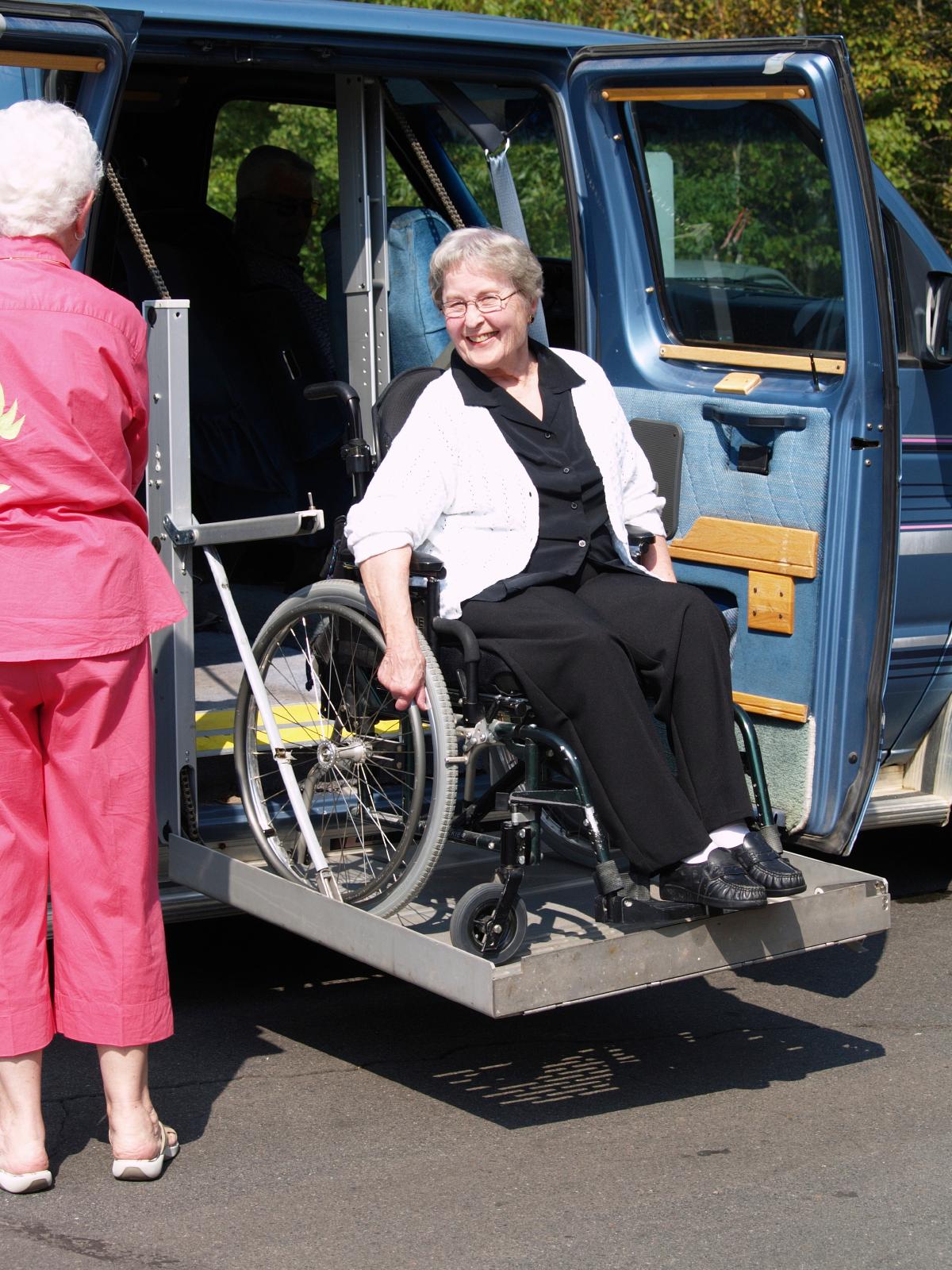
Older woman being unloaded from a van in a wheelchair

When a public agency chooses to alter any of its facilities, the elements and spaces being altered must comply with the 2010 ADA Standards for Accessible Design. These help ensure that local health departments serve everyone—including people with disabilities. Whether you're offering immunizations, public health information, or emergency services, accessibility is key.


An alteration means making changes to a building that could affect how people use it. This includes things like remodeling, renovating, moving walls, or changing fixed features like full-height partitions.


Some examples of the 2010 Standards include:

Area

ADA Standard

Public health example

Entrances & Building Access

Entrances must be usable by people with mobility devices.

The main entrance to your clinic has an automatic door opener and a clear, ramped path from the accessible parking lot.

Indoor Navigation

There must be clear, accessible routes throughout facilities.

Hallways leading to vaccination rooms are at least 36 inches wide, free of clutter, and have non-slip flooring.

Accessible Parking

Parking lots must include designated accessible spaces near the main entrance.

Your building has van-accessible parking spots with signage, proper striping, and curb cuts.

Accessible Restrooms

At least one accessible stall, sink, and mirror are required.

The public restroom near the waiting room includes grab bars, a wide stall door, and a sink at a reachable height.

Waiting Rooms & Service Counters

Spaces must accommodate wheelchair users and have accessible service counters.

Your registration desk has a lowered counter section and your waiting area includes space for wheelchair users without removing fixed seating.

Communication Access

Signage, alarms, and systems must support people with vision and hearing disabilities.

Braille signage is installed outside exam rooms. Visual fire alarms are installed throughout the building. Staff use Video Relay Services (VRS) or in-person ASL interpreters during client visits.

Accessible Websites & Technology

Digital platforms must be usable by people with disabilities.

Your department’s website follows accessibility guidelines (e.g., screen-reader compatibility, alt text for images). Online vaccine appointment forms work with keyboard-only navigation and have clear language.

Emergency Shelters & Community Spaces

Temporary or community-use spaces must be accessible.

A flu shot clinic set up in a community gym includes clear directional signage, accessible restrooms, and space for wheelchair users in line and during service delivery.

Video thumbnail "An ADA Inspection"

Learning Materials

Check out these educational resources from our website about accessible design!


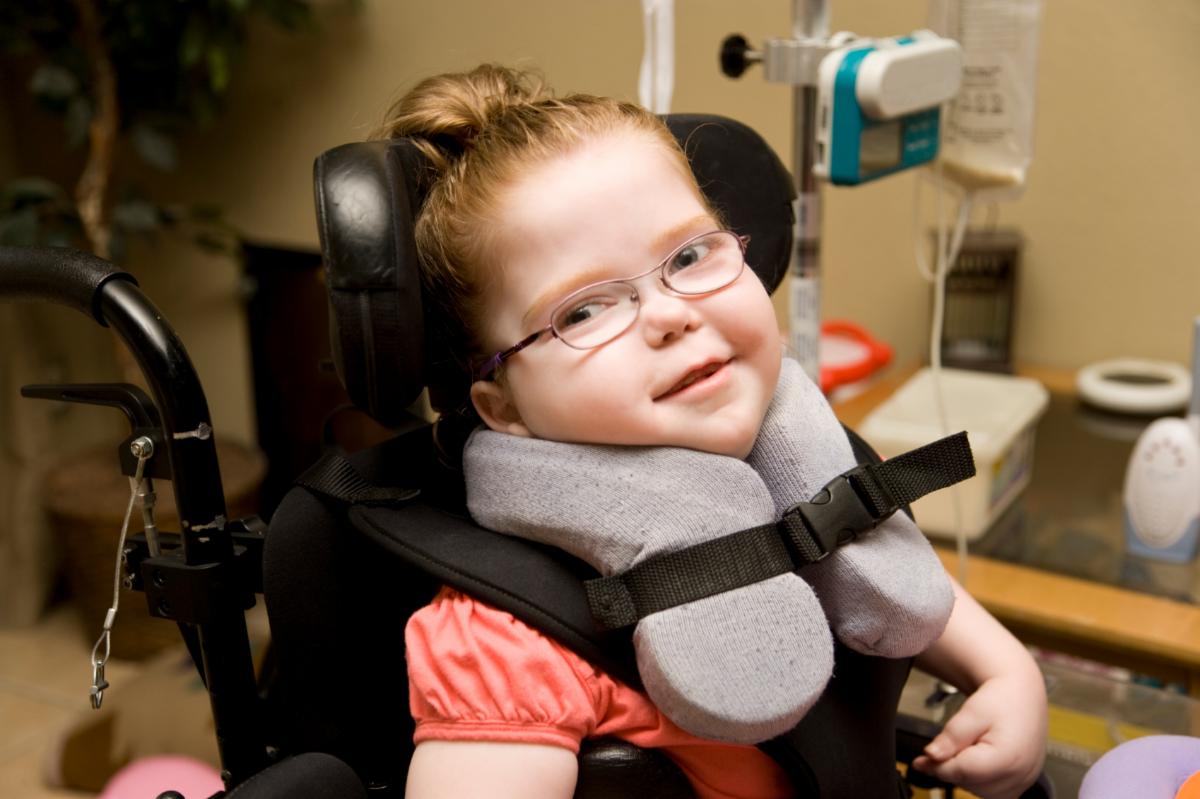
Little girl in wheel chair

Access to Medical Care for Individuals with Mobility Disabilities

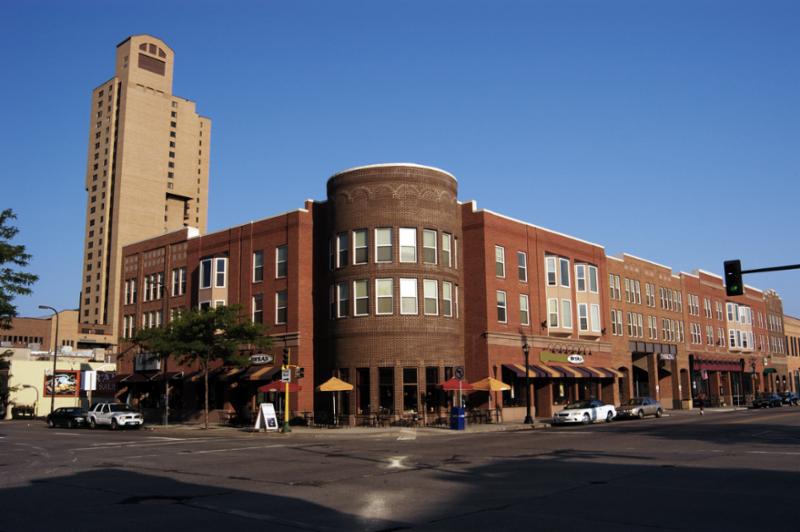
Street view of a building

Guide to the ADA Accessibility Standards

Cars in a parking lot

ADA Compliance Brief: Restriping Parking Spaces

Woman typing on a computer

Training Topics?


We are working to provide trainings and learning resources that you will find valuable, but we would love to hear your insights.


Please let us know what you are interested in learning more about!

Watch for upcoming trainings and learning resources in next month's newsletter!

Institute for Disability Research, Policy & Practice logo

CONTACT US

(435) 797-1981

Facebook  X  Instagram  LinkedIn