Global Health Community Newsletter
| September 2025 |
| | |
The Mass General Center for Global Health is a central hub of expertise and support for global health initiatives across the Mass General Brigham ecosystem. | | | Upcoming Events | Funding Opportunities | Fellowships / Employment Opportunities | Awards / Recognition | Research | Global Health Community Highlights | Opportunities to Engage | | | |
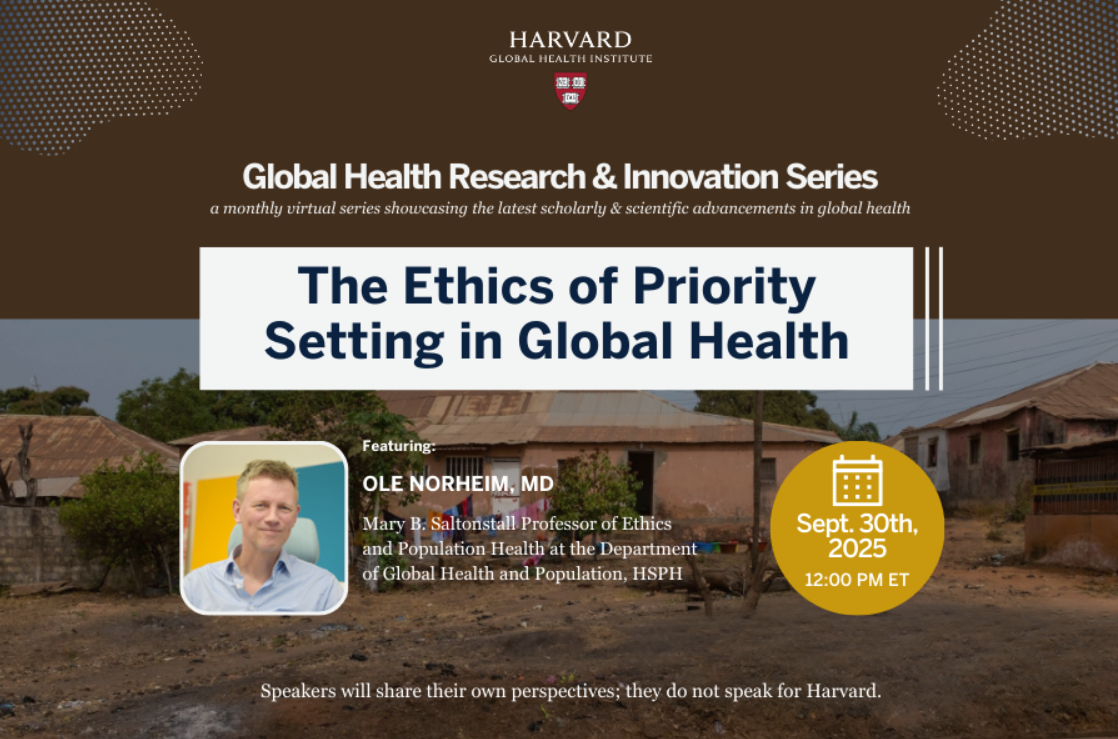
The Ethics of Priority Setting in Global Health
Tuesday, September 30th | 12:00-12:45pm ET | Virtual
Professor Ole Norheim, MD will discuss the ethical challenges of priority setting in global health, with a focus on advancing universal health coverage in low- and middle-income countries. Despite significant progress in reducing child and maternal mortality over the past 25 years, many nations continue to face difficult choices about how to allocate limited health resources fairly and effectively. This session will examine frameworks for balancing equity, efficiency, and ethical responsibility in health policy decision-making. By highlighting approaches that promote fairness while addressing real-world constraints, the discussion will shed light on how global health systems can move toward more just and sustainable coverage for all. This event is free and open to the public.
| |
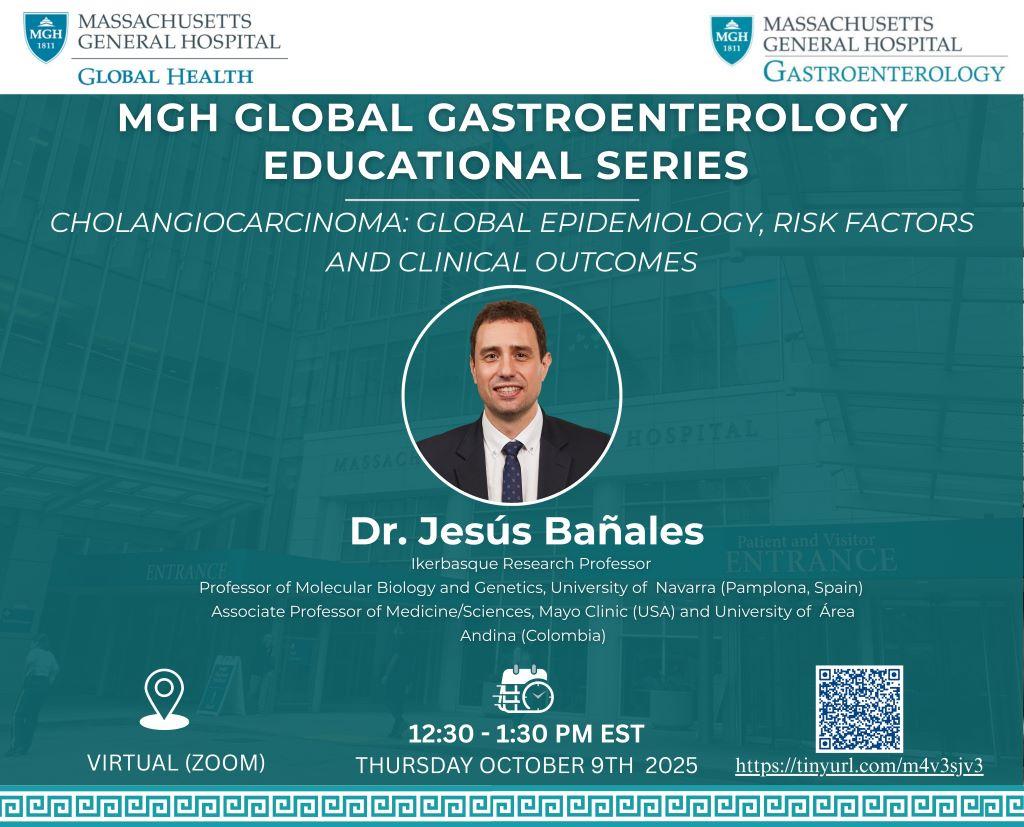
MGH Global Gastroenterology Educational Series
Thursday, October 9th, 2025 | 12:30 - 1:30pm ET | Virtual
Speaker: Dr. Jesús Bañales
Topic: Cholangiocarcinoma: global epidemiology, risk factors and clinical outcomes
| |
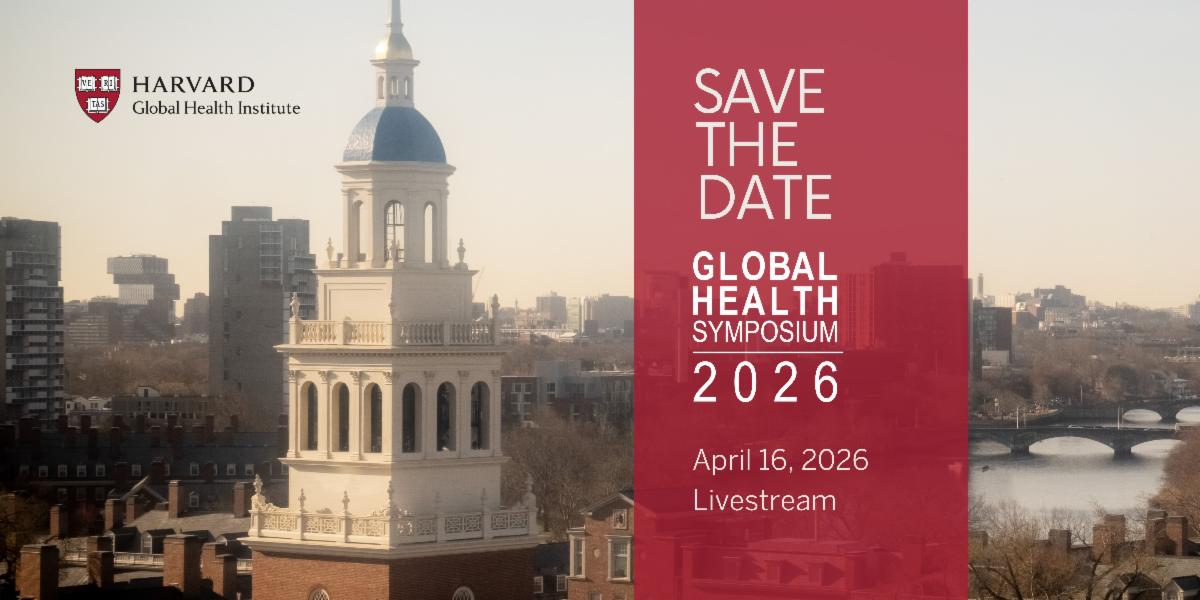
SAVE THE DATE - Harvard Global Health Institute’s 2026 Global Health Symposium
Thursday, April 16th, 2026 | Hybrid In-Person and Virtual
This annual event brings together faculty, staff, and students from across Harvard’s schools, institutes, centers, departments, and affiliated hospitals, along with an international community of health professionals, academics, and civil society leaders, to engage in meaningful conversations on some of the most pressing issues in global health today.
The 2026 Symposium will once again offer an inclusive hybrid experience, welcoming participants both in-person and virtually. Learn more at this link.
| |
-
HGHI Visiting Research Scholarship Program 2025-2026. The Harvard Global Health Institute (HGHI) is now accepting applications for the 2025-2026 cohort of Visiting Research Scholarship Program. Applications must be submitted by a Harvard faculty member, who will serve as the sponsor for an international research collaborator. This program provides funding for the Harvard sponsor to host their international collaborator for a 6-week in-person residency in Boston, MA to complement ongoing research activities. Applications are due on October 19th, 2025. Learn more and apply at this link.
-
Global Health Community Engagement Awards – The purpose of these awards is to achieve improved health and healthcare equity within the populations we serve; support patient-focused, community-based health projects and/or research that demonstrate a positive impact on patient health outcomes; support humanitarian opportunities; and support requests for specialized assistance from NGOs. All staff, faculty, and partnering collaborators are eligible. Up to $2,000 is available per award and may include support for travel. Learn more and apply at this link.
-
Global Health Service Awards – These awards were created to encourage innovation, dedication, and commitment in the field of Global Health; to recognize people whose goal is to inspire, advance, and improve the clinical care and capacity for underserved populations; and to emphasize the importance and benefits of global collaboration in healthcare. All MGB employees and global partners are eligible. $2,000 will be awarded to support global health project related work. Learn more at this link and submit nominations through this form.
-
Center for Global Health Finish Line Grant (GHFLG) – The purpose of this award is to promote the advancement of junior investigators/trainees from MGH Global Health faculty partner sites, who have a project that is near completion and requires funding to bring the project “over the finish line.” GHFLG awards can range from $500-$2,500 per award each year and are awarded on a rolling basis. For more information and to apply view this document. If you have any questions, please contact Lindsey Garrison (legarrison@mgh.harvard.edu).
| | Fellowships / Employment Opportunities | |
-
HBNU Fogarty Global Health Training Program 2026-2027 Fellowship Year – Provides one-year mentored research fellowship opportunities in low and middle-income countries (LMICs) for pre- and post-doctoral candidates from the U.S. and LMICs. This program is sponsored by the Fogarty International Center (FIC) and several collaborating Institutes and Centers at the National Institutes of Health (NIH). The program supports research in areas of interest, including: HIV/AIDS, non-communicable diseases, mental health, maternal and child health and nutrition, and more. The application deadline for the 2026-2027 fellowship year is October 1, 2025. For more information, see the flyer here and apply online at here.
-
Global Non-Communicable Diseases Research Training Program (T32) – Led by Jessica Haberer, MD, MS, brings together faculty from the MGH Divisions of Cardiology, Endocrinology, Pulmonology, and Hematology, to offer a formal research training program for global NCDs. Our goal is to help launch the research careers of early-stage investigators. This program provides a dedicated career development mentor and a research mentor for each trainee, didactic seminars, research training through coursework at the Harvard T.H. Chan School of Public Health, and a Community of Practice within the program and with other global health fellows. Training emphasizes the role of allyship and equity in global health research. Funding is typically for up to two years and awards cover salary, travel to professional meetings, some tuition costs, and other training-related expenses. Application details can be found here and will be accepted until December 19, 2025. Please email Lindsey Garrison (legarrison@mgh.harvard.edu) with any questions.
-
Training Program in Psychiatric Genetics and Translational Research (T32) – Led by Karestan Koenen, PhD, JP Onnela, PhD and Alexander Tsai, MD, PhD, brings together faculty from the Harvard T.H. Chan School of Public Health and the MGH Division of Global Psychiatry to train epidemiologists, biostatisticians, and physician and non-physician clinicians with interests in a broad range of inquiry relevant to psychiatric genetics and analytical methods for translational mental health research, including global mental health, social and behavioral science, and psychiatric epidemiology. We offer dedicated mentorship, didactic seminars, formal coursework throughout Harvard-affiliated institutions, and access to a diverse community of cross-disciplinary scholars. Funding is for up to three years and includes salary, MPH tuition, travel to professional meetings, and other training-related expenses. Applications are accepted on a rolling basis. If you have any questions, please reach out to Dr. Alexander Tsai (actsai@mgh.harvard.edu).
-
Thomas S. Durant Fellowship – 1-year fellowship sponsors healthcare professionals to serve victims of complex humanitarian disasters and provides up to $75,000 for the year. This fellowship fosters in its recipients a sense of commitment to populations in distress and provides opportunities to develop professionalism in humanitarian response. MGH and BWH physicians, APPs, and nurses are eligible to apply. Learn more at this link. If interested, please contact globaldisasterresponse@partners.org.
| | |
Wyss Global Health Scholars Program | | With the generous support of the Wyss Medical Foundation, the Center for Global Health launched the inaugural Wyss Global Health Scholars Program, providing up to $150,000 per year for up to two years to applicants to create lasting health impact in underserved global communities. This program seeks to support the clinical care, teaching, research, and innovation work of the most promising global health physicians and healthcare providers, especially those working in multinational teams that together bring their talents to address both clinical care and clinical research needs of communities in the global south, in equitable partnership with those communities. | |
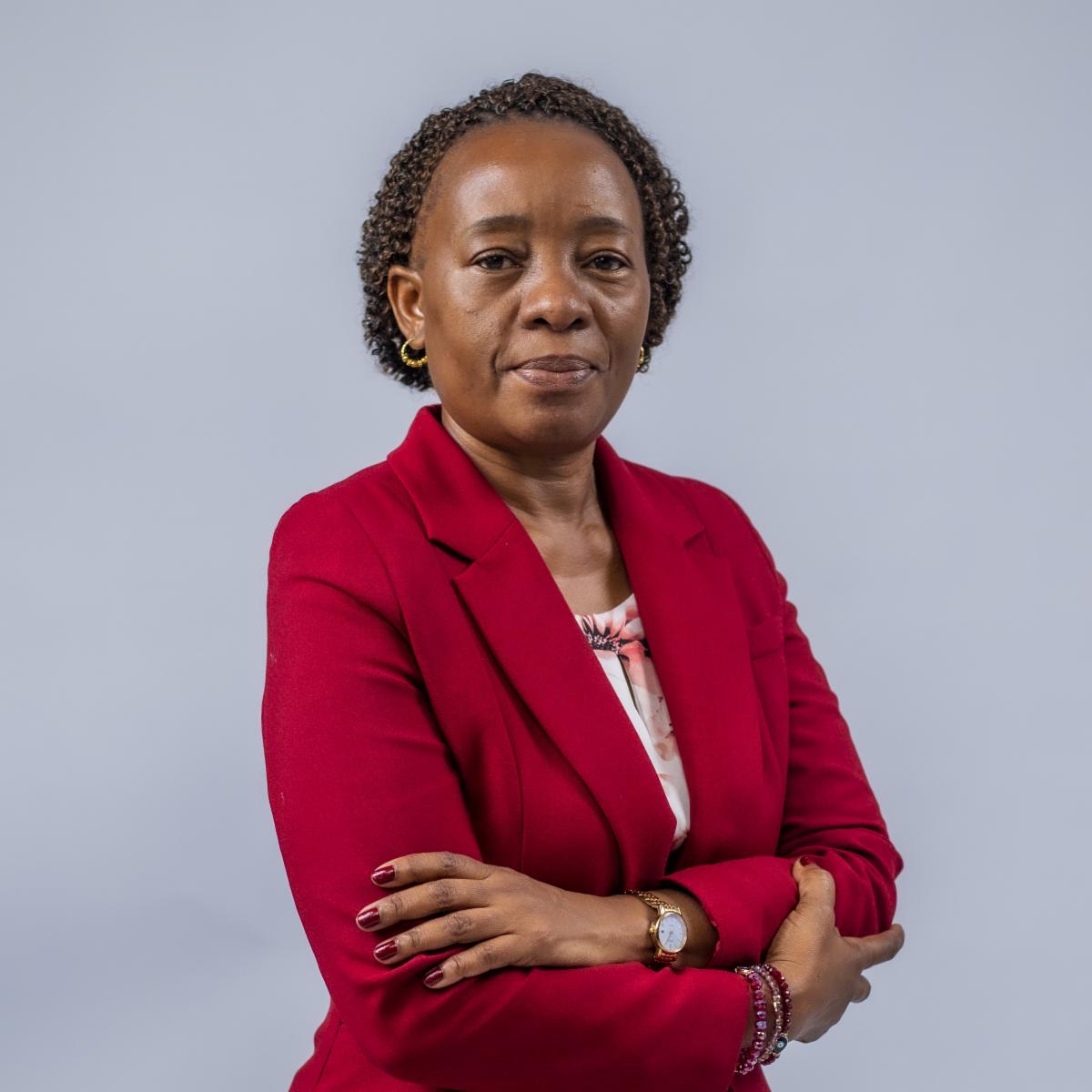
| |  | Dr. Pilly Chillo is a Cardiologist at Muhimbili University of Health and Allied Sciences (MUHAS) whose research collaboration with Dr. Robert Levine, MGH Cardiology focuses on reducing the burden of rheumatic fever and rheumatic heart disease in Tanzania. It is entitled “Echoes of Life: Portable Echocardiography for Early Detection and Management of Acute Rheumatic Fever and Rheumatic Heart Disease in Rural Tanzania”. Rheumatic heart disease (RHD) is a devastating, but preventable outcome of acute rheumatic fever (ARF), still it continues to claim the lives of young individuals across sub-Saharan Africa. Dr. Chillo’s research aims to increase early RHD case detection within Tanzania through expanded portable echocardiographic screening and ensuring newly diagnosed patients are started on and maintain regular monthly penicillin prophylaxis. This project will train over 30 healthcare workers on early diagnosis and management of ARF and RHD as well as deploy another 12 portable echocardiograms machines.
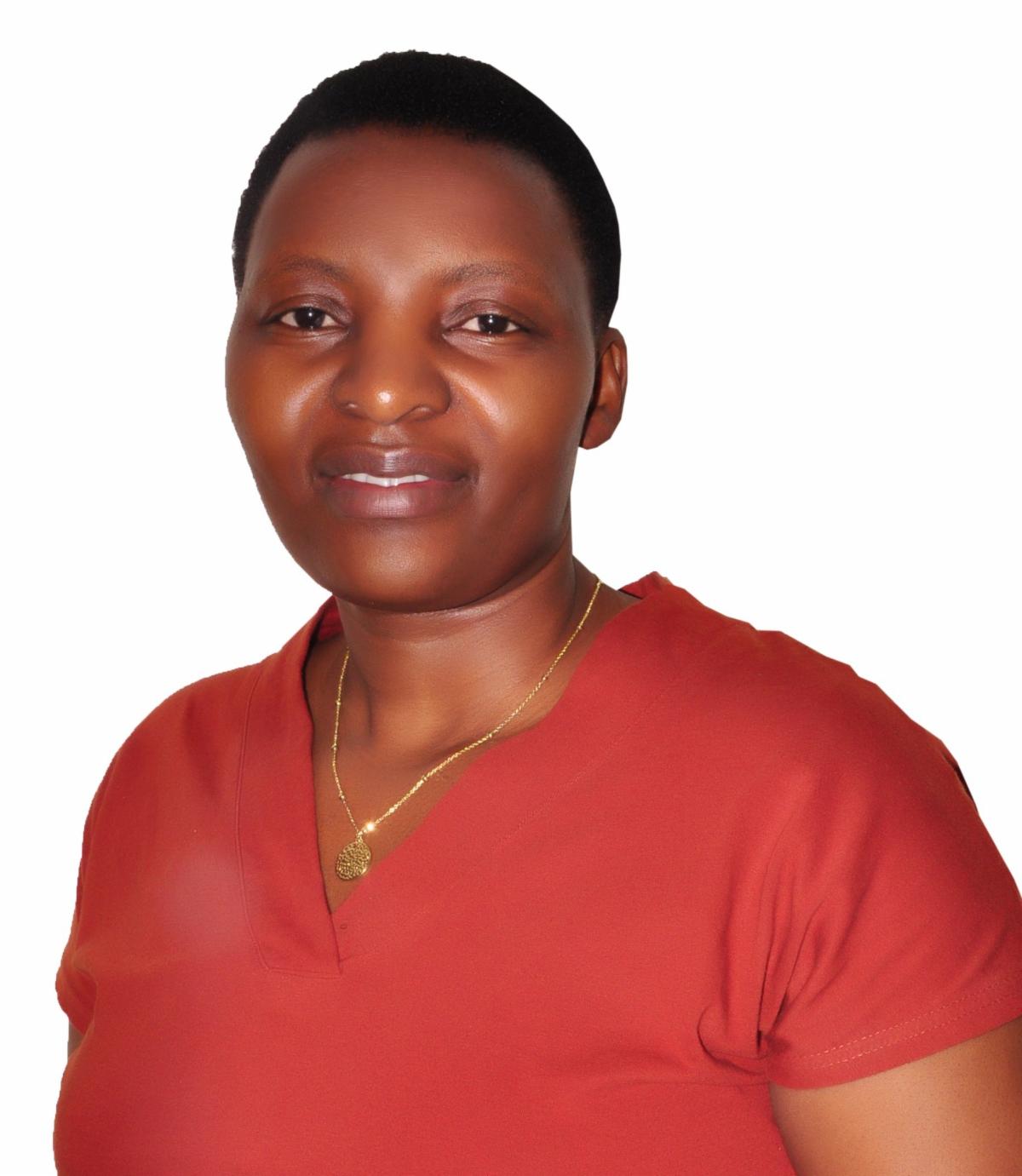
| | | | Dr. Grace Kansiime is a Senior Lecturer and Chair, Internal Medicine Department at Mbarara University of Science and Technology (MUST), a long-term institutional partner of MGH. Dr. Kansiime’s proposal “Reducing TB mortality during and after treatment through screening for kidney dysfunction and implementation of a mortality risk prediction score in Uganda” aims to reduce TB mortality by improving the PROS score, a bedside tool for identifying high-risk patients, by adding kidney function as a key indicator. While tuberculosis (TB) is curable, it still causes high mortality, especially in hospitalized patients with underlying conditions such as kidney dysfunction. The project will also introduce point-of-care creatinine testing and evaluate long-term kidney outcomes post-TB treatment. Ultimately, it seeks to enhance TB care through integrated screening, risk prediction, and accessible diagnostics. | | |
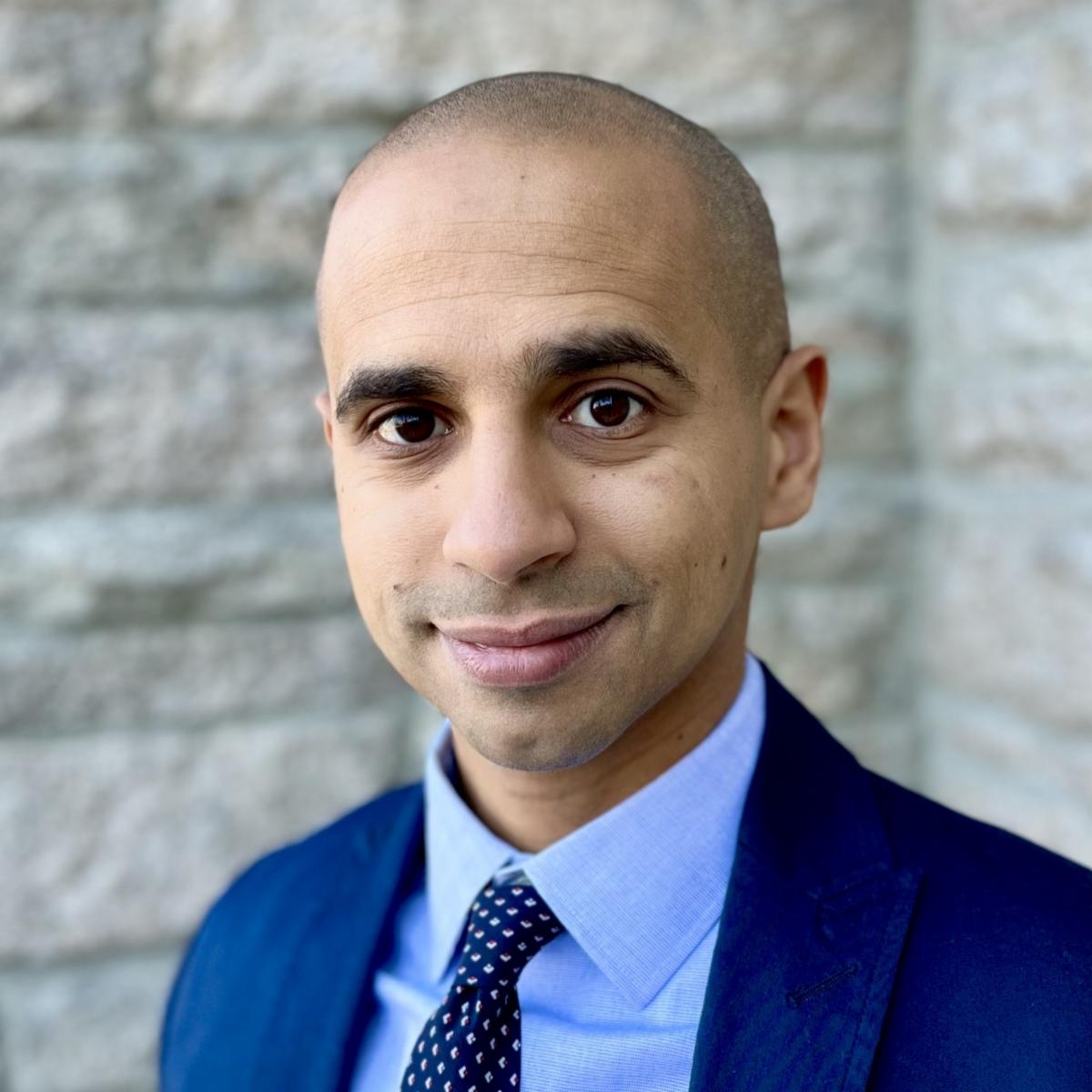
Dr. Amir Mohareb is an MGH Infectious Disease physician committed to improving the health of displaced and migrating people around the world. Dr. Mohareb’s proposal, “Health evaluations of migrating people at risk of trauma while in transit in Latin America,” aims to improve health outcomes for people traveling through some of the most dangerous and under-resourced migration corridors in the Western Hemisphere. Through this project, Dr. Mohareb and his team will deploy a care delivery protocol at key migration centers in Latin America. The project aims to strengthen clinical capacity on the ground and generate valuable data to advance our understanding of the health needs of this population.
| | |
Dr. Adeline Boatin is an MGH obstetrician-gynecologist and global health researcher whose research focuses on creating and investigating innovative technologies aimed at improving reproductive health care in low-resources settings. Her proposal “The BRIDGE-OB Program: Bridging the Critical Care Gap for Peripartum Women at MRRH” will take place in Mbarara, Uganda in collaboration with Mbarara Regional Referral Hospital (MRRH) and Mbarara University of Science and Technology (MUST) where maternal mortality remains a critical health challenge. This innovative proposal builds on her longstanding research partnership at MRRH with Drs Tibaijuka, Ngonzi and Lugobe of MUST, and aims to address the critical gap between standard obstetric care and intensive care services by developing a High Dependency Unit (HDU) to manage critically ill peripartum women at MRRH. Establishing the HDU will improve immediate patient outcomes and simultaneously create invaluable training opportunities.
| |
| | | Dr. Lakshmi Ganapathi is an MGH pediatric infectious diseases physician and global health researcher. Dr. Ganapathi will continue her long-term collaboration with Y.R. Gaitonde Centre for AIDS Research and Education (YRGCARE) in India to implement “Pathways to Recovery: Youth-focused interventions to support substance use treatment receipt and engagement among youth who inject opioids in India". This study aims to develop and pilot a family-centered psychosocial intervention and adapt U.S.-based adolescent opioid use disorder (OUD) training for Indian providers in Mizoram, India. Approximately 60 million people globally use opioids, with India accounting for 20 million users and a rising number of adolescents injecting opioids. Despite the availability of free substance use treatment and harm reduction services through India’s public sector clinics, youth face significant barriers to accessing and engaging in medications for opioid use disorder (MOUD). The interventions will be tested in Mizoram and refined based on input from youth, caregivers, and healthcare providers, laying the groundwork for future large-scale studies.
| | |
Updates from the NIH on the new application structure for NIH-funded international collaborations
NOT-OD-25-155: New Application Structure for NIH-Funded International Collaborations
Main takeaways:
- NIH continues to support international collaborations.
- NIH will require that competing applications submit applications to a Notice of Funding Opportunity (NOFO) that supports the new PF5 activity code for grants (NIH plans to release NOFOs for these codes)
- MGB advises not to submit new grants with foreign components prior to January 25, 2026, when the new NOFOs should be released.
Application Implications: The NIH's new PF5/UF5 structure requires applicants to use a multi-component package. At minimum, each application must include:
- An Overall Component describing the collaborative objectives
- A Research Project Component detailing scientific and technical directions
- One or more International Project Components, each corresponding to a unique foreign collaborator or institution
- The primary applicant must be a domestic (U.S.-based) organization.
- Leadership must include at least one Principal Investigator (PD/PI) from the domestic applicant and one from each International Project, who will also serve as PD/PI for the corresponding Linked International Research Project award.
Award Implications:
- After review, selected PF5/UF5 applications will be disaggregated (multiple NOAs if funded: to prime and to international site(s)).
- Each International Project component will receive a separate grant number (RF2 or UL2 activity code), with the foreign institution as the grantee.
- Key administrative steps, such as (JIT), must be fulfilled independently by both domestic and foreign recipients.
- If funded, NIH will issue PF5/UF5 awards to domestic organizations and RF2/UL2 awards to foreign organizations.
- Each must comply with their respective award terms and conditions
-
Disaggregation does not guarantee funding for all components; NIH may fund all, none, or only some parts based on merit, JIT materials, and agency priorities.
| | |
DOJ Data Transfer Rule
The new DOJ Data Transfer Rule prohibits the transfer of U.S. human data and/or biospecimens, including PHI, to entities and individuals in certain countries (“Countries of Concern”) or to certain persons (“Covered Persons”).
- Countries of concern: China (including Hong Kong and Macau), Cuba, Iran, North Korea, Russia, Venezuela, and nationals of any of these countries
- This includes any foreign entity who may be working with a country of concern (i.e., a French contractor sharing MGB data with China).
The impacted U.S. sensitive personal data includes precise geolocation data (physical location of an individual within 1,000 meters), human genomic or ‘omic data, biometric identifiers, personal health data, personal financial data.
- NB: This includes anonymized, de-identified, pseudonymized, and aggregate data.
For more detail information on how this rule applies to you, please see the latest Global Health Community Meeting Minutes at this link.
| | |
Biostatistical Support
The Center for Global Health works with a PhD level statistician, who can offer biostatistical support as needed. Please contact Dr. Jessica Haberer (jhaberer@mgb.org) with details about your biostatistical needs.
| | |
Here is a selection of our Global Health Community's recent publications, alphabetized by first author. To share your published work in the next newsletter, please email cghadmin@mgh.harvard.edu.
-
Bergam, Scarlett, Thobekile Sibaya, Casiel T. Gethers, Nompumelelo Ndlela, Mpume Kuzwayo, Vincent C. Marconi, Jessica E. Haberer, Moherndran Archary, and Brian C. Zanoni. "WhatsApp-based sexual and reproductive health education for adolescents with perinatally acquired HIV: lessons learned from an mHealth pilot intervention in South Africa." Sex Education 25, no. 4 (2025): 481-495.
-
Xu, Hanmeng, Amanda Tiffany, Francisco J. Luquero, Suman Kanungo, Godfrey Bwire, Firdausi Qadri, Daniela Garone et al. "Protection from killed whole-cell cholera vaccines: a systematic review and meta-analysis." The Lancet Global Health 13, no. 7 (2025): e1203-e1212.
-
Mace, Ryan A., Joshua E. Cohen, Christopher Lyons, Christine Ritchie, Stephen Bartels, Olivia I. Okereke, Bettina B. Hoeppner, Judson Brewer, Jin hui Joo, and Ana-Maria Vranceanu. "Socio-ecological barriers to behavior change-oriented dementia prevention: A qualitative study of healthcare professionals’ perspectives." Aging & Mental Health 29, no. 6 (2025): 1055-1064.
-
Anutrakulchai, Sirirat, Sajja Tatiyanupanwong, Sarassawan Kananuraks, Eakalak Lukkanalikitkul, Sawinee Kongpetch, Wijittra Chotmongkol, Michael G. Morley et al. "Effect of the Chronic Kidney Disease—Peritoneal Dialysis (CKD-PD) App on Improvement of Overhydration Treatment in Patients on Peritoneal Dialysis: Randomized Controlled Trial." Journal of medical Internet research 27 (2025): e70641.
-
Nuwagira, E., S. G. Mpagama, C. K. Muzoora, J. Mugerwa, M. Ssemusu, B. W. Allwood, F. Bajunirwe, M. J. Siedner, and P. S. Lai. "The Association of Pretreatment Nutritional Status With Lung Function After Microbiologic Tuberculosis Cure." American Journal of Respiratory and Critical Care Medicine 211, no. Abstracts (2025): A1034-A1034.
-
Doran, J., S. Shun, C. Carlson, S. Onyango, J. Tumwesigyire, F. Atwiine, D. C. Christiani et al. "Regional and Age-Related Differences in Correlates of Biomass-Associated Air Pollution Exposure and Subjective Assessments of Indoor Air Quality in Uganda." American Journal of Respiratory and Critical Care Medicine 211, no. Abstracts (2025): A2113-A2113.
-
Lee, Mi-Sun S., Crystal M. North, Irada Choudhuri, Subrata K. Biswas, Abby F. Fleisch, Afifah Farooque, Diane Bao et al. "Arsenic exposure is associated with elevated sweat chloride concentration and airflow obstruction among adults in Bangladesh: A cross-sectional study." PloS one 20, no. 5 (2025): e0311711.
-
Magodoro, Itai M., Katalin A. Wilkinson, Brian L. Claggett, Ntobeko AB Ntusi, and Robert J. Wilkinson. "Discordance between measures of Mycobacterium tuberculosis sensitization and type 2 diabetes mellitus in the United States (NHANES): A population-based cohort study." Journal of Infection (2025): 106496.
| | Global Health Community Highlights | | |
U.S. America First Global Health Strategy
The United States has unveiled its new “America First Global Health Strategy,” outlining the country’s approach to global health assistance with a focus on enhancing safety, strength, and prosperity within the nation. The document—released by the U.S. State Department on Sept. 18th—offers a detailed overview of the intended direction for the country’s global health assistance, which accounts for nearly two-thirds of the programs that remained after the government’s USAID cull. See the "America First Global Health Strategy" at this link.
| | Global Disaster Response Volunteers Support Mental Health Response Following Texas Floods | | |
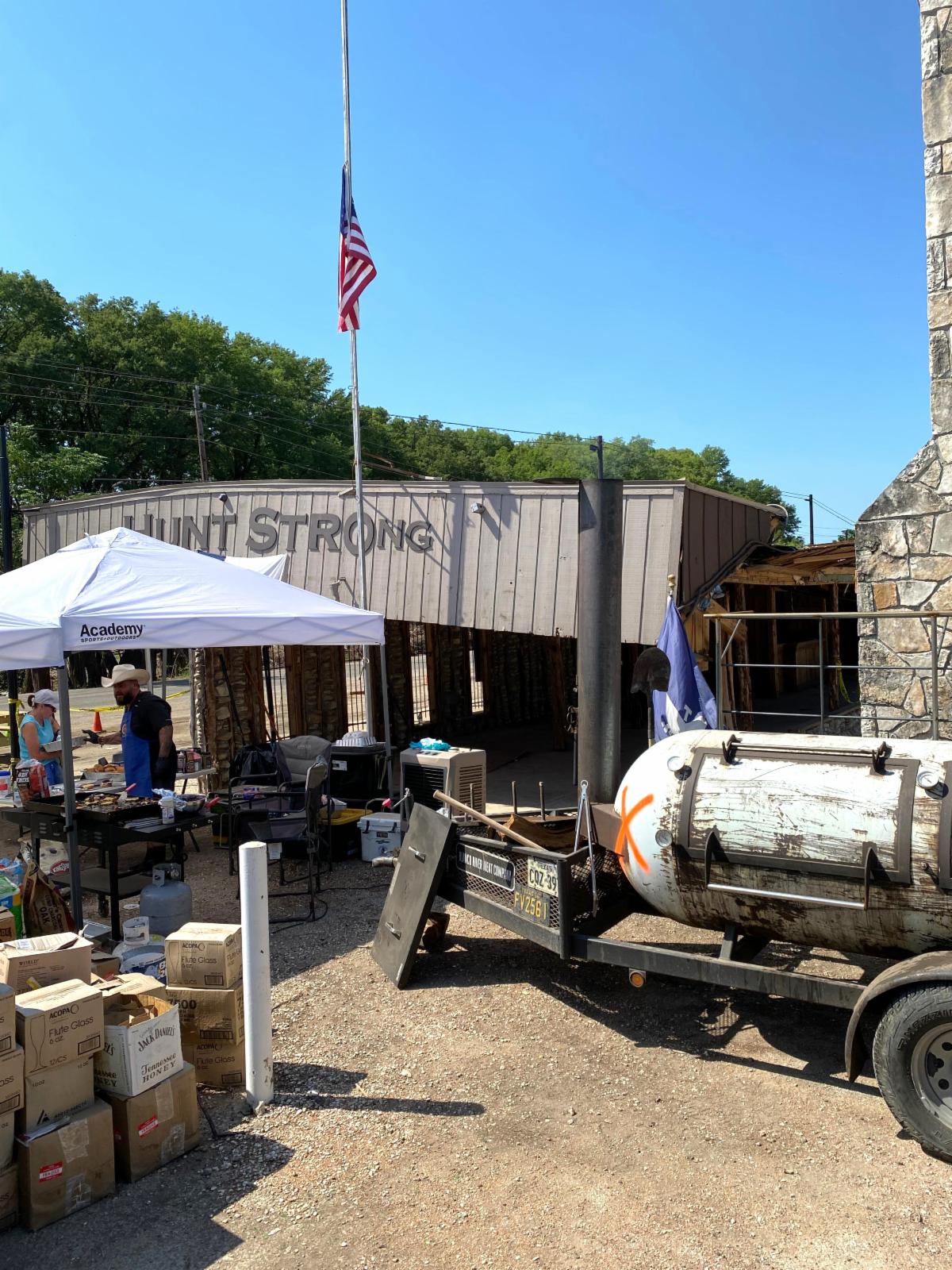
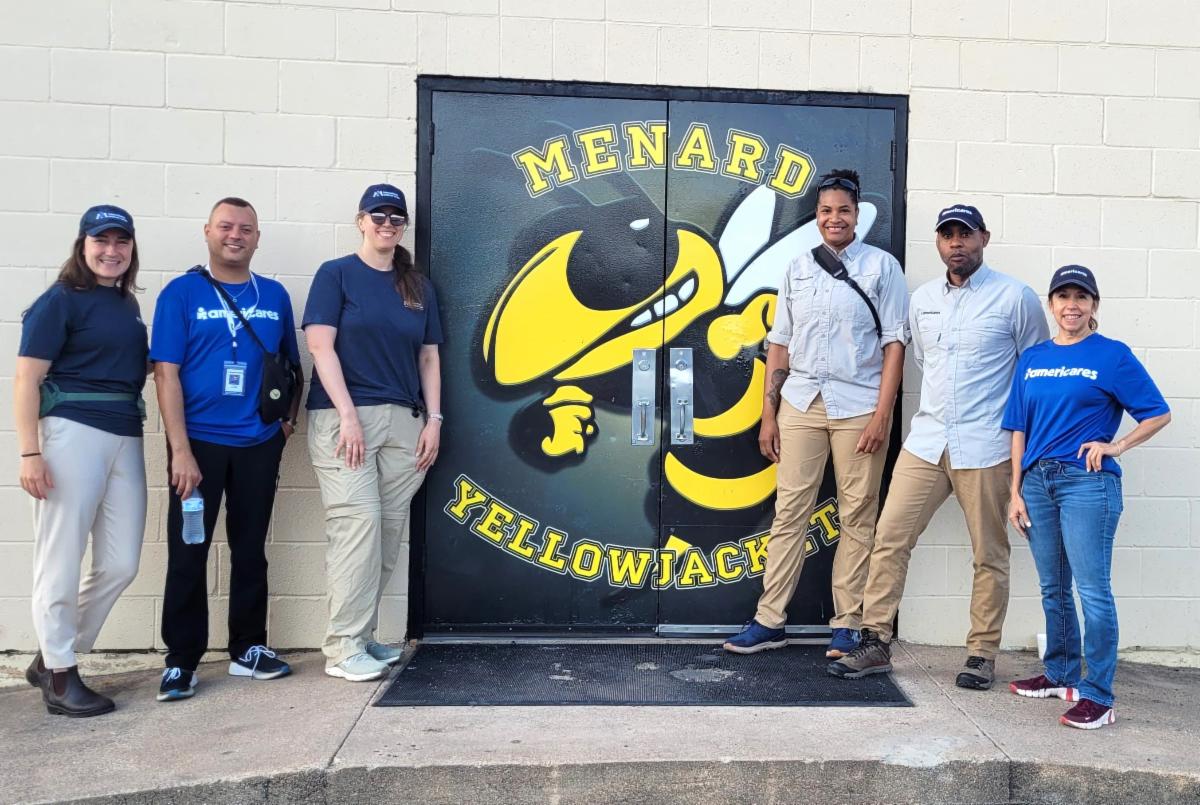
On July 4, 2025, a large-scale flooding event devastated central Texas, impacting several counties in the Hill Country region of the state. MGH Global Disaster Response (GDR) received a request from partner organization International Medical Corps (IMC) to support a mental health response in the area. Two mental health professionals were deployed, beginning July 28 through August 9, to work alongside NGOs IMC and Americares as well as the local Frontera Healthcare Network. Team members included:
-
A. Clare Stupinski, MSW, LICSW – Home Base Program
-
Kati Paye, LCSW – Spaulding Rehabilitation Hospital
The team was deployed as part of a broader, longer-term response led by IMC to provide mental health and medical support. Working collaboratively with partners, the team delivered support in community shelters, operated mobile medical and mental health units, and participated in pop-up clinics and local events. Their focus was on helping community members process trauma, grief, and uncertainty, while offering connections to community resources, stabilizing care, and recovery-oriented support. Throughout, the team adapted to changing needs, coordinated resource distribution, and ensured ongoing emotional and practical support for displaced residents navigating the aftermath of the disaster.
| |
This is the second behavioral and mental health specialty team GDR has deployed. We predict that, with the increasing frequency, size, and impact of catastrophic events both domestically and internationally, these requests will increase in frequency. As such, GDR is exploring opportunities to expand our capacity to respond to acute trauma through increased training and preparation of our roster members.
| | |
Photo 1: View of the outpost where the team worked in Hunt, TX
Photo 2: Kati Paye (far left) and Clare Stupinski (3rd from left) with colleagues from Americares and the Local Health Team in Texas
| | |
Expanding GDRHA Partnership with MedGlobal
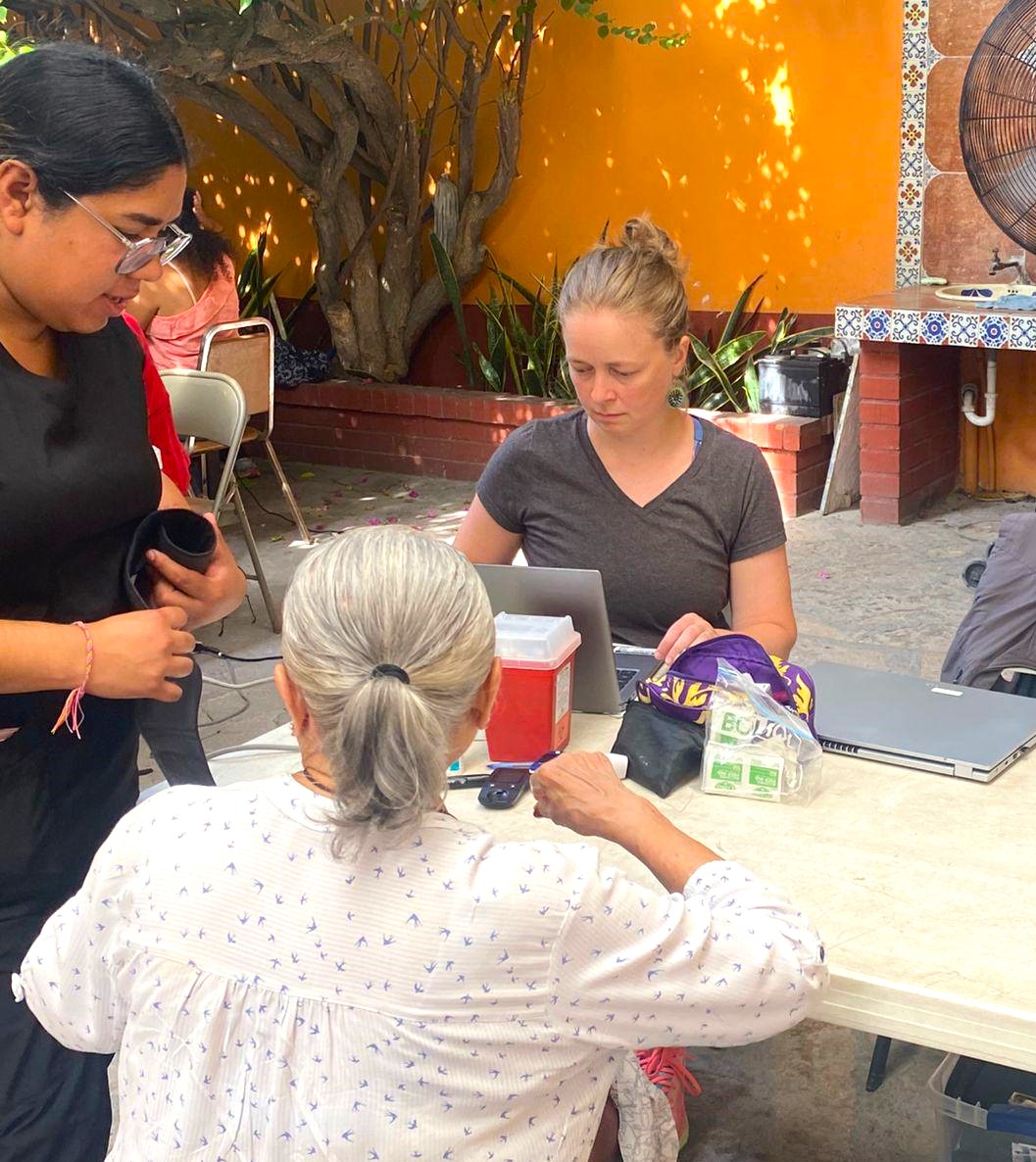
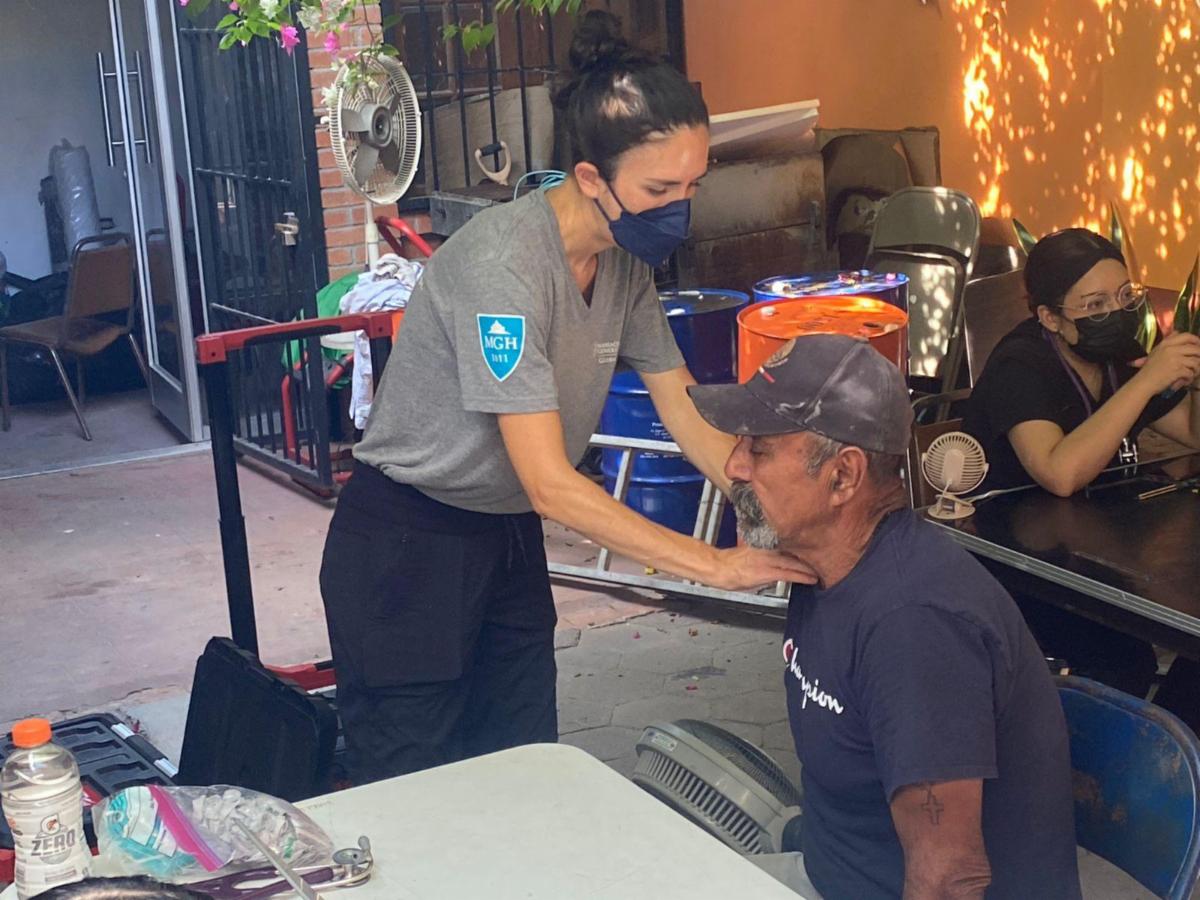
This past year, Global Disaster Response and Humanitarian Action (GDRHA) has sent teams to Matamoros, Mexico, in January, May, and July. Led by Durant Fellow Dr. Juliana Morris, these teams provided essential patient care, trained local staff, and strengthened our collaboration with our NGO partner, MedGlobal. Another trip is scheduled for the last week of September. Additionally, GDRHA leaders will travel to Cucuta, Colombia, to explore a new partnership with MedGlobal to support their healthcare efforts for refugee populations at the Colombia-Venezuela border.
| | Maria Openshaw consults with a patient at the MedGlobal clinic in Matamoros, Mexico | | Juliana Morris with a patient at the MedGlobal clinic in Matamoros, Mexico | | Critical Components in the Successful Implementation of a Trauma Nursing Course Across Clinical and Cultural Contexts | |
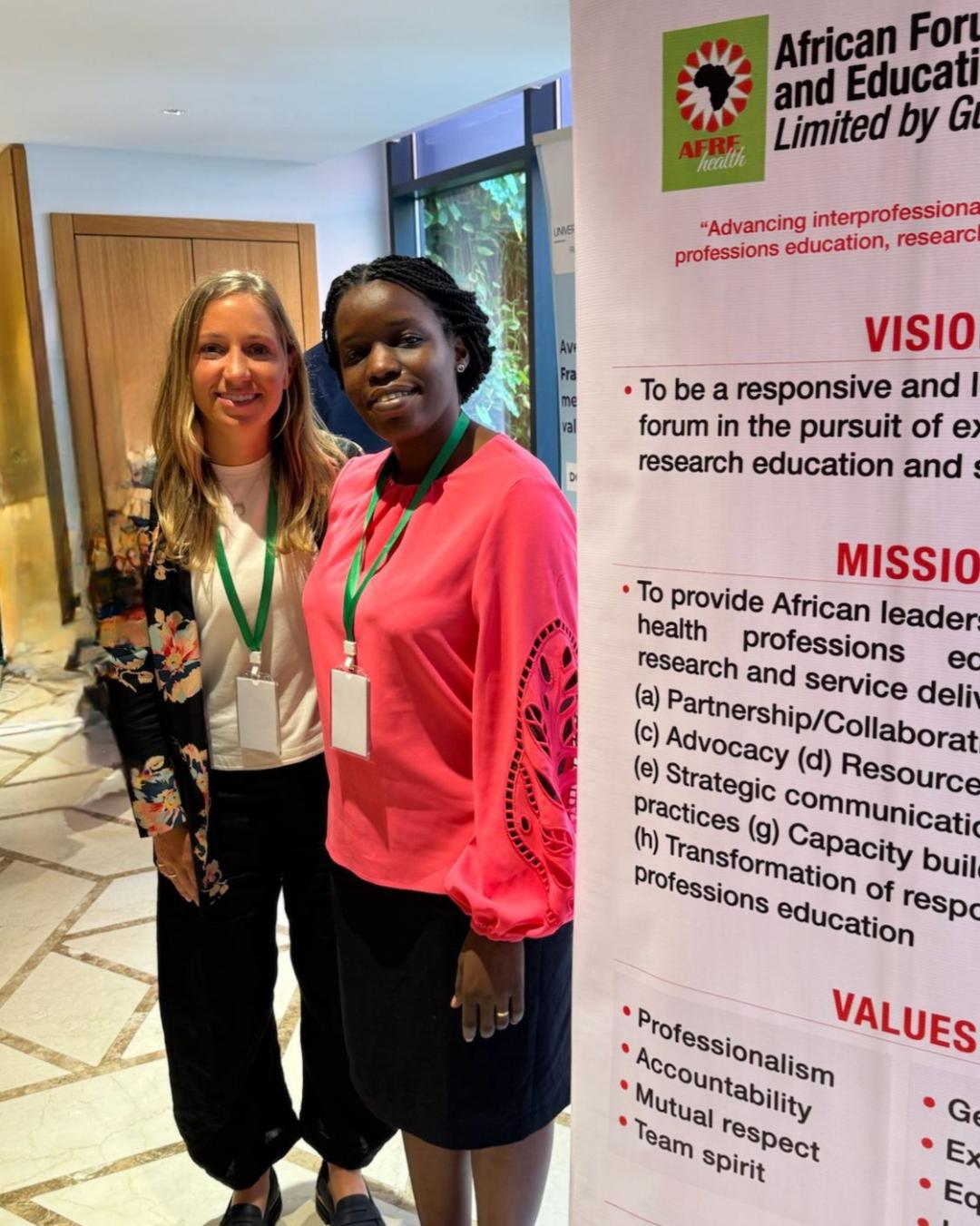
At the 8th Annual AFREhealth Symposium held in Senegal (September 2025), Josephine Najjuma, MSN of Mbarara University of Science and Technology, and Skeeter Welder, MSN, CCRN (CGH) presented an abstract on the Trauma Nursing Fundamentals (TNF) course. The symposium highlighted innovative strategies for health education, workforce strengthening, and collaborative practice. Conference attendance was fundamental to engaging the global health community during a critical period of severe aid disruption and to shaping a sustainable way forward, underscoring the importance of programs like TNF that prioritize the immediate training and development of local nurse leaders.
TNF was originally developed in response to the Ukrainian conflict and later adapted for high-trauma-burden, low-resourced settings in Uganda and Rwanda. Strengthening trauma nursing capacity requires more than clinical expertise; it depends on culturally responsive, locally led education through training-of-trainers of participants and nursing faculty. In Rwanda, the integration of Ugandan trainers at Butaro Hospital was critical to enhanced clinical learning and cultural relevance. TNF builds confidence in life-saving knowledge and interventions among nurses, while charting future growth through continued investment in education, research, and professional development, supporting nurse leaders in emergency specialization across Eastern Africa.
| | |
Welcome CGH Clinical Research Coordinator II, Natalie Sinjaradze!
Natalie Sinjaradze, MS is a Clinical Research Coordinator II at the Center for Global Health, where she provides clinical research and data analysis support to Dr. Amir Mohareb, MD, as well as the Global Disaster Response and Humanitarian Action team. Their work focuses on understanding the interaction between humanitarian emergencies and infectious diseases. Prior to joining the Center, she completed her Master of Science in Bioethics at Harvard Medical School.
| |
|
Welcome CGH Social Media/Communications Intern, Beixi Jia!
Beixi Jia, MS, MA is a Social Media/Communications Intern at the Center for Global Health. In this role, she contributes to the Center’s communications strategy by creating digital content, managing online platforms, and amplifying stories that highlight the Center’s mission, programs, and impact across the globe.
Prior to joining the team, Beixi worked across nutrition, wellness, and storytelling initiatives in both the U.S. and China. She created educational programs on healthy eating and lifestyle, collaborated with non-profit organizations to design public health campaigns, and launched a digital storytelling platform that shares culturally rooted approaches to food and health. Her work emphasizes bridging science and lived experiences to promote health equity and community resilience.
Beixi holds a Master of Science degree in Media, Medicine, and Health from Harvard Medical School and a Master of Arts in Nutrition and Food Studies from New York University. She is passionate about using media and narrative to promote culturally mindful nutrition, expand access to preventive health resources, and strengthen global collaboration in health.
| Support the 2025 5K Uganda Color Run for Pediatric Cancer! | |
Launched in 2015, the Uganda Color Run for Pediatric Cancer annual community event raises awareness about cancer and funds for cancer treatment and care at Mbarara Regional Referral Hospital (MRRH). The event was sponsored by Mass General and Ugandan businesses, individuals and organizations and was hosted by MRRH and the University of Science and Technology in Mbarara. This year’s Color Run took place on Saturday September 20th, 2025. It aligned with the International Pediatric Association’s focus on pediatric cancer, and the Government of Uganda’s designation of September as Pediatric Cancer Awareness month.
The MGH Center for Global Health has been proud to partner with our colleagues at MRRH to raise critical funds to advance and support pediatric cancer care in Uganda.
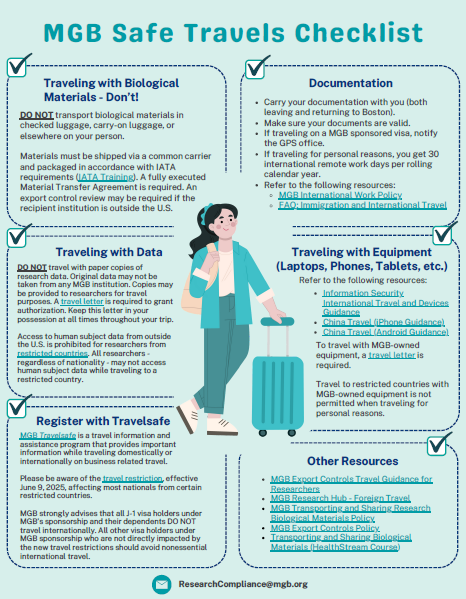
| | MGB Safe Travels Checklist | | Check out the latest MGB Safe Travels Checklist at this link. | | Global Health Community Meeting Program Updates | | |
The Center for Global Health holds bimonthly Global Health Community Meetings on the 2nd and 4th Tuesday of the month at 9am ET. These hybrid meetings are aimed at keeping individuals informed of the work going on within our center's programs as well as providing an opportunity to hear about global health work going on across Mass General. Click the button below to view highlights from last month's meeting.
If you would like to join these meetings, please reach out to cghadmin@mgh.harvard.edu.
| |
-
Global Health Expo is hosted annually in May by the Center for Global Health. The Expo provides an opportunity to engage with the MGH and BWH communities and to learn about global and local health equity initiatives across MGB. For last year's expo summary, view this document. If you would like to host a table at the next Expo, please email cghadmin@mgh.harvard.edu.
-
The Center for Global Health has developed a clinical academic partnership with the University of Global Health Equity (UGHE). UGHE is a global university based in rural northern Rwanda, founded by Partners in Health. Amongst other programs, the university is training medical students as part of a MBBS program and is looking for visiting faculty on their clinical clerkships. Learn more at this link. If you are interest in teaching as Visiting Faculty, please email cghadmin@mgh.harvard.edu.
-
Interested in joining the Global Health Faculty Associate and Affiliate Network? If you are an MGH-MGPO faculty or fellow in good standing and engaged in substantive global health activities as part of your career, we hope you will consider joining the network by becoming an Associate in Global Health. If you are external to MGH and are an active collaborator with CGH, we hope you will consider joining the Affiliate network. Learn more and apply at this link.
-
We are building a Global Health Library in our office. Feel free to stop by, check out a book and please add books to the list here. Some suggested topics to get you thinking include: diversity, equity and inclusion, global health, leadership and decolonizing global health. We are excited to see your picks!
-
For additional Mass General global health opportunities and ways to get involved, please visit our CGH webpage at this link.
| |
Please stay in touch!
All past issues of the monthly Global Health Community newsletter are available on the Center for Global Health website at this link.
If you would like to include a news item, opportunity or other update in a future monthly newsletter, please email us at cghadmin@mgh.harvard.edu.
| | | | |