Dear Members and Friends,


The Halifax Historical Museum is beginning a new chapter, and we are excited to share the team and structure that will carry us forward.


Kristine Franklin has resigned from her position as Museum Director. We thank Kristine for her service to the museum and wish her well.


As we move forward, Carol Ann Moritz, Programs & Operations Manager, will oversee the museum's day-to-day operations, programs and events, volunteer coordination, and administrative needs. Carol Ann has already brought tremendous enthusiasm and energy to the museum, and we are excited to have her taking the lead in these important areas.


Caleb Canlon, Curator, is expanding his role and hours to oversee the museum's exhibits, artifacts, collections, and curatorial needs. Caleb's knowledge of our collections, commitment to preserving our history, and enthusiasm for creating engaging exhibits make him a wonderful fit for this role.


Together, Carol Ann and Caleb allow us to build on the strengths of two very different areas of museum operations while continuing to rely on the extraordinary talents of our volunteers, who remain at the heart of everything we do.


There is so much ahead — new exhibits and programs, Surf Social in October, HisTrees beginning in November, continued work on our collections and archives, and many more opportunities to share Daytona Beach's history with our community.


We are excited about this next chapter and look forward to sharing it with all of you.


Thank you for your membership and continued support of the Halifax Historical Museum.


Lynne Hunter

President

Halifax Historical Society & Museum

The museum's 15th annual Surf Social is Saturday, October 17. Doors open at 5:00 p.m. $40 for drinks, food, and entertainment!


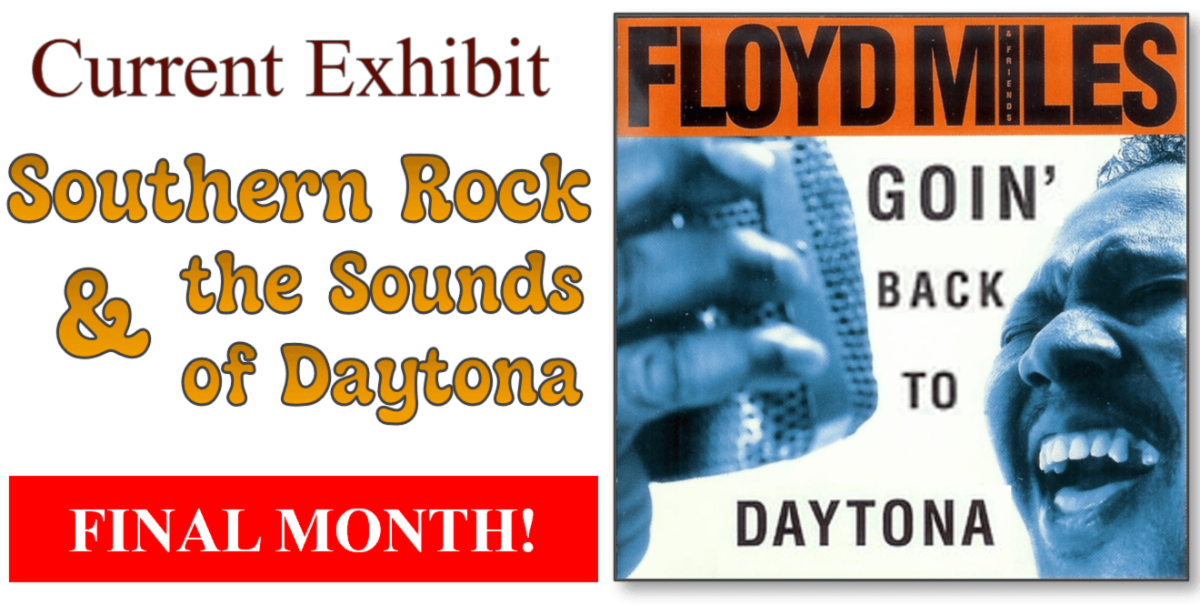
Our special exhibit Southern Rock & The Sounds of Daytona has received great reviews and will be in place through September 30.


The next exhibit, Disasters of Daytona, opens October 1 and runs through December 31. It will show how our resilient coastal community has met major challenges throughout the past 150 years.


Our featured milestone for this month:


September 9, 1960 – Hurricane Donna was probably the worst storm to hit Daytona Beach and was the first time TV coverage was available.


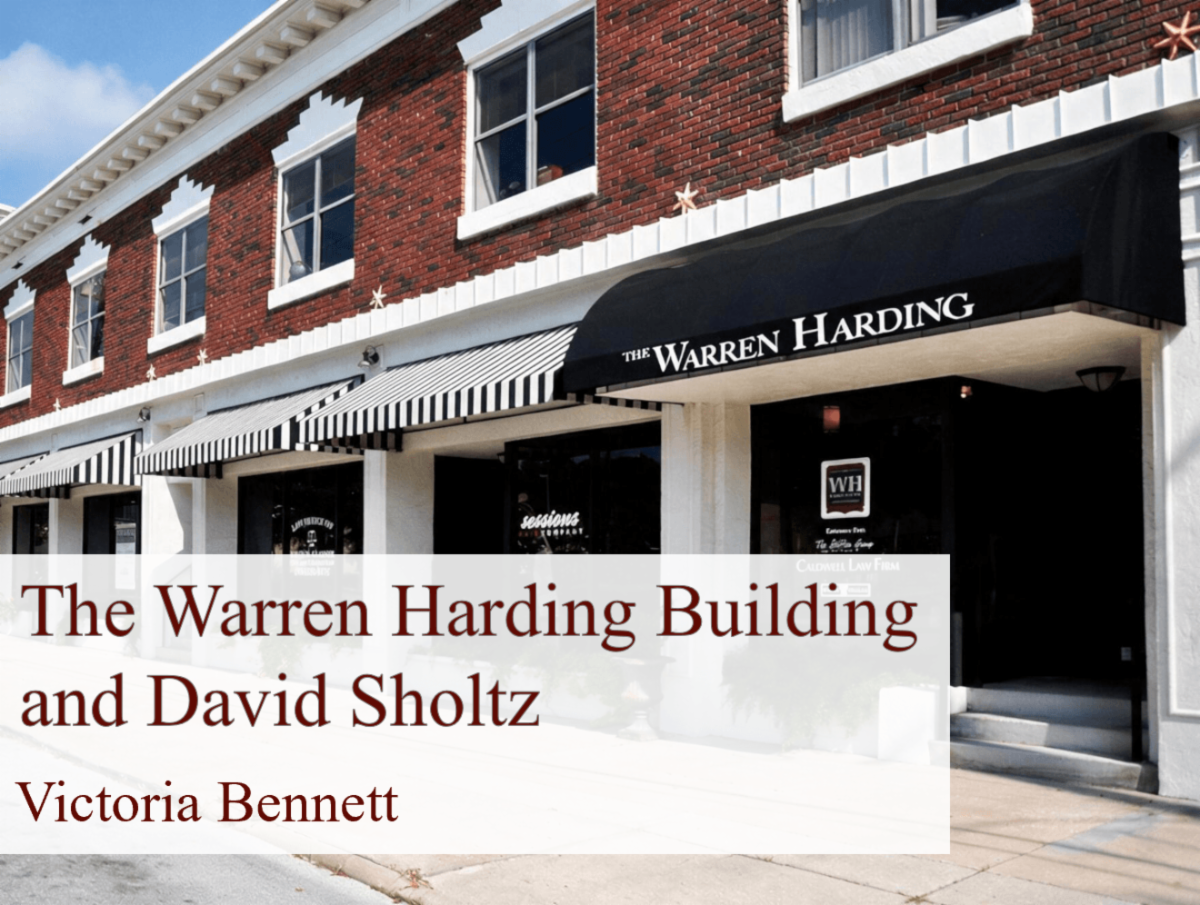
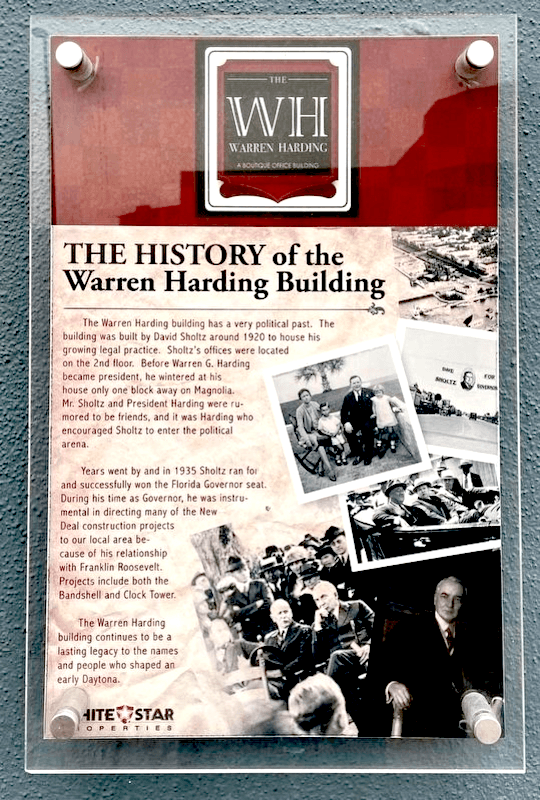
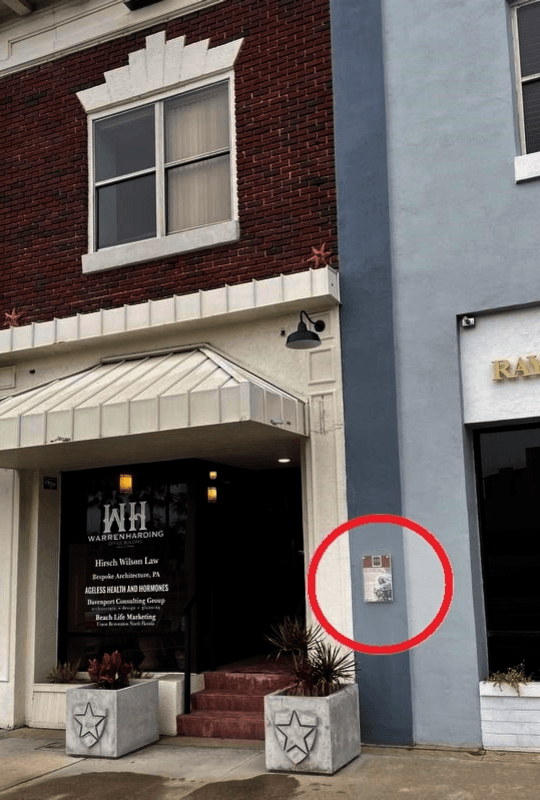
Have you seen this historical plaque on a nondescript gray building on 112 Orange Avenue? The marker identifies the Warren Harding building on the left which has a strong political past.

Historical Marker

Location at 112 Orange Avenue

The law office of David Sholtz, built around 1920 to house his expanding practice, was later named the Warren Harding Building. Sholtz, a Democrat and Harding, a Republican were rumored to be friends. Harding, before becoming president, wintered at his father-in-law's house on Magnolia Avenue, less than two blocks from Sholtz's office. When they engaged in porch-side conversations, Harding recognized Sholtz's talent for leadership and urged him to pursue a political career. 


Harding loved long, casual debates, a practice he affectionately nicknamed "bloviating." Both men were smooth talkers renowned for charismatic personalities. Sholtz, described as warm-hearted by friends, proved to be a good match for Harding. Sholtz took Harding's advice, serving first as a Florida legislator and becoming governor of Florida in 1935. Naming his building after Harding was a unique tribute to their friendship.


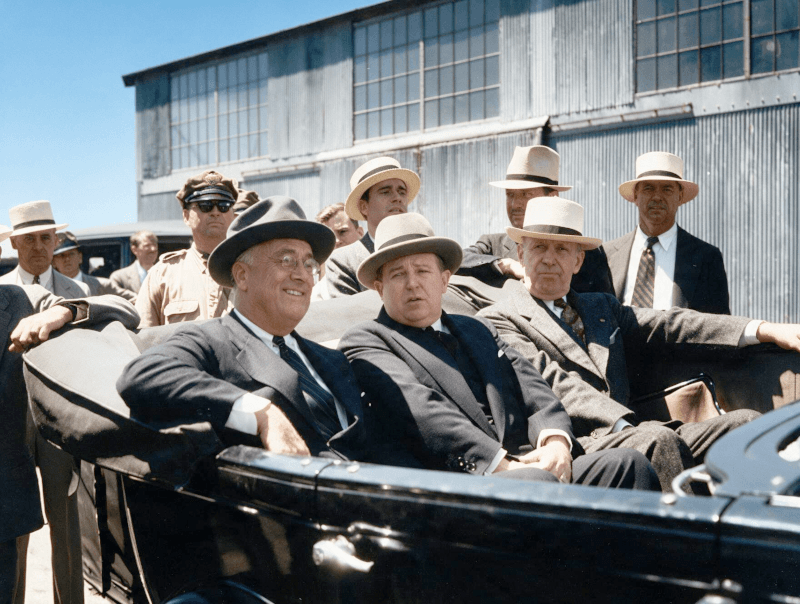
Sholtz forged a friendship with FDR during his time as governor and secured money for New Deal projects in Daytona Beach during the Depression — the bandshell and the clock tower among them.

Governor David Sholtz (center) with FDR

The Warren Harding building on Orange Avenue is a lasting legacy to people who shaped Daytona Beach. The building is 14,000 square feet, a block long, and two stories high. Its facade of red brick on top has maintained the original style.


Today, the large building houses a myriad of businesses including a hair salon, law practices, and real estate and counseling offices. If you step out the back door of the Halifax Historical Museum, you will see the back of the Harding Building and a second historical marker. 

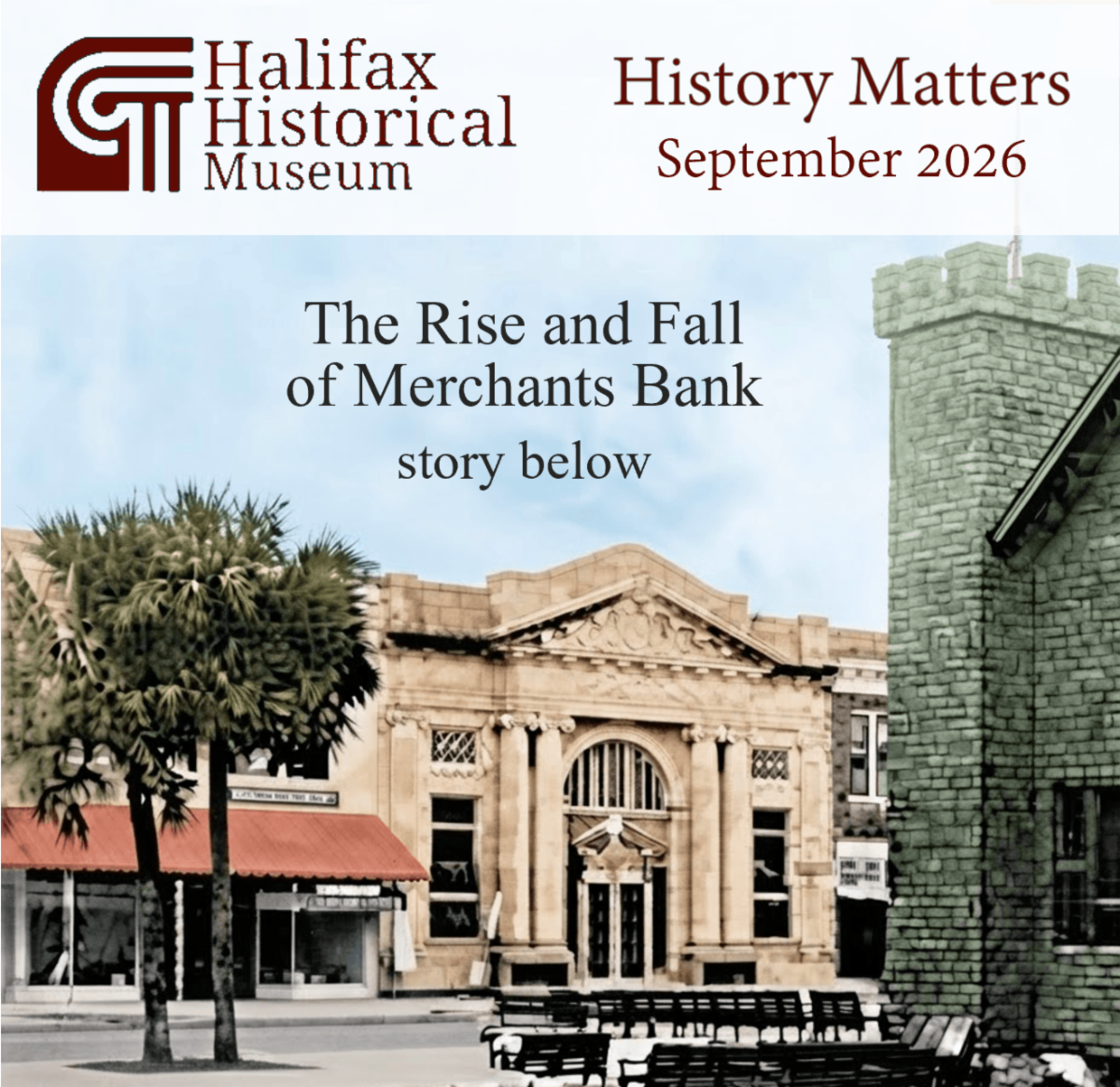
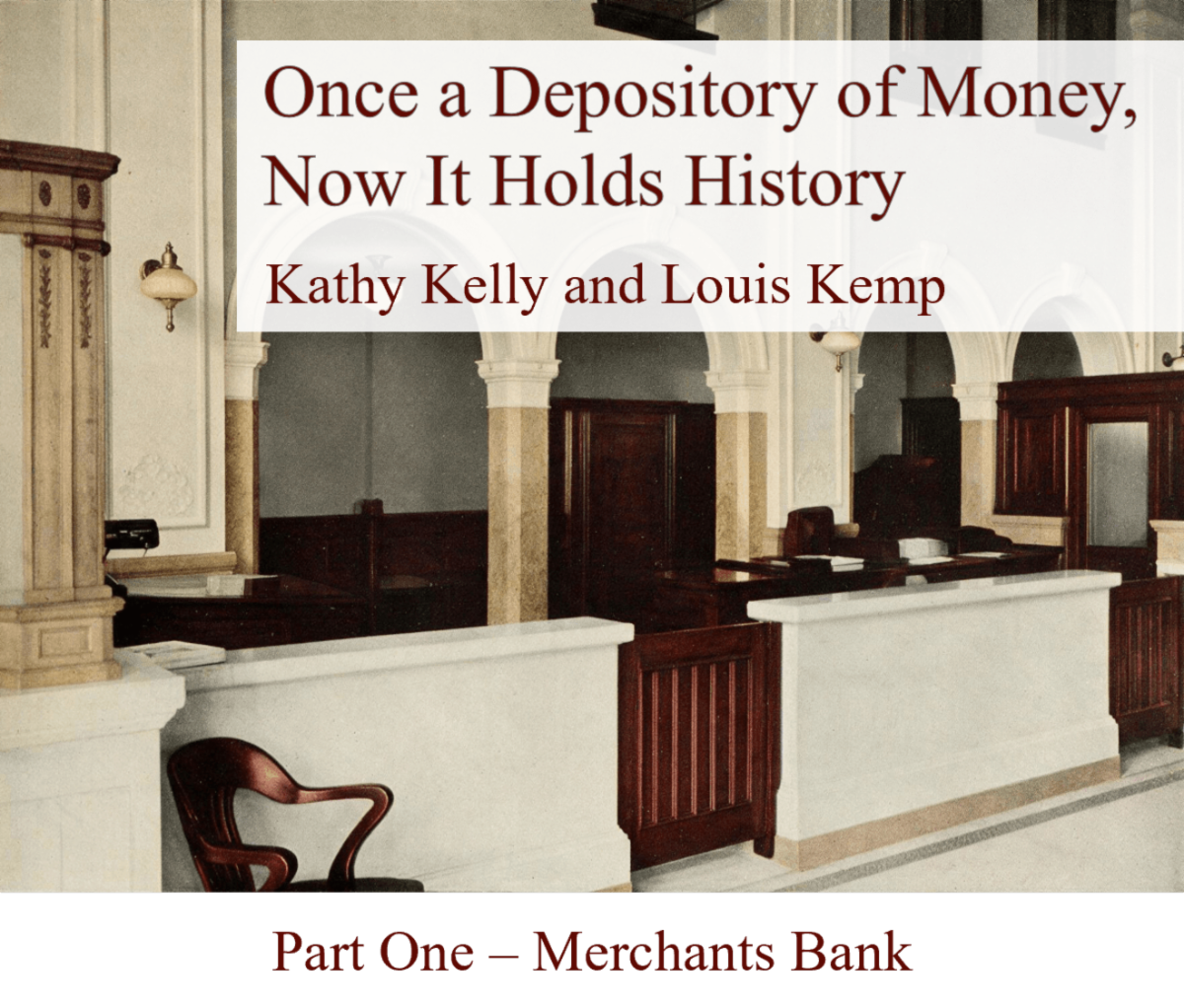
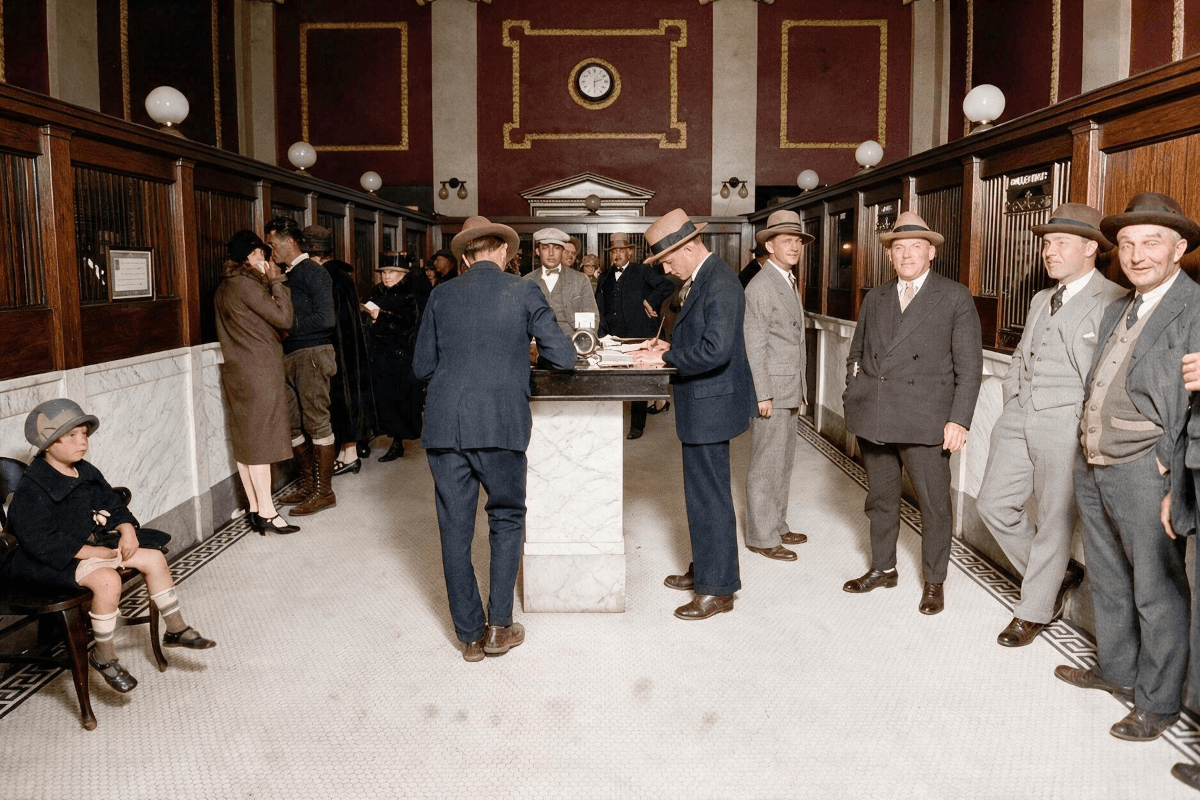
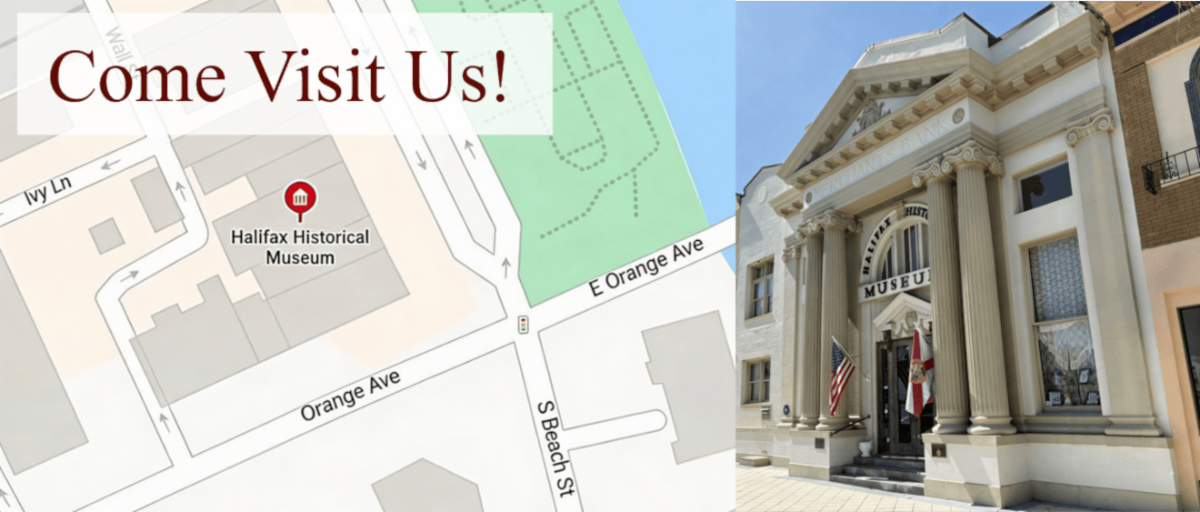
In 1911, the Merchants Bank opened its new building at 252 South Beach Street. The Beaux-Arts style structure designed by Wilbur Talley is still one of downtown Daytona Beach’s most recognizable landmarks.


Merchants Bank began in 1896 as a branch of the Volusia County Bank of DeLand and originally operated in a smaller building at the corner of Beach and Magnolia Avenue. It quickly attracted a large clientele and by 1911 had the resources to construct the more imposing edifice on South Beach. Soon afterward, it was rechartered under local ownership independent of Volusia County Bank. 

Merchants Bank Lobby (ca 1911)

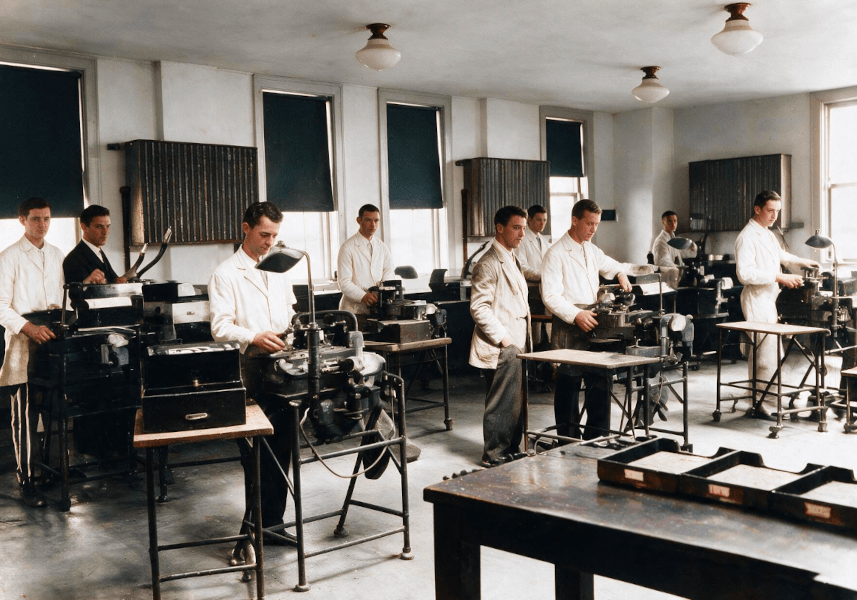
Second-Floor "Counting Room"

The bank enjoyed 18 years of prosperity at its new location and became a community fixture, sponsoring local sports teams, charity drives, and civic events. Its iconic facade – featured in the company logo – was a source of local pride.

"Jacksonville, Pensacola and Tampa ... have larger banks and larger buildings," the bank's head cashier boasted, "but none finer or more convenient and handsome."

Merchants Bank financed numerous public improvements and was the official depository for the city government of Daytona Beach. By 1927 it was the largest bank in the county with more than 5 million dollars in deposits. Civic leaders pointed to its growing statement of accounts – regularly published in the newspaper – as evidence of the city’s bright economic future.

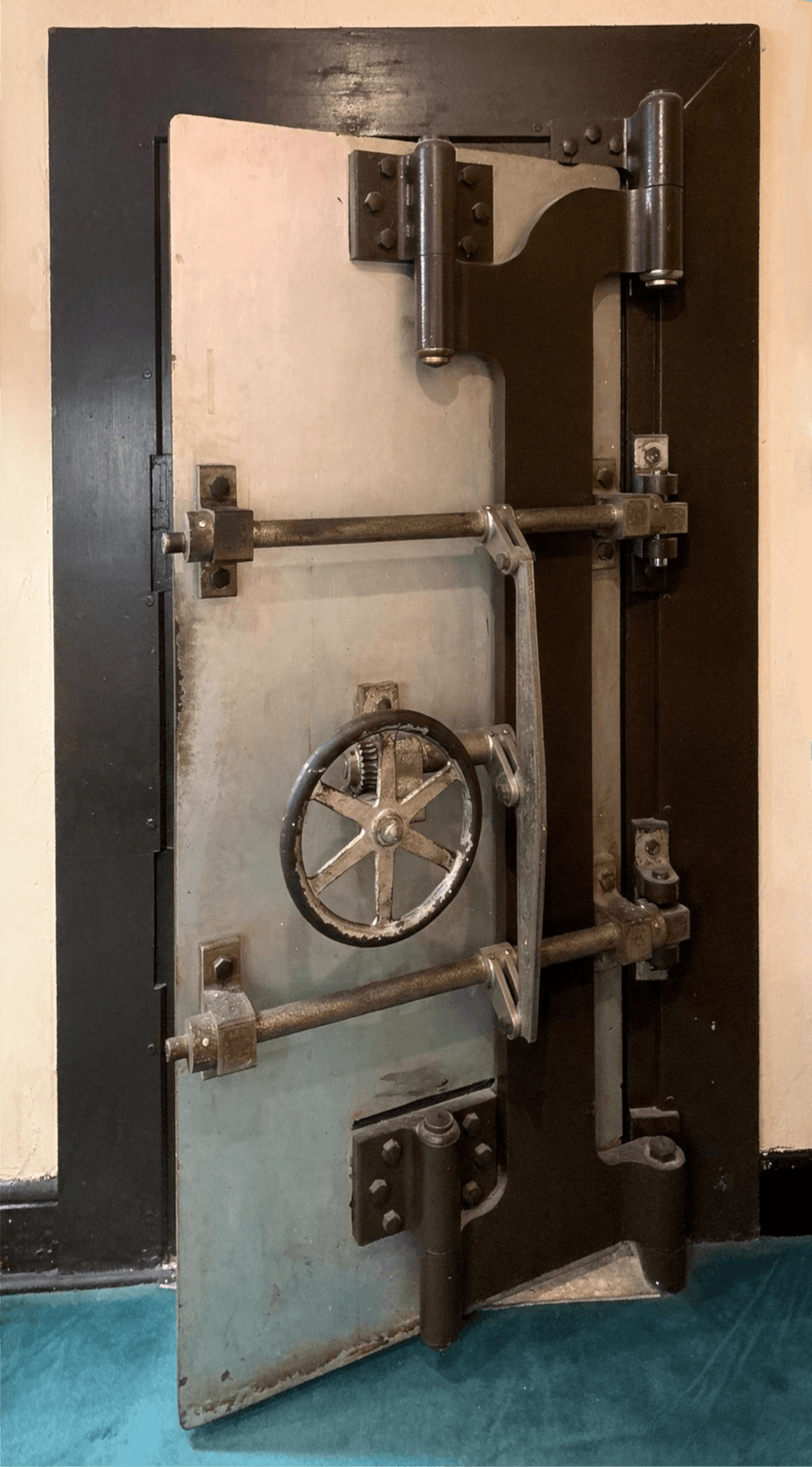
Marchants Had Four VaultsTwo Are Still Visible Today

But in 1929 the bank was abruptly forced into bankruptcy – a victim of the end of the Florida Boom and the start of the Great Depression. Its collapse sent shockwaves through the community. The building was put up for sale and sat vacant for seven years. 


In 1937, the Casino Burgoyne – located directly across Beach Street – caught fire and burned to the ground. The intense heat of the blaze shattered the bank's front windows and incinerated the front door, bringing the building’s first chapter to a fiery end. 

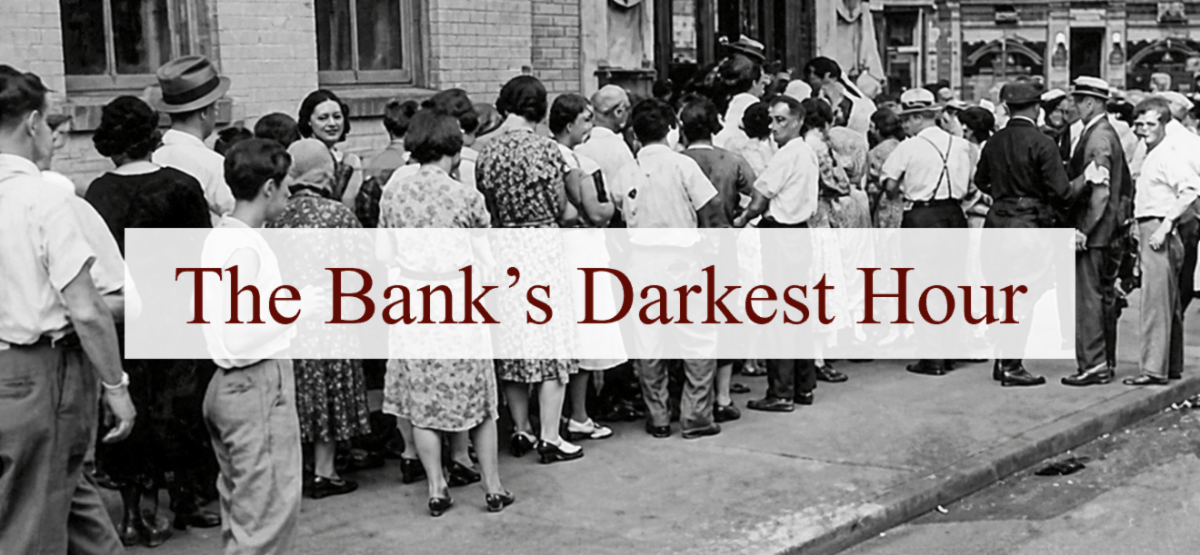
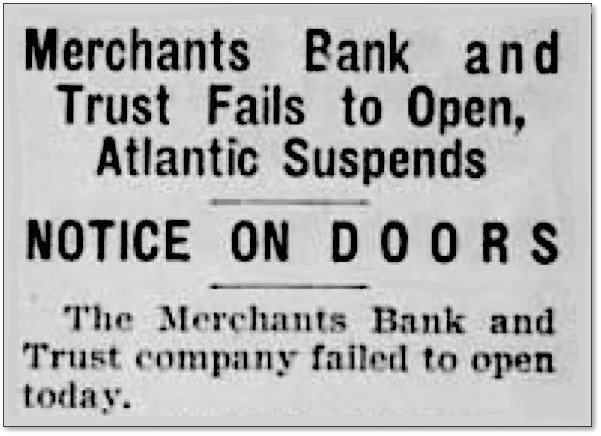
On the morning of July 12, 1929, one hundred depositors crowded outside the door of Merchants Bank to withdraw their money. It was three months before the stock market crash, but Florida was already suffering an economic slowdown triggered by the collapse of the state’s land boom.


By the time of the run on Merchants Bank, more than 60 Florida banks had failed in the preceding three years. The immediate cause of the panic was the closure of two banks in DeLand only the day before. Civic leaders assured depositors Merchants was fiscally sound. But in truth it was on shaky footing. 


Repeating a pattern that played out in banks across the state, it faced a shortfall as borrowers defaulted on loans and new deposits dwindled. In a last-ditch effort to save it, the bank's chairman poured $250,000 of his own money into its coffers. Still, it was not enough.


At 9 a.m. the bank door did not open. The blinds remained drawn and a notice was posted announcing the bank was suspending operations. One by one, the crowd stepped up to read it and turned away dejected. All were small depositors, a reporter observed, and many lamented their life savings were tied up in the bank.

News Journal - July 12, 1929

In the era before federal deposit insurance, depositors had to wait for a state-appointed examiner to review the bank’s books, recover what assets he could, and settle outstanding claims. Only then they might be issued a “dividend” from whatever funds were left over.


The liquidation of Merchants Bank took eleven years and was complicated by lawsuits, allegations of negligence and fraud against the bank’s officers, and accusations that the examiner unfairly compensated bank shareholders and others with "preferred claims." Many of the city’s leading businessmen and politicians were embroiled in the litigation. 


“When the Merchants Bank failed nine years ago,” wrote the News Journal in 1938, “it was indeed surprising how widespread were the ramifications of its financial influence on local business. Everyone suffered because of its failure.”


Finally in 1940 the bank’s 2,900 depositors — who collectively held accounts worth nearly one and a half million dollars at the time of its closure — were offered a dividend of less than 2 cents on the dollar.


It was reported that a woman who had $3,000 in the bank when it closed drove from Orlando to claim a dividend of only $52 – net proceeds that were “small indeed” after deducting the cost of the round trip. 


More than half the depositors never showed up to redeem their payout.

Daytona Beach was home to Southern Rock's most iconic artists. One of our exhibit's featured musicians – Floyd Miles – was born the youngest of eleven children and ran away from home at fifteen to try his hand at boxing before finding his calling as a blues singer.


In the early 1960s Miles began singing at the Surf Bar at the Daytona Beach pier. There he met Duane and Gregg Allman and struck up a lifelong friendship. A powerful singer, Miles is credited with introducing the Allman Brothers to R&B and frequently collaborated with them during his lifetime.


Listen to the title track from his album Goin' Back to Daytona, featuring Gregg Allman on the Hammond Organ and see if you can catch the references to "my friend Duane" and "the Que" (the Martinique), one of the most popular venues associated with Daytona's Southern Rock scene. 


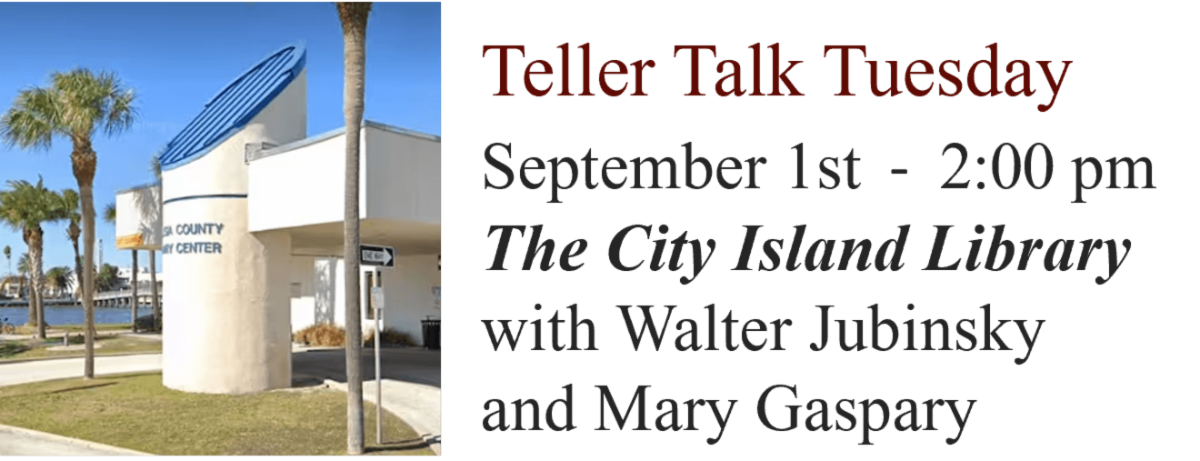
Volusia County librarians Walter Jubinsky and Mary Gaspary will share their unique perspective on the history of the Daytona Beach Regional Library on City Island and the S. Cornelia Young Memorial Library on the Peninsula.


There has been a library on City Island since 1909. The current building opened in 1977 and was extensively renovated following flood damage from Hurricane Irma in 2017. Repeated proposals to relocate the library and sell the site to developers have met with intense opposition from city residents and the library remains a cherished public institution. 

Two twelve-year-old girls, Zoe and Teddy, team up to save a prehistoric theme park in a small Florida town, while discovering friendship and the meaning of home. Lee seamlessly weaves light strands of fantasy into the threads of this young adult story.


Dr. Michelle Lee taught at Daytona State College and lives in Port Orange. Her fictional dinosaur theme park mirrors the old Bongoland attraction in Port Orange, now Sugar Mill Gardens

Michelle Lee Will Join Us In Person!

Free with Membership or Admission.

Call (386) 255-6976 or click here for more information.


252 S. Beach Street, Daytona Beach, FL 32114

(386) 255-6976

Tuesday-Saturday 10am - 4pm

$10 per person

Children 12 & under FREE

Facebook  Email  Web

Daytona Regional Chamber

My Florida

City of Daytona Beach

Volusia County

Florida Humanities

This publication is made possible in part with funding from the Cultural Council of Volusia County (volusia.org), Florida Humanities, State of Florida, City of Daytona Beach, and Halifax Historical Society membership.