|
RACHEL: Christian, I am thrilled to be in conversation with you. I’ve done some internet sleuthing, but I’d love to hear more about you and your writing journey. Where did you grow up? When and what influenced you to write? Was writing for the stage your goal, or did that evolve from other work?
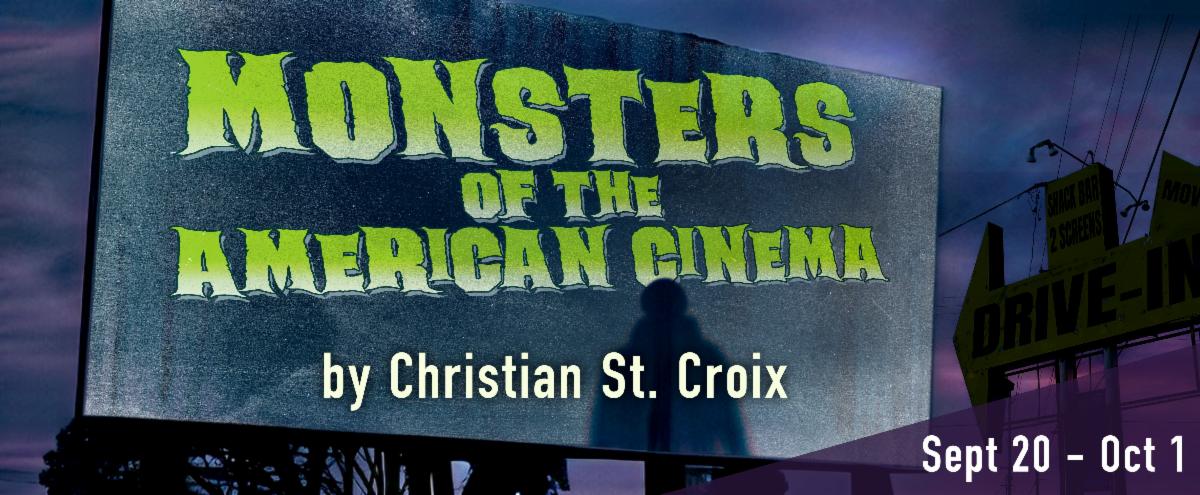
CHRISTIAN: Thrilled to be speaking with you too. I’ve also done some sleuthing on Kitchen Theatre Company. I really love your company’s mission. I’m so honored you’ve invited Monsters of the American Cinema to be a part of its story. And to have my little script produced in a season with works by Jonathan Larson and Martyna Majok? What is life?
Fanqueer-ing aside, I was born in Illinois, but my family moved to Sacramento, California, when I was very young, so I consider Sacramento my hometown. It’s where I fought my first bully and had my first kiss. I was born and raised in a working community where I was expected to get a job straight out of high school. I’d always been interested in writing, but I was encouraged to see it as a hobby and to put work first. On my time off, I’d write little stories and poems and leave them on my social media pages.
I’d always had an interest in writing for the theatre, but becoming a full-fledged playwright was a distant dream for me. Whenever it surfaced, I’d talk myself away from it with reminders that I didn’t have a college degree or any connections. I thought there was no way anyone would take my work seriously.
In 2016, I was given the opportunity to begin producing my one-hour shows with the San Diego International Fringe Festival. It was perfect for me. I could work full-time and do a little show once a year with my friends as a creative outlet. That was going to be my life, and I was content with it until 2018 when I wrote Monsters of the American Cinema. It received a huge positive reaction from audiences and the press. I was encouraged to take it further than the Fringe stage. Suddenly, that dream didn’t seem so distant.
RACHEL: I discovered your play on the New Play Exchange. When I stepped back into leading the Kitchen after six years away, I had exchanged my habit of studiously reading plays to gobbling up novels and non-fiction. I wanted to check back into the world of new plays, and the NPE was where I went. I typed in a few filters, and a list of about 20 plays popped up. The title of your play piqued my curiosity because my husband serves on the Board of our local art cinema, and my producer-consciousness thought, “Cross marketing!” And so, I dove into MONSTERS OF THE AMERICAN CINEMA.
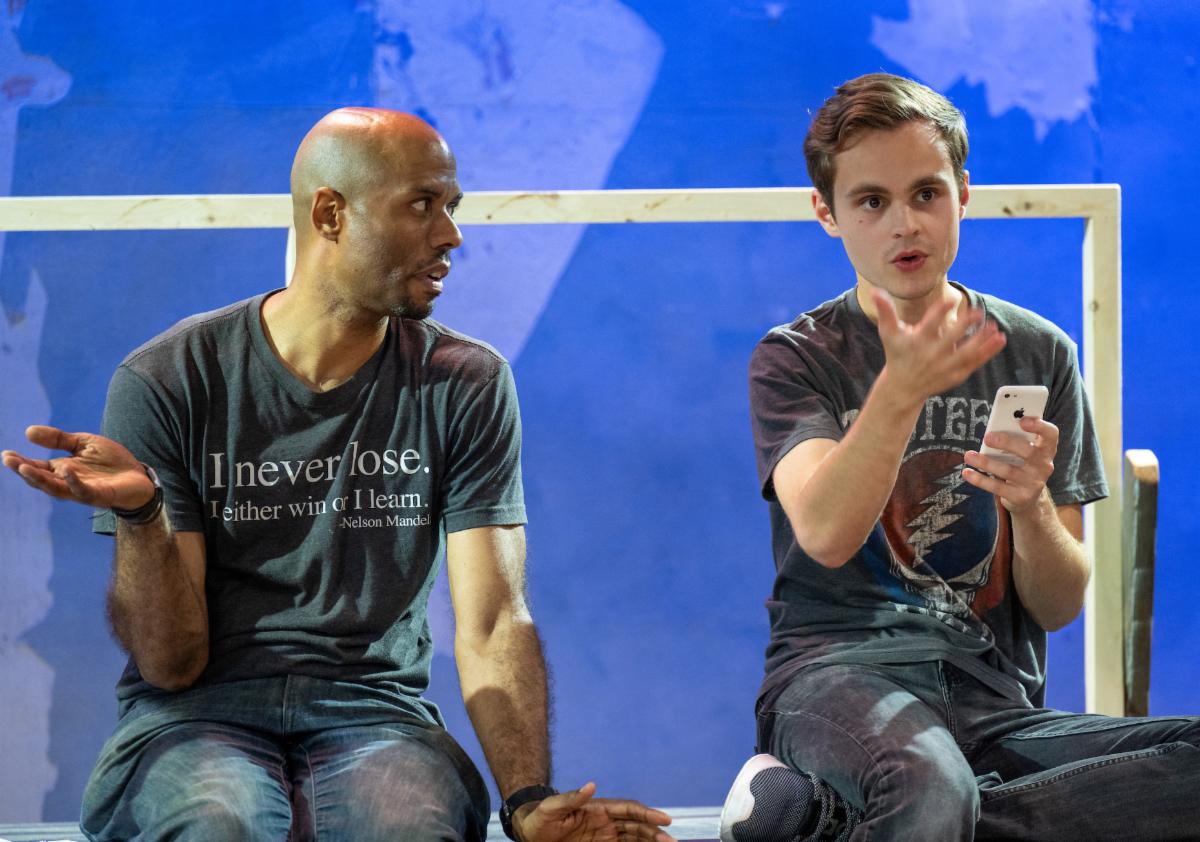
The first scene flew by. The second scene took me by surprise. And by the third scene, I thought I had never read anything like this. The writer is structuring this play in such an exciting and unpredictable way that I can’t stop reading. How did the structure evolve? Taking the documentary film and theatricalizing it. Mixing the real-time and the nightmares. And, of course, I was totally drawn to both characters—Pup for all the confusion that comes in the teenage years and Remy for his enormous heart. Please share what propelled you to write this play with these characters and in the structure you chose.
CHRISTIAN: Thank you!
It all began when my best friend called me. My best friend is a biracial-Black trans man with almond brown skin. He gave birth to a son whose skin is white as his father’s. Life was hitting him hard, and he wasn’t doing too well, so he called and asked if he could send his son — then a teenager—to stay with me here in San Diego while he got himself together.
At the time, I still collected comic books and thought Pop-Tarts were a well-balanced breakfast. It'd been years since I'd had a homework assignment. How would I make sure this kid got enough sleep and kept his room clean? How could I be a guardian to a teenage boy? I felt like a teenager myself. These questions were the seeds that Monsters of the American Cinema grew from. The idea of me caring for a teenager I didn't share blood or skin with, worrying if I was emotionally mature enough to do so and terrified of messing up.
It didn't happen, by the way. My friend decided to send his son to his family. He never came to live with me. I'll never know if I would've made a good guardian. I’d like to think so.
The original plan for Monsters was that the story would be told entirely through duologue, with neither character directly engaging with the other. I really love creating characters who tell their own stories. But as I was writing it, I found myself really wanting to see them in a scene together, quipping back and forth. I was torn. I weighed the pros and cons of presenting the story in either format and then it hit me: Why not both? Why not have the characters serve as storytellers while we watched them engage in another story? I knew I was telling a different kind of tale, so I decided to tell it in a different kind of way.
RACHEL: I believe the play asks us to look at the monsters within us. It also struck me that it is surrounded by love and the enormity of loss. Does that resonate with you?
CHRISTIAN: Yes. I’ve never struggled with addiction, but my family and friends have. My father actually passed away as a direct result of his. I wanted to be honest about the relationships between the children and lovers of people who struggle with addiction and how they cope and deal when they lose them to it.
RACHEL: Thank you for sharing that. Now, I have to ask about the movies. Were/are you a fan of the horror/monster genre? If yes, what and why?
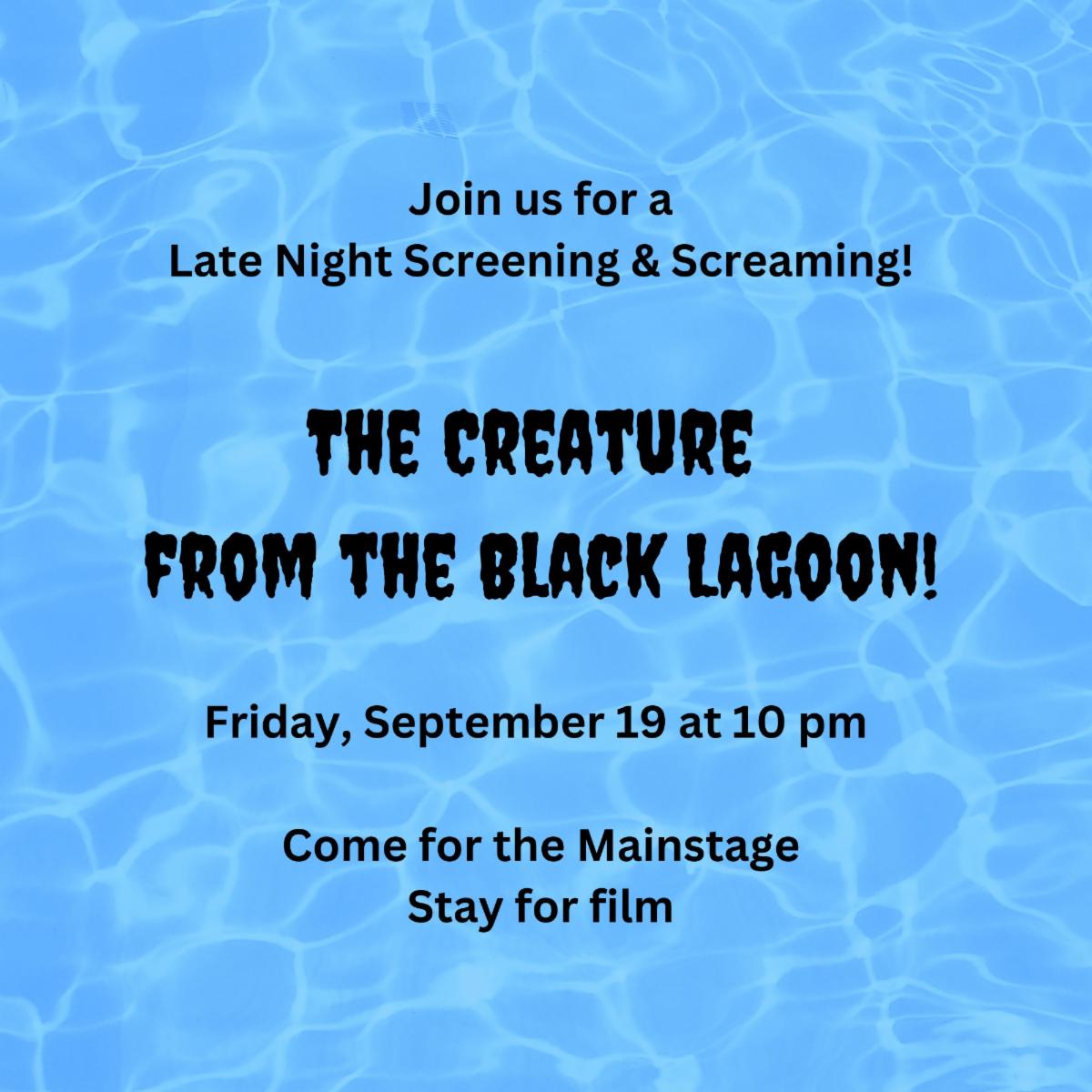
CHRISTIAN: So, here’s the thing — I love horror movies, but I had to grow into my love for monsters. I’m more of the slasher flick variety. I love a good slasher flick. Classic monster movies are pop culture staples, so I had a vague awareness of them, but they never were really my thing. Then one night, when I couldn’t sleep, I turned the TV on, and The Creature from the Black Lagoon was playing. The idea was for me to use it as white noise to lull me back to sleep, but I found myself engrossed in the story. I went back and watched more classic monster movies. I was intrigued by them and the idea that they used to once be terrifying to an entire generation of people.
RACHEL: Is there anything else you would like to share with the Kitchen Theatre Company’s audience? And I know they would be interested in knowing what you are working on now.
CHRISTIAN: Hi, Kitchen Theatre Company audience. I hope you love my boys as much as I do. I’m gearing up to workshop a new play called We Are the Forgotten Beasts with the Cygnet Theatre here in San Diego, CA. Where Monsters centers on a father and a son and classic monster movies, Forgotten Beasts centers on a pair of brothers and the childhood imagination. I’m really excited about it. Check more of my work out at www.saintscrossing.com or follow me on IG at instagram.com/saintscrossing.
I love meeting new people.
RACHEL: I look forward to sharing your wonderful play with the Kitchen Theatre Company audience. It's a great way to start the 2023-24 season. And I know we will all be having many of those "important conversations that happen in the Kitchen."
|