Cancer News Digest, August 2025

Visit our website

CFC #11967

We're Speaking Out For You

We tell Congress that these 2 bills need improvements


Lawmakers in the House of Representatives are enthusiastic about two bills that would require Medicare to pay for certain new cancer tests and medical devices.  In her invited testimony at a Congressional hearing in September, CPTF President Dr. Diana Zuckerman cautioned that many "Breakthrough medical devices" are not proven safe or effective for Medicare-age patients, and that the multi-cancer blood tests are promising "...but they're not quite ready for prime time yet." 


She was quoted in MedPage Today noting that our concerns about multi-cancer tests are consistent with the American Cancer Society's web article expressing concerns about accuracy, since recent studies show that the cancer tests often miss early cancers or erroneously indicate that a patient has cancer. She pointed out that these "false positives" can cause stress, unnecessary procedures, and that either false positives or false negatives can cause harmful delays when treatment is needed later.  


Read her oral statement here and the MedPage Today article here.

News You Can Use

Weekly symptom tracking improves care for cancer patients


A new study shows that cancer patients can improve their quality of life and avoid health crises by tracking symptoms more often. The PRO-TECT study, funded by the Patient-Centered Outcomes Research Institute (PCORI), followed nearly 1,200 patients with metastatic cancer. Researchers compared standard care with weekly symptom check-ins done by phone or online. When patients reported worsening problems, nurses were alerted immediately.


After three months, patients who tracked symptoms weekly had fewer severe problems, including fatigue, nausea, and depression. After a year, they also had fewer emergency room visits and hospital stays. Survival rates were the same in both groups, but weekly tracking helped patients maintain better day-to-day well-being.


Read the PCORI summary of the study here.

Toxic chemicals found in wells near Maryland factory


The Washington Post reports that residents near a W.L. Gore & Associates plant in Maryland found dangerous levels of PFOA, a toxic “forever chemical,” in their private wells. One longtime resident, Debbie Blankenship, learned in 2023 that her drinking water was contaminated. She had already faced cancer and other serious health problems, and also lost several pets to cancer.


Former employees say Gore knew about the risks for decades but hid the information. Some wells tested as high as 1,800 parts per trillion, far above safe levels. PFOA is linked to cancer, heart disease, and other health problems, and it does not break down in the environment or human body. With no federal oversight of private wells, families are often left to discover contamination on their own.


Read The Washington Post article here.

Drug prices rise despite Trumps promises


A new report from Senator Bernie Sanders and the Democratic staff of the Senate committee that includes health legislation found that prescription drug prices have increased substantially since President Trump took office in January. Despite President Trump's campaign promises and his demand that  pharmaceutical companies lower their drug prices, the prices of 688 drugs have increased since Trump took office, with some rising more than 1500%. Major pharmaceutical companies have increased the costs of many different cancer drugs, antidepressants, and more. 


Americans still pay more for prescription drugs than people living in most other countries. For example, the price of the cancer drug Keytruda, which is approved to treat 18 different types of cancer, increased by $8,000 since Trump took office in January, bringing the U.S. price to $206,000 per year. In Germany, for example, the exact same drug costs only $80,000. 


The report also highlights how President Trump’s One Big Beautiful Bill that became law a few months ago prevents or delays Medicare from negotiating prescription drug prices of the most expensive drugs, including cancer treatments Opdivo, Darzalex, and Keytruda. The prices of these drugs are much more expensive in the U.S. than in England, Canada, Germany, Japan, and many other countries. Preventing Medicare price negotiations would increase the cost of all Medicare premiums and many co-pays, making it even harder for U.S. patients to afford the treatments that they need. 


To read more examples and suggested solutions, click here for a free copy of the report.

We're in the News

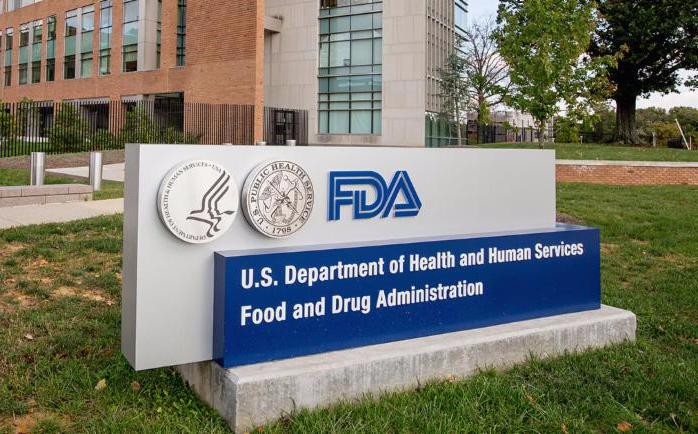
New FDA meetings lack your voices


The FDA recently launched new "expert panels" instead of Advisory Committee meetings to review drug safety, but their balance is being questioned. For example, a panel on hormone therapy for menopause opposed current safety warnings, ignored studies showing cancer risks, and instead claimed benefits that research results have not supported. Critics say these meetings lacked diversity of views and offered no opportunity for any public comments, which Advisory Committees always have. 


Dr. Zuckerman told BioSpace, "You could have panelists who have a diversity of opinion. What I was most surprised by is how they didn't do that. They didn't want any nuance. It seemed they didn't want any real difference of opinion." Instead, the expert panels seem to be designed both to influence public opinion on the topic and also to send a message to industry: “This is the direction we’re going in. Feel free to push us in that direction.” She also raised concerns that meetings were held with limited public access and shorter registration times than traditional FDA advisory committees.


Read more here.

Follow Our Instagram!

Check us out!

Did you know that artificial turf and rubber playground surfaces contain carcinogens? Are your children or grandchildren getting exposed when they play? Follow us @safe.to.play
Instagram  
@safe.to.play

Connect With Us!

Cancer Prevention and Treatment Fund

Facebook: @CancerPreventionAndTreatmentFund


LinkedIn: www.linkedin.com/showcase/cancer-prevention-&-treatment-fund/

Facebook
729101_linkedin_icon image
Donate

Your Contribution Can Make a Difference


We do not accept any funding from drug companies, device companies, chemical companies, or other sources that could influence our work and compromise our integrity. That's why so many people turn to us when they need help. Donations of any size are greatly appreciated (and tax deductible.)


Please consider giving to the Cancer Prevention and Treatment Fund online or by mail to the address below.

To sign up for these monthly updates, click here.
Cancer Prevention and Treatment Fund | 1001 Connecticut Ave NW, Suite 1100  
Washington, DC 20036 | www.stopcancerfund.org
CFC# 11967