|
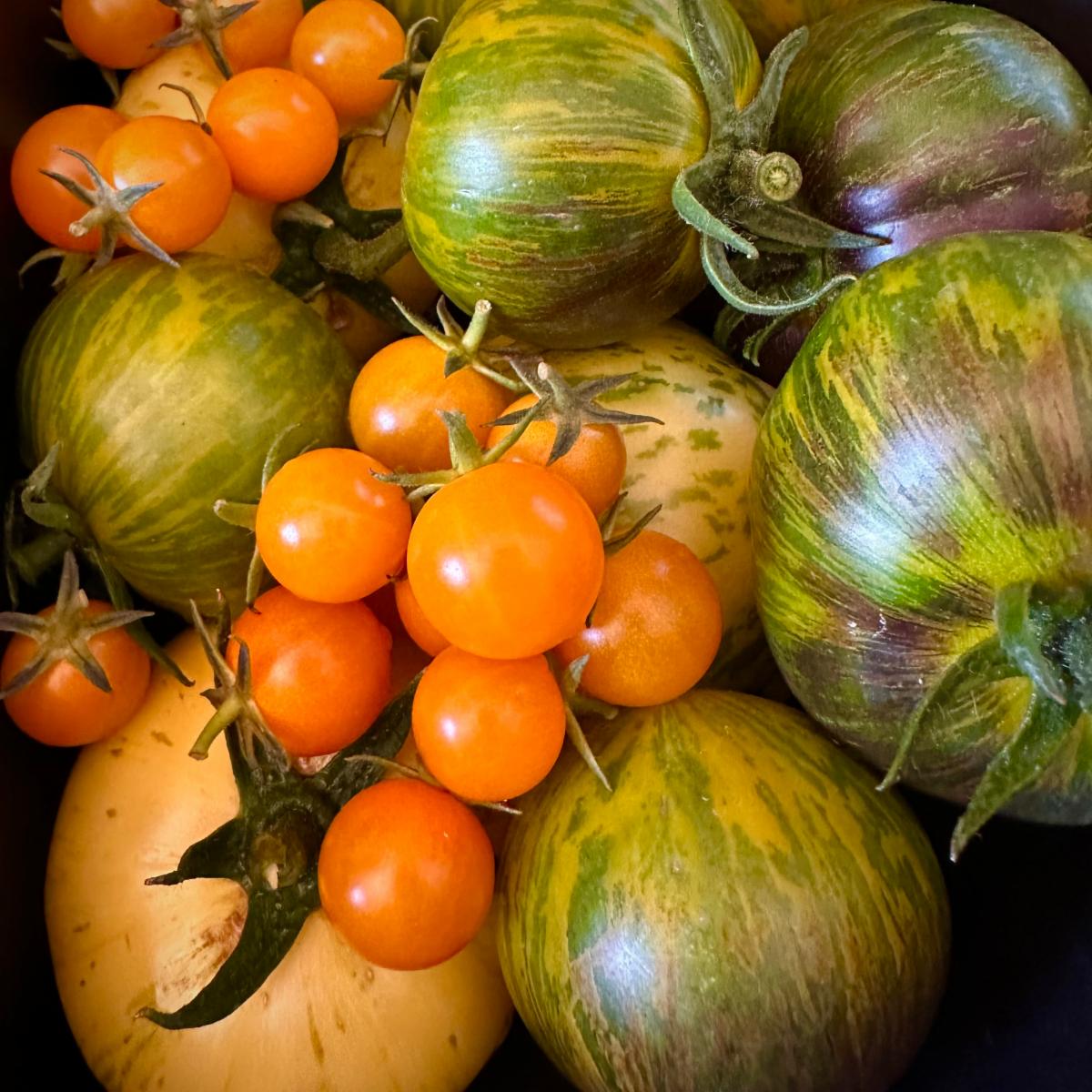
September is a transitional time in the garden. On one hand, we have lingering summer heat and the start of Santa Ana winds. On the other hand, days are becoming noticeably shorter and there is less sunshine to help grow vegetables. This month we gardeners should focus on maintaining the last of our summer crops, but also preparing for the cool-season planting window.
✅ To start, survey the plants in your garden. Pull out ones that have stopped producing or look spent. Add old plants to compost.
🚫 Watch for aphids, spider mites and other pests. Plants that are already stressed from the heat are especially susceptible to infestation and disease. Remove foliage to prevent spread, but do not add diseased or pest infested foliage to compost. Place in green bins for the city to compost.
🥦 Cool season vegetables to plant: beets, bok choy, broccoli, Brussels sprouts, cabbage, carrots, cauliflower, celery, chard, collards, endive, garlic, kale, kohlrabi, leeks, lettuce, green onions, short-day bulb onions, parsnips, peas, radishes, spinach, and turnips. Herbs: cilantro, chervil, chives, parsley.
🪻Flowers: alyssums, asters, cornflowers, begonias, calendulas, carnations, chrysanthemums, clarkias, columbines, coreopsis, delphiniums, forget-me-nots, foxgloves, gaillardias, gerberas, heuchera, hollyhocks, impatiens, larkspur, lobelias, pansies, penstemons, phloxes, Iceland and California poppies, rudbeckias, salvias, snapdragons, statice, sweet peas, verbena, and violas.
🥵 High temps and Santa Ana winds can dehydrate plants quickly. To maintain healthy plants, monitor soil moisture closely. Mulch garden beds to retain moisture and regulate soil temperature. Newly planted seedlings and seeds need to be kept well watered on hot days.
Happy gardening!
Photo and text by Master Gardener Catherine C.
|