|
Dear Parents and Guardians,
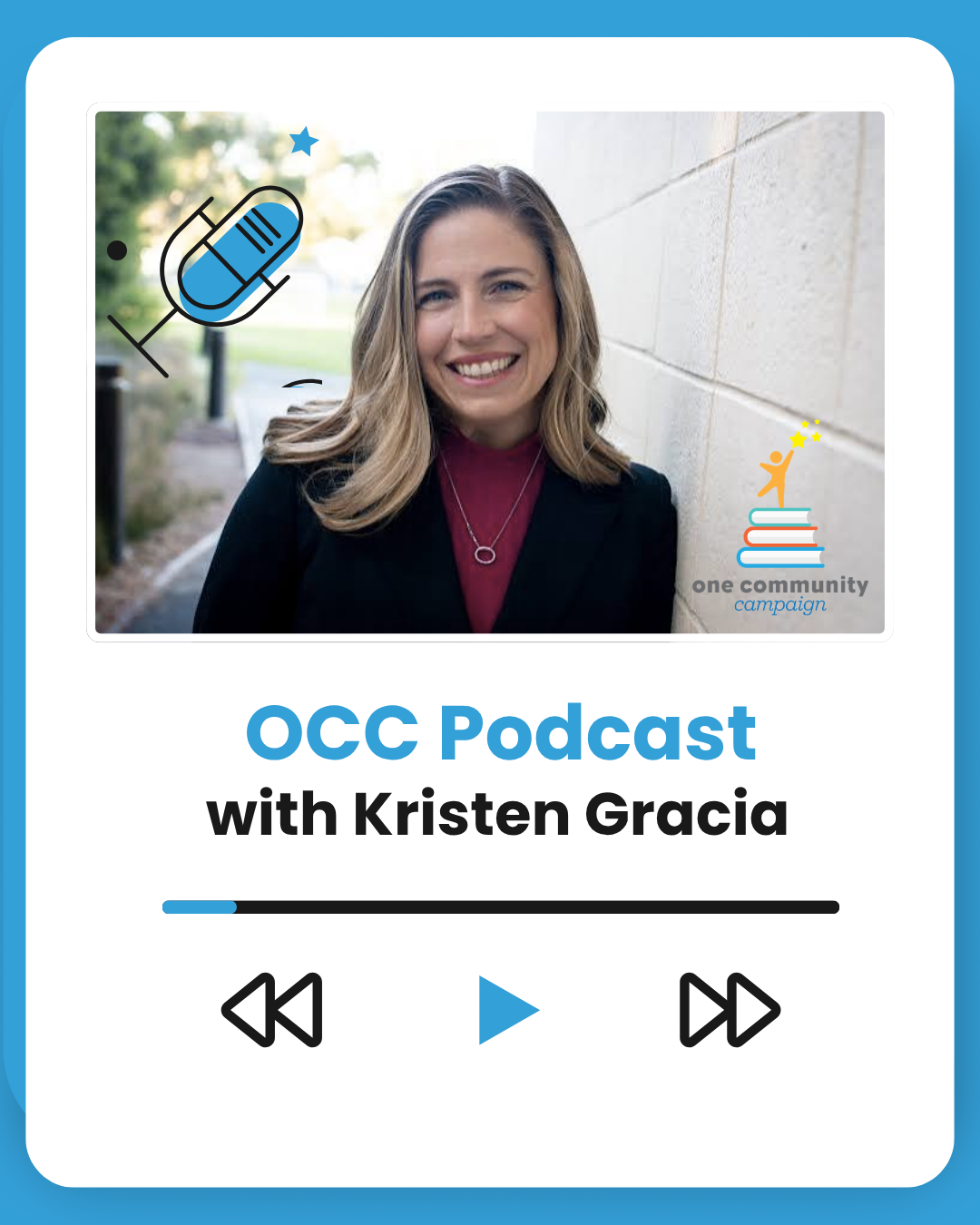
We are really in the swing of things now! Thank you for coming out to our Back-To-School Nights; our teachers were so excited to share with you about their plans for the year. The One Community Campaign (OCC), the parent-led annual fundraising effort, is also now in peak mode. I recently had the chance to record a podcast with the OCC team, and I was thrilled to be able to talk all about what makes our schools so special. Read more about that and take a listen - it's linked later in this newsletter.
As I mentioned in last month's newsletter, we are leveling up and diving into the "Three E's" of our vision: Educate, Empower, and Embrace. Embrace is all about supporting our students in their ages and developmental stages. Speaking of, I recently read an article about movement, and how it is a child’s first tool for regulation. I shared this with our staff, and feel that it is useful for families, too. The way kids use their bodies is connected to physiological systems: the proprioceptive system lives in the muscles, tendons, and joints; the vestibular system lives in the inner ear and governs balance, spatial orientation, and the body’s sense of movement; and the cardiovascular system which supports aerobic movement floods the brain with BDNF (brain-derived neurotrophic factor), sometimes called “fertilizer for the brain.” Developing bodies need to exercise all these systems to learn self-regulation and engage with the daily work of listening and learning. As their parents and families, you are their first teachers.
While behaviors can be challenging at home, here are ideas for how to approach them and learn more about what your kids are trying to tell you. Let's reframe the behavior understanding the context of their developing brains:
1. Challenging behavior is often a movement request, not defiance. Crashing, spinning, fidgeting, or shutting down are ways a young nervous system is trying to self-regulate. Instead of thinking "why won't my child listen?", ask "what does my child's body need right now?"
2. Regulation is a taught, built skill - not a fixed trait - and adults model it. Self-regulation isn't about willpower or character; it's built through repeated physical experience over time, and it can be strengthened with consistent, intentional movement woven through the day. Notably, kids also co-regulate with the calm adults around them.
Thank you for your partnership as we educate and empower kids, while embracing their developmental stages through childhood and adolescence.
In collaboration,
Kristen
|