September 2026


Falls Prevention Awareness Week (FPAW)

September 21-25, 2026


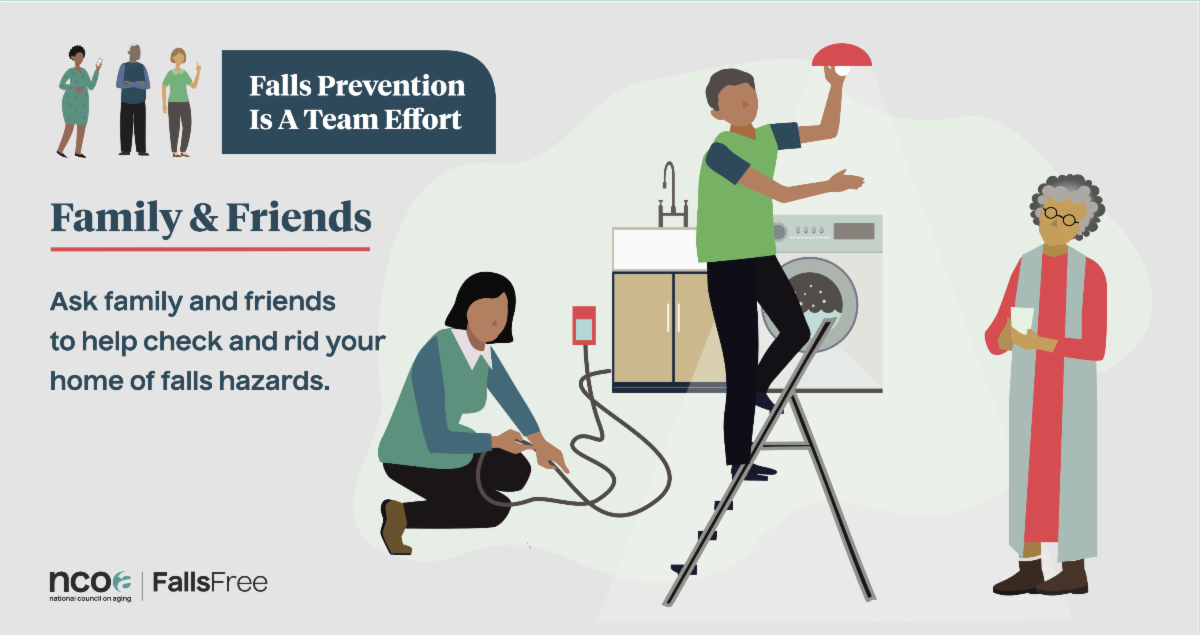
Many older adults choose to continue living at home as they age. However, their homes may not be as functional as they once were. In fact, over half of all falls take place at home. With a few modifications, however, you can make your home a safe and comfortable place to age in place, independently, and reduce the risk of falling.


5 quick and easy home modifications you can make on your own:


  • Secure some support: Buy a shower seat, grab bar, and adjustable-height handheld shower head to make bathing easier and safer.
  • Light it up: Replace burnt-out bulbs with bright, non-glare lightbulbs.
  • Have a seat: Place a sturdy chair in your bedroom so you can sit while getting dressed.
  • Clear the way: Keep items off the stairs, and fix simple but serious hazards such as clutter and throw rugs.
  • Store for success: Keep frequently used items between your waist and shoulder height.


9 Top Home Modifications for an Age-Friendly Home:


  • Replace doorknobs with lever-style handles
  • Move often-used items to lower shelves
  • Install pull-out cabinets
  • Remove raised thresholds betweens rooms
  • Add a ramp or zero-step entrance
  • Raise chair and toilet seat heights
  • Improve hallway and stairway lighting
  • Keep appliances in good condition
  • Reduce clutter

Explore Falls Prevention Resources


Everyone can take steps to prevent falls and lower their fall risk. Learn more in the NCOA falls prevention hub.


Assess your risk for falls here: Falls Free CheckUp

Learn More About:

  • How to prevent falls
  • Ways to modify your home for optimal safety
  • Get the facts on Falls Prevention
  • Tips on talking with your health care provider
  • How to keep a strong and healthy body
  • ...and so much more!

Resources: https://www.ncoa.org/older-adults/health/prevention/falls-prevention/

https://www.ncoa.org/page/falls-prevention-awareness-week-social-media-best-practices-and-toolkit/

Elder Care Services expands care to three Big Bend counties

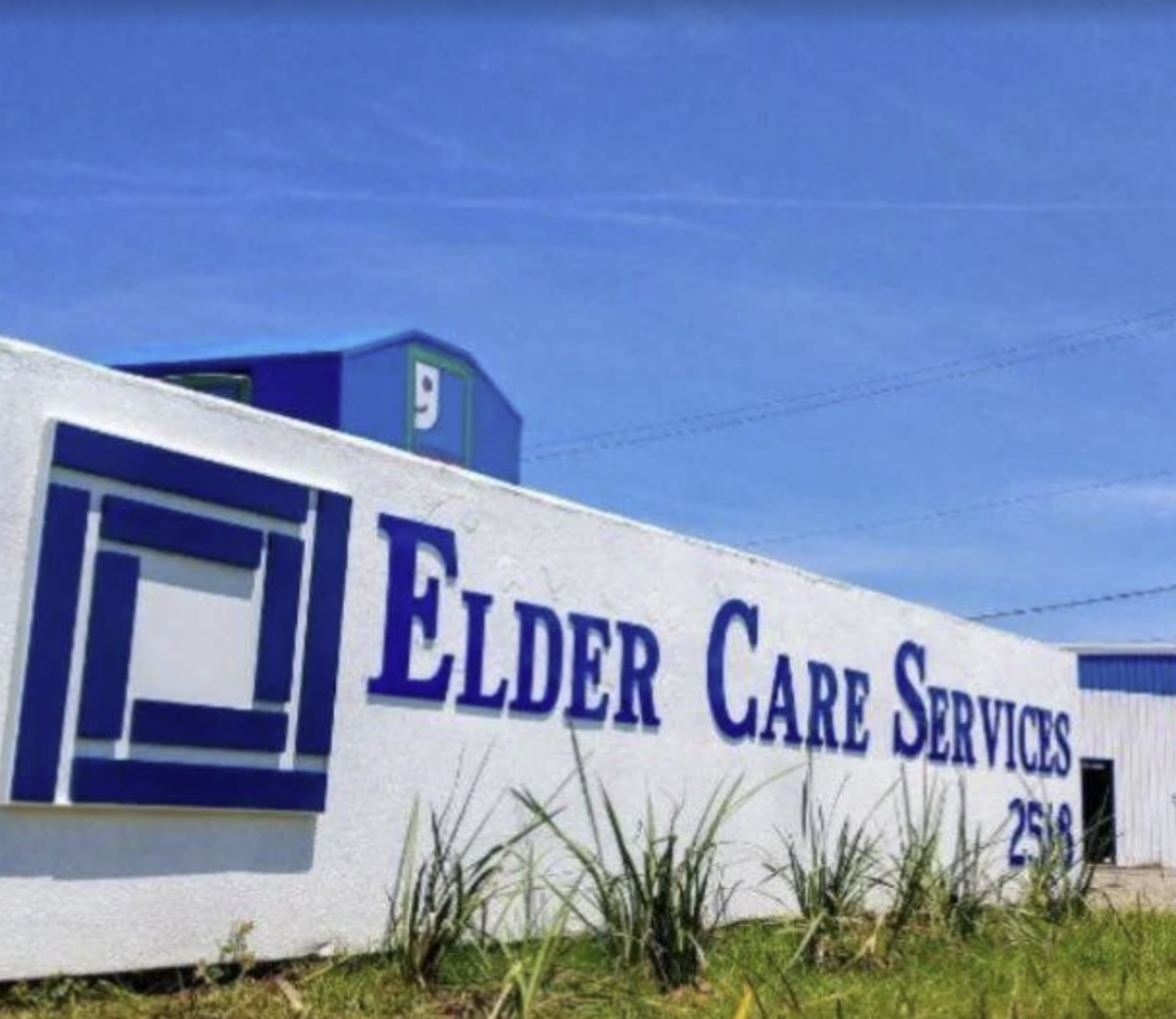
Elder Care Services is taking over as the lead agency for in-home care in Taylor, Madison, and Jefferson counties after receiving state funding from the Area Agency on Aging for North Florida, Inc.


By: Brieanna Smith


Elder Care Services is expanding its in-home care programming to seniors in Jefferson, Madison and Taylor counties, taking over as the new lead agency for the region.


The expansion was made possible after the Area Agency on Aging for North Florida, Inc. allocated state funding to Elder Care Services.


The agency was selected based on its financial “stewardship of state funding” and its “quality care model” currently in place in Leon, Wakulla, and Gadsden counties.


U.S. Census data estimates more than 20% of people living in these counties are 65 years old and older. Taylor County's senior population stands at 23.6%, Madison County at 24.7%, and Jefferson County at 27.2%.


While these communities have had access to in-home care services in the past, Elder Care Services is now stepping in as the lead agency. The organization will also work with local partners to hire caregivers within those communities.


President and CEO Jocelyne Fliger says the expansion reflects the agency's commitment to helping seniors across the Big Bend region. "I'm very proud of the work that Elder Care does, and to be able to help seniors in other regions of the Big Bend is so important to us. I believe in the staff that we have and our ability to make sure that we can help people remain safely in their homes."


Fliger says most seniors prefer to age in place, and these services make that possible.

"Most people want to stay in their homes as they age, and so these services allow them to do that. And they take the burden off of the caregivers that are often in the homes with them," Fliger said.


Elder Care Services is already in the process of launching services in Jefferson and Madison counties, with Taylor County to follow later this summer.


Seniors and caregivers seeking to access services in these counties can call 800-963-5337 or locally at 866-467-4624.


Resources: https://www.wtxl.com/northwest-tallahassee/elder-care-services-expands-care-to-three-big-bend-counties?fbclid=IwY2xjawTwON9wZG9mBWV4dG4DYWVtAjEwAGJyaWQRMVdONmZnRU9DanI2OWdFZHpzcnRjBmFwcF9pZBAyMjIwMzkxNzg4MjAwODkyAAEeIzgz_2uMpZcLVwxxdwN8N9dLh0-i_0apiy59rX2yJqJoZxVqvcO0wysSX7Q_aem_qW3FSZuRfkEGR6SGX1eqrg


How to Prepare for Emergencies at Home

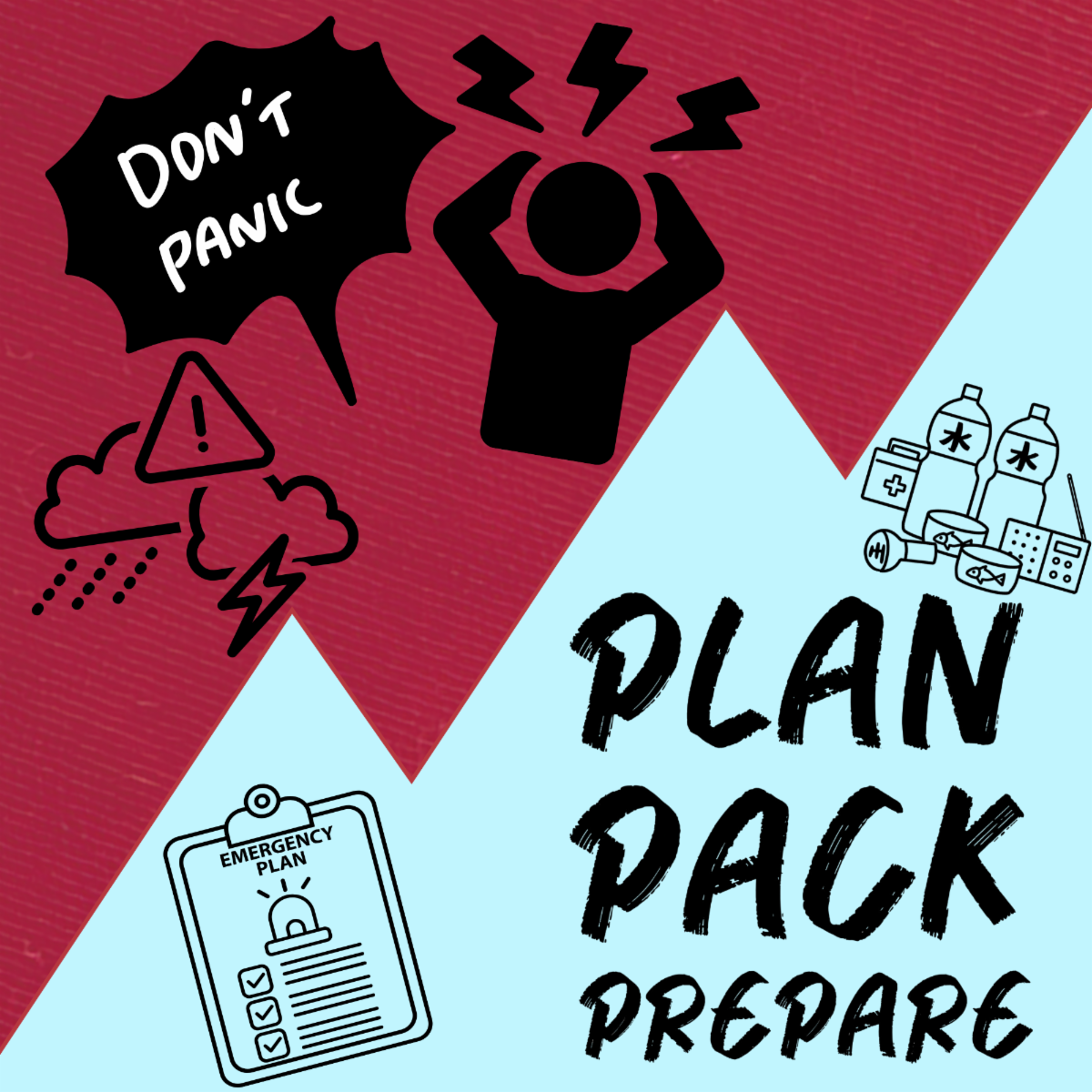
Don't panic. Prepare!


No one expects an emergency, but having a plan can make a big difference. Preparing ahead of time helps older adults stay calm and get help faster if something goes wrong.


By following a few simple steps you can protect yourself, your loved ones and the things you own.


Simple steps to help older adults and their families feel more prepared for emergencies:

  • Create an emergency contact list that includes family, neighbors, friends, caregivers, and health care providers.
  • Keep a current list of medications, allergies, medical conditions, and insurance information in an easy-to-find place.
  • Store advance care planning documents and other important papers where trusted family members can quickly access them.
  • Make a plan for power outages, severe weather, fires, or other emergencies, including where to go if an evacuation is needed.
  • Pack an emergency kit with water, nonperishable food, flashlights, batteries, several days of medications, phone chargers, and any supplies needed for medical equipment.
  • If medical devices rely on electricity, keep backup batteries charged. Ask the equipment provider about emergency power options, and learn where generator power may be available during an outage.
  • Review the emergency plan regularly and update it whenever medications, health needs, caregivers, or emergency contacts change.


Building a personal emergency response plan

A personal emergency response plan is a written guide that explains what to do before an emergency happens. It should not rely on someone remembering the details during a stressful situation. Dike recommends writing the plan down, keeping it in a visible place, and sharing it with the people who may need it.


A good emergency response plan includes:

  • Emergency contacts
  • A list of medications and medical conditions
  • Health care provider information
  • Insurance details
  • The location of important documents


It should also explain who has keys to the home, who can step in if a caregiver is unavailable, and what to do during a fire, severe weather, or another emergency. It is also important to think about emergencies that can interrupt daily care. If someone depends on a CPAP machine, oxygen, refrigerated medicine, or other medical equipment, families should know what to do if the power goes out.


Planning before storm season gives everyone more time to prepare and fewer decisions to make during an emergency. Like an aging in place checklist or home safety assessment, a personal emergency plan should be reviewed often so it stays up to date as health needs change. 


How to improve home security

Good security habits can help older adults feel more confident and continue aging in place safely. Simple updates around the home and regular conversations with family can go a long way toward protecting both physical safety and financial well-being.


6 simple ways to improve home safety:

  • Secure doors, windows, and other entry points with sturdy locks.
  • Install motion-sensor lights around entrances, hallways, bedrooms, and bathrooms to improve visibility at night.
  • Consider a video doorbell or smart security camera so you can see who is at the door before opening it.
  • Use smart lighting that turns on automatically when it gets dark or when someone enters the home.
  • Stay connected with family, friends, neighbors, or caregivers through regular calls or visits.


"Independence is the whole point," said Dike. "Most older adults aren't asking for more care. They're asking to stay in their own home, their own community, on their own terms. That's a reasonable and deeply human desire." Any of the aging in place home modifications in this guide can help with that, and bring peace of mind to the family members who care about you.

"Ultimately, investing in home safety today can improve quality of life tomorrow," said Hogan-Eichenberger.


What should be included in a home emergency plan?

A home emergency plan should include emergency contacts, a list of medications and medical conditions, health care provider information, insurance details, and important documents. It should also cover power outages, severe weather, evacuation plans, and who can help in an emergency.


What smart home devices can help older adults live independently?

Smart home devices that support aging in place include medical alert systems, fall detection watches, voice assistants, smart lighting, and medication reminders. This and other technology may help older adults stay safe in their homes.


How often should smoke detectors and carbon monoxide detectors be tested?

Smoke and carbon monoxide detectors should be tested at least once a month to make sure they are working properly. Adding this task to your home safety checklist can help protect everyone in the home.


What are the warning signs that a home may no longer be safe for an older adult?

Some signs to watch out for are frequent bruises from bumps or falls, unexplained weight loss, neglected housekeeping or personal hygiene, missed medications, or difficulty with daily tasks. A home safety assessment can help identify risks and recommend ways to improve home safety for older adults.


Resources: https://www.ncoa.org/article/home-safety-guide/

Input is Needed for the 2027 Area Plan


The Advantage Aging Solutions 2027 Area Plan update is available for review. Input may be provided via email to Info@aaanf.org or through the contact form at https://www.advantageaging.org/news-events now through September 14, 2026. 


In your message, please include the page number and the section title of the area for which input is being provided.

​

Click Here to view the Area Plan Update for 2027

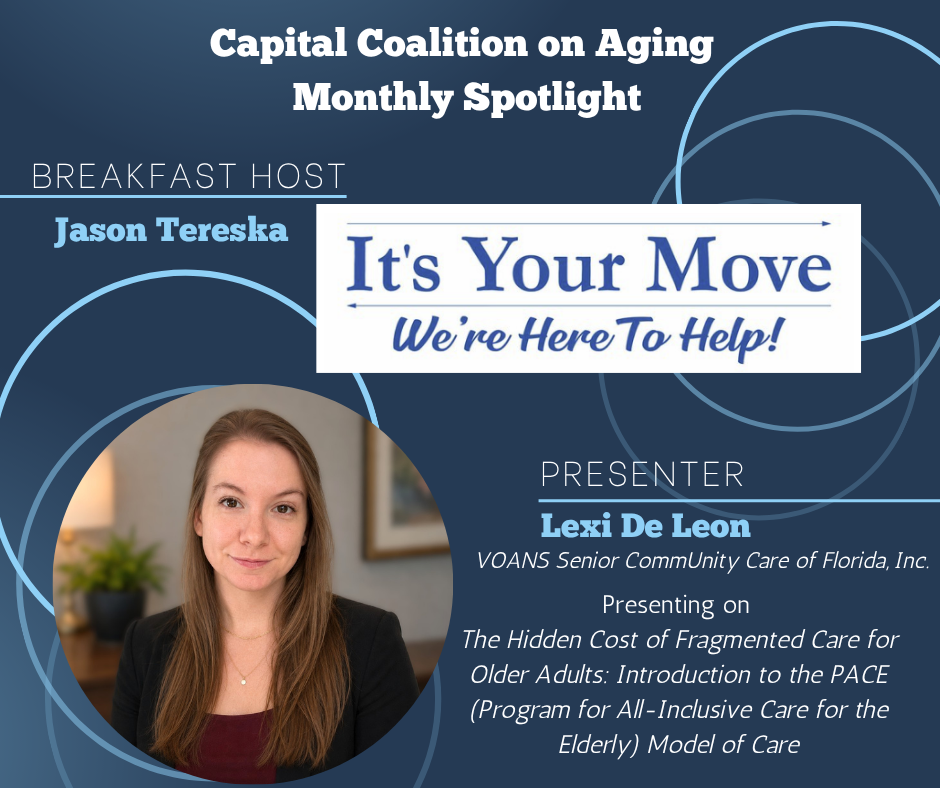
CCOA Meeting Reminder

Join us for our Capital Coalition on Aging (CCOA) meeting, held montly at the Tallahassee Senior Center. 


We hope to build back up our attendance to 50-60 people each month - a goal we can only accomplish together by sharing the invitation to aging professionals!


Share with colleagues that are not current members and remind our colleagues who are on our member list.​ Don’t forget to bring your business cards and any information about your organization that you would like to hand out. We look forward to seeing you all there!

​


Come for breakfast and stay for the presentation and networking!

This month's meeting is September 16, 2026 at 8:30am


X Share This Email
LinkedIn Share This Email