|
In the years leading up to my decision to pursue my educational and career journey in mental health counseling, I facilitated after school programs for high school aged immigrant youth from over 20 countries. These programs were designed to help young people that were new to the country, navigate their new communities, and the American culture and educational system they now found themselves in. We covered a myriad of topics such as filling out the FAFSA, interview skills, and even visited college campuses and heard from immigrant and first generation professionals in the community on a regular basis.
While the mission of the organization, and my role as a program officer was to help promote civically engaged, college and career ready youth, I found myself continuously striving to add elements of positive identity development, and a safe space that celebrated and empowered them for who they were beyond their college and career goals. Sure, we can work on interview skills, but how far will those take a student who has not yet been able to identify and speak about their own strengths and life experiences? Or perhaps a student can write an A+ college essay, but are we sending off this student with a positive self esteem and ability to care for themselves and their mental health, to this new point of life?
The great psychologist Erik Erikson named this developmental stage “Identity vs confusion” because the big questions starts to form for adolescents, of “Who am I?” While the answer to this question does not come overnight, or even through an after school program, what we can do as attentive adults is help young people form positive relationships with themselves that will guide them to find the many answers to that question.
I will always remember my favorite day in the program that covered skills and talents, and ended with students sharing 3 things they are proud of themselves for. I created a list to help them brainstorm, given the many things I knew they did on a daily basis that they may not have identified as unique or talented, such as translating documents for parents on a regular basis. Students then shared various things they were proud of, such as speaking 4 languages, working multiple jobs after school, holding a snake, coming to a new country as a teenager, etc. What stood out to me most was the encouragement from their peers when sharing, and the sense of pride I saw exuding from them ,when being able to identify those moments or strengths, they may have previously not vocalized or seen as important. It was a special day, and one I myself could have used in high school.
The journey of identity is an everyday journey, and one we as adults are still embarking on, however my hopes are to continue being a caring adult that can empower children and adolescents to feel comfortable and confident in who they are and what they bring to the world.
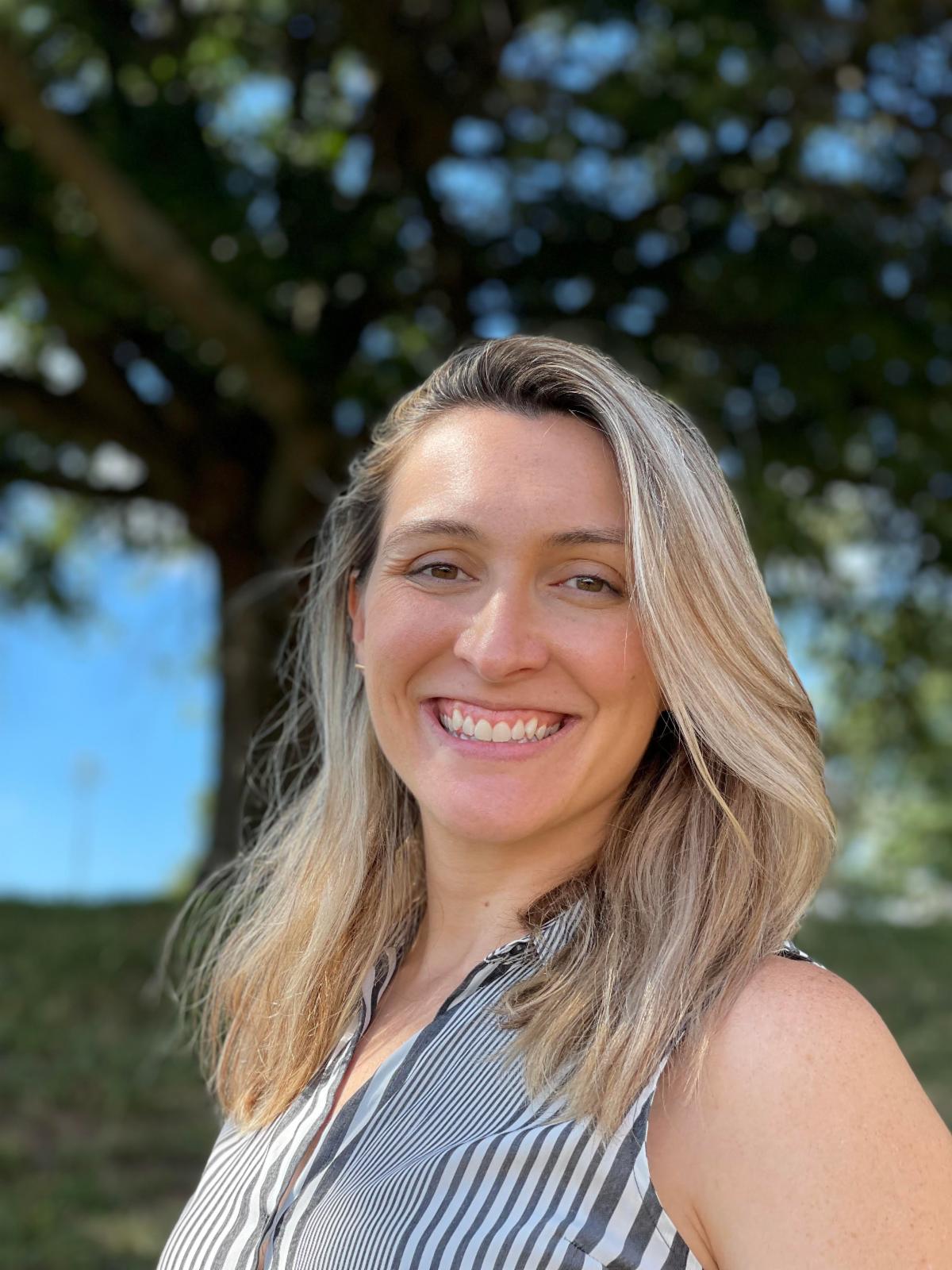
Mariam Abdelwahab is an intern working towards her M.E in Clinical Mental Health Counseling at George Mason University.
|