|
Product Stewardship Updates
September 30, 2025
| | (stevecoleimages / Getty Images) | | PSI’S PACKAGING EPR HARMONIZATION TASK FORCE | | |
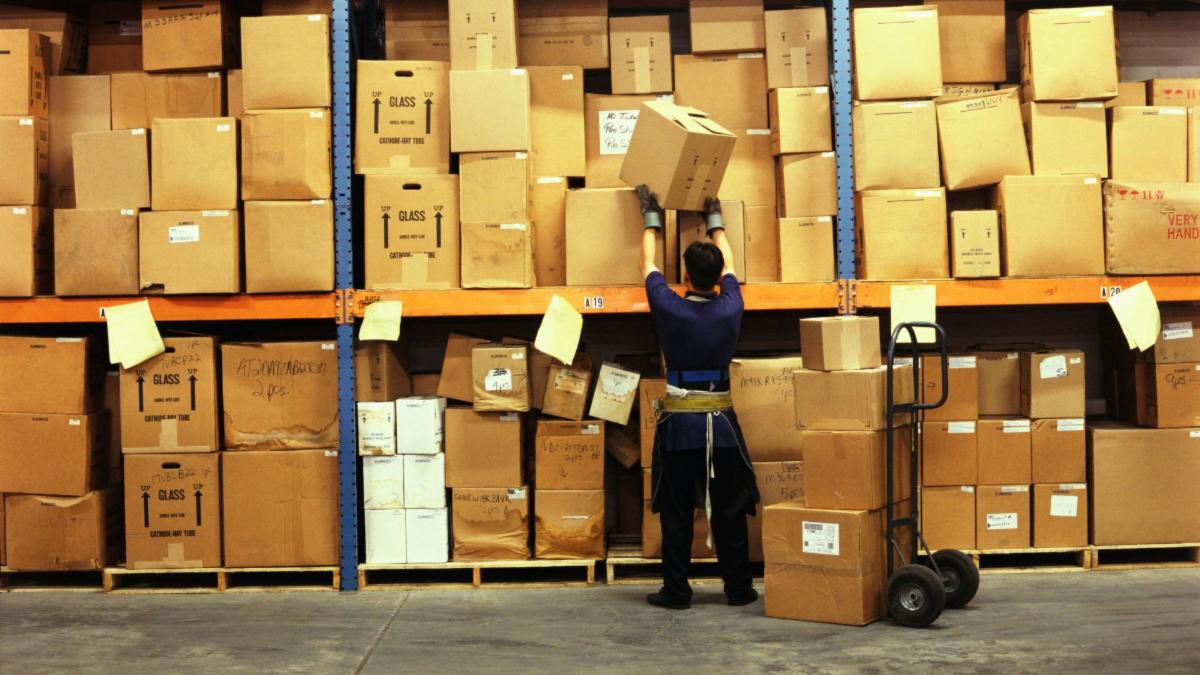
On Thursday, September 4, PSI convened the first virtual meeting of its new Packaging Harmonization Task Force, marking the start of a six-meeting series dedicated to aligning key elements of packaging EPR laws. The task force is an invite-only group comprised of producers, distributors, retailers, state and local governments, recyclers, and other stakeholders working together to build greater consistency in packaging EPR policy approaches across states.to build greater consistency in packaging EPR policy approaches across states.
With seven states already implementing packaging EPR laws, and many more considering legislation, the need for harmonization has never been greater. Due to the past lack of interest among some key stakeholders to collaborate on policy, state laws and bills differ on definitions, timelines, producer fee structures, and other core program elements, creating compliance challenges and inefficiencies. The task force aims to establish a shared framework for bill design and implementation, while creating a regular channel for ongoing collaboration among stakeholders.
Over the next several months, participants will work through priority topics such as producer definitions, fee structures, responsible end markets, and reuse and recycling standards. The outcome will be a set of policy recommendations and a coordinated plan to share them with legislators, trade associations, and other stakeholders ahead of 2026 state legislative sessions.
PSI will continue to facilitate balanced, productive dialogue to ensure that packaging EPR policies across the U.S. are practical, effective, and consistent.
| | MINNESOTA LAUNCHES FIRST STATEWIDE EPR PROGRAM FOR BOAT WRAP RECYCLING | | |
Minnesota has become the first state to implement an Extended Producer Responsibility (EPR) law for boat wrap. Beginning September 1, producers—including manufacturers, brand owners, importers, and distributors—will be responsible for collecting, recycling, and properly managing used boat wrap products under the Minnesota Boat Wrap Stewardship Law. The law was championed by State Representative Larry Kraft and signed into law by Governor Tim Walz in May 2024.
The stewardship organization CIFFRO (Commercial and Industrial Flexible Film Recycling Organization) was established by boat wrap producers to administer the program. CIFFRO will oversee a statewide network of collection sites, transportation and recycling logistics, and education efforts for both the boating community and the public. Boat owners will need to remove non-recyclable attachments such as nylon straps, buckles, vents, and zippers before drop-off.
Why this matters: Boat wrap has long been a source of plastic film waste, including the marine environment, with few recovery options. By shifting responsibility to producers and creating a dedicated collection and recycling system, Minnesota is reducing disposal facilities and turning difficult-to-recycle materials into new resources. This program sets an important precedent that could serve as a model for future stewardship programs for plastic films and specialty packaging across the U.S.
| | (Tatiana Kutina / Canva Teams) | | NEW PILOT PROGRAM TACKLES VAPE WASTE IN MISSOURI | |
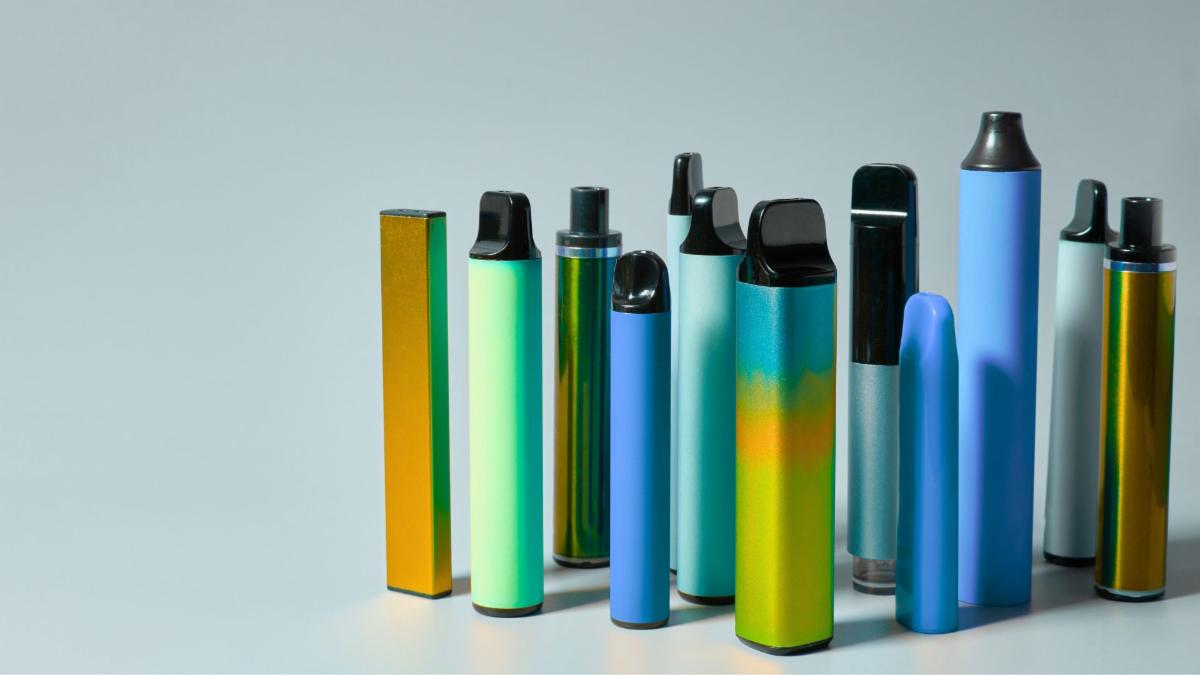
This summer, the Missouri Solid Waste Management District O—a district serving nearly half a million people in Southwest Missouri—and PSI launched a first-of-its-kind pilot program to collect and responsibly manage vape waste in Southwest Missouri. With support from the Missouri Department of Natural Resources, this six-month initiative is the first vape-specific collection effort in the state—and aims to address a fast-growing environmental and public health threat.
Vape products combine toxic nicotine liquid, non-biodegradable plastics, and lithium-ion batteries that pose serious fire and pollution risks when discarded in the trash. Improperly disposed vapes have sparked thousands of fires at waste facilities and contributed to increasing litter in schools and public spaces. To address these impacts, the pilot will offer free vape drop-off at participating vape shops in Springfield and Joplin, accepting a range of devices and components. Collection and processing will be managed by the Computer Recycling Center, ensuring all materials are handled safely and in compliance with environmental standards.
“This program is about tackling an urgent and growing problem head-on,” said Angie Snyder, Executive Director of District O. “By piloting safe, accessible collection options, we can protect our communities and lay the groundwork for a long-term solution across Missouri.”
The program will gather data on vape waste volumes, materials, and public engagement to inform potential statewide strategies, including permanent collection infrastructure and policies such as EPR. For more information, contact PSI’s Senior Policy Associate, Hanz Atia at info@productstewardship.us. Read the full press release here.
| | METROPAINT CLOSURE: AN EPR SUCCESS STORY | | |
After more than 30 years of service, Metro—the Portland-area regional government—will close its MetroPaint recycled-latex paint program by the end of 2025. The closure marks the end of an era, but also highlights a powerful EPR success story.
Launched in the early 1990s, MetroPaint began as part of Metro’s household hazardous waste program and quickly evolved into one of the country’s most visible recycled-paint operations. Over the decades, MetroPaint:
- Processed 5.3 million gallons of leftover latex paint
- Recycled 3.7 million gallons into new paint products
- Produced more than 2.2 million gallons of high-quality recycled paint
- Sold over 1.6 million gallons to 130,000+ customers
Certified under the Green Seal GS-43 standard, MetroPaint proved that recycled paint could meet rigorous performance requirements, offer consistent colors, and sell at a fraction of the cost of conventional products—helping to build consumer trust in recycled-content products.
Much of MetroPaint’s national impact can be traced to the leadership of Jim Quinn, the program’s long-time manager. Metro was a founding PSI member, and Jim was instrumental during the national discussions that PSI mediated to create the first U.S. EPR program developed by consensus with the paint industry, governments at the local, state, and federal levels, recyclers, and other stakeholders. This groundbreaking agreement was a big deal—and Jim and Metro were critical to making it happen. Their role helped establish PaintCare and set the standard for collaborative product stewardship.
Metro cited rising expenses and aging equipment as reasons for the closure. Still, Oregon residents will continue to have access to paint recycling through PaintCare, which operates nearly 200 drop-off sites statewide. PaintCare has emphasized that other processors are ready to carry on MetroPaint’s important work, ensuring uninterrupted recycling services for households and businesses.
MetroPaint showed that government can catalyze stewardship and pave the way for industry to sustain it. Its legacy is a trusted recycled product, a model for future stewardship programs, and a foundation for PaintCare’s success in Oregon and beyond.
| | PACKAGING EPR IMPLEMENTATION UPDATES FROM MAINE AND COLORADO | | |
Maine has amended its landmark packaging EPR law with changes signed by Governor Mills on June 28. LD 1423 updates the 2021 law to better align with newer state programs and implementation realities. Among the adjustments: clarifying who qualifies as a “producer,” expanding exemptions for certain commercial and medical packaging, allowing eco-modulated fees based on recyclability, and narrowing the list of regulated toxic substances to those intentionally added.
The Maine Department of Environmental Protection (MDEP) is moving forward to integrate the changes made by LD 1423. The Department has begun the process of updating the program’s rules to harmonize with the new provisions, ensuring a smooth transition as Maine’s packaging EPR law enters its next phase.
Meanwhile, the Executive Director of the Colorado Department of Health and Environment (CDPHE) approved the Individual Program Plan (IPP) proposed by LPMA powered by Interchange 360. LPMA (Lubricants Packaging Management Association) will be responsible under HB22-1355 for recovering and recycling containers of motor oil, engine lubricants or additives, anti-freeze, and other automotive, mechanical, or motor liquids. These products might otherwise contaminate the recycling stream for residential packaging in Colorado. LPMA, through their IPP, will provide a producer-funded recovery and recycling program to harness these materials and support more circular packaging for lubricant and automotive products. LPMA powered by Interchange 360 must begin implementation of their IPP within 6 months, or by March 13, 2026.
| | |
2025 National Recycling Congress from the National Recycling Coalition
October 1–3, 2025 | Wichita State University | In-Person Event
Join the National Recycling Coalition (NRC) for the 2025 National Recycling Congress! This year’s theme, “Strategies for Circularity,” will bring together recycling professionals, policymakers, businesses, educators, and community leaders from across the country to share best practices, explore innovative approaches, and shape the future of recycling in the United States.
PSI will lead a featured workshop: Zero Waste and EPR—Setting the Stage for Systemic Success.
-
Leaders: Darla Arians and Hanz Atia, Product Stewardship Institute
-
Resource: Marta Keane, Illinois Product Stewardship Council
-
Overview: As EPR policies gain traction across the U.S., zero waste communities are uniquely positioned to lead the way. This interactive session will explore how zero waste planning, data collection, inclusive stakeholder engagement, and government oversight can strengthen EPR implementation and drive true circularity.
This event is ideal for recycling and waste professionals, policymakers, industry stakeholders, and advocates committed to building a more sustainable and resilient materials management system. Learn more and register here.
| | (StudioThreeDots / Canva Teams) | |
-
EPR takes center stage at plastics treaty talks in Geneva. U.S. voices, including SWANA, WM, PSI and the Circular Action Alliance, advocated for extended producer responsibility as a tool to reduce global plastic waste. Read more
-
Vermont has become the first state to implement a household hazardous waste stewardship program. With no stewardship organization stepping forward by the deadline, the state’s Agency of Natural Resources will oversee the program and require manufacturers of products like spray paints, glues, and nicotine vapes to register and contribute fees. Read more
-
Packaging EPR programs seek to increase use of PCR content. For example, Colorado’s EPR law requires the PRO to set specific post-consumer recycled content goals by material: rigid & flexible plastics, paper, metal, and glass. Questions remain over how to verify recycled content (e.g. mass balance) and scaling markets to meet those goals. Read more
| | The Product Stewardship Institute is a policy expert and consulting nonprofit that pioneered product stewardship in the United States. Since 2000, PSI has helped enact 146 extended producer responsibility (EPR) laws across 21 product categories in 34 states — the bedrock on which the circular economy is built. We work with businesses, nonprofits, academia, and governments to ensure that products are responsibly managed from design to end of life. Join us at www.productstewardship.us. | | |
The Product Stewardship Institute, Inc. is an equal opportunity employer and provider. Persons with disabilities who require alternatively formatted materials to ensure effective communication should contact Amanda Nicholson at info@productstewardship.us or 617.236.4855.
| | | | |