September Tips & Events for Santa Clara County

To see things in the seed, that is genius.”

~ Lao Tzu

Mediterranean Fruit Fly News

The invasive Mediterranean Fruit Fly (Medfly) has been found in San Jose. The CDFA has declared a quarantine for a large part of San Jose, as well as sections of Campbell, Los Gatos, Milpitas, and Santa Clara. Get links to the quarantine map and guidelines for handling fruits and vegetables on our Insect and Disease Quarantines web page.

Monthly Tips

Quiz: Which Can You Safely Eat?

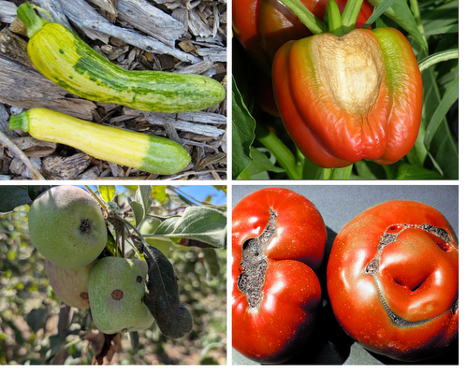
It is time to harvest the fruits and vegetables you’ve grown all summer. Some of your harvests are oddly shaped, and some show signs of damage—from insects, viruses, sun, etc. Which ones can you safely eat?

Clockwise from top left: Squash with mosaic virus, peppers with sunscald, tomatoes with catfacing, apples with insect damage. Photo credits: apples, Ying Chen; all others, UC Master Gardeners Sacramento County

Logo of Martial Cottle Park showing a pumpkin with the title Fall Festival

Our Fall Garden Fair Is October 11

Your summer garden is waning, so now is the time to think about cool season gardening. Mark your calendar for our annual Fall Garden Fair, part of Martial Cottle Park’s Fall Festival, on October 11 from 9:00 am to 2:00 pm. Learn about fall gardening, sharpen tools, swap seeds, and get expert advice at our help desk. Our plant sale features vegetable, native, and ornamental seedlings, along with garlic, shallots, succulents, and herbs. A bonus: if you wish to start your fall garden earlier, we’re selling cool season vegetable seedlings at our regular third Saturday sale on September 20 from 9 am to noon. Join us at both events!

Roundup Has Changed

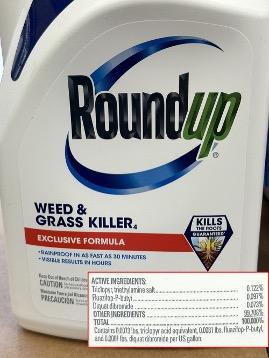
The active ingredient in Roundup used to be the herbicide glyphosate, and many people used the product name interchangeably with the ingredient. However, Roundup’s producer has recently replaced glyphosate with a variety of new formulations. But you would never know unless you scrutinize the label. Why does it matter? Because the new formula is not rated safe to use in vegetable gardens, not even for killing off weeds before starting a new garden. It’s always important to read product labels carefully, even when you think you knowthe product. Manufacturers can change the formula at any time without changing the package appearance.

White container of Roundup with expanded ingredient list

Photo credit: Karen Schaffer

Supporting Beneficial Insects

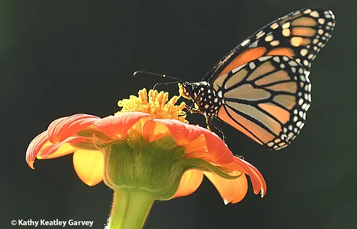
Monarch butterfly - Danaus plexippus - sipping nectar - came up with a head full of pollen

Beneficial insects do vital work. They help plants reproduce, eat harmful bugs, improve soil, and break down dead material. But these insects are facing steep declines due to habitat loss, pesticides, diseases, and climate change. Fall is a crucial time for insects as they produce overwintering offspring, seek shelter for hibernation, or prepare for migration. You can help support them by providing late-flowering insectary plants and habitats. Check out plant recommendations for our region from the Xerces Society and the UC Davis Arboretum as well as climate-smart urban habitat tips.


Photo: Monarch butterfly, Danaus plexippus, sipping nectar, came up with a head full of pollen, Kathy Keatley Garvey 

Starting Cool Season Vegetables

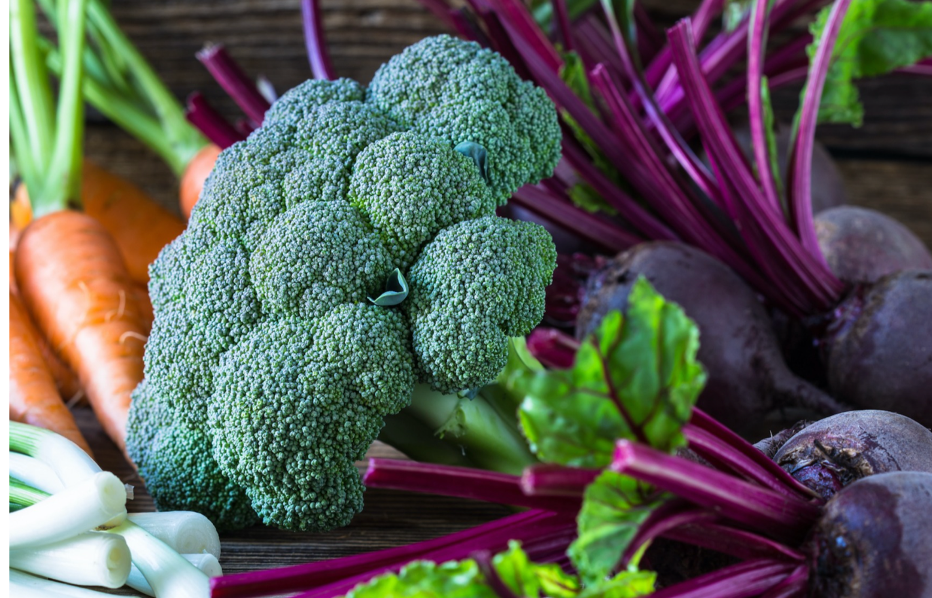
Bright green head of broccoli with purple beets and orange carrots in the background

As your summer vegetables are winding down, space opens up in your garden to plant cool season vegetables. These vegetables are most productive when the average temperatures are between 55°F and 75°F. Cool season plants like a warm start, so now is a good time to plant them. But avoid transplanting them during a heatwave or during the hottest part of the day. Provide some fertilizer, especially if you are putting them near where you grew your summer vegetables. Consult our handy Vegetable Planting Chart for specifics on when to transplant vegetables that thrive in our county.


Photo credit: Oklahoma State University Extension

White Jasmine flowers and green leaves

Photo: Jasmine, Scott Zona, Wikimedia Commons

Garden’s Sweet Perfume

Have you ever noticed how a particular scent can instantly transport you back to a cherished memory or evoke strong emotions? Come to our talk on September 13 at the Willow Glen Library in San Jose. We will delve into the fascinating history, science, and diversity of fragrant plants. From trees to shrubs to herbs, we will explore an array of scents. You will gain practical tips and creative ideas for incorporating a variety of scented plants into your own garden. 

Quiz Answer: All of Them, but Check for Mold (And Worms!)

The fruits and vegetables shown are safe to eat, unless they have started to rot or get moldy. Those that come from plants infected with a virus, such as mosaic virus, are edible. While the quality of the fruit might be impacted, plant viruses have not been shown to infect humans. For those with insect or environmental damage, remove the damage and inspect what is left. Discard any produce that is moldy. Some molds produce toxins that can make you sick, and their “roots” extend beyond what you can see. It’s best to discard soft foods, such as peaches or tomatoes.

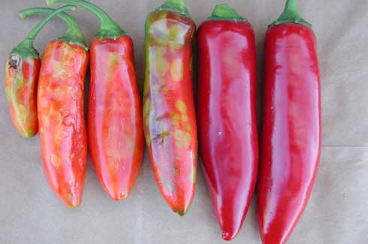
Distorted and spotted jalapeno fruit infected with tomato spotted wilt virus - left - compared with healthy fruit - right

Photo: Distorted and spotted jalapeno fruit infected with tomato spotted wilt virus (left) compared with healthy fruit (right), Aziz Baameur

More September Tips and To-Dos

For more gardening tips and to-dos, visit the monthly tips archive on our website. It is perfect for browsing, and while you may recognize some of the content, you’re sure to find something new. It starts with to-dos for the month, just the thing to review before heading out to your garden.

Upcoming Events

Our monthly Plant Clinic Online is an opportunity to chat with a Master Gardener via Zoom to diagnose a plant problem. You can also listen and learn while other people ask questions. It takes place on the second Tuesday of the month (September 9) from 7 to 8:30 pm. Priority will be given to questions that are emailed in advance; instructions are in the Zoom registration confirmation. Registration required.


Protect California’s Waters from Invasive Species, September 3, 11:00 am–noon, Online


GDG Hands-On Summer Fruit Tree Pruning, September 6, 10:00 am–11:30 am, Guadalupe River Park Historic Orchard, 425 Seymour Street, San Jose


PADG Lawn Alternatives for Home Landscapes, September 6, 10:00 am–11:00 am, Palo Alto Demonstration Garden, 851 Center Drive, Palo Alto


PADG Open Garden Saturdays, September 6, 10:00 am–noon, Palo Alto Demonstration Garden, 851 Center Drive, Palo Alto


Growing Vegetables in Fall and Winter, September 6, 10:30 am–11:30 am, Gilroy Library, 350 W 6th Street, Gilroy


Waterwise Landscape Design: Three Week Course, September 9, 6:30–8:30 pm, Fremont Unified High School District Adult Education, 587 W Fremont Avenue, Sunnyvale


Plant Clinic Online, September 9, 7:00–8:30 pm, Online


MRG Growing Cool Season Asian Vegetables, September 13, 10:00 am–noon, McClellan Ranch Preserve, community garden area, 22221 McClellan Road, Cupertino


PADG Open Garden Saturdays, September 13, 10:00 am–noon, Palo Alto Demonstration Garden, 851 Center Drive, Palo Alto


Your Garden’s Sweet Perfume: Fragrant Plants to Delight the Senses, September 13, 10:30 am–11:45 am, Willow Glen Branch Library, 1157 Minnesota Avenue, San Jose


Growing Winter Vegetables and Herbs in Containers, September 13, 11:00 am–12:30 pm, Mountain View Public Library, 585 Franklin Street, Mountain View


When Wildlife Become Pests, September 18, noon–1:00 pm, Online


MCP Succulent, Garlic, and Fall Vegetable Open House & Sale, September 20, 9:00 am–noon, Martial Cottle Park, 5283 Snell Avenue, San Jose


SCTDG Planning Your Cool Season Vegetable Garden, September 20, 9:30 am–11:00 am, South County Teaching and Demonstration Garden, 80 Highland Avenue, San Martin


MCP Success with Cool Season Vegetables!, September 20, 10:00 am–11:00 am, Martial Cottle Park, 5283 Snell Avenue, San Jose


PADG Open Garden Saturdays, September 20, 10:00 am–noon, Palo Alto Demonstration Garden, 851 Center Drive, Palo Alto


MCP Seed Saving Tips, September 20, 11:00 am–noon, Martial Cottle Park, 5283 Snell Avenue, San Jose


STDG Beauty and Biodiversity: The Benefits of Native Plants, September 20, 1:00–3:00 pm, Sunnyvale Teaching and Demonstration Garden, 433 Charles Street, Sunnyvale


PADG Open Garden Saturdays, September 27, 10:00 am–noon, Palo Alto Demonstration Garden, 851 Center Drive, Palo Alto


The Growing Threat to Our Trees, October 1, 11:00 am–noon, Online

Check our calendar for the latest schedule of events. Videos of many past presentations are also available.

About Us

University of California Master Gardener volunteers promote sustainable gardening practices and provide research-based horticultural information to home gardeners. Visit our website for more information including:


Have a gardening question? Ask us. We’re here to help!

Connect With Us
Facebook  Instagram  Youtube