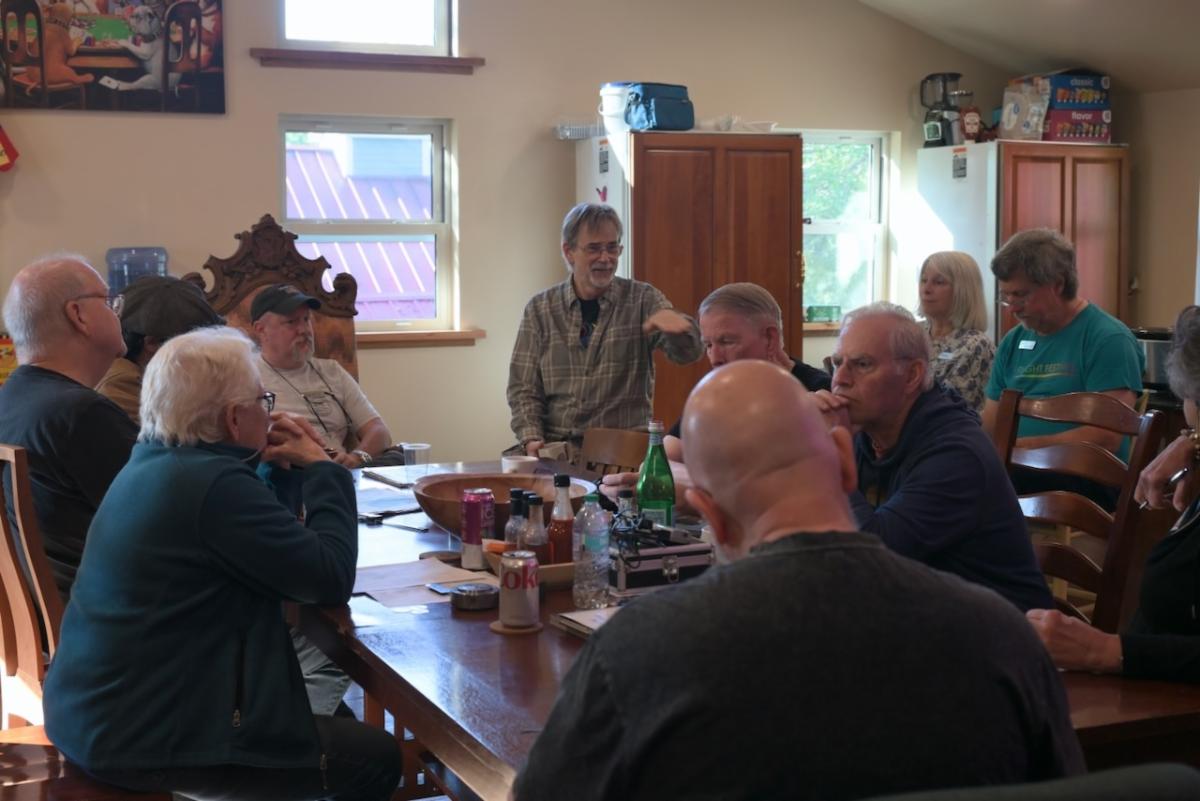
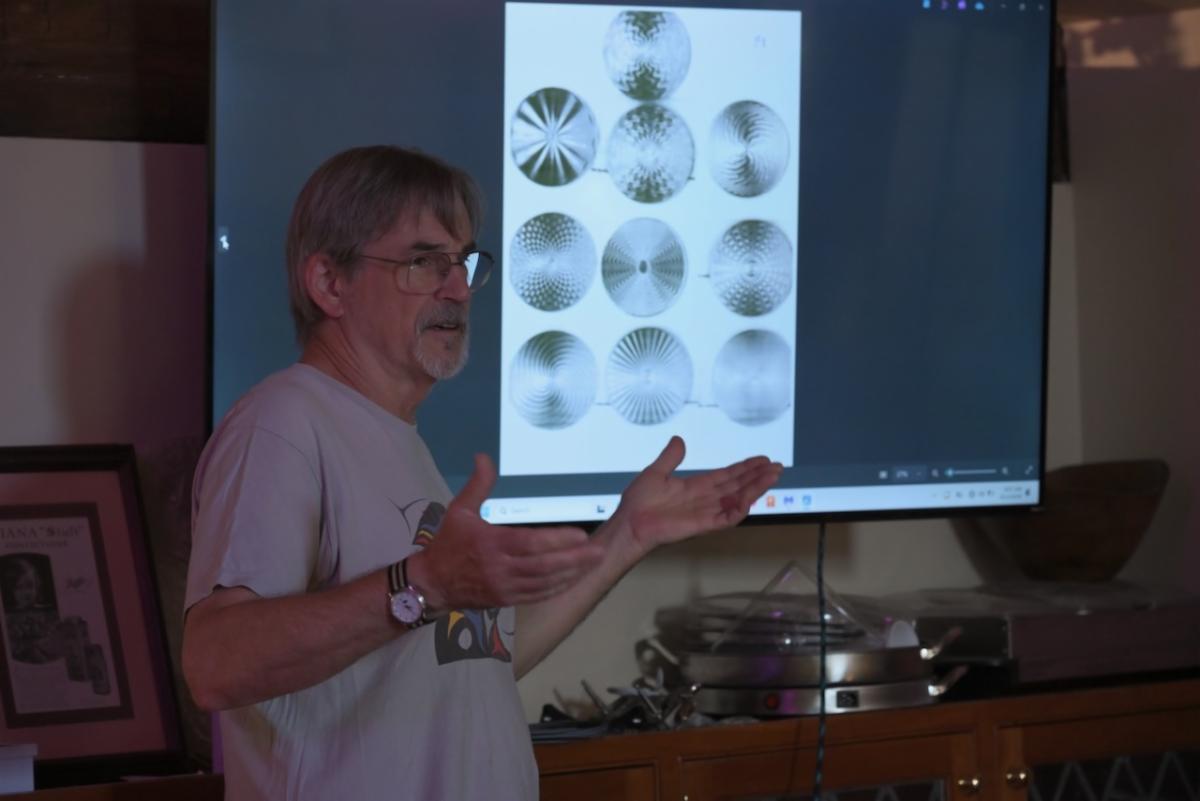
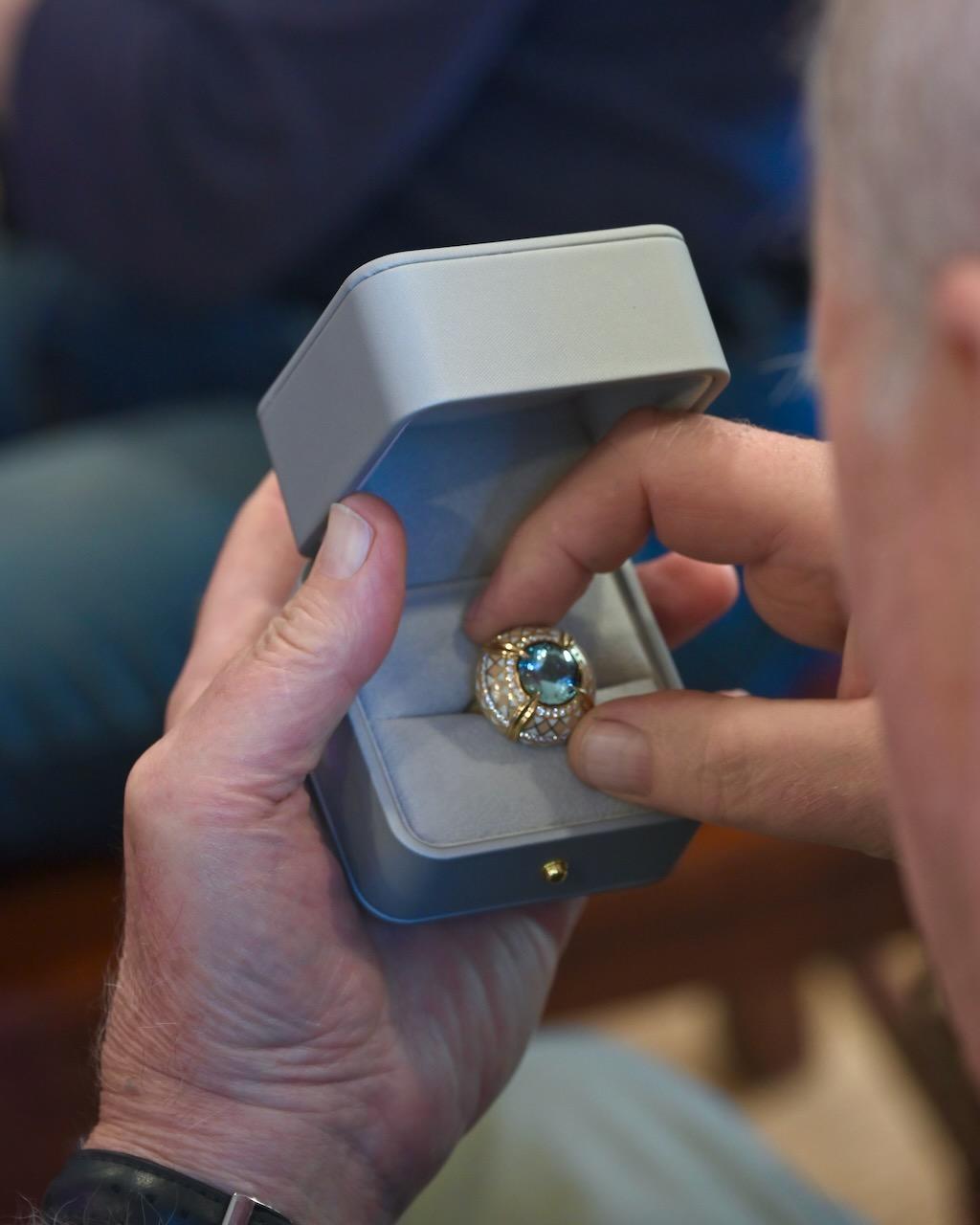
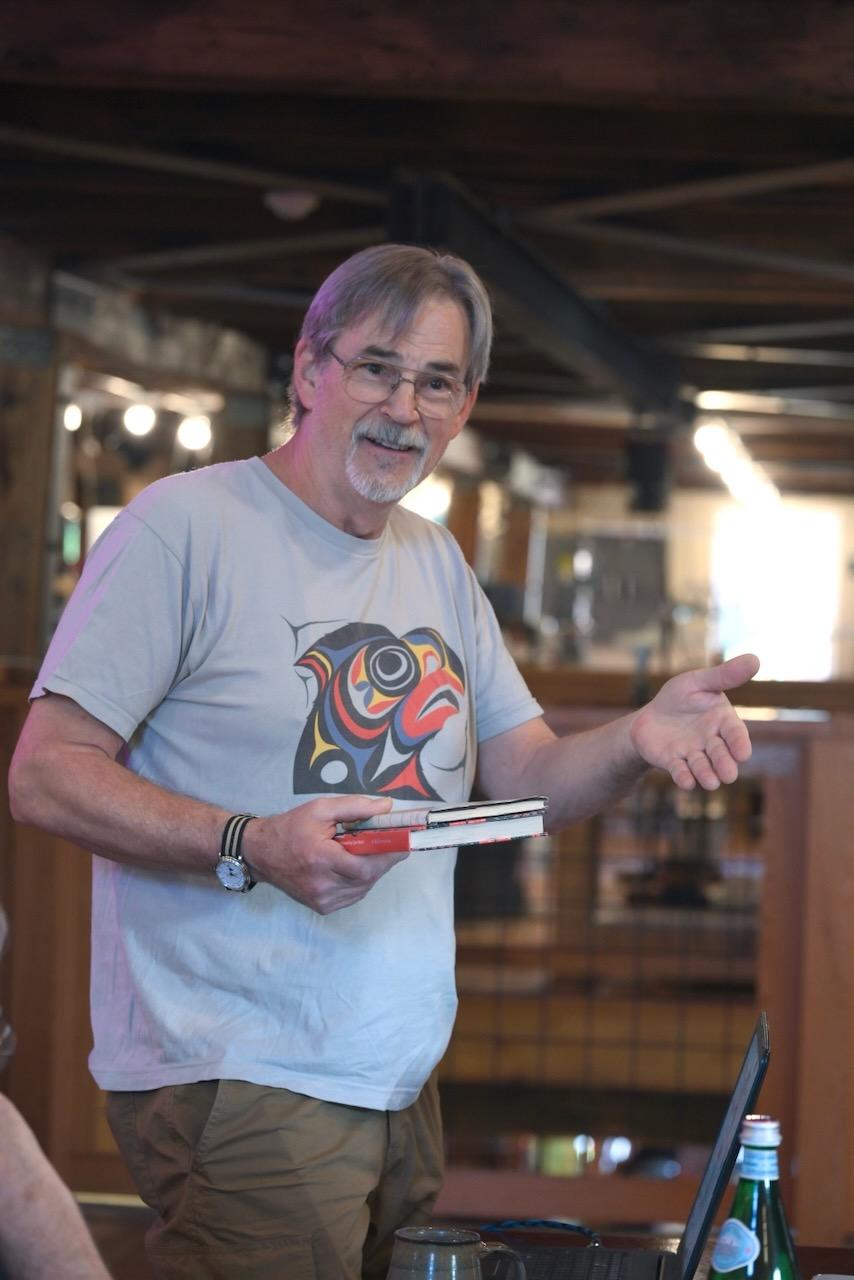
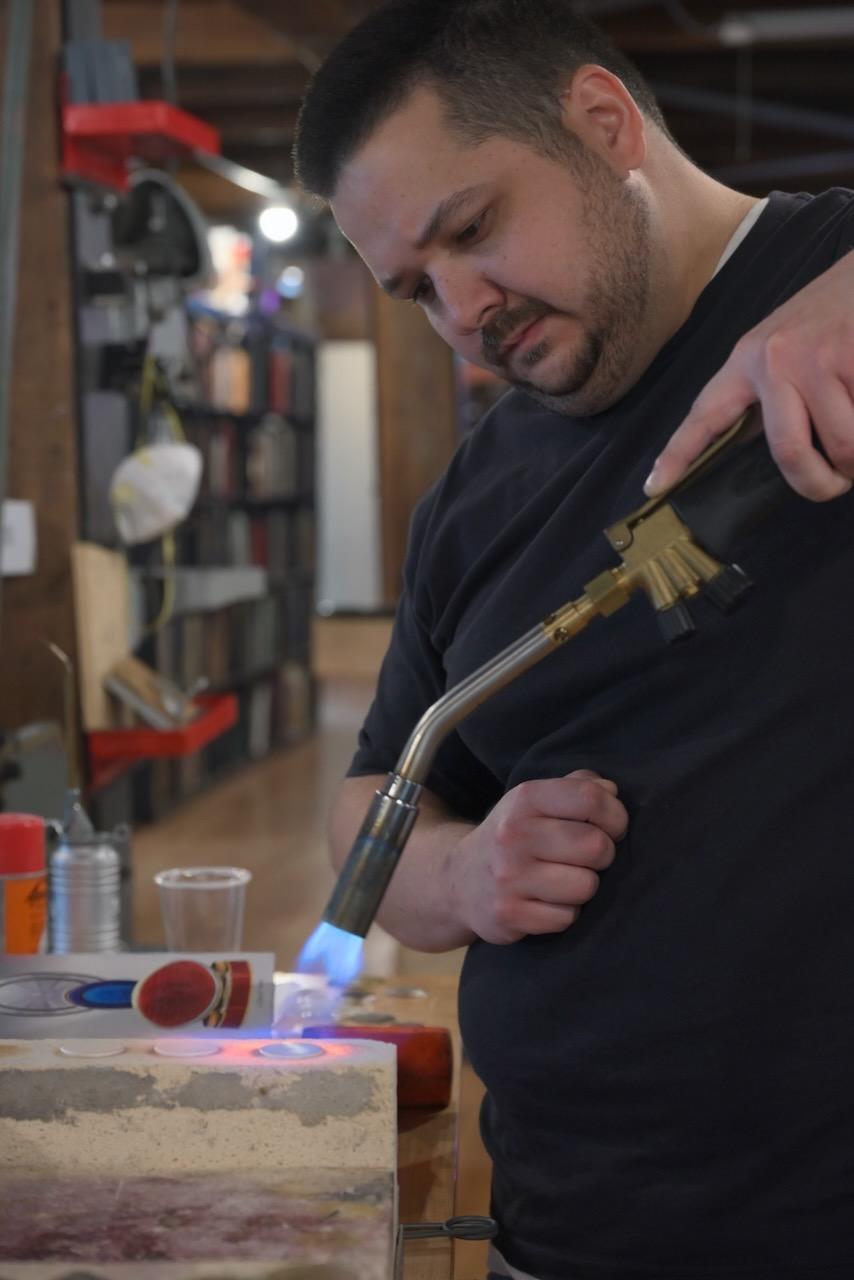
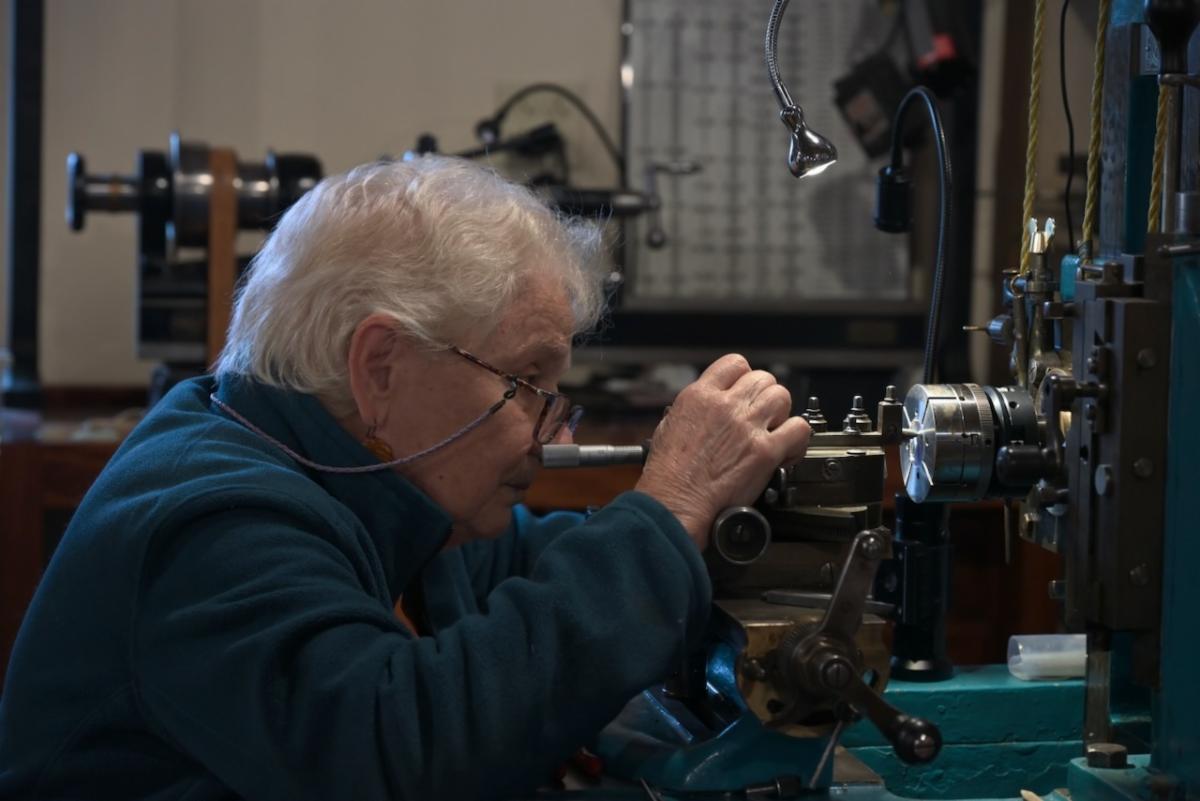
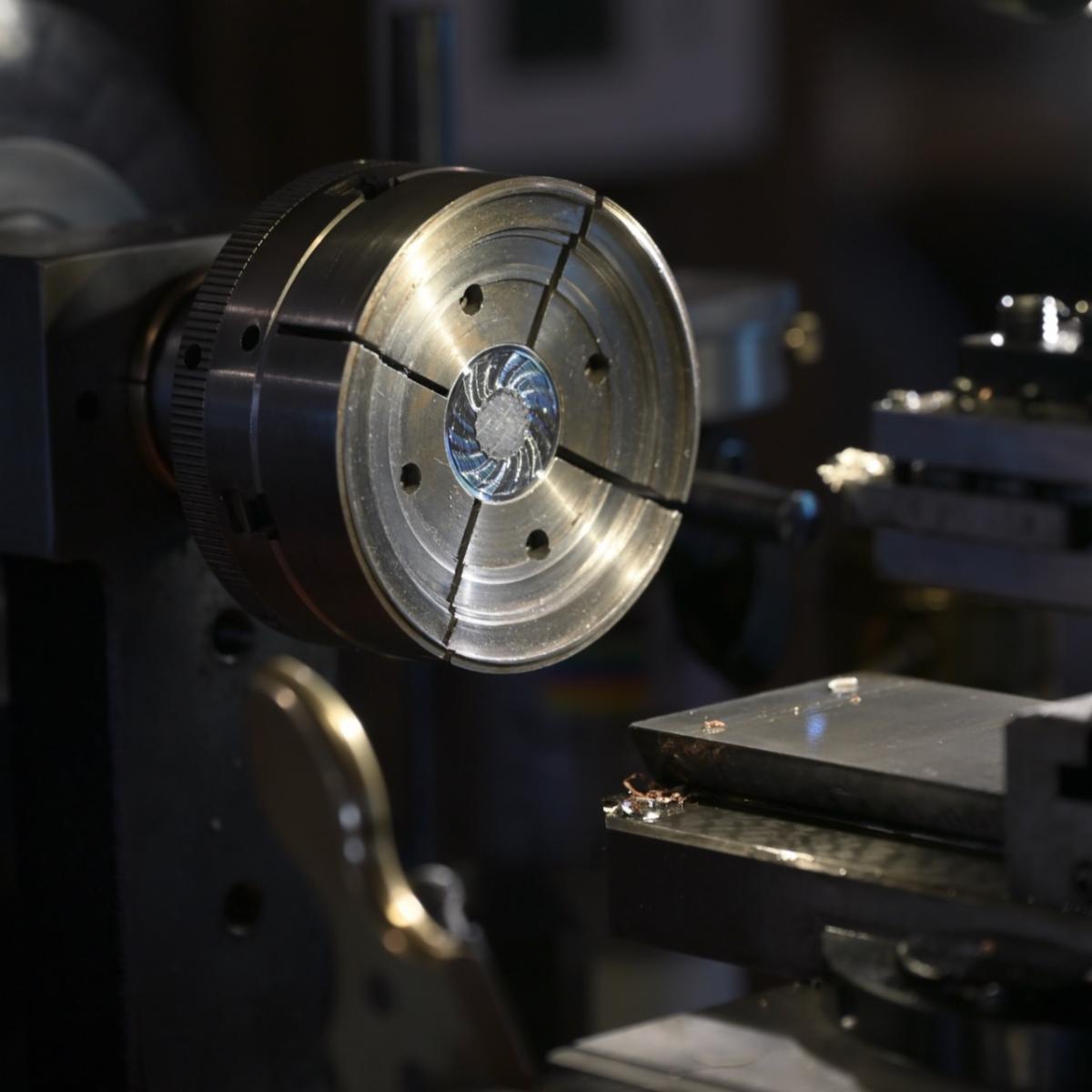
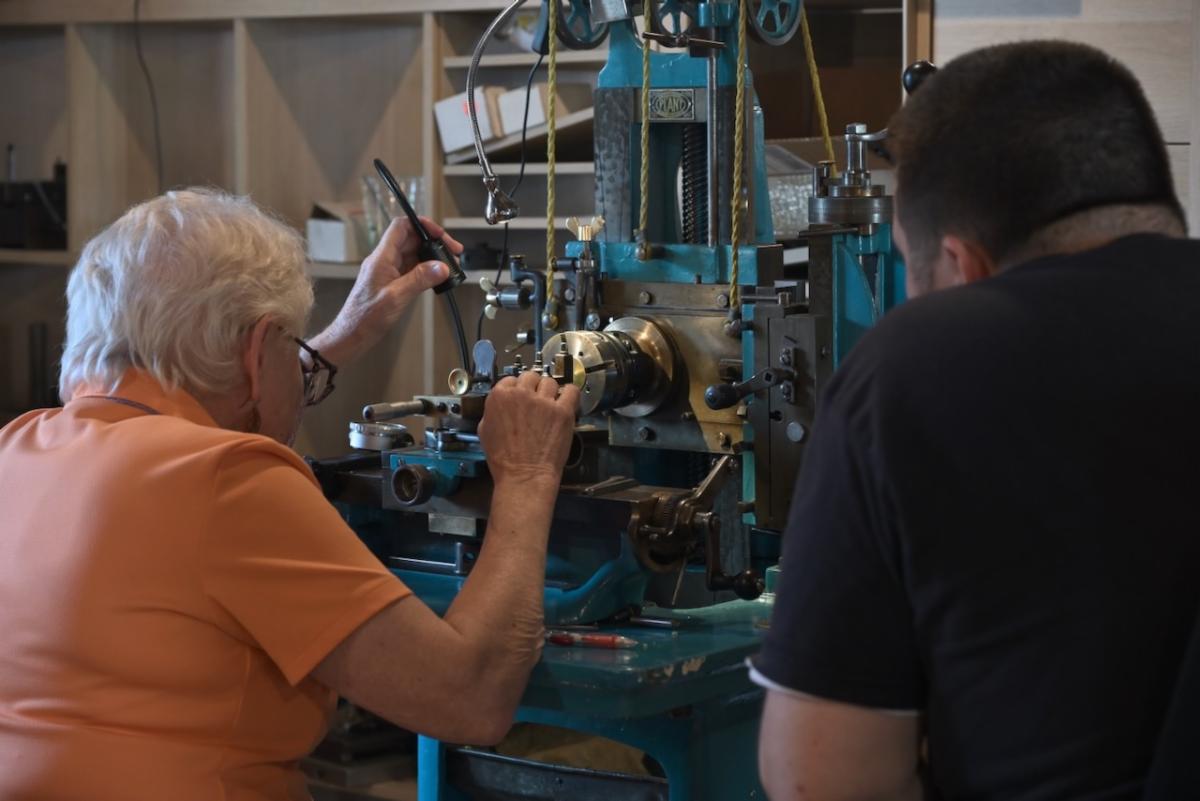
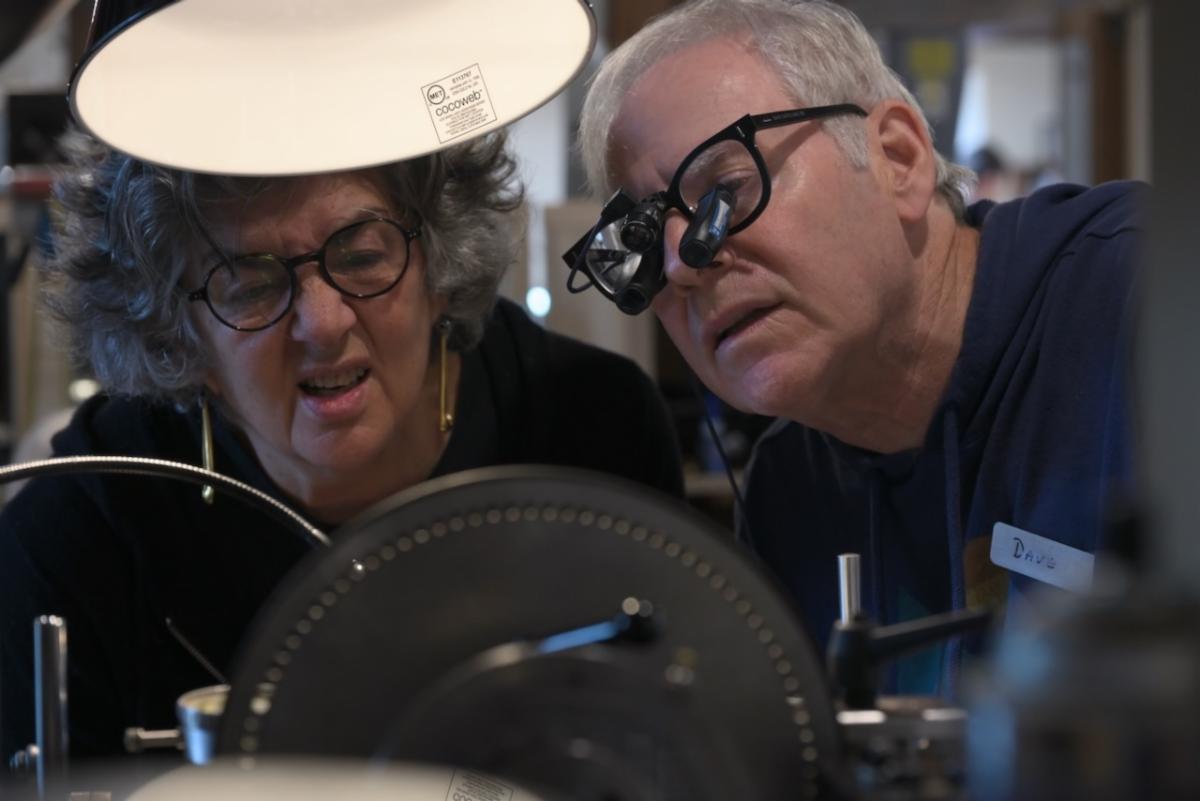
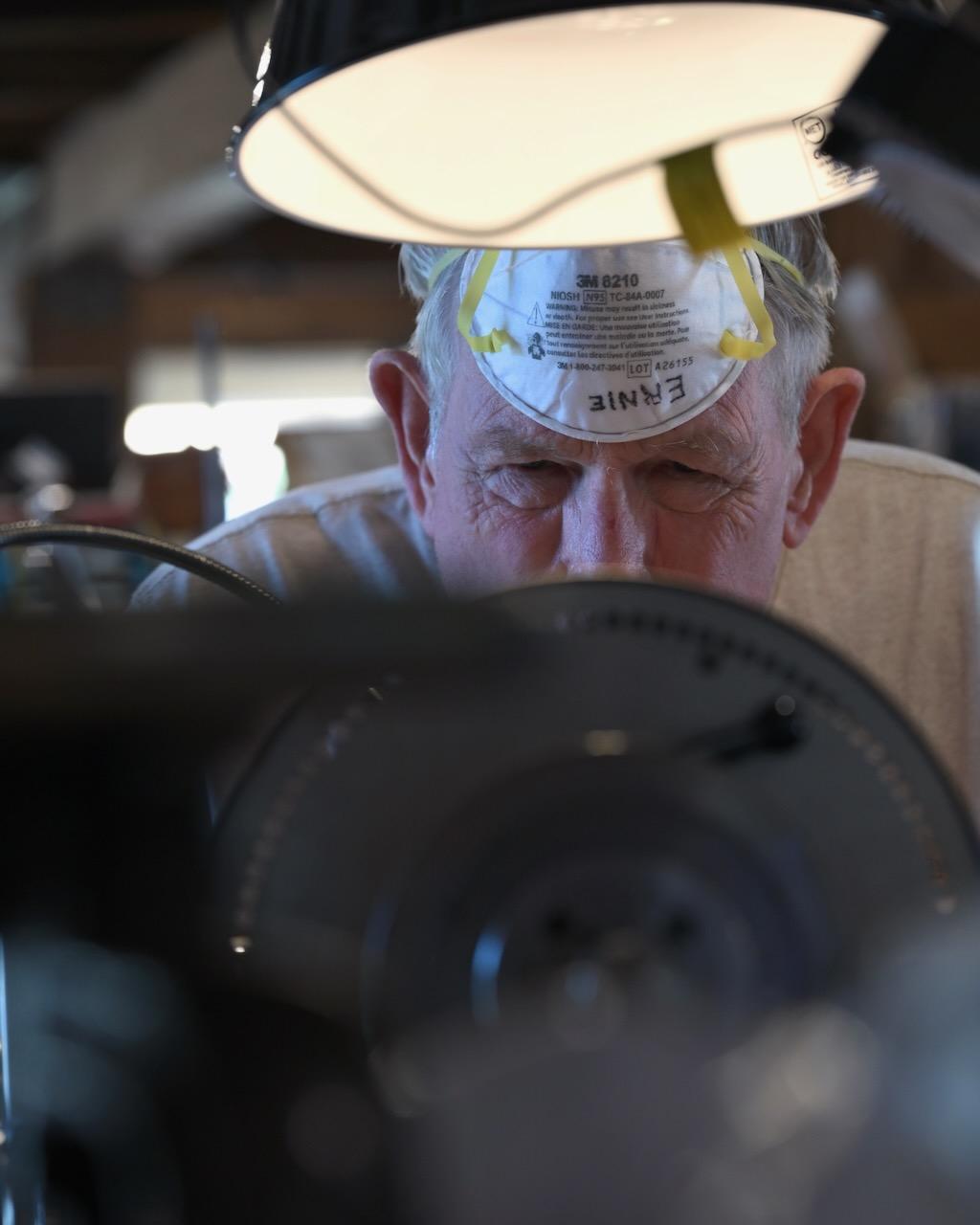
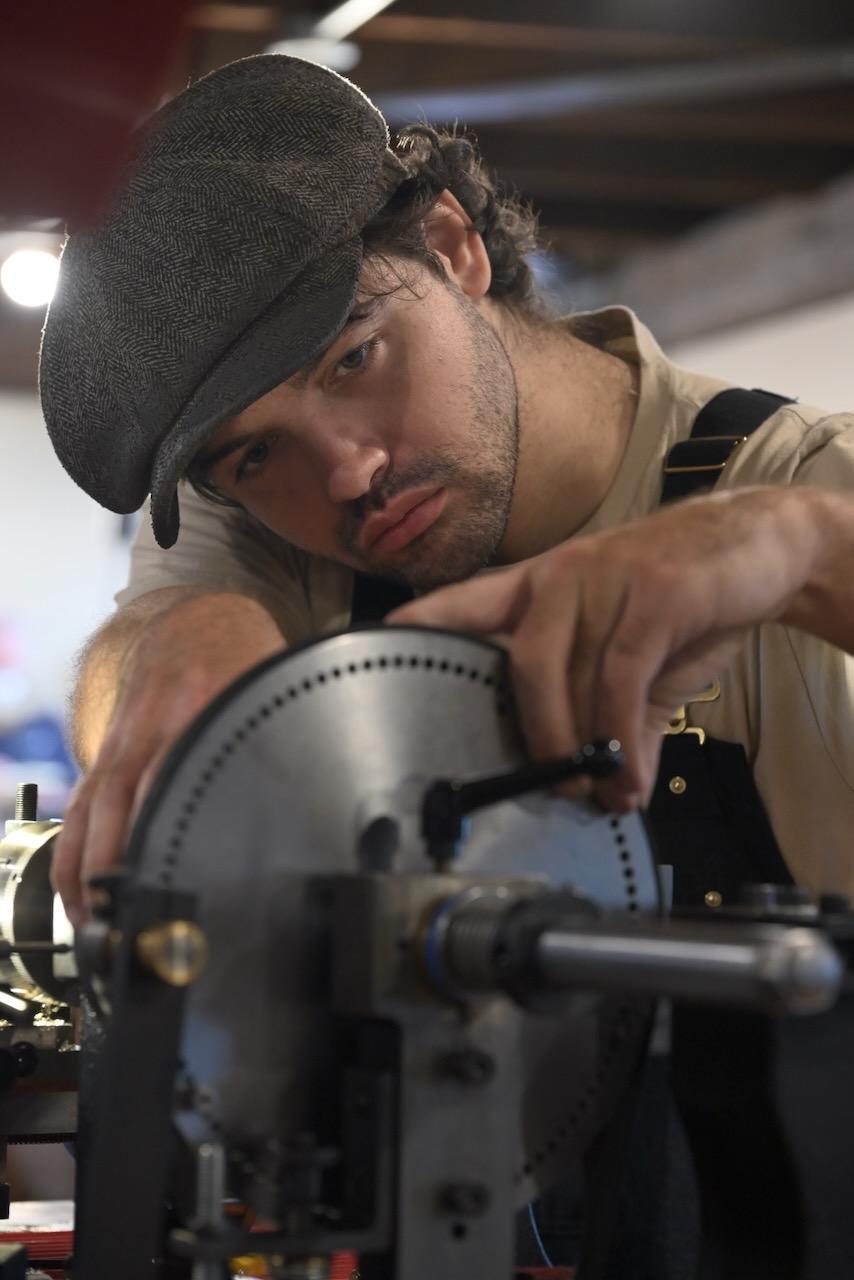
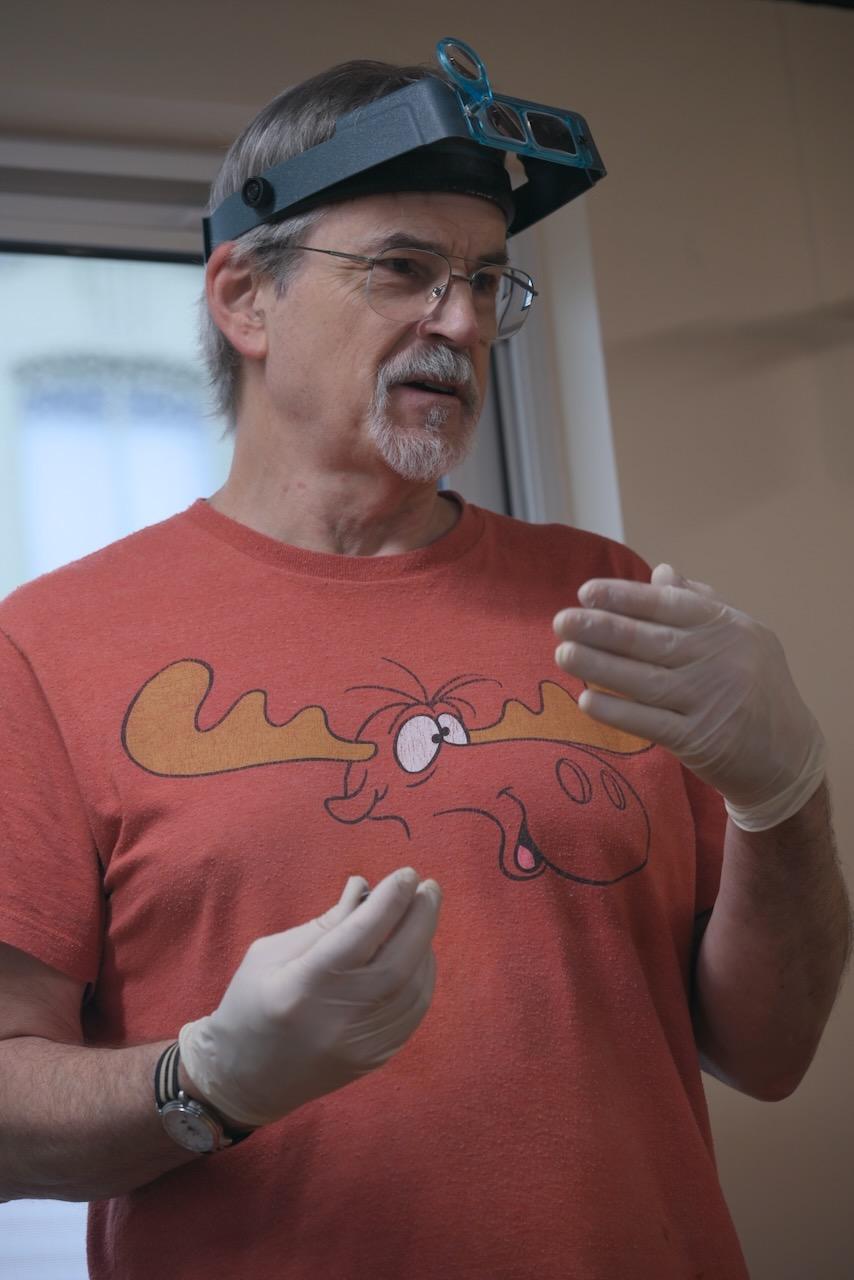
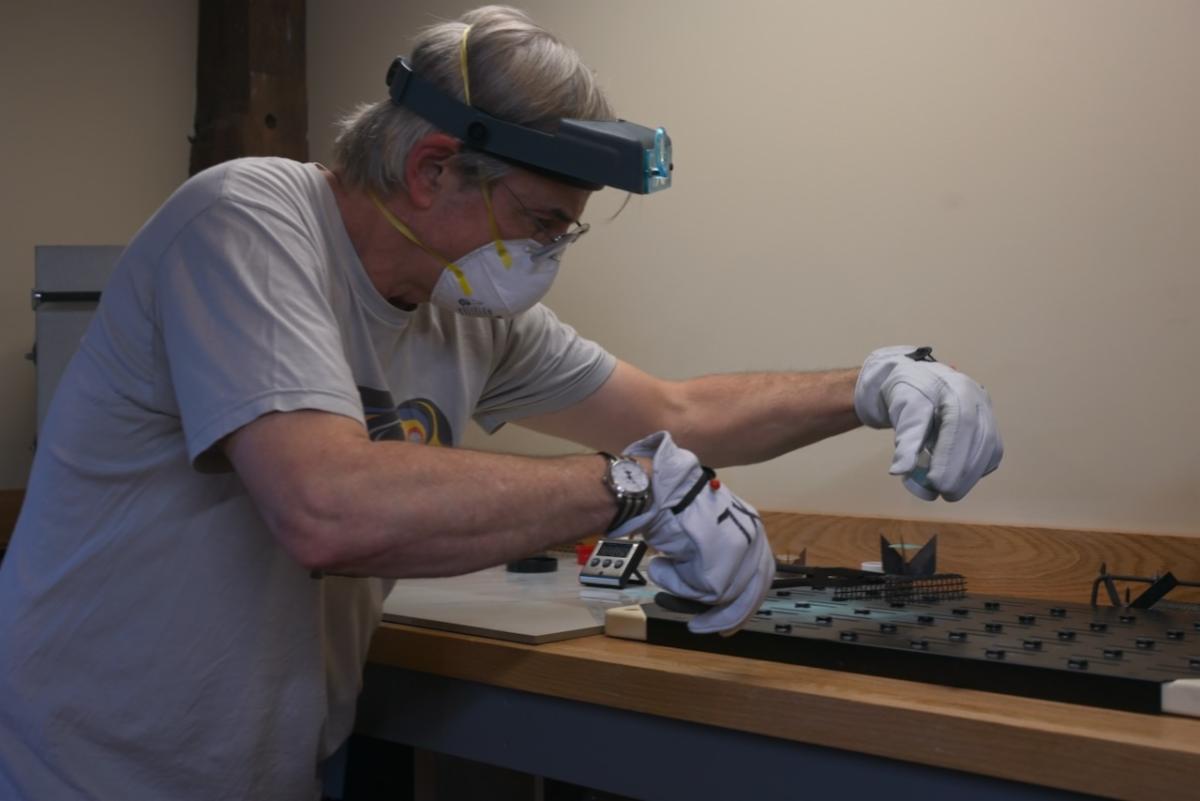
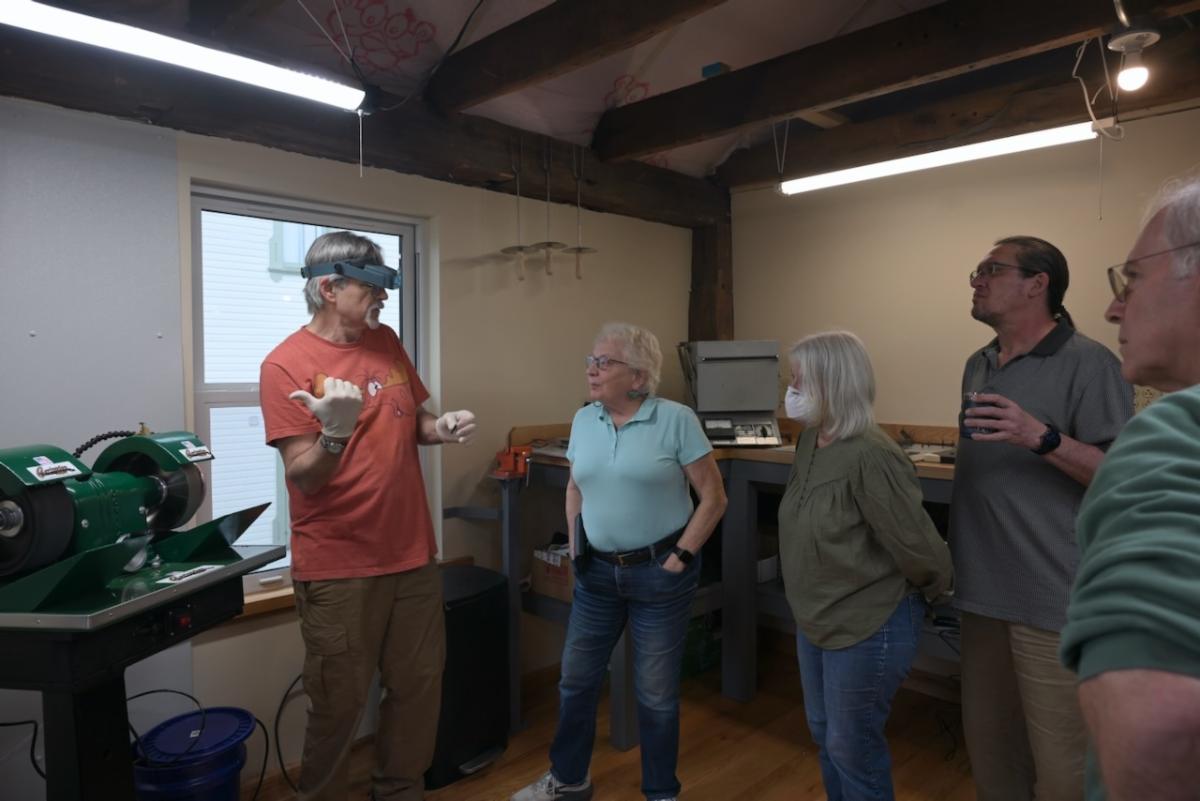
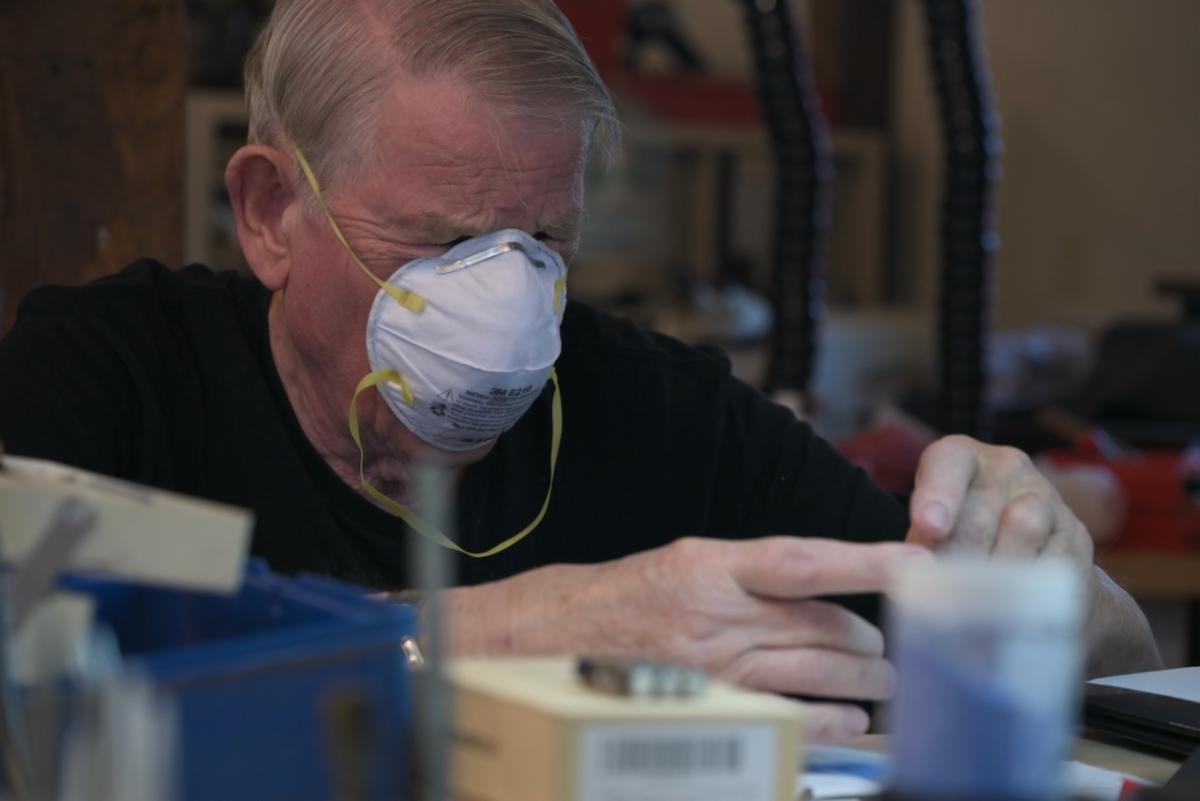
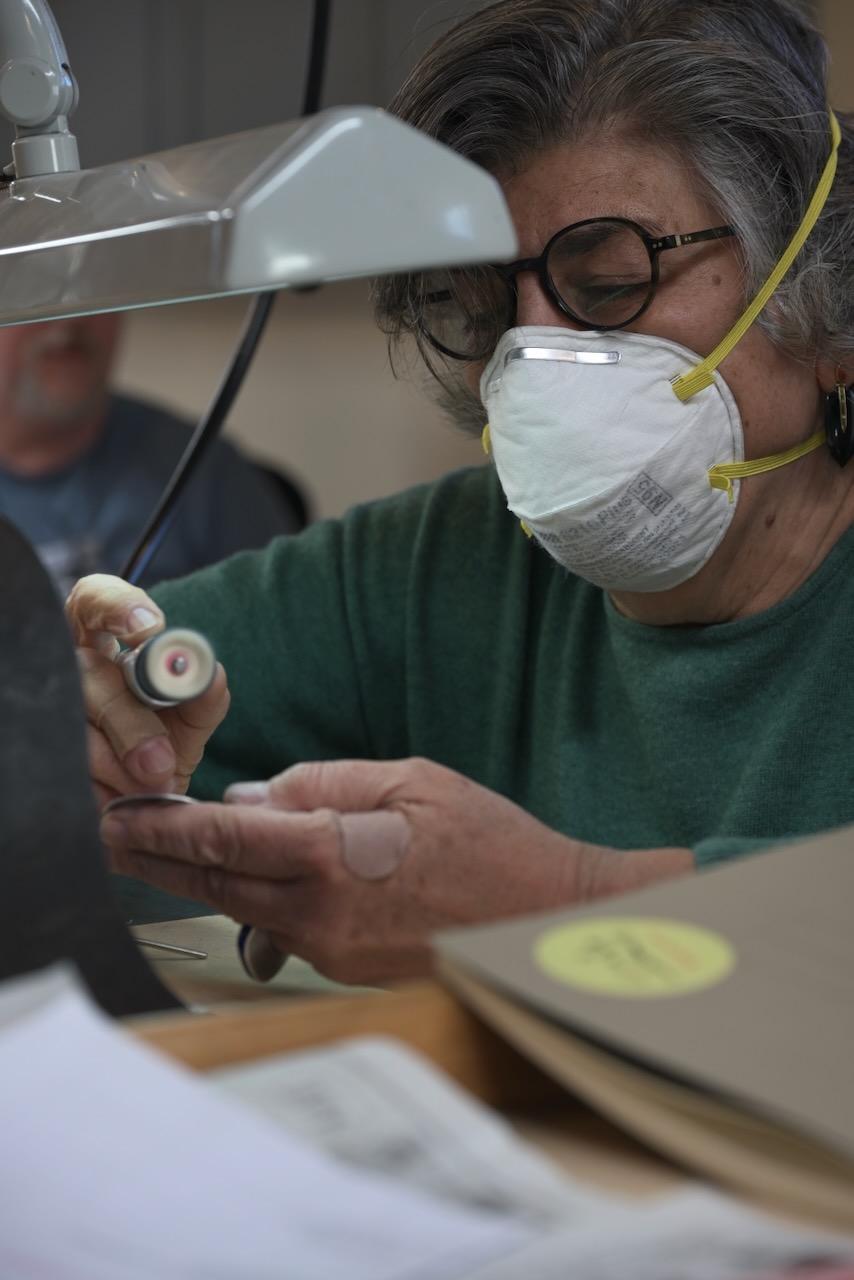
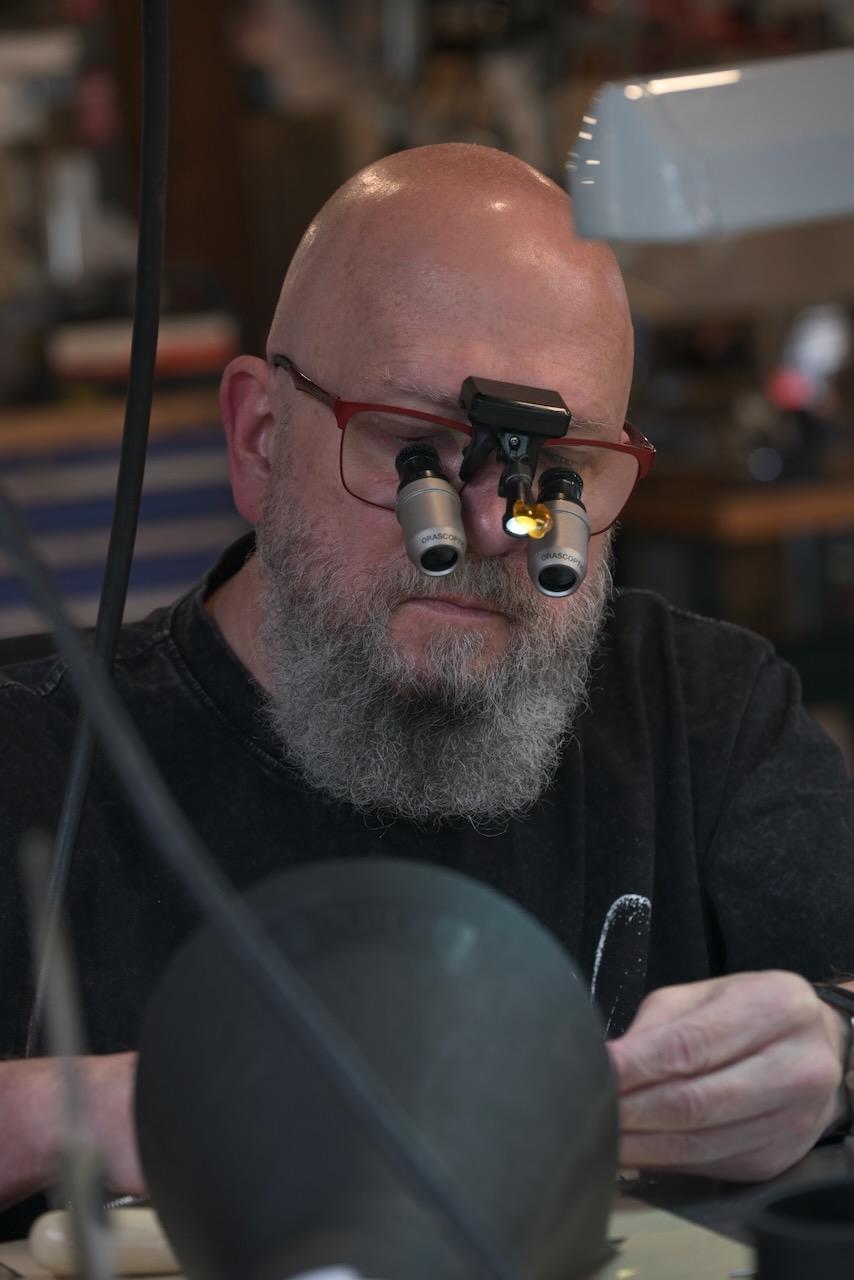
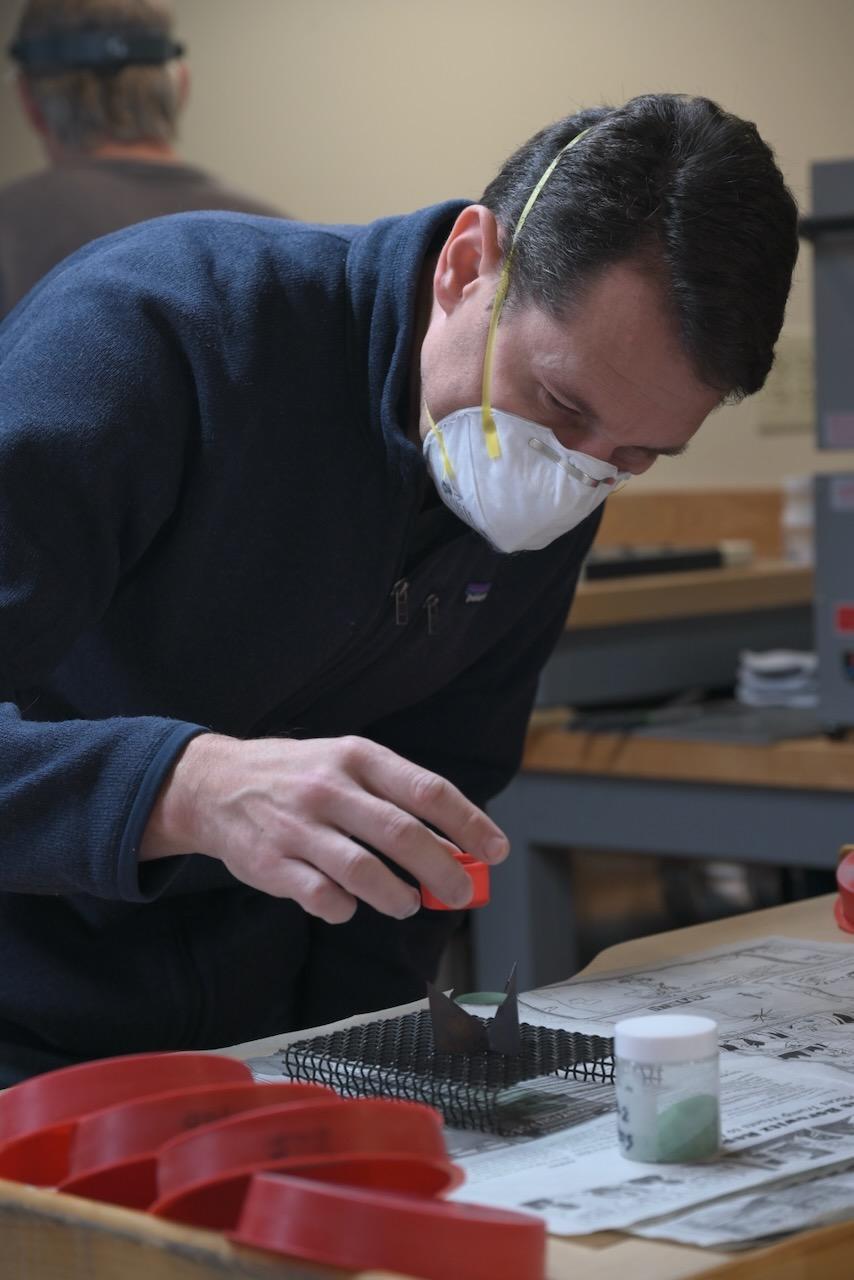
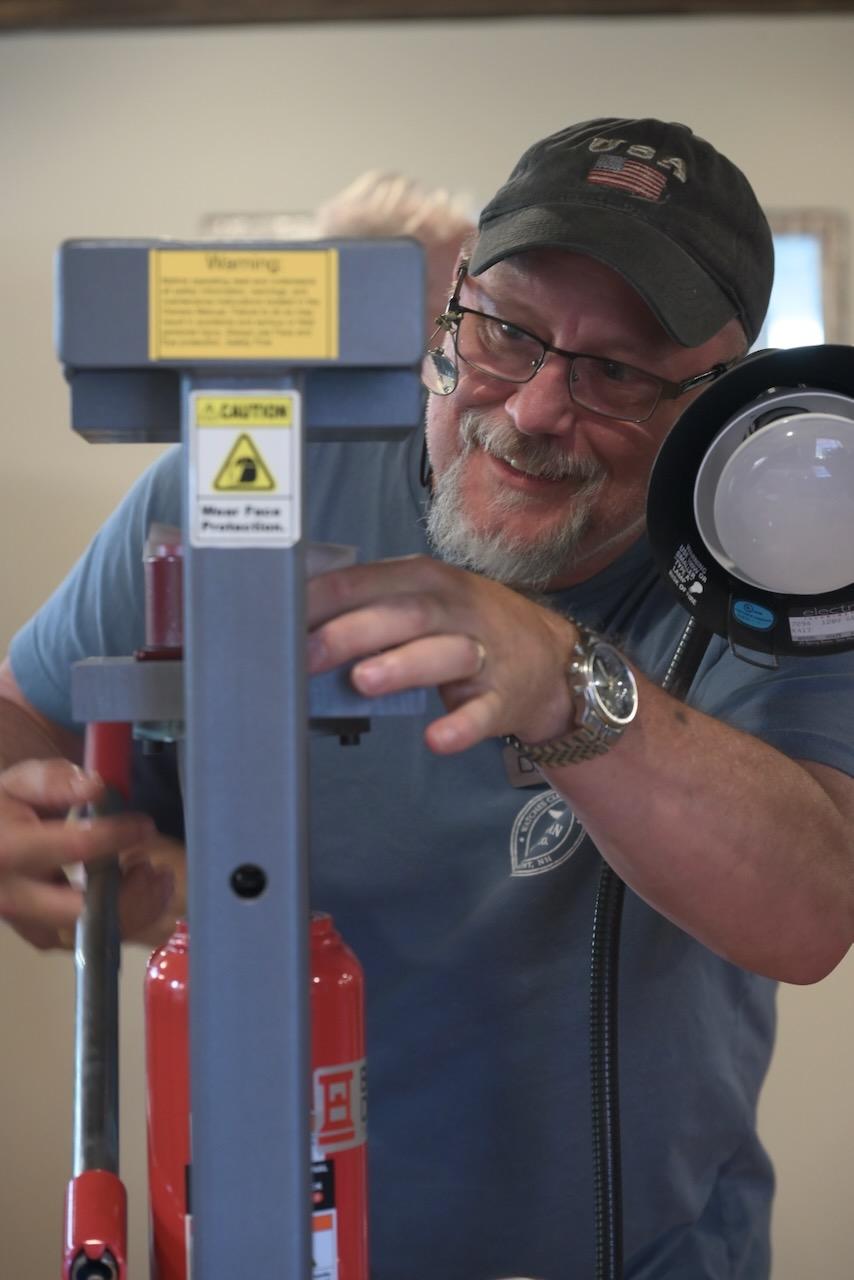
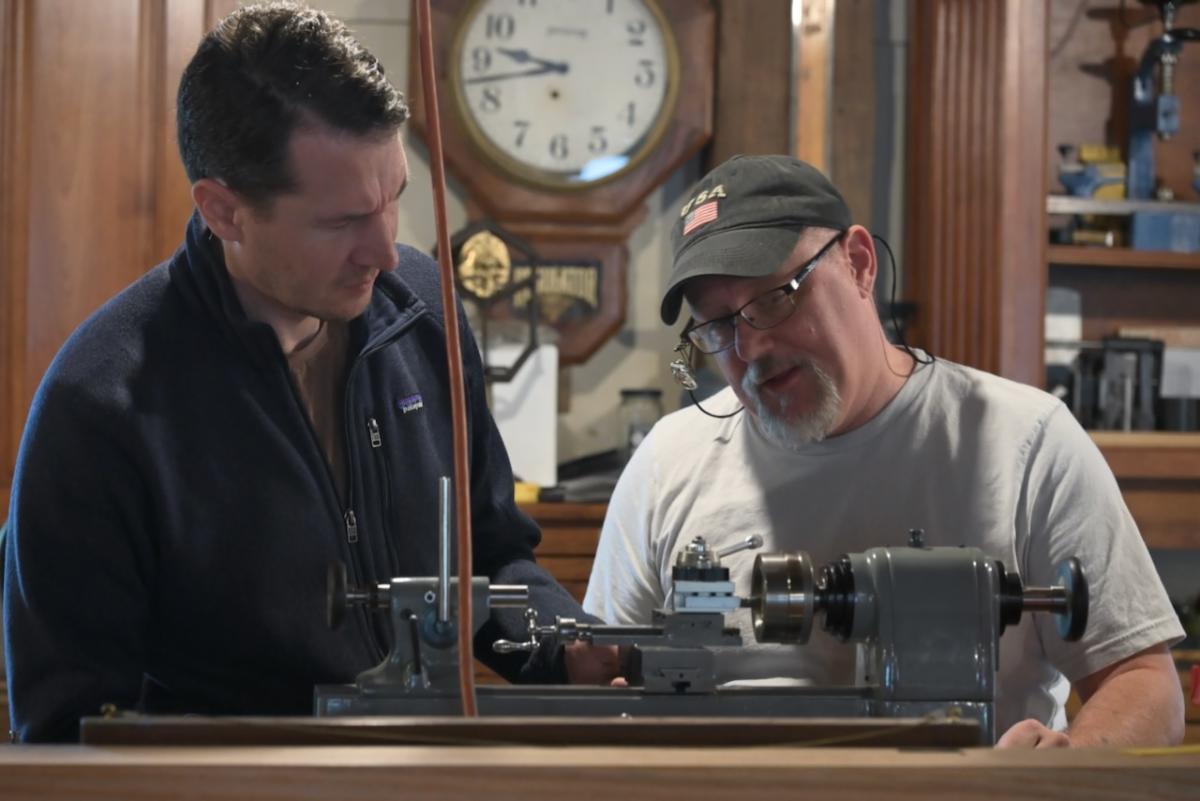
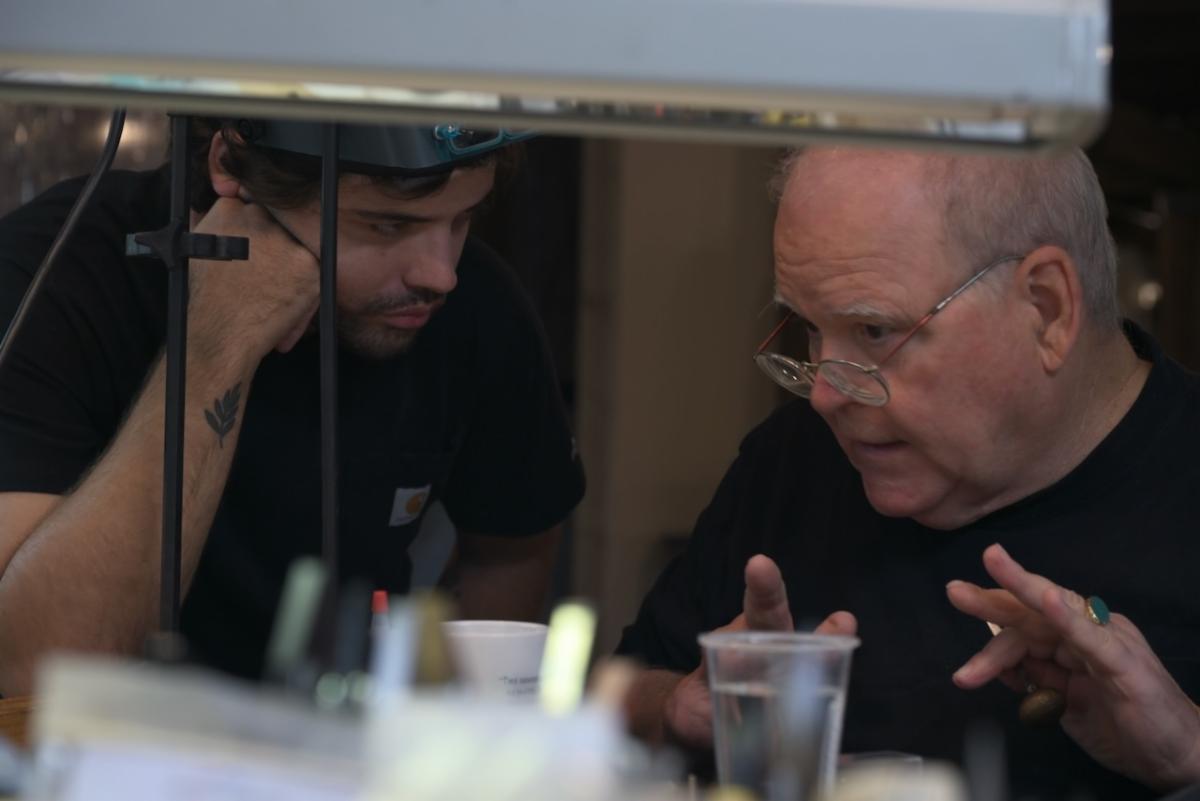
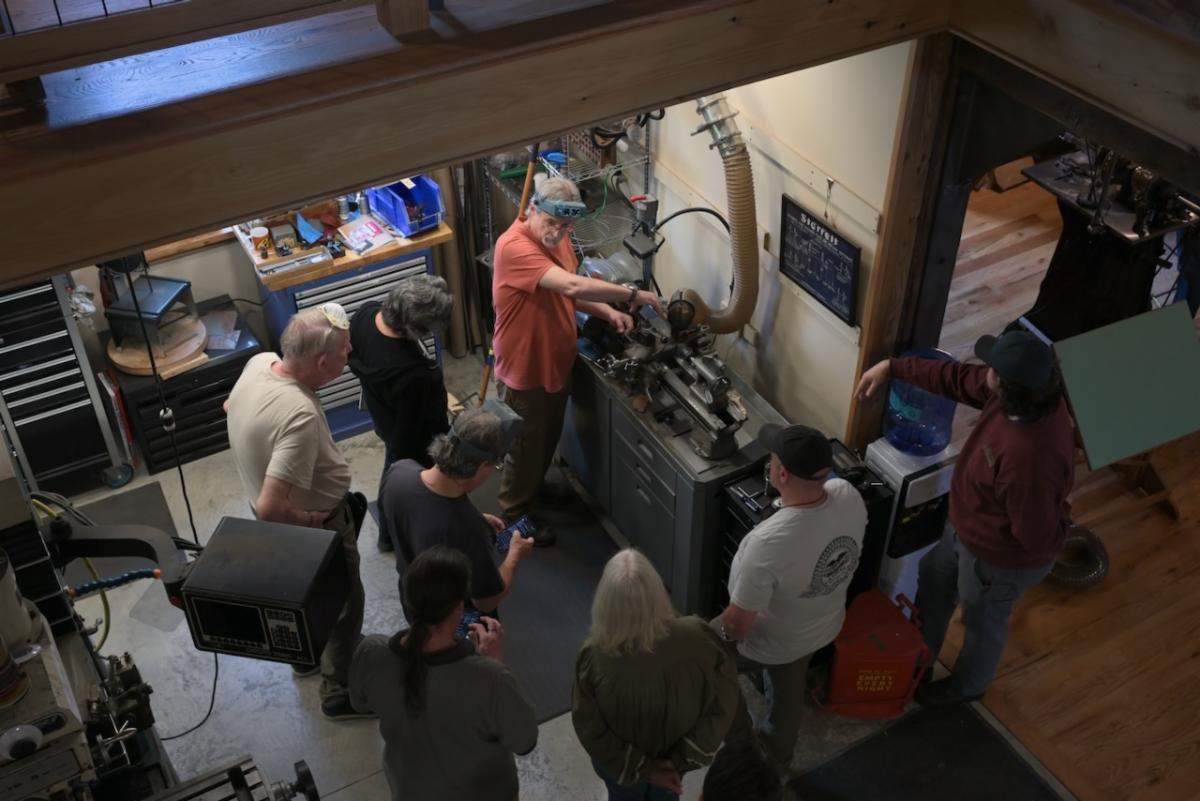
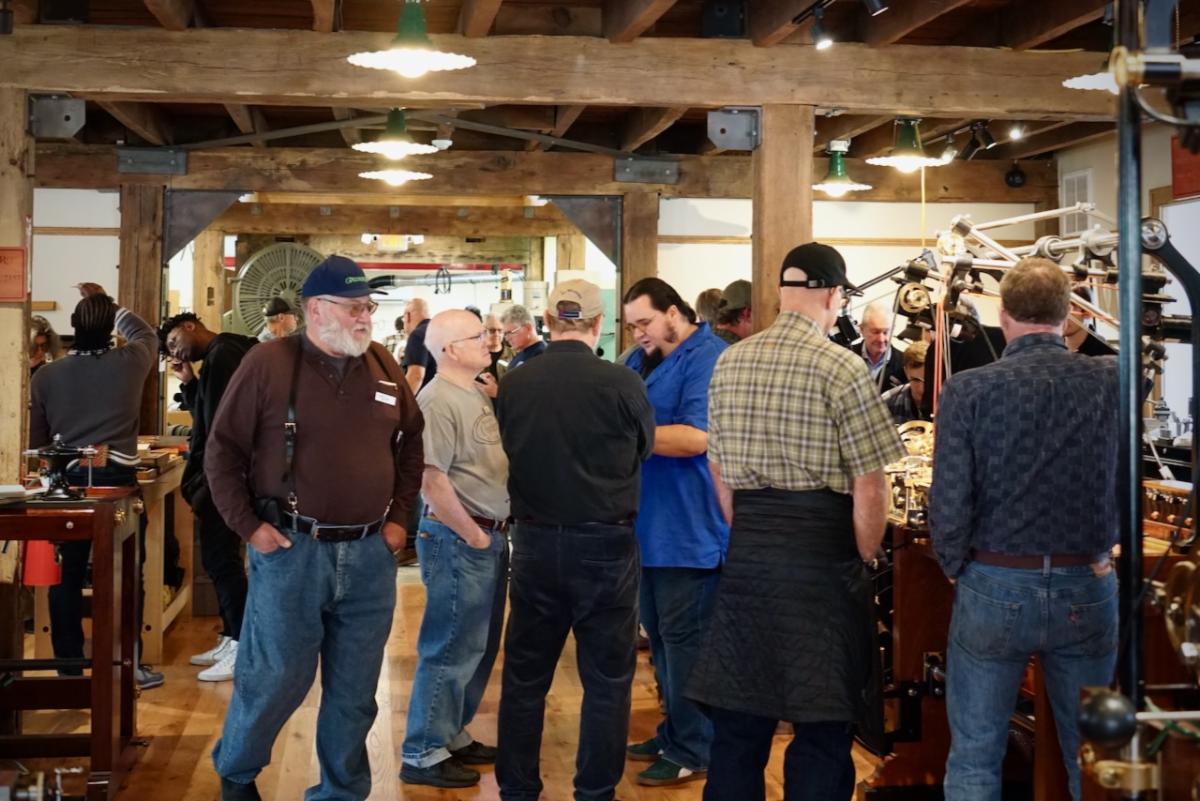
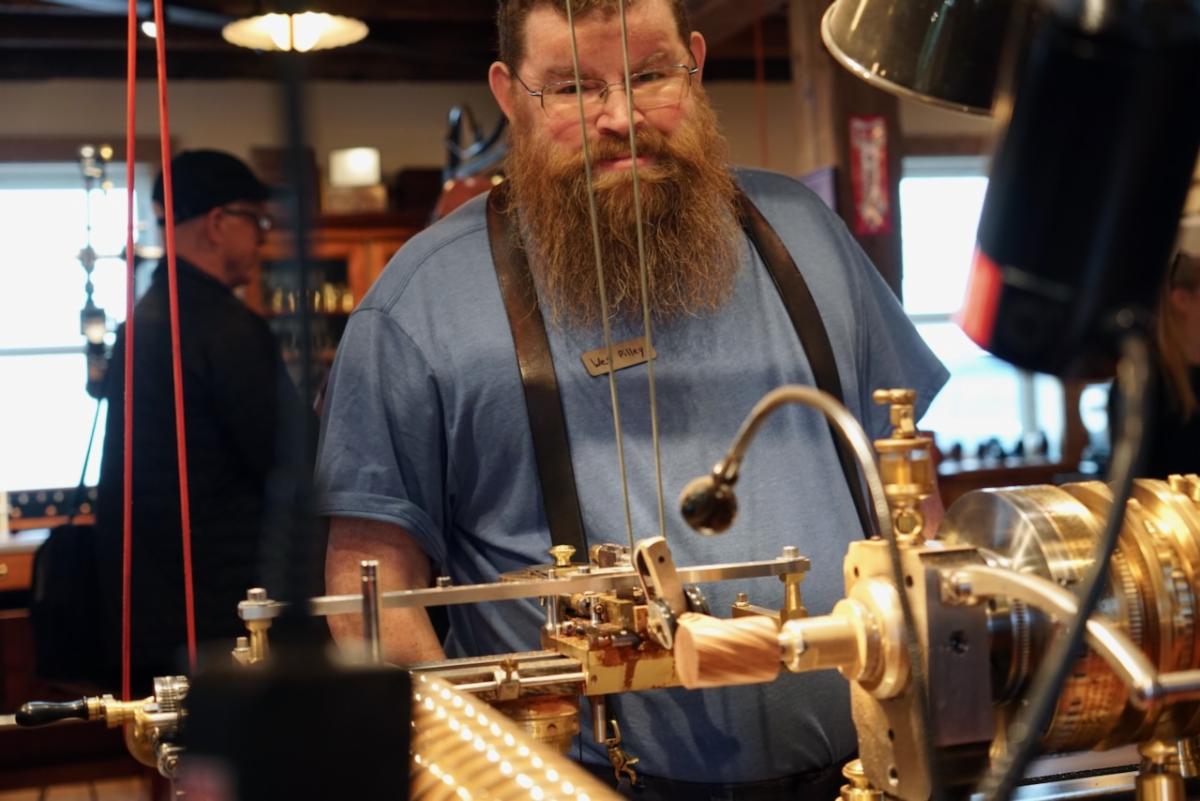
Our Enamel Intensive was a major success! | | While we knew there would be strong interest in the class when we announced it back in mid-June, we were blown away by the response. The class was filled to the absolute max capacity of 12 students within just three days. After a couple of months of preparation and anticipation, the five-day course kicked off on September 14. It was clear from introductions that we had a group of students as eager and excited for the class as we were. While no enameling experience was required for the class, half of the students had either some experience, or a serious background, in enameling. And, if they didn’t have experience in enameling, then they had experience in engine turning. Despite (or perhaps because of) this high level of collective experience in the class, everyone was eager to learn what instructor Bill Brinker had to share. | | The only way to handle a group this big was to divide and conquer. Thankfully, member jewelry Ryan Plummer agreed to come on as a second instructor. Ryan has a lot of experience with both engine turning and enamel work, which was invaluable. Half the class went to work enameling prepared disks with Bill, while the other half dove into engine turning with Ryan and David. This way, Bill could go through his entire enamel process from start to finish with each student in a smaller group settings. With the bottlenecks of physical space in the jewelry studio and the two kilns, this was essential to success. | | Champlevé ring by Ryan Plummer | | Bill presenting some of the available enameling literature | | Ryan annealing silver blanks | | | | While engine turning was not necessarily the main focus of the class and most of the students had some experience, the divide allowed for some more advanced instruction on both the straightline and rose engines. Students were able to explore the anatomy of patterns and the finer particulars of a good surface finish. It also gave students plenty of time to experiment on brass before committing to one of the silver blanks for enameling. | | |
Bill made it very clear from the beginning of the class that, while there are many forms of enameling and different ways to do them, he was going to be teaching his own method based on his experiences and his successes. This distillation of the good and bad literature, countless trials and errors, and hard-earned process behind true masterpieces of the art form is what made this class special—and this group of students recognized the value of this opportunity. In another time or place the tricks that Bill was sharing would be closely guarded trade secrets. However, that is not Bill. He embodies the same spirit of the Plumier Foundation’s mission and decided it was time to share what he has discovered.
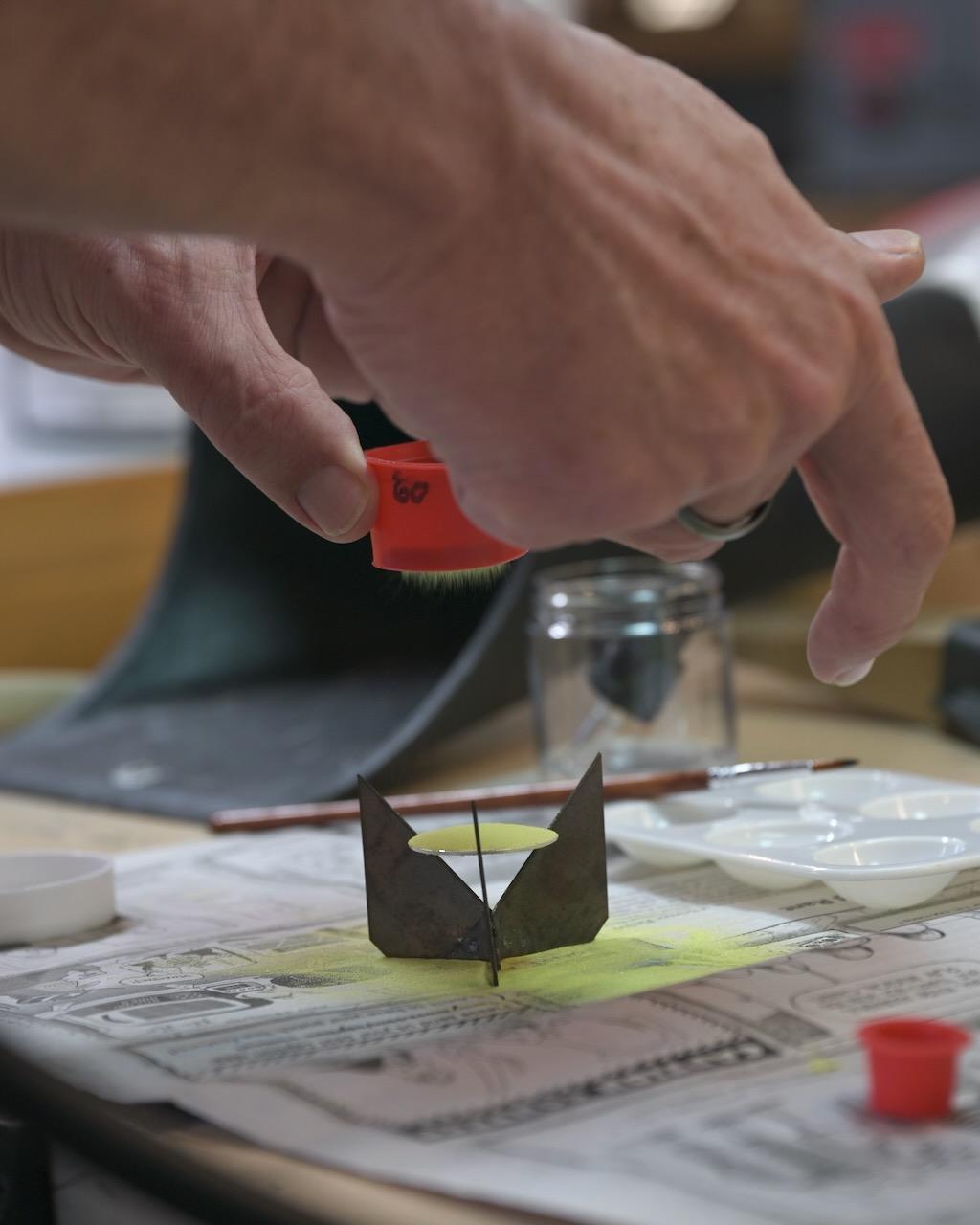
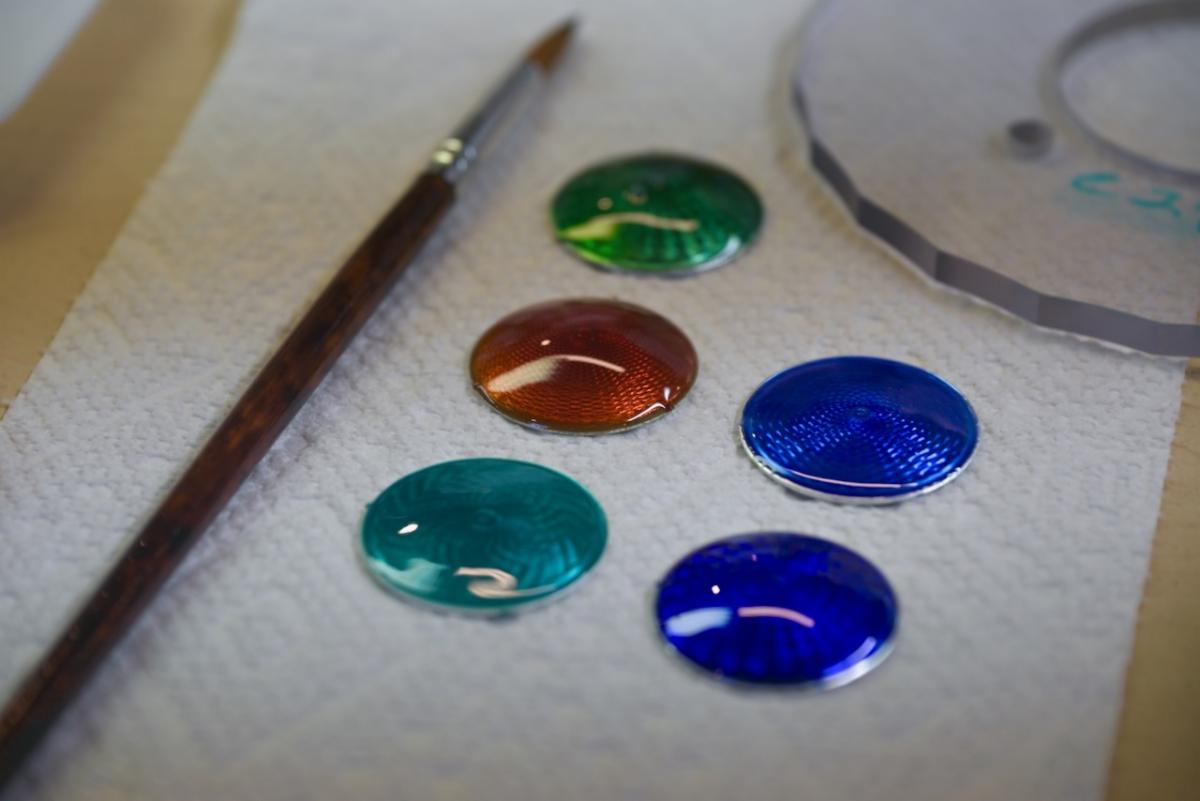
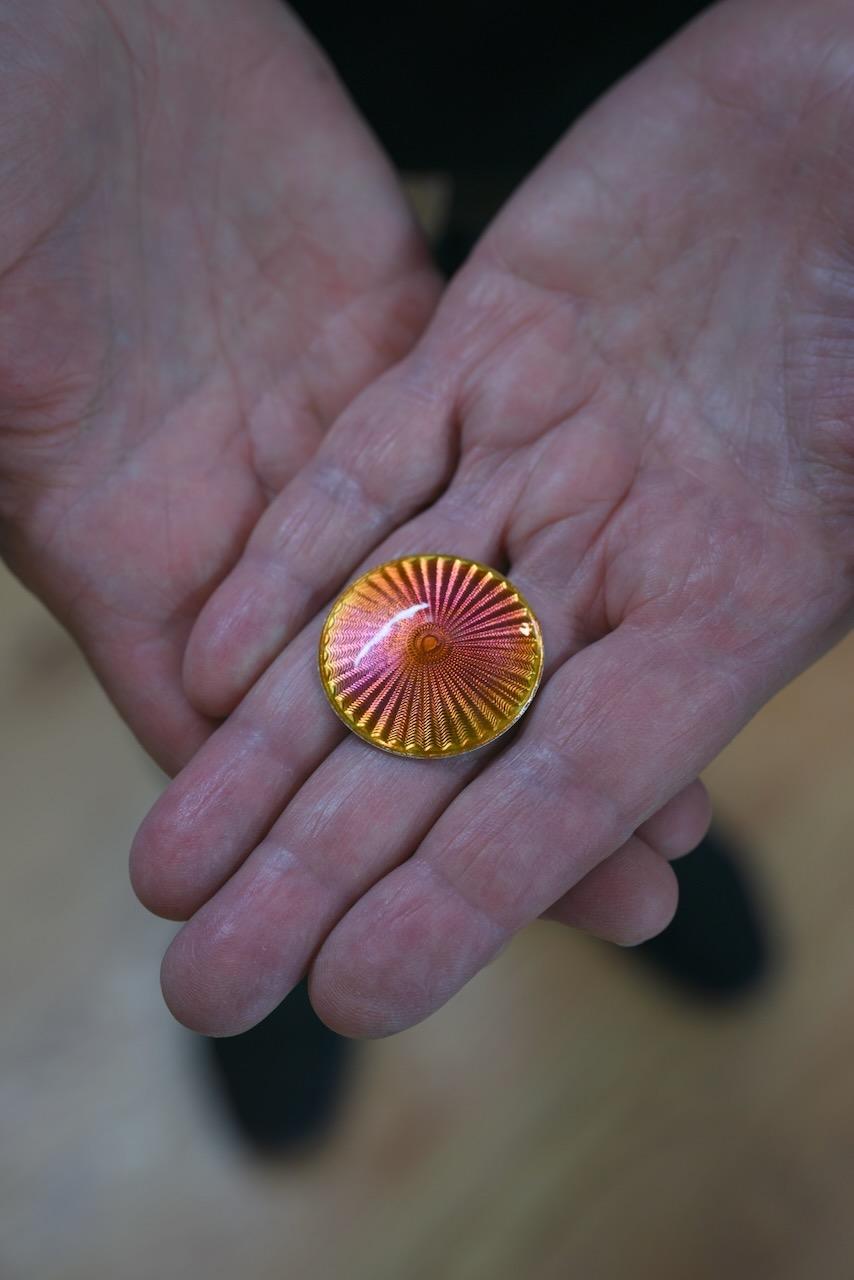
| | Getting to the meat and potatoes of the process, the curriculum cut through many of the variables to maintain narrow, in-depth focus. The lesson was strictly on traditional guilloché enamel, or transparent, vitreous enamel over engine turning. Perhaps the biggest difference from Bill’s process versus other enamel classes is that Bill does a dry sifting application, while many enamelist do a wet application. The class also stuck to fine silver as the base material and the form of slightly domed disks. This greatly limited the variables while Bill explained each choice in detail, along with some of the merits and issues with other processes. | | | |
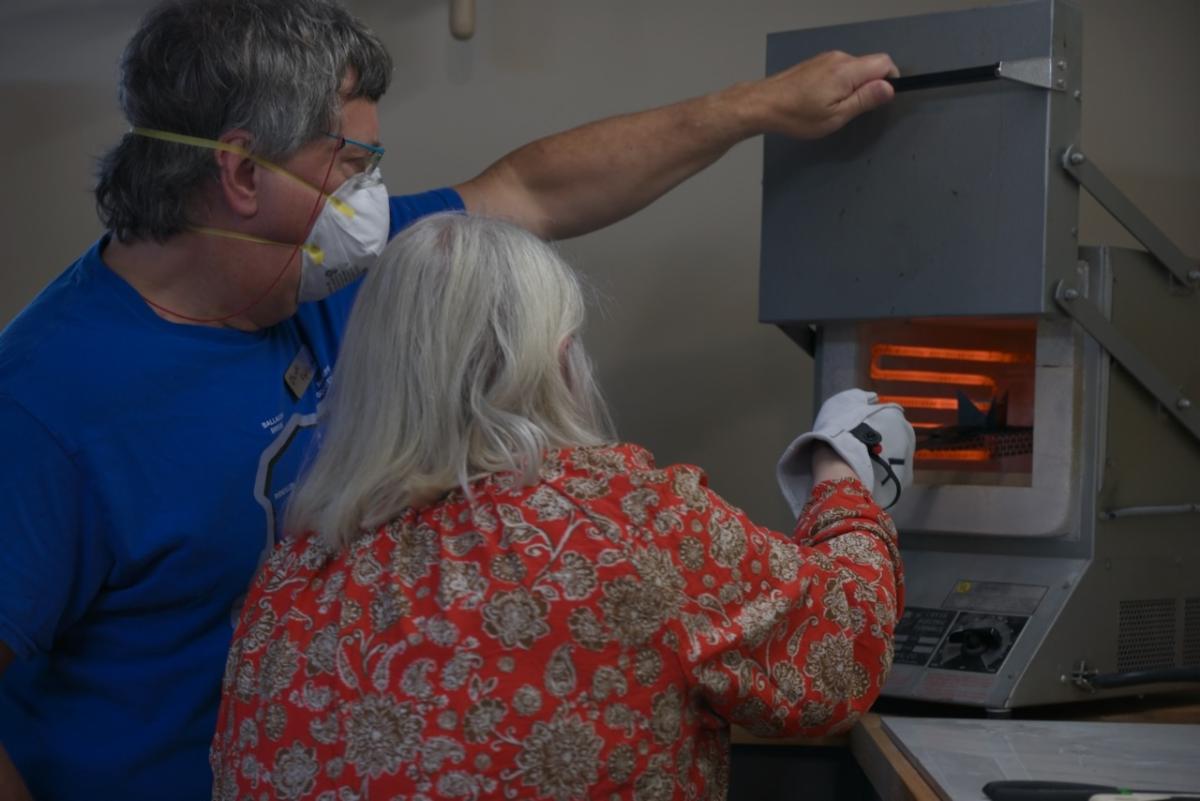
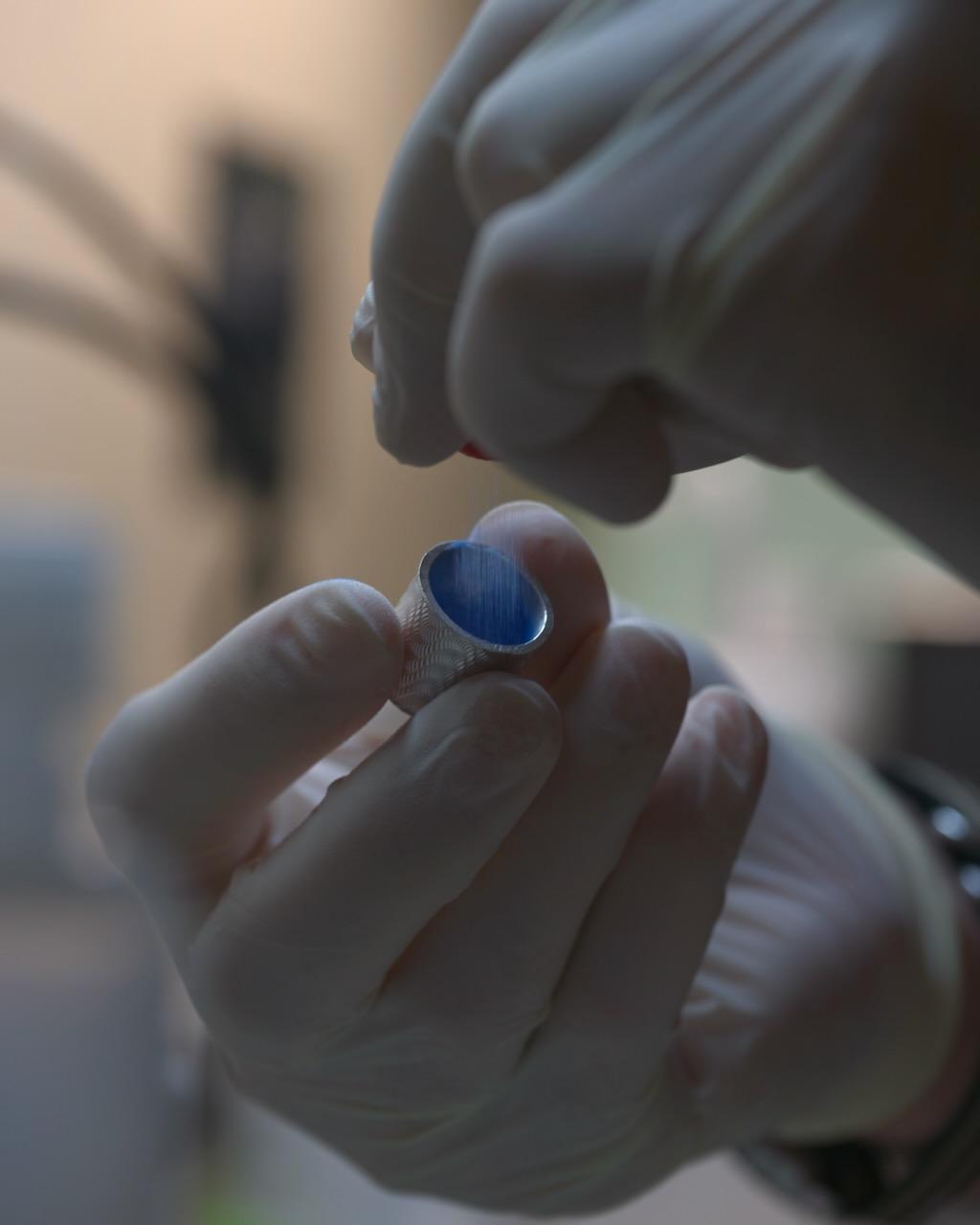
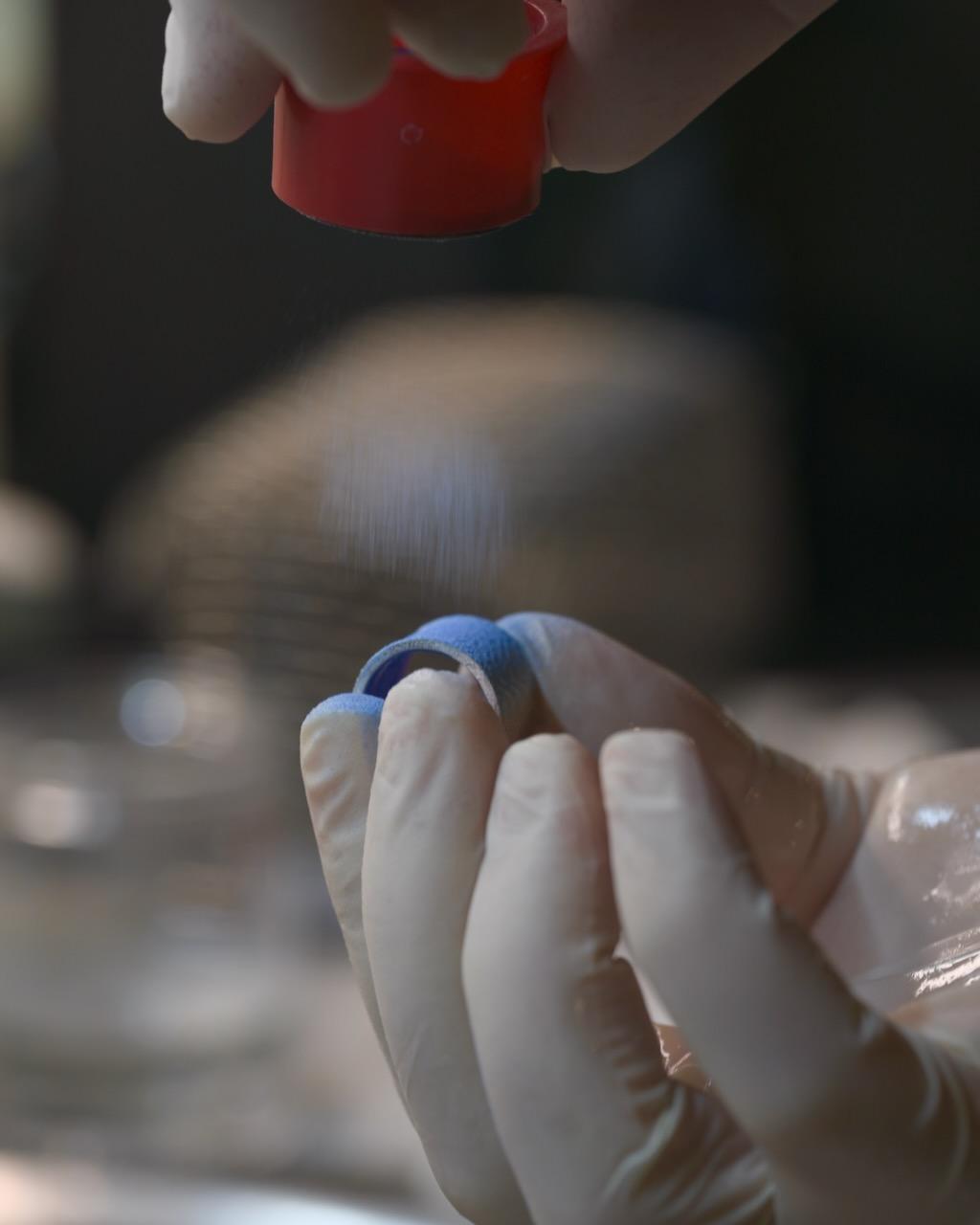
With each group of students, Bill went through the whole process. Starting with how to safely handle and work with powder enamel, Bill demonstrated preparation of both the enamel and the silver blank for application. He then showed the sifting application, firing, and counter-enameling—along with some tricks along the way. After Bill had gone through the process, the students were ready to try for themselves.
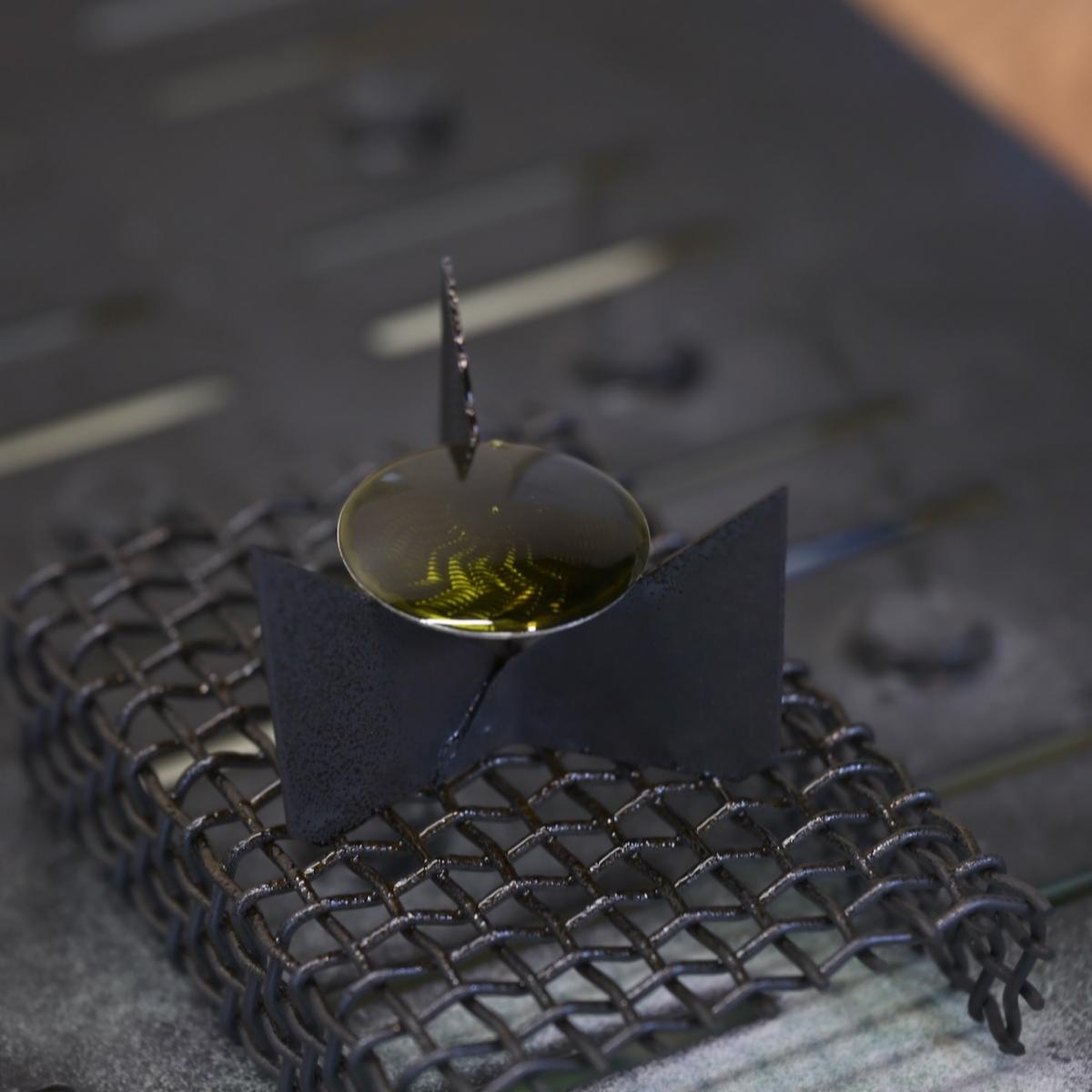
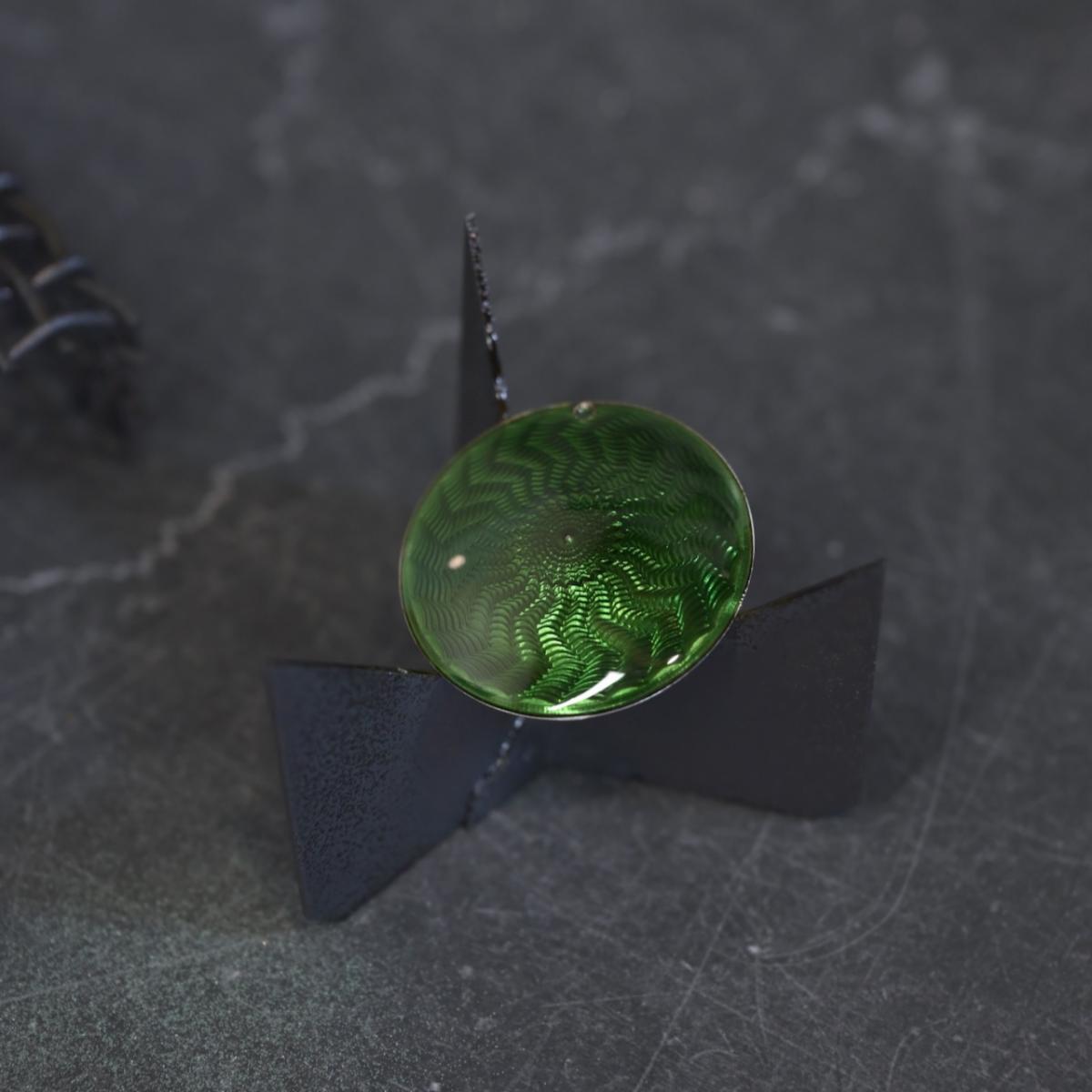
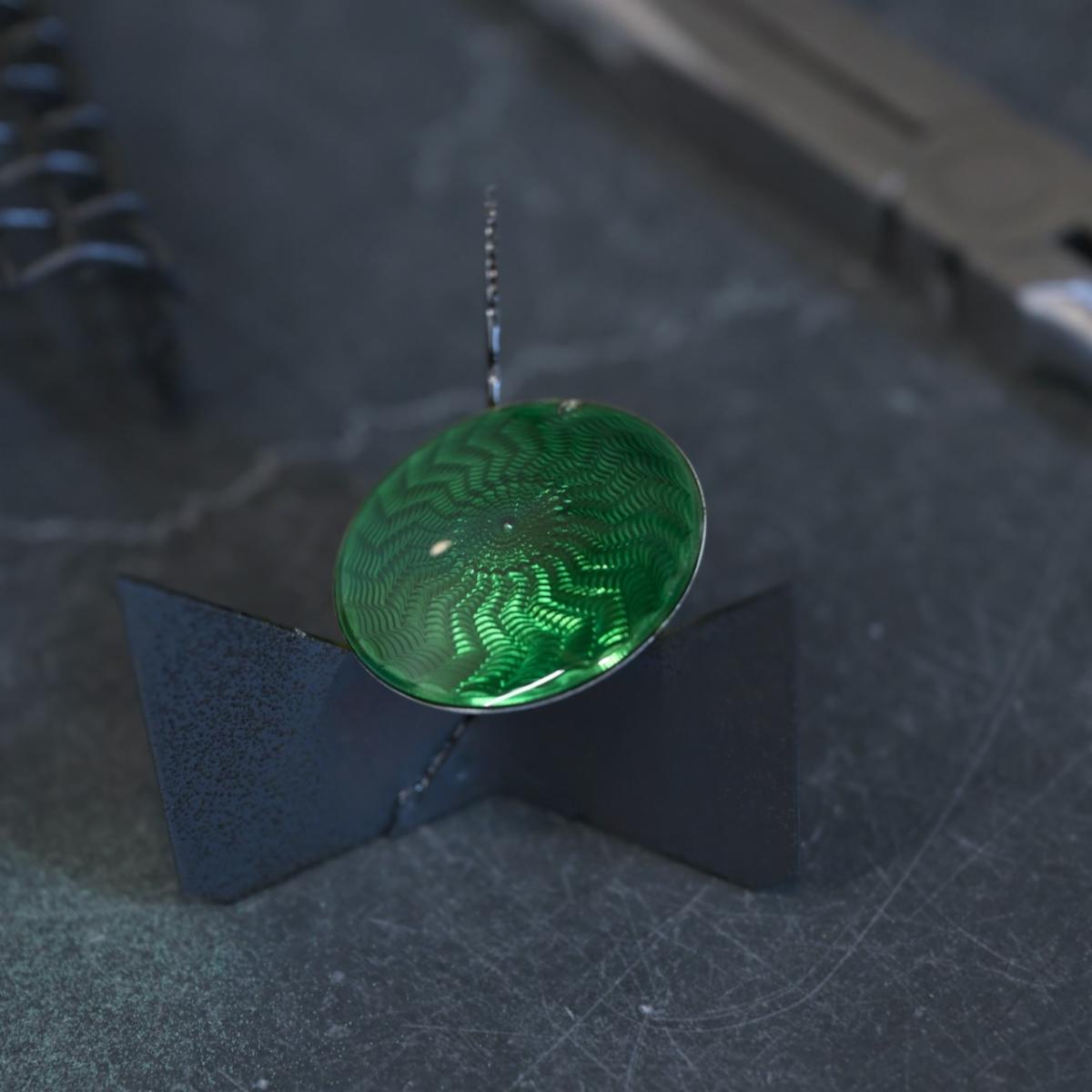
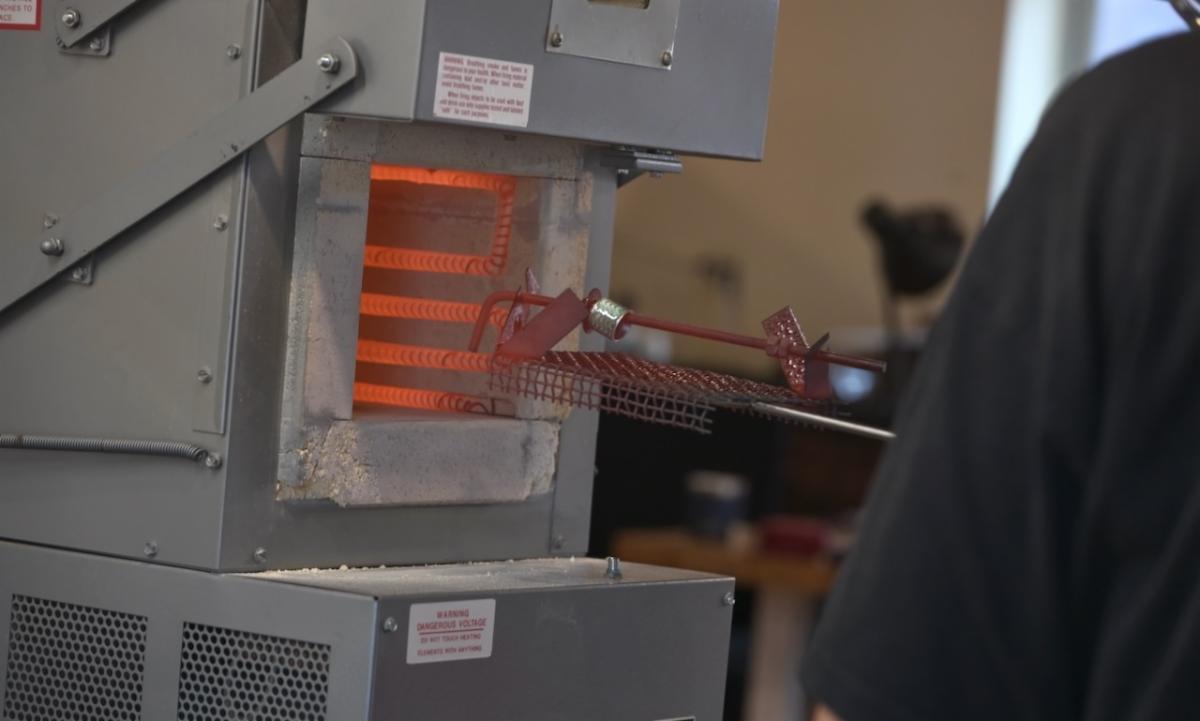
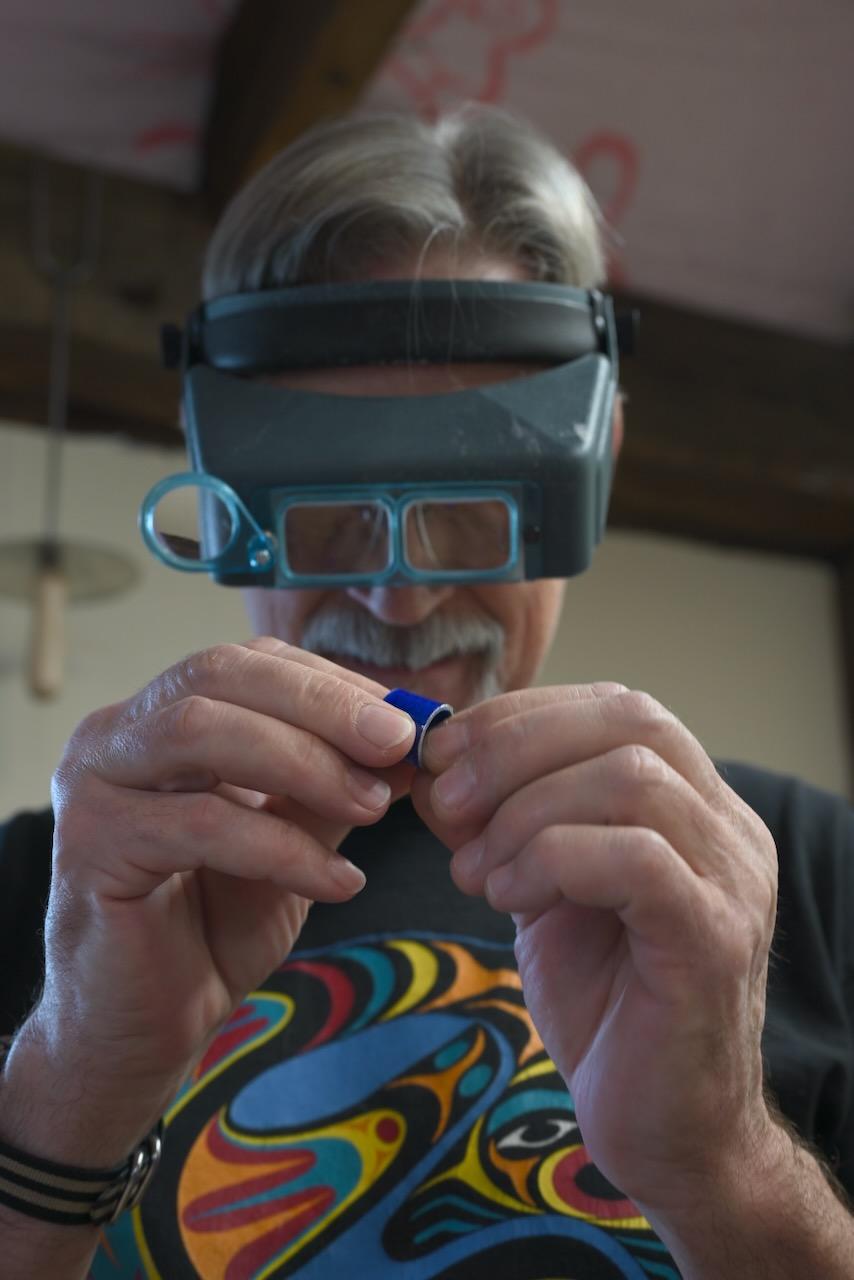
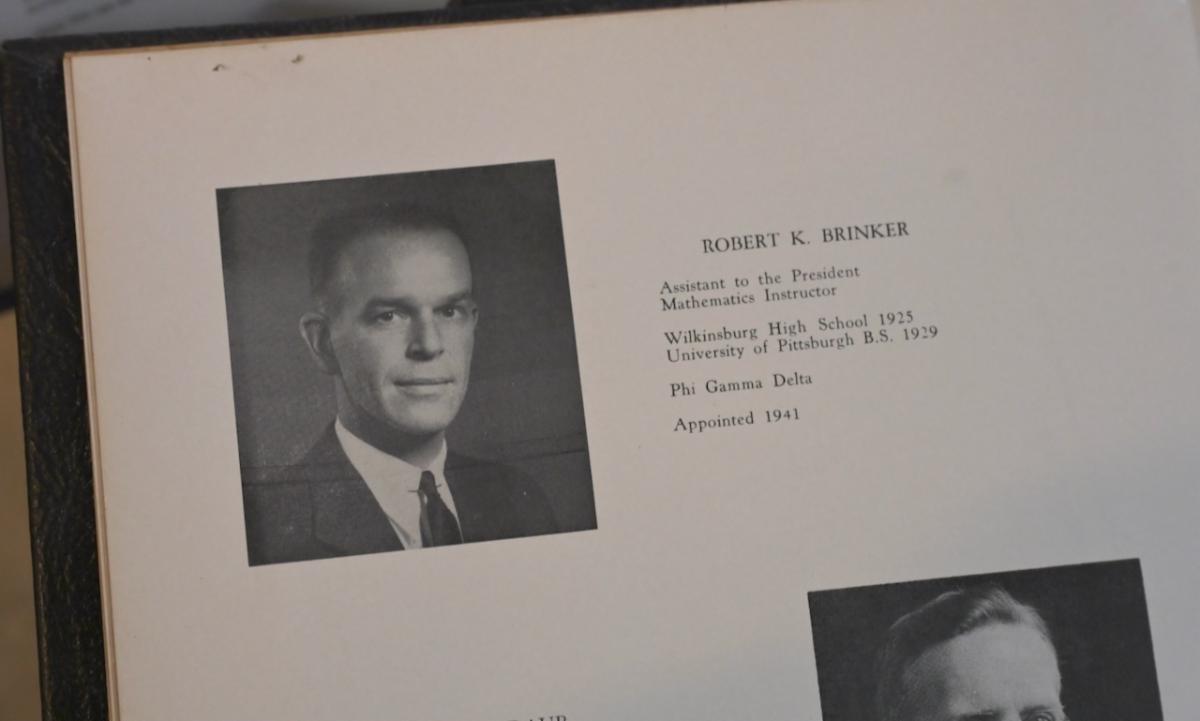
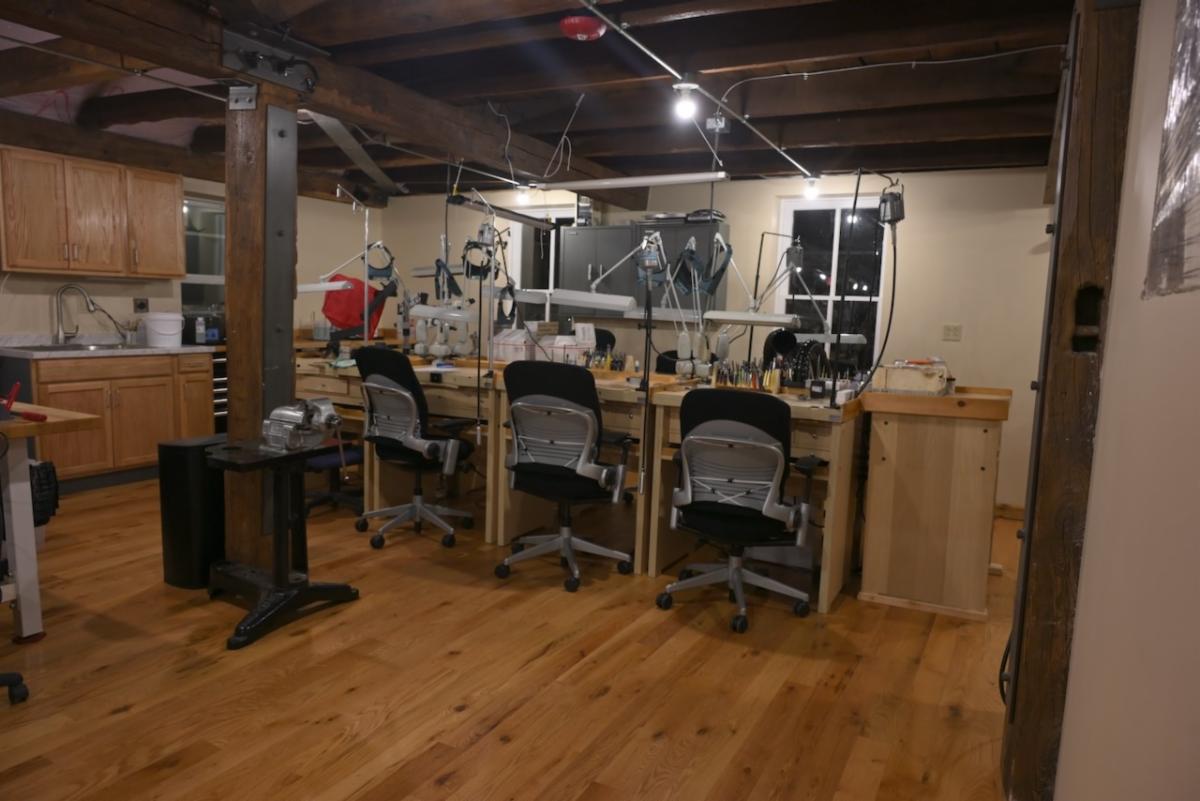
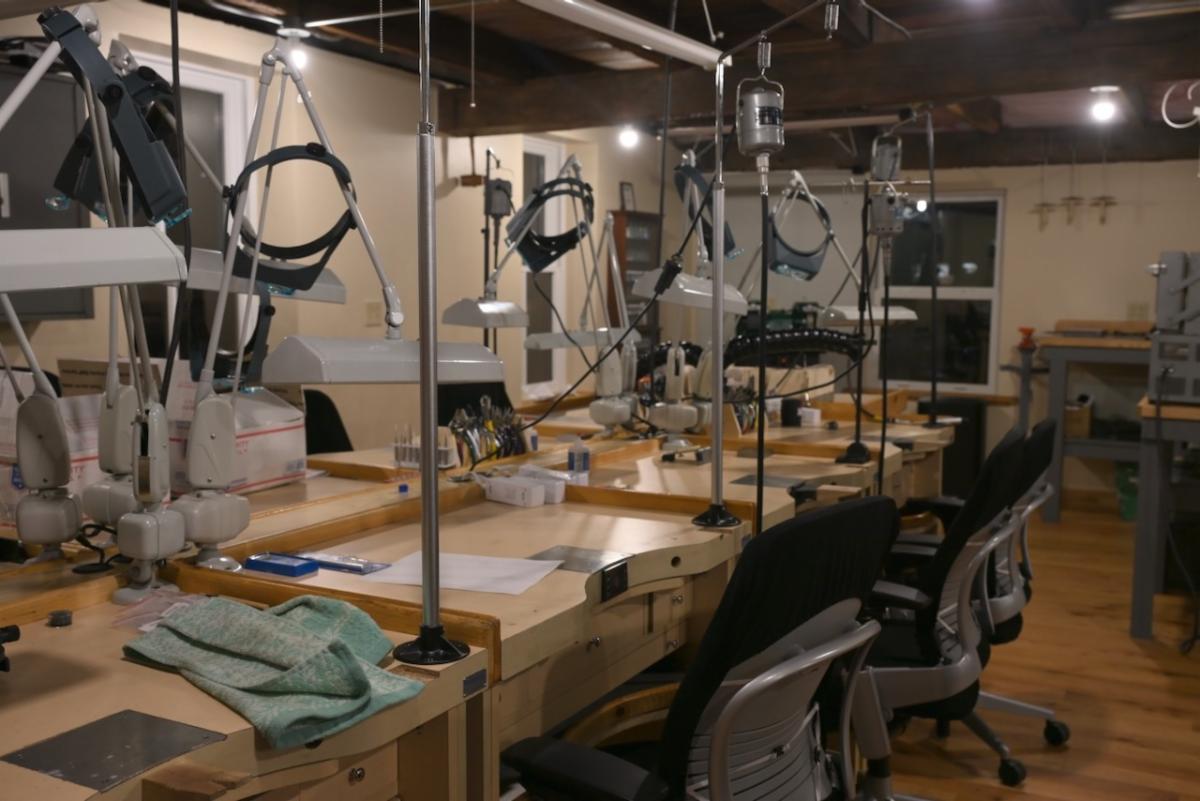
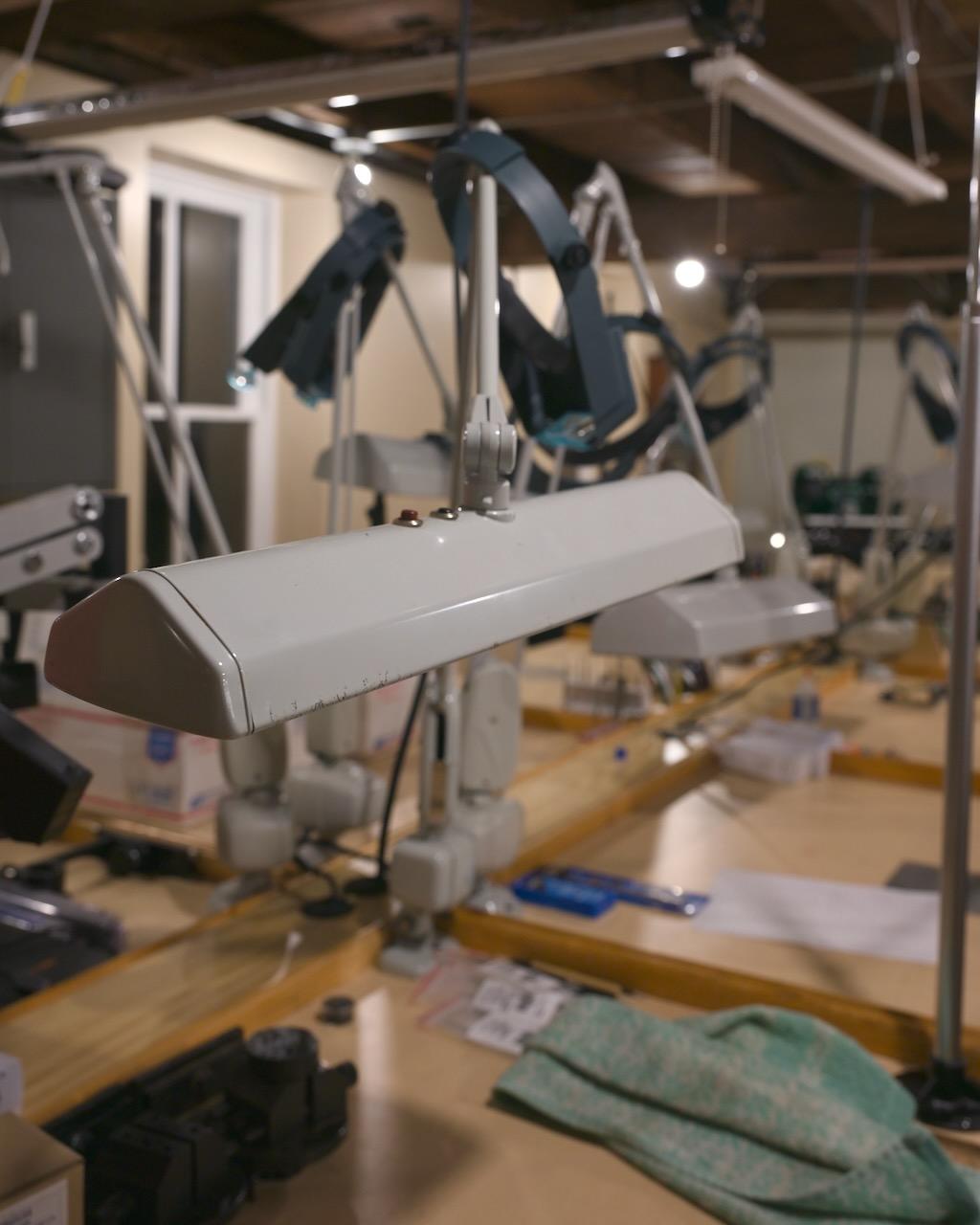
| | It was astounding how quickly the students found success following Bill’s process. Some of their very first pieces had an enviable level of clarity to anyone who has tried the often fickle art of enameling on their own. Results were consistent between the same colors, demonstrating a successful narrowing of the variables essential down to enamel selection. The enamel comes out of the kiln a dark and dull hue and cools into its clear and brilliant final form. It was fun to watch the transformation of each color, revealing the different engine turning patterns beneath. The only disappointment was that none of our students cut corners or lapsed in care enough on any crucial step to cause a catastrophic failure. It speaks to both the skills of Bill as a teacher and the quality this class of students. | | The true color of a green enamel revealing itself as it cools out of the kiln | | The class was a huge success and a milestone for Plumier in a number of ways. This is exactly the kind of educational opportunity that we want to offer at Plumier. It is a specific skill taught by a master of that skill with a serious group of students eager to take full advantage of the opportunity. While classes like these represent a level of skill in the instructor and a curriculum hardly available anywhere else, they maintain a community feeling that is unique to Plumier. It is an atmosphere where you are just as likely to learn something valuable from a fellow student at lunch as you are from the class itself. Plumier facilitates the experience, but it is our community of craftspeople, both teachers and students alike, who make it an educational opportunity like no other. | | One student attributed the cohesion and symbiotic nature of the group to a “mutual respect” and a shared desire to really learn. This is exactly what we want in these classes and is what we have been gratified to observe as we expand our offerings and grow our community. This is a community of craftspeople building an institution for craft. Our classes are vehicles for preserving and sharing craft knowledge at the risk of being lost. They are as intense in information as they are laid-back in nature—as exhausting in processing new information as they are fun in sharing old lessons and good laughs. Each class expands and deepens our pool of talent. A student in one class may be the instructor for the next. With this, our seventh and last class of the year, we have run more classes in 2026 than in all previous years combined. We are seeing what we have always envisioned for Plumier come to fruition, and it is working. | | Bill did a quick demo of enameling a cylindrical piece | | Kiski School yearbook in the Saltsburg Historical Society | Bill Brinker has a personal connection to Saltsburg. His great uncle, Robert Brinker, was a long-time teacher at the Kiski School just up the hill from town. There is even a building on campus named after Uncle Bob. On a clear winter’s day when the trees are bare, you can see Brinker House, now the headmaster’s residence, from the front room at Plumier or the jewelry studio window. Bill has been closely involved with Plumier since our first Fall Gathering. What are the odds that we would land in a building under the watching monument of a member’s family legacy? There's a Brinker teaching in Saltsburg once again. | | | Our efforts to expand our capabilities under one roof are paying off. The press class back in May was the first class held in our new jewelry studio space, but this enamel class was the first that required significant new investments in infrastructure. It was a race to get the space ready for September, but having clear goals and a definite deadline helped to push progress along. All of the work was done by our staff, instructors, and volunteers. While the immediate and overwhelming interest in the class assured us of the course of these efforts, we could not have moved forward so quickly without the financial backing of our members and donors. Without having money in the bank earmarked for the jewelry studio project, we could not have allocated the funds necessary to get the space ready in time. Thanks to that investment from our community, we were able to keep moving on our project. It came right down to the wire, but we got everything that we needed in place and tested in time for the class. We even made a few improvements to the space as the week progressed. Not only were the students accommodating to the fact that the space was not quite a finished studio, but they were excited by the progress and helpful in pointing out potential improvements. Thank you to all the students and instructors this year who helped us to bring this new space to life! | | While physical space is always a factor, our goal with this workshop is do as much as reasonably possible in one building. We will continue to adapt the space to meet the needs of this community. The jewelry studio in particular needs to be have the capabilities of all major jewelry making processes with sufficient redundancy for specific classes. It will be a true “Room of Requirements” for craft education, and will have to remain adaptable for different classes. We now have the capabilities to run an enamel class, but we need to add the full range of other jewelry and related processes to allow for the variety of classes that we want to host. | | A full set of quality task lights donated by NAWCC, who also gave us the work benches | | The dirty room still needs to be furnished with a full compliment of investment casting and polishing equipment along with the appropriate fume and particulate extraction. We have eight student benches that need to be outfitted with eight full sets of basic hand tools, flex-shafts, and extraction. Shared specialty tooling will be needed with enough redundancy for classes. The right balance of cost and quality will need to be made on tooling in order to make this investment a lasting one. No expense can be spared on health and safety. | | We have exciting things planned for next year and want to continue the pace of our efforts through the end of 2026. This is impossible without your support. Please consider contributing to this project through our GoFundMe or a one-time contribution on our website. If you are not a member, consider joining today to help to continually support our operations and ongoing projects like this. | | Thank you for making this all possible. | | |
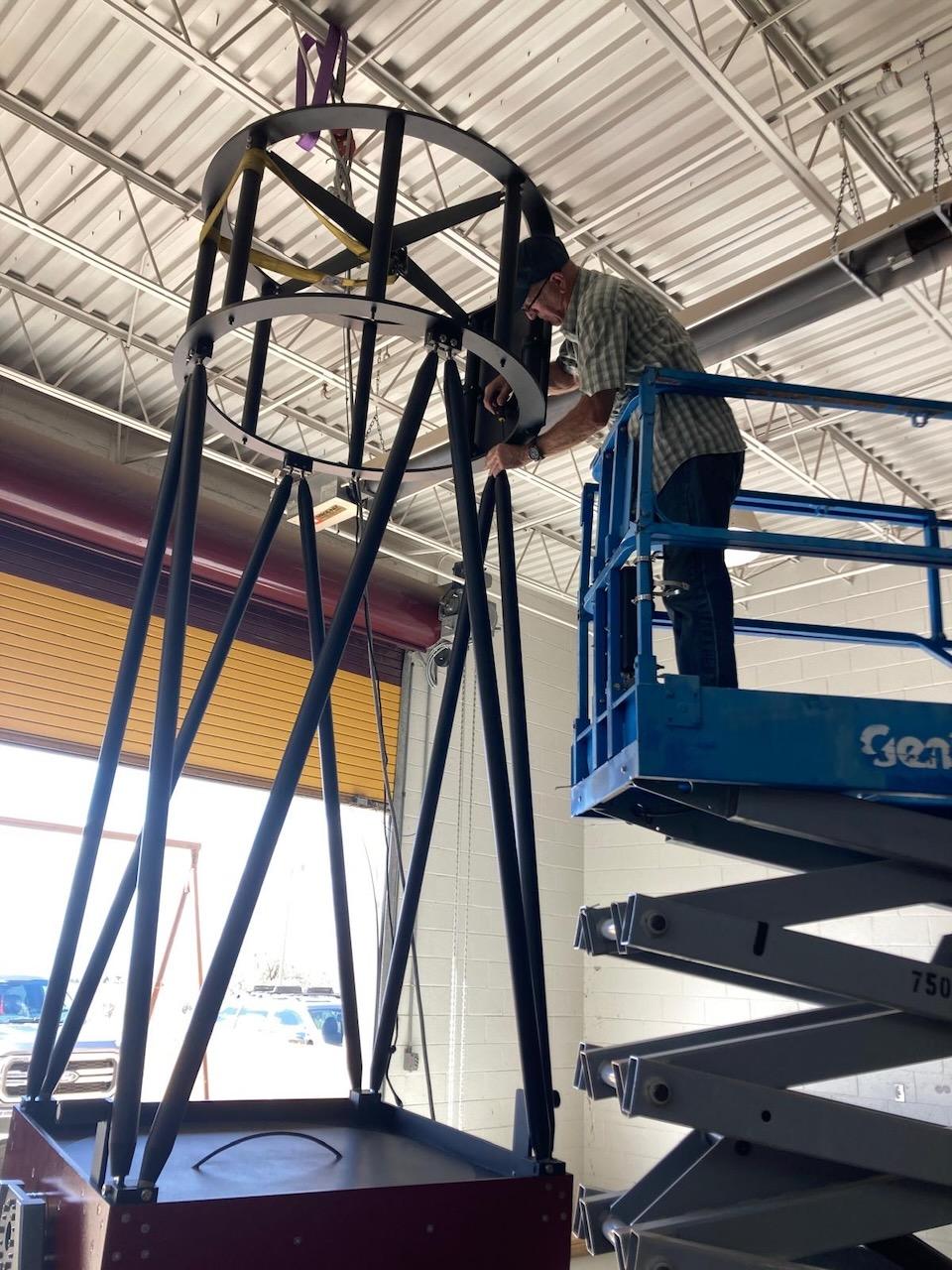
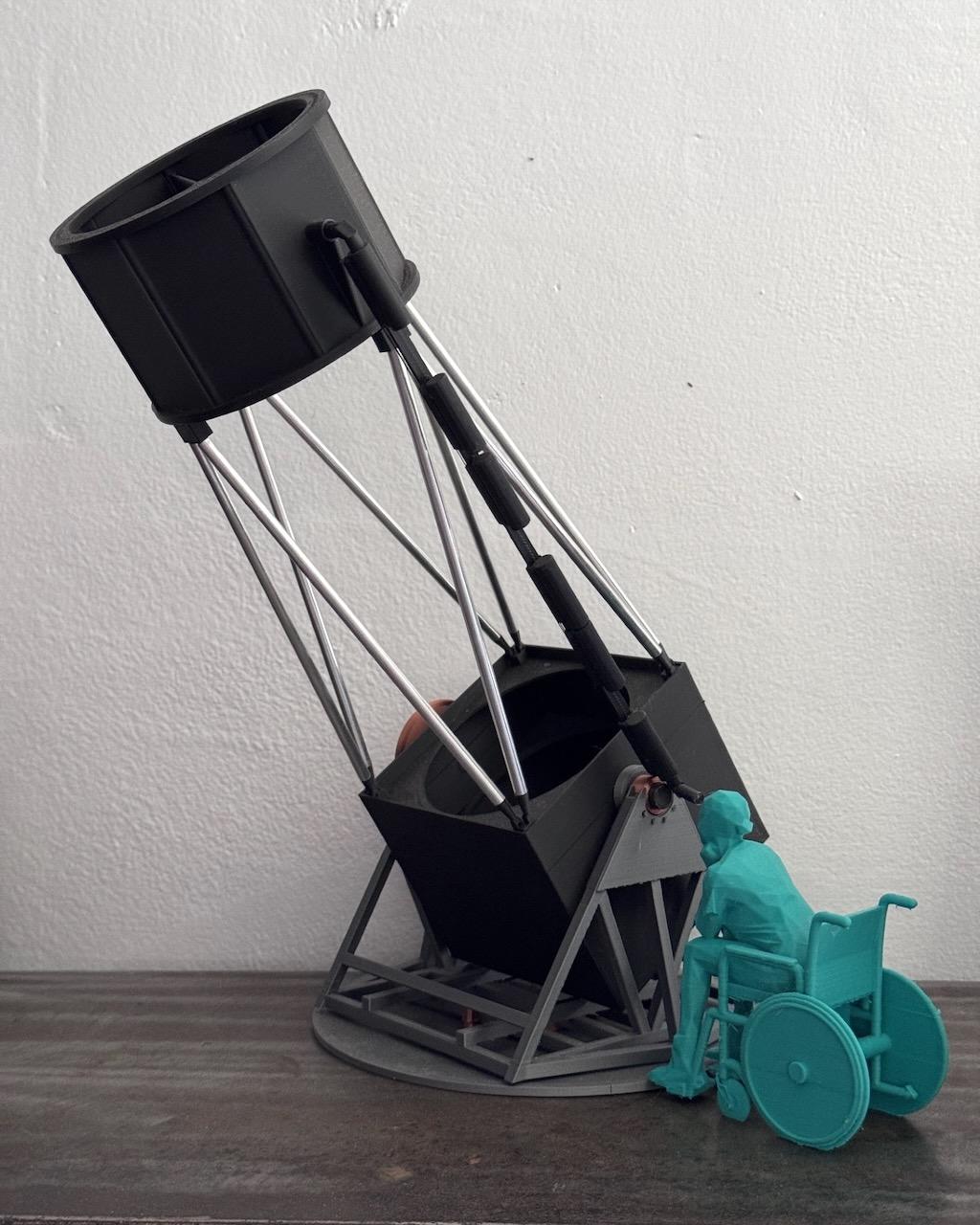
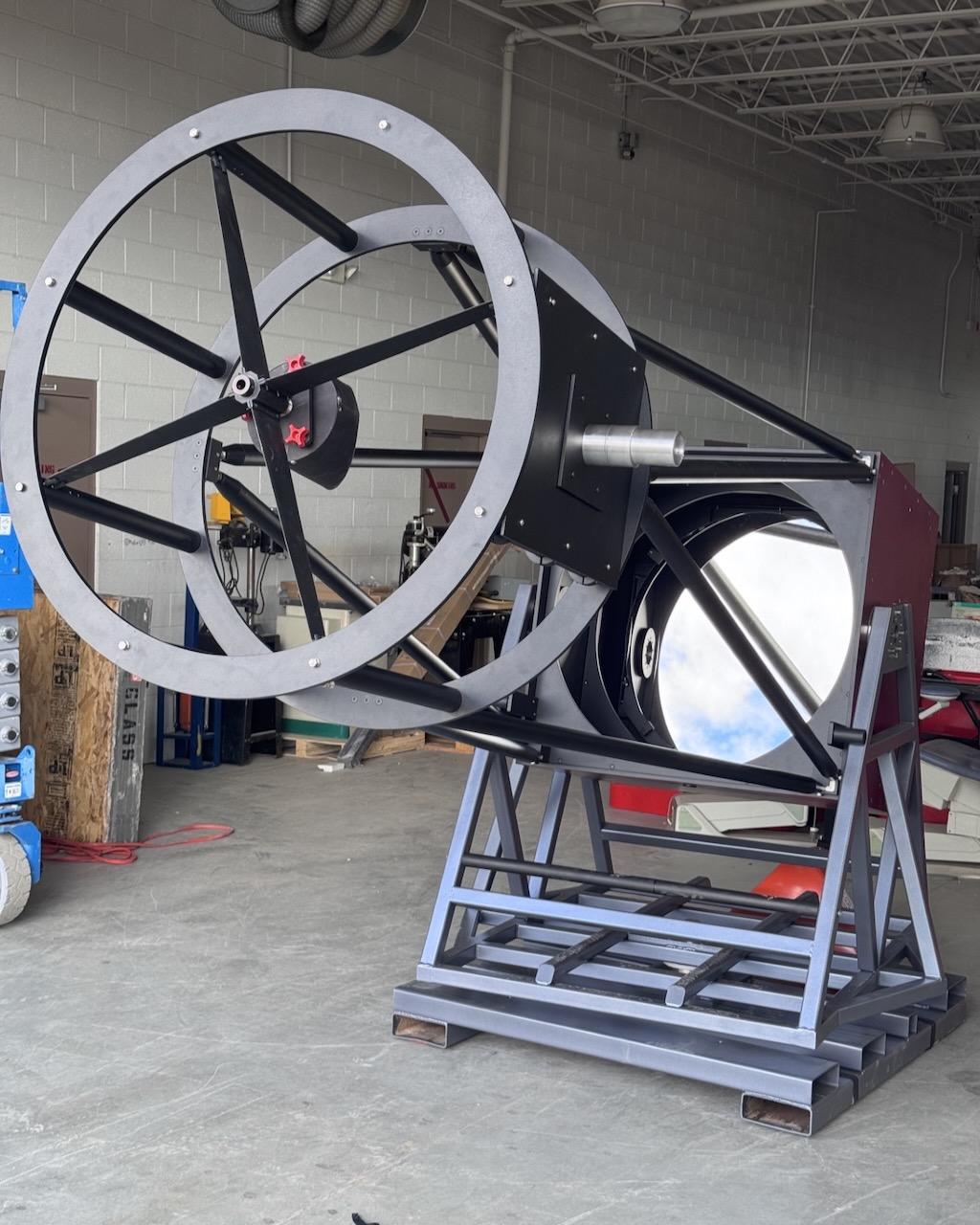
Member Phil Poirier is woking on a seriously cool project. The University of New Mexico Taos inherited a extremely high-end, 36” parabolic mirror and hired Phil to build a telescope around it. Phil’s design includes an optical relay that brings the image down to a height of just 42” for ADA accessibility. This periscope-like relay requires the addition of four relay lenses and two first-surface mirrors. There appears to only one other telescope with such an accommodation in the country. Is there anything Phil can’t do? | | | Scale model of the telescope design |
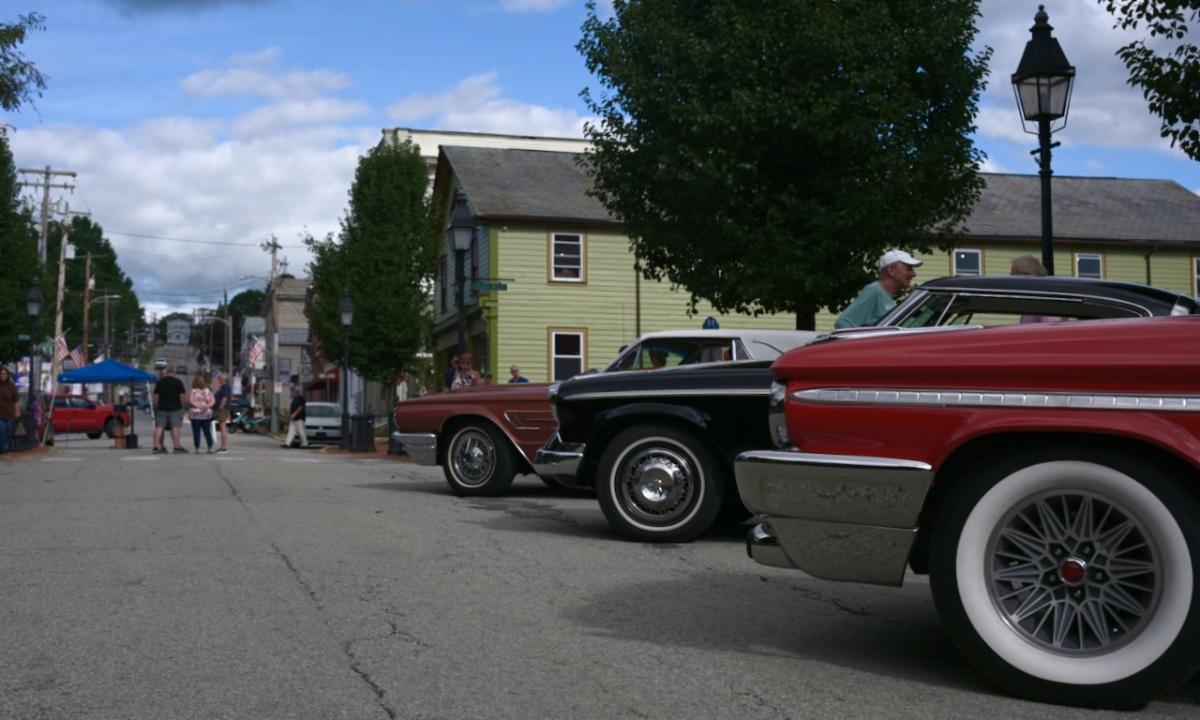
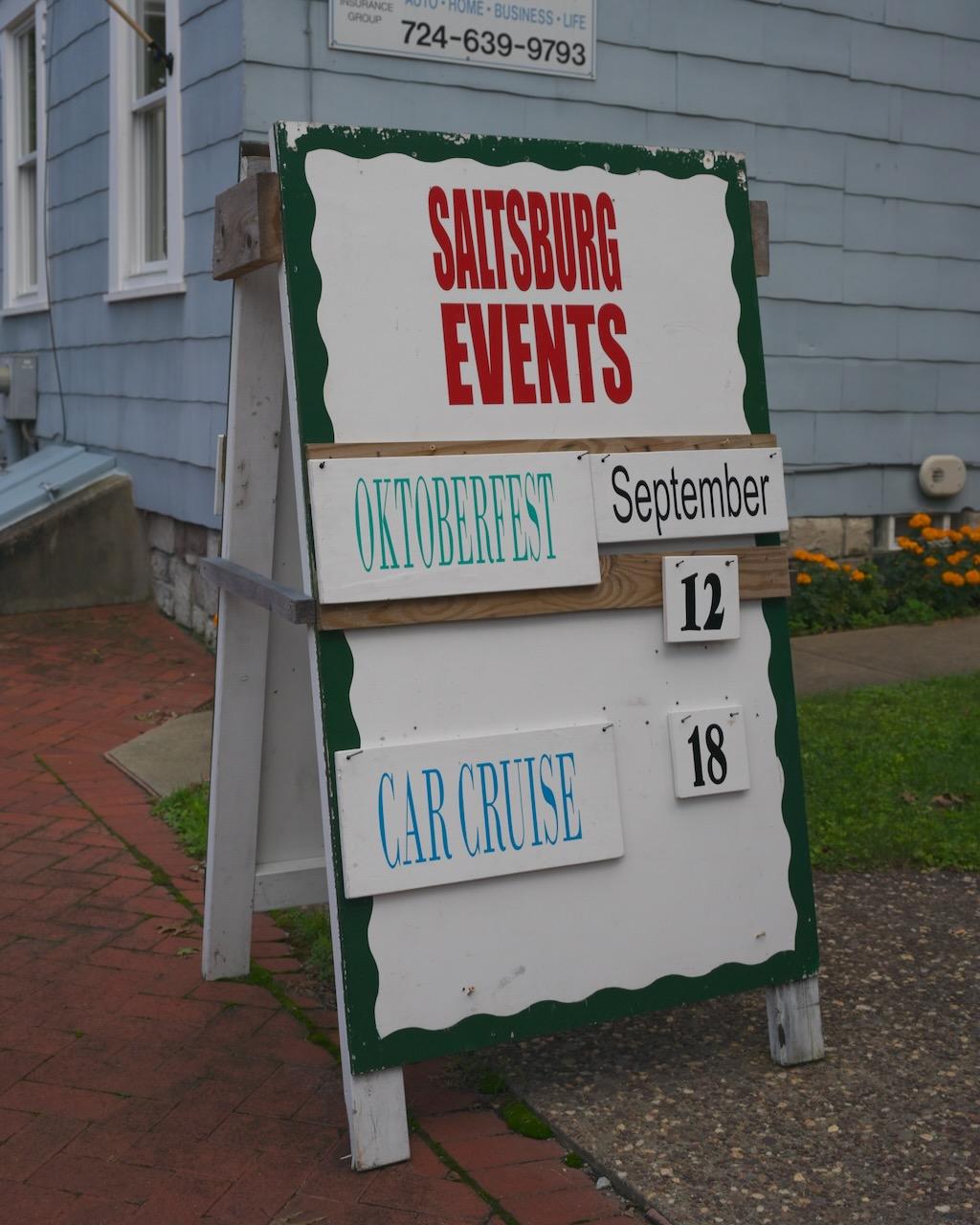
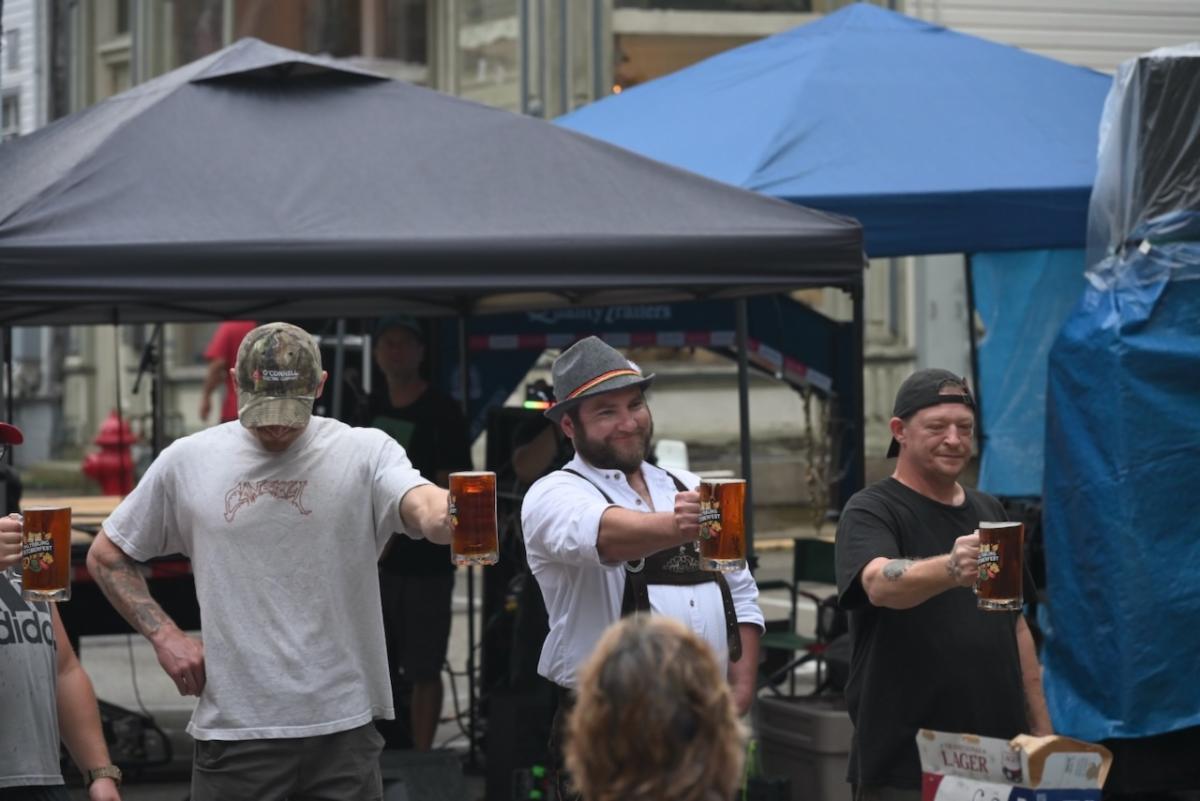
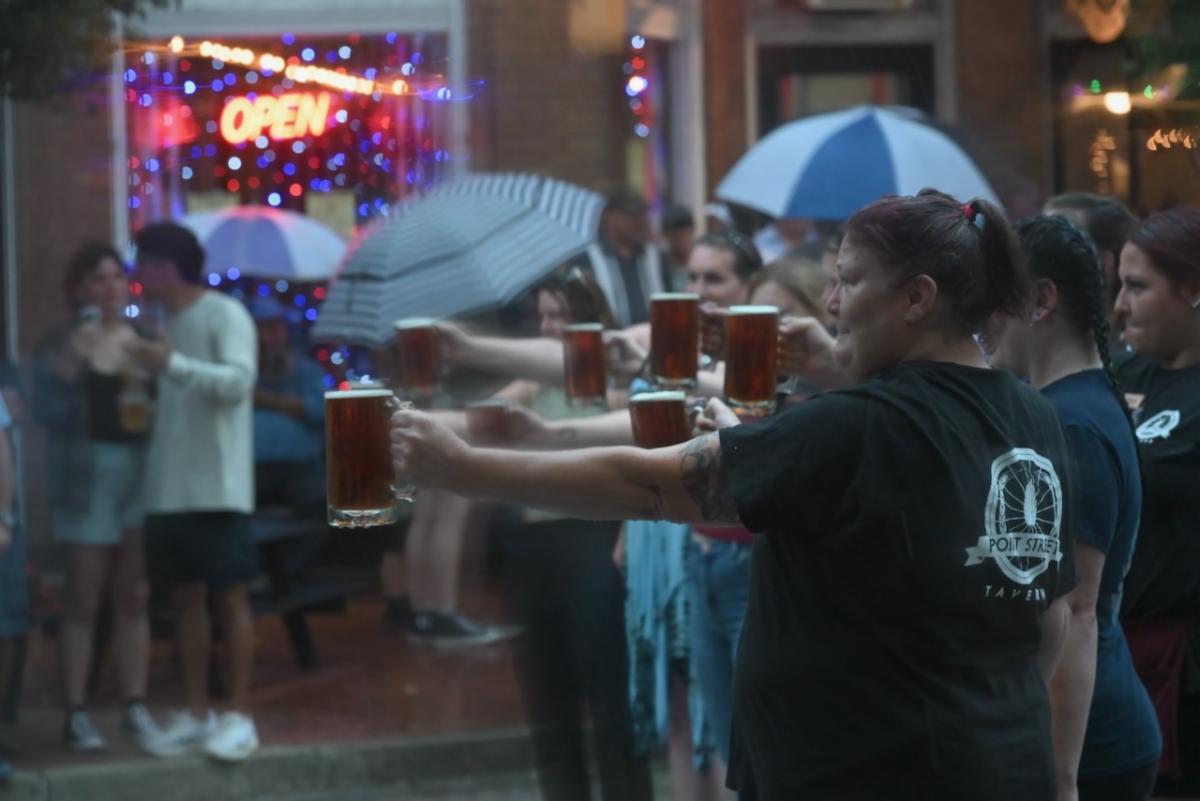
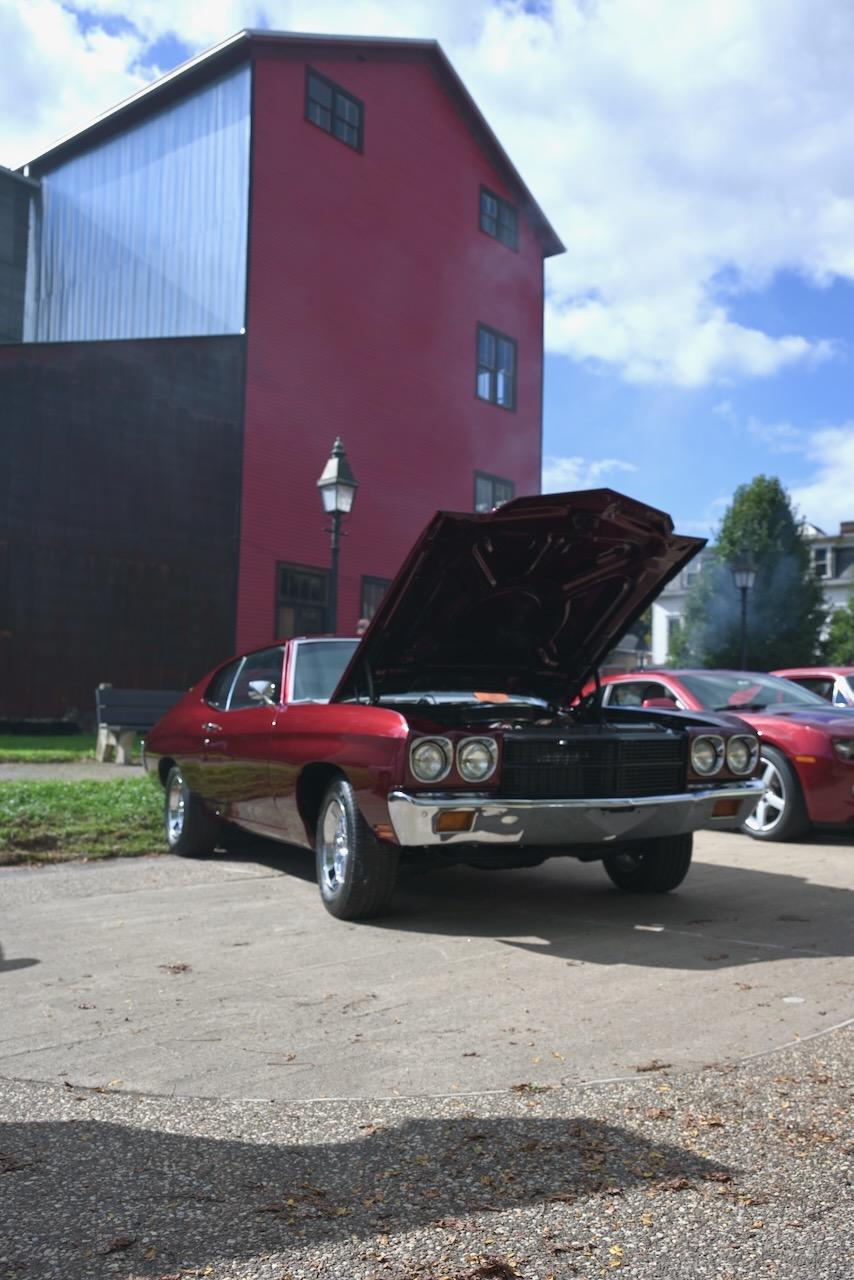
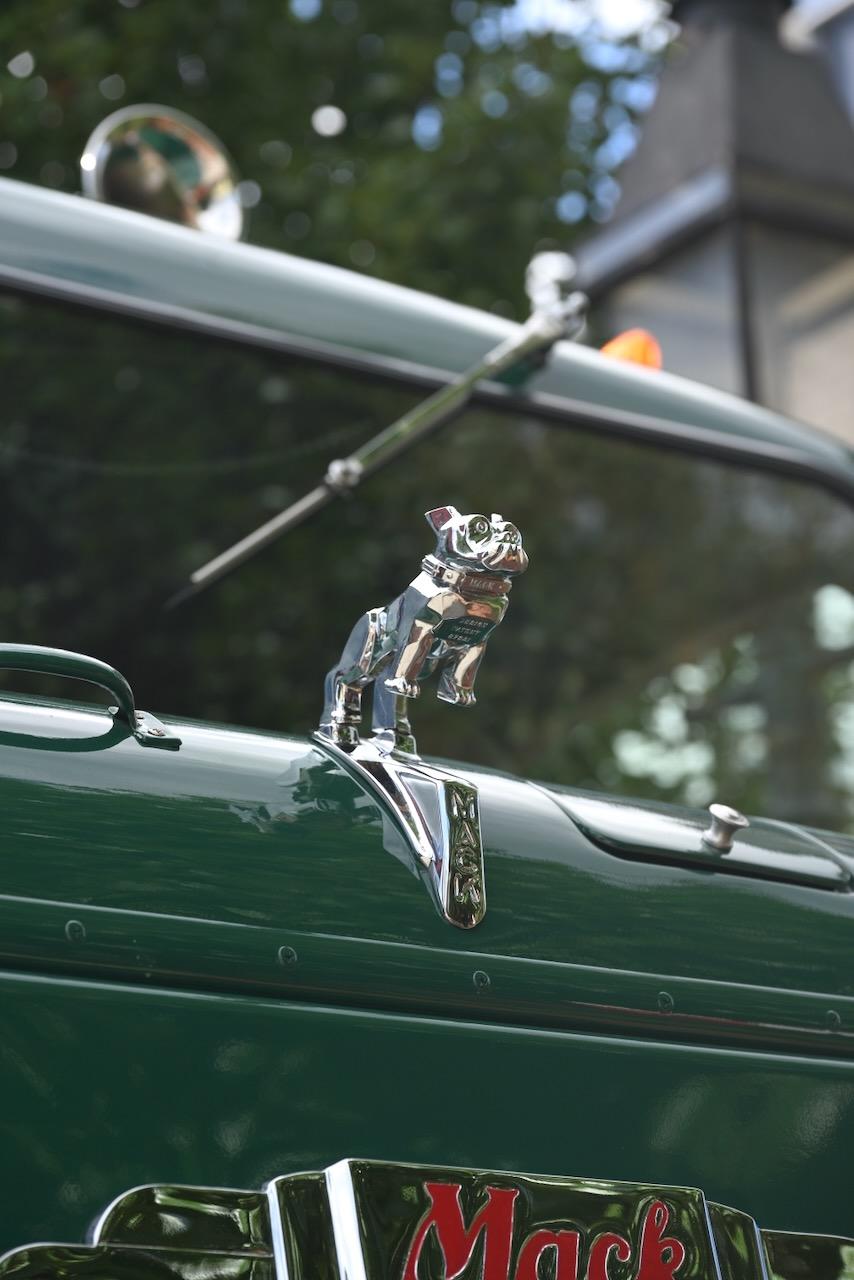
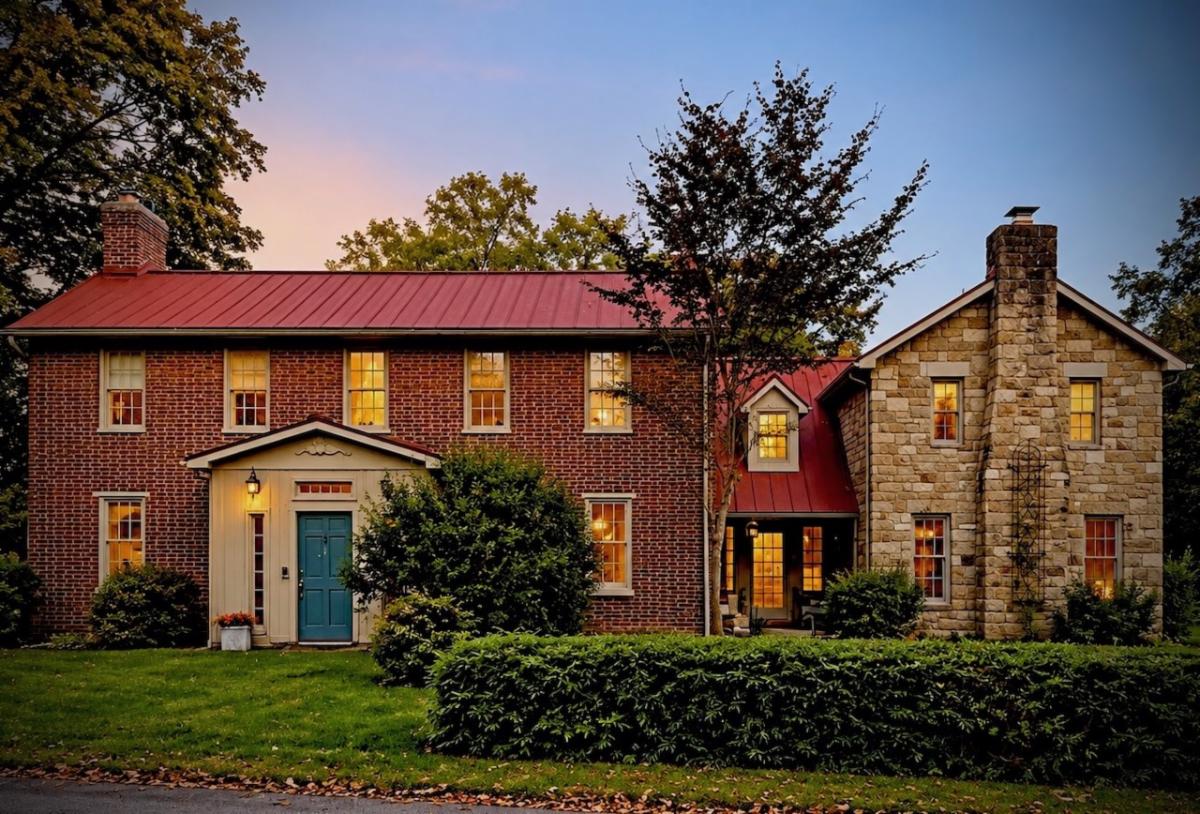
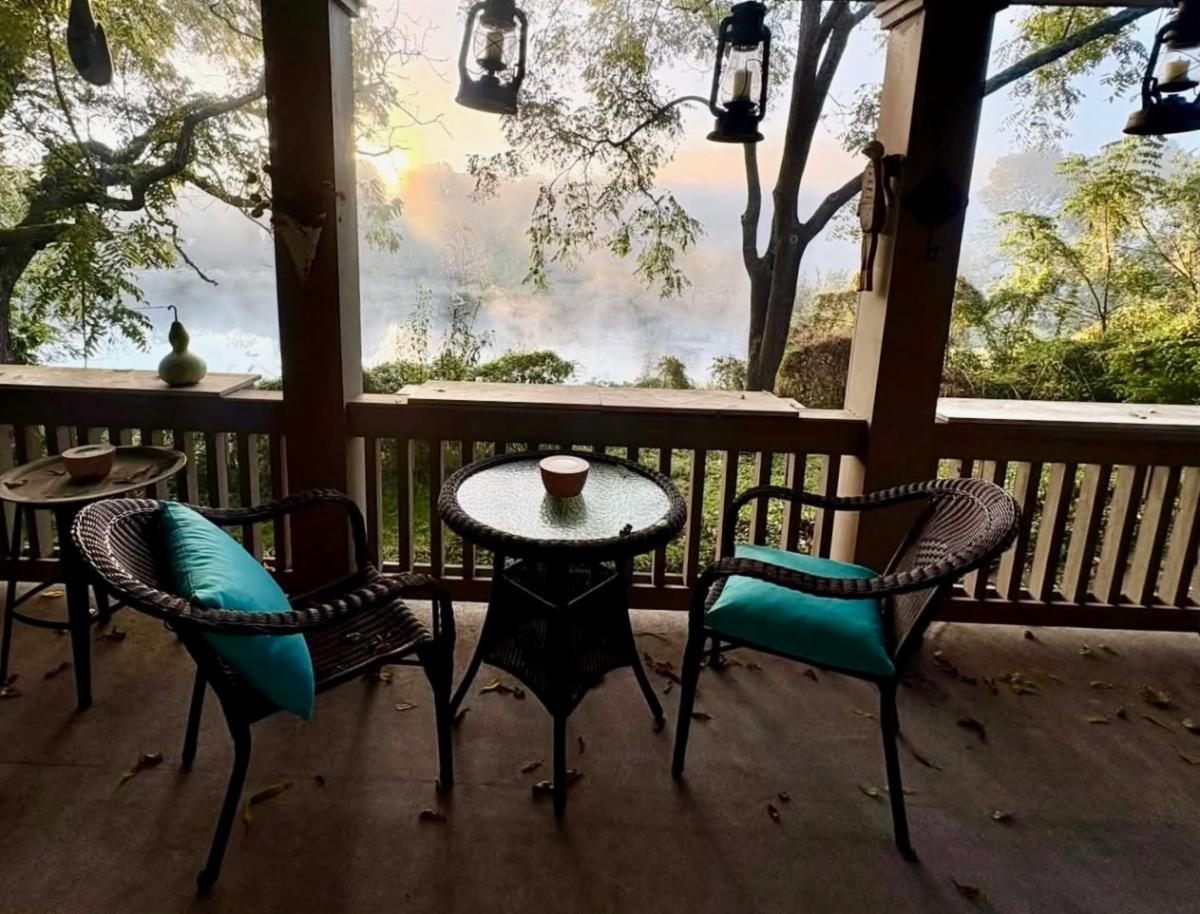
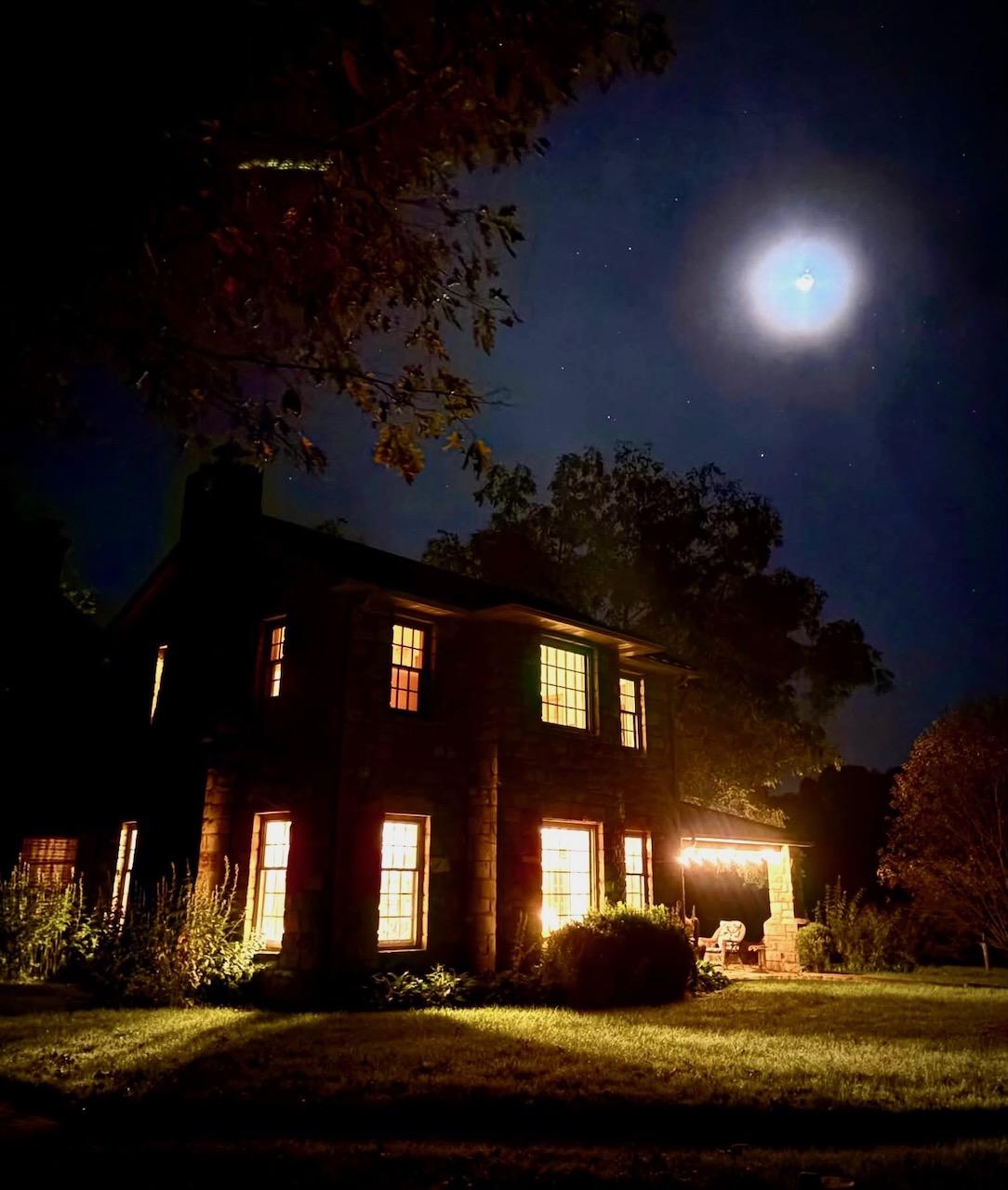
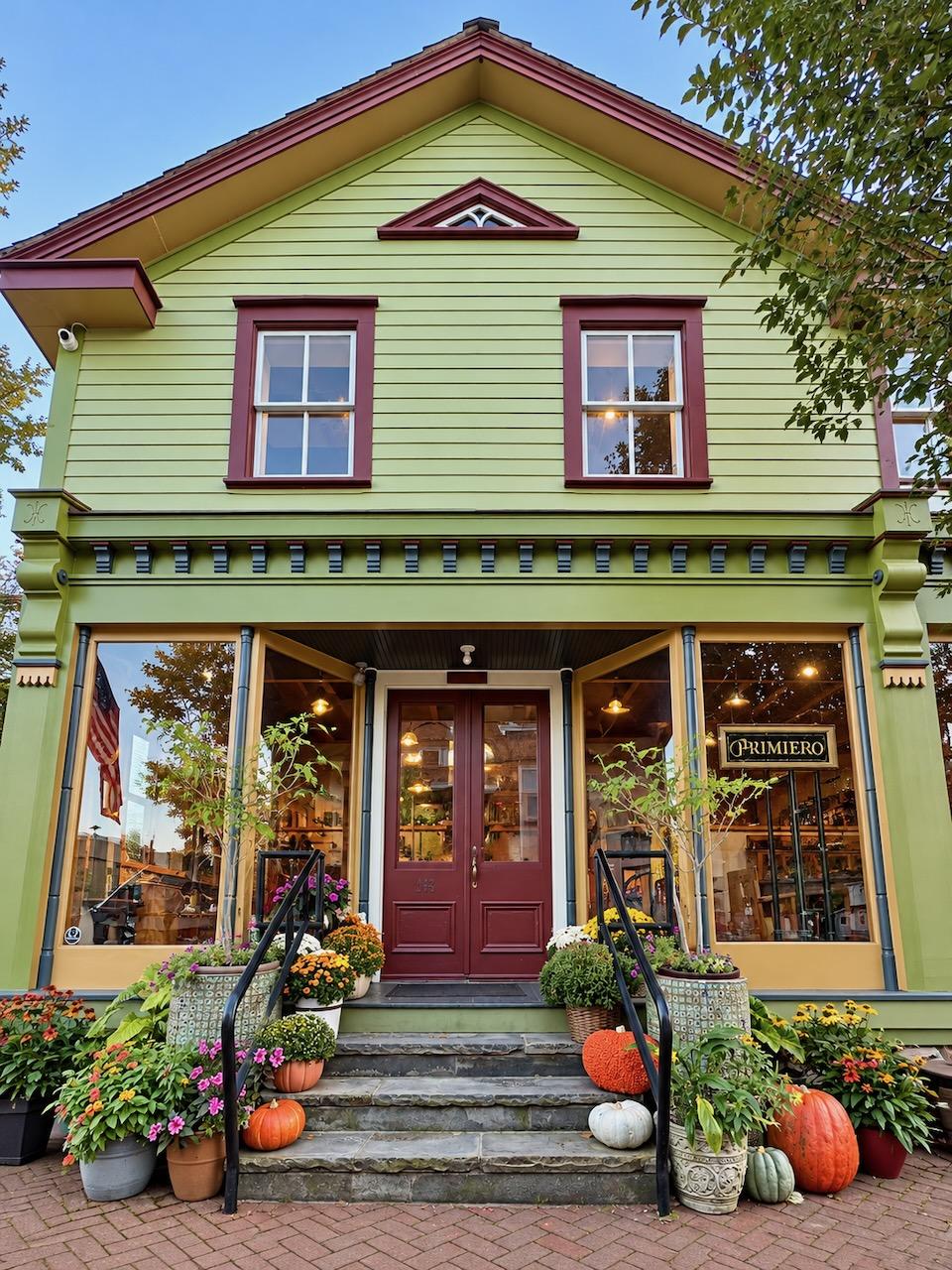
| Telescope mirror catches the sky | | | Saltsburg has an astounding number of events for a town of 800 people! There seems to be some kind of festival every month that draws in attendees from the surrounding counties. As always, Plumier has a front-row-seat to the festivities. | | Saturday, September 12 was Saltsburg’s annual Oktoberfest. While everything was setup for a day awash in beer, it was all washed away by rain instead by midafternoon. The deluge hit just as the women’s stein holding contest was underway. The remaining contestants were unperturbed by the rain as they stood determined not to loose a drop of their increasingly weighty lagers. Our friend Kara, the owner and operator of the Point Street Tavern, was the last woman standing in her Bavarian outfit—a well earned refuge under tent and a slightly watered-down beer were her immediate rewards. Congratulations, Kara! | | Friday, September 18 was a perfect, clear summer day for the Car Cruise. A truly impressive showing of classic and customized cars lined up on the Canal Walk and Point street, spilling over into the sides streets, parking lots, and along the riverfront. There was something for every kind of car lover. The classic silhouettes of different eras looked right at home on Saltsburg’s timeless drag. | | Come visit Plumier and stay at the Earhart House! | | We have cozy, B&B-like accommodations available in an historic house on a beautiful property just outside of town. Enjoy your morning coffee on the porch overlooking the pond before a day in the shop. No one would blame you if you skipped the shop entirely to spend the day exploring the local landscape or simply relaxing with a good book. | | |
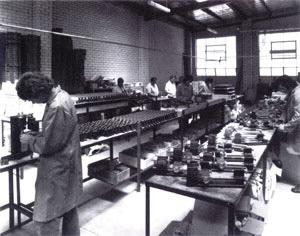
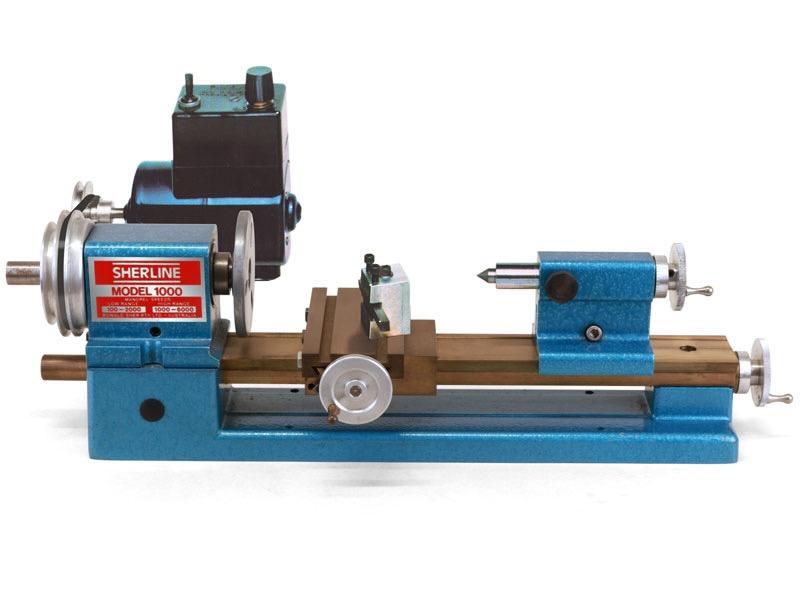
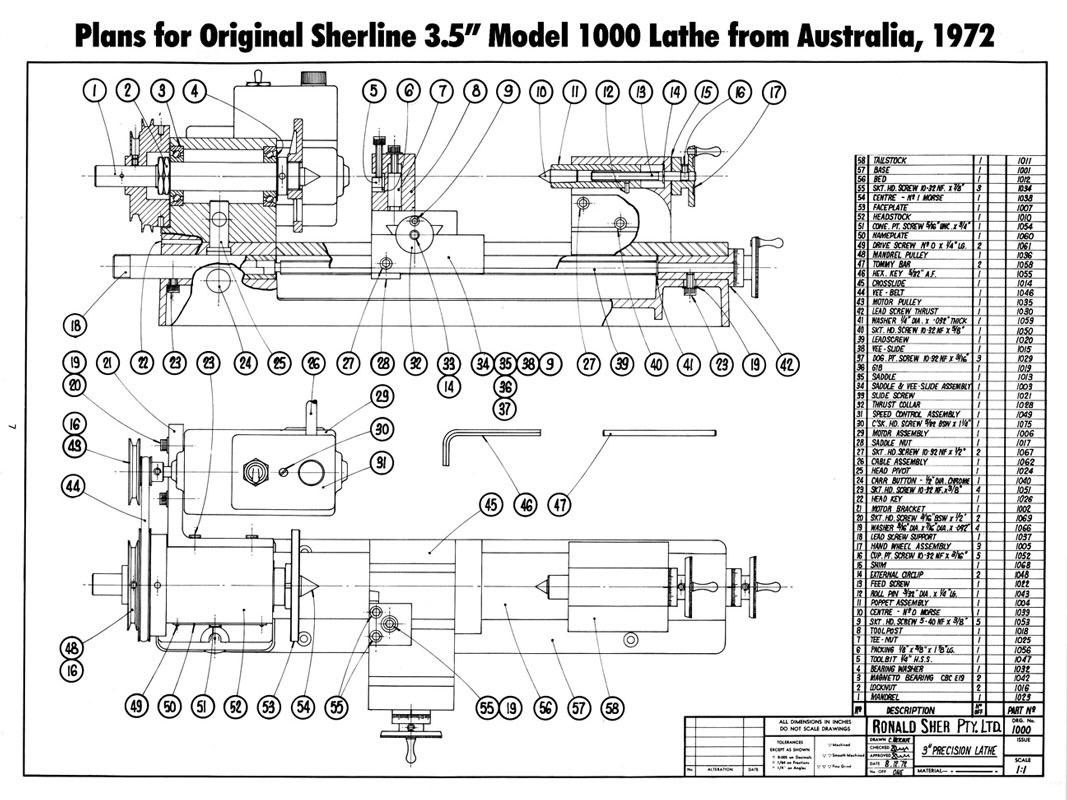
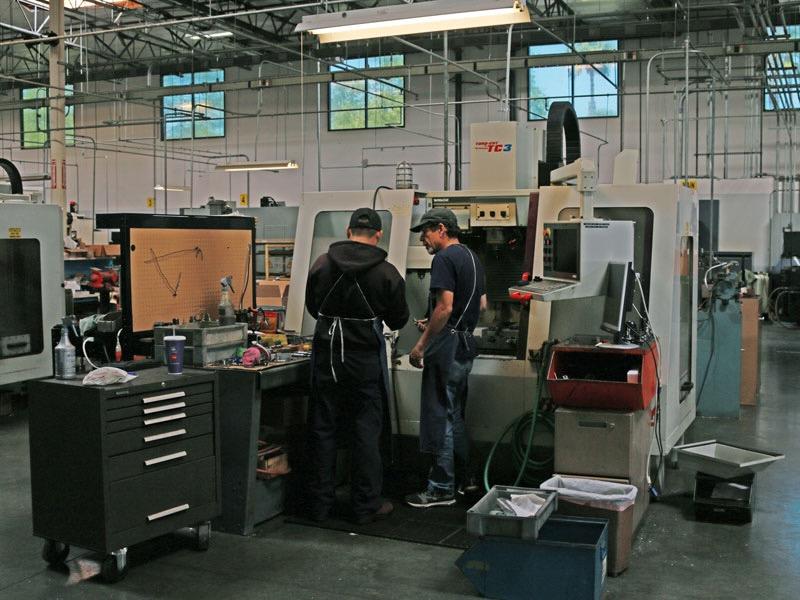
Sherline Products has announced that they will be winding down their manufacturing operation and ceasing all production of their line of tools. This news came as a serious blow to the horological and complex turning communities, along with many other crafts and cottage industries across the country. It marks the end of yet another important name in American machine tools. | Original Australian manufacturing facility | | | The story of Sherline began in Australia in the 1960s, when an engineer named Harold Clisby came up with a design that utilized extruded parts to make an affordable yet rigid benchtop lathe. In 1971, the idea was put into production by manufacturing engineer Ron Sher of the Sher Power Tools family. Ron launched his own company and trademarked the “Sherline” brand. Joe Martin, a micro avionics engineer in the States, saw the value in the little lathe and began importing them. It was quickly realized that the cost of importing the lathes from the other side of the world killed the value of the product for the customer. Martin made a deal with Sher to manufacture the lathe Stateside, and Sherline Products was incorporated in 1974. | | First Sherline lathe. The orginal Australian company has long since ceased production | | | Sherline lathe in the 1978-79 Sears catalog. Today's model was a bargain accounting for inflation alone, not to mention it is a vastly improved machine | |
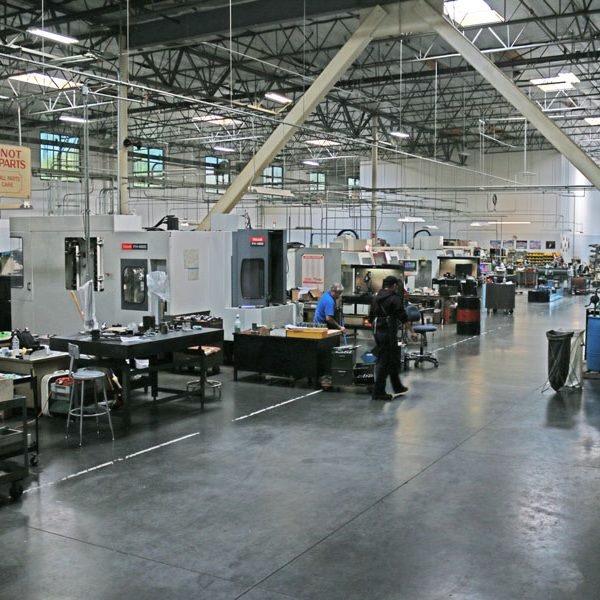
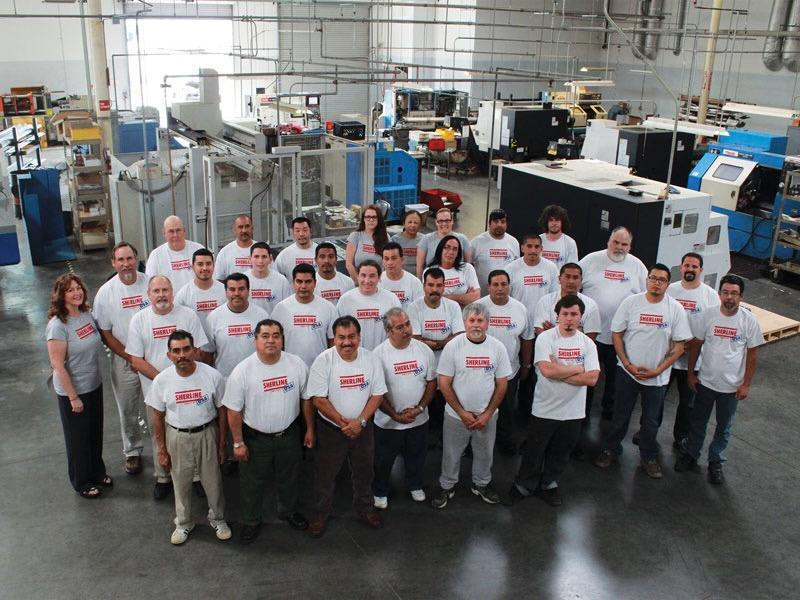
Joe made his own improvements to the lathe design and began expanding the range of accessories. The first big break for the company came when he negotiated a deal to produce a Craftsman branded version for the Sears catalog. The manufacturing operation grew quickly, at one point outgrowing a new facility before they moved in. In 2000, they moved into their 66,000sqft facility in Vista, CA, where they have manufactured the full range of Sherline parts until this month.
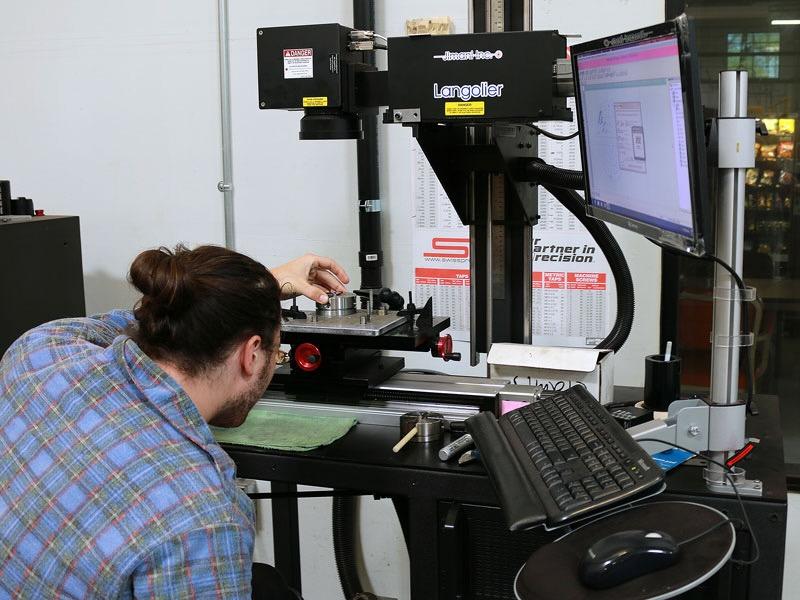
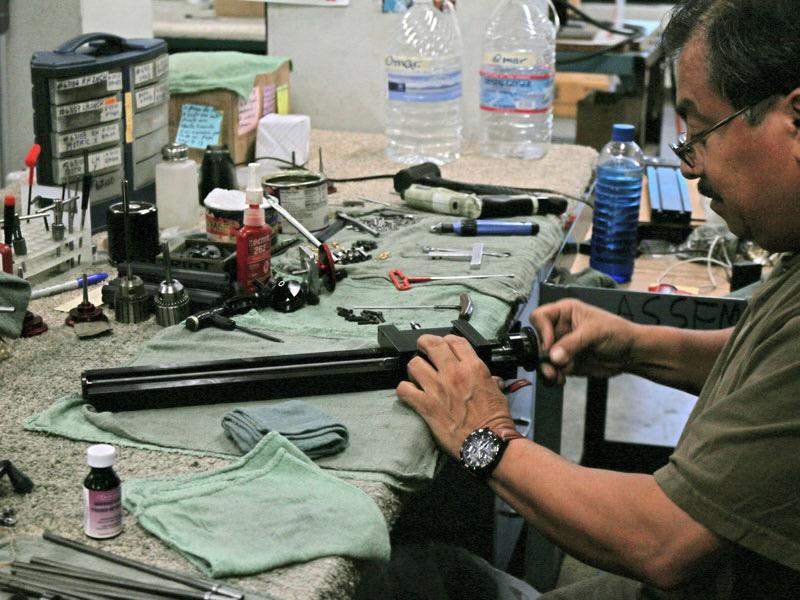
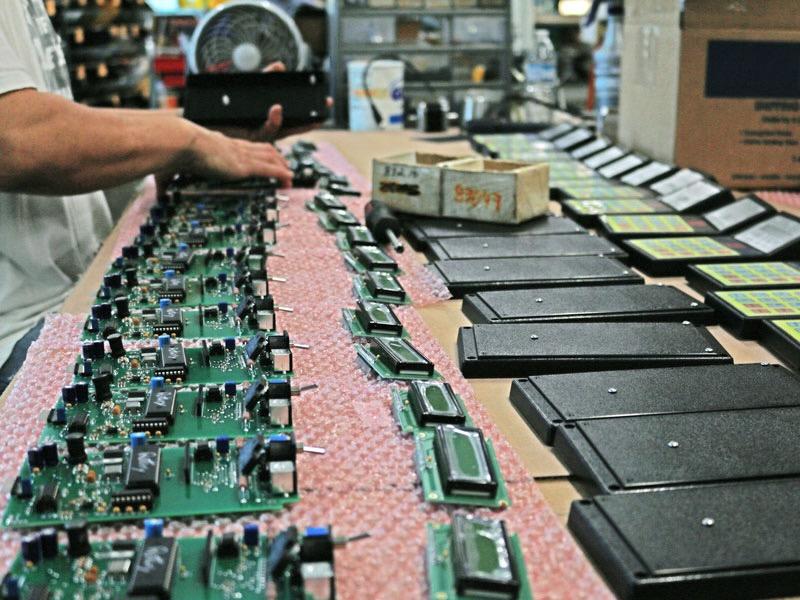
| | | Sherline's own xy table used in their laser engraving department | | | | This is not another story of a company that rested on the laurels of early success. Sherline has always been an innovative company. What started as a single lathe grew into a line of interchangeable machine parts and accessories. It is an ecosystem of components designed by innovators for fellow innovators. They were early adapters of CNC machining to keep production costs down, and developed user friendly, robust systems to incorporate that same technology in their products. While they are most known for their mini lathes and mills, popular among hobbyists and horologists alike for their accessibility and robust support, it is the customizability of their platform that really makes Sherline special. What they have called their “erector set” line of industrial products has served as a economic solution for prototyping and small-scale manufacturing. They worked to meet the needs of their customers and always answered the phone. When David wanted a pie chuck with free-machining jaws, they went and made it a product and gave him credit for the idea on their website. It is a level of care in their work and for their customers that is increasingly hard to find in our world of faceless drop-shipping. Even forgoing that transparency and human touch, there is no clear alternative to their full line of products on the market. | | | In their letter announcing the end of production, co-owners Karl Rohlin and Charla Papp cited the long-tail impacts of the COVID-19 pandemic, rising manufacturing costs, and changes in their customer base. In the face of those challenges, the Sherline team continued to innovate and improve their product (not cut corners and raise prices) right up until the moment it became untenable. | | | |
"You can do it" marketing in the same 1978-79 Sears catalog.The then mainstream culture of DIY crafts and repairs feels like all but a thing of the past. Note the complex turning using a router jig. | | These challenges are some of the same headwinds that we are facing as a community in our efforts to preserve our collective craft knowledge. Looking back at the Sears catalog that helped launch Sherline, one cannot miss the major cultural shifts that have contributed to our current situation. It took a whole generation of hobbyists and weekend craftspeople filling garages and basements with tools to support that catalog and the many manufactures behind the brand. This economy of tools that also supported the cottage industry of craftspeople across the country is all but gone. Another finger goes down on the one-handed count of American made machine tools. | | | While the cultural, economic, and political forces of change feel well beyond our control, we must continue to do what we can to ensure a strong future for craft. News like this should be heard like a call to circle the wagons. It is only through collaboration across disciplines and across generations that we will be able to chart a path forward. All of us who have an interest in the continuation of these industries and art forms must work to add to our ranks, especially from the next generations and from places outside or current circles. Together, we can begin to rebuild the demand for quality and regrow the ecosystem of innovation. If we do nothing to invest in the future, it will all be lost in a generation. | |
Of course, the greatest loss in this news is to the dedicated employees of Sherline who have served this community behind the scenes for decades. We thank them for delivering a quality product that will continue to be used to make things long after the production line goes quiet.
| | | It will be held Friday October 23 to Sunday October 25 in Saltsburg, PA. | | Saltsburg will truly play host to our community. The event programing will be split between our workshop in the old 1850’s McIlwain warehouse and the 1936 gymnatorium at the Salt Center up the hill. Dinner Friday and Saturday will be at the Point Street Tavern, located directly across the street from our shop in what was a 1913 soda fountain. The eclectic history and community of Saltsburg has proven to be the perfect setting for a meeting of an equally eclectic group of craftspeople, enthusiasts, and supporters. | | The formal program this year includes an incredible lineup of guest speakers and demonstrators including jeweler Hugo Kohl, watchmaker Alison Moriarty, miniaturist William Robertson, jeweler and toolmaker Kate Wolf, engraver and knife-maker Amayak Stepanyan, and complex turner Al Collins. | | There will be additional presentations and demonstrations by members of the Plumier team and community. | | While the formal program promises to be engaging and informative, anyone who has been to our Fall Gathering will agree that the true magic of the event is in the informal exchanges of ideas, inspiration, and enthusiasm between a group devoted to craft. The Plumier foundation is positioned at a crossroads of craft disciplines and the Fall Gathering is the biggest meeting of the year of travelers on these varied roads of craft. It is in this way that we are all active participants, and why we named it the “Gathering.” | | The program will begin Friday morning at 9 and conclude Sunday at noon. | | |
Tickets for the weekend are $650 for members and $700 for nonmembers. Plus-one tickets are $150. This will include lunch and dinner on Friday and Saturday. To register, please email Jackie at jackie@plumier.org. Space is limited, reserve your spot in the Fall Gathering today!
Take advantage of the discount by becoming a member before you sign up!
| | |
We are grateful for the addition of two private sponsorships this year that will go a long way in making the Gathering a financial success towards our mission as a nonprofit craft institution. The composition of the Gathering is also essential to its success. Without the energy of young craftspeople learning in conversation from true masters, the dynamic at the heart of the event would not be the same. Those who can benefit the most from such an event are the same who can’t afford the cost of a ticket, so we try to sponsor as many students as we can. This is impossible without the support of this community that recognizes how valuable these opportunities are. We are looking for further sponsorships to help make this Fall Gathering and future Fall Gatherings even better. If you or your business are interested in sponsoring the event or a young craftsperson to attend the event, please reach out to David at david@plumier.org.
| | If you would like to help support without a full sponsorship, a contribution of any amount to our Scholarship Fund is greatly appreciated. | | We look forward to seeing you soon! | | |
Support craft, support Plumier.
The best way to support is by joining us as a member today.
One-time contributions can also be made through our website or GoFundMe. Also, consider making a targeted contribution to our Scholarship Fund.
A check sent to the address below is also a welcomed form of donation.
| |
| | | |