|
Research supports utilizing ACT for depression, anxiety, and trauma-related symptoms. ACT has also been incorporated into emerging areas of mental health research, including psilocybin-assisted therapy for major depressive disorder, where it has been used as the therapeutic framework in a model developed at Yale and elsewhere. The two treatment options have positive synergies that make them ideal for pairing. Because of this, LITC will be offering ACT with enhanced SPRAVATO.
For me, the connection is simple: An intervention may open the door for change, but psychotherapy can help someone decide what to do once that door opens. ACT helps provide answers to one of my favorite questions: If treatment gives you some space from your symptoms, what do you want to do with that space? Recovery and remission are not only about which symptoms improve. It’s also about what someone does move toward.
Beyond the Therapy Room
ACT has also shaped my work outside of patient care. I use ACT principles in many of my psychological safety and resilience speaking engagements, particularly with healthcare professionals, first responders, community leaders, and others working in high-demand, high-stress environments. The idea is similar: make room for difficult experiences, stay connected to what matters, and keep moving forward with purpose.
Building the Next Chapter at Lakes Center
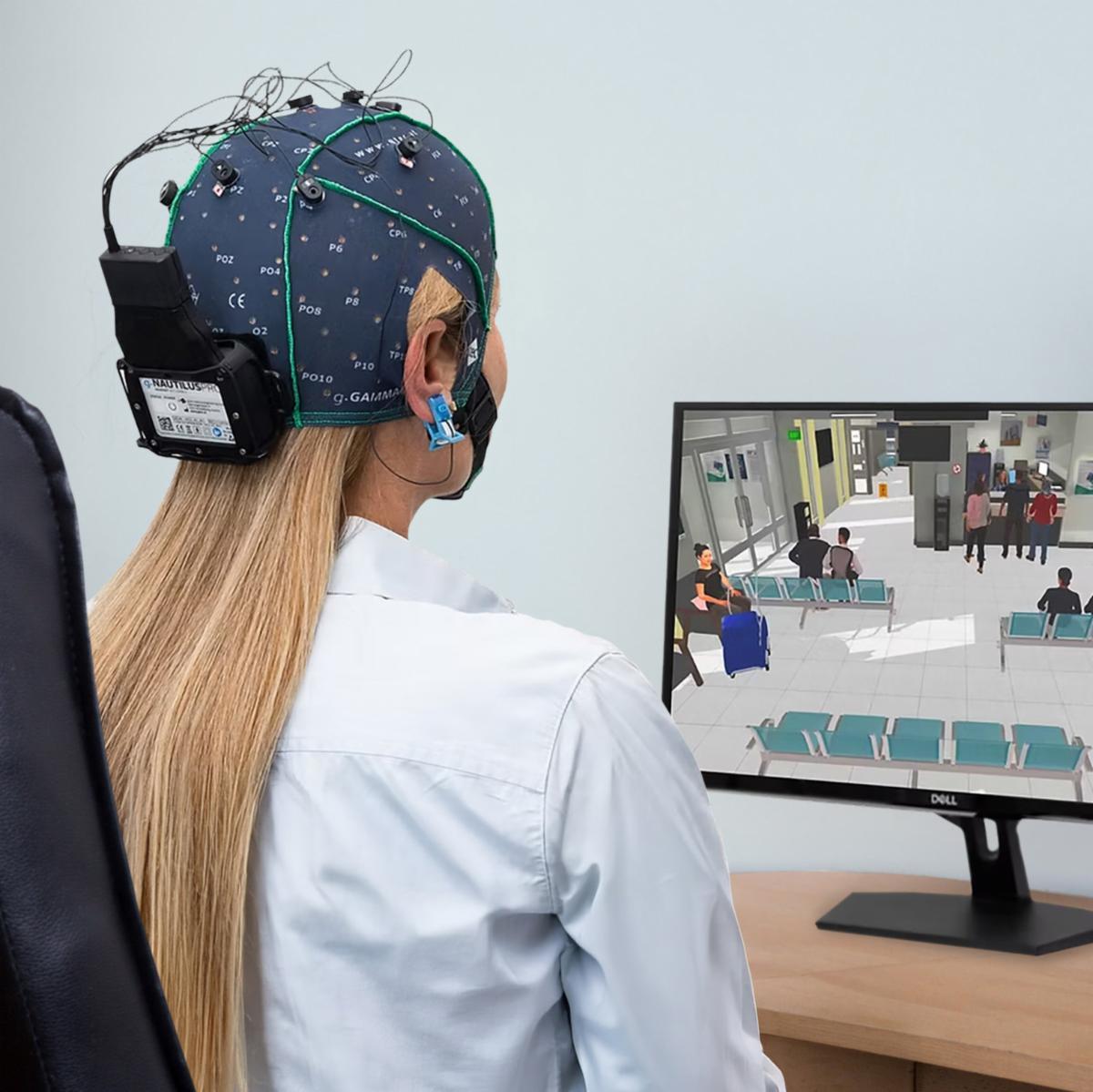
Before bringing new interventional treatments and technologies to Lakes Center, we wanted to understand and experience them ourselves. We didn’t want to add something simply because it was new. We asked: Does this add meaningful value to someone’s overall mental health care plan?
I’ve been open about my own lived experience with mental health, so this is personal for me, too. When someone trusts us with their care, I believe we have a responsibility to be thoughtful about what we offer. That’s why I’m excited about the additional options coming to the Lakes Interventional Therapies Center. They aren’t meant to replace what is already working. They give us more tools for individualize care.
With Dr. Lynne Lyons leading the way, we’re building a space for innovation while keeping the person receiving care at the center.
Interventional psychiatry gives us new ways to address symptoms. ACT helps us keep each person’s values, relationships, and purpose at the heart of their journey. Psychotherapy matters. Medication matters. Technology matters. Most importantly, the person receiving treatment matters.
Coming Next Month
Next month, our therapist Catherine Dufresne, LMSW, will take a closer look at Acceptance and Commitment Therapy, psychological flexibility, and how ACT can help us navigate difficult thoughts and feelings as we move toward a more meaningful life.
|