|
Women's Health Updates — September 2024
This newsletter features information about heart health, obesity, healthy aging, and more!
| |
HEALTH AWARENESS IN SEPTEMBER | |
|
ALOPECIA AREATA AWARENESS MONTH
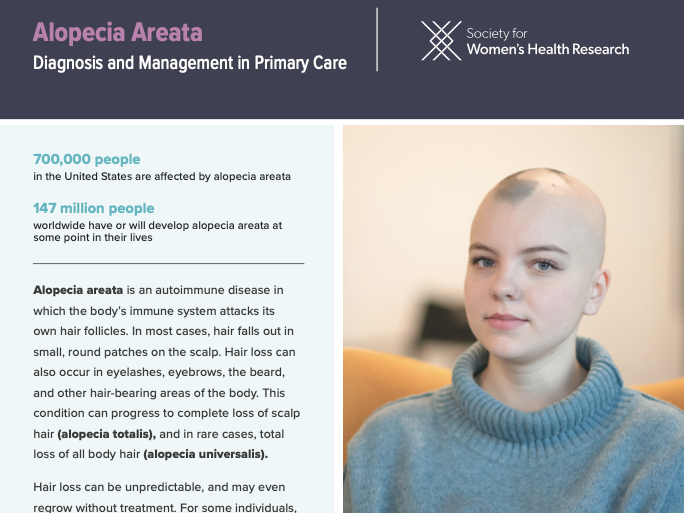
700,000 people in the United States are affected by alopecia areata, an autoimmune disease in which the body’s immune system attacks its own hair follicles. Learn more about diagnosis and treatment in the Alopecia Areata: Diagnosis and Management in Primary Care fact sheet.
| |
|
HEALTHY AGING MONTH
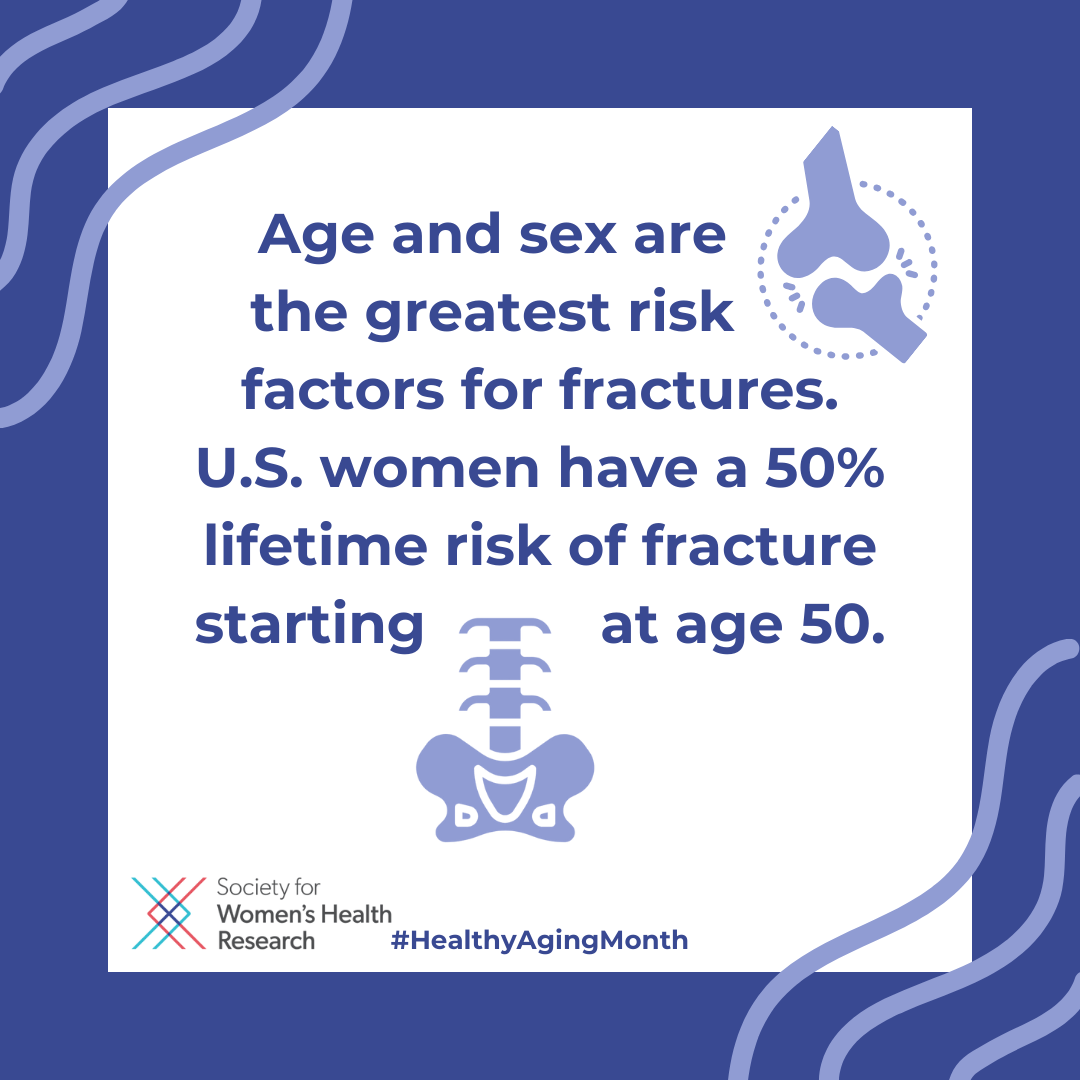
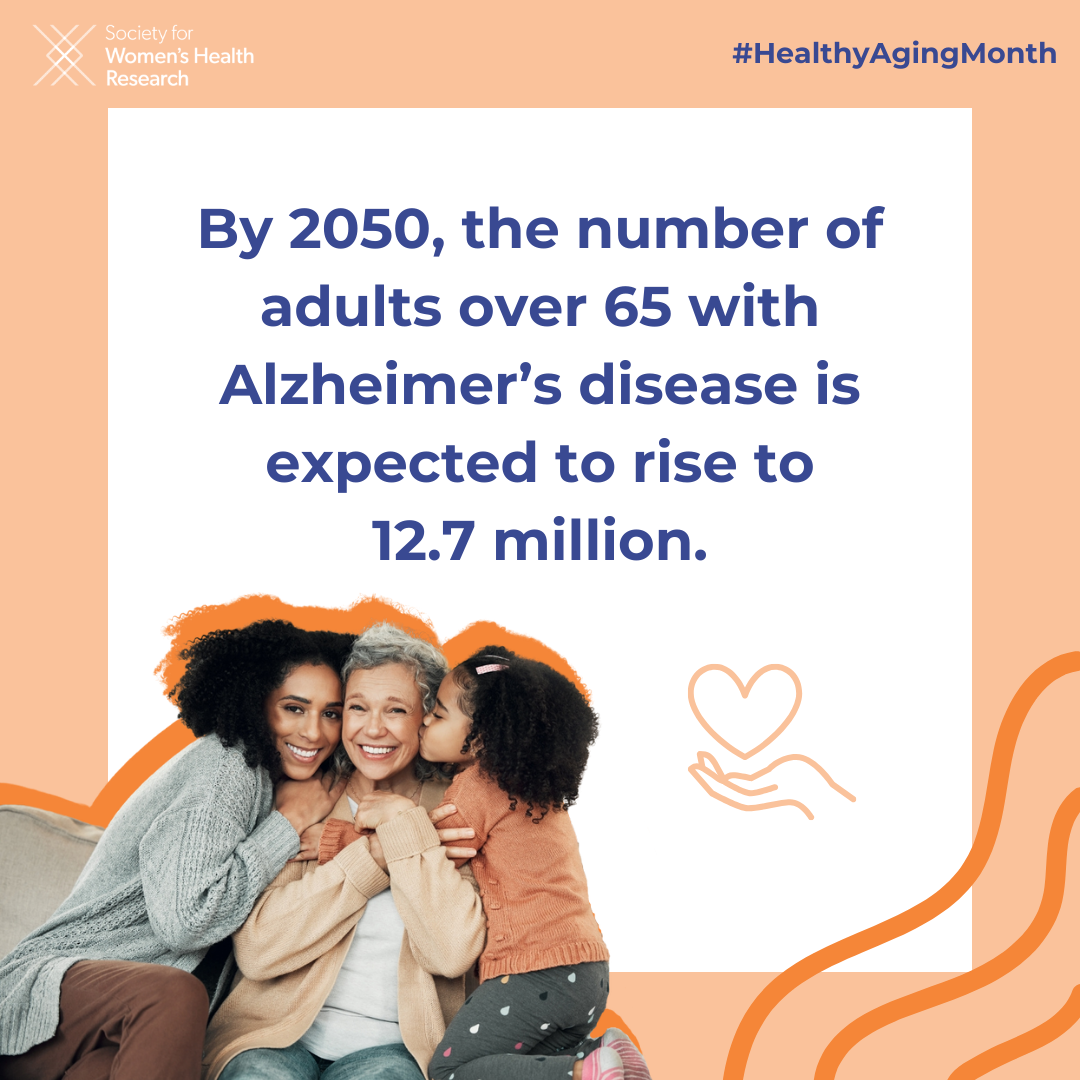
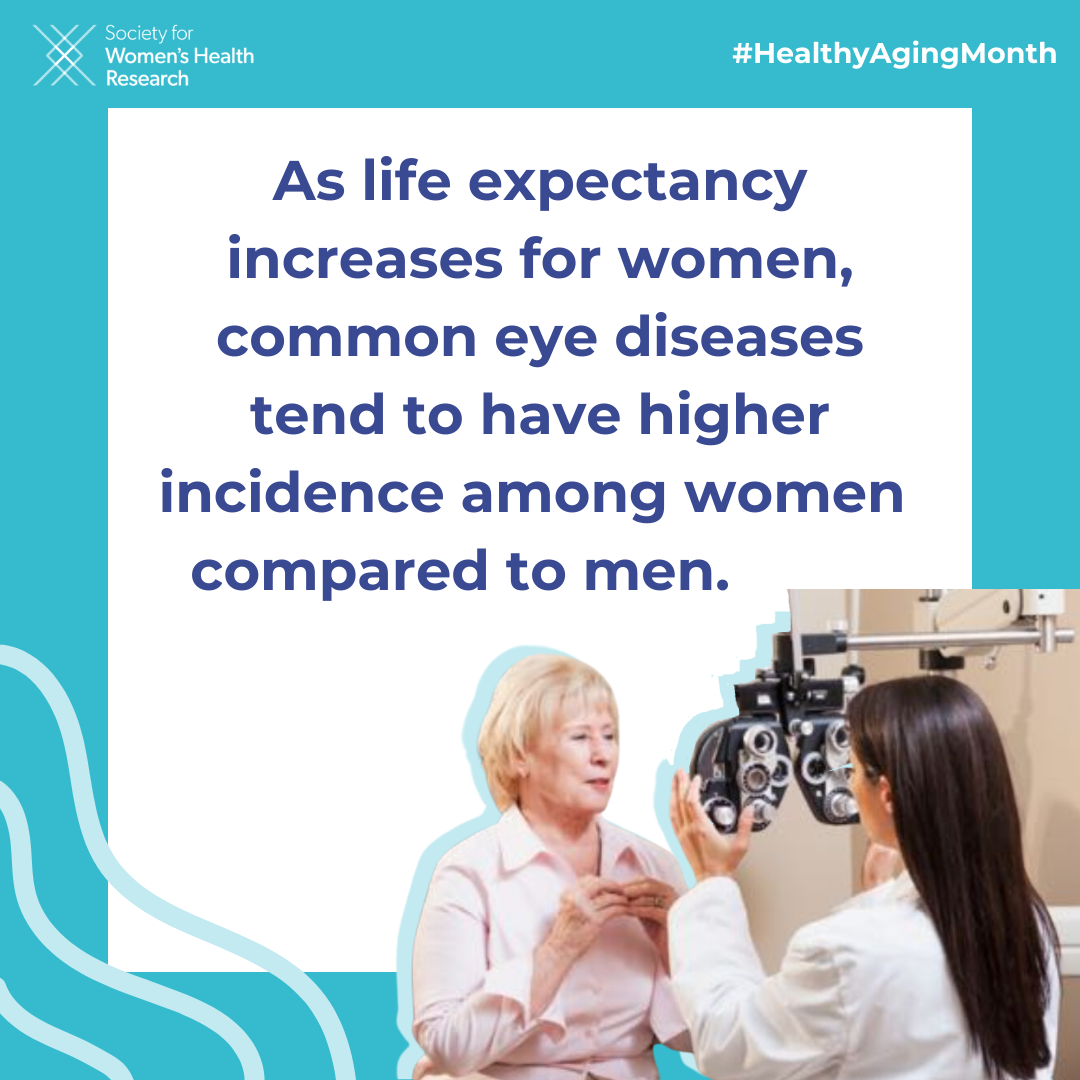
September is Healthy Aging Month! There are an estimated 6.5 million people in the United States living with Alzheimer’s disease – approximately 2/3 of them are women. As life expectancy increases for women, age-related eye diseases tend to have higher incidence among women compared to men. As women get older, they have an increased risk for developing heart disease or fracturing a bone. Age may be a risk factors for heart disease. U.S. women have a 50% lifetime risk of fracture starting at 50. Check out all of SWHR's FREE healthy aging resources online today!
| |
|
PAIN AWARENESS MONTH
Many girls experience pains during the first two years of their period. However, if your periods are so painful that you are missing school, work, and social events, or your pain medication isn’t working well, it is important to talk to a trusted provider about your experience. Explore the Endometriosis Toolkit: A Guide For Teens (also available in Spanish) to learn more. Check out more of SWHR's free gynecologic health and migraine pain resources online at swhr.org.
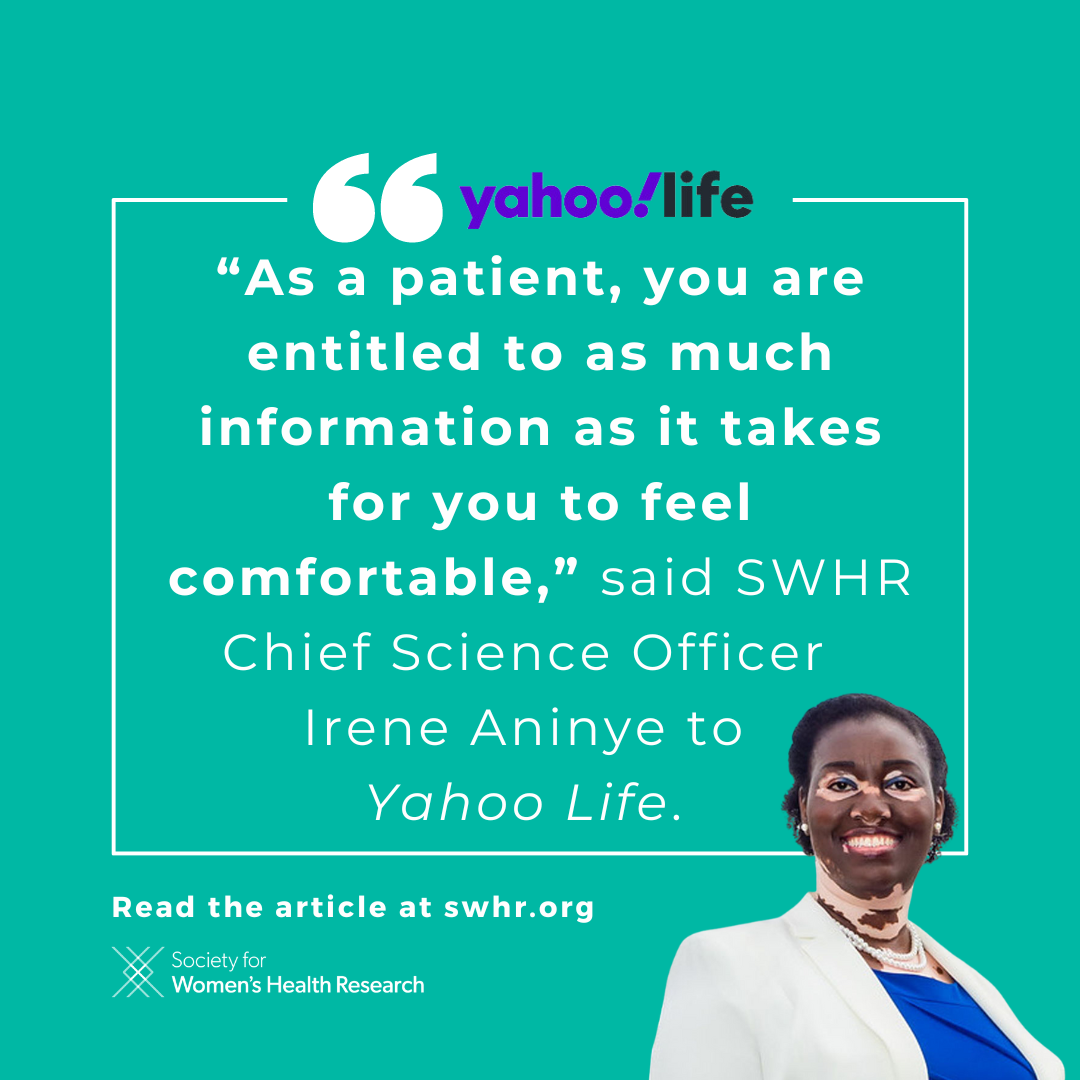
Read the latest new coverage on the topic from Yahoo Life, featuring SWHR Chief Science Officer Dr. Irene O. Aninye.
| |
|
POLYCYSTIC OVARY SYNDROME (PCOS) AWARENESS MONTH
September is PCOS Awareness Month, and September 1 is World PCOS Day and PCOS Day of Unity.
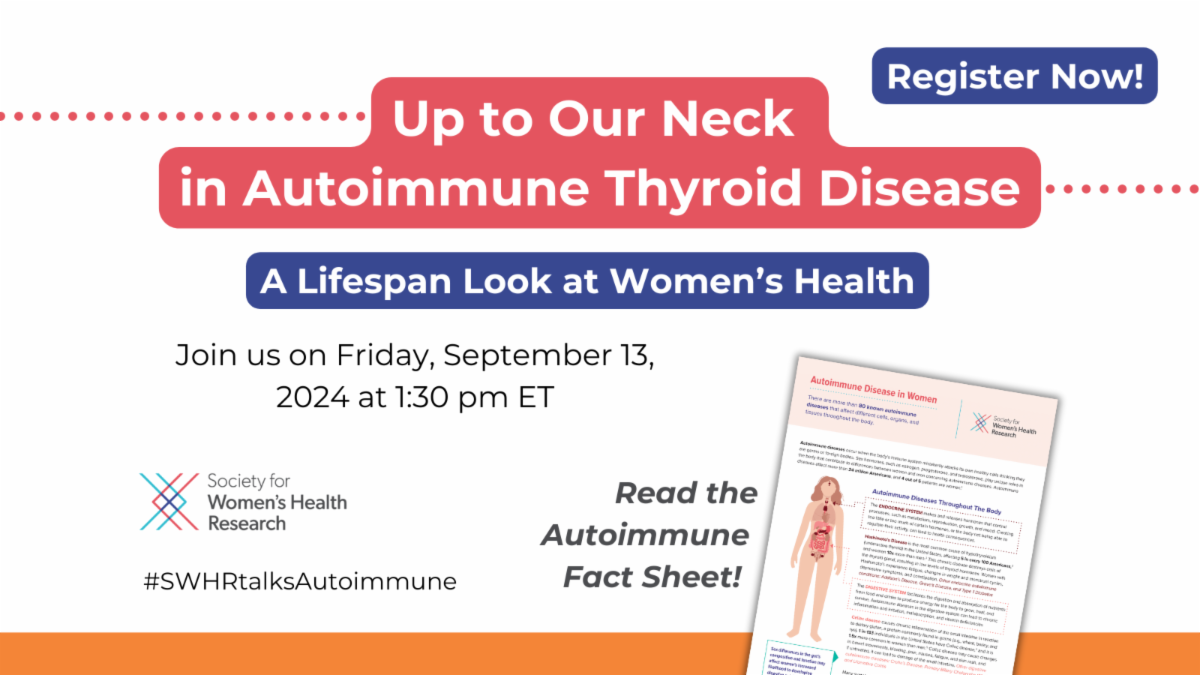
PCOS is a hormone disorder that leads to cyst production in the ovaries, causing immature egg development and irregular ovulation. PCOS affects 8-13% of reproductive-age women worldwide - yet an estimated 70% of women with PCOS in the United States remain undiagnosed. Read the fact sheet, Exploring PCOS Throughout the Body and watch the webinar Promoting Shared Decision-Making in PCOS Management.
| |
|
SEPT 21: WORLD ALZHEIMER'S DAY
Every September is also World Alzheimer's Month. Over 60% of individuals providing care for an individual with Alzheimer’s disease and related dementias are women. Learn more about the disproportionate challenge of Alzheimer's disease that women face as both patients and caregivers in SWHR's series of Alzheimer's fact sheets and the policy agenda.
| |
|
SEPT 22: WORLD NARCOLEPSY DAY
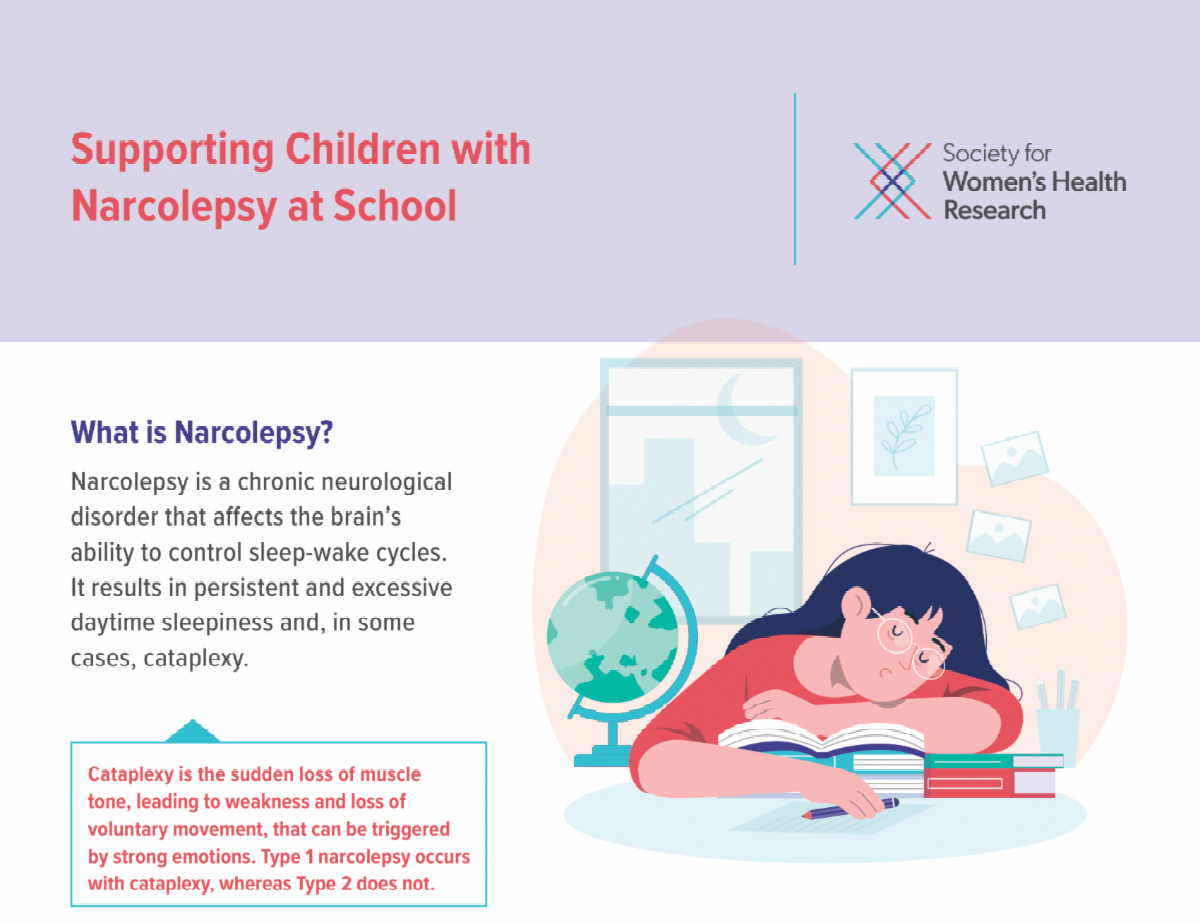
As a lifelong condition, narcolepsy greatly impacts patients, their families, and caregivers. The exact cause of narcolepsy is unknown, and while there is a genetic component to narcolepsy, many people develop narcolepsy without any family history. This World Narcolepsy Day, check out the Narcolepsy and Maternal Health: Fact Sheet for managing narcolepsy during pregnancy and the Supporting Children with Narcolepsy at School for advocating for children's sleep health at school.
| |
|
SEPT 25: WORLD LUNG DAY
Lung cancer is the 2nd most common non-skin cancer in women and the leading cause of cancer deaths in the United States for both women and men. This September, read the Value of Diagnostics within Women’s Health: Lung Cancer fact sheet to learn how to support your lung health.
| |
|
SEPT 29: WORLD HEART DAY
September 30 is also National LDL-C Awareness Day, and September is National Cholesterol Education Month.
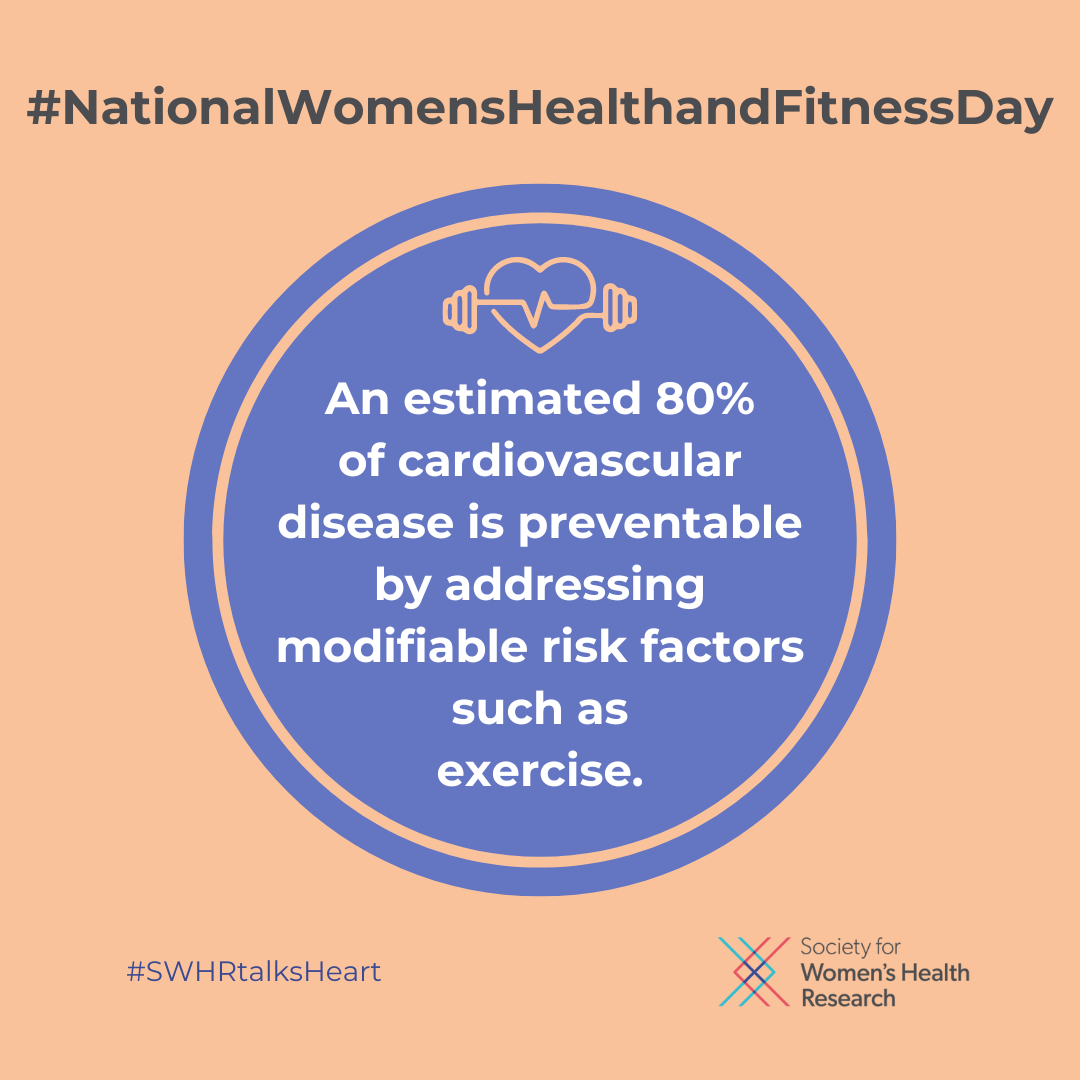
Nearly 40% of the U.S. population has high cholesterol, which raises the risk of heart disease, stroke, or a heart attack. Check out the fact sheet Factors Impacting Women’s Cardiovascular Health Across the Lifespan to learn how women can manage their heart disease risk.
This fall, it's time to Read My Lips – LIPids, that is! The SWHR Read My Lips campaign aims to emphasize the importance of women knowing their risk factors for heart disease and understanding the critical role of cholesterol screening. Learn more and join us to #ReadMyLips!
| |
SWHR Publishes Heart Health Advocacy Toolkit
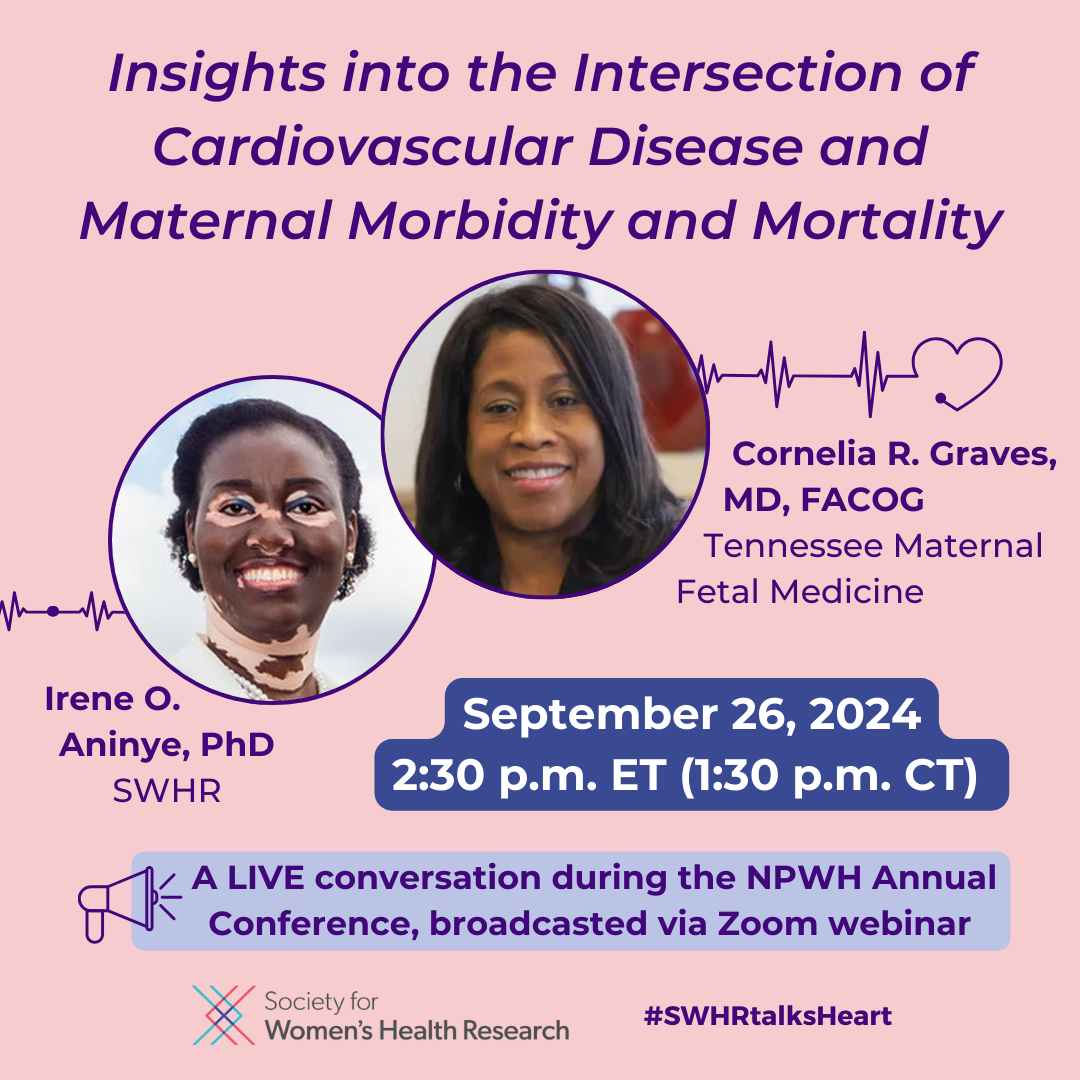
Cardiovascular disease (CVD), which includes heart disease, stroke, heart failure, and hypertension, is the leading cause of death for both men and women in the United States. According to the American Heart Association (AHA), women accounted for 48.1% of reported deaths due to cardiovascular disease in 2019. By advocating for increased research focused on women’s cardiovascular health and for tailored prevention and treatment strategies, we can improve health outcomes for women at every stage of their lives.
Taking Action for Women’s Heart Health: An SWHR Advocacy Toolkit is intended to serve as a guide to support advocacy efforts and spotlight specific actions you can take now to advocate for women’s heart health.
| |
Learn More and Read My Lips!
This National Cholesterol Education Month, SWHR is highlighting the Read My Lips campaign to help women know their risk factors for heart disease and high cholesterol.
Did you know that lipid panel testing is the most comprehensive way to determine high cholesterol? Stay tuned this month to play SWHR's new online game to learn more about the risks of having high cholesterol!
| |
|
SWHR Supports Medscape Menopause Resources
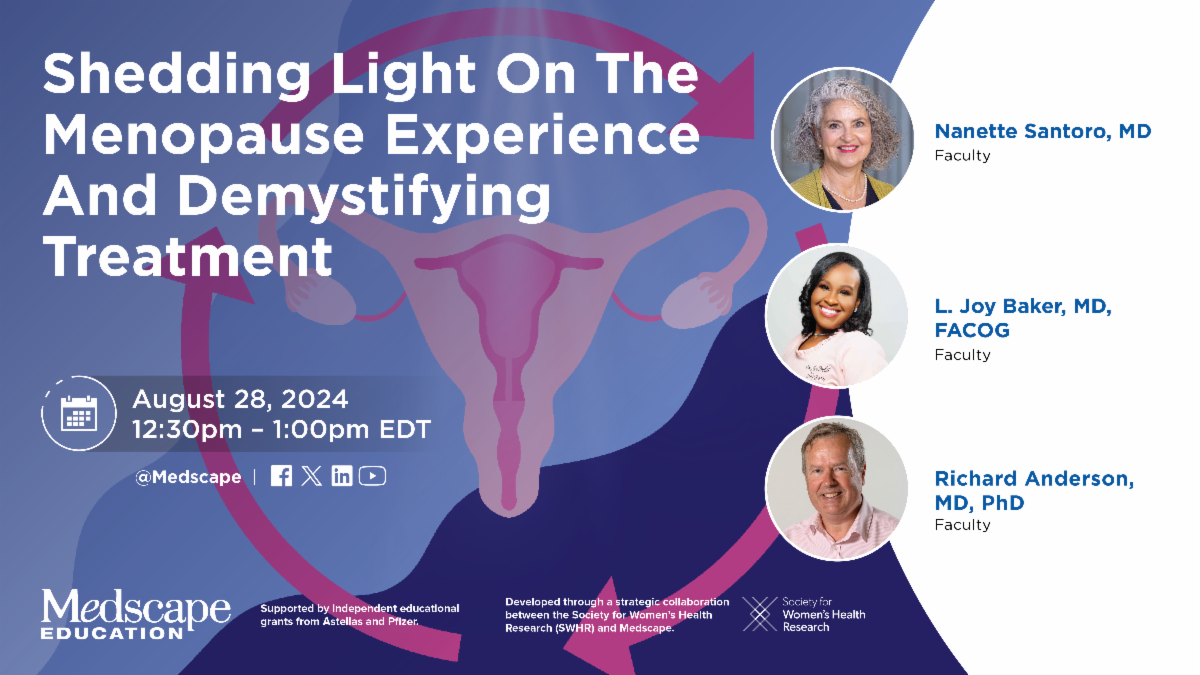
One-third of a woman's life in developed countries is spent after the menopause transition. SWHR joined Medscape in collaboration to create menopause education resources for women and clinicians alike.
The course, "Menopause Mastery: Tailoring Treatment for Every Patient," aims to help learners better understand the diverse symptoms, diagnostic approaches, treatment options, and long-term health implications of menopause. All Medscape Education is free. If users wish to receive credit or a letter of completion of this program, they must log-in. Membership to Medscape is also free.
During the social media event, "Shedding Light on the Menopause Experience and Demystifying Treatment," a panel of experts delved into the diverse effects of vasomotor symptoms (VMS) on different populations. 73% of women are not treating their menopause symptoms, according to the National Institutes of Health.
These two resources were developed by Medscape, in collaboration with the Society for Women's Health Research.
| |
|
SWHR Updates:
Coalition to Advance Maternal Therapeutics (CAMT) Updates:
Industry Updates:
Learn more about SWHR's policy work here.
| |
|
SWHR EVENT BEGINNING SEPT 11: Women’s Health: A Physiological Analysis
The American Physiological Society, SWHR, and InsideScientific are pleased to announce a joint webinar series covering research innovations in the field of women’s health and related disease models. Learn more.
| |
|
SEPT 18: The women’s health gap: Why sex matters in research
In this Science webinar, a panel of experts comprising researchers, clinicians, and industry innovators will explore the unique health challenges that women face and the crucial role of sex-specific research in driving medical innovation. Learn more.
| |
|
NOV 13-14: 2024 Magee-Womens Summit
Scientific and clinical innovators will convene to discuss how women’s health and reproductive sciences should be transformed in the 21st century. Learn more.
| |
|
Women's Health Perspectives Spotlight
"At the age of 24, I was diagnosed with my first abnormal pap test and referred for a colposcopy. The provider stopped and referred me to a gynecologic oncologist. Hearing the word “oncologist” didn’t register to me as potentially having cancer."
September is Gynecologic Cancer Awareness Month. Read Morgan's full women's health story, on the Women’s Health Perspectives hub.
| | | |
Do you have a health story to share? SWHR is always seeking stories about diagnoses, seeking or providing care, and living with autoimmune diseases, heart disease, or other conditions or life stages such as menopause. Visit swhr.org/shareyourstory or click the button to share. | |
Did someone forward you this email? Looking for more news on women's health research? | | |
Would you like to join us in our vision of making women's health mainstream? | | | | | |