|
Your Independent Neighborhood Garden Nursery
Beautiful Plants and Inspired Designs since 1954
Happy Labor Day! We are OPEN on Monday, Sept. 7
| | Dear Friends of Anderson's La Costa, | | |
Happy Labor Day!
We hope you survived this summer's tropical heat spell. We are grateful that many of our plants survived, and for so many of our wonderful customers who still came in for a visit despite the heat. Thank you.
This time of year is special when the kids go back to school, the tourists head home, and everything quiets down. What a relief it is to head into gorgeous September and already feel the temperatures cool down, especially in the early morning.
On to our monthly specials...
| |
| |
September Nursery Specials
20% Off
In-stock Deciduous Fruit Trees, Podocarpus,
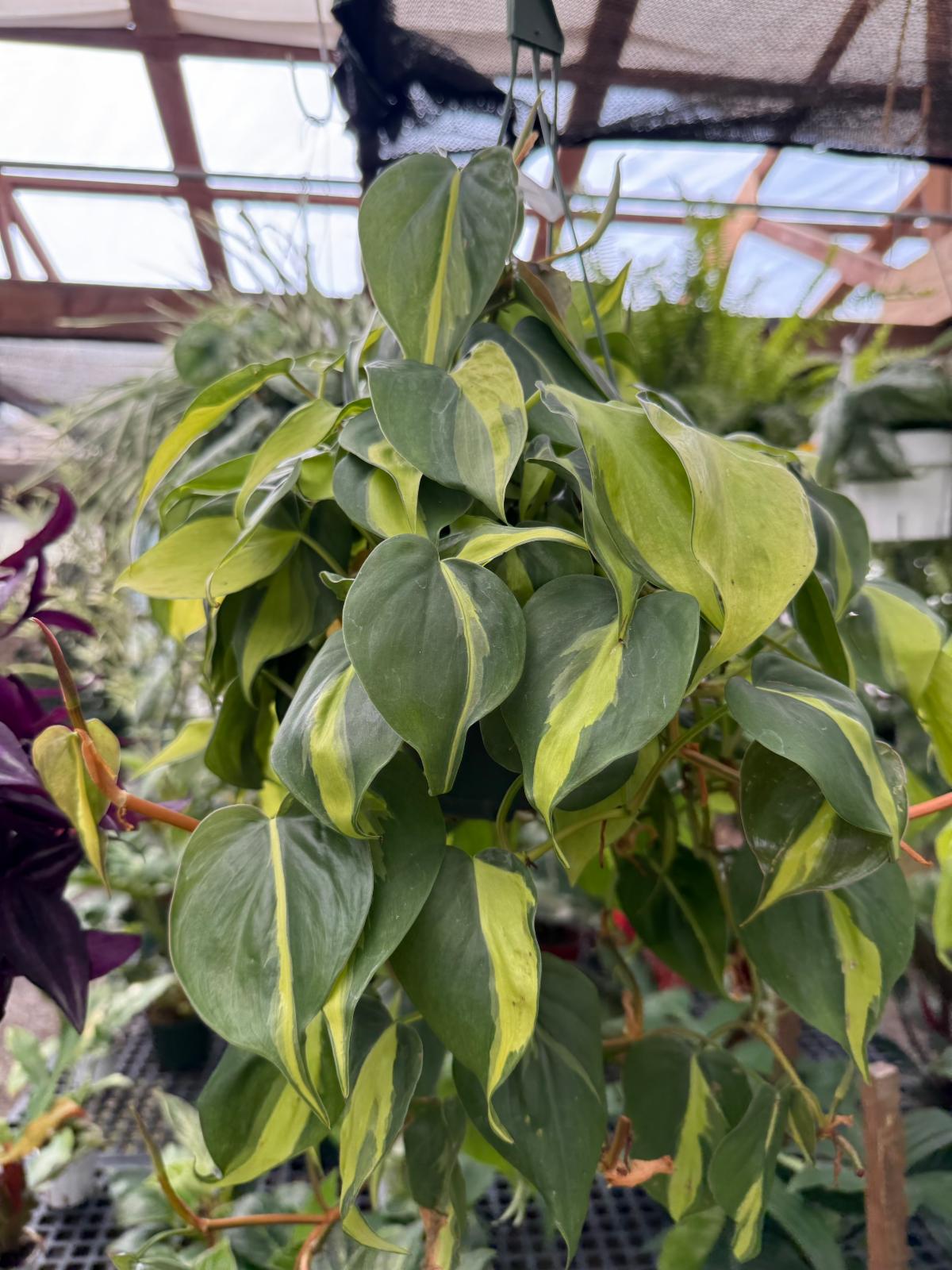
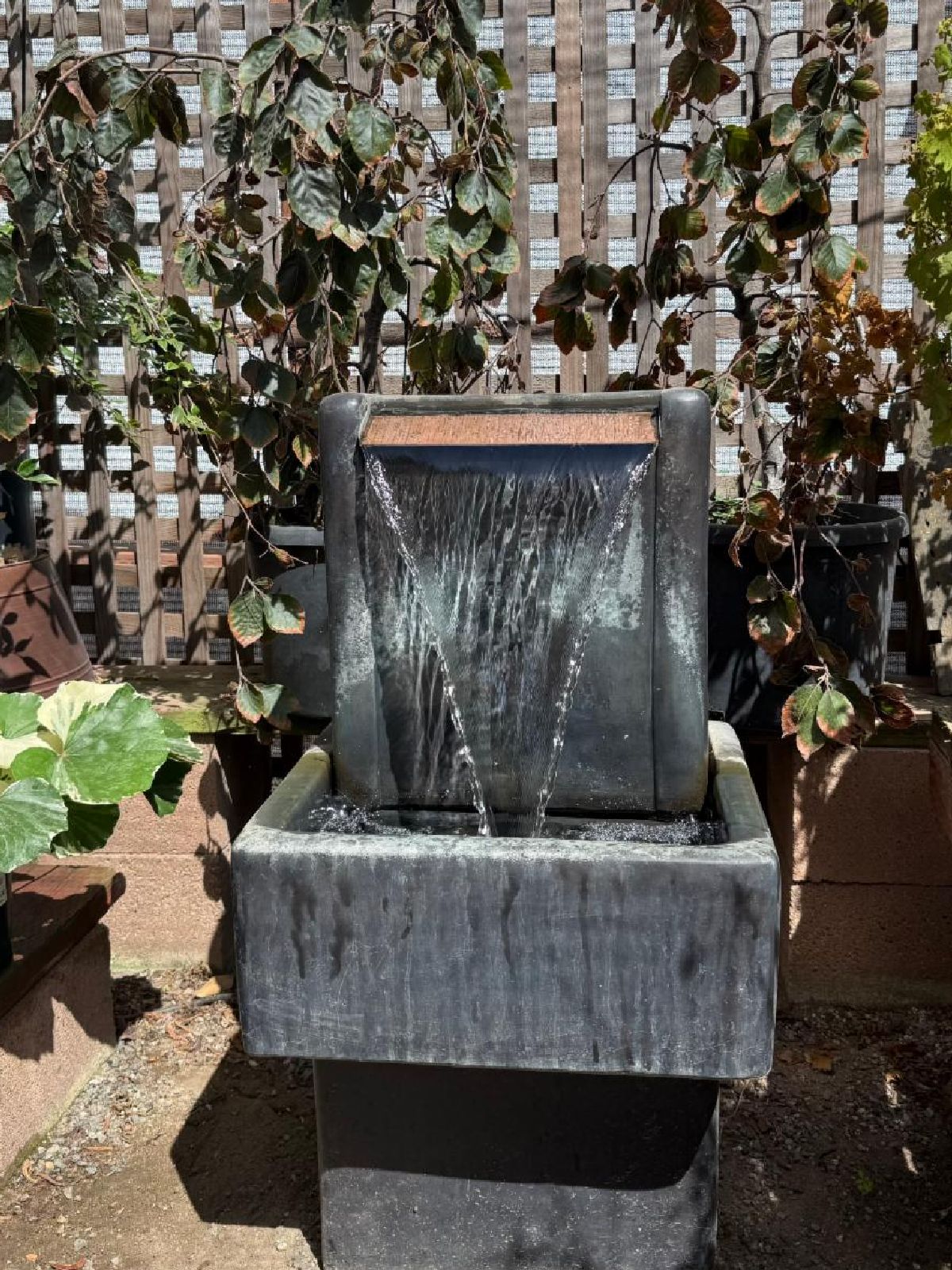
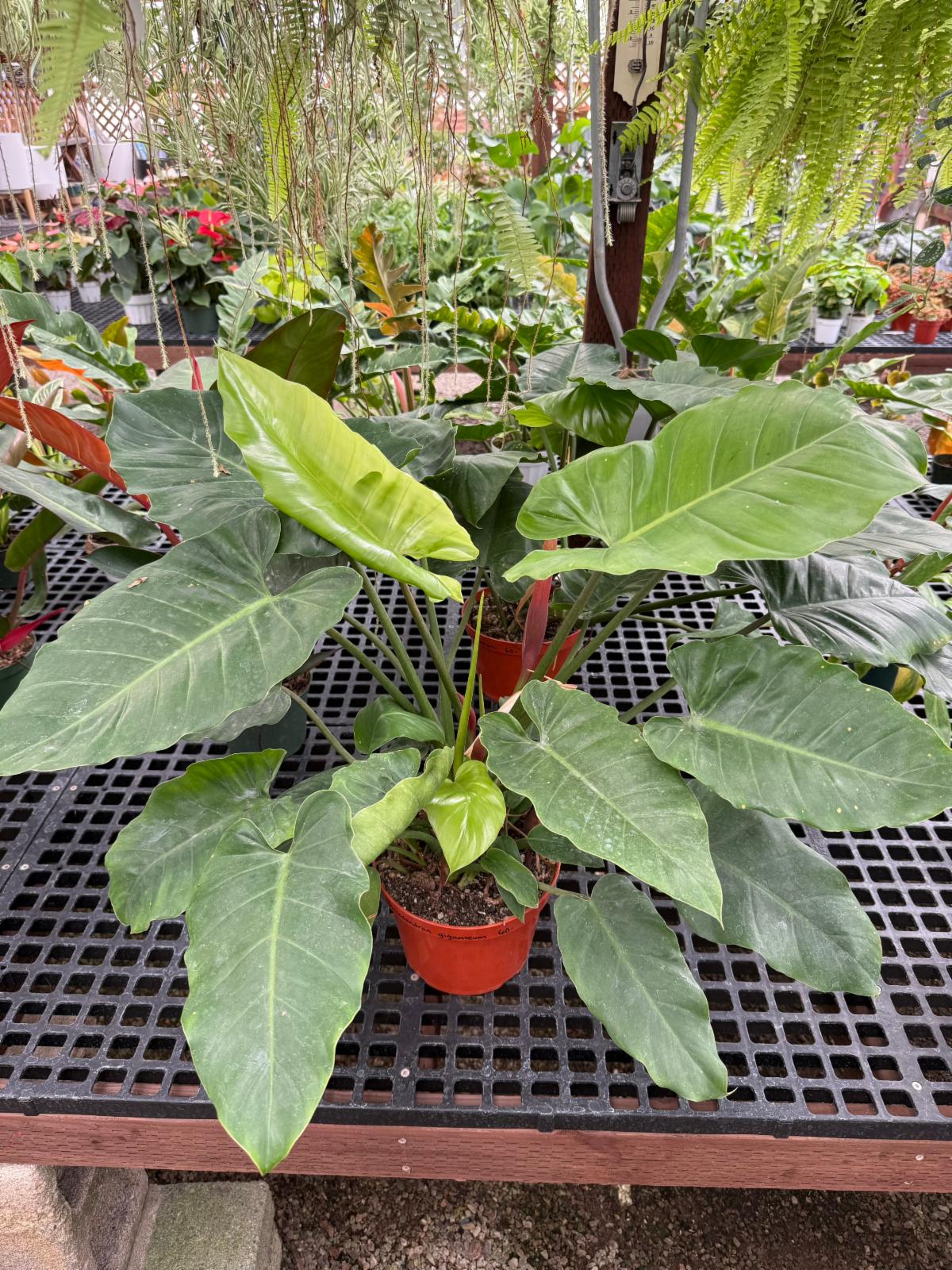
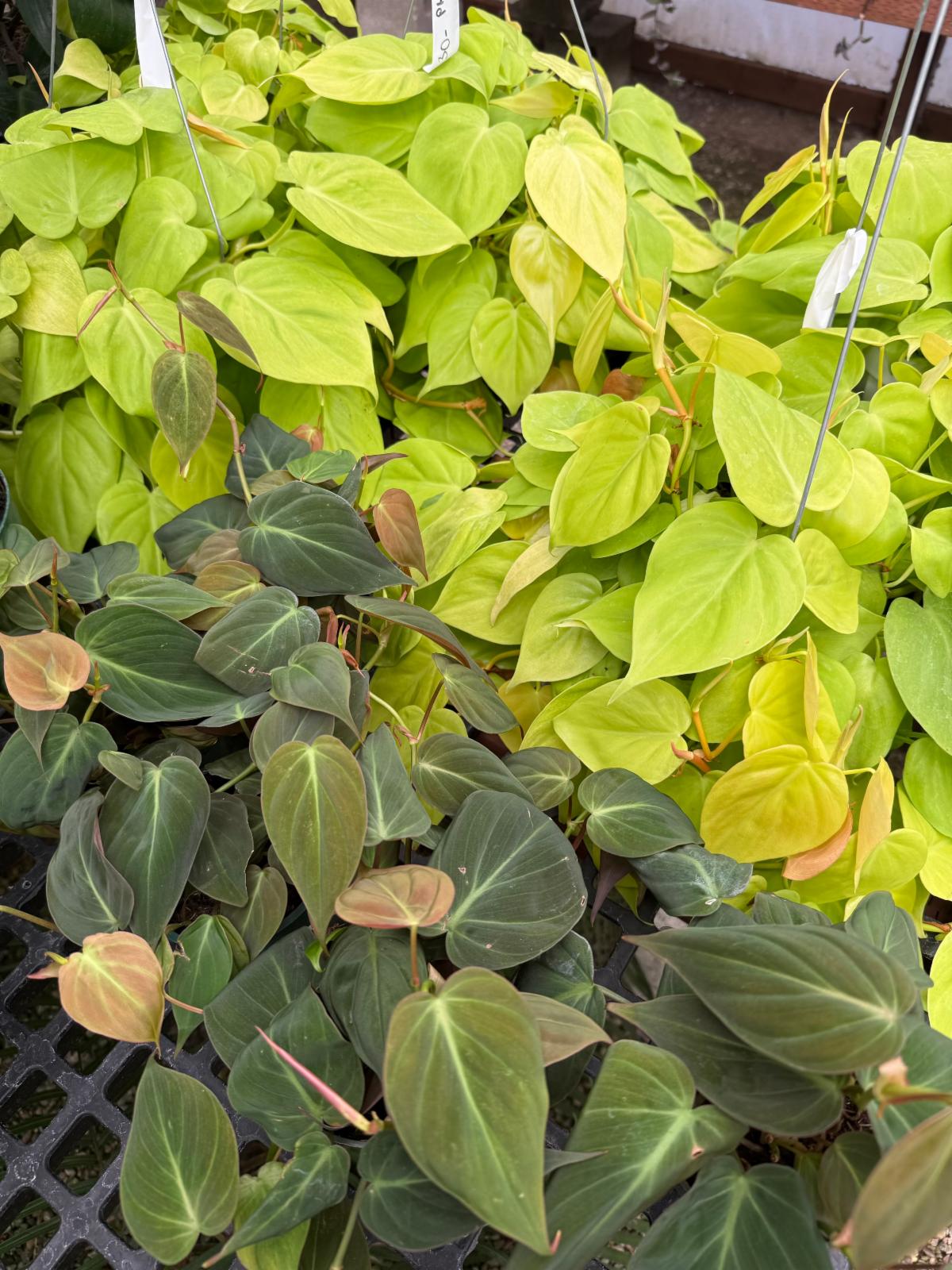
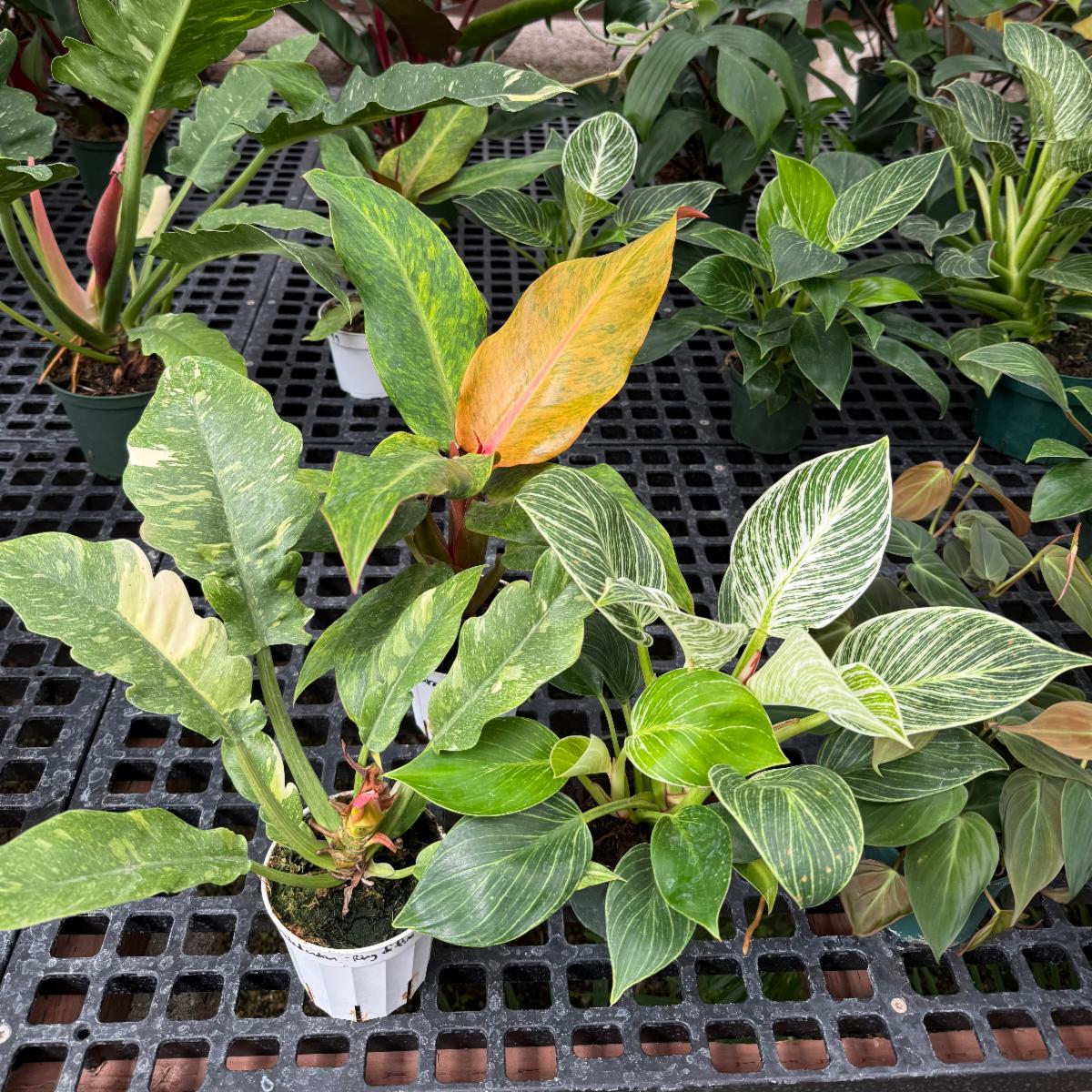
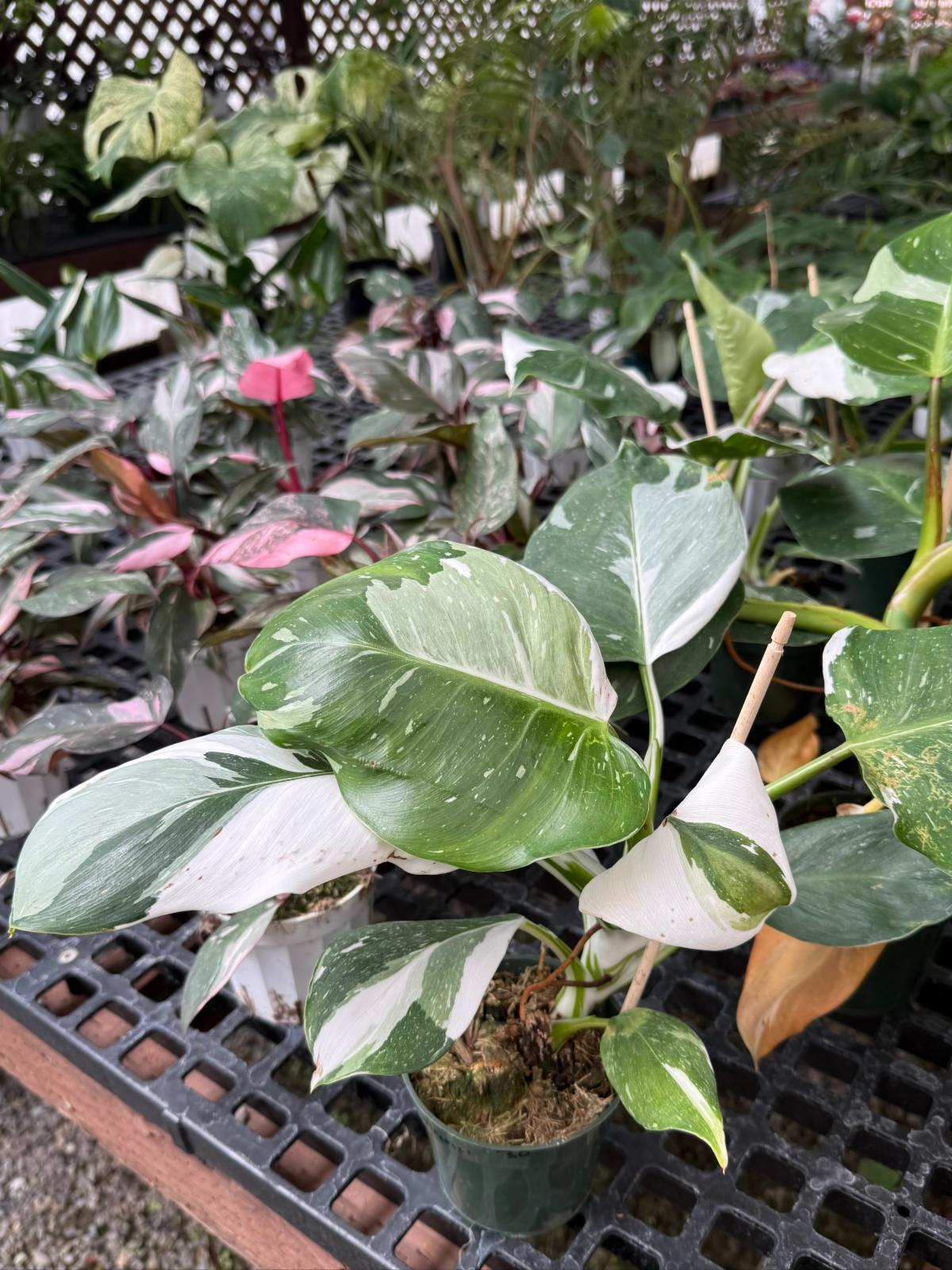
Indoor Philodendrons, and Water Wall Fountains
Four separate categories. Huge Sale!
| |
| |
In the next section, you'll find Steven's nursery and garden write-up, followed by September Gardening Tips.
We are open this Monday, Sept. 7, for Labor Day, from 8:30 am - 3:30 pm. In case of rain, we will only close if it's really coming down and there's no sign of it stopping. Please check our website or our Instagram page for updates.
We look forward to welcoming you to the nursery very soon. Hope you have a safe and wonderful holiday!
Best wishes,
Your Anderson's La Costa Team ~ Marc, Mariah, Steven, Hanna, Tandy, Mo, Julie, June, Zoe, Madeline, Ella, Gabe, and Alvaro
| |
| |
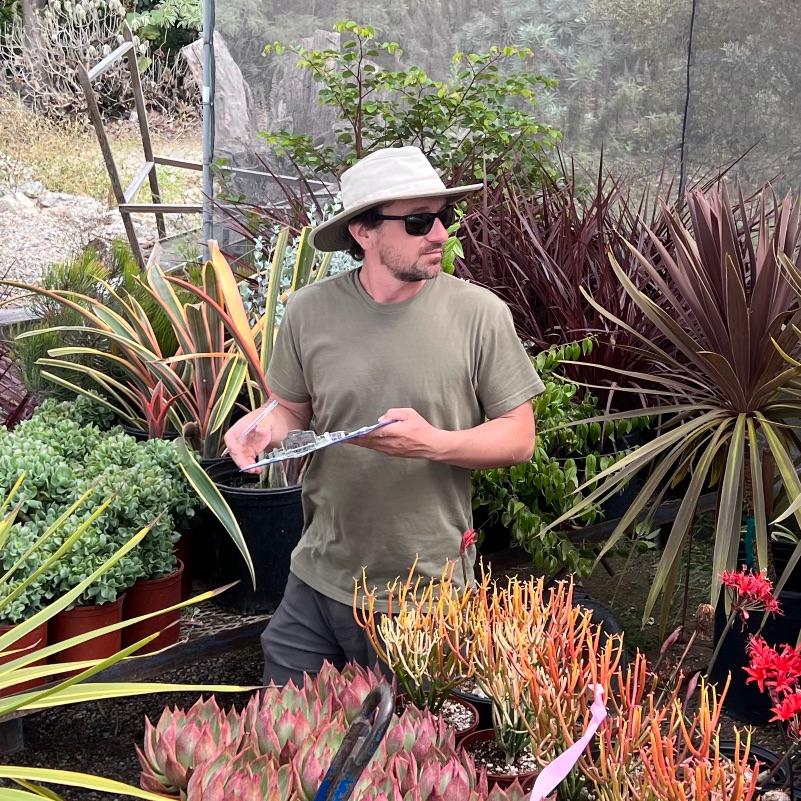
What's New at the Nursery by Steven Froess
Hello Everyone!
The September newsletter has arrived. We've finally made it to the "ber" months (but definitely not as in “cold”). At the end of this month, I will be going on a trip to Yellowstone National Park that I've been looking forward to all year.
The days are already getting shorter as we approach fall. This time of year, I focus most on watering and pest control, and tend to water my garden more frequently in the summer, especially with this summer’s heat. Living more inland, temperatures are 10-15 degrees higher than at the coast on most days. I've chosen plants that can tolerate higher temperatures, so it's just a matter of watering thoroughly. The house I live in has a very inefficient, poorly designed irrigation system, so hand watering works best for me, and luckily, I don't have a large yard. One benefit of hand watering is that I can go back and forth several times to make sure the water reaches exactly where it needs to.
Irrigating in the mornings and/or evenings (sometimes both) is best for most plants. Remember that dry soils take longer to rehydrate, so it's sometimes best to water in smaller cycles over a longer period for best results. For example, I will hand-water in the evening and then again the following morning occasionally to ensure that the soil is thoroughly hydrated during the warm season.
| | |
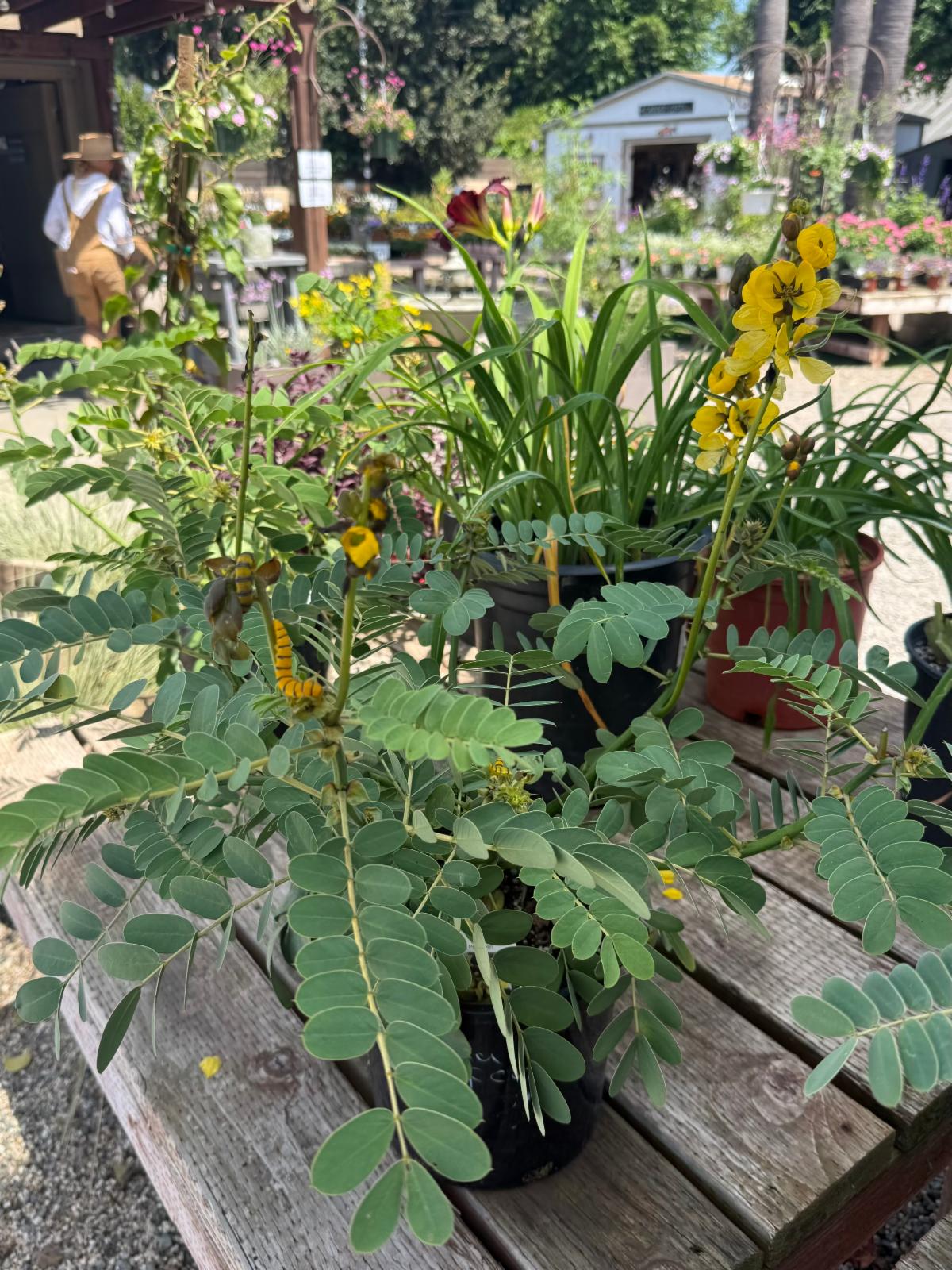
This time of year, pest populations tend to peak. There is no running away from pests this time of year; everyone has them one way or another, whether they’re ants, rodents, aphids, grubs, mites, caterpillars, or any of the other hundreds of pests. The key is to correctly identify which pest or pests you have and act as necessary.
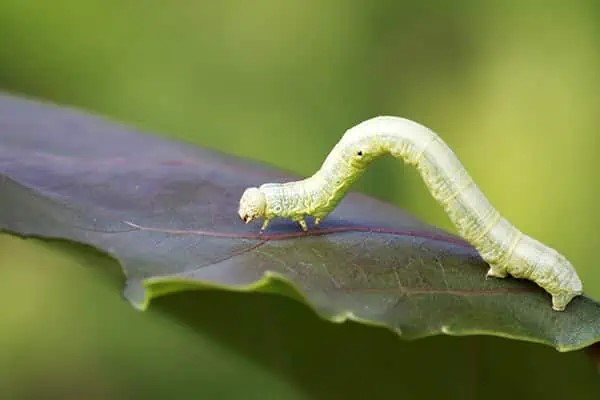
One pest that is particularly abundant this time of year is the bougainvillea looper, pictured above. These moth larvae, which move like an inchworm, are very active in the summer and can defoliate plants quickly if left unchecked. If you spot chewed leaves this time of year, chances are the looper is around. They can be difficult to see because they are small and blend well with the plant.
Another sign to look for is the dark, round frass the loopers leave behind as they feed. Applications of Bacillus thuringiensis (Bt) and/or Spinosad are very effective at controlling these pests. Apply in the evening to the foliage and repeat in 7-10 days for best results. Although the damage and defoliation are not attractive, the plant usually recovers once it has a chance to regrow in the cooler season.
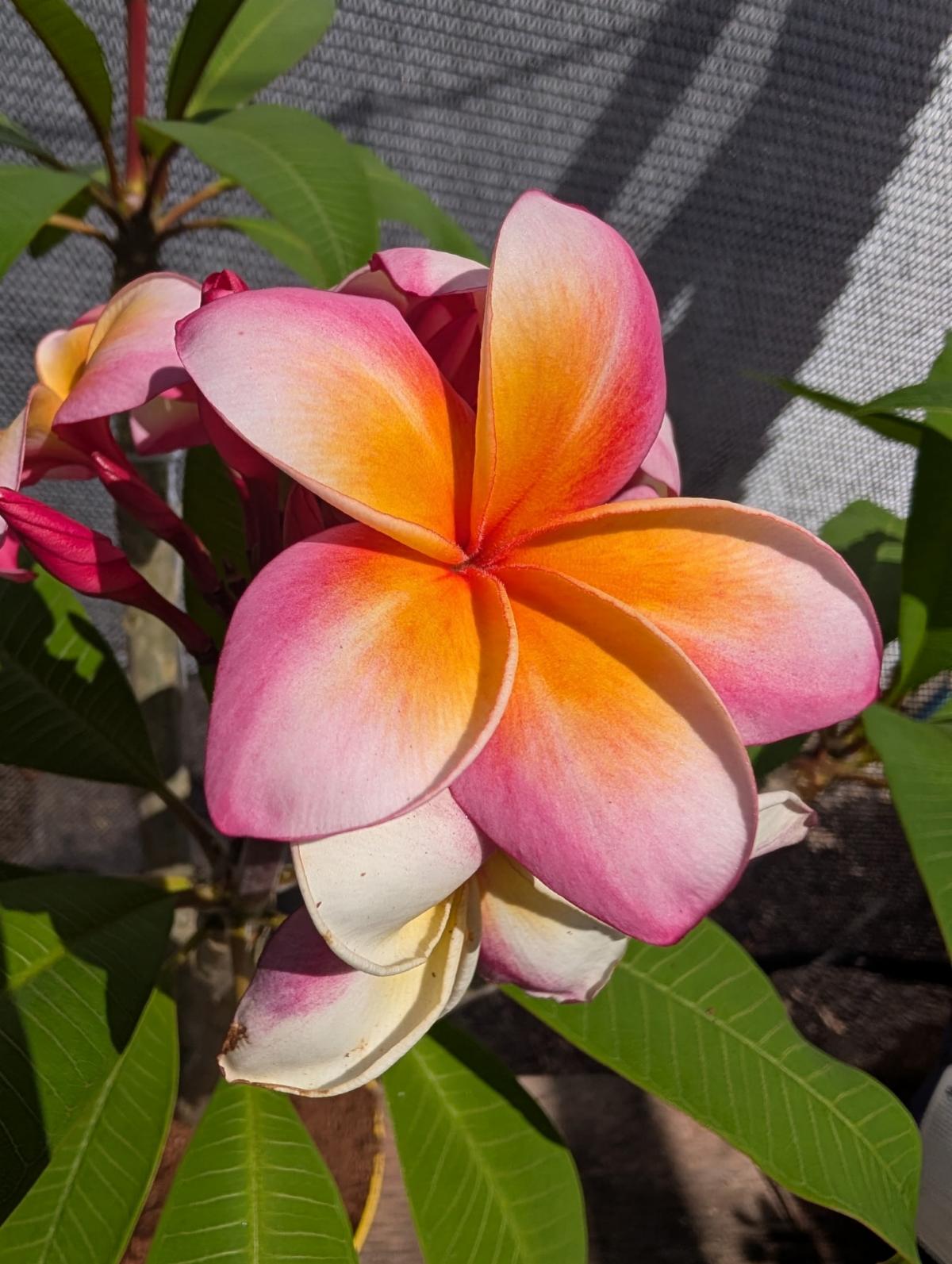
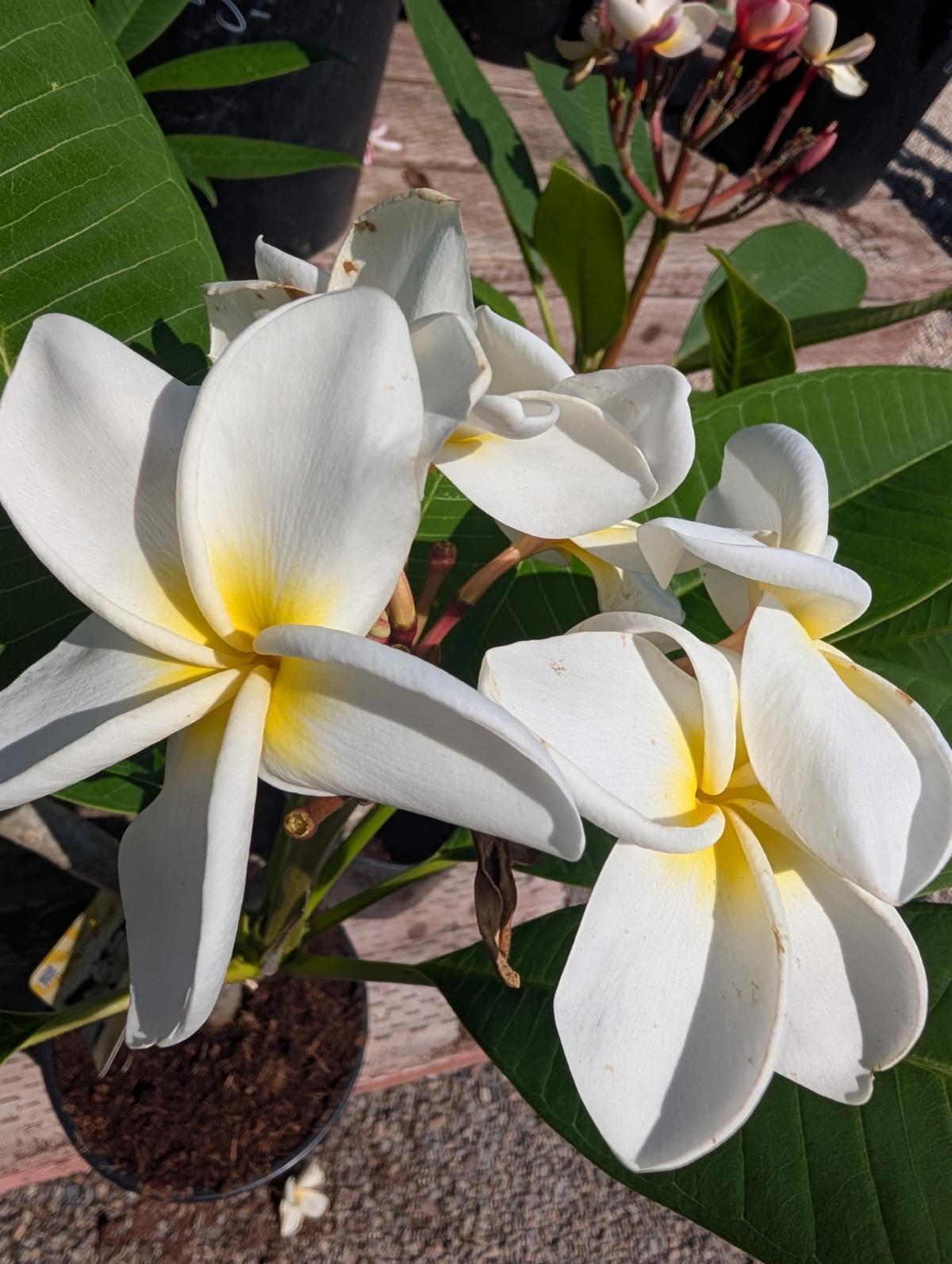
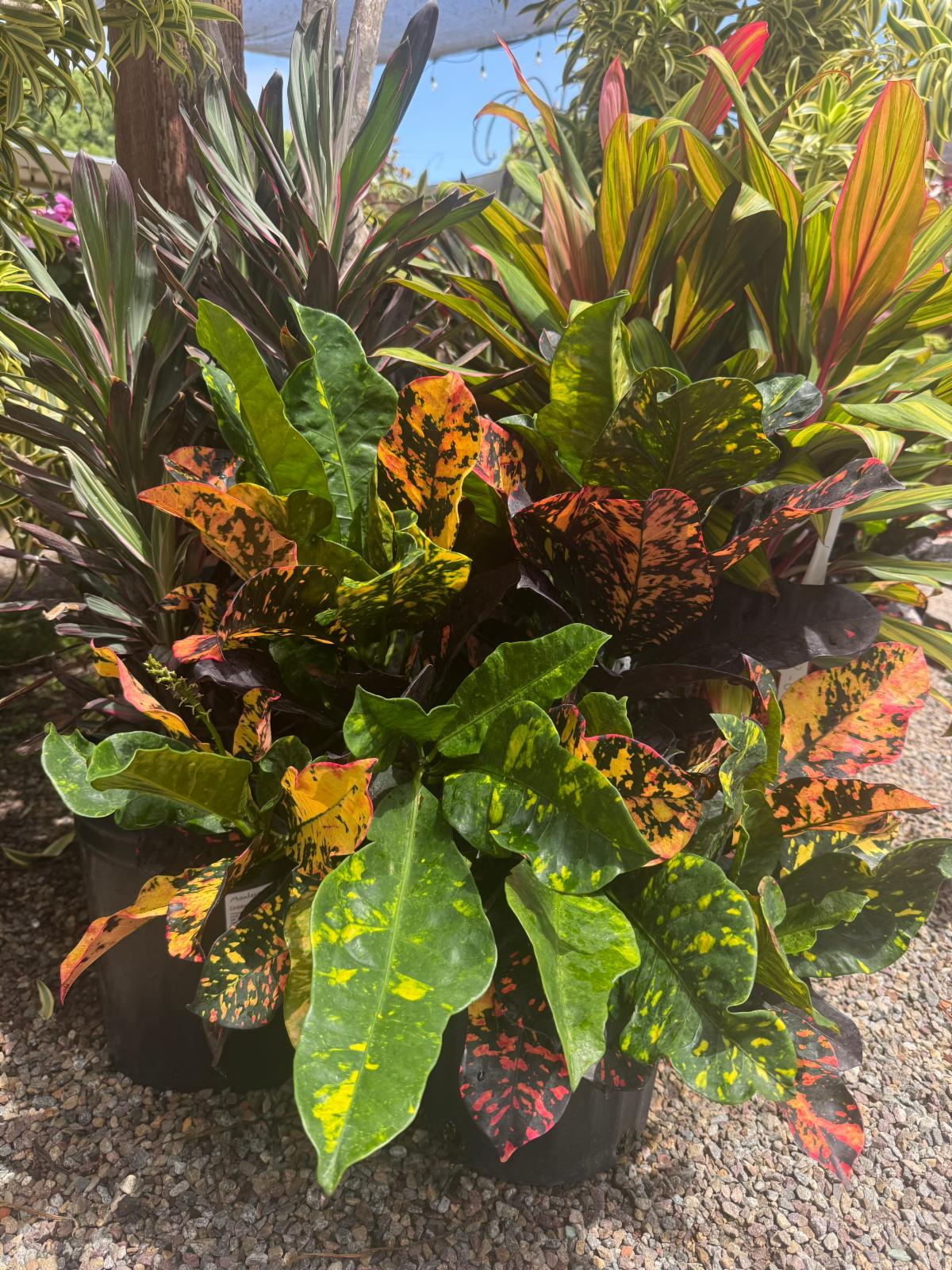
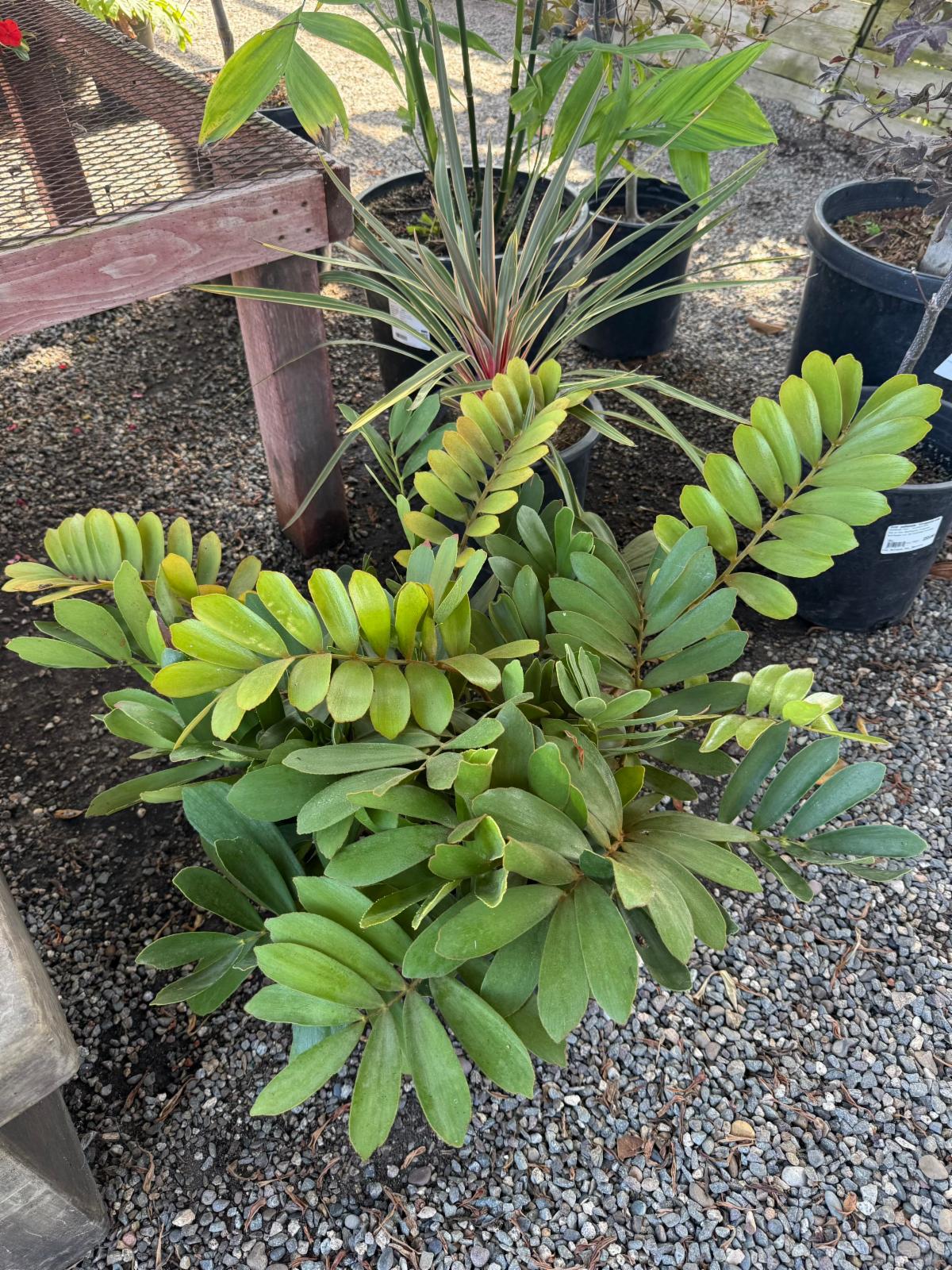
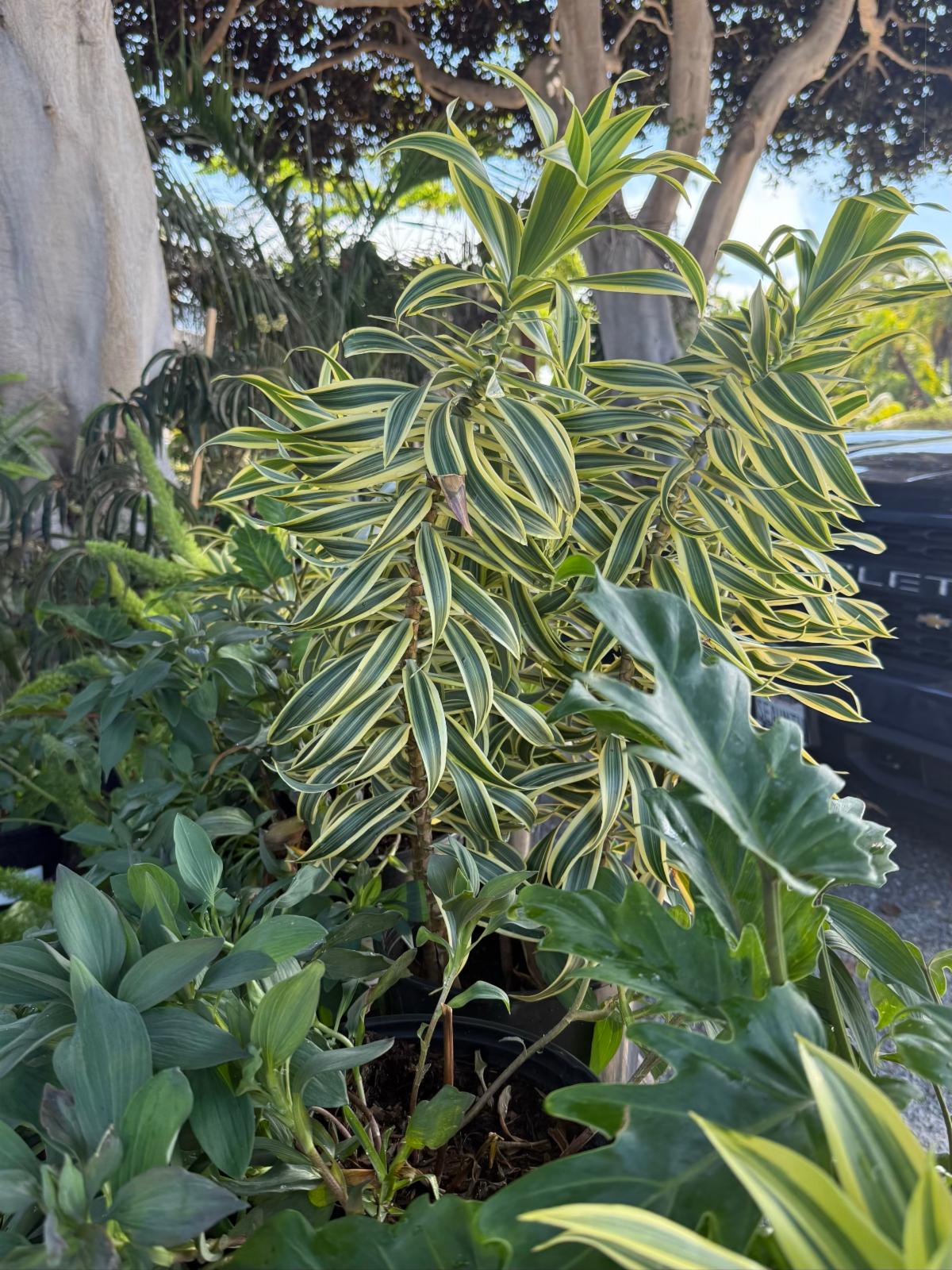
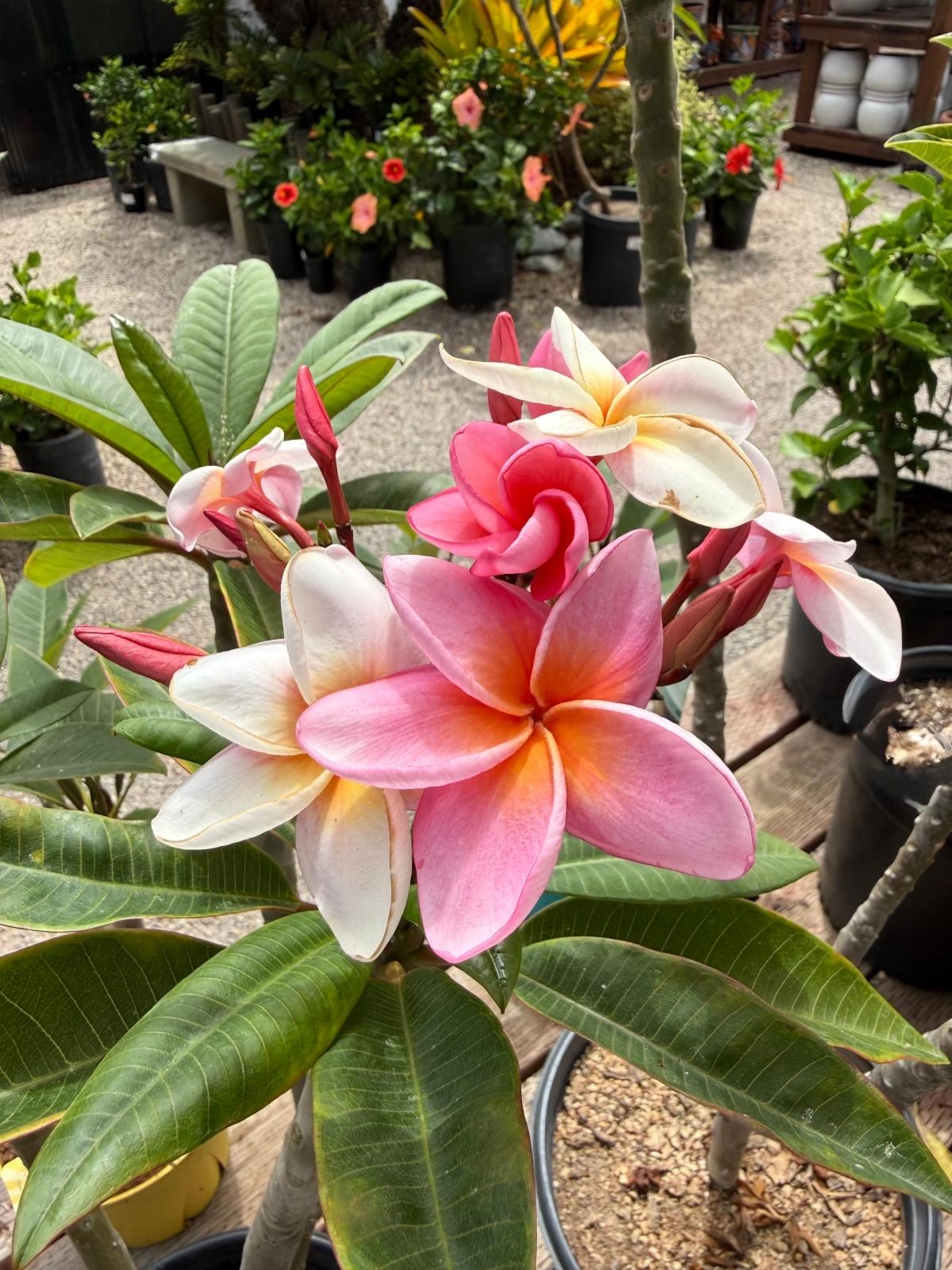
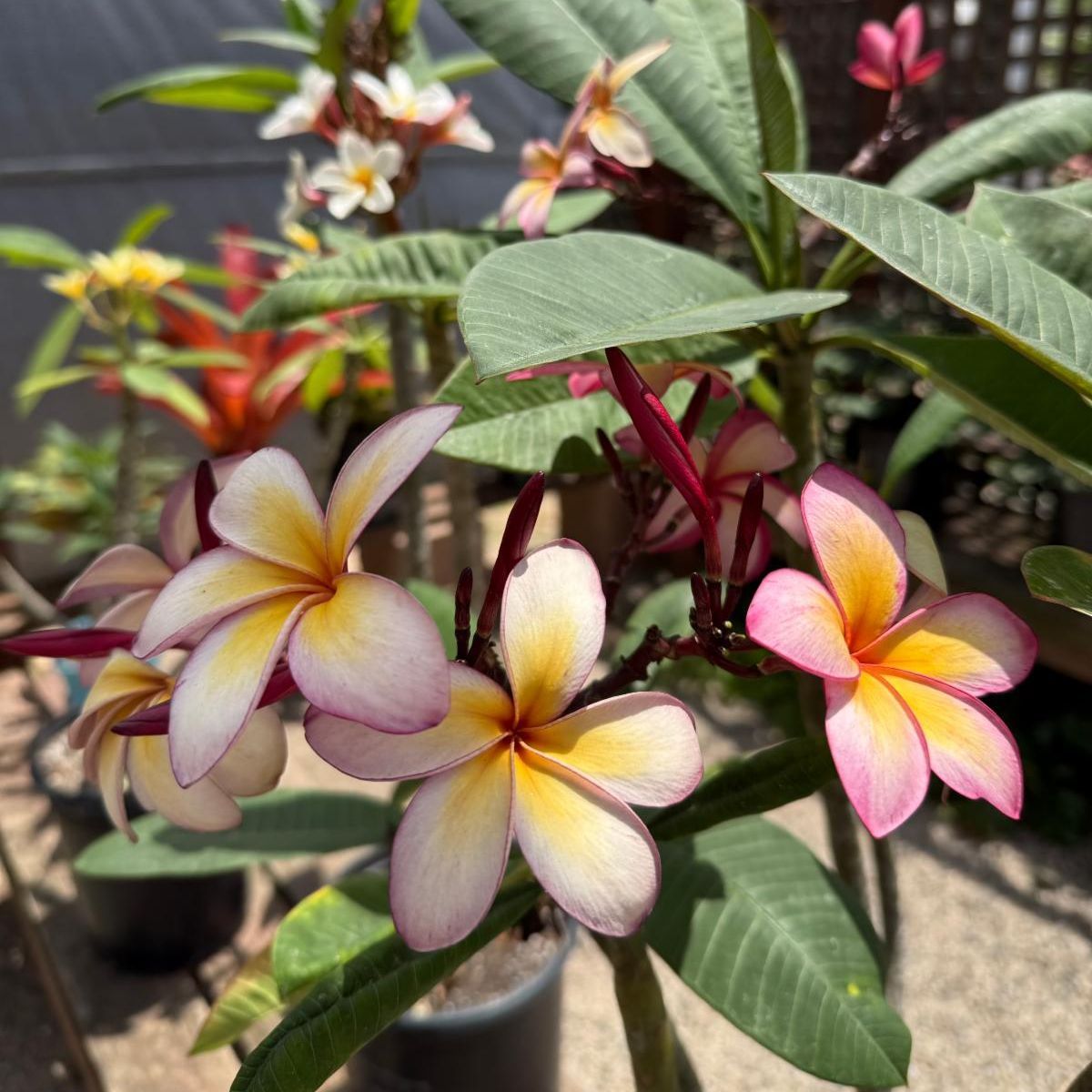
| | Plenty of plants around the nursery tolerate or thrive in the heat we've been experiencing. Tropical plants tend to look their best during this warm, humid season, including Plumeria. At the nursery, you will find a wide variety of plumerias in many sizes, including colorful, fragrant, and compact types. Bold foliage plants such as croton, cardboard palm (Zamia), and Song of India (Pleomele) are looking fantastic right now. | |
| |
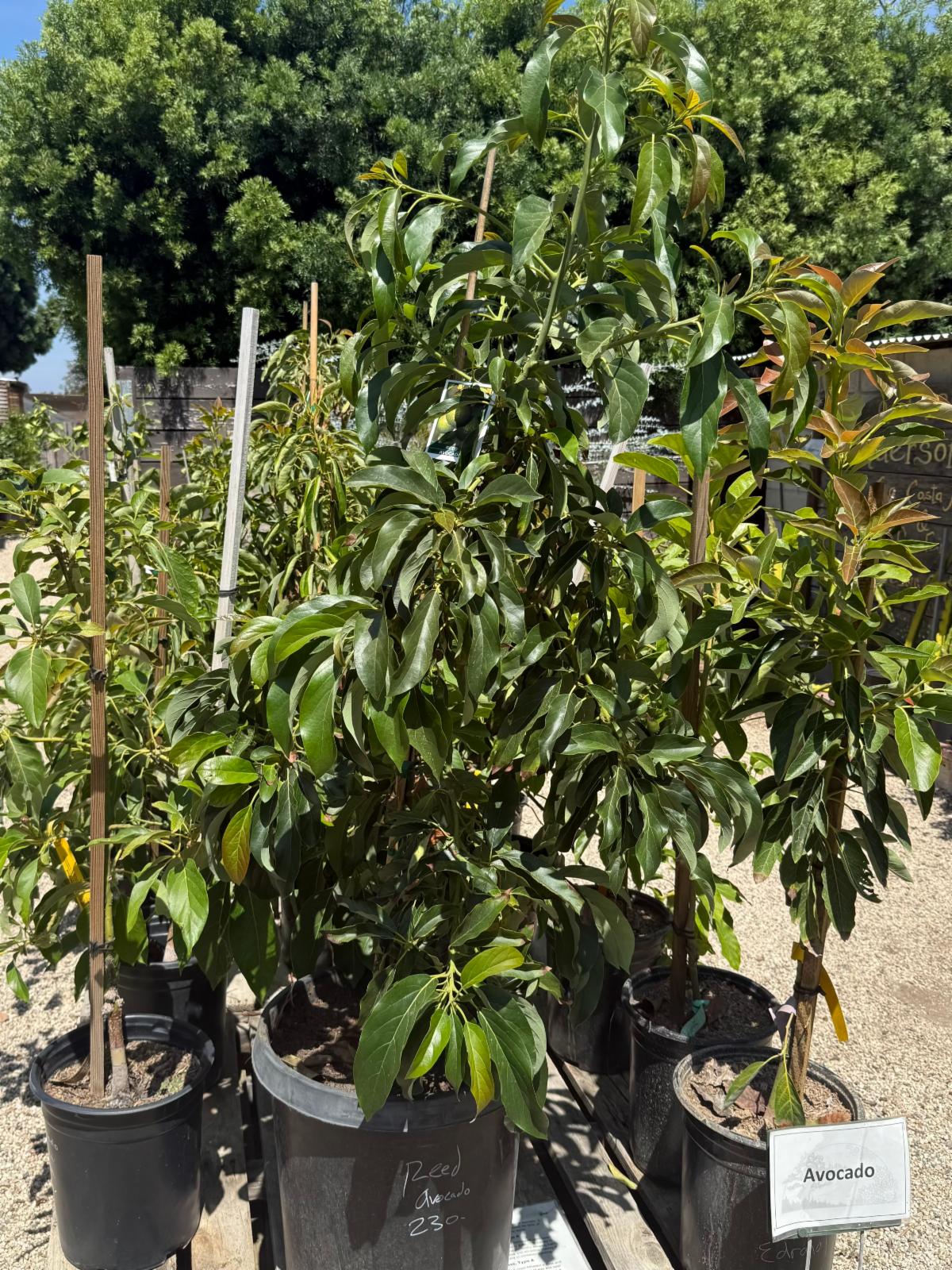
We have a great selection of avocado, citrus, and passion fruit right now. Some uncommon avocado varieties include Gwen (dwarf, green skin, good flavor), Esther (dwarf, exceptional yield), Gem (dwarf, excellent flavor, purple skin), Lamb Hass (a cross between Hass and Gwen, great flavor and a compact tree), and Kona Sharwil (green skin, a Hawaiian commercial variety).
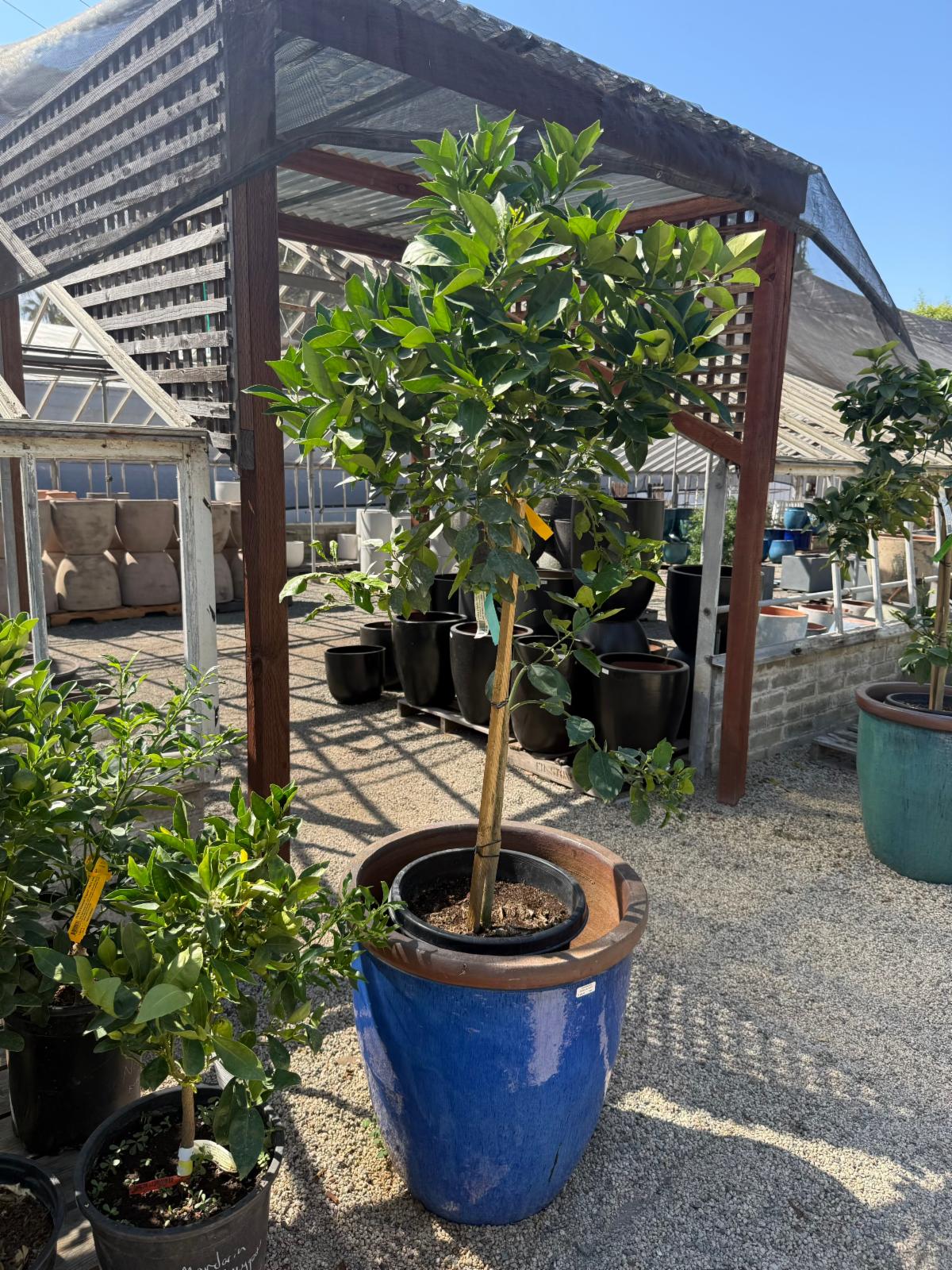
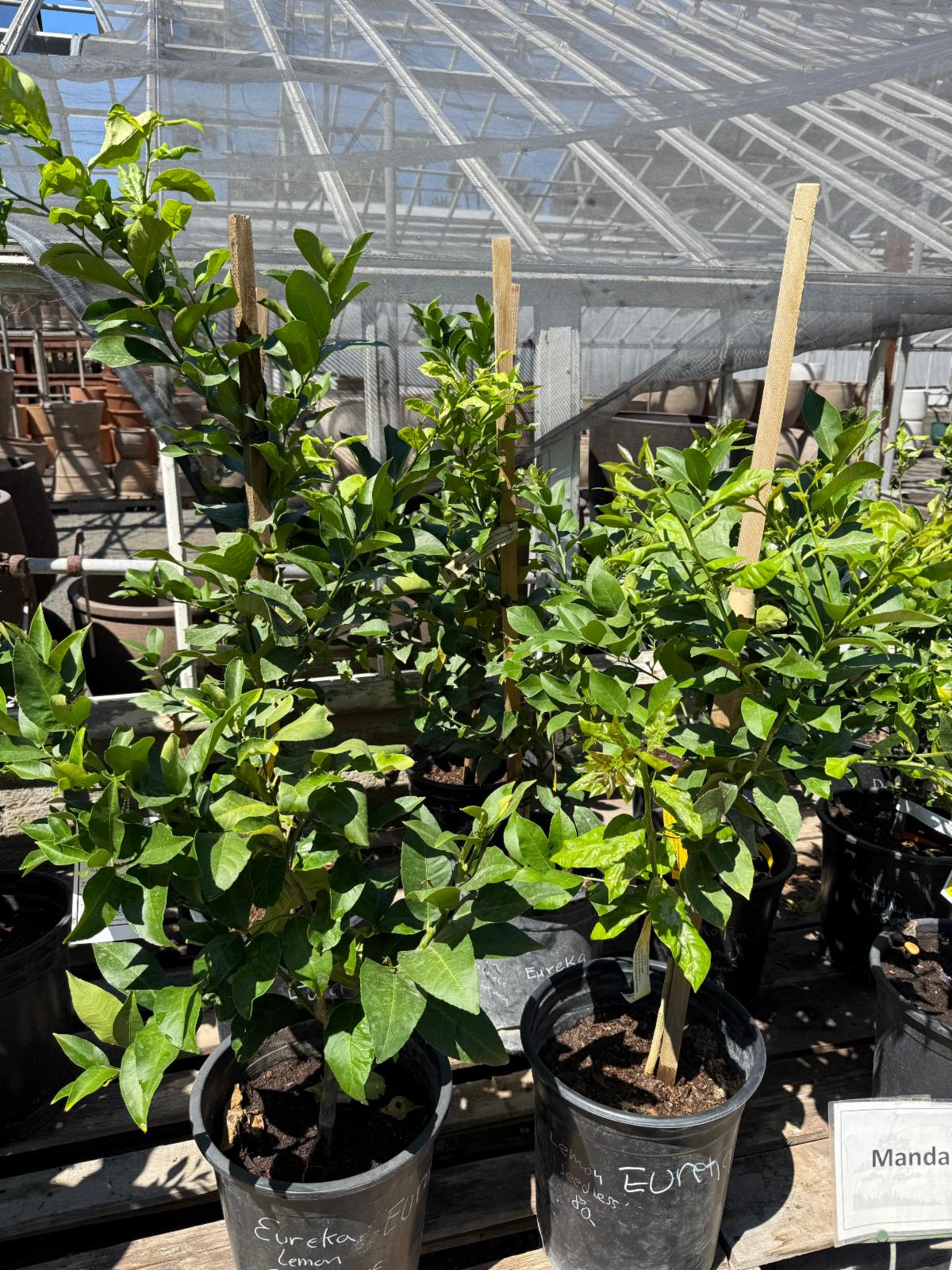
A few new citrus include the Australian seedless lemon (aka seedless Eureka), Dekupon (Sumo mandarin), Gold Nugget (my favorite!), Kaffir lime (great for cooking, use the leaves mainly), and Satsuma mandarins. Note that there may be leaf miner damage on the citrus, as we do not spray our trees.
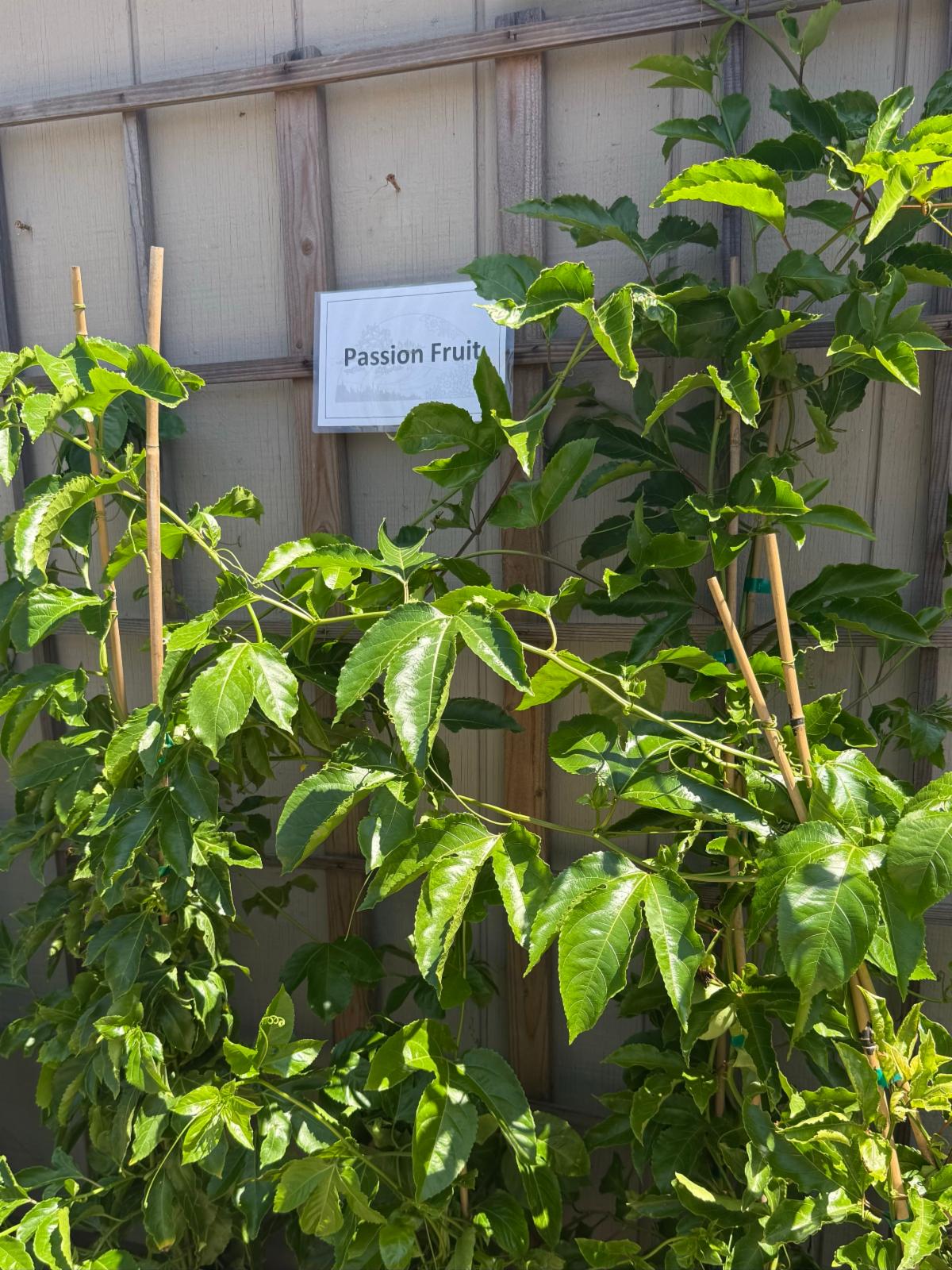
Passiflora vines love the heat and humidity, and if you're looking for a fast-growing vine with pretty flowers and edible fruit, you can try either Frederick or Summer Sunrise.
| | |
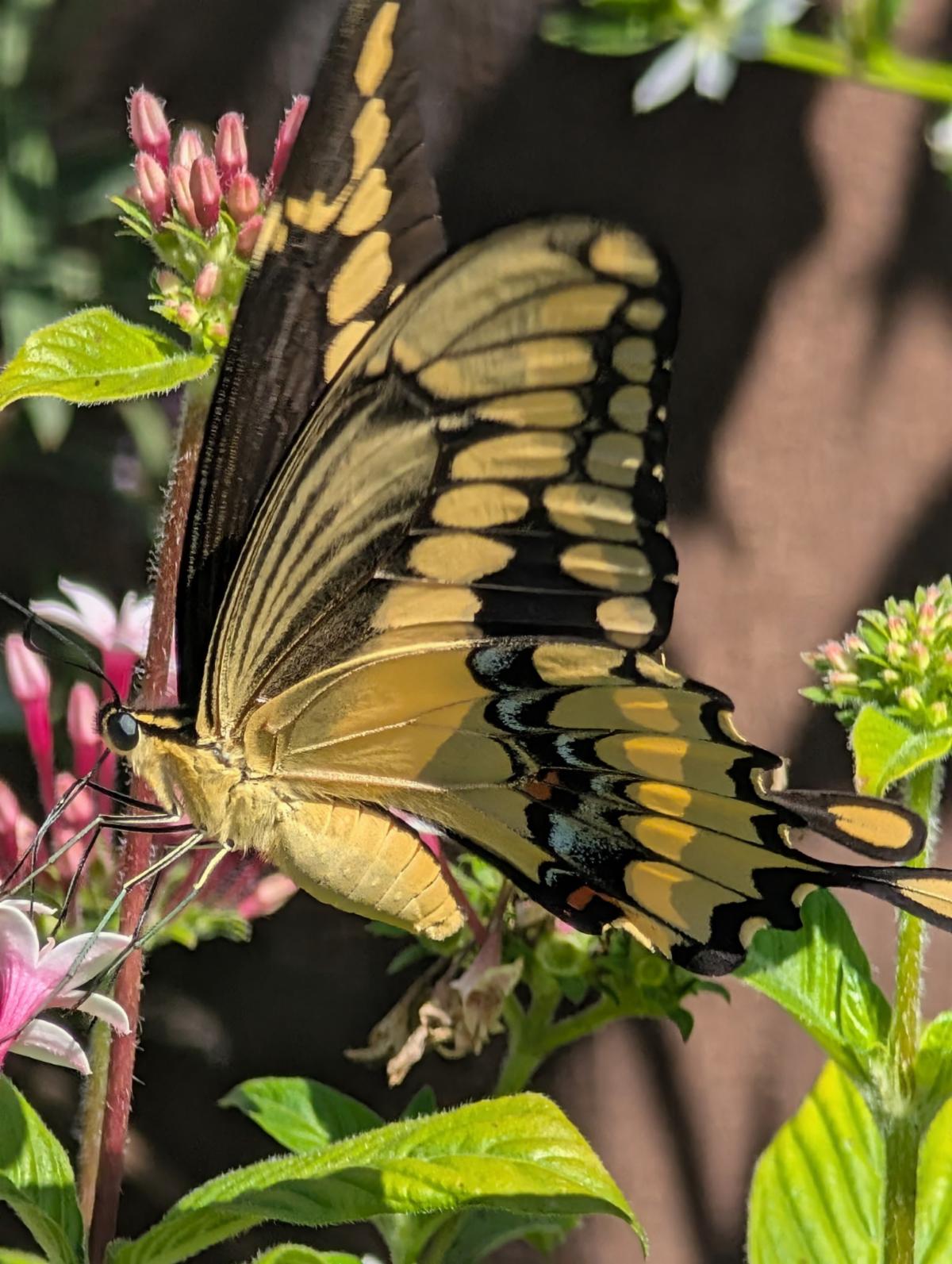
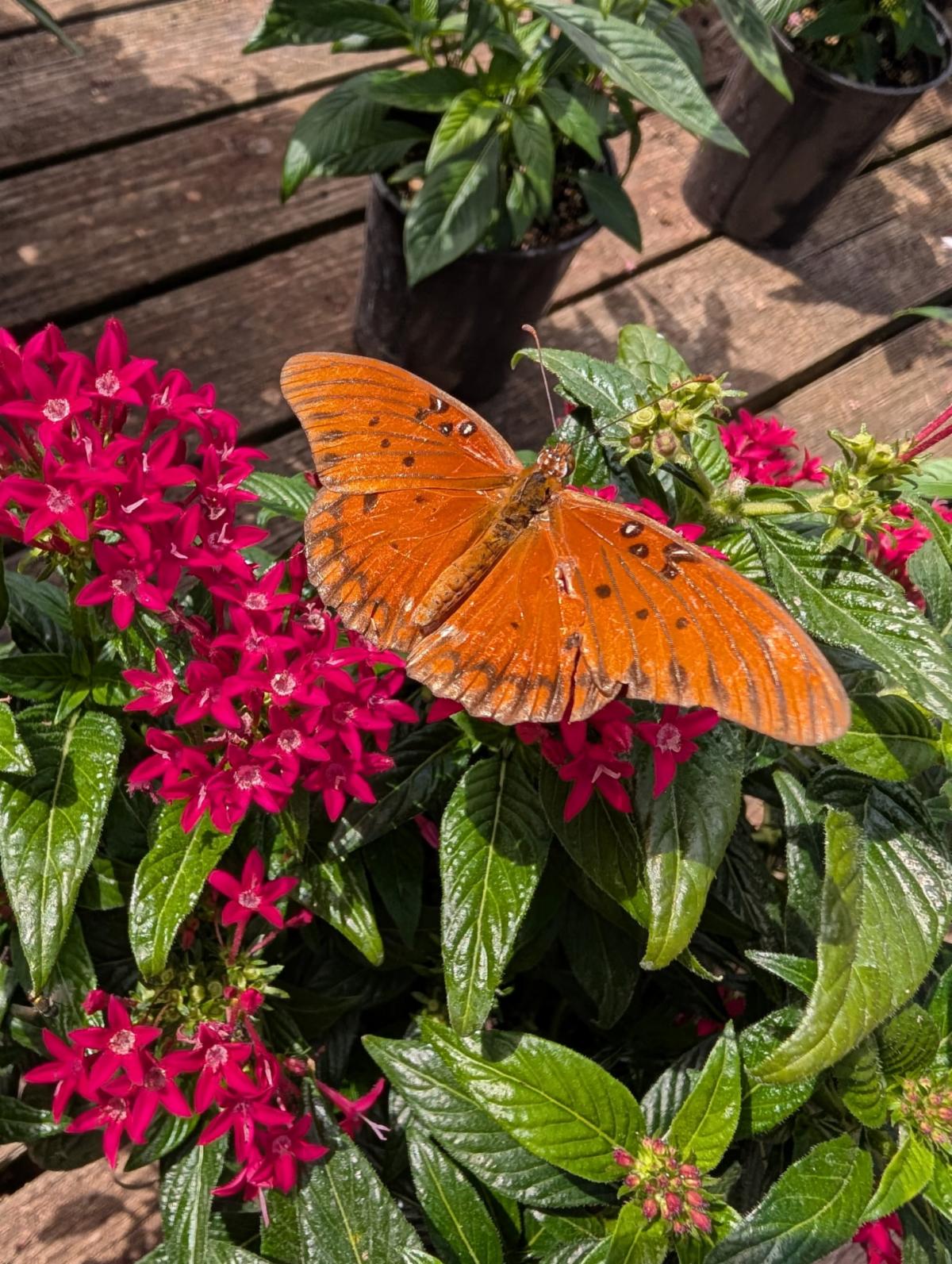
Late August and September seem to be the busiest months for butterfly activity. I’ve seen some before, but now I can spot many throughout the day across many species:
-
Giant Swallowtail love munching on citrus leaves or pentas;
-
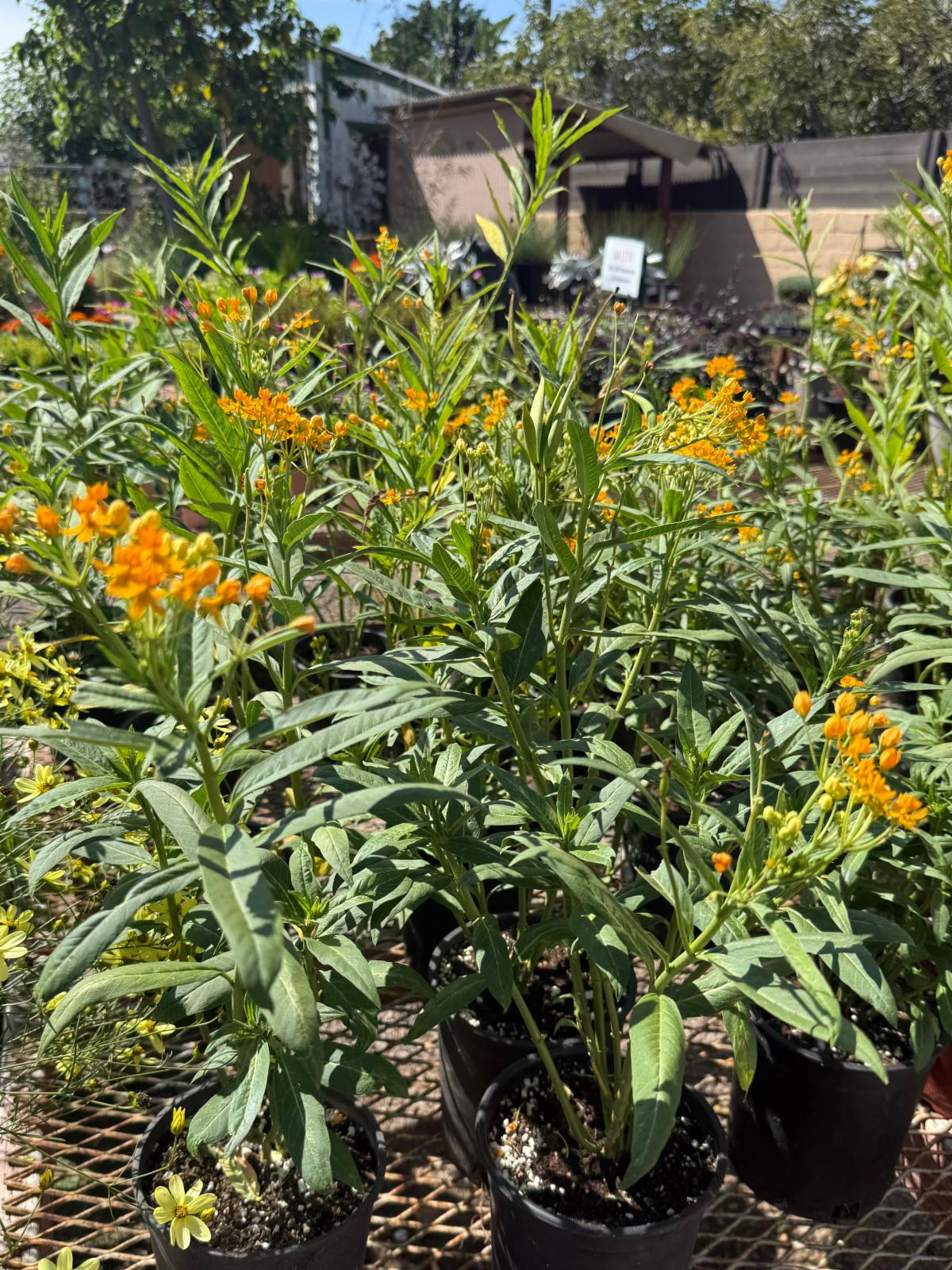
Monarchs will flock to Asclepias (milkweed) as it is their host plant;
-
Cloudless Sulphur go right for Cassia (we have popcorn cassia at the moment);
-
Gulf Fritillary are all over ornamental passion vines and pentas.
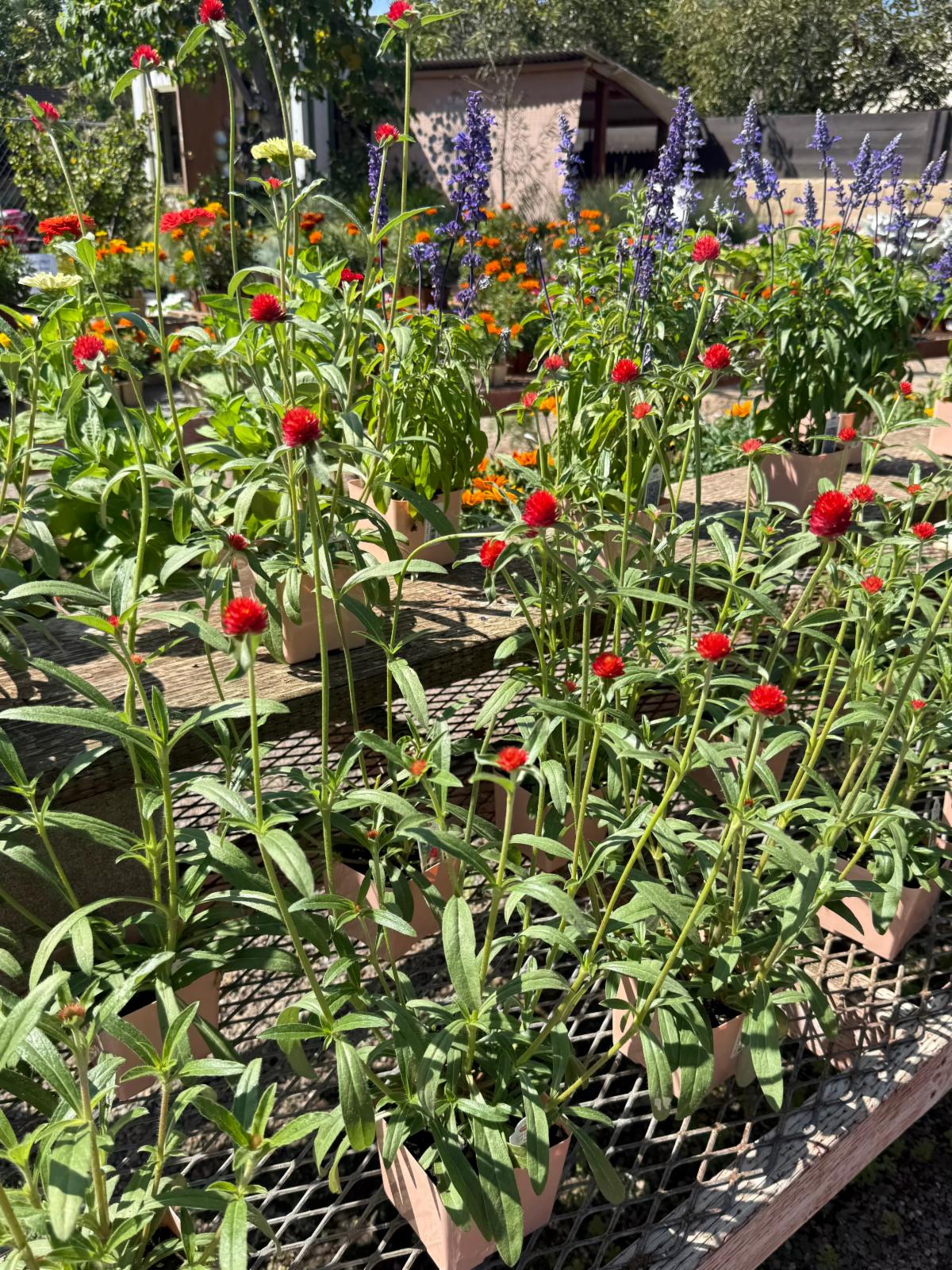
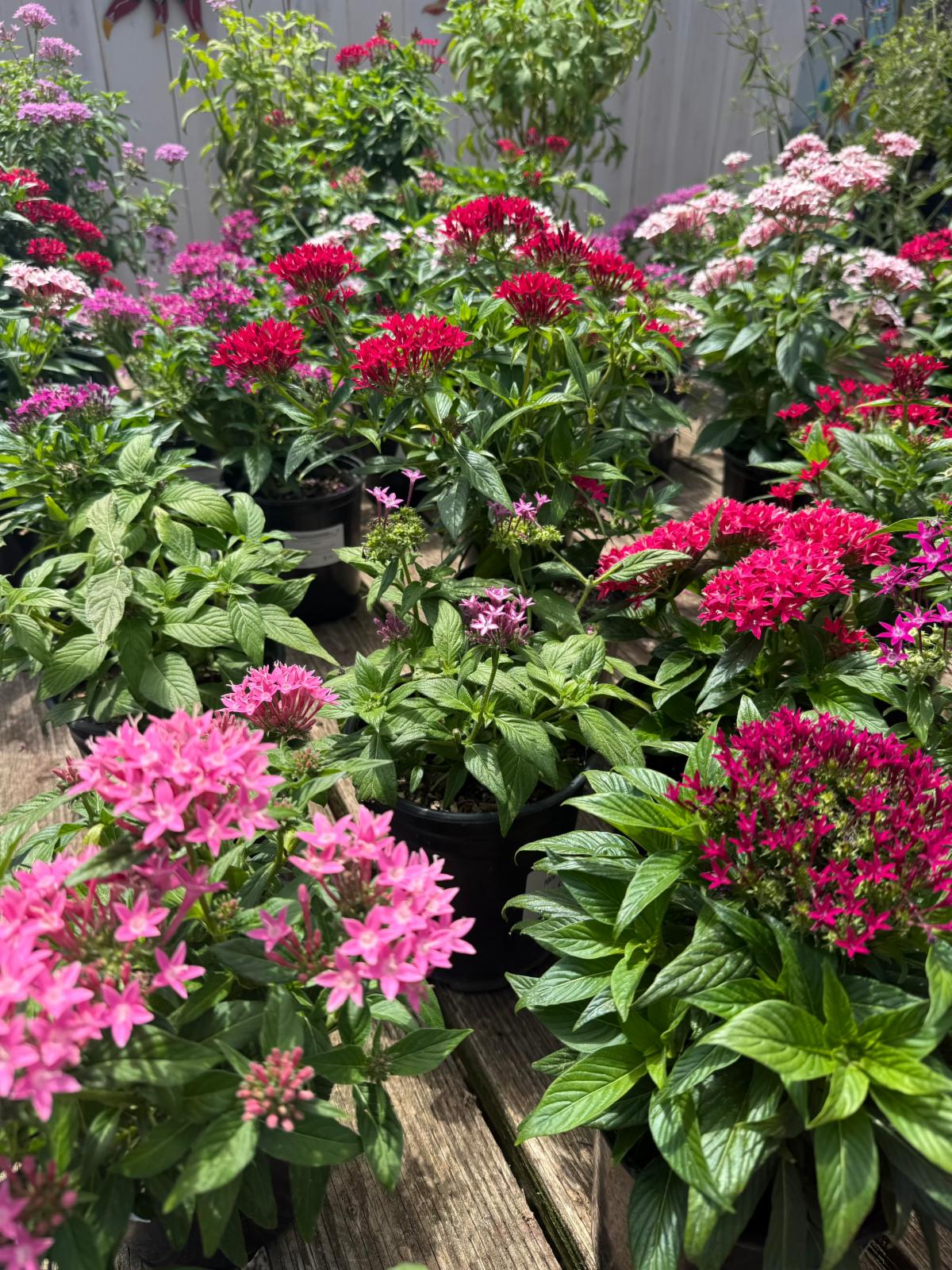
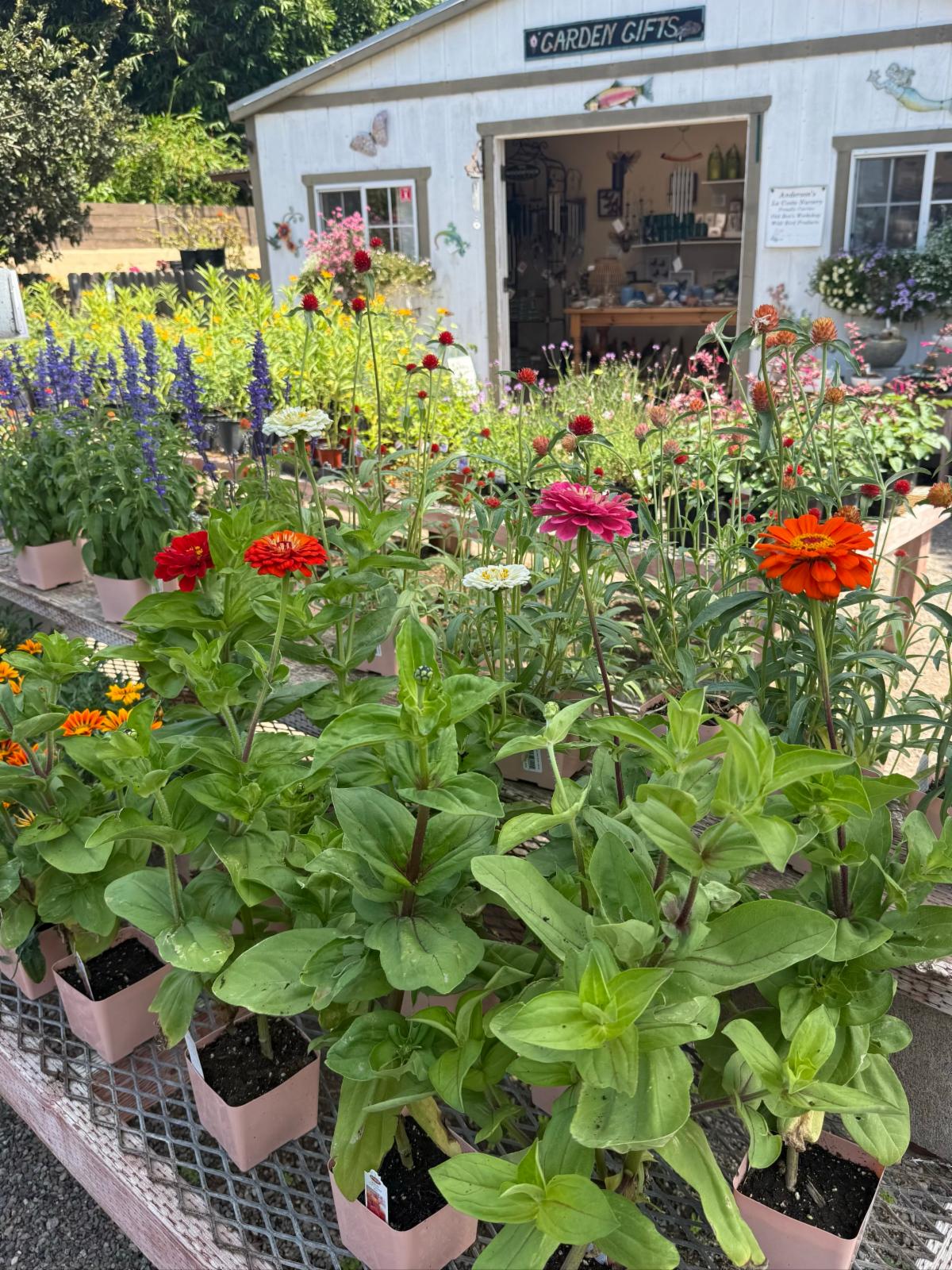
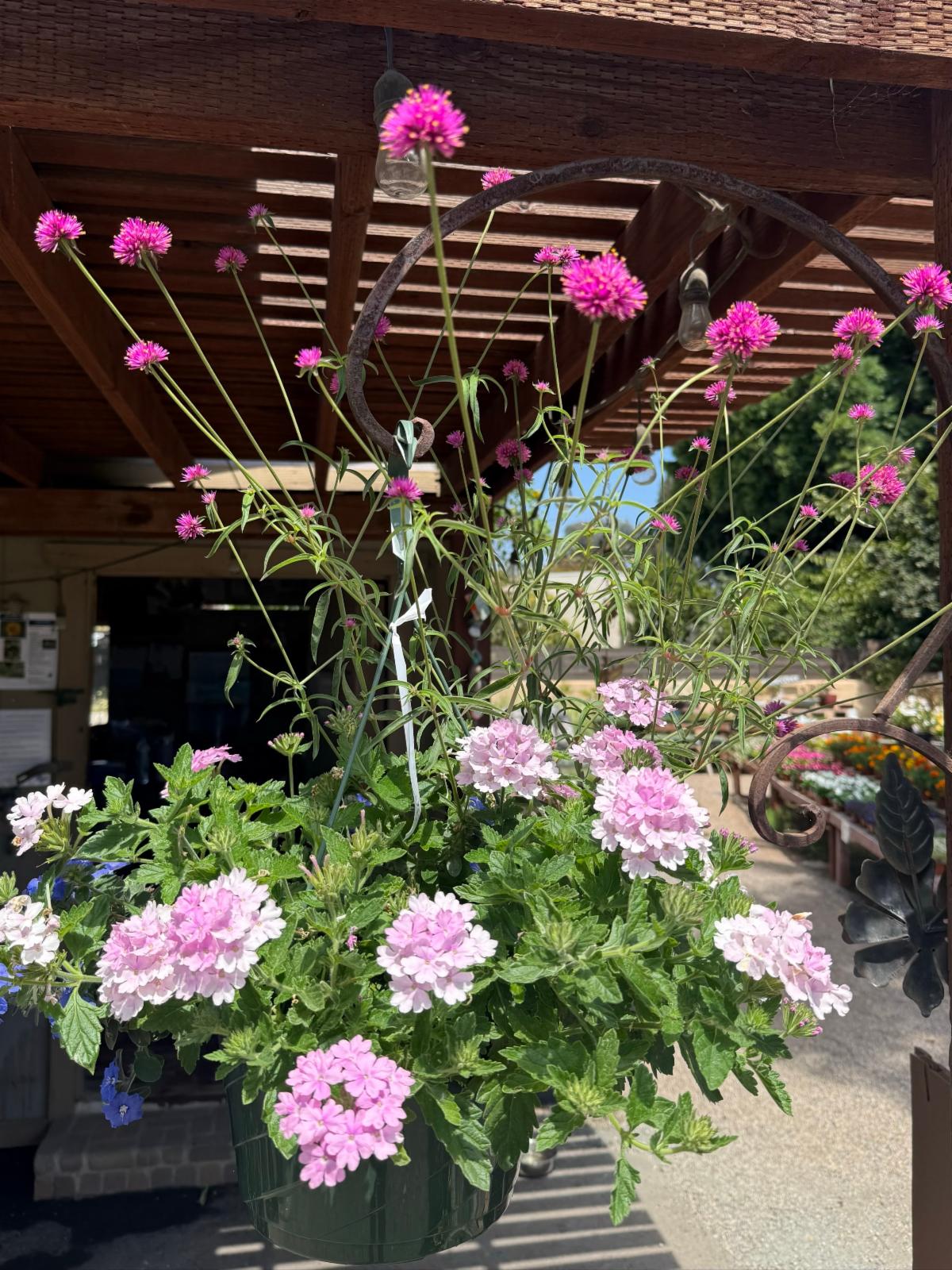
| | In addition to host plants, nectar flowers are in full bloom. Gomphrena attracts many different types of butterflies. Try 'Fireworks' for a larger plant and either 'Truffula pink' or 'Pinball pink' for a more compact version with lots of flowers. Pentas are the pollinator-favorite around here for bees, butterflies, and hummingbirds. Zinnias and verbena of all kinds also make a great addition to any butterfly garden. | | |
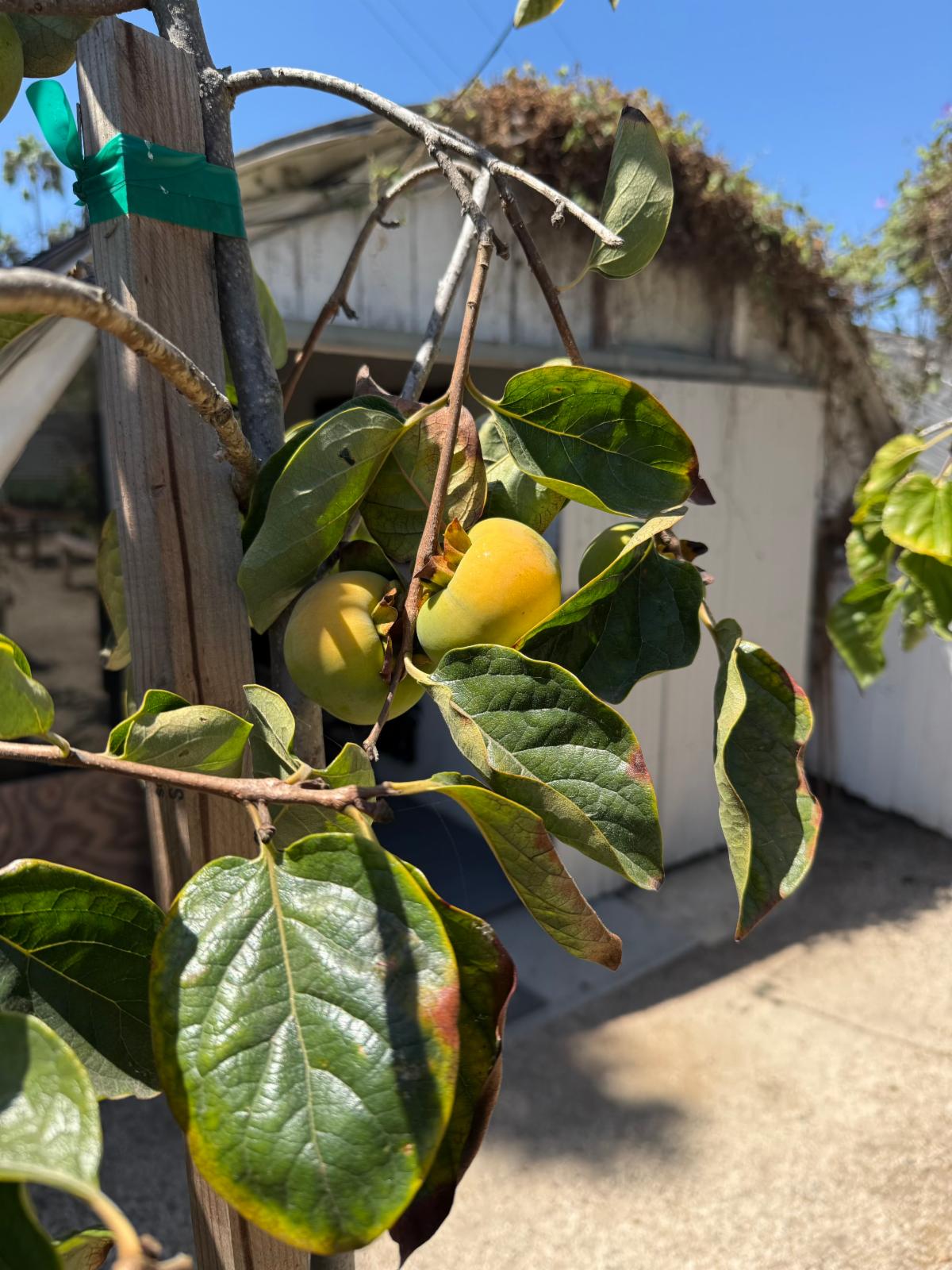
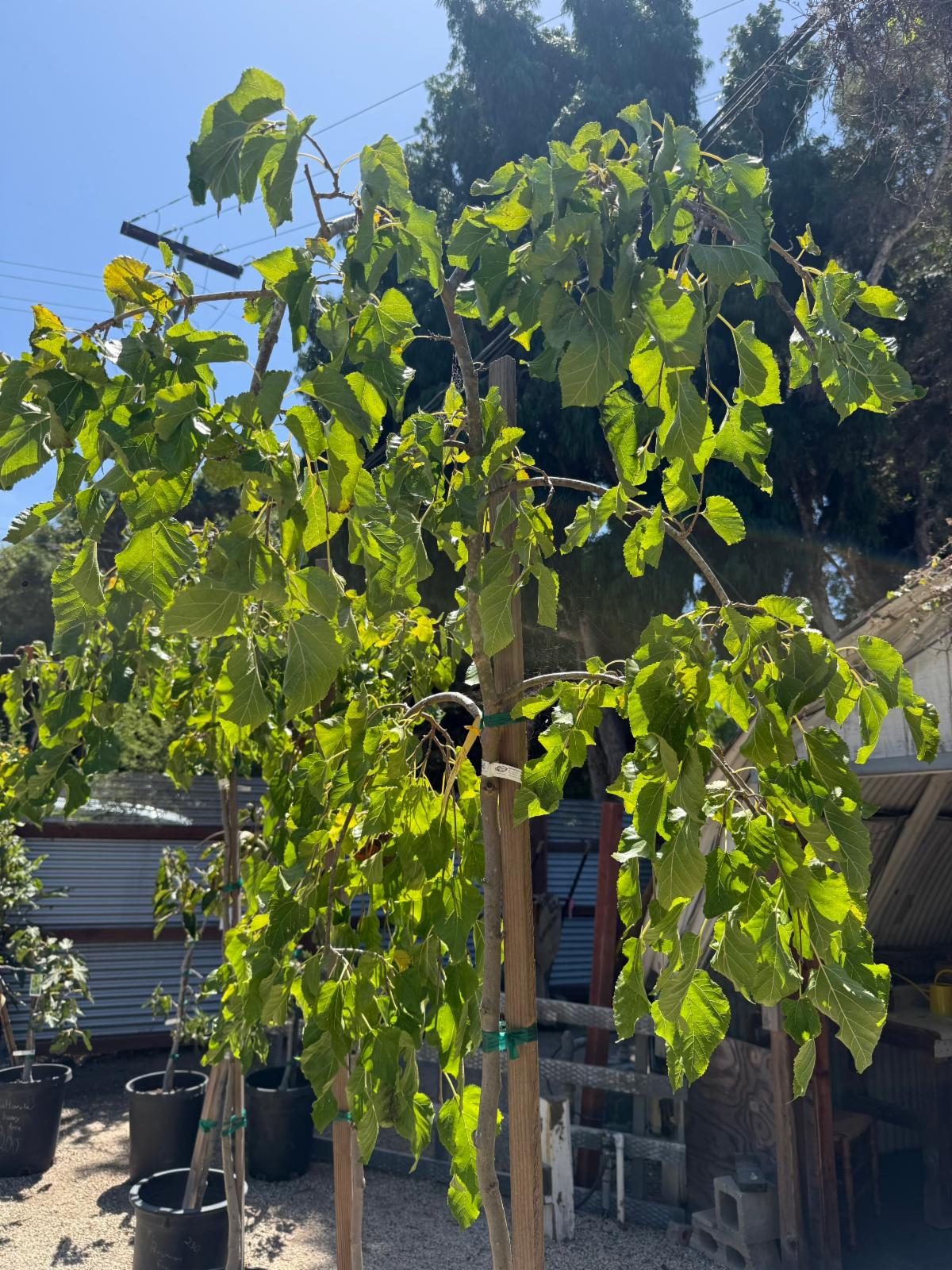
Our September sale features in-stock deciduous stone fruit trees, indoor philodendrons, Podocarpus, and Mini Water Wall Fountains.
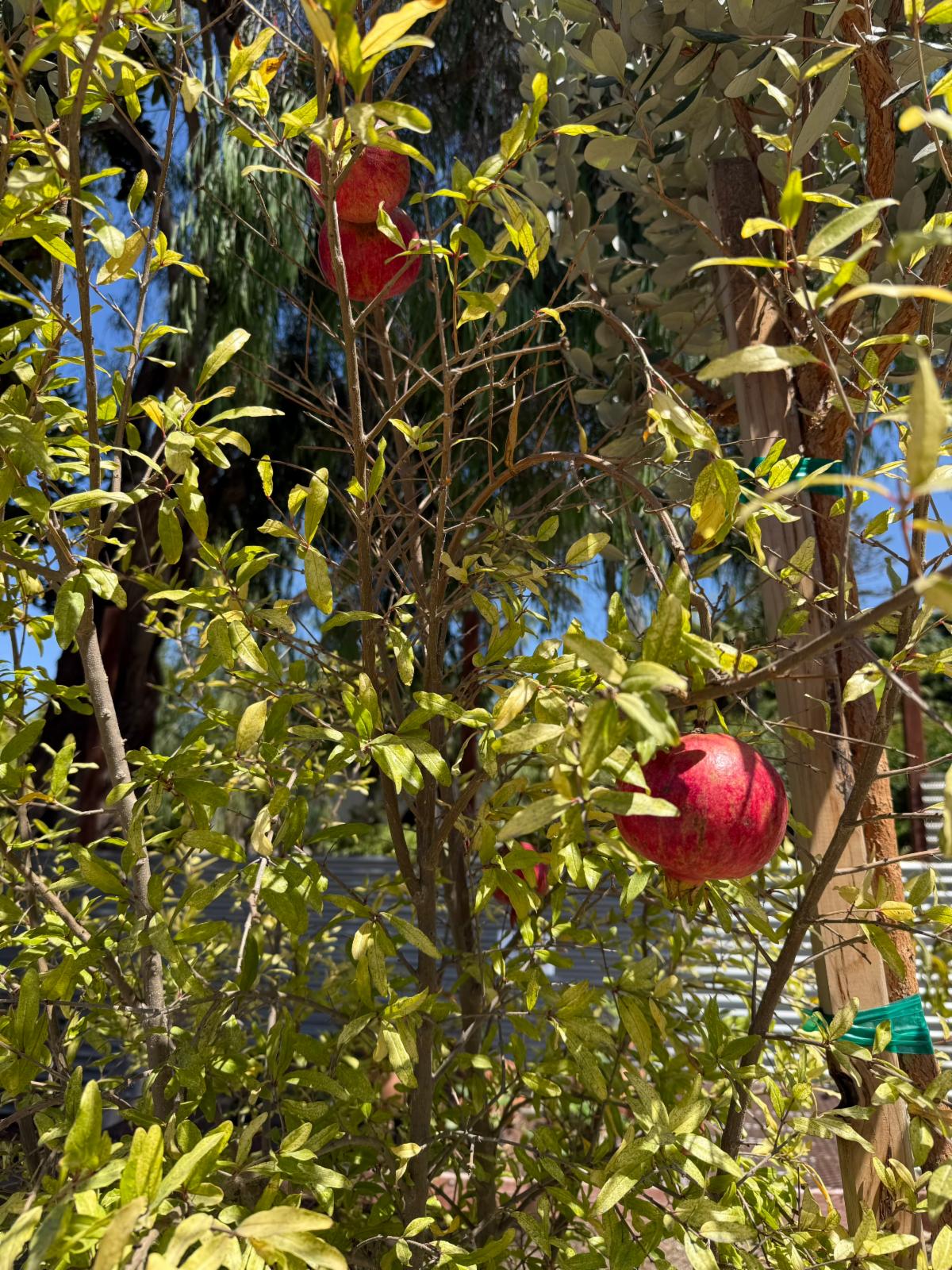
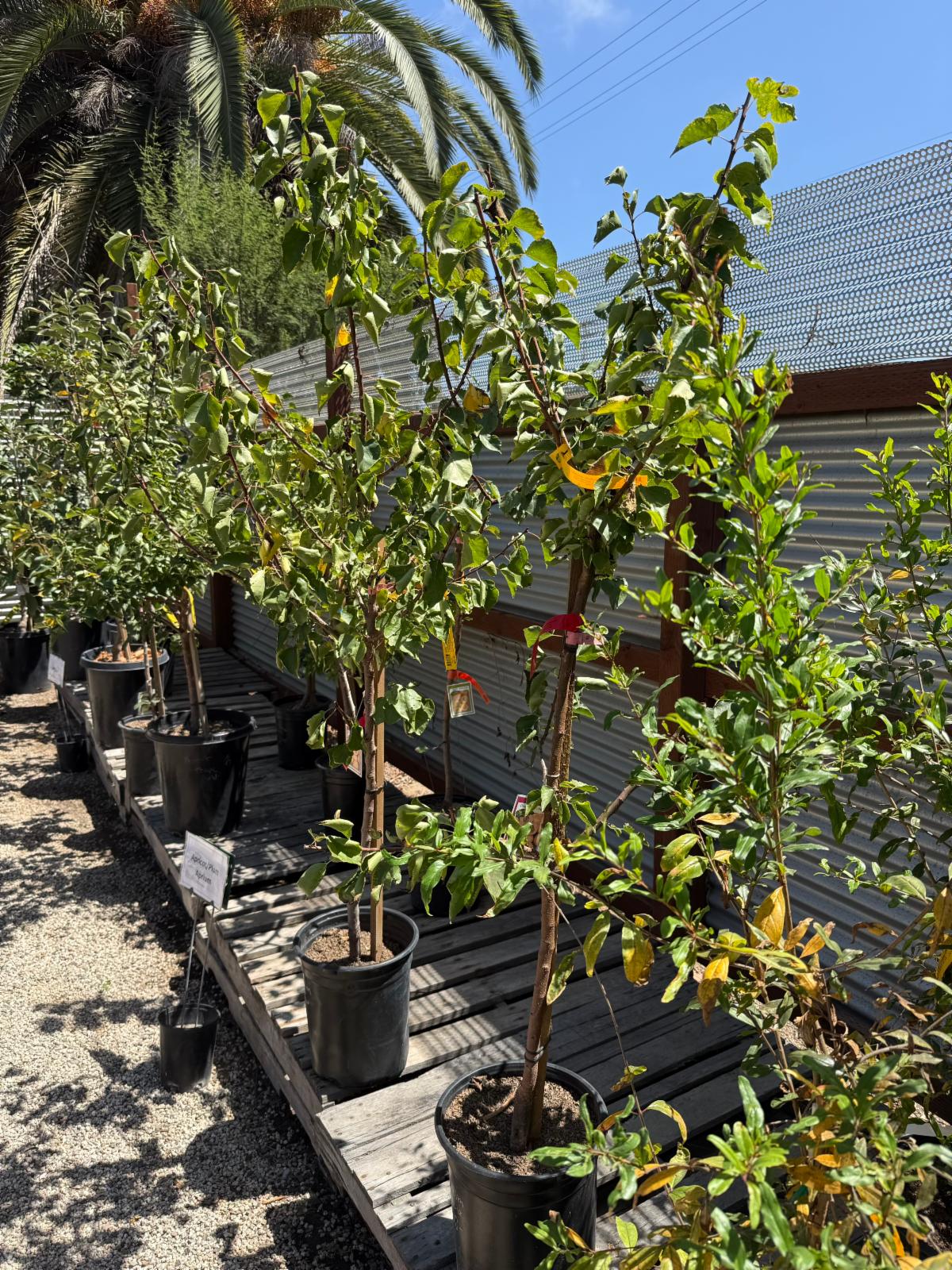
As fall begins, we start to see deciduous trees change. Most leaves change from green to shades of yellow, orange, and red, then slowly fall off the tree. For September, we are featuring our in-stock deciduous stone fruit trees at 20% off. This is a great opportunity to plant these trees before they go dormant and give them a chance to start establishing their roots.
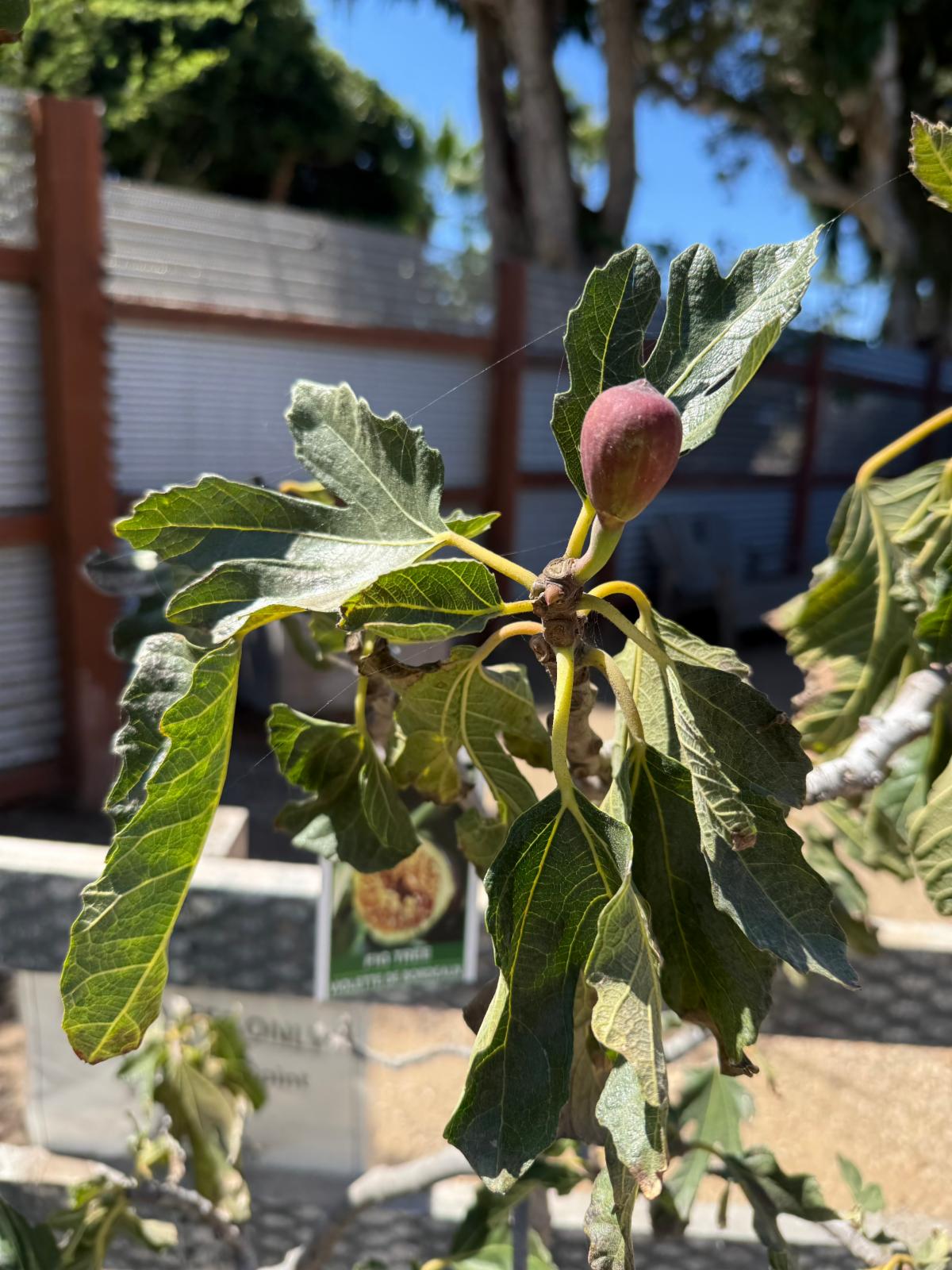
We have pomegranates, plums, peaches, nectarines, apricots, apples, weeping mulberry, and a few fig trees. All varieties suit Southern California's mild winter climate. The longer the cold temperatures of the winter occur, the better off these types of trees will be. Last year, for example, was not a great year for fruit because we had warmer weather before the trees could accumulate enough chill hours. I've just pruned many of the trees up for shaping, and they are ready to find a new home.
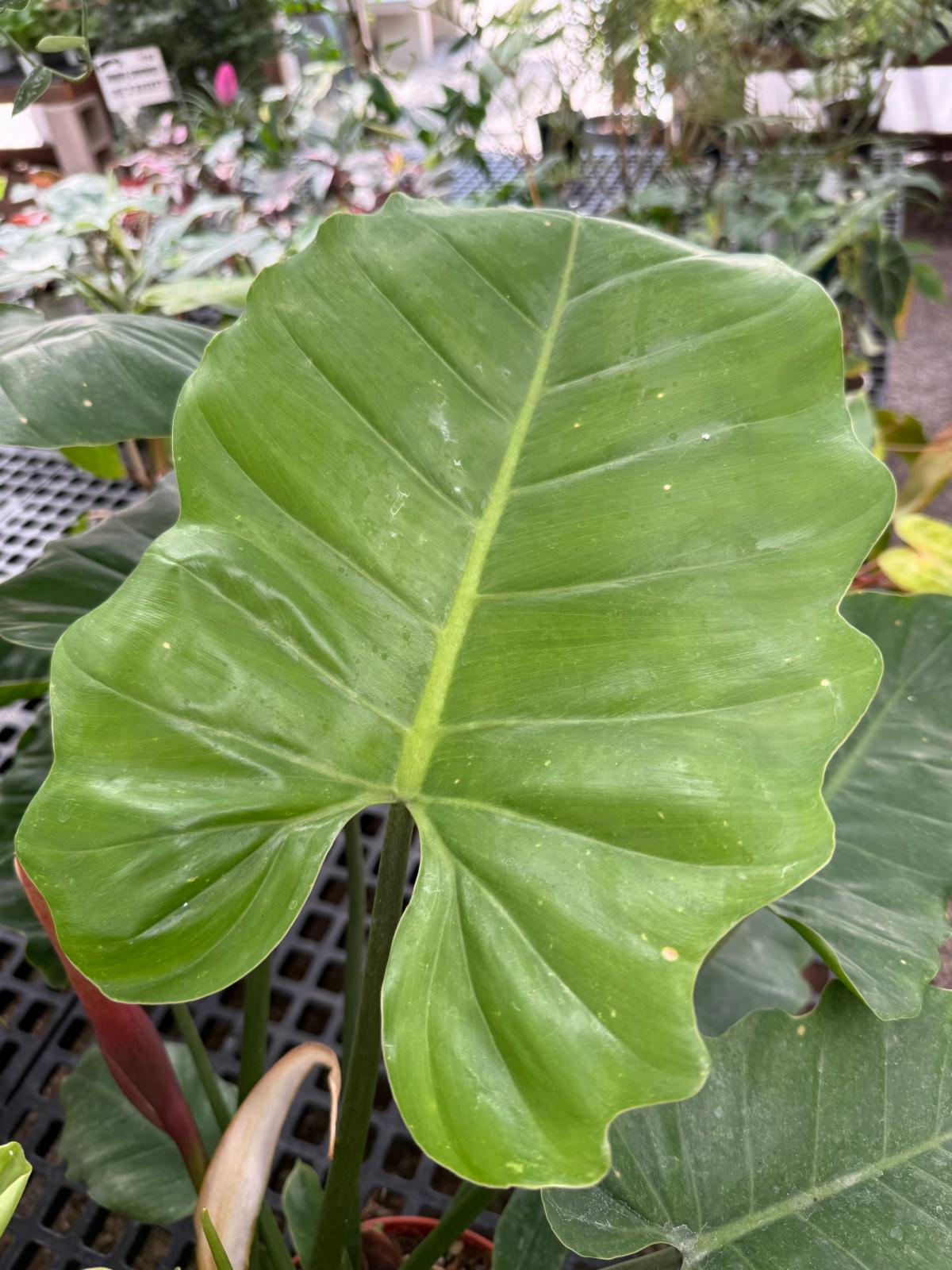
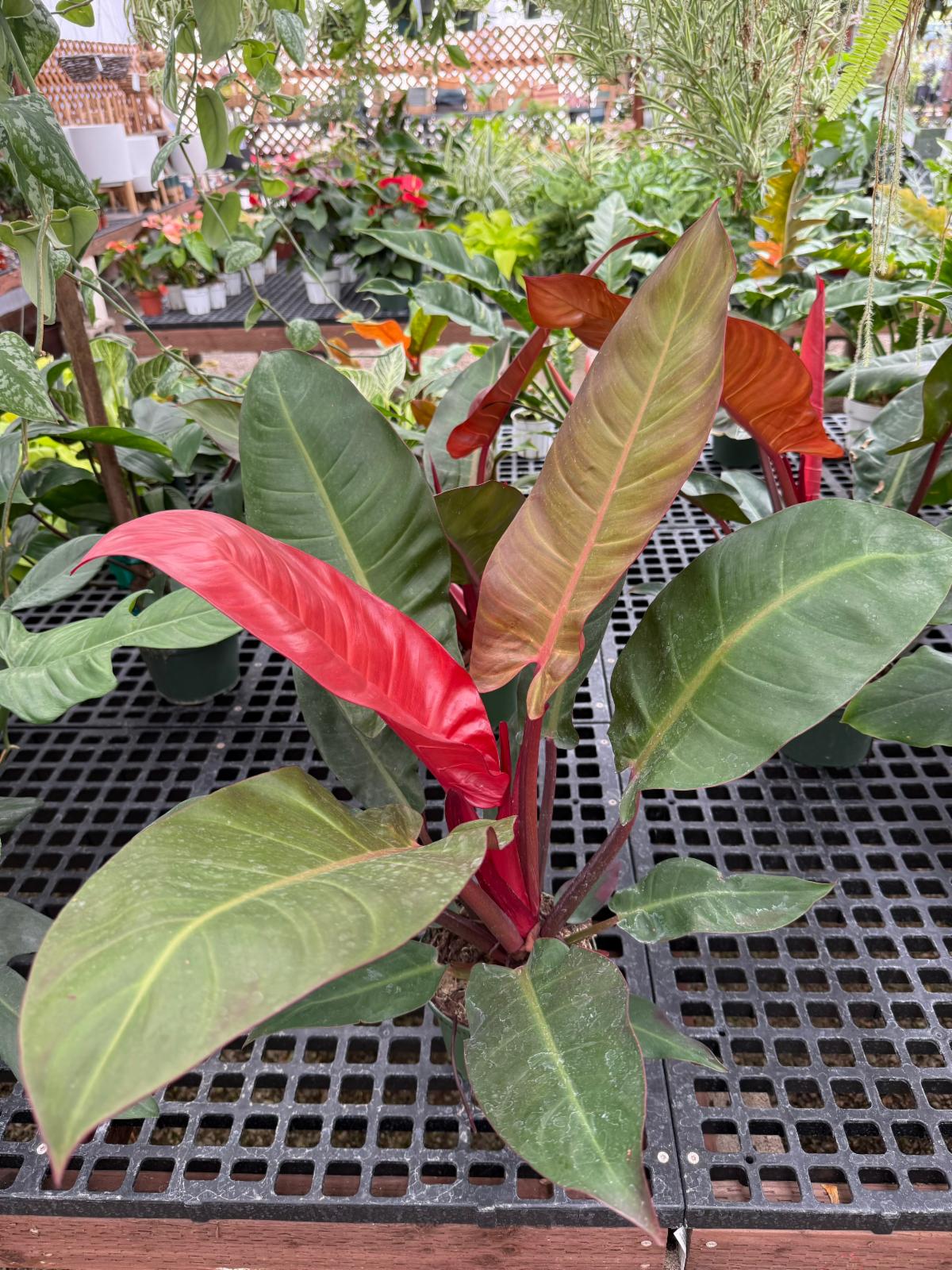
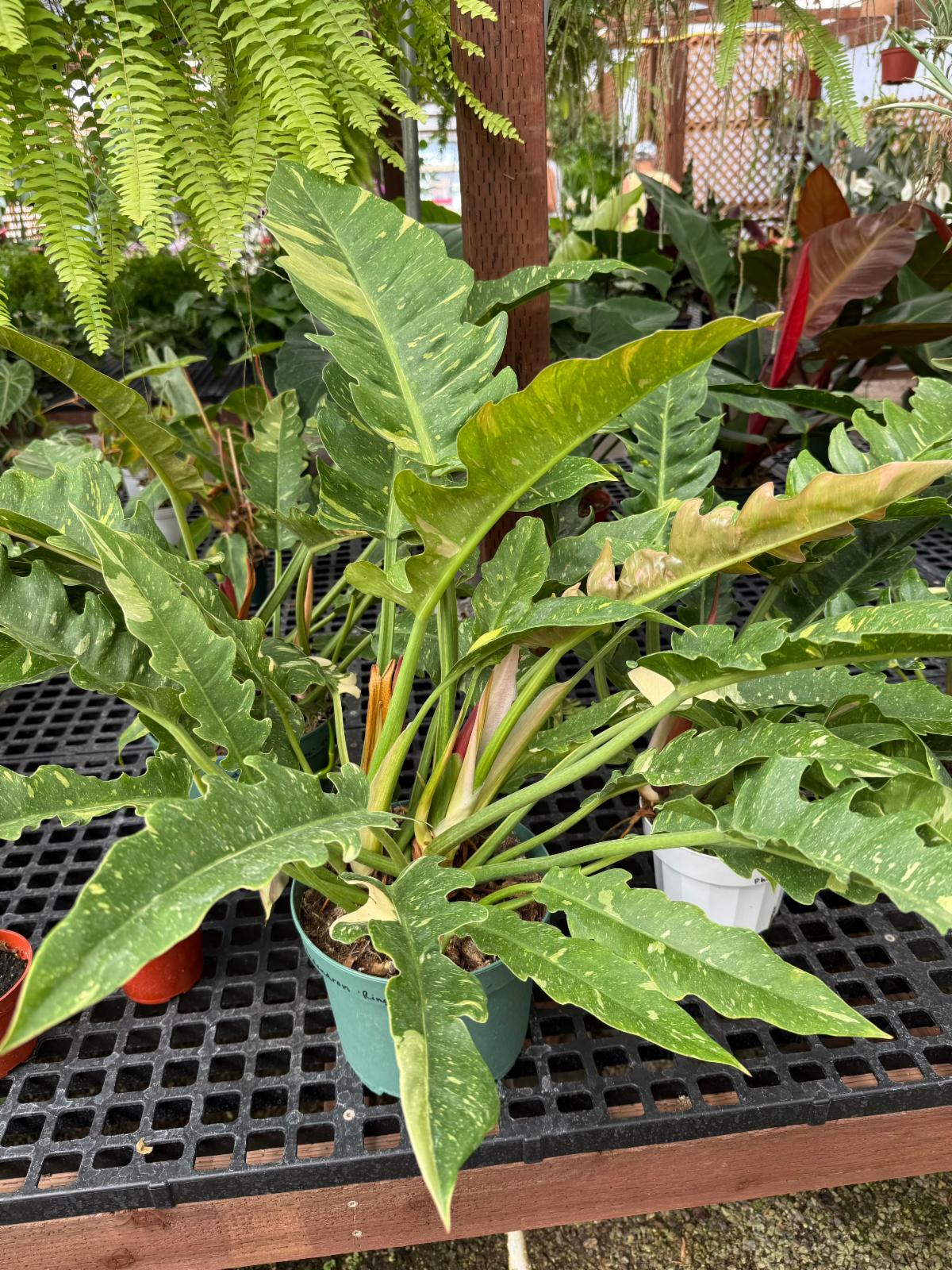
| | Philodendrons are among the easiest houseplants to grow, but they can also be kept outside out of direct sun if it doesn't get too cold. There are many varieties to choose from, including larger types like 'Red Sun', 'Ring of Fire', and 'Giganteum', hanging types like 'Neon' and 'Brasil', 4-inch pots including 'Micans', 'Painted Lady ', and 'Birkin', and foliage types like 'Pink Princess' and 'White Princess' that have colorful leaves. | | |
Philodendrons are now on sale!
20% off through the end of September!
| | | |
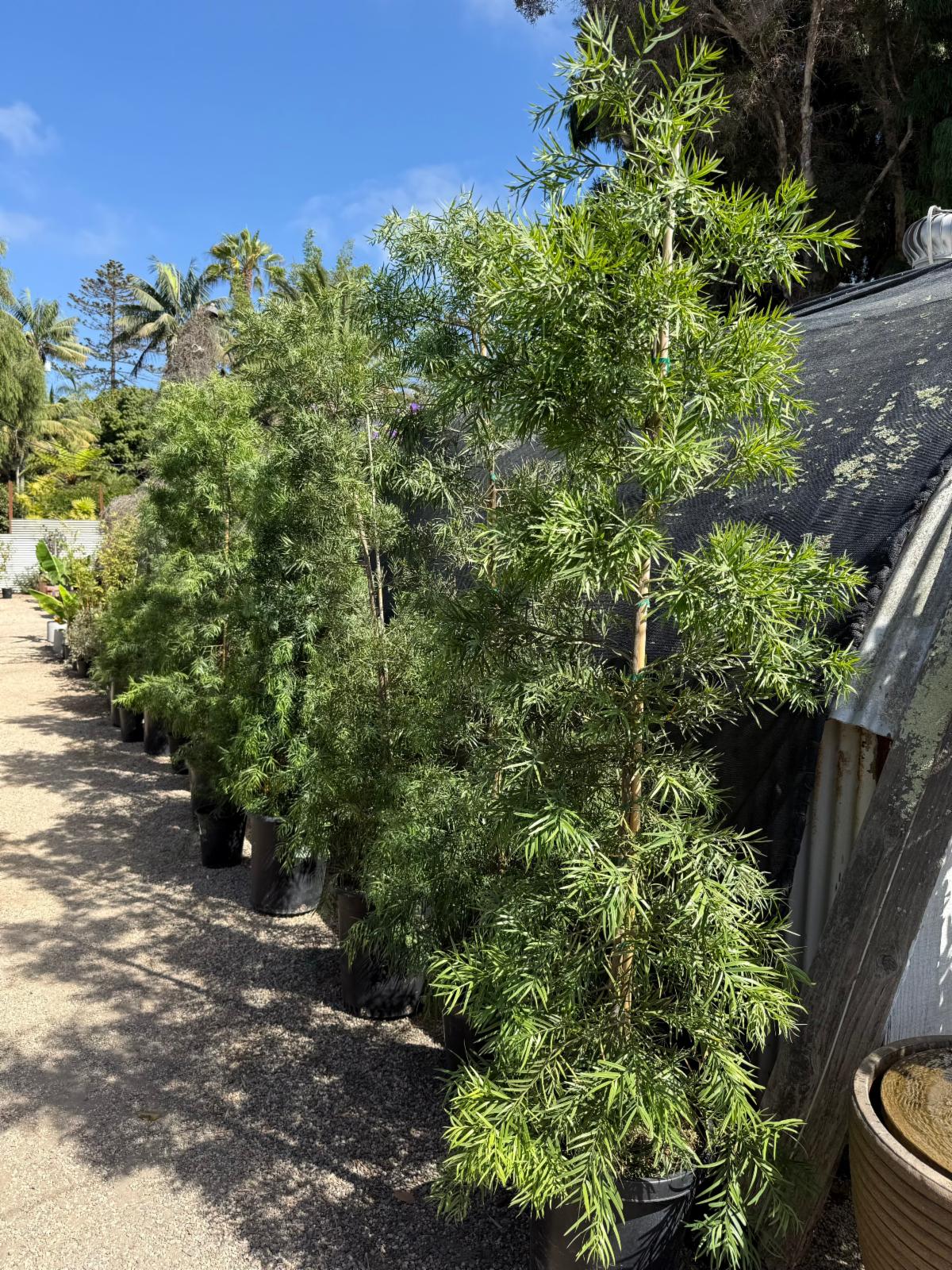
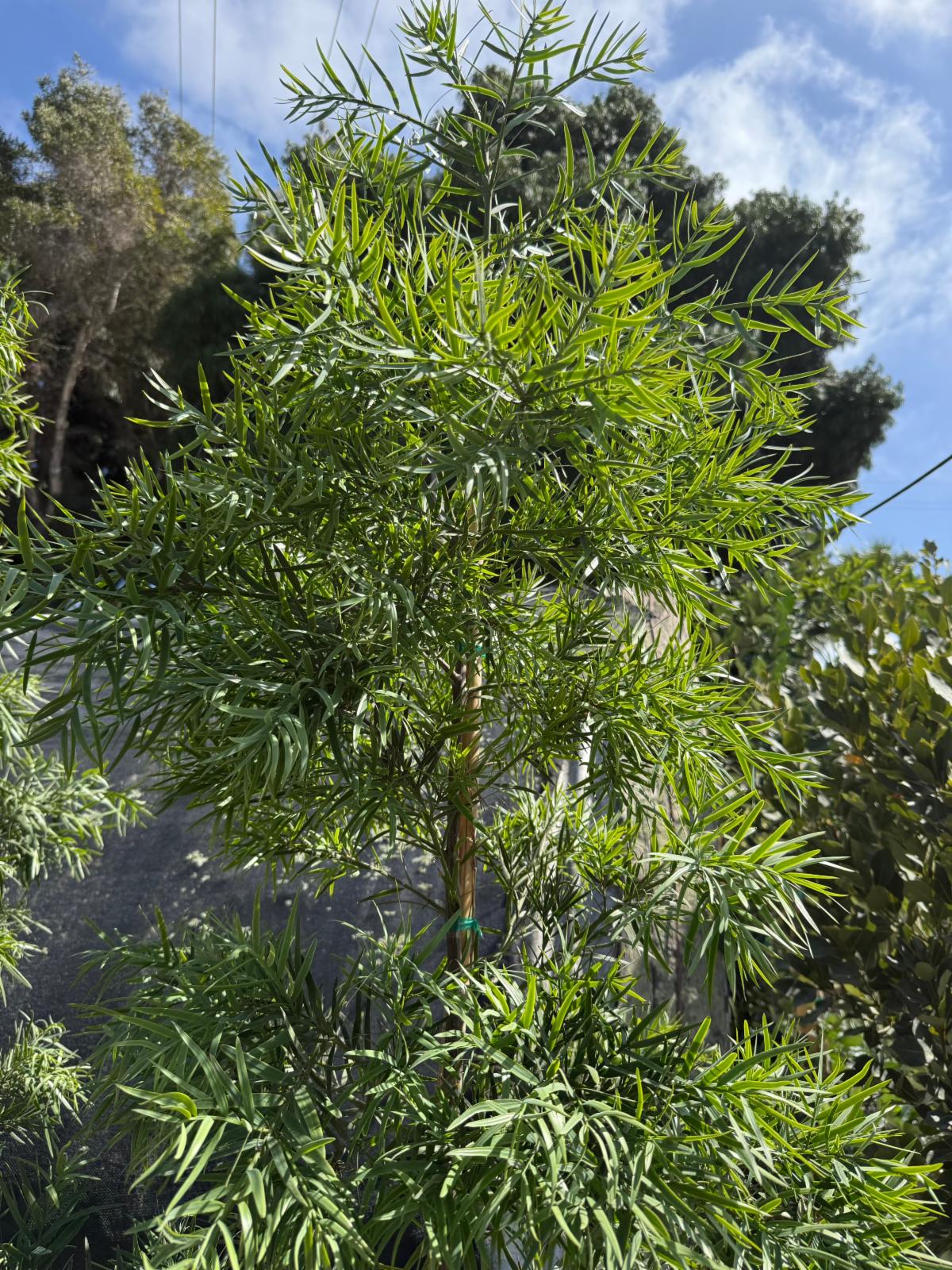
Podocarpus gracilior (common name: Fern Pine) is a coniferous evergreen tree that forms dense branches of feathery gray-green foliage. It's versatile in landscapes, very useful as a privacy screen, and also as a container planting, shade tree, and more. Enjoyed for being clean, relatively pest-free, and 20% off.
And finally, Water Wall Fountains are also on sale 20% off this month. This smaller fountain has a lovely water sound but doesn't take up too much real estate. They come in a few stain colors, including gray, tan, brown, and black. Please note the sale is for this style of in-stock fountains only.
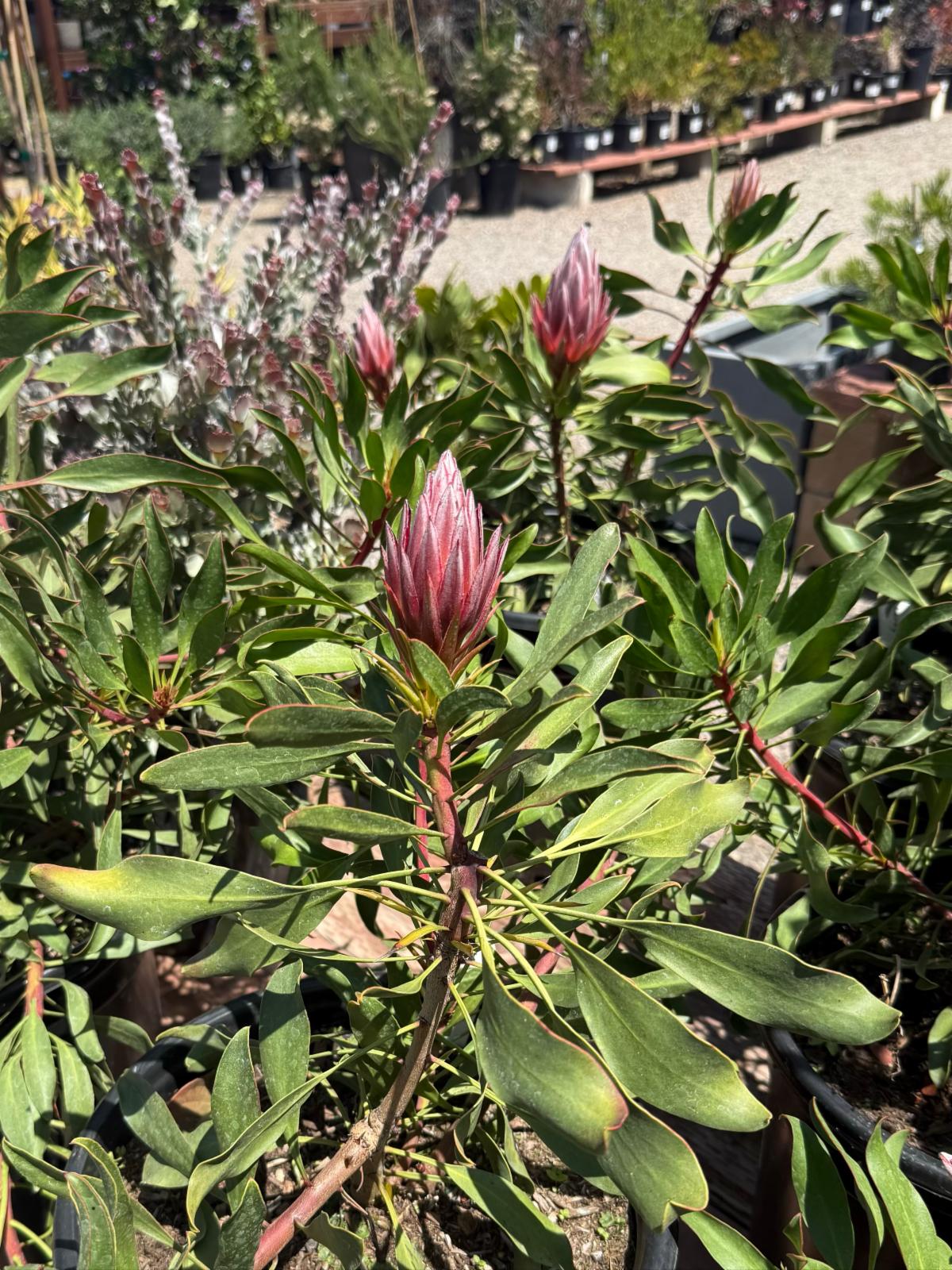
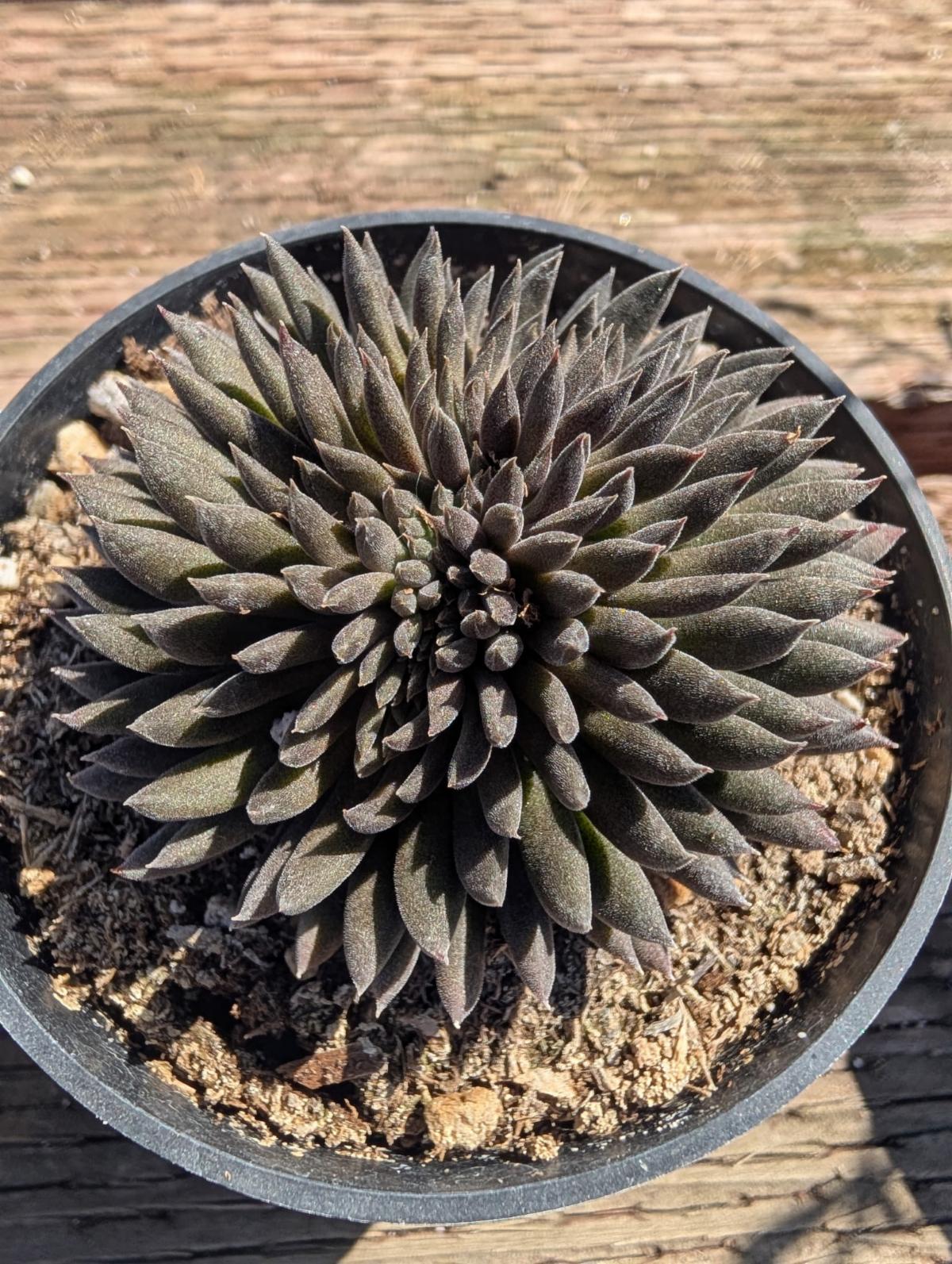
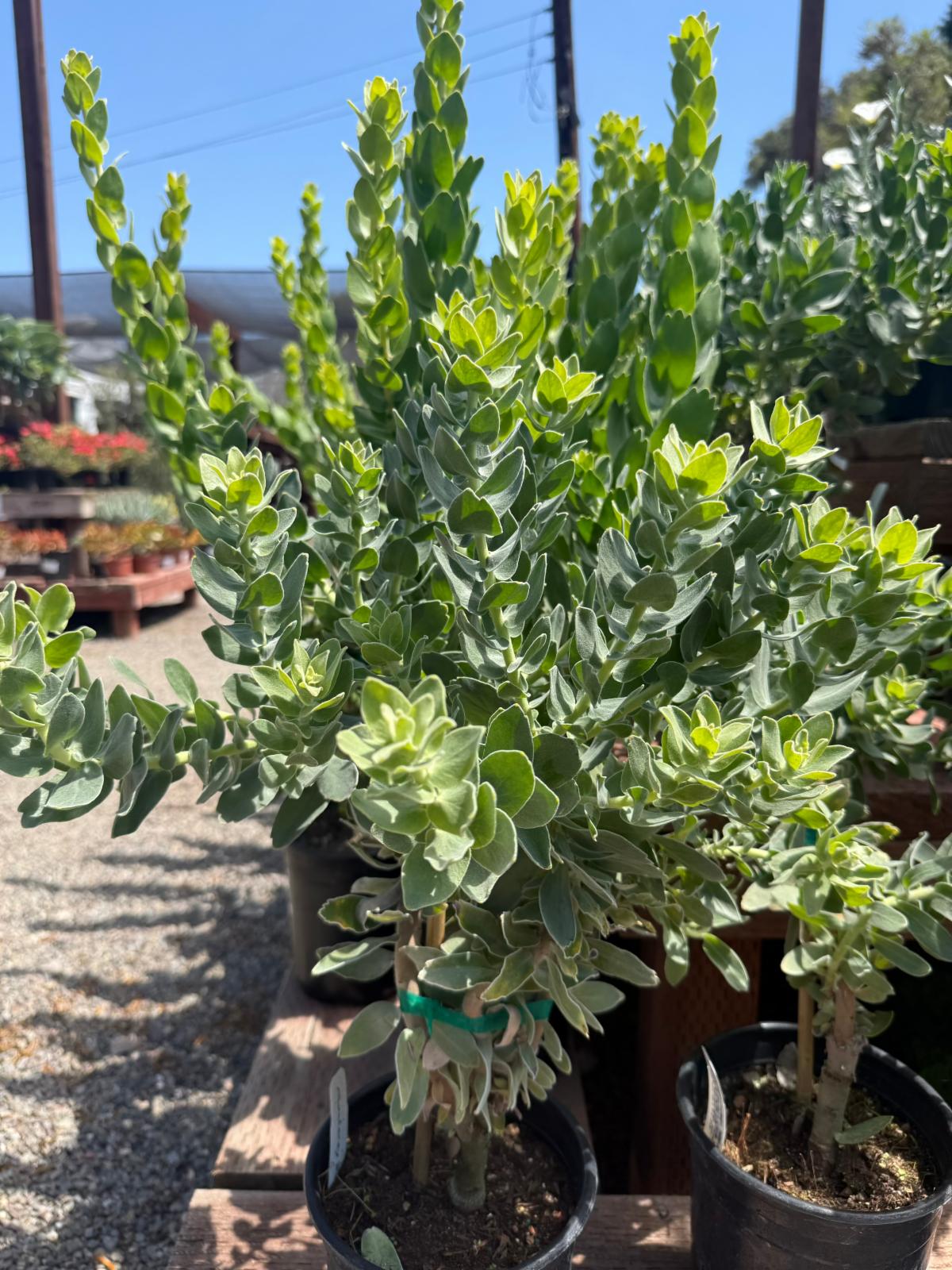
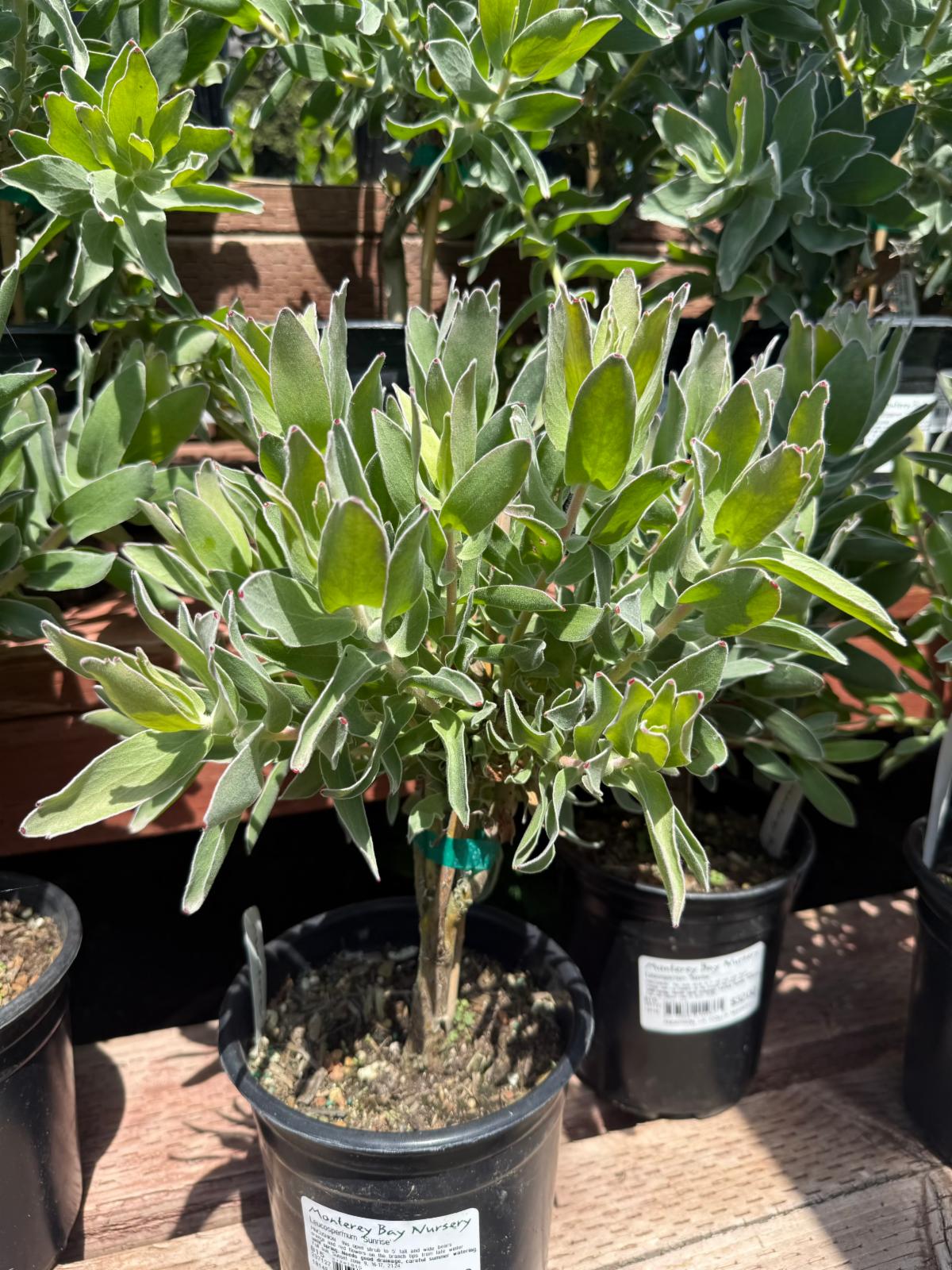
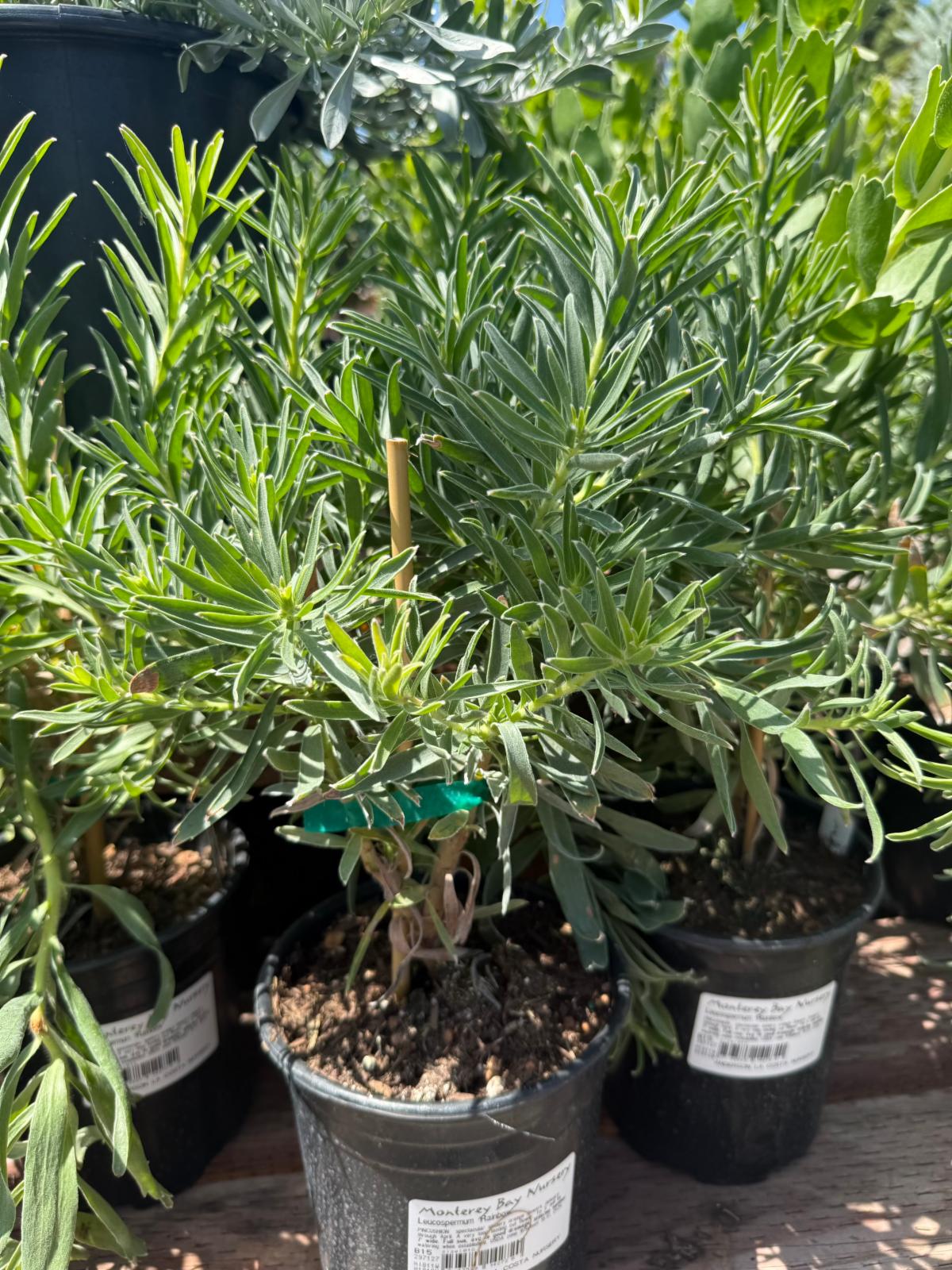
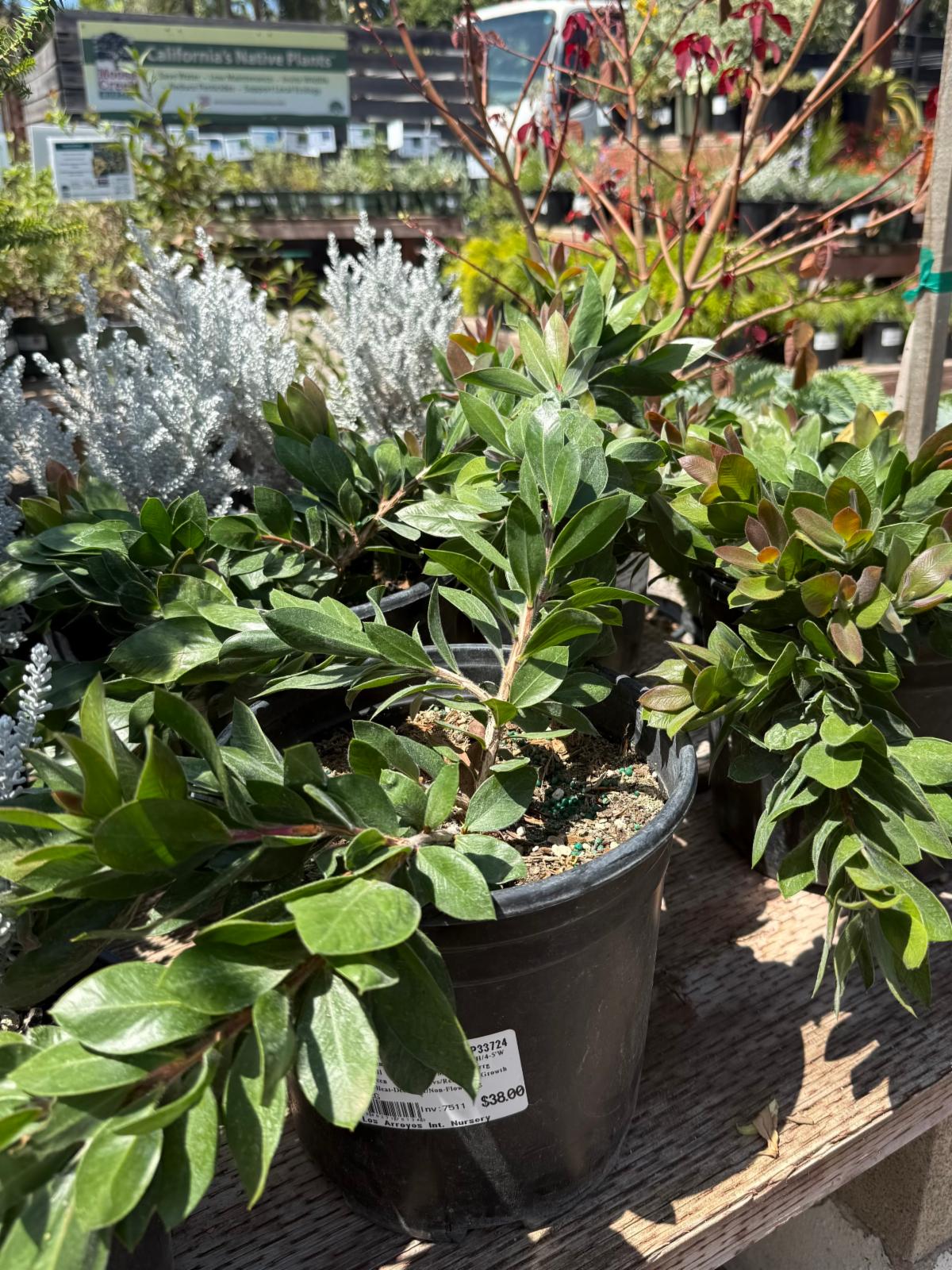
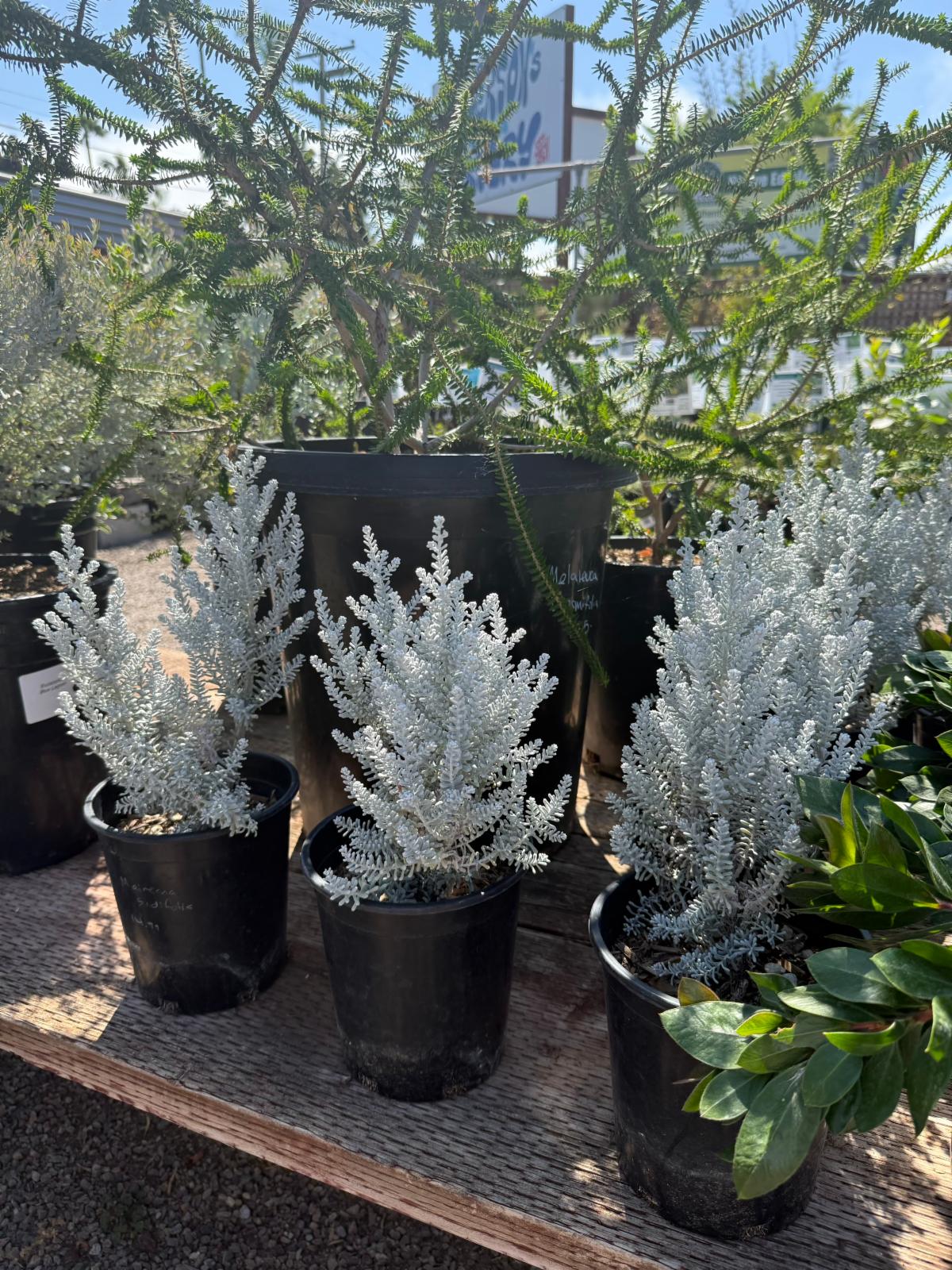
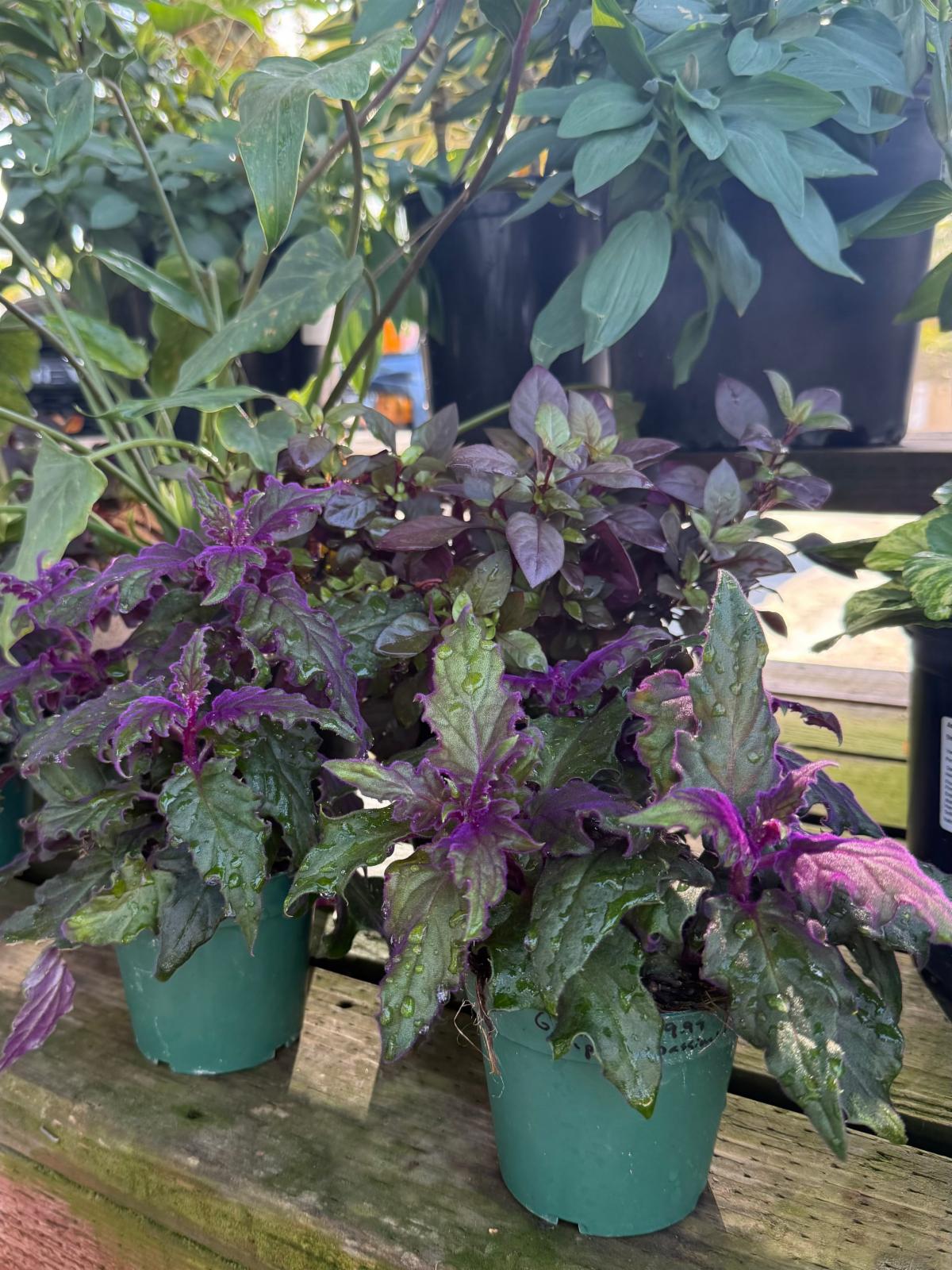
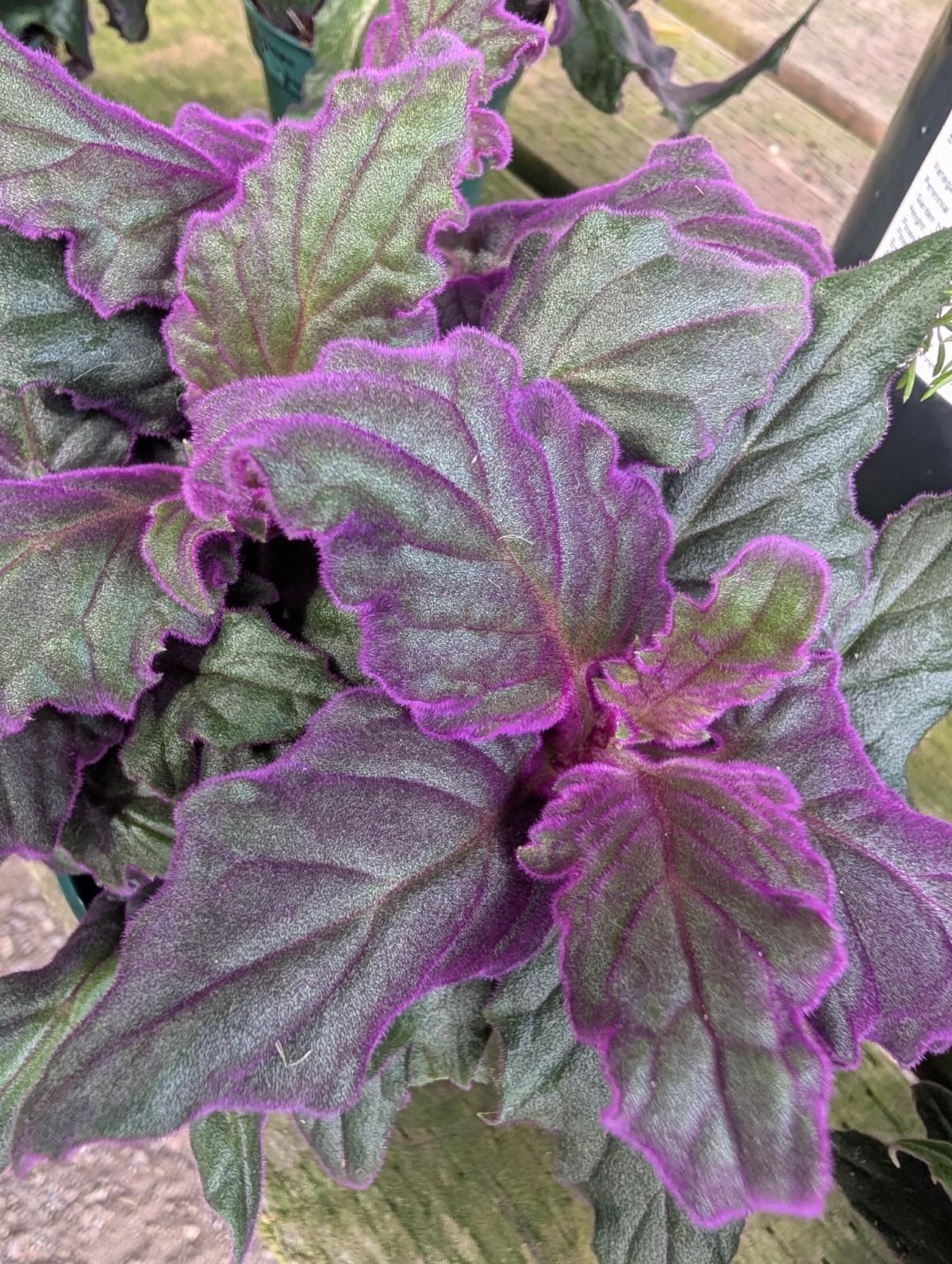
| | A few other mentionable plant favorites at the nursery right now include: Protea 'Mini king' (compact type with showy flowers), Sinocrassula yunnanensis (black succulent that looks like a sea urchin, not around very often), and a selection of one-gallon Leucospermum, which is a size that's more affordable and we don't see very often (Yellow Bird, High Gold, Scarlet Ribbons, Sunrise). | | Callistemon 'Red Rover' has lush-looking leaves with maroon new growth. It's a non-flowering variety, so there's hardly any mess, and it's a good addition to areas where you may not want bees. Maireana sedifolia is a drought-resistant shrub with attractive white foliage, and Gynura 'Purple passion' has attractive purple, velvety new leaves. | | |
Please let us know if there is anything you can't find - we will do our best to order it for you.
All this and more, as we hope to see you at the nursery soon!
Your Local Horticulturalist,
Steven
| | | |
As we wrap up summer, the most important tip heading into the fall is to protect against wildfire. The wildfire season is already here, as temperatures rise through early fall and warm, dry Santa Ana winds start blowing from the east, eventually replacing any humid tropical days in Southern California.
If you live in an area prone to wildfires, create defensible space around your home by pruning dead tree limbs, clearing your yard of brush and dead leaves, and removing leaves from the roof and gutters. Defensible space is the 50- to 100-foot area around a house or building where plants (a.k.a. fuel) are trimmed, reduced, or cleared to slow the spread of wildfire.
In California, there are two major planting seasons: spring and fall. One of the best-kept secrets is the beauty of fall planting. September marks the transition to fall and the start of the best planting season of the year. Although the nights may begin to cool off, the days are still warm (with occasional blasts of hot weather). By October, as temperatures cool, it becomes easier to transplant trees, shrubs, and bedding plants. Although trees and shrubs are not actively growing above ground, they are busy sending out strong roots and establishing themselves for the spring and summer.
To continue reading September Gardening Tips, click here.
| | |
Welcome to Anderson's La Costa Garden Design Services. Our talented staff has designed hundreds of gardens for Southern California homeowners. Having a dedicated garden designer visit your home or office will help you create the beautiful outdoor space you've always dreamed of.
Our experienced Garden Designers can assist you with:
- A garden designed to your preferences
- Optimal plant selection and options for your unique setting and microclimate
- Advice on drought-tolerant and California native designs
- Recommendations on soil amending
- Plant problem identification and resolution
- Address maintenance needs
- A scheduled nursery visit to view the recommended plant materials
- Professional garden advice as needed
We hope you stop by to learn more about how we can help with your garden. Our Garden Design team is talented, creative, passionate, and professional. Please call, visit us at the nursery, or visit our website:
andersonslacostanursery.com/garden-design-services
| | | | |