September 2025

Fall Prevention Starts with You!

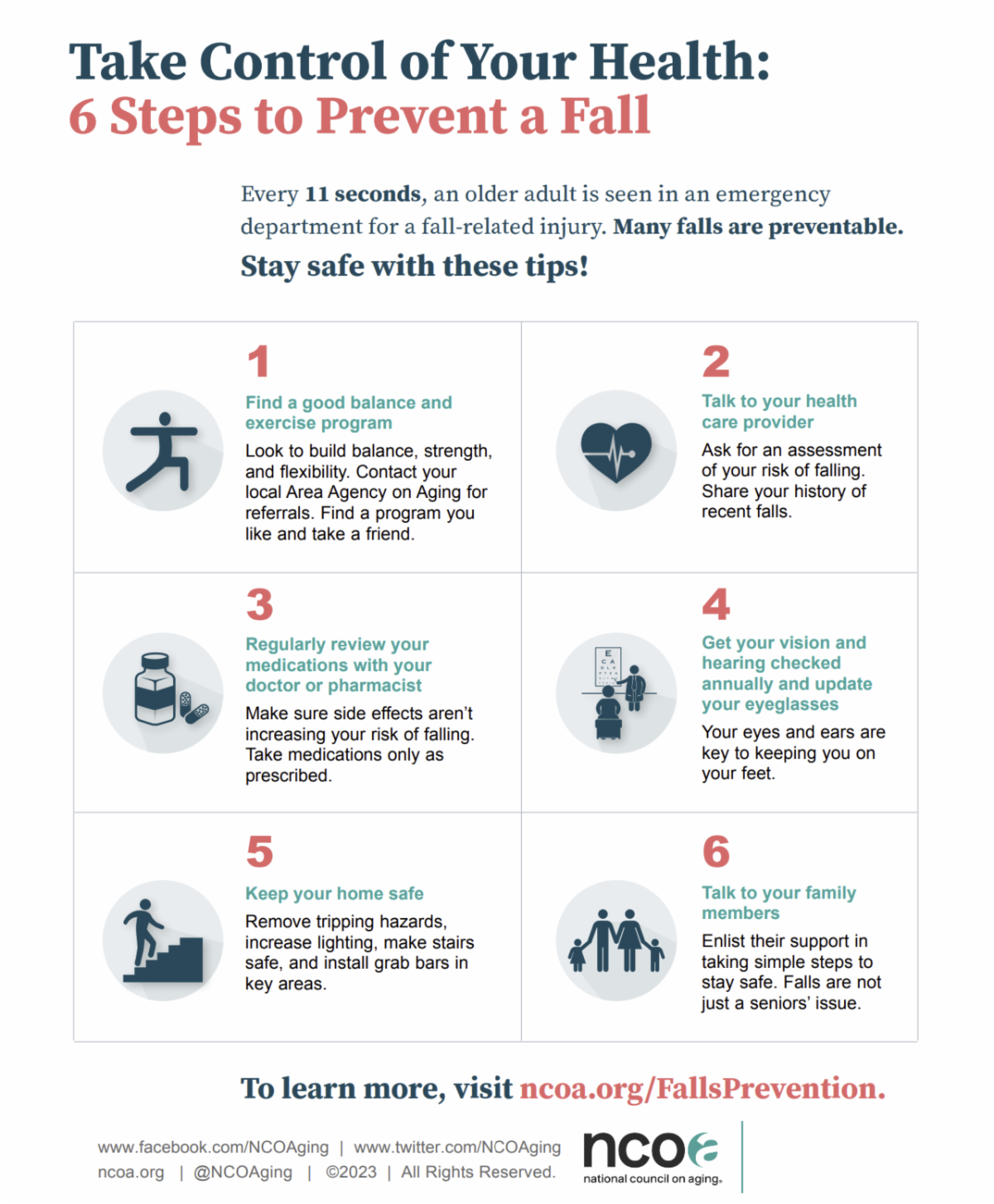
Falls Prevention Video: 6 Steps to Prevent a Fall

A wealth of information exists on falls prevention: Ways to modify your home for safety, conversations to have with your doctor, friends and loved ones, and myths about falls. Click below to dive into the vast world of Fall Prevention strategies.

National Falls Prevention Awareness Week

September 23-27, 2025


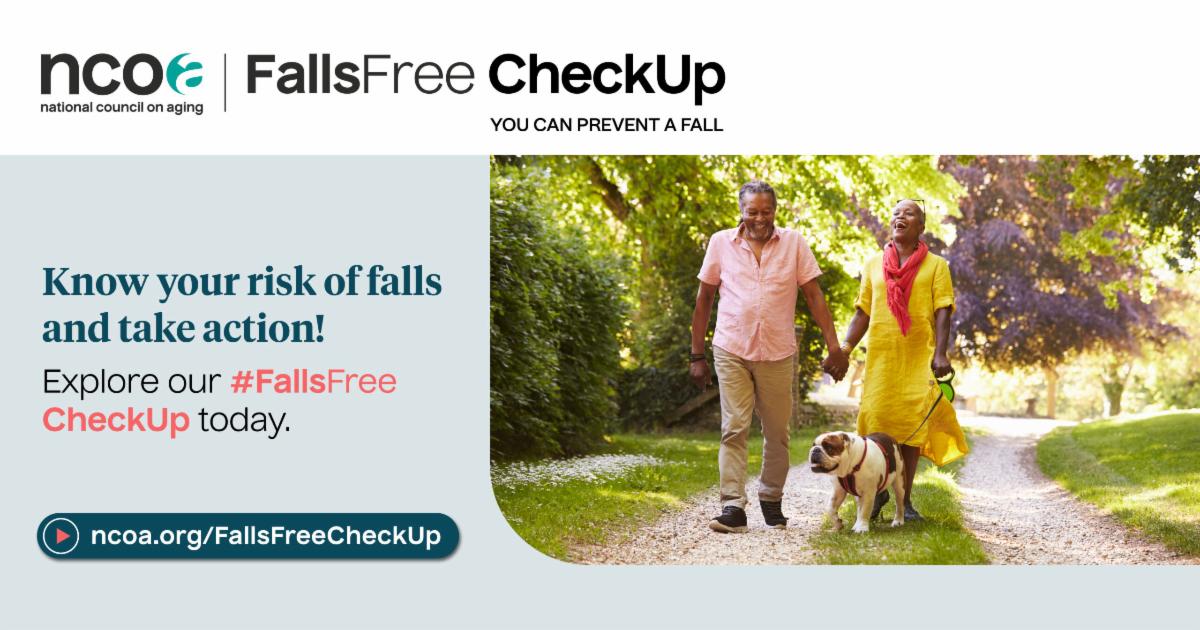
Falls among older adults continue to be a national public health concern. Join NCOA September 22-26, 2025, for Falls Prevention Awareness Week (FPAW), a nationwide observance with state coalitions and partners to raise awareness on preventing falls, reducing the risk of falls, and helping older adults live without fear of falling.


Staying active as we get older helps us stay connected to our community. And one of the best ways we can stay healthy and connected as we age is to prevent falls. You have the power to reduce your risk.

Resources: https://www.ncoa.org/page/falls-prevention-awareness-week-videos-infographics-handouts-and-more/

https://www.ncoa.org/older-adults/health/prevention/falls-prevention/

Scammy texts offering “refunds” for Amazon purchases

Scammers are pretending to be Amazon again. This time, they’re sending texts claiming there’s a problem with something you bought. They offer a refund if you click a link — but it’s a scam.


Here’s how the scam works so you can avoid it.


You get an unexpected text that looks like it’s from Amazon. It claims the company did a “routine quality inspection” and an item you recently bought doesn’t meet Amazon’s standards or has been recalled. The text offers you a full refund and says you don’t need to return the item — as long as you click a link to request your money back. But there is no refund. Instead, it’s a phishing scam to steal your money or personal information.


To avoid a scam like this:

  • Don’t click links in unexpected texts — and don’t respond to them. If you think the message could be legit, contact the company using a phone number, email, or website you know is real — not the info from the text.


  • Check your Amazon account. If you’re worried, log in through the Amazon website or app — don’t use the link in the text — to see if there’s a problem with or recall on anything you’ve ordered.


  • Send unwanted texts to 7726 (SPAM) or use your phone’s “report junk” option. Once you’ve reported it, delete the message.


Learn more about how to get fewer spam texts. And if you spot a scam, tell the FTC at ReportFraud.ftc.gov.


Resources: https://consumer.ftc.gov/consumer-alerts/2025/07/scammy-texts-offering-refunds-amazon-purchases?utm_source=govdelivery

Florida’s Drowsy Driving Prevention Week

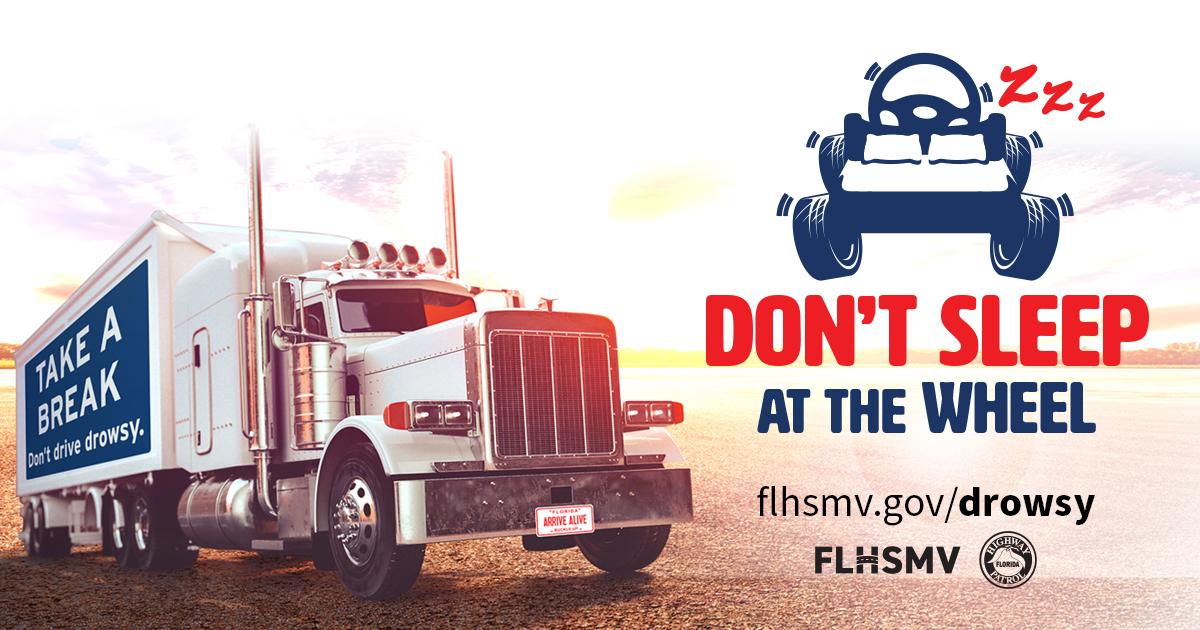
Don't Sleep at the Wheel


Getting behind the wheel of a vehicle while fatigued and drowsy can have dangerous, and sometimes deadly, consequences.


The Florida Legislature designated the first week of September each year as Drowsy Driving Prevention Week to educate the public on the dangers of driving while drowsy and to honor the memory of 8-year-old Ronshay Dugans. Ronshay Dugans was killed in 2008 when her school bus was hit by a driver who fell asleep at the wheel.


Do not drive when you are tired. It is risky to drive drowsy because fatigue can:

  • Slow down your thought process and reaction time;
  • Affect your judgment and vision;
  • Impair your sense and abilities; and
  • Cause micro-sleeping (“nodding off”) or falling completely asleep.


The two main causes of drowsy driving are lack of quality/quantity of sleep and driving at times of the day when you would normally be sleeping. Young drivers, shift workers, commercial drivers and people with untreated sleep disorders or with short-term or chronic sleep deprivation are at an increased risk for drowsy driving crashes.


Commercial Motor Vehicle (CMV) drivers will be issued a Uniform Commercial Citation if the driver is found to be an ill or fatigued operator at the time of a crash. Commercial vehicle drivers must comply with all federal and state regulations regarding sleep to ensure maximum safety on the roads.


Drowsy Driving Prevention Tips

Sleep loss or fatigue can cause symptoms similar to impaired driving. It is always important to rest before driving, but there are other measures you can take to prevent drowsy driving:


  • Get enough sleep before you drive. This is the best way to ensure you can maintain alertness while driving.


  • Read the warning label on your medications and do not drive after taking medications that cause drowsiness. Never drive impaired.


  • On long trips take a break every 100 miles or two hours. Allow plenty of time to get to your final destination. If possible, use the “buddy system” so you can change drivers when needed.


  • You can drink caffeine to increase alertness. Keep in mind, turning up the radio, drinking coffee or rolling down the window may help you feel alert for a short period of time, but are not effective ways to maintain alertness to drive safely in the long run.


  • Avoid driving at times when you would normally be asleep. If you are having difficulty focusing, frequent blinking or heavy eyelids, pull over in a safe place to rest before continuing to drive.


  • The Florida Department of Transportation maintains multiple rest areas, service plazas, truck comfort stations and welcome centers throughout Florida. These are great places to stop and take a break. For more information, visit fdot.gov/maintenance/restareas


  • If you have been up for 24 hours or more, do not drive. It is not safe for you and others on the road. Take a break and get adequate rest before you travel.


Resources: https://www.flhsmv.gov/safety-center/driving-safety/drowsy-driving/

National Preparedness Month

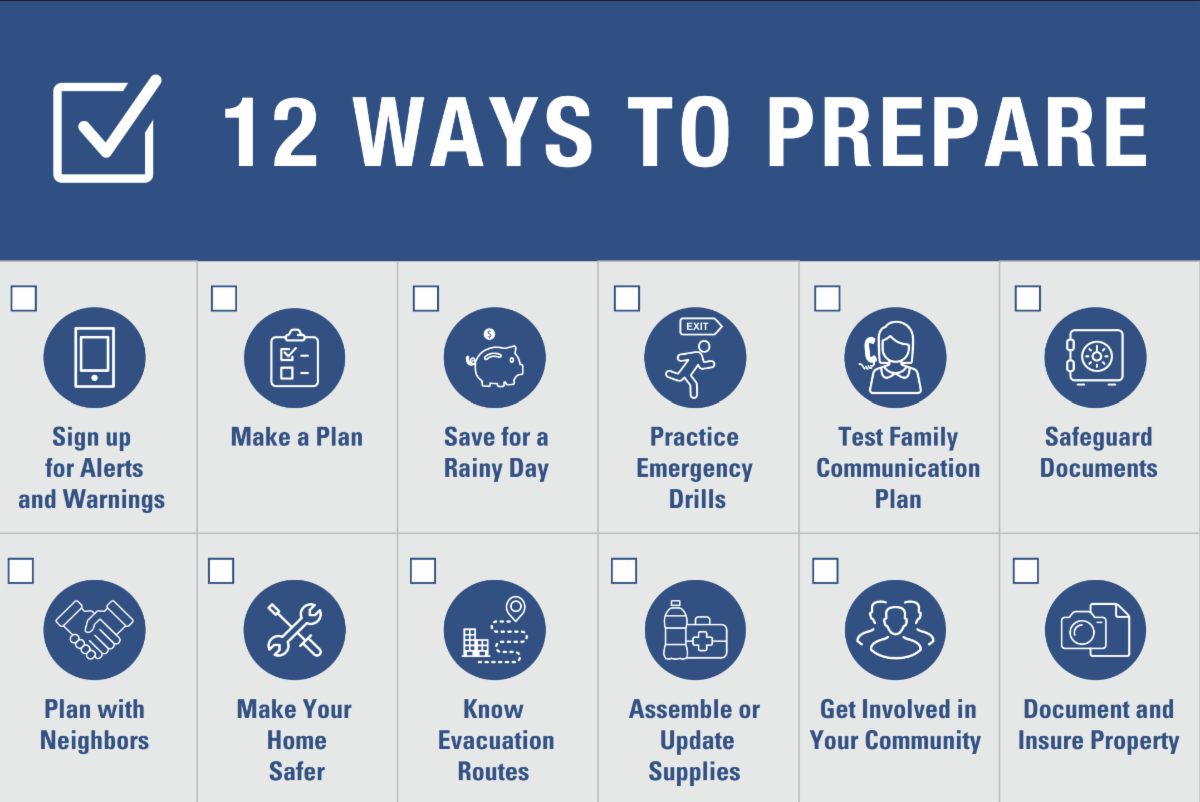
Are you ready for a natural disaster?


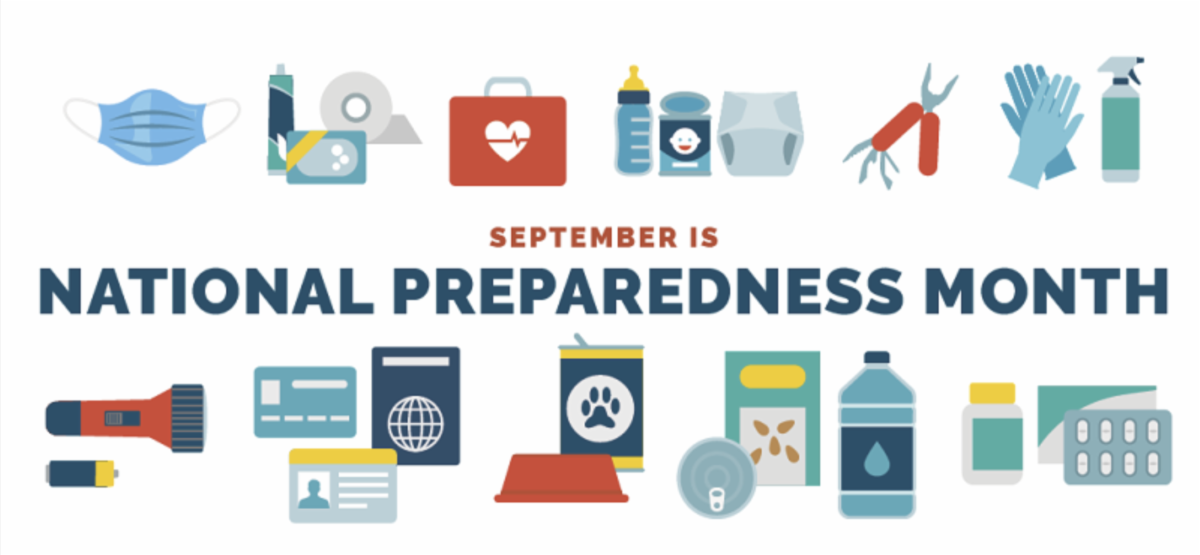
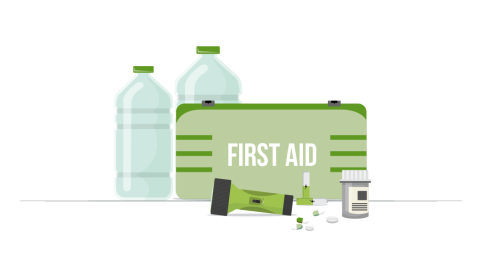
September marks National Preparedness Month, the annual campaign to remind everyone that preparing for emergencies and disasters can keep them, their families and their communities safe.


Older adults may have specific needs after a disaster. 


  • Know what disasters could affect your area, which could call for an evacuation, and when to shelter in place, and plan what you need to do in both cases.


  • Keep a NOAA Weather Radio tuned to your local emergency station and monitor TV and radio for warnings about severe weather in your area.


  • Download the FEMA app and get weather alerts from the National Weather Service for up to five different locations anywhere in the United States.
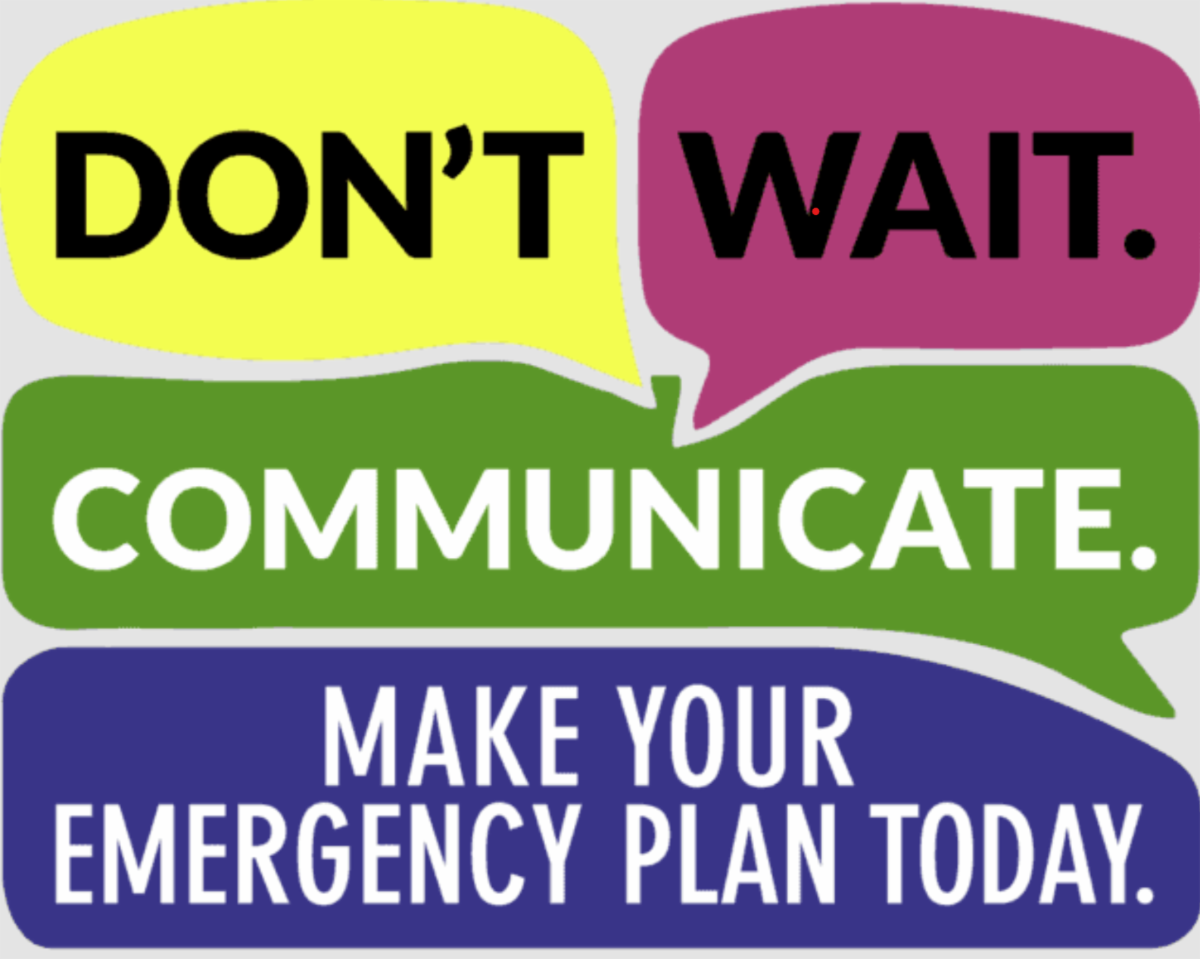
  • Plan how you will communicate if you have a communications need.
  • Plan for your transportation if you need help evacuating.
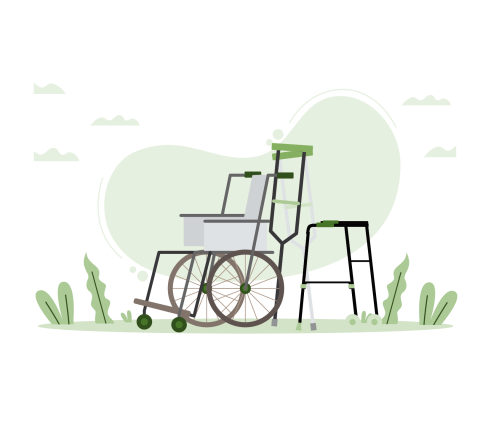
  • Plan how you will have your assistive devices with you during an evacuation.
  • Make copies of Medicaid, Medicare, and other insurance cards.

You and your family may not be together when disaster strikes, so it’s important to know how you’ll reconnect if separated.


Click the button below to create a PDF of your Family Emergency Communication Plan. You can email the form as a PDF to yourself and/or family members once complete.

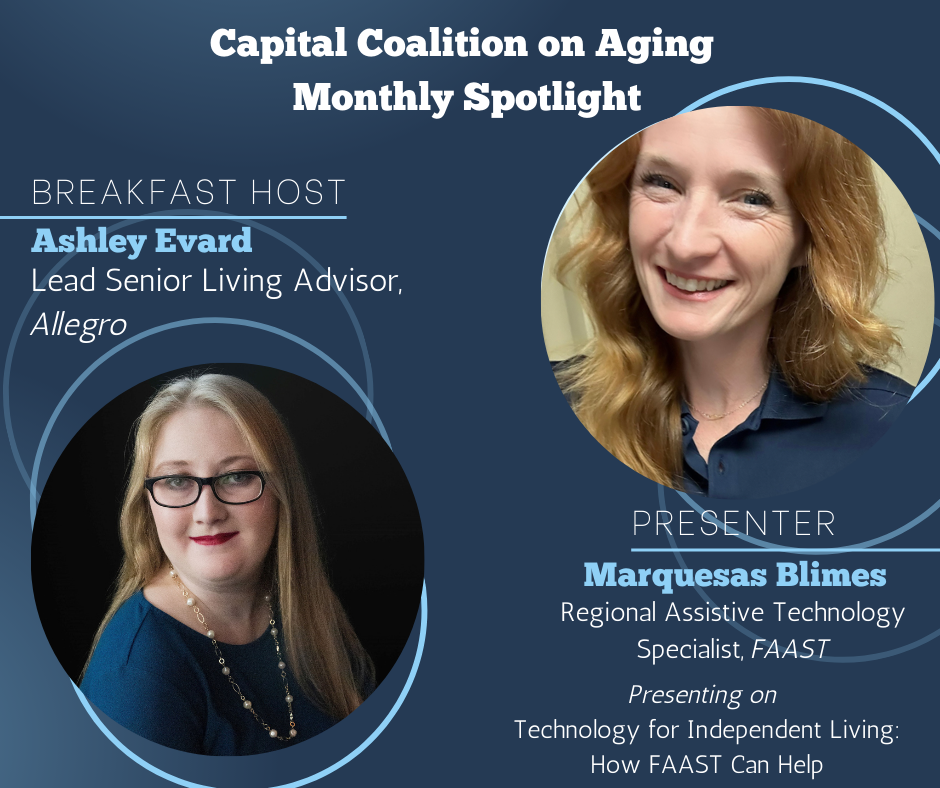
Capital Coalition on Aging Meeting Reminder


We hope to build back up our monthly attendance to 50-60 people each month - a goal we can only accomplish together by sharing the invitation to aging professionals. Please share with others who are not current members and remind our colleagues about this monthly opportunity to connect.

​

Bring business cards and any information about your organization that you would like to hand out. We look forward to seeing all of you there!


Don't miss our upcoming CCOA Meeting on Wednesday, September 17th, held monthly, at the Tallahassee Senior Center at 8:30am.


Come for breakfast and stay for the presentation and networking!

X Share This Email
LinkedIn Share This Email