Discoveries
September 2025
| | | In the latest issue of Discoveries: | | |
🔬 Discover how Sanford Burnham Prebys Medical Discovery Institute scientists learned that pancreatic ductal adenocarcinoma cells depend upon a kinase to acquire key ingredients essential to metabolic processes and survival.
🧫 Explore research regarding a cancer’s genetic vulnerabilities, which found that blocking a protein may be a winning strategy against an aggressive cancer called synovial sarcoma.
🧠 Learn about a new study that reveals a surprising driver of idiopathic pulmonary fibrosis, a devastating lung disease with no cure.
📰 Review upcoming events, a recap of the Biomedical Research Symposium, and recent awards supporting our trainees.
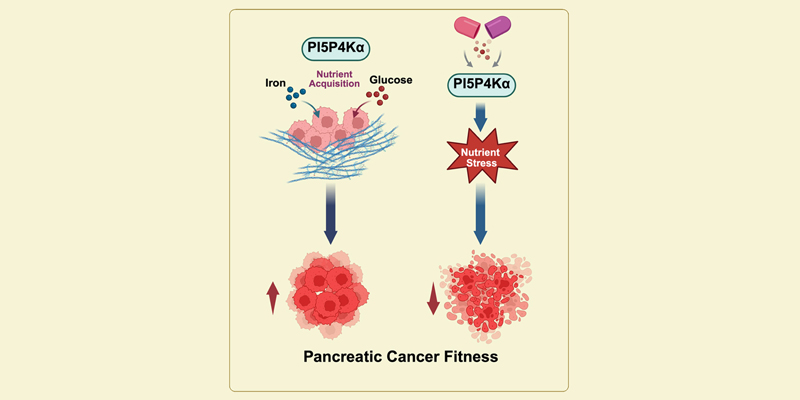
| | Created in https://BioRender.com.
Image credit: Gurpreet Kaur Arora, Brooke Emerling and Cosimo Commisso, Sanford Burnham Prebys. | | Starving cancer cells of essential sugar and iron | | |
In a new study published in Cell Reports, scientists from the labs of Cosimo Commisso and Brooke Emerling, together with colleagues from the University of Zurich, have identified the phosphoinositide kinase PI5P4Kα as critical for meeting the unique demands of pancreatic ductal adenocarcinoma (PDAC) cells.
The scientists found that PDAC cells depend upon PI5P4Kα to acquire key ingredients essential to metabolic processes and survival, such as glucose and iron. And when they induced a knockdown of PI5P4Kα in a xenograft mouse model of PDAC, tumor growth was suppressed.
Gurpreet Kaur Arora, PhD, a staff scientist in the Emerling lab, was the study’s lead author.
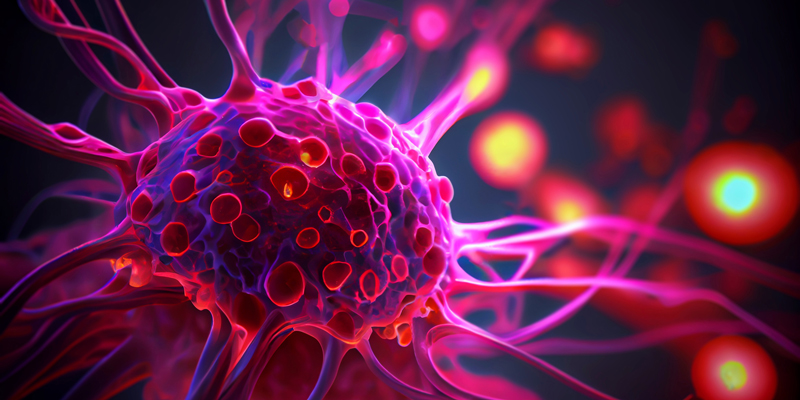
| | Image credit: Kateryna Kon/Shutterstock. | | Sizing up a weakness in synovial sarcoma’s genes | | |
New research shows that using a drug as a blocker to outcompete the small ubiquitin-like modifier 2 (SUMO2) protein may be a winning strategy against an aggressive cancer called synovial sarcoma.
Scientists from Ani Deshpande's lab published findings in The European Molecular Biology Organization (EMBO) Journal demonstrating the use of public genomic screening data to identify and study a new genetic vulnerability that may help improve treatment options for synovial sarcoma.
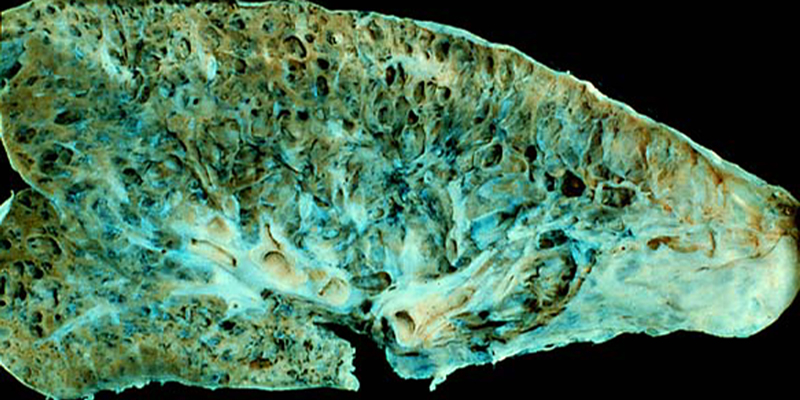
| | Image credit: Wikimedia. | | How cellular cross talk translates into idiopathic pulmonary fibrosis | | |
New research in The Journal of Clinical Investigation (JCI) from Kevin Tharp's lab reveals a surprising driver of idiopathic pulmonary fibrosis (IPF), a devastating lung disease with no cure.
The study shows that immune cells produce a metabolite called ornithine, which triggers fibroblasts to overproduce collagen, leading to lung scarring. In collaboration with Mallar Bhattacharya, MD, associate professor of medicine at the University of California San Francisco, Tharp helped uncover how immune and metabolic pathways fuel IPF.
Importantly, the findings suggest that targeting ornithine production with diet or small-molecule drugs could open the door to new treatments.
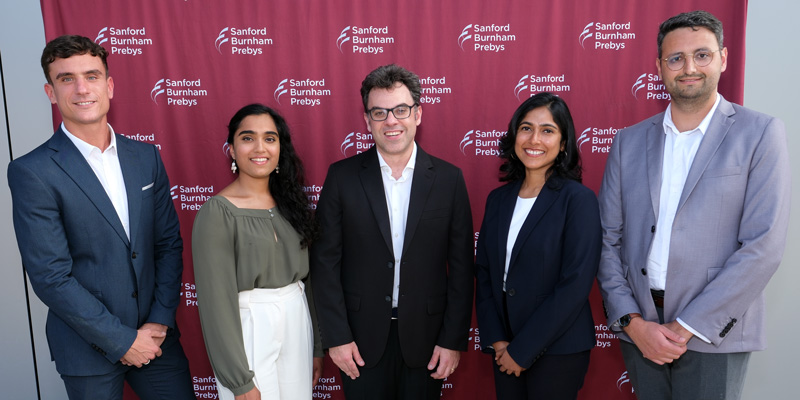
| | Fishman Awardees:
Alejandro Lillo, PhD, Kokila Shankar, PhD, Theophilos Tzaridis, MD, Meenakshi Sudhakaran, PhD, and Bastien Cimarosti, PhD
Image credit: Sanford Burnham Prebys. | | |
Thank you to our Fishman Award supporters. We are proud of our postdoctoral students who received their Fishman Award earlier this month. For more information about the Fishman Awards, please visit sbpdiscovery.org/thefishmanawards.
To give stock to Sanford Burnham Prebys, you can complete a securities transfer from your brokerage account or donate stock certificates you hold directly. Donating appreciated securities that you have held for more than one year can offer tax advantages, such as a charitable tax deduction and avoidance of capital gains taxes.
For all donations, it is important to notify our Office of Philanthropy of the transfer and your intended purpose for the gift at 858-795-5070 or giving@sbpdiscovery.org.
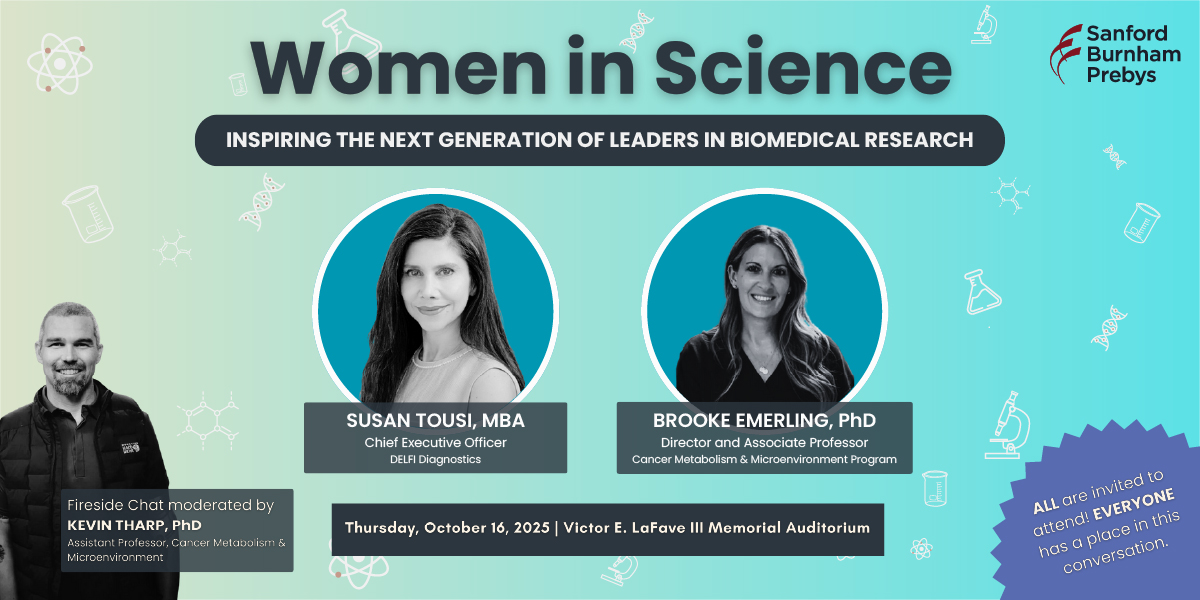
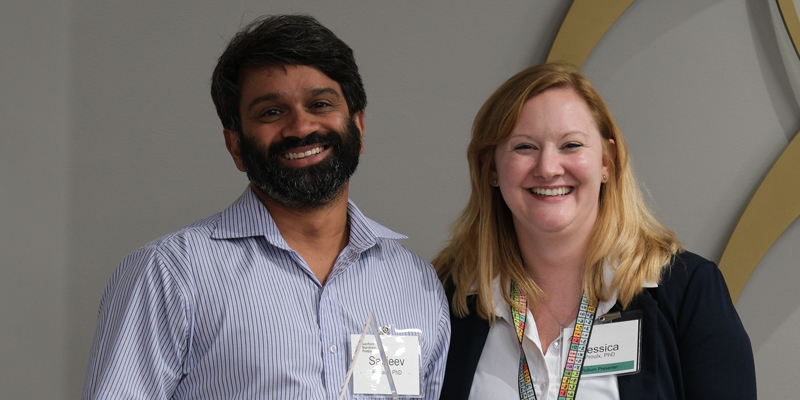
| | A Conversation About: Aging and Metabolic Disorders | Our scientists are dedicated to uncovering the root causes of metabolic and liver diseases and finding new ways to prevent and treat them. | | | Please join us on October 14, 2025, from 3:00 p.m. to 5:00 p.m. for an engaging, easy-to-follow discussion on how these conditions develop, why some people are more at risk and the exciting discoveries shaping the future of health and longevity. | | The Women in Science Lecture Series | Hosted by Sanford Burnham Prebys, this series highlights the groundbreaking work and unique perspectives of women leaders in the biomedical sciences, while fostering mentorship and collaboration across the Torrey Pines Mesa. | | | Join us on October 16, 2025, from 11:30 a.m. to 1:30 p.m. The session features Susan Tousi, MBA, CEO, at DELFI Diagnostics; and Brooke Emerling, PhD, associate professor and director of the Cancer Metabolism & Microenvironment Program at Sanford Burnham Prebys. | | Postdoc Pitch Competition | Join us on October 23, 2025, from 3:00 to 6:00 p.m. for the Mesa-wide Postdoc Pitch Competition, where talented researchers will showcase their groundbreaking biomedical research in compelling elevator pitches. | | | The top two speakers from each institution, including Sanford Burnham Prebys, the Salk Institute, Scripps Research and UC San Diego, will go head-to-head for top honors. | | Celebrating research and mentorship during National Postdoc Appreciation Week | The 24th Annual Biomedical Research Symposium brought together postdocs, graduate students, staff scientists, administrators and faculty for a day that celebrated both discovery and community. | | Sanjeev Ranade, PhD, and Jessica Proulx, PhD.
Image credit: Sanford Burnham Prebys. | | |
This year’s keynote was delivered by A.J. Hilton, PhD, assistant professor of molecular physiology and biophysics at Vanderbilt University. His talk offered a compelling look at how stress response pathways can rewire cellular metabolism and organelle function. Attendees praised the clarity of the presentation and its relevance beyond any one discipline.
Sanjeev Ranade, PhD, of the Center for Cardiovascular and Muscular Diseases, was named Mentor of the Year and celebrated for fostering a collaborative lab culture where achievements of all sizes are recognized and trainees are encouraged to think critically and independently.
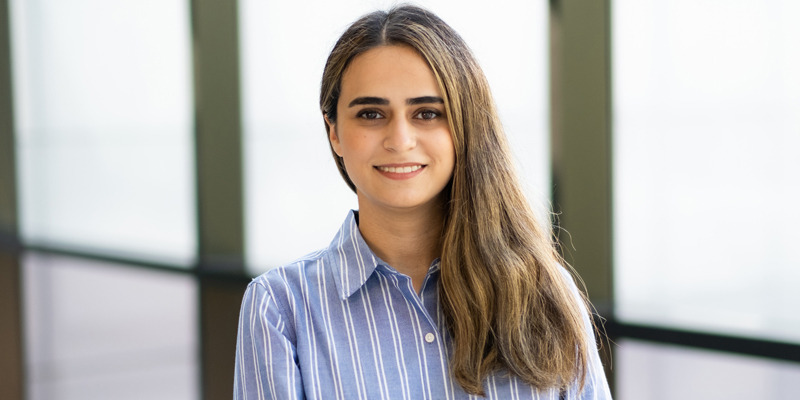
| | Anis Shahnaee awarded Melvin and Phyllis McCardle Clause Scholarship | Anis Shahnaee, a third-year graduate student in the Sanford Burnham Prebys Graduate School of Biomedical Sciences, was selected as the 2025 recipient of the Melvin and Phyllis McCardle Clause Scholarship. | | Image credit: Sanford Burnham Prebys. | | The McCardle Clause Scholarship was established in honor of Phyllis McCardle Clause after her long struggle with Alzheimer’s disease. The award supports graduate student education in age-related neurodegeneration within the Institute’s graduate school. | | Two trainees selected for Science in Motion Travel Awards | The Sanford Burnham Prebys Center for Cardiovascular and Muscular Diseases recently announced the winners of the 2025 Science in Motion Travel Awards. | | Image credit: Sanford Burnham Prebys. | | |
Graduate student Gabriele Guarnaccia will use his award to attend the 8th Cancer Cachexia Conference in Turin, Italy.
Postdoctoral associate Luca Caputo, PhD, was selected to attend Frontiers in Myogenesis: Innovations in Myogenesis, From Molecular Mechanisms to Therapeutic Interventions in Sunriver, Oregon.
| | How sugar reshapes our blood, and a revolutionary way to measure it | |
The latest episode of The Discovery Dialogues introduces listeners to Adam Heller, PhD, a Holocaust survivor, scientist, and engineer whose pioneering work paved the way for the continuous glucose monitor (CGM). This device has revolutionized diabetes care by freeing millions of people from constant finger pricks and providing real-time insights into blood sugar levels.
To explore the impact firsthand, host Ani Deshpande, PhD, wore a CGM for a month and uncovered surprising lessons about how everyday foods affect glucose and how small changes in diet can dramatically influence spikes.
| | |
🎧 Listen to the new episode on:
| | |
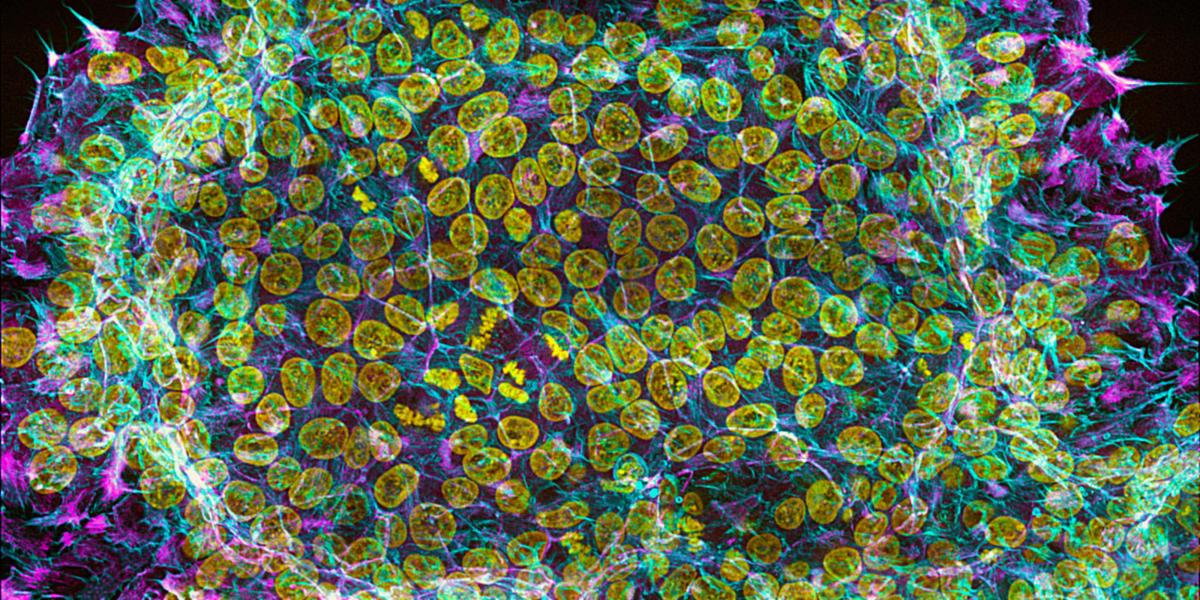
Human embryonic stem cell colony, using confocal and image stitching microscopy.
Image credit: Nilay Taneja, Vanderbilt University.
| | | | |