September 2018
A budget dilemma looms for Fort Lauderdale

I would like to take this moment to welcome back all the folks who had the opportunity to escape the Florida heat and take a break from their usual routine this summer. With schools back in session and the doldrums of the season soon to wane, we can refocus our lives feeling refreshed, eager to take on the next challenge that life presents to us.

In our city, September is the month when the City Commission and city staff begin the process of confirming the priorities established during our goal-setting sessions earlier this year and create a budget that will sustain us through the next fiscal year.

The commission agreed on a number of goals earlier this year.

We agreed that we need to rebuild and reinforce our infrastructure. This includes additional investment in our water and sewer system as well as ensuring our water treatment plants are kept in good repair so that our drinking water is safe and plentiful. 

We also agreed that we need to redouble our efforts to reduce our homeless population. It’s been a disgrace that encampments have been allowed for so long throughout our city – in parks, sidewalks and especially next to the county library. This should not be the fate of those whose lives have taken a desperate turn. The street panhandling, too, is a safety risk, for both the seeker and the donor as we experience ever more dangerous conditions on our roadways and intersections.

Some goals we have already achieved. For example, we have terminated the Wave streetcar project which would have been a costly boondoggle with little impact on traffic reduction. We have also established new parameters to grow smartly, responding to demands that the quality of life in our neighborhoods is threatened by overdevelopment.

What is before us now is the responsibility of establishing a budget for the year ahead.

We must find ways to ensure that city services are maintained and improved where needed. We must look for ways to pay for the commission’s new goals as well as others that define our city and the expectations people have of their government. This is especially true with regard to public safety and the cost of ensuring that we are kept safe by our police and fire departments. They must have sufficient staffing and the best equipment to assist them in their responsibilities.

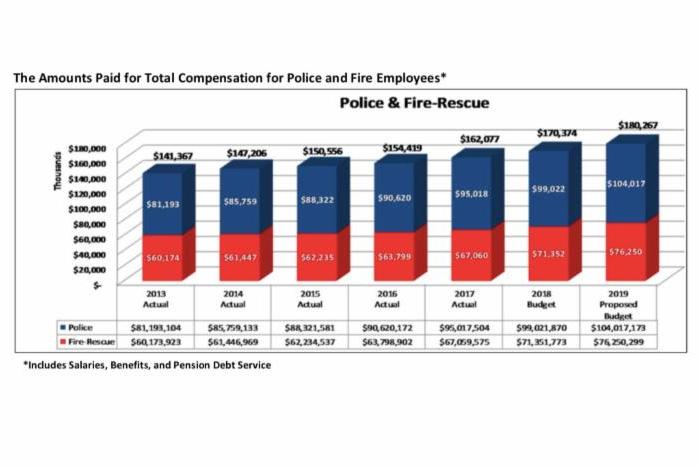
As we look to spending for public safety over the past five years for example, the city spent $141 million in 2013 for salaries and benefits. That has increased every year with the 2019 budget proposed by the city manager appropriating more than $180 million. That’s about a 28 percent increase while inflation was 8 percent over the same period

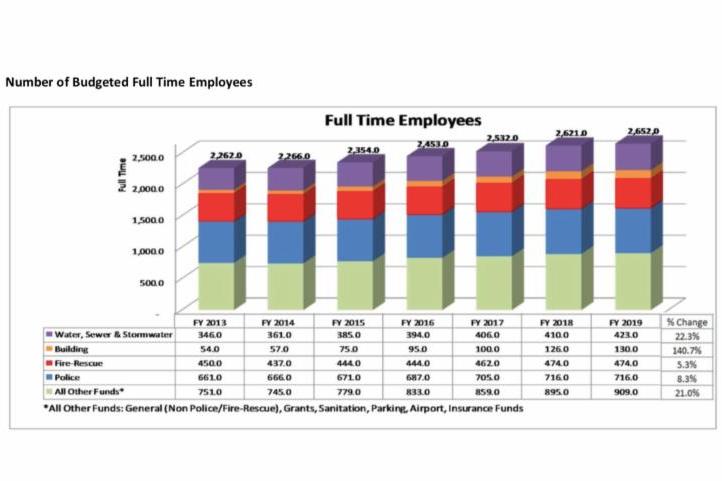
Moreover, police and fire staffing increased only 7 percent during those five years. That’s assuming all positions have been filled which they have not. In fact, as we speak, we are down 44 employees in the Police Department.
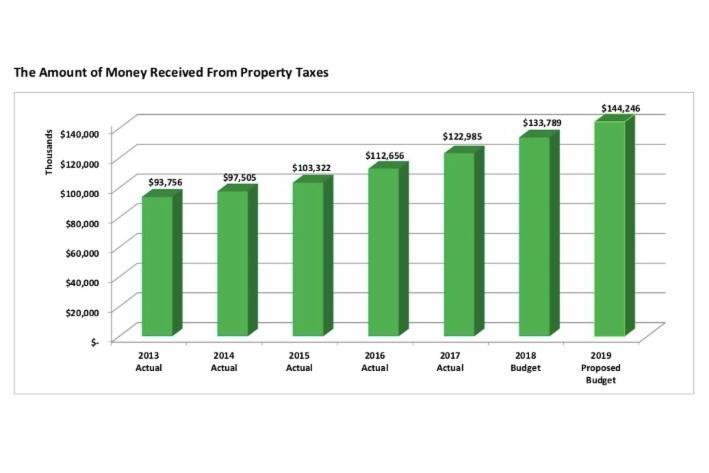
Covering these expenses alone has not been easy. The millage rate during this period remained steady at about 4.11 mills, and any new income into the general fund came about from the increase in the values of property. In 2013, money received from property taxes was $94 million, and in 2019, the city expects to bring in about $144 million.
But there’s more.

When I returned to the commission in 2013, we had 2,262 full time employees. Members of the commission asked staff how our operations were running at this level, and we were told repeatedly year after year that all departments were performing well with this staffing. Nonetheless, our management continued to hire at a fairly brisk pace. This past year, we have more than 2,600 full time employees. In this next budget year, it is proposed that we hire another 41.
One can only wonder how are we paying for all of this?

Even though the increase in real estate values has risen, the payments to our police and fire departments alone consume all of that increase, and more. Fees for building permits are another source of income, so is the fire assessment fee. But these are earmarked for specific purposes.

As it turns out, even if you combine all the income from all the sources that cities traditionally and legally depend on, our city still did not have enough to pay all of our expenses.

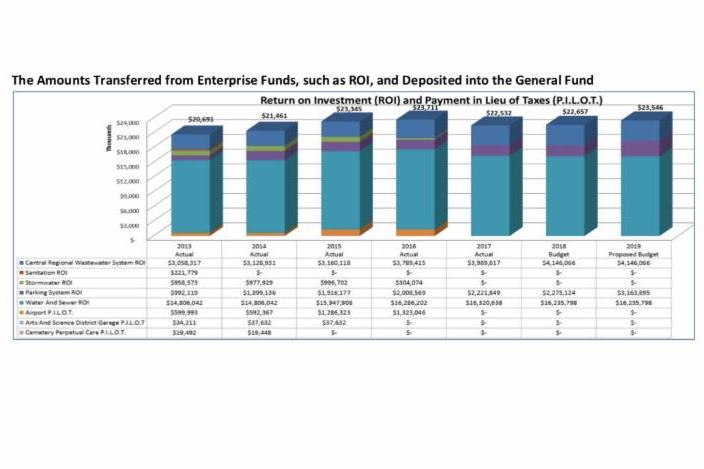
That is why the city has been dipping into the money that was being set aside for water and sewer needs. That has been to the tune of $20 million a year. In the meantime, our water and sewer systems have been neglected for so long that, in some cases, we are on the brink of catastrophe. It was only when the state Health Department finally stepped in and threatened us with severe sanctions that we began a more aggressive program of rebuilding our infrastructure.

That is why the commission had to borrow $200 million for the needed water and sewer work. Yet, it would not have needed to do so if the funds hadn’t been raided to balance the overall budget. And that’s just the first wave. Much more money will be sought for utility upgrades. 
So you ask, what business philosophy have we been following that allowed us to keep spending, spending, spending, and not increasing our income to cover these expenses?

Well, instead of raising your taxes to cover these expenses, the commission raised your water and sewer rates. Kind of sneaky, huh? And paying more for utilities is almost like a tax, and it is especially hurtful for people with lower incomes because they pay the same for water that wealthier people pay.

The members of the newly-elected commission directed the city manager to begin the process of reducing the diversion of monies from the water and sewer fund. We asked that it be done in phases of $5 million per year.

Yet, the manager is basically saying he can’t do it. The reason why he can’t do it is because the previous commission locked us into employment agreements for the next three years that it turns out were too rich for the city to pay. Instead, he has proposed cuts in popular programs or says we can raise taxes. Among the cuts that he is suggesting are:

  • a program to improve maintenance of city medians
  • the city’s annual asphalt resurfacing program
  • participation in efforts to reduce homelessness
  • support for the Winterfest Boat Parade and the St. Patrick’s Day Parade
  • installation of new playgrounds
  • improvements to Riverwalk
  • improvements to Mills Pond Park
  • improvements to Breakers Avenue and Birch Road
  • a summer youth employment program
  • assistance to the NSU Museum of Arts
  • city support for a downtown security guard program

This would be a bitter pill for our community to swallow. We have been spending money we had no reason to spend, and now so many of the wonderful things we associate with our city may be delayed, terminated or reduced in some fashion.

Are you mad? You have every right to be mad.

Sincerely,


Dean
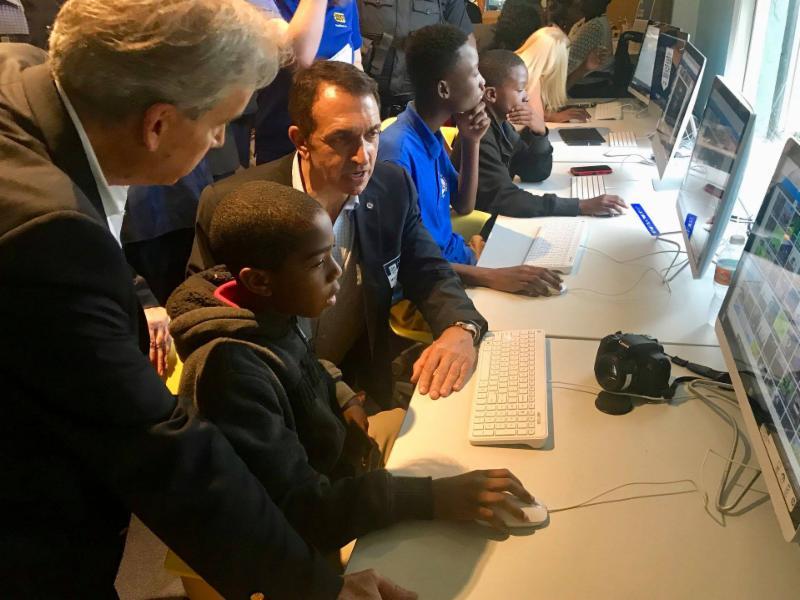
Mayor Trantalis joins Commissioner Steve Glassman to open the Best Buy Teen Tech Center at Handy Inc. This center is a community effort to teach technology skills through after-school programs to youth from underserved neighborhoods. 
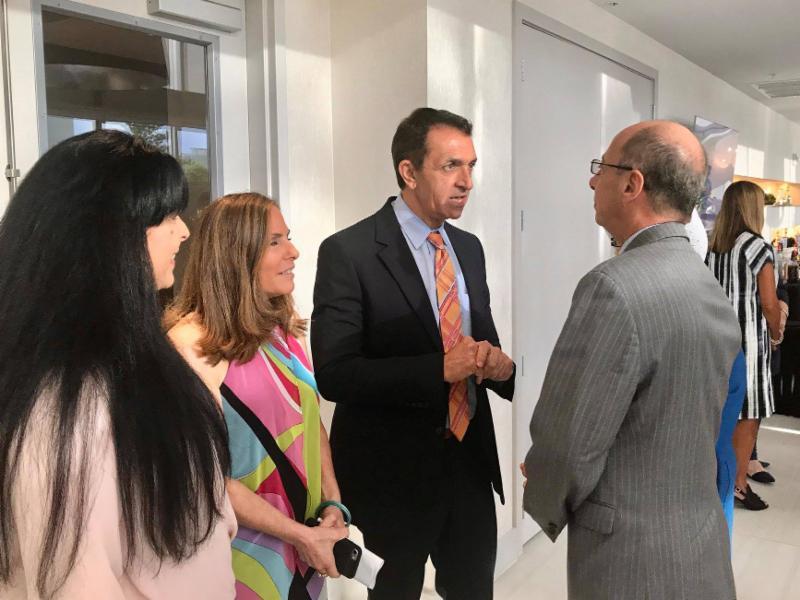
Mayor Trantalis joins Adalnio Senna Ganem, the regional consul general for Brazil, and Jaye Abbate, the director of ArtServe, for a reception for ArtBrazil. The art exhibit showcases contemporary Brazilian art.
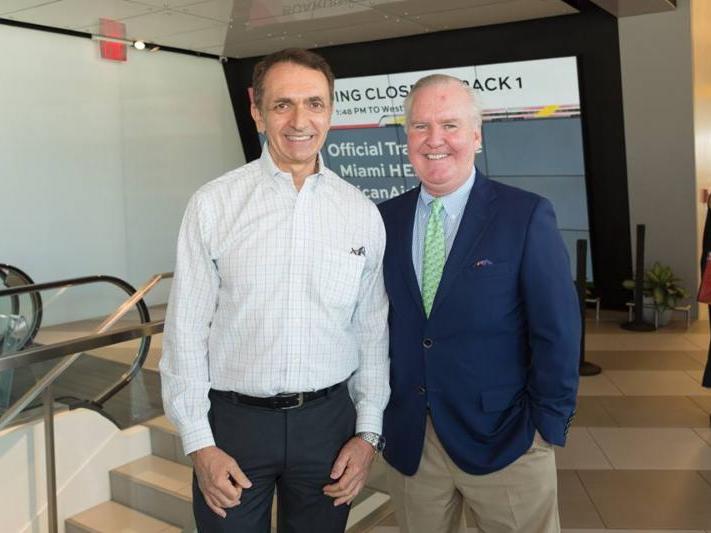
Mayor Trantalis meets a delegation from Tampa, including Mayor Bob Buckhorn, as they toured Brightline operations in South Florida. They are looking at continuing Brightline's expansion.
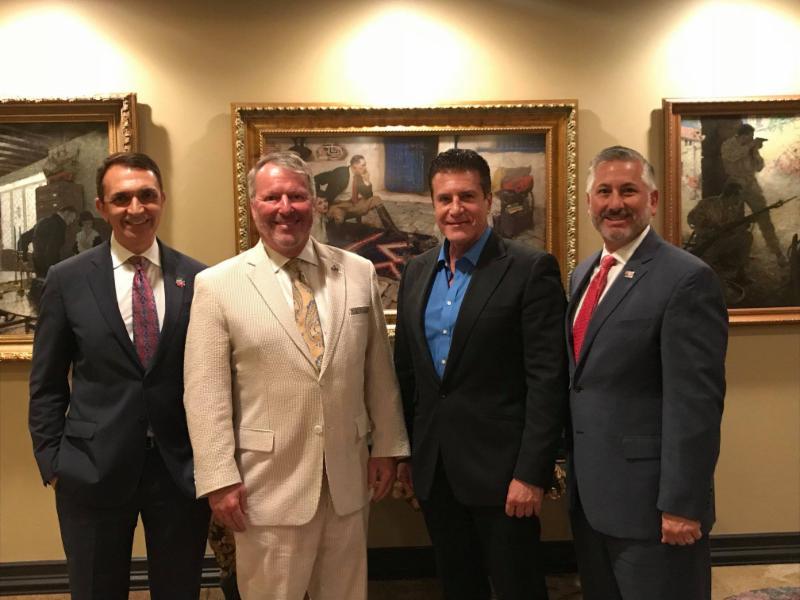
Mayor Trantalis meets with the mayors of other large Florida cities in Orlando to discuss major issues including combatting homelessness.
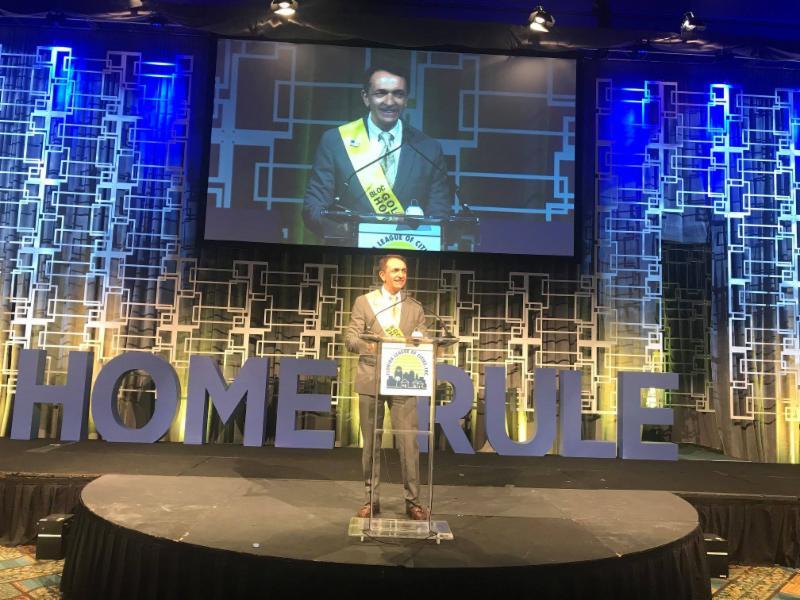
Mayor Trantalis speaks about the importance of local self-governance during the annual Florida League of Cities conference, which was held at the Diplomat hotel in Hollywood.
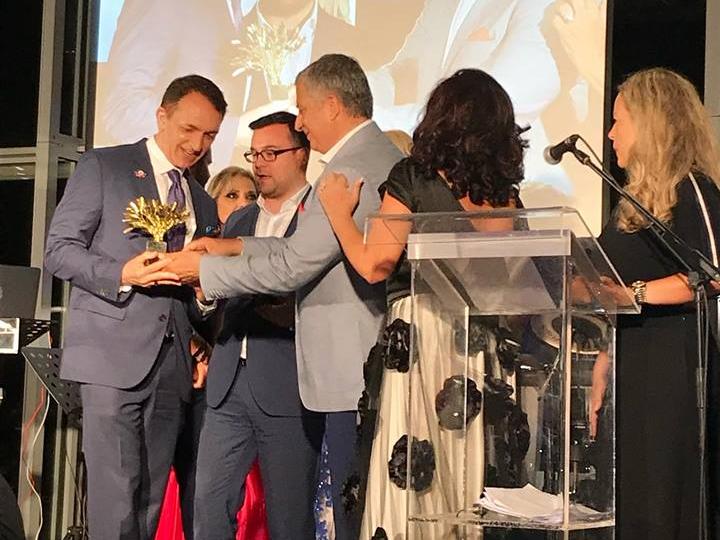
Mayor Trantalis is honored in Athens at the Niarchos Center Gala along with others of Greek descent who have excelled in government, business and other fields.
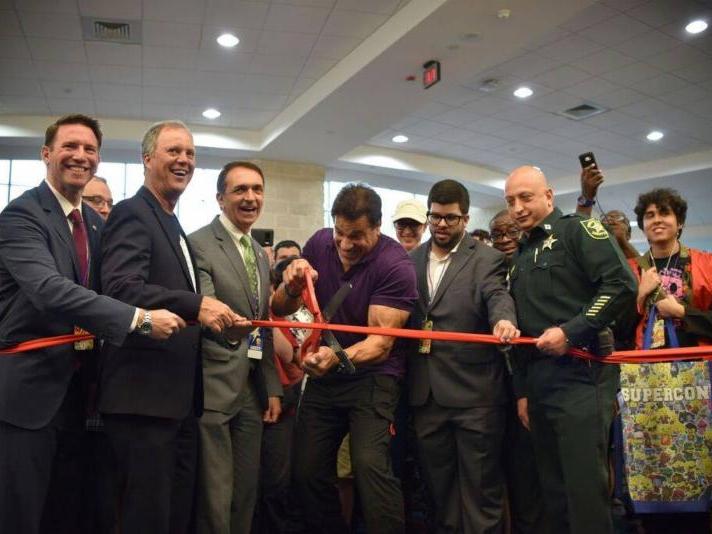
Mayor Trantalis joins Broward Mayor Beam Furr and Incredible Hulk actor Lou Ferrigno in opening the SuperCon convention at the Broward County Convention Center.
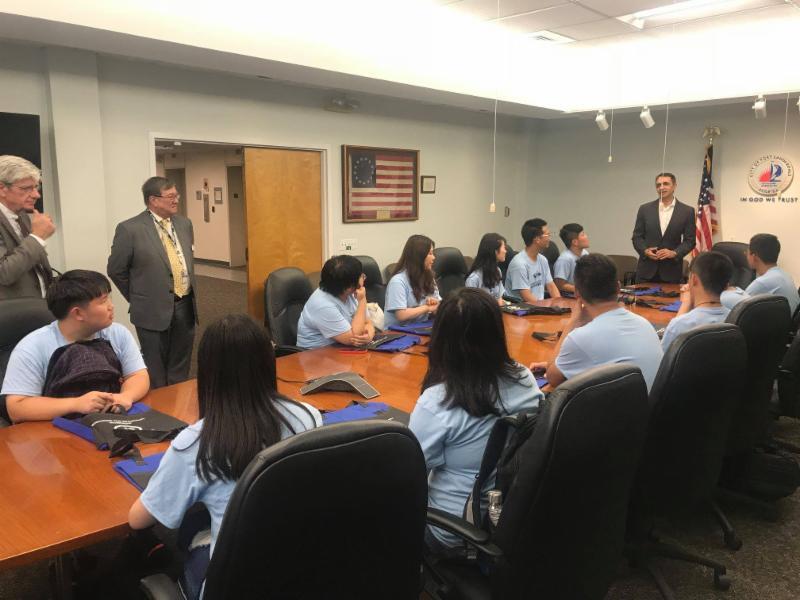
Mayor Trantalis speaks at City Hall to students from Shanghai participating in an exchange program at Broward College.