|
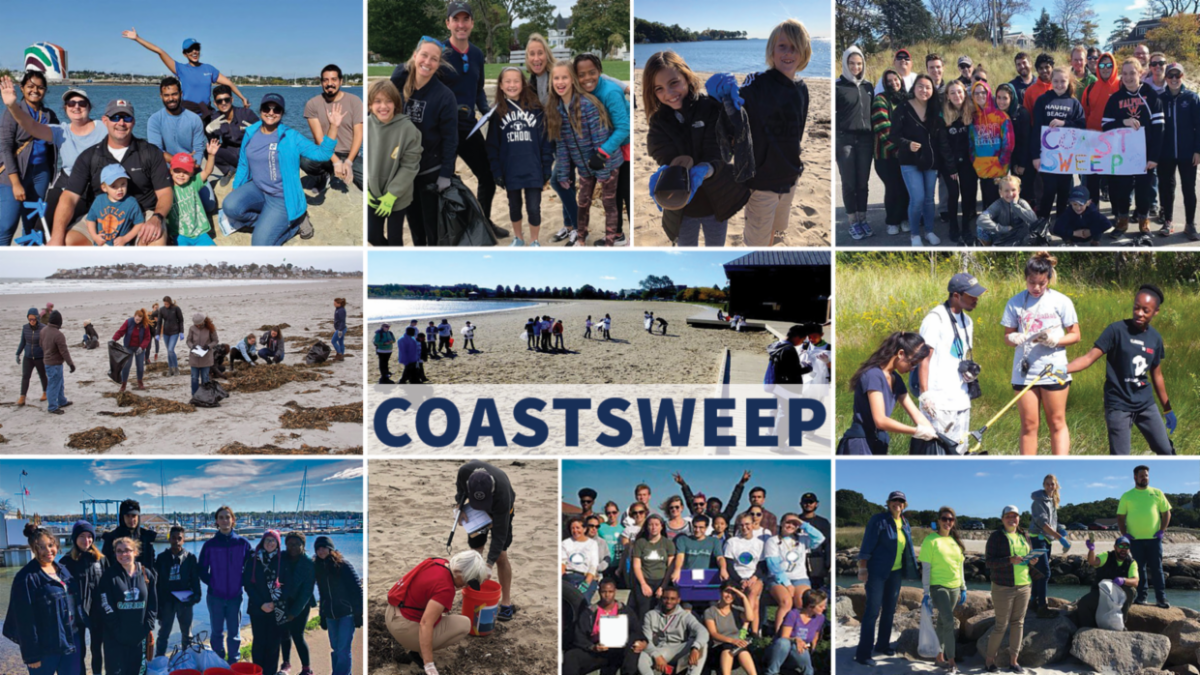
COASTSWEEP 2026 Cleanups are just getting started!
From late August into November, thousands of volunteers in Massachusetts turn out for COASTSWEEP, the statewide beach cleanup organized by the Massachusetts Office of Coastal Zone Management (CZM).
COASTSWEEP is part of the International Coastal Cleanup coordinated by Ocean Conservancy, and participants all over the world collect trash and other marine debris and record data to help find solutions. A great way to get involved in COASTSWEEP is to organize, or join a cleanup sponsored by local partners such as the Center for Coastal Studies.
All supplies (bags, gloves, data cards, pencils, etc.) are provided free of charge, and cleanups can be scheduled at your convenience. Everyone is also welcome to volunteer at scheduled public cleanups—the cleanup list will be posted and updated regularly. Sign Up to Volunteer for COASTSWEEP.
| |
Chatham adopts updated floodplain regulations
Cape Cod Commission, July 27, 2026
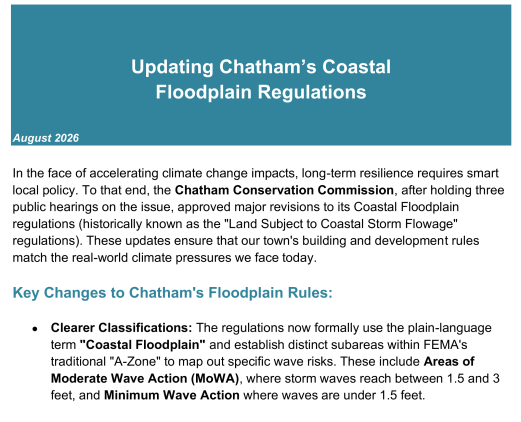
The Chatham Conservation Commission recently adopted updated coastal floodplain regulations developed by the Cape Cod Commission, becoming the first Cape town to do so. These new regulations aim to better prepare communities for the impacts of climate change.
The model regulations, developed in partnership with the Cape Cod Cooperative Extension, Woods Hole Oceanographic Institution Sea Grant, Urban Harbors Institute, and Noble Wickersham and Heart, are based on a suite of tools for coastal floodplain resiliency. They help Cape Cod communities strengthen protections for natural resources and the built environment as flood risks increase.
Cape Cod’s coastal wetlands, including beaches, dunes, and salt marshes, provide critical habitat, support tourism, and serve as natural buffers against flooding and storm surge. However, current regulations rely mostly on FEMA flood maps, which reflect past conditions and do not account for projected sea level rise or more intense storms. As a result, existing standards may not adequately address future flood risks. Read more.
| | |
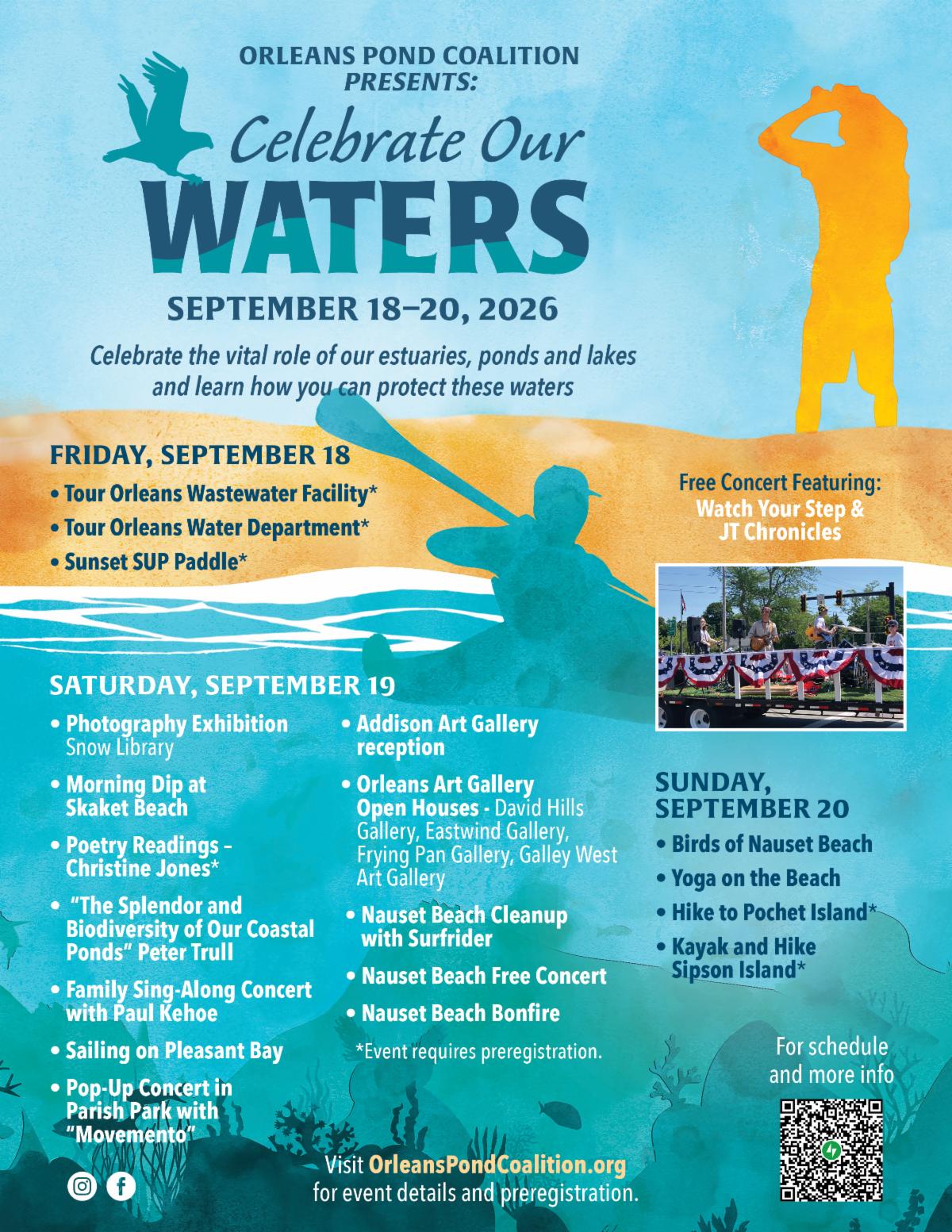
Celebrate Our Waters is coming! Friday through Sunday, September 18-20
Mark your calendars for the Orleans Pond Coalition's (OPC) annual Celebrate Our Waters weekend of festivities, Friday, September 18 - Sunday, September 20. This year's theme is “Our Waters as Artistic Inspiration.” Special new events celebrate the creative inspiration sparked by the beauty and wonder of Cape Cod's waters, including:
| | |
New Events
- A photography exhibition at Snow Library
- Art gallery receptions throughout Orleans
- Poetry readings
- A naturalist slide presentation
- Musical performances
- A family sing-along concert
| | |
Traditional favorites
- Kayaking to Sipson Island
- Stand-up paddleboarding in Meetinghouse Pond
- Sailing on Pleasant Bay with Pleasant Bay Community Boating
- Yoga on Nauset Beach
- Hike to Pochet Island
- Bird watching with a naturalist
| | The always popular free concert and bonfire on Nauset Beach will happen on Saturday evening, September 19. You won't want to miss this spectacular event! For more information, a detailed calendar of events, and pre-registration information, visit the OPC webpage, | |
Cat Gathering celebrates Pleasant Bay traditions ... and gives back
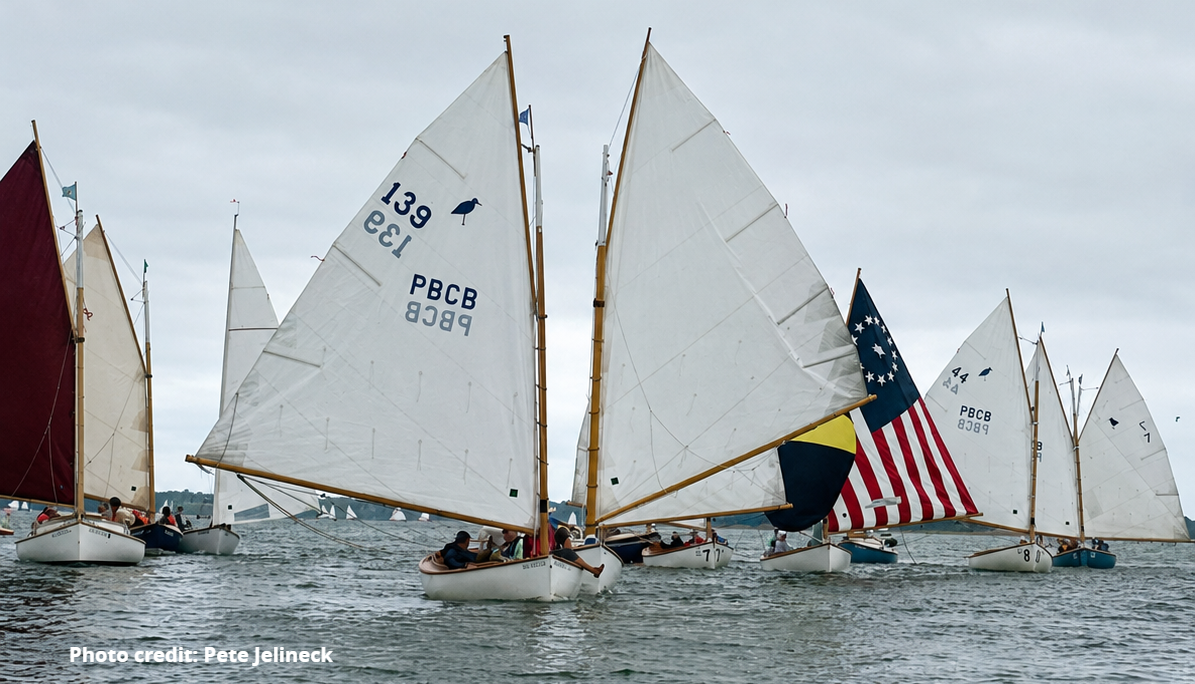
Arey’s Pond Boatyard’s annual Cat Gathering drew nearly 100 registrants to Pleasant Bay this August for a parade of sail, friendly racing, and a celebration of one of the Bay’s most enduring traditions.
| | |
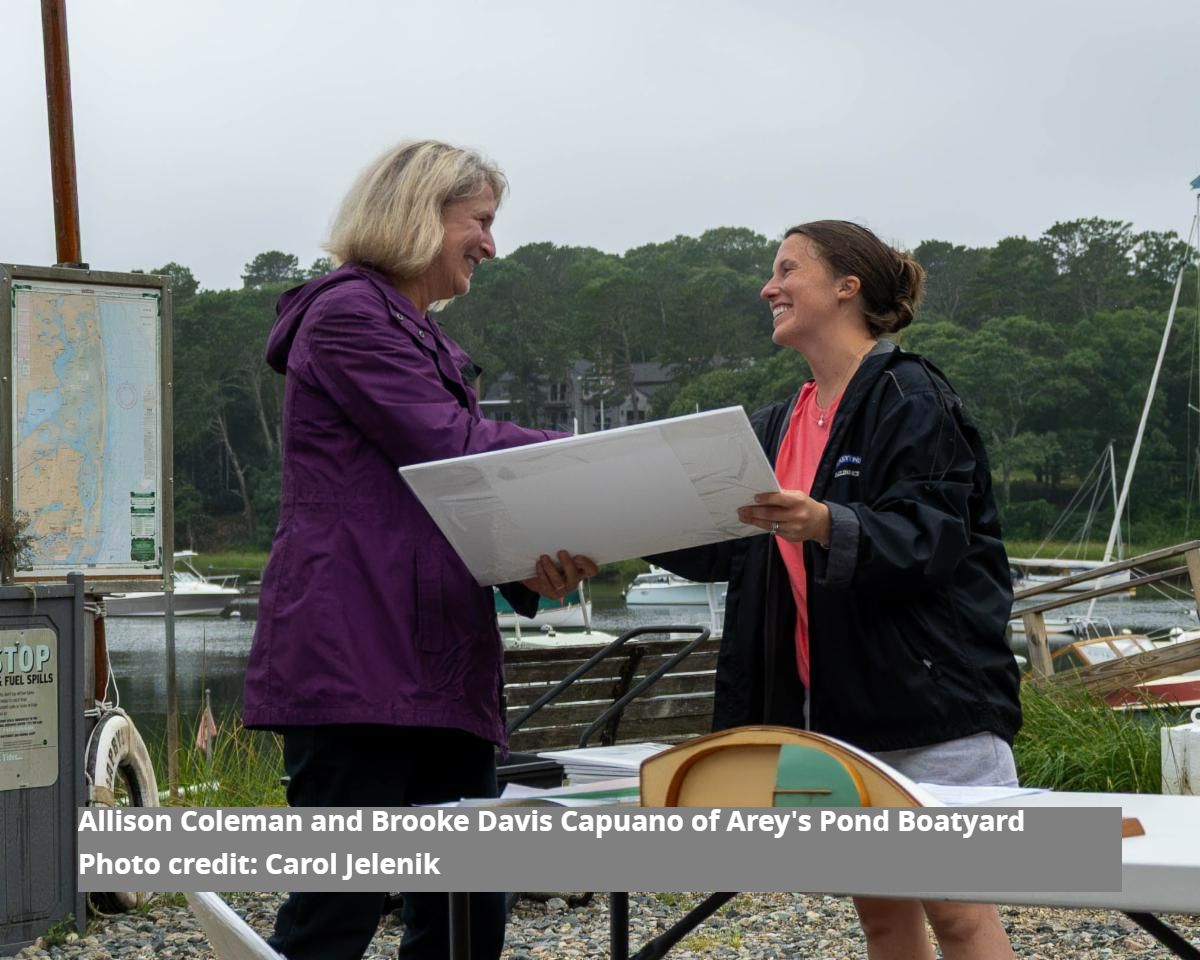
This year’s gathering was especially meaningful for Friends of Pleasant Bay. Immediate Past President Allison Coleman received the Alan McClennen Sr. Award, presented to the boat owner who best represents the traditions of sailing Pleasant Bay. Allison was recognized for her lifelong connection to the Bay as a sailor and for her many contributions to its stewardship through her leadership of Friends of Pleasant Bay. She also finished first in the AP 14 class.
The Cat Gathering has also become an important tradition of giving back to Pleasant Bay. For many years, Arey’s Pond Boatyard has generously donated proceeds from the event to Friends of Pleasant Bay, and in more recent years has shared that support with the Sipson Island Trust. This year, proceeds will once again be divided between the two organizations.
Friends of Pleasant Bay is deeply grateful to Arey’s Pond Boatyard and its owners for their longstanding generosity and commitment to Pleasant Bay—and delighted to congratulate Allison on this well-deserved honor.
| |
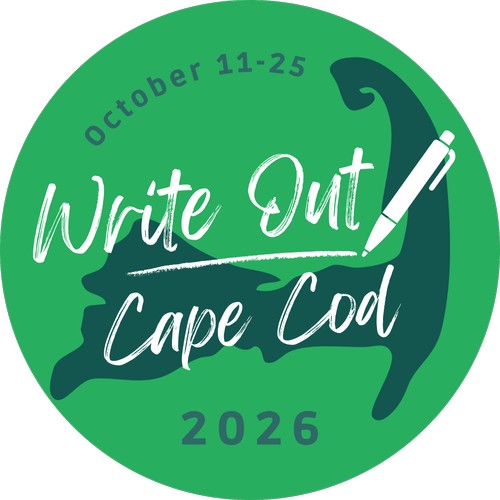
Write Out Cape Cod: Find inspiration in the places around us
This fall, Write Out Cape Cod invites people across the region to step outside, explore, and write about the places that shape their lives.
Taking place October 11–25, 2026, the free initiative is open to everyone — students, educators, families, community groups, experienced writers and those who simply want to give it a try. This year’s theme, “Write Where We Stand,” encourages participants to draw inspiration from Cape Cod’s landscapes, natural areas and communities.
Coordinated by Barnstable Land Trust, Write Out Cape Cod is a new regional collaboration connecting conservation, education and the arts. Friends of Pleasant Bay is among the conservation organizations invited to participate and help introduce the initiative to its members and the wider community.
For Friends of Pleasant Bay members, it offers another way to experience — and reflect on — the natural places we work together to protect. Click here to learn more about Write Out Cape Cod, including ideas for participating, FAQs, guides and other resources.
| | | |
FoPB leaders honored for conservation work
Two members of the Friends of Pleasant Bay community were recognized by The Compact of Cape Cod Conservation Trusts at its 40th Annual Meeting on August 26.
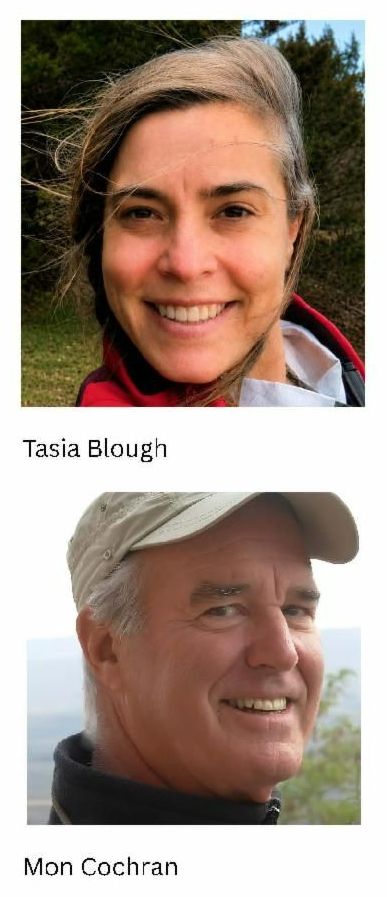
Tasia Blough, a former FoPB board member, received the 2026 Mark Robinson Award for Open Space Excellence. The Compact highlighted her leadership in creating the Sipson Island Trust and helping lead the successful effort to purchase, protect and restore Sipson Island.
Moncrief “Mon” Cochran received the 2026 Ansel Chaplin Award for Open Space Excellence, recognizing a lifetime of conservation leadership that has included service with Friends of Pleasant Bay, the Orleans Conservation Trust, and the Sipson Island Trust, as well as his pivotal role in the campaign to protect Sipson Island.
Congratulations to Tasia and Mon on these well-deserved honors and appreciation for their service to Friends of Pleasant Bay.
| | |
Save the Date for the OneCape Summit
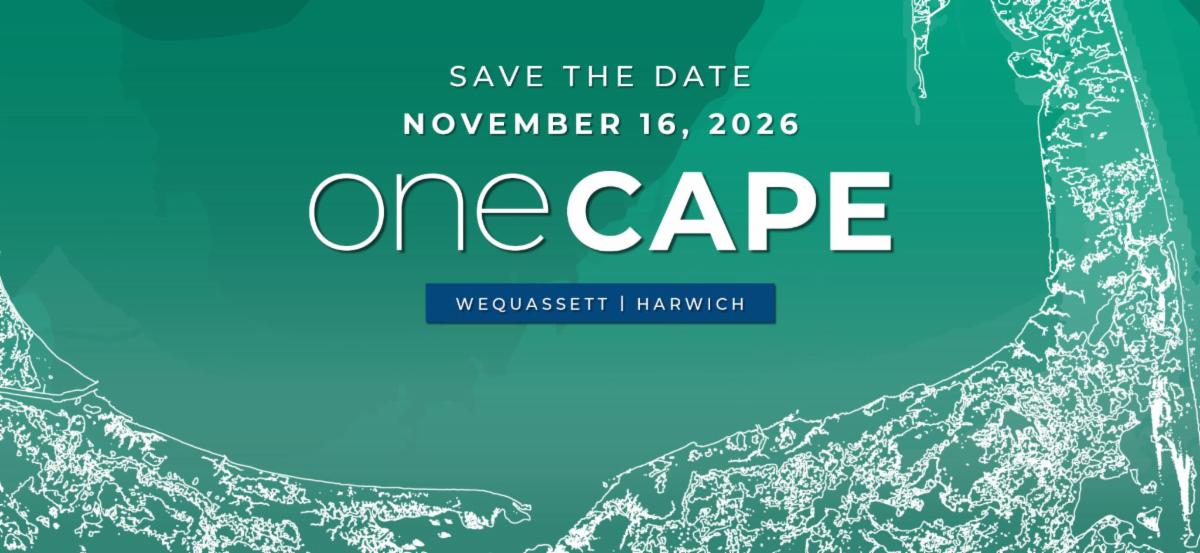
The Cape Cod Commission's 2026 OneCape Summit will take place on November 16, 2026 at the Wequassett Resort in Harwich, MA. The annual OneCape Summit is a regional forum for information, collaboration, and innovation across major policy issues and areas that impact Cape Cod. We look forward to seeing you there! Click here for more info.
| | | |
The Saltmarsh Sparrow races the tides to rear its young
| | | |
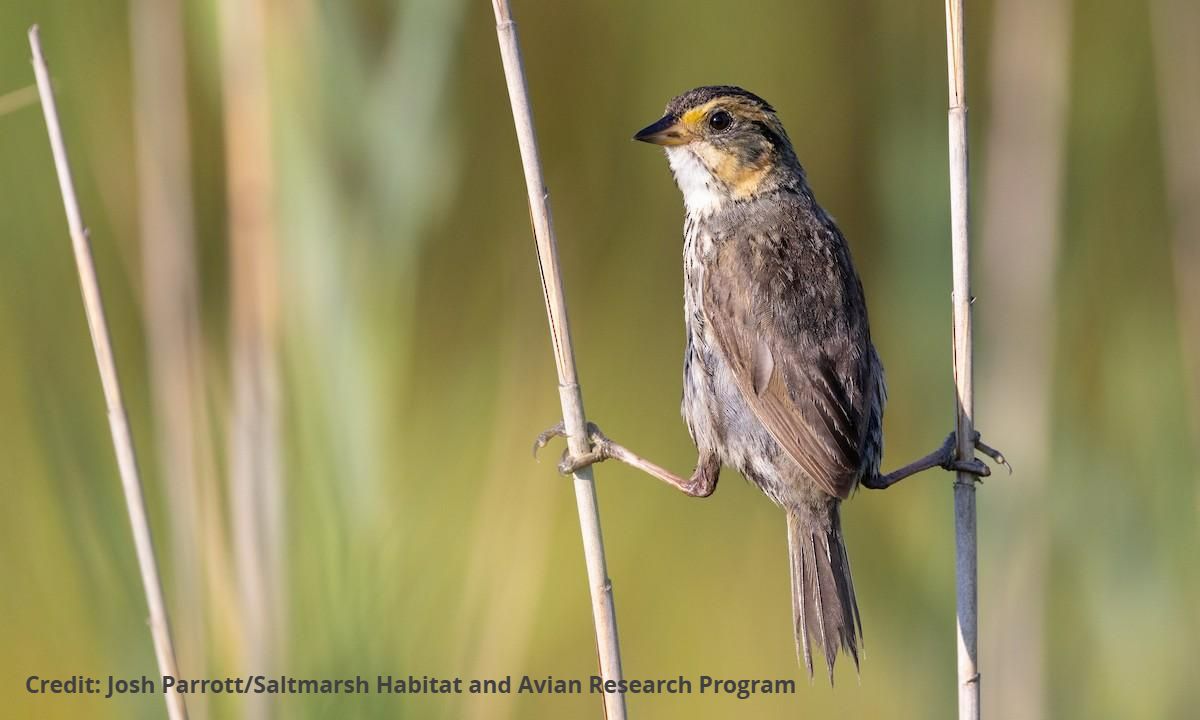
Hidden among Cape Cod’s marsh grasses lives a small bird whose survival depends upon the rhythm of the tides. The Saltmarsh Sparrow (Ammospiza caudacuta) is found only along the Atlantic Coast and is the only bird in the world that breeds exclusively in the salt marshes of the Northeast. Suitable marshes around Pleasant Bay lie within its Massachusetts breeding range.
Recognizable by its orange-buffy face, gray cheeks, streaked breast, and buzzing call, the sparrow builds its nest only inches above the marsh surface. Females must lay and incubate their eggs and raise their chicks during the brief interval between the highest monthly tides. If water reaches a nest too soon, eggs may be washed away and chicks may drown.
Rising seas and increasingly frequent flooding have made this already precarious nesting strategy far more dangerous. Saltmarsh Sparrow populations have declined by approximately 87 percent since 1998—more than four out of every five birds. The species is now classified as a species of Special Concern in Massachusetts and as endangered internationally.
The sparrow’s future is inseparable from that of the salt marsh. Healthy marshes also provide habitat for fish, shellfish, and other wildlife; filter pollutants; store carbon; and help protect coastal communities from flooding and storm surge.
The Pleasant Bay Alliance estimates that nearly 72 percent of the Bay’s intertidal resource areas could be lost as water levels rise. Protecting and restoring salt marshes—and allowing them room to migrate inland—will be essential not only for this remarkable little bird, but for the health and resilience of Pleasant Bay itself.
| | | | |