Volume 3, Issue 40, April 21, 2023 View as Webpage

22 Years of the Reel Work Labor Film Festival

By SARAH RINGLER


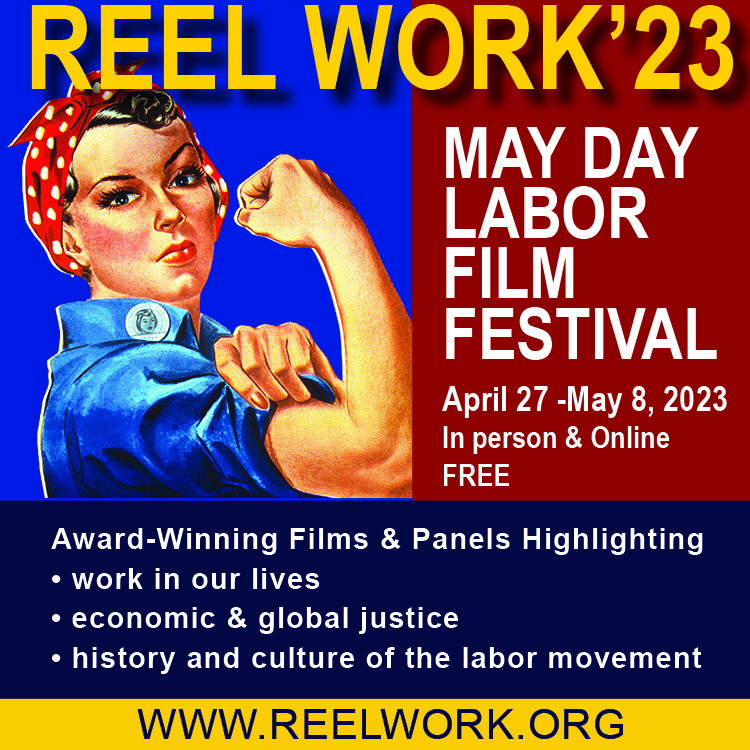
What do people do to earn a buck? This year marks 22 years that the Reel Work May Day Labor Film Festival exposes through film and music, the all- encompassing world of work. An all-volunteer group, many from the labor movement, has been meeting and viewing films since December and has come up with a stimulating and provocative array of films that honor working people and their ability to organize to make life better for more people.  Events this year will be held in Santa Cruz, Watsonville, San Juan Bautista, Cal State University Monterey Bay, and on Zoom.


Reel Work started in 2002 with Myrna Cherin and Ginny Hirsch, long-time union activists and members of the Retirees Chapter of SEIU Local 415 in Santa Cruz who wanted to make a little money for their retirees’ group. They had the idea of showing some movies honoring union organizing. The president of the SEIU Local at that time, Jeffrey Smedberg, who had also been looking for a way for union members to learn their own history, and a small group of local union and community members, coalesced around the idea. Documentary filmmaker John de Graaf, whose work has been presented in more than one festival season, suggested the Reel Work name. It was obvious to everyone involved in the project that the best date for such a festival would be May Day, celebrated worldwide as International Workers Day.


This year’s festival includes films from all over the world that focus on people's struggles for a better life and highlights varied occupations like domestic workers, farmworkers, steelworkers, people in education, women truck drivers, and more. There will also be music and a May Day Rally and March.


Since the festival features live and virtual events, some films can be viewed online. Check out our website and join us this year. Events are by donation. 


Mark your calendars. Here are some upcoming events:


Apr. 27 – Honoring Labor Through the Arts with Dance, Film and Poetry

6-9pm at the Luna Gallery and Eco Art Studio, 107 B The Alameda, San Juan Bautista.


Films: Ghostly Labor: A Dance Film - an eerie film that shows dancers performing a distinct Mexican dance style in various agricultural fields.

Campesinos - Exposes the real lives behind the produce we buy in the grocery stores.

Dignidad - Coming to this country with dreams of a better life, frontline caregivers, nannies, housekeepers risk it all to support their families.


Poets: Elbina Bataka Rafizadeh, Robert Gomez and Crystal Gonzalez. 


April 28 –  6pm at CSUMB, Bldg. 504(CAHS), rm. 1401, Seaside at 6-9pm. Film – Fruits of Labor - Will a high school senior who also has to work in the fields study and stay awake enough to be able to graduate with her class? 


Apr. 29 – Films – The Wisconsin TA Strike and When We Fight. ( See descriptions below) 1-3pm at CSUMB, Bldg. 504(CAHS), rm. 1401, Seaside

.


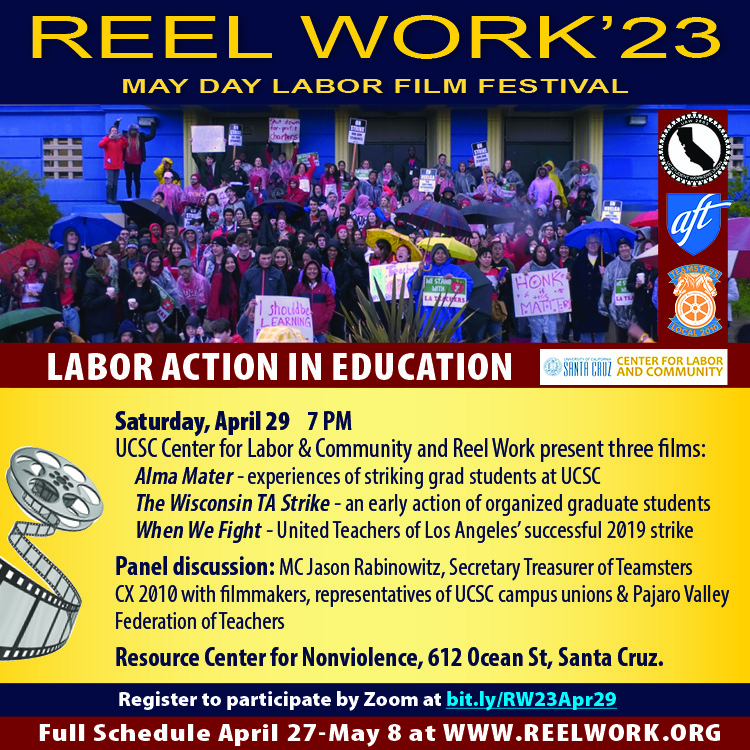
Apr. 29 - Labor Action in Education - 6:30-10 at the Resource Center for Nonviolence, 612 Ocean St., Santa Cruz.  Event opens with music by Mike Stout and Jimmy Kelly. Speakers and films follow. 


Speakers: MC’d by Jason Rabinowitz (Teamsters Clerical CX2010),Yael Bridge and Yoni Golijov (filmmakers), Nelly Vaquera-Boggs (president PVFT1936), Lucia Cantero (grad student, filmmaker and activist) and Sarah Mason (UAW rep and strike organizer). 


Films:

The Wisconsin TA Strike In March 1970, Teach Assistants at the University of Wisconsin go out on strike for 24 days. It was the beginning of the first TA strike in U.S. history and still continues 50 years later.

When We Fight Film portrays the successful Los Angeles teachers strike in 2019.

Alma Mater by Lucia Alvarado Cantero

View on Zoom by registering HERE


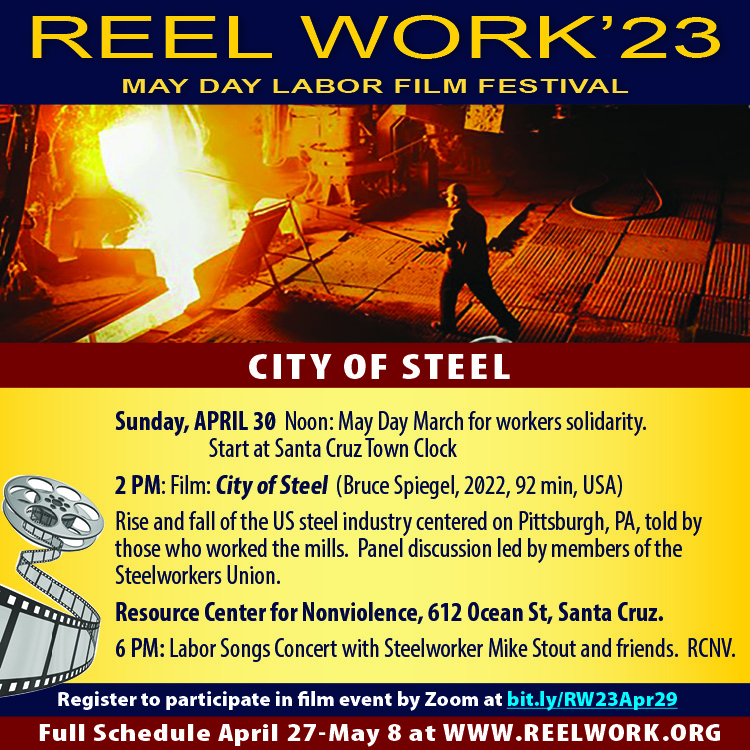
Apr. 30 – Noon May Day Rally and March at the Santa Cruz Town Clock. 

Wear union clothes and bring signs and banners. We will meet at the town clock, march, then meet up at the Scribner statue in front of the Bookshop Santa Cruz for songs and solidarity.


2pm Film and panel discussion of City of Steel  at the Resource Center for Nonviolence, 612 Ocean St., Santa Cruz. Also can be viewed on Zoom by registering at bit.ly/RW23Apr30 


City of Steel  - Film describes the rise and fall of the U.S. steel industry centered in Pittsburgh, PA and told by those who worked in the mills. 

Panelists: Charles McCollister, historian (on Zoom); singer/songwriter Mike Stout and steelworkers,


Concert 6pm at the RCNV – Mike Stout and band playing labor songs at the RCNV.


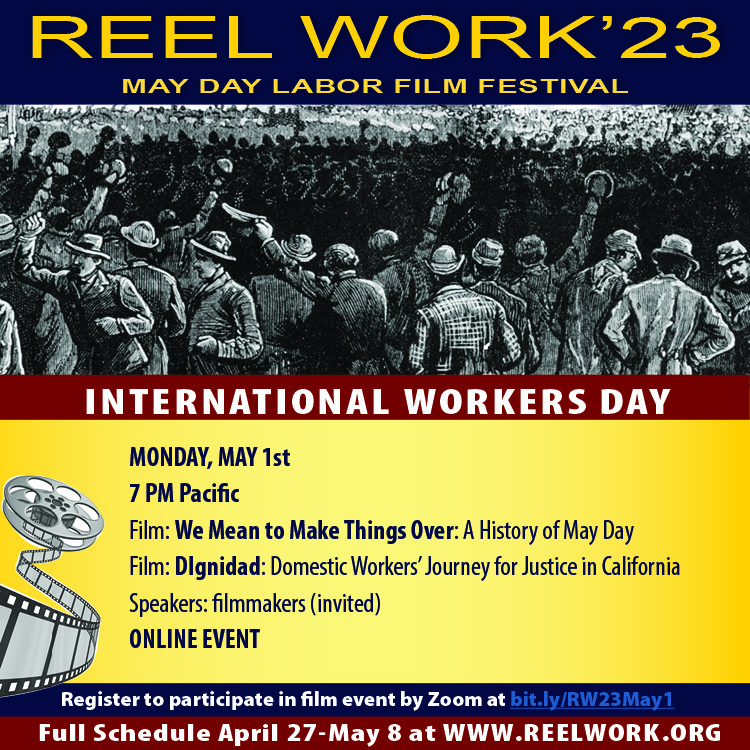
May 1International Workers Day

7pm – Films on Zoom: 

We Mean to Make Things Over: A History of May Day - Made by long time labor historian, Fred Glass, this film reminds us of the sacrifices made for some of the labor rights that we have today.

Dignidad: Domestic Workers' Journey for Justice in California - Coming to this country with dreams of a better life, frontline caregivers, nannies, housekeepers risk it all to support their families.

View on Zoom by registering HERE.


See posters for the events below but only use links above to register. 

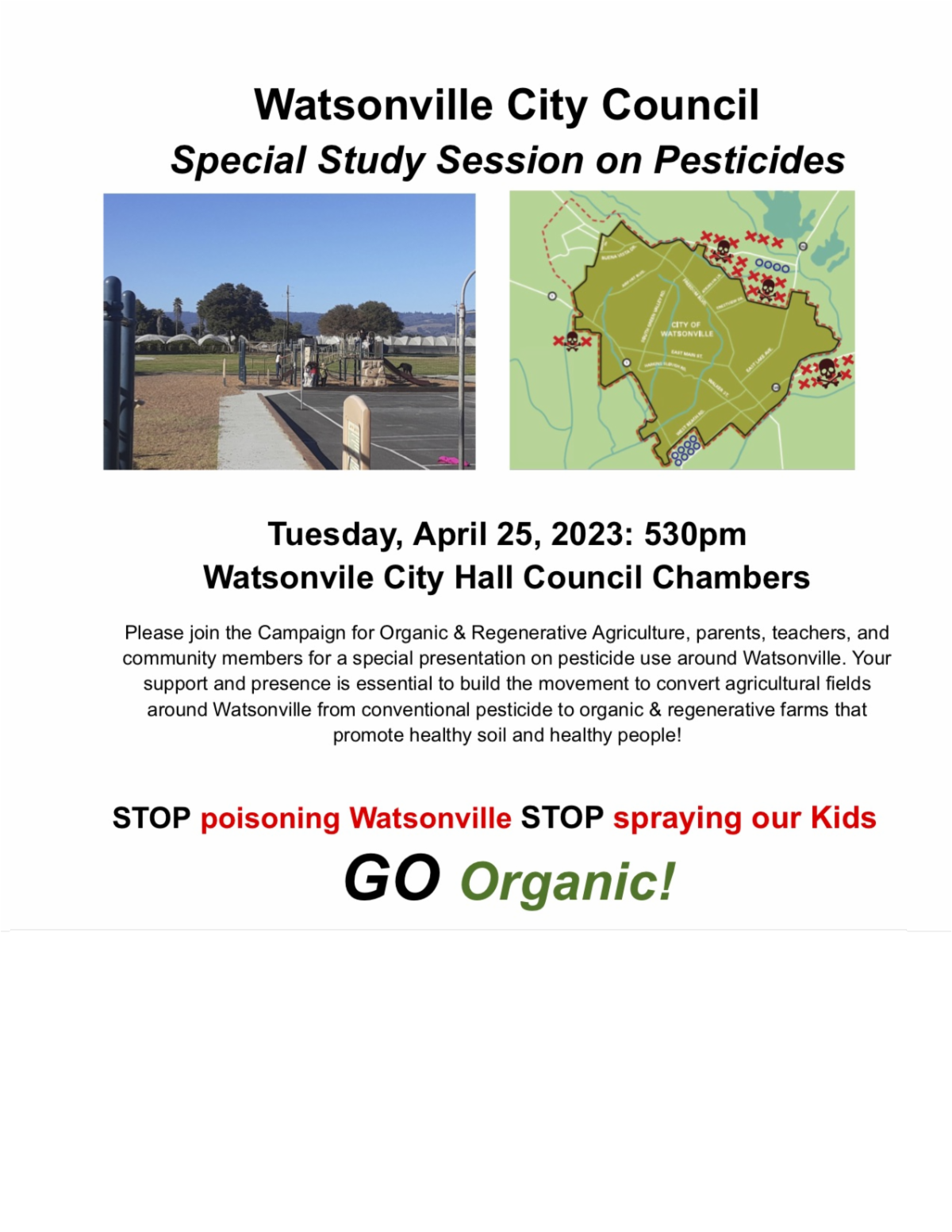
Watsonville City Council Holds Special Study Session on Pesticides

By ADAM BOLANOS SCOW


Please join us Apr. 25, in the Watsonville City Council Chambers on the top floor of City Hall, 275 Main St., for an important study session on pesticide use around Watsonville by the Watsonville City Council. The agenda item is scheduled to begin at 5:30pm.


CORA (Campaign for Organic & Regenerative Agriculture) will be presenting data about toxic pesticide usage and exposure pathways. We will invite the City Council to explore ways to support the conversion to organic around our city and schools so that our community and environment become healthier and happier. There will be public comment as well, and some pizza to share as well. You many email me with questions. See poster below for more information.

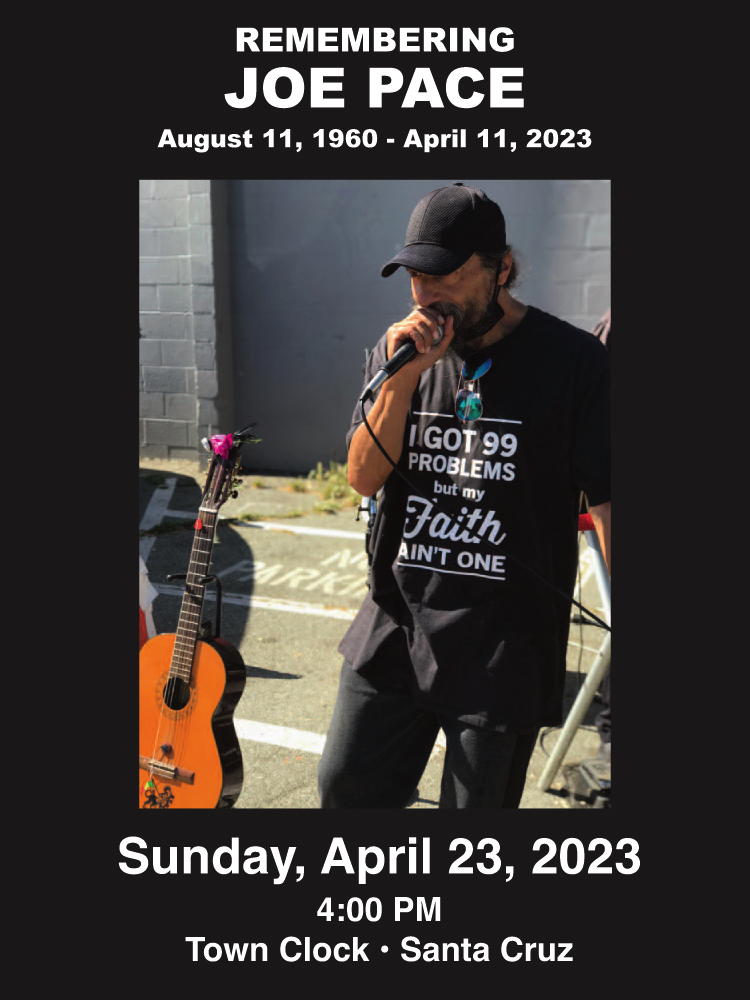
Sadly Joe Pace Died

By LAURA CHATHAM


Joe has been our security person at Food Not Bombs for more than 2 years.

He also entertained us with his music, told tall tales and so many people loved Joe.


Joe was so real: happy, kind, concerned, helpful and, sometimes sad.


He was able to de-escalate many a disagreeable disagreement before they got out of hand or came to blows. I was always comfortable that I was safe and disaster could be diverted when Joe was there.


Please join us next Sunday, Apr. 23, 4pm, at the Town Clock in downtown Santa Cruz to memorialize the great person that Joe was.

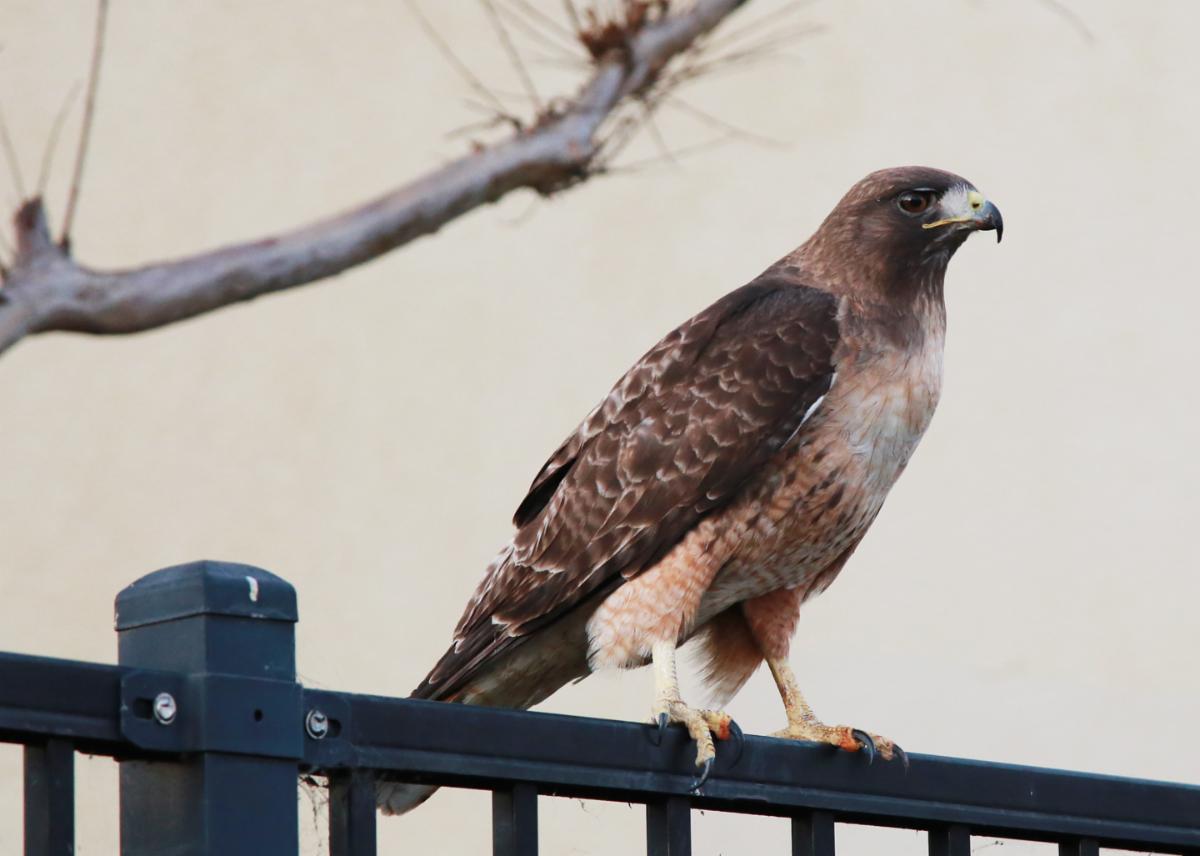
Photo by TARMO HANNULA 

The beautiful profile of a red-tailed hawk on a fence in downtown Santa Cruz.

Santa Cruz County Covid-19 Report

By SARAH RINGLER


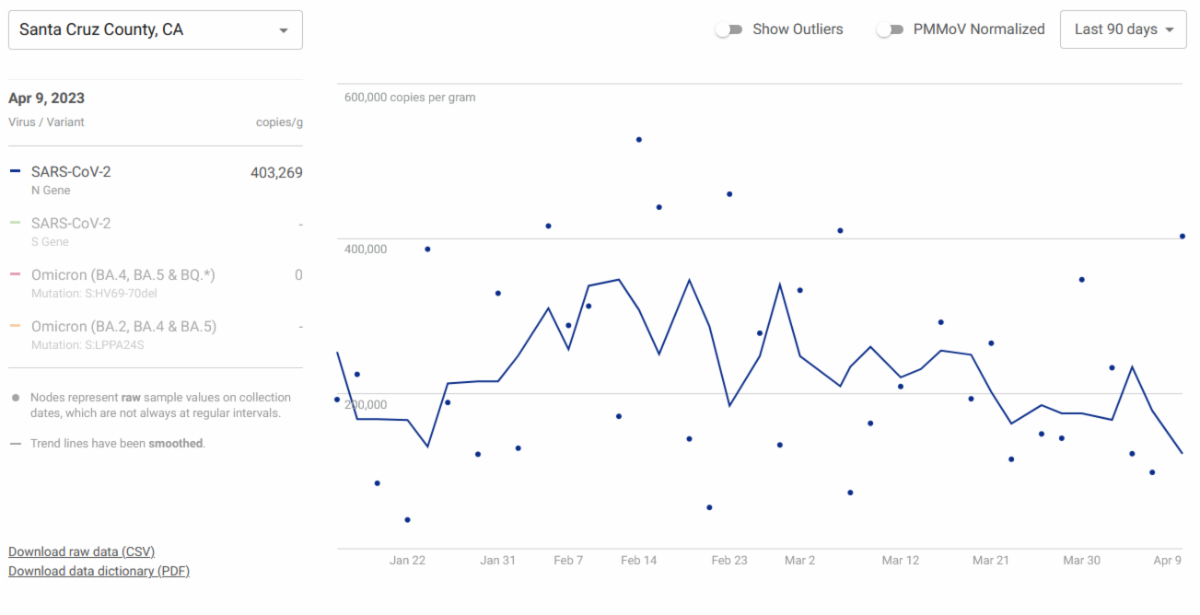
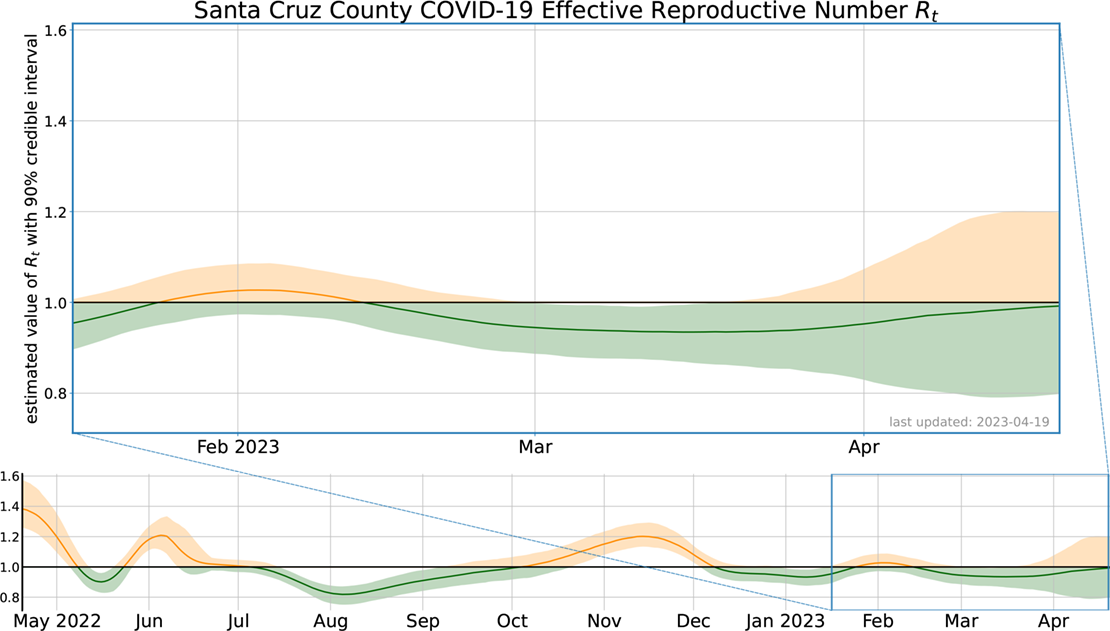
The Santa Cruz County Health Department regularly releases data on the current status of Covid-19 in the county. There have been no new deaths in the county since Dec. 15.


The second graph below, updated Apr. 19, shows the Rt Number. Numbers above one show the spread of the virus is increasing. Below one means the spread is decreasing. To view the distribution of cases around the county, look here.


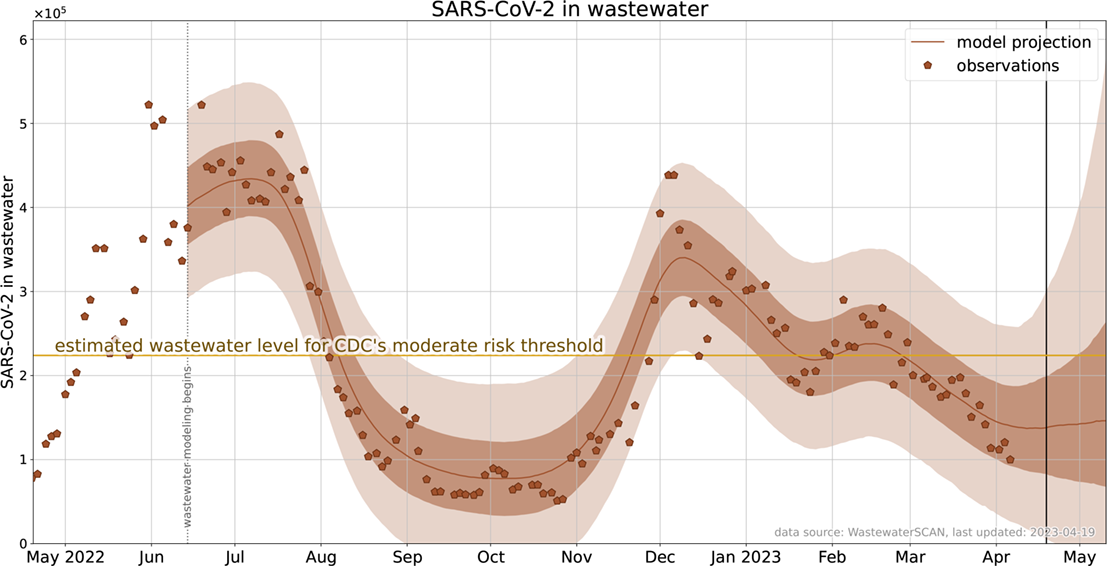
The Health Department is collecting data for Covid and Mpox from wastewater at the City Influent, for the city of Santa Cruz, and from the Lode Street pump stations for the county. See webpage HERE. The first is from Apr. 9 and the fourth chart below shows county data from Apr.19. The fourth chart below shows wastewater projections.

The third graph below shows hospitalizations as of Apr. 19. Click to see more information on hospitalizations HERE.


The vaccination data for the county is divided into three categories. As of Apr. 7, Primary Series recipients are still at 77.2%, Primary Series and Boosted are at 68.9%, and Bivalent Boosters, are at 34%.


This webpage also has a link where you can get a digital copy and scannable QR code of your vaccination record. Keep track of your four-digit code because that is your access to the site.


To order free at-home COVID-19 test kits, go HERE. You can make an appointment for a Rapid Antigen Test HERE.

Deaths by age/276:

25-34 - 5/276

35-44 - 8/276

45-54 - 10/276

55-59 - 4/276

60-64 - 15/276

65-74 - 49/276

75-84 - 64/276

85+ - 121/276

Deaths by gender:

Female - 136/276 

Male - 140/276 

Deaths by vaccination status: 

vaccinated - 39/276

unvaccinated - 237/276


Deaths by ethnicity:

White - 163/276 

Latinx - 90/276

Black - 3/276

Asian - 16/276

American Native - 1/276

Unknown - 0

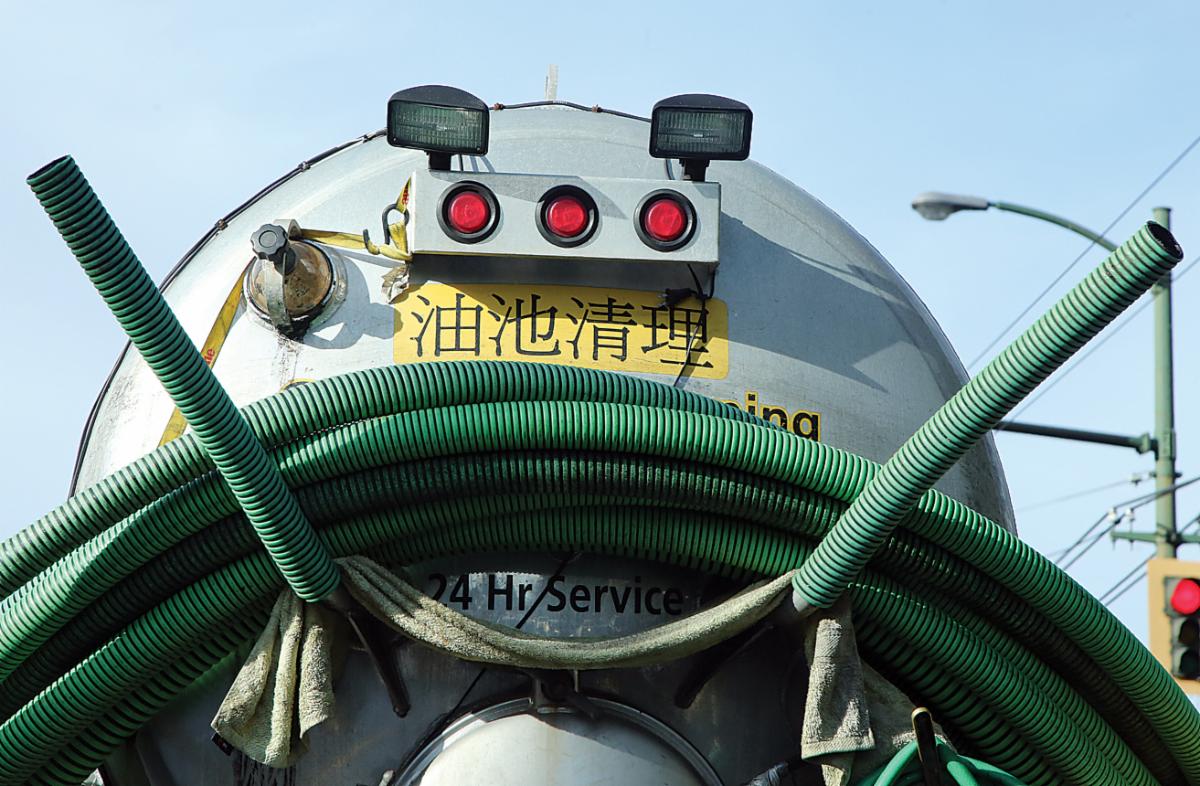
Photo by TARMO HANNULA

Fashion Street - A rear view of a septic truck on the streets of Vancouver, B.C. in March.

Labor History Calendar - April 21-27, 2023

a.k.a Know Your History Lest We Forget


April 21, 1834: 30,000 marched for freedom for the Tolpuddle Martyrs in England.

April 21, 1892: Black longshore workers strike in St. Louis.

April 21, 2008 Teachers’ strike closes thousands of UK schools.

April 22, 1526: First American slave revolt.

April 22, 2010: Thousands demand governor veto vicious anti-immigrant bill. She signs it instead in Phoenix, AZ.

April 23, 1860: Charles H. Kerr born.

April 23, 1980: Death of Ida Mae Stull, first woman coal miner.

April 24, 1913: 80 IWW’s arrested in Denver free speech fight.

April 24, 1916: Irish Easter Rebellion.

April 24, 1999: ILWU halts West Coast shipping in solidarity with frame-up victim Mumia Abu-Jamal. 

April 24, 2013: 1,129 killed in Bangladesh factory collapse.

April 25, 1923: IWW Marine Transport Workers begin West Coast strike.

April 25, 1969: Ralph Abernathy and 100 others arrested for picketing Charleston, South Carolina hospital to support unionization.

April 26, 1937: Basque won of Guernica destroyed by German bombing in Spanish Civil War.

April 26, 2018: Arizona teachers strike to cut funding cuts and low pay.

April 27, 1825: First strike for 10-hour day by Boston carpenters.

April 27, 1998: Danish general strike for six-week paid vacations.

April 27, 2018: Colorado teachers join national strike wave against inadequate school  funding. 


Labor History Calendar has been published yearly by the Hungarian Literature Fund since 1985.


"The sonorous doctrines of the Declaration of Independence read well, but they were not meant to be applied to the worker. The independence so much vaunted was the independence of the capitalist to do as he pleased. Few, if any restrictions were placed upon him; such pseudo restrictions as were passed from time to time were not enforced. On the other hand, the severest laws were enacted against the worker. For a long time it was a crime for him to go on a strike. In the first strike in this country of which there is any record -- that of a number of sailors in New York City in 1803, for better wages -- the leader was arrested, indicted and sent to prison. Government was employed by the ruling commercial and landed classes for a double purpose. On one hand, they insisted that it should encourage capital, which phrase translated into action meant that it should confer grants of land, immense loans of public funds without interest, virtual immunity from taxation, an extra-legal taxing power, sweeping privileges, protective laws and clearly defined statute rights."

The History of the Great American Fortunes,

by Gustavus Myers, 1907


Photo by TARMO HANNULA

Maple, Miso and Salmon

By SARAH RINGLER


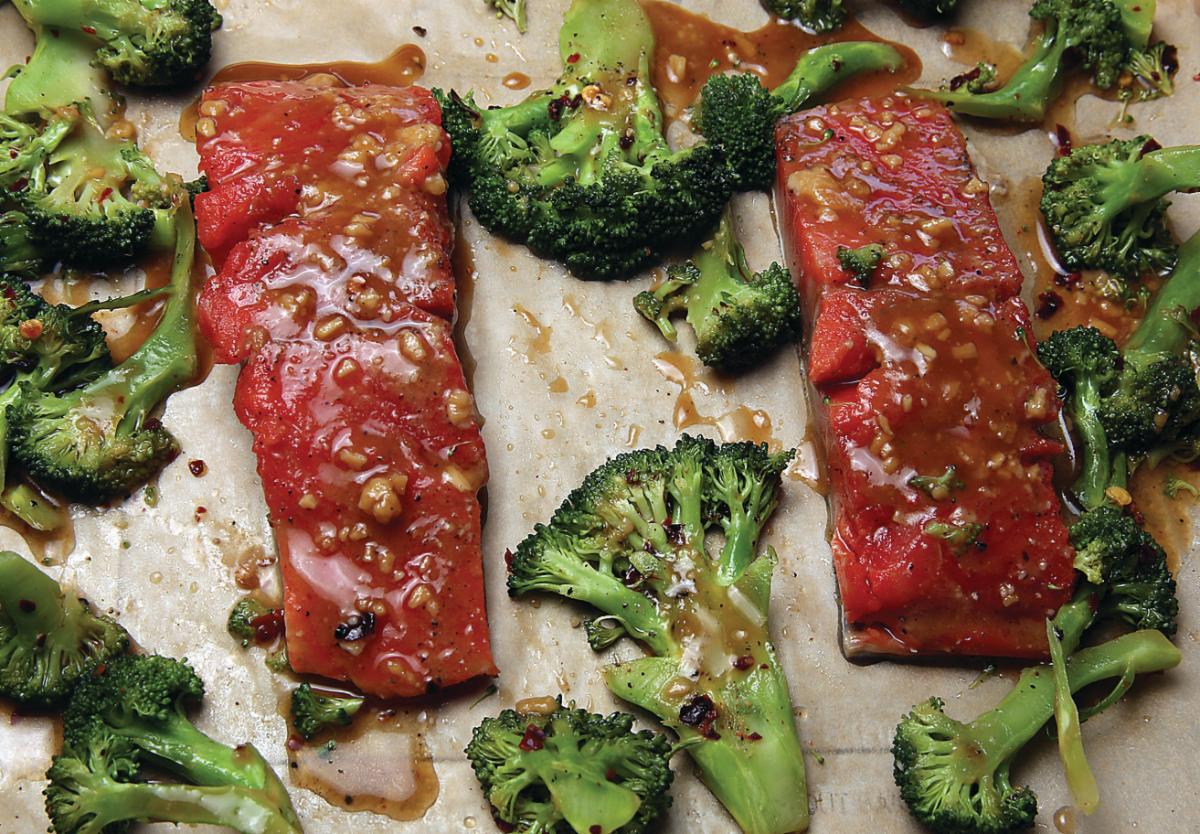
Put on a pot of rice, make the sauce, steam the broccoli and you are just about ready to taste a wonderful combination of two ancient flavors developed worlds apart and brought together here for this simple fish and vegetable dish. 


The discovery of taking sap from a maple tree and cooking it down to a sweet syrup has long been part of the diet, medicine, as well as myths and legends, of the Ottawa, Iroquois, Menominee, Chippewa and Mohegan people of the northeast North American continent. Paul Le Jeune, in 1634, was one of the first Europeans to write about this. Later, Philadelphia physician, Benjamin Rush in the late 1700, promoted maple sugar as a “wonder food” leading to an invasion of European immigrants into the Upper Great Lakes who hoped to profit off the product. It truly is a wonder food needing 30 to 50 gallons of sap cooked down to make one gallon of syrup.


As sweet as maple syrup is, miso is salty. There are many different varieties rendering many subtle and not so subtle secondary flavors, so salty is only part of the story. Basically, it is made from fermented grain; the kind of grain determines the name of the miso, like mugi miso is made from barley, and genmai is made from brown rice. The fermentation process and the region the miso is from also determine its name and flavor. A key ingredient in the fermentation process is aspergillus oryzae, a special fungus that is not only used to make miso, but also soy sauce, sake and rice vinegar. Mentioned in the Chinese Rites of the Zhou Dynasty, it is thought to have been domesticated over 2,000 years ago and was a major advancement in Asian food technology. Eiji Ichishima of Todoku University spearheaded the movement in 2006 to recognized aspergillus oryzae as the “national fungus” of Japan.


The recipe is from Colu Henry, a writer and recipe developer, that appeared in the New York Times food section a few years ago. I like buying wild sockeye salmon because of its flavor and it is recommended by the Monterey Bay Aquarium’s Seafood Watch program because the way the fish are caught has a low impact on the environment. Visit the website at www.seafoodwatch.org for more information.


Maple and miso salmon and broccoli 


1 pound salmon fillet with skin on, cut into 1 inch wide slices 

4 teaspoons maple syrup

1 tablespoon white or brown miso

1 tablespoon rice vinegar

2 teaspoons soy sauce

1 garlic clove, minced

1 pound broccoli florets, washed and trimmed

2 tablespoons olive oil

Pinch red pepper flakes

1 teaspoon sesame oil

¼ cup roughly chopped cilantro leaves - optional

Salt

Black pepper


Preheat oven to 400 degrees. Line a shallow pan with parchment paper or aluminum foil. Wash and dry the salmon. Cut into 1-inch wide pieces and rub with salt and pepper. Place on the pan skin side down. 


In a small bowl, whisk the syrup, miso, rice vinegar, soy sauce and garlic. Pour the mixture over the fish and gently rub it into the fish. Don’t wash the bowl; use it again for the broccoli. Let the fish sit until the oven is ready. 


Bring a small saucepan with water to boil on the stove. Add broccoli florets and cook for about 5 minutes until broccoli turns bright green and are partially cooked. Drain and then add to the same bowl and the maple-miso mixture and add the olive oil, pepper flakes, sesame oil, salt and pepper. Toss well to coat florets then add to pan with the fish. 


Bake for about 10-12 minutes depending on how thick the fish is. When done, sprinkle with cilantro and serve with rice. Serves four. 

Send your story, poetry or art here: Please submit a story, poem or photo of your art that you think would be of interest to the people of Santa Cruz County. Try and keep the word count to around 400. Also, there should be suggested actions if this is a political issue. Submit to coluyaki@gmail.com

Send comments to coluyaki@gmail.com

If you are enjoying the Serf City Times, forward it on to others. We need readers, artists, photographers and writers.

Subscribe, contact or find back issues at the website https:// serf-city-times.constantcontactsites.com
Thanks, Sarah Ringler

Welcome to Serf City Times Our county has problems and many people feel left out. Housing affordability, racism and low wages are the most obvious factors. However, many groups and individuals in Santa Cruz County work tirelessly to make our county a better place for everyone. These people work on the environment, housing, economic justice, health, criminal justice, disability rights, immigrant rights, racial justice, transportation, workers’ rights, education reform, gender issues, equity issues, electoral politics and more. Often, one group doesn’t know what another is doing. The Serf City Times is dedicated to serving as a clearinghouse for those issues by letting you know what is going on, what actions you can take and how you can support these groups.This is a self-funded enterprise and all work is volunteer. 

Copyright © 2023 Sarah Ringler - All rights reserved