Serving BIPOC and LGBTQ+ Youth

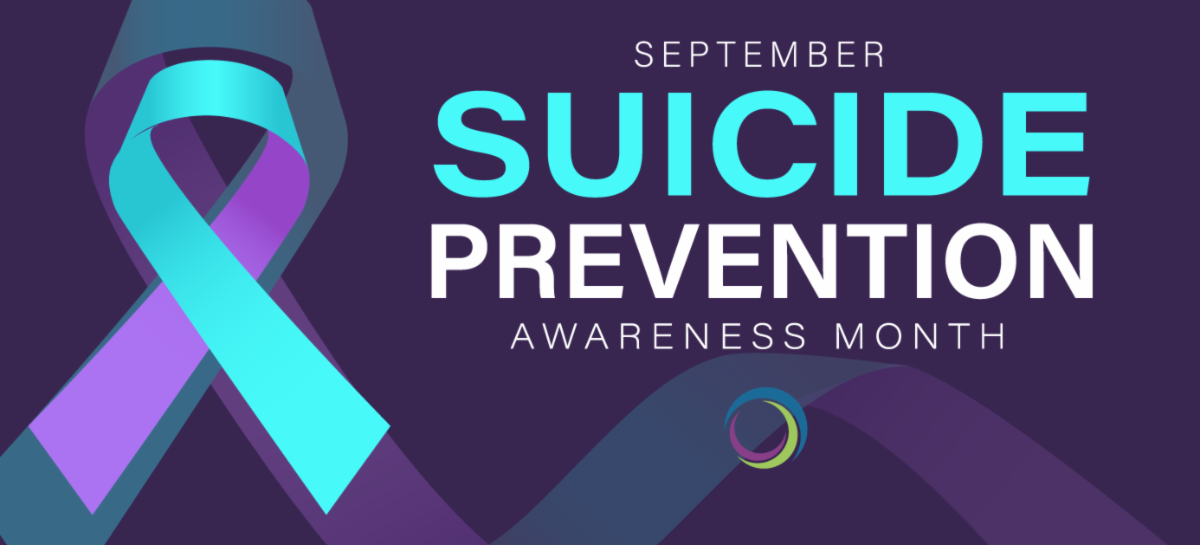
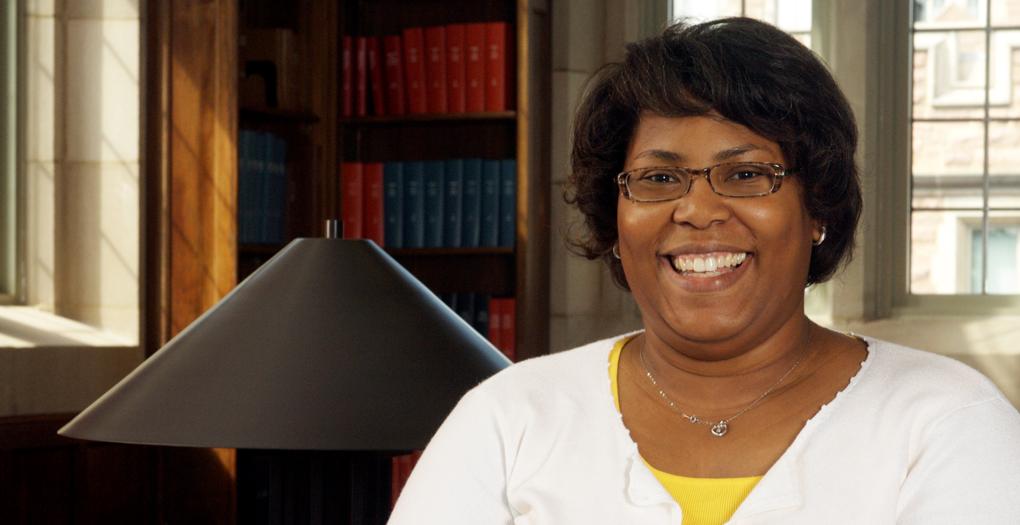
We can all take steps to prevent suicide for BIPOC and LGBTQ+ youth. This week we've partnered with subject matter expert Dr. Henrika McCoy to help you learn more about addressing the unique challenges faced by young people in these and other marginalized communities.


You'll find a list of culturally sensitive resources on suicide prevention and mental health and well-being, as well as culturally specific articles, newsletters, and webinars, to help you better serve BIPOC and LGBTQ+ youth.


Plus! Save the date for Talk Saves Lives on September 26 - a special suicide prevention training, facilitated by Victoria Eckert and Carri Raynor.

Suicide Prevention, Intervention, and Postvention: Acknowledging and Responding to the Needs of BIPOC and LGBTQ+ Youth

Henrika McCoy, MSW, MJ, PhD


• • • • •


Young people who identify as BIPOC (Black, Indigenous, and People of Color) or LGBTQ+ (Lesbian, Gay, Bisexual, Transgender, Queer/Questioning) are experiencing significant changes in their mental health status. Notably, LGBTQ+ youth have been shown to be more likely than their peers to have suicidal thoughts and behaviors, and Black and Hispanic youth have had an increase in suicidal ideation, attempts, and deaths. Young people in these communities have a heightened vulnerability, due to the unique challenges and stressors they often encounter, including discrimination, experience with or exposure to violence, societal bias, feeling a lack of belonging, and limited access to or availability of culturally responsive mental health support.


To address this critical concern, it is crucial that communities provide culturally specific resources, geared towards the needs and experiences of BIPOC and LGBTQ+ youth, which can help reduce the risk of suicidal ideation as well as suicide attempts and completion. Foremost, communities must address the elevated risk for suicide among BIPOC and LGBTQ+ youth. The first step is to acknowledge the unique challenges young people, in these and other marginalized communities, face by providing targeted assistance. The second step is to create, implement, and provide culturally sensitive services and supports, safe spaces, and relevant, tailored resources that are accessible and easily utilized. Accomplishing both steps can provide a strong foundation for working together to ensure that all young people can lead healthy and happy lives. 


• • • • •

Download this comprehensive list of resources to share with your community!

National Suicide Prevention Resources for BIPOC & LGBTQ+ Youth >

Save the Date for a Special Training Event!


Talk Saves Lives: An Introduction to Suicide Prevention

• • • • •


SEPTEMBER 26, 2023

9 A.M. - 11 A.M PT / 12 P.M. - 2 P.M. ET


Talk Saves Lives is a training program designed to empower individuals with the knowledge and tools needed to identify signs of suicide risk, take preventive measures, and offer assistance to those in need. This program contributes to suicide prevention efforts by increasing awareness and equipping community members with the skills to save lives. Victoria Eckert and Carri Raynor facilitate this crucial training, which serves as a valuable resource in the fight against suicide.


Topics covered include:

  • Scope of the Problem: The latest data on suicide in the U.S. and worldwide
  • Research: Information from research on what causes people to consider suicide, as well as health, historical, and environmental factors that put individuals at risk
  • Prevention: An understanding of the protective factors that lower suicide risk, and strategies for managing mental health and being proactive about self-care
  • What You Can Do: Guidance on warning signs and behaviors to look for, and how to get help for someone in a suicidal crisis
Learn More & Register >

Suicide Prevention & Crisis Resources

 Request No-Cost Training or Technical Assistance

Contact Our Center

Toll-Free: (888)-945-9377  Email: NTTACinfo@cars-rp.org

Newsletter: tinyurl.com/NTTAC-news Website: nttacmentalhealth.org

Get Social with Us!

Facebook      Twitter      Instagram      

This announcement is supported by SAMHSA of the U.S. Department of Health and Human Services (HHS) as part of a financial assistance award over five years (2020-2025) with 100 percent funded by SAMHSA/HHS. The contents are those of the author(s) and do not necessarily represent the official views of, nor an endorsement, by SAMHSA/HHS, or the U.S. Government.