Seventh-Generation Coloradan, National Advocate: Meet Ramona Elizabeth Martinez, Shaped Hispanic Women’s Leadership in America
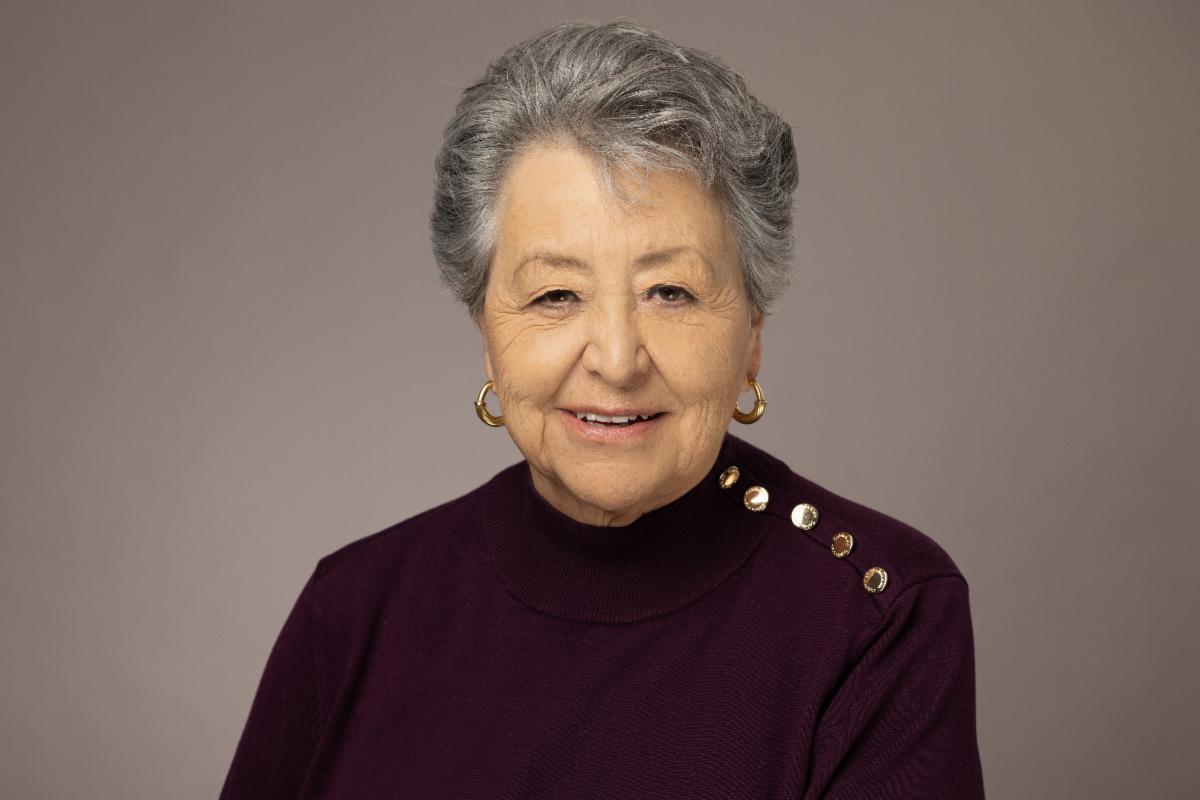
We are honored to feature Ramona Elizabeth Martinez as part of our Hispanic Heritage Month series, celebrating pioneers whose leadership has shaped history and opened doors for future generations. A seventh-generation Coloradoan, Ramona made history as the first Hispanic woman elected President of the Denver City Council, where she served four terms and championed equity, civic engagement, and opportunities for women and minorities. Her decades of public service, national leadership, and commitment to building pathways for Hispanic women in leadership continue to inspire communities across Colorado and beyond.
Tell us about your personal journey. (This encompasses both personal and professional aspects)
I was born Ramona Elizabeth Manzanares on a farm in Del Norte, Colorado, on September 9, 1943. My family history in Colorado traces back to the early settlers, and I am proud to be a seventh-generation Coloradan.
I grew up in a four-room house in Denver, which remains the only house left in what was once a residential neighborhood. I married my high school sweetheart while still in school. Many believed we were too young and wouldn’t last, but we shared over 55 years of marriage before cancer took my husband, Lawrence, in 2014. Together we raised three children, who blessed us with five grandchildren and four great-grandchildren.
What pivotal experiences shaped your current path?
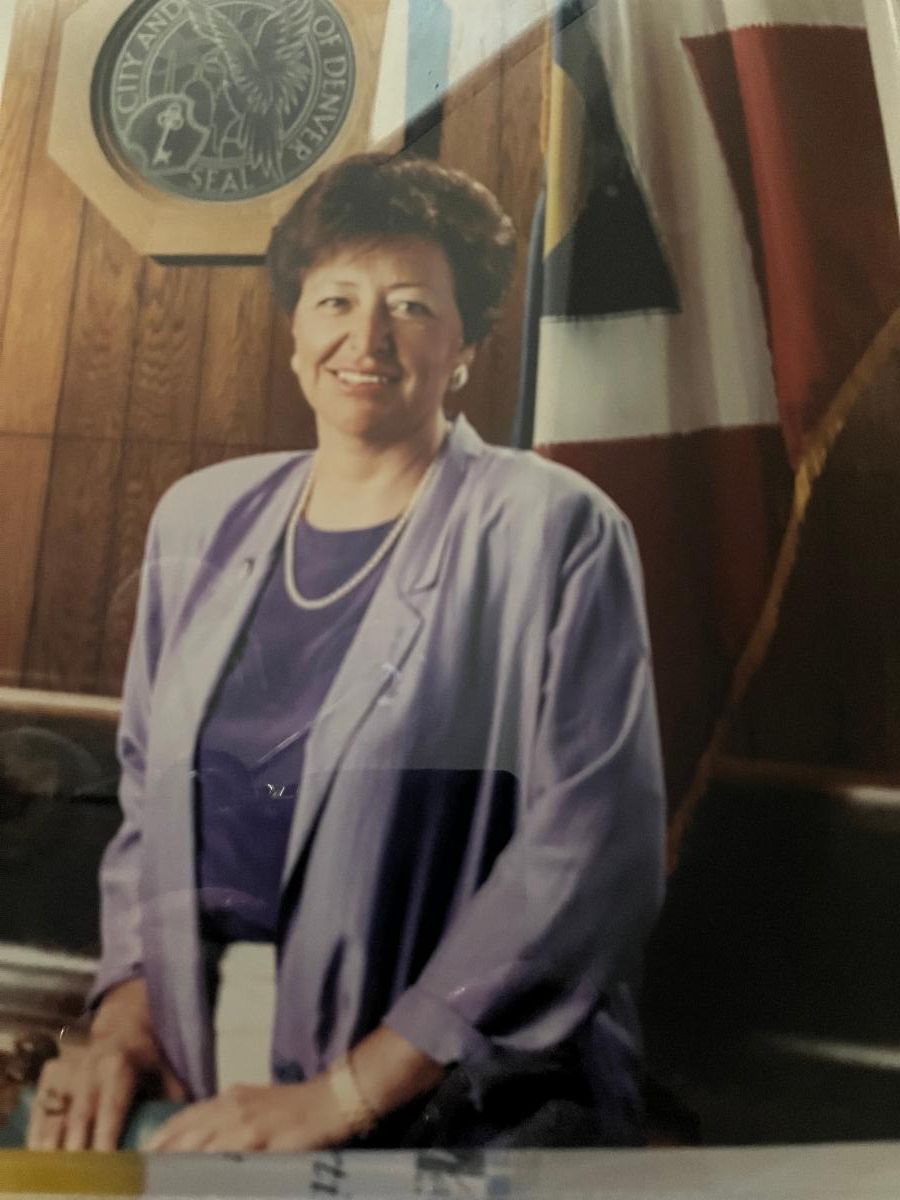
My true education came directly from life experiences. My volunteer work with various community organizations inspired me to become involved in politics. After gaining valuable experience as an administrative assistant to the council representative in my district, I ran for Denver City Council in 1987. I was elected with over 60% of the vote and went on to win three additional terms. I was honored to become the first Hispanic woman elected as President of the Denver City Council, a position my peers chose me to hold three times.
I attended classes at Harvard Business School and was the only woman invited to participate in the Hispanics ARCO Forum of Public Affairs (Volumes 5-1991 and 5-1995–1996). I also received a scholarship to attend the Center for Creative Leadership. As a member of the Democratic National Committee, I met with top officials in Washington, D.C.
In 2009, the Latino Inaugural Committee recognized me for my extraordinary dedication and contributions to increasing the Latino vote in the United States. With my leadership on Denver City Council and my appointment by President Bill Clinton, I was able to represent not only Denver but also local elected officials as a member of the National Environmental Protection Agency. Later, as an At-Large member appointed by President Clinton to the Democratic National Committee, where I served for 16 years, I advocated for local outreach and worked to support women and minorities running for office across the country. My international work, including meetings with officials in Mexico and Germany, gave me firsthand knowledge of international affairs and policies.
What are the most valuable lessons you've learned through your work?
I had no mentors or role models. That realization showed me the importance of creating opportunities for others. I helped establish the National Hispania Leadership Institute and was elected its first President of the Board of Directors. With over 500 cohorts across the country, we saw countless success stories of Hispanic women stepping into leadership roles and entering fields once reserved for men.
What drives your desire to contribute and make a difference?
I have always believed that while it is good to be the first, it is even more important to ensure you are not the last. Now retired and serving as an elder in my community, I continue to support the next generation of leaders who share the same values I hold dear.
I accepted an appointment from Colorado Governor Jared Polis to serve on the America 250–Colorado 150 Commission. My goal is to engage Hispanic communities in celebrating Colorado’s 150th anniversary of statehood in 2026. The cultural contributions of our early settlers and Native ancestors must be told by the community itself.
Also in 2026, through a land use agreement with the Auraria Higher Education Center and the Colorado Hispanic/Latino Heritage Fund, a Colorado Hispanic History Museum will be established on the Auraria campus. With over 38,000 students—40% of whom identify as Latino—the museum will be both built and operated by the community. This is a dream I first envisioned for our community nearly 30 years ago.
What are your highest hopes for democracy to unite and uplift and inspire?
My highest hope is for communities to empower themselves and others, increasing participation in civic engagement. Civic engagement allows people to feel connected to decision-making processes. Fair representation, by the people and for the people, will be especially important as we approach 2026.
Civic education is critical to renewing democracy and restoring confidence in our leaders. Both this generation and future generations must understand that democracy is not a guarantee—it is an ongoing responsibility.
How can GlobalMindED support leaders like yourself in achieving your goals and advancing your aspirations?
GlobalMindED should continue providing inclusive experiences that highlight the value of civic engagement for students. By partnering with organizations to create internship opportunities and encouraging mentorship programs with local, state, and congressional offices, students can gain direct access to leadership pathways.
As a highly respected organization, GlobalMindED can leverage its influence to open doors where opportunities might otherwise be out of reach, ensuring that more students benefit from equitable access, mentorship, and support.
|