|
PROGRAM OVERVIEW
Mitochondria are dynamic and complex organelles that play a central role in all aspects of biology, including energy production, intermediary metabolism, and apoptosis. These broad cellular functions also place mitochondria as a central player in human health and disease. We have focused recently on deciphering the biochemical and cellular functions of conserved uncharacterized mitochondrial proteins. This has revealed new mechanisms for several critical aspects of mitochondrial function, including the Mitochondrial Pyruvate Carrier (MPC), which is required for efficient mitochondrial pyruvate uptake. By perturbing the metabolic program of cells, MPC manipulation profoundly affects cellular decisions impacting stem cell homeostasis and uncontrolled proliferation. This observation suggests that metabolism is not a passive bystander in determining the behavior of cells, but instead plays a decisive role. One of our current areas of focus, which will be discussed, is to determine the mechanisms whereby metabolism and metabolites affect behaviors via direct modulation of proteins involved in signaling, transcription and other regulatory mechanisms. As we discover these mechanisms, which we hypothesize to be extensive within biology, we will be enabled to impinge on such phenomena for therapeutic benefit in many disease states.
ABOUT THE SPEAKER
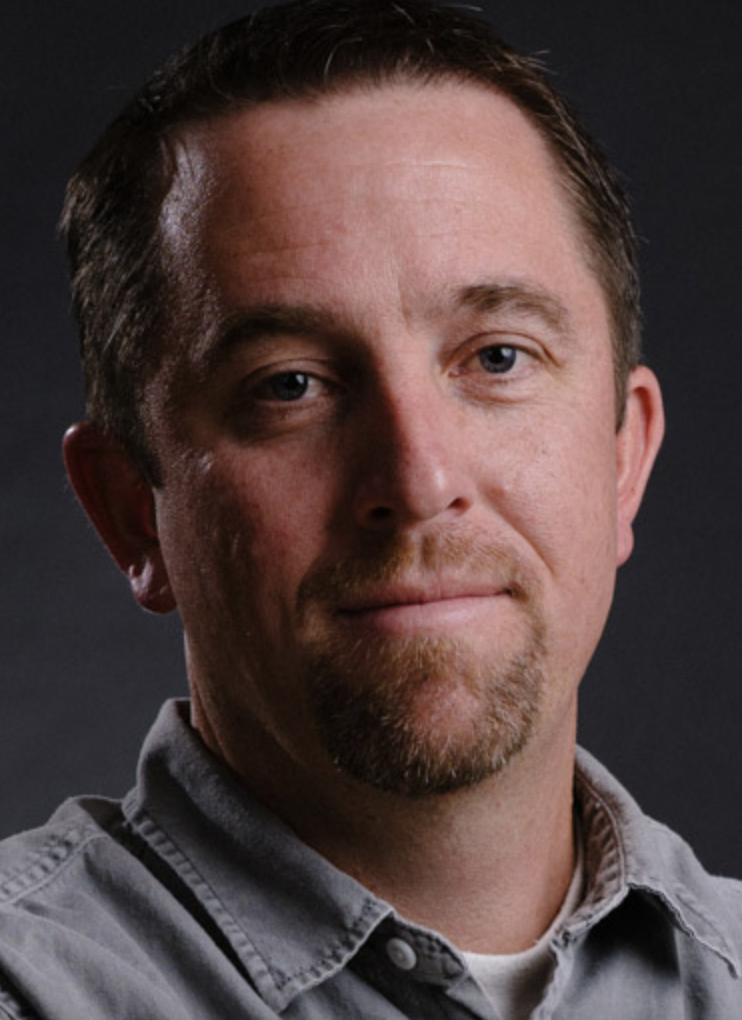
Dr. Jared Rutter is a Distinguished Professor of Biochemistry and holds the Dee Glen and Ida Smith Endowed Chair for Cancer Research at the University of Utah where he has been on the faculty since 2003. Dr. Rutter received his PhD from the University of Texas Southwestern Medical Center in 2001, working with Dr. Steve McKnight. After receiving his PhD, he spent 18 months as the Sara and Frank McKnight Independent Fellow of Biochemistry before joining the faculty at the University of Utah. In 2015, he was appointed as an Investigator of the Howard Hughes Medical Institute. The Rutter laboratory has identified the functions of several previously uncharacterized mitochondrial proteins, including the discovery of the long-sought mitochondrial pyruvate carrier. This knowledge has now enabled for the first time the demonstration that this critical metabolic step is impaired in a variety of human diseases, including cancer and cardiovascular disease. In addition, the Rutter lab is taking multiple approaches to understand the mechanisms whereby cells sense metabolic state and modulate their fate decisions. Dr. Rutter is actively involved in translating academic discoveries into therapies for patients. This has included founding and/or serving as a consultant or member of the advisory board of several companies and venture firms. He also serves as co-Director of the Diabetes and Metabolism Center at the University of Utah and co-Leader of the Nuclear Control of Cell Growth and Differentiation at Huntsman Cancer Institute.
|