Community Reimagination as Civic Action

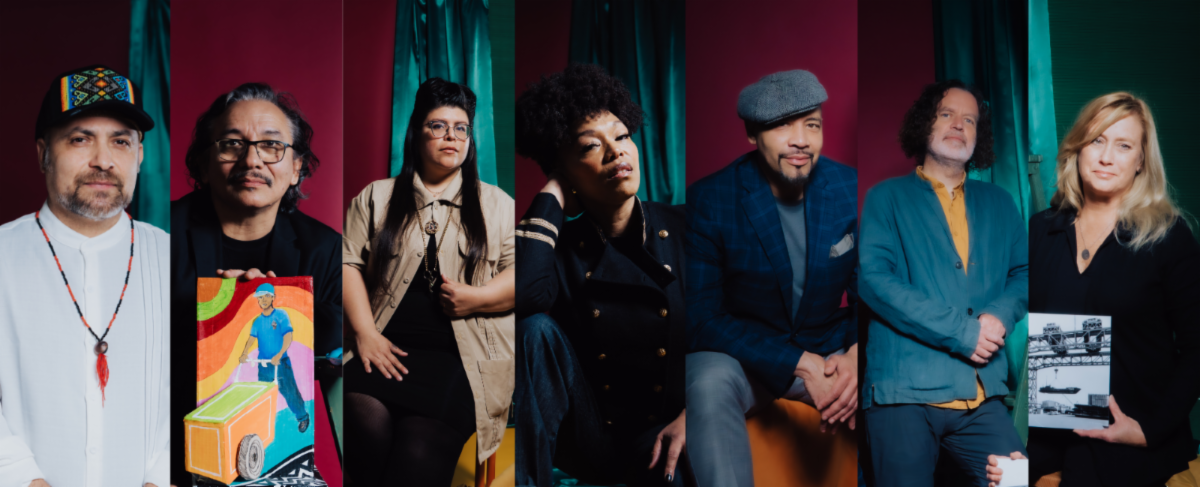
Greetings from the Shaping Legacy project! This issue explores what’s possible when we move from critique to creativity and expand on how monuments can be collaborative, evolving and responsive. We’re excited to share the five artists and artist teams and their upcoming temporary public art commissions that demonstrate community reimagination as an act of building towards our collective liberation. Their proposals for new monuments, new materials and new voices frame protest as a starting point and proposal as the path forward.

Shaping Legacy: San Francisco Monuments & Memorials commits to a multi-year critical examination of the monuments and memorials in San Francisco's Civic Art Collection and a reimagining of the commemorative landscape. 


Funding from the Mellon Foundation propels Shaping Legacy, aligning with the San Francisco Arts Commission’s dedication to cultural equity and positive social change.

What the Community Actually Said

“I am interested in how institutions can shift from representing memory through static forms to supporting living, community-based practices. I wonder how these approaches to memory-keeping can inform broader public conversations about how Indigenous communities living in the city are recognized, supported, and meaningfully engaged, and how their ongoing practices of memory can be sustained.”

- Community feedback, March 2026

From the Audit: What the Data Shows


The audit documented 105 monuments and memorials in San Francisco's Civic Art Collection. Who gets remembered. Who doesn't. Where power lives in public space. This isn't abstract theory. This is what's actually standing in our city right now.

Artist Spotlight


Bay Area Legacies

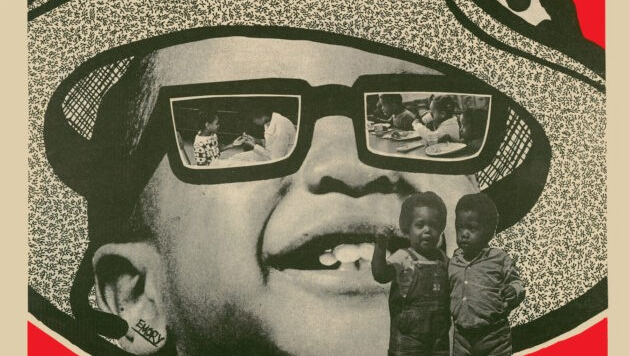
Image from Emory Douglas: In Our Lifetime currently on view at the African American Arts & Cultural Complex curated by Rosalind McGary and Rio Yañez

Artist Mattie Loyce reflects on proposals for liberation


As we continue to investigate and unpack the shaping of legacy, Emory Douglas’ remarkable career and art offer a radically informed, politically motivated, and intentionally accessible practice which boldly wrestles between aesthetic and function to make its impact. His artwork, a ‘visual manifesto’ which validates marginalized experiences and uplifts new political ideas for his audience; functions as both a protest to injustice and a proposal for liberation.


Described by the SFAC, ‘Shaping Legacy frames community reimagination as civic action, moving from protest to proposal, from critique to creativity. It’s what happens when people who have been erased step forward not just to be seen, but to shape the seeing. The most powerful public art has always been born from community input, resistance, and reimagination.’ A core theme of Shaping Legacy, ‘Protest to Proposal’, we witness profoundly within his work. 


Emory Douglas served as the Minister or Culture for the The Black Panther Movement from 1967- early 1980’s, creating their iconic movement imagery and leading the Black Panther Newspaper publication. In reflection of the Black Panther 10 Point Program, Minister Douglas also developed a Political Artist Manifesto, which contained 12 guiding principles. Principle no. 4 ‘Recognize that art is a powerful tool; a language that can be used to enlighten, inform, a guide to actions’. Drafted by the artist 60 years ago, each principle echoes the same potent truth today as when they were first written. 


Principle 6. Create art that recognizes the oppression of others, and considers basic quality of life concerns and basic human rights issues. 


Principle 8. Make an effort to not create political art dealing with social issues just because it's a cool thing to do. 


Principle 9. Create art that challenges colonization of the imagination. 


Principle 12. Do not lose sight of what the goals are. 


Reading over his 12 principles in entirety, we receive a blueprint from an artist not just creating work which responded to his political environment, but furthermore offering guidance for how his audience can approach art and an artistic practice themselves. As we live through the dynamic social-political landscape of the 2020’s, creatively engaging our protest towards a proposal seems equally necessary now as it was then. In reverence to Emory Douglas’ legacy, let us all never lose the revolutionary value behind our artistic action. 


‘Emory Douglass: In Our Lifetime’ exhibition currently on view at the African American Arts and Cultural Complex through October, 2026. 

Op-Ed


San Francisco’s monuments are stuck in the past

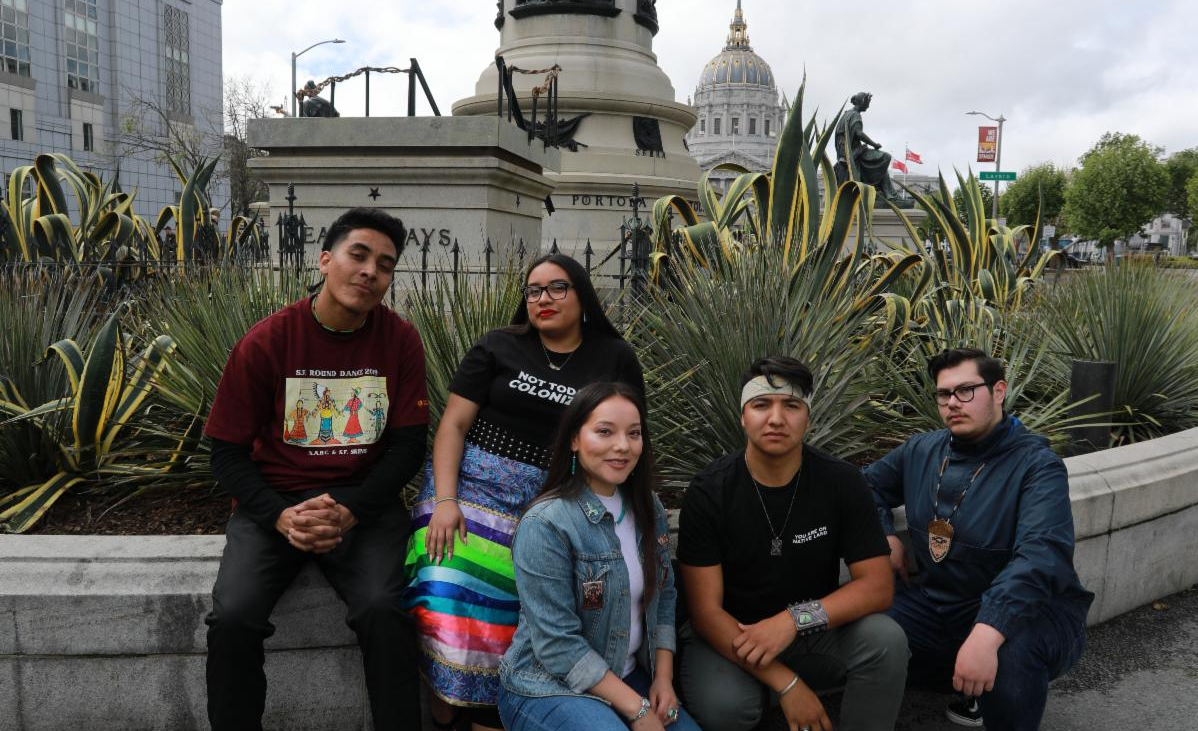
YOUTH – photo taken in 2019 at the Pioneer Monument as part of The Continuous Thread: Celebrating Our Interwoven Histories, Identities and Contributions by Hulleah with Kevin Mamea (Amskapi-Pikuni “Blackfeet” Tribe), Arianna Antone-Ramirez (Tohono O’odham), Isabella Zizi (Northern Cheyenne, Arikara, and Muskogee), Joey Montoya (Apache), Quinton Cabellon (Yokut-Tule River)

It’s time to shape a living legacy


In the heart of San Francisco’s Civic Center stands the Pioneer Monument, a bronze narrative of westward expansion that, for generations, has monumentalized the suppression of Native Americans. It is a painful architecture of dominance positioned in one of the city’s most important public squares. For too long, we have treated such monuments as unchangeable facts of history, and any monument that only touches part of the story has limitations and requires intentional exploration. 


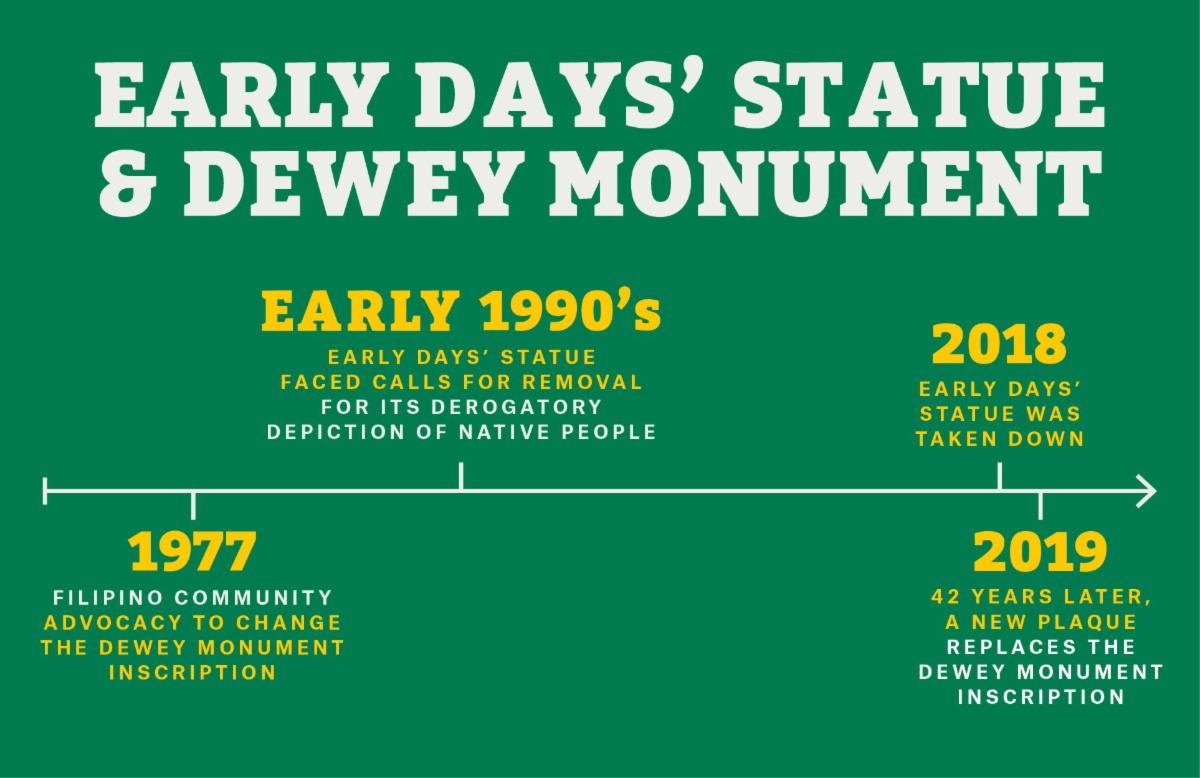
True, in 1996, a plaque was added to acknowledge Native Peoples in the state, and years of community advocacy finally resulted in the 2018 removal from the monument of the highly offensive “Early Days” statue depicting a Native American at the feet of a Catholic missionary and Spanish vaquero. But we can do more. We must become active architects of our future.


Through the San Francisco Arts Commission’s Shaping Legacy Project, made possible with support from the Mellon Foundation, we are moving beyond a simple audit of our collection. We are calling on the city to build a new civic muscle — the ability to deconstruct our history and, with intention, decide which stories deserve to shape our streets and plazas.


To move forward, we must first understand the difference between a monument and a memorial. Too often, we monumentalize what should be memorialized, creating cultural confusion in the process.


In Washington, D.C., for example, the Lincoln Memorial stands as a solemn reflection on the Civil War’s human tragedy, while the Washington Monument celebrates the enduring idea of democracy embodied in a new nation.


We must apply that same clarity in San Francisco. The city has a civic responsibility to memorialize the neglected genocide of the Ramaytush Ohlone and the Indigenous people of Yelamu. At the same time, we should monumentalize the values we claim to uphold today — freedom of expression, identity and the Bohemian creative spirit of constant reinvention.


The era of the permanent bronze statue of a single heroic figure is over. The Shaping Legacy Project calls for a more dynamic, living approach to public art — one that builds new and innovative practices from our shared cultural legacies. To that end, we are launching five temporary activations across the city that are prototypes for a new era of storytelling.


In the Bayview, we are illuminating the massive gantry crane at the Hunters Point Shipyard. This is an invitation to finally see the unseen: the Black migrants who built the ships that won wars and the families still living with the environmental burden of that nuclear history.


From Chinatown to the Mission, we are celebrating the hands of the Central American and Chinese American garment workers who sustained global industries. This is a monument to labor and immigrant contributions, not to a single figurehead.


When we encounter these new installations, I am not asking that we simply admire them. Rather, I hope they provoke engagement, questions, quandaries and even healthy controversy.


San Francisco celebrates itself as a world-class city for the arts, yet our public spaces often tell a narrower story. We must invest our resources and our intention in building a cultural infrastructure that sustains artists who teach us to see ourselves more honestly.

We cannot heal what we do not acknowledge, and we cannot advance without confronting our past. I urge every San Franciscan to see our monuments not as static relics, but as part of a living civic practice. Let us stop allowing the past to dictate our landscape and start actively shaping the legacy we choose to leave behind.


Charles Collins’s op-ed was published in the San Francisco Chronicle, May 11, 2026.

The Work Happens Together

Because this is about all of us, not just one hero. Here's where circles convene, artists activate, and community shows up. See where the camaraderie continues over the next 60 days.


  • Threaded Histories now collecting stories for the community archive as part of a monument dedicated to the garment workers of San Francisco


  • Embassy of the Refugee, artist panel discussion at SFPL, Thursday, July 2, 2026, 6:00pm-7:30pm, Koret Auditorium 


  • CRANE project preview audio soundscapes of the Hunters Point Shipyard and Crane as part of the 2026 project and illumination


MAKERS & MOMENTS

Our primary actions for the Shaping Legacy project: supporting the Art Makers and documenting the Community Moments. This connects the creative work with the public impact. Here’s what's happened over the past several months.

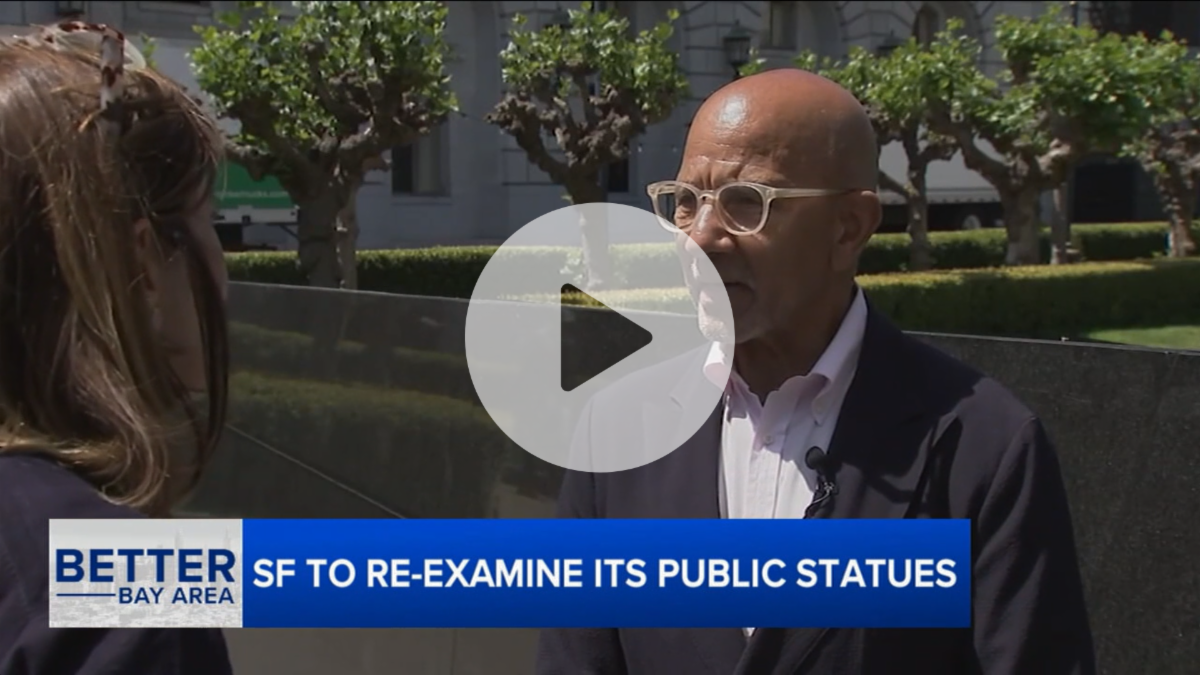
Shaping Legacy & Commissioner Collins on ABC7

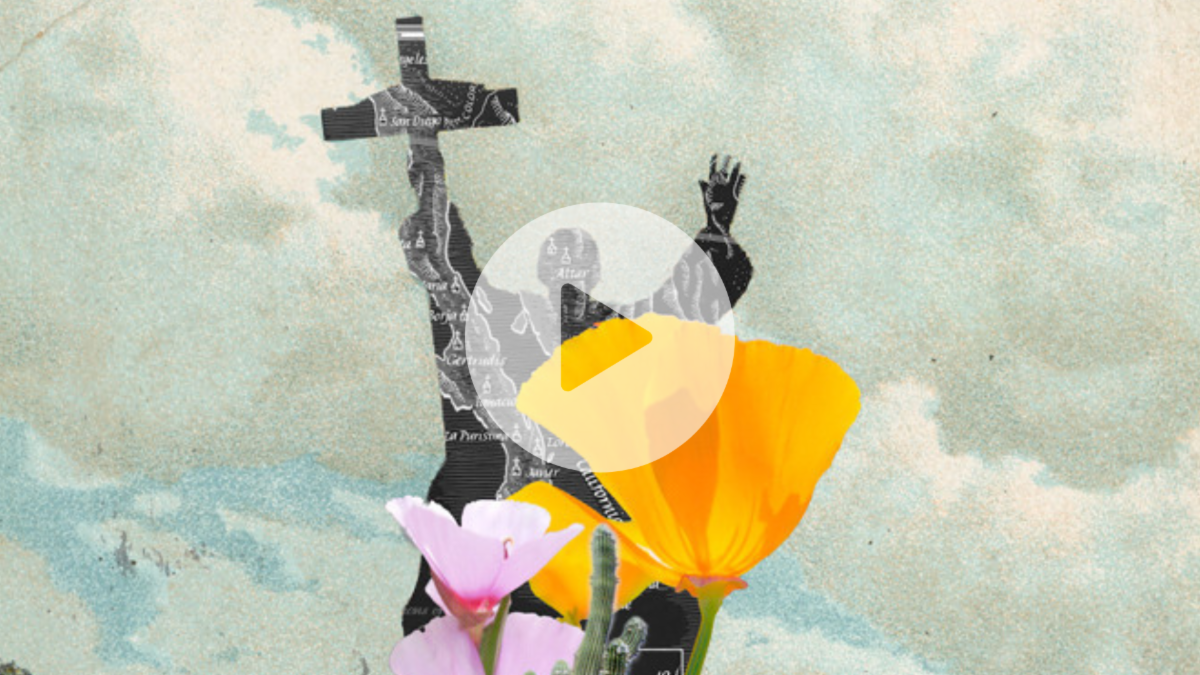
Reimagining Serra with Shaping San Francisco and Chris Cuadrado


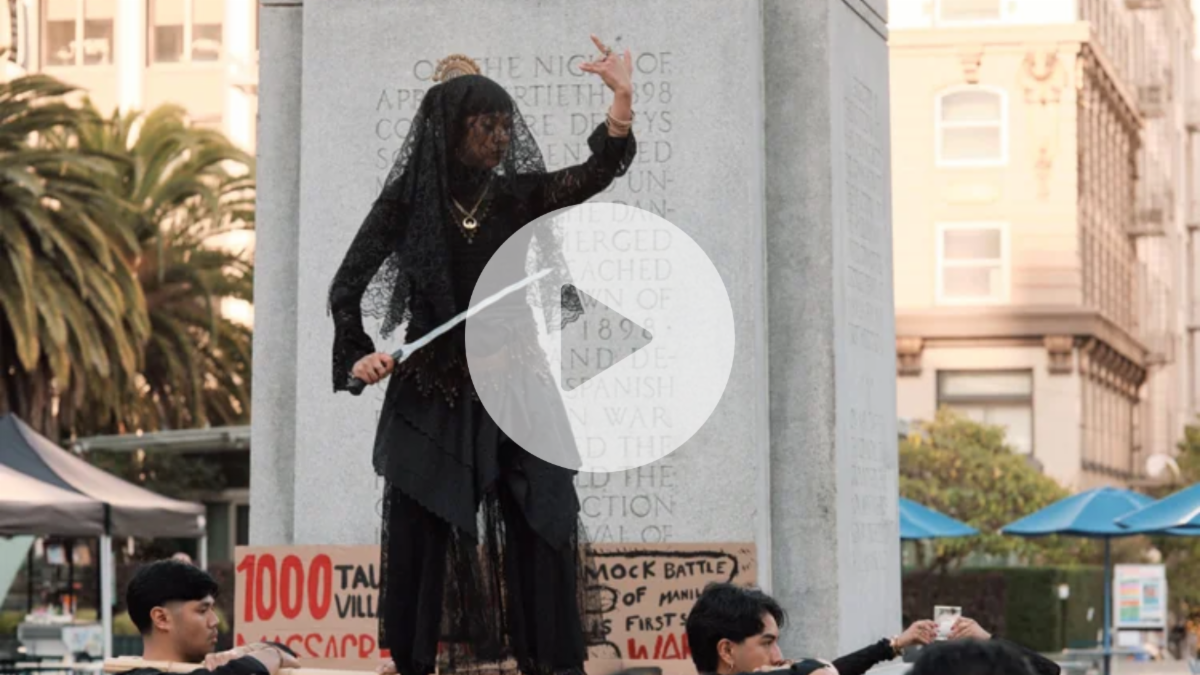
Gunitaan ng Pagtutuwid sa Kasaysayan, Our History Reclaimed with SOMA Pilipinas at The Dewey Monument in Union Square Plaza


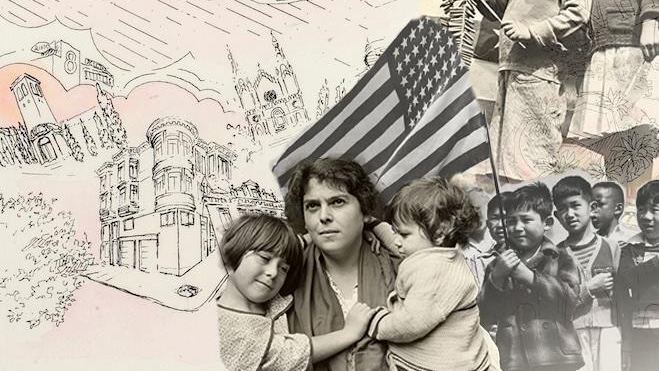
Reimagining History: Coit Tower & Columbus with California Migration Museum at Coit Tower

Web  Facebook  Instagram  X  TikTok  YouTube  LinkedIn