Shared Resources Newsletter - August 2024 | |
Welcome message from the Basic Science Programs | |
 | |
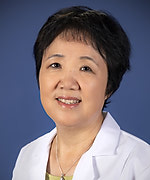
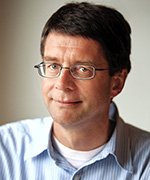
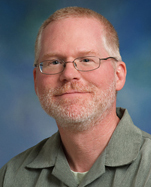
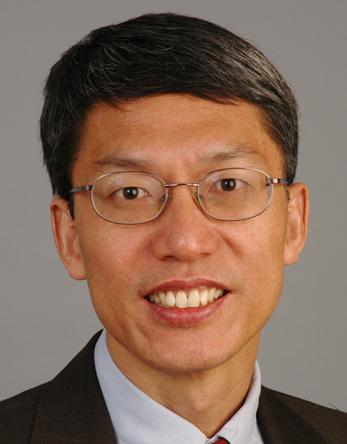
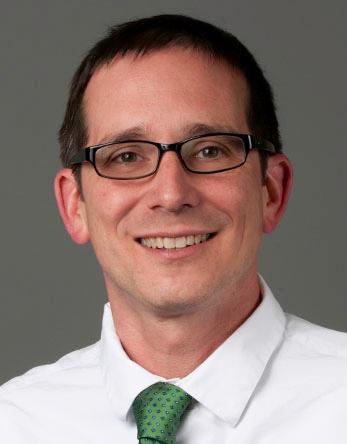
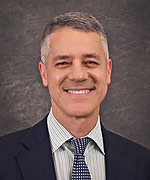
Welcome to the August issue of the UC Davis Comprehensive Cancer Center Shared Resources monthly newsletter. Basic science forms the foundation for all translational and clinical research, and the UC Davis Comprehensive Cancer Center excels in this realm by capturing the strengths of UC Davis - the largest life science university in the nation - and directing its efforts towards cancer biology. Since its inception, our Comprehensive Cancer Center’s basic science efforts have been organized around the Comparative Oncology Program (COP), presently co-led by Robert Canter M.D., Xinbin Chen, D.V.M., Ph.D. and Michael Kent, D.V.M., M.A.S., and the Molecular Oncology Program (MOP), currently co-led by Kermit Carraway, Ph.D. and Wolf-Dietrich Heyer, Ph.D. These basic science programs are further strengthened with the newly added leadership of Associate Director for Basic Sciences Xiao-Jing Wang, M.D., Ph.D.
The basic science programs rely heavily on the phenomenal technical support of the Shared Resources. This message provides us with a wonderful opportunity to thank everybody in the Shared Resources under the leadership of Associate Director Kent Lloyd, D.V.M., Ph.D. for the exceptional job you are doing. Without you, our science would move a lot slower and often would not be possible. We truly appreciate the great partnership we have had with you. The Shared Resources have a great track record of adapting new technologies. Like the famous Red Queen, there is no standing still, with new technologies waiting to be established (such as CRISPR-tools, mass photometry, and still-evolving new sequencing technologies) that are being invented as we write this. We trust that we will be well-supported with the latest technologies today and in the future.
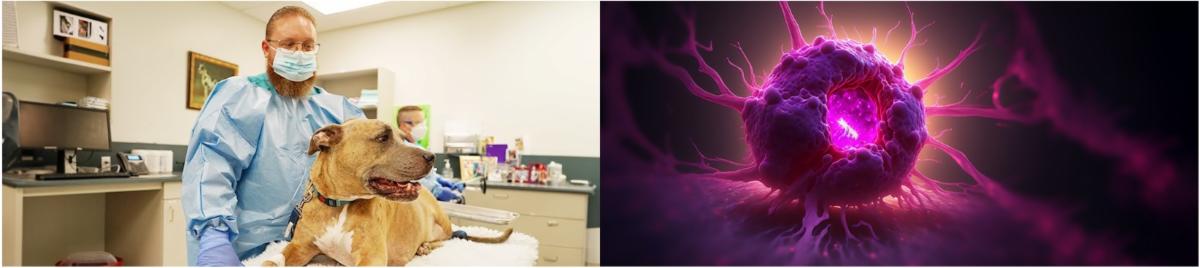
The COP and MOP programs have different strengths and opportunities, which in many respects are complementary. With the nation’s top-ranked School of Veterinary Medicine, COP provides the unique perspective of involving companion animals, mainly dogs and cats, which not only are veterinary cancer patients in real-time, but provide unique models for basic, translational, and clinical research that can ultimately inform our understanding of human cancer. MOP represents a classic basic cancer biology program, exploiting the internationally recognized strengths of UC Davis in DNA repair, signal transduction, and metabolism.
After over 20 years developing these two excellent basic science programs, which contributed much to the success of the Cancer Center, the time has come to join forces and build one single exceptional program that combines and amplifies the strengths of COP and MOP. Here we deliberately use NCI merit descriptors, where “exceptional” is the highest level: this is what the newly consolidated basic science program strives for in our upcoming renewal that will be submitted in the fall of 2025. Over the next months, we will, together with the Cancer Center leadership, engage with our membership in joint program meetings as well as at the upcoming Cancer Center Symposium this October to elaborate and associate members to Specific Aims that reflect our strengths and potential for growth. Our goal is to tap the collective wisdom of all members how to design and structure the best possible basic science program that showcases the inherent strength of fundamental cancer biology at UC Davis.
We look forward to everybody joining us on this journey and to the continued support of the exceptional Shared Resources at the Cancer Center.
| |
|
Xiao-Jing Wang, M.D., Ph.D.
Associate Director Basic Sciences
| |
|
Wolf-Dietrich Heyer, Ph.D.
Co-leader Molecular Oncology Program
| |
|
Kermit Carraway, Ph.D.
Co-leader Molecular Oncology Program
| |
|
Xinbin Chen, D.V.M., Ph.D.
Co-leader Comparative Oncology Program
| |
|
Michael Kent, D.V.M., M.A.S.
Co-leader Comparative Oncology Program
| |
|
Robert Canter, M.D.
Co-leader Comparative Oncology Program
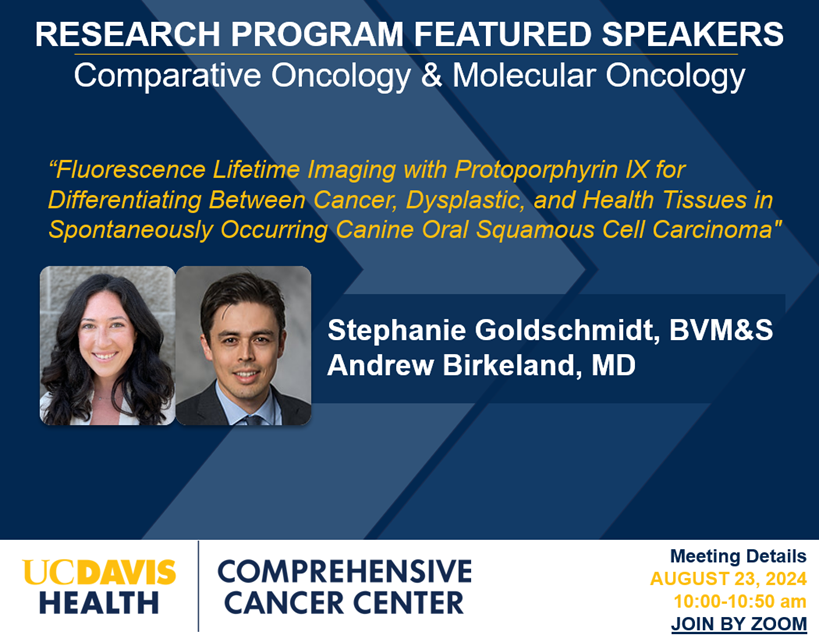
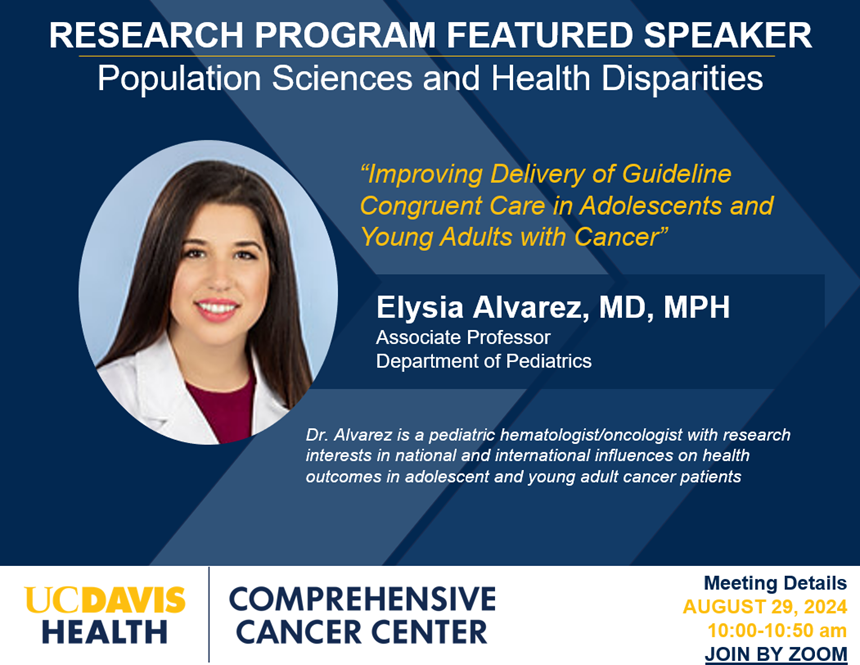
| | A COP and MOP joint meeting will be held on Friday, August 23 from 10.00 - 10:50 am featuring Cancer Center pilot funding awardees Dr. Stephanie Goldschmidt and Dr. Andrew Birkeland (details in the Upcoming Events section). | |
Strategic Relationship with Lawrence Livermore National Laboratory | |
|
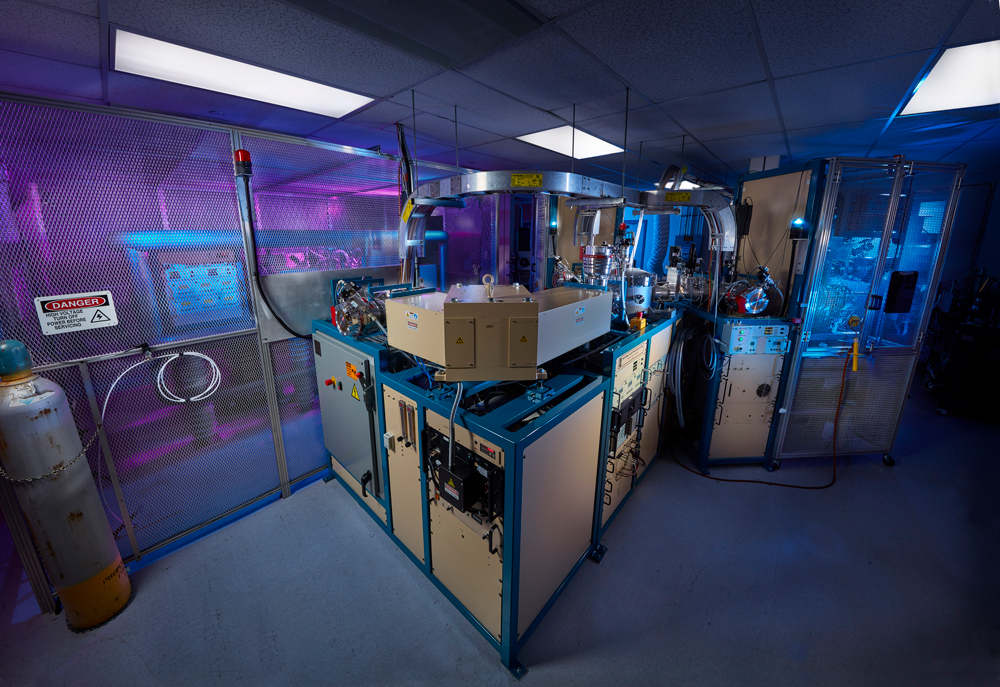
The National User Resource for Biological Accelerator Mass Spectrometry (bioAMS), located at Lawrence Livermore National Laboratory (LLNL), is supported by the National Institutes of Health (NIH) and serves the entire biomedical user community. The UC Davis Comprehensive Cancer Center has a strategic relationship with LLNL that allows cancer center members to access the bioAMS facility.
The National User Resource for bioAMS supports scientists exploring solutions to combat emerging pathogens and environmental toxins, speed development of safe, effective therapeutics, and address other biomedical research challenges. Cancer center members can access bioAMS using the following link:
Biological Accelerator Mass Spectrometry (bioAMS)
For additional information about services available to cancer center members for cancer research, contact Dr. Matt Coleman.
| |
Cancer Center Membership Survey Feedback and Actions - Shared Resources | |
|
The 2023 Cancer Center Membership Survey distributed in late 2023 received a lot of feedback from our users revealing that more respondents used a Shared Resource (SR) in 2023 (64%) than in 2022 (52%) with most users being “satisfied” with the SR services.
While more respondents indicated that the SRs offered services relevant to their needs, users of some SRs were less satisfied with both turnaround time and customer service.
Users noted that PPMS accessibility and data analysis were areas needing improvement and suggested new services to enhance biobanking and metabolomics and proteomics.
The annual survey also revealed that there was room for improvement in raising awareness about the depth, breadth, and costs of SR services.
In response to this valuable user feedback, and as part of our continuing efforts to improve the SR user experience, your Shared Resource Management team will:
- Update the SR webpage on new services/equipment/rates (including rates table differentiating the cost for Cancer Center members and non-members)
- Create an FAQ page on the SR webpage
- Evaluate the feasibility of adding SRcancerGPT to interact with potential/new/existing customers and Cancer Center members
- Include testimonials on each SR service/equipment use on the website
- Include SR webpage link on other UC Davis webpages
- Include SR brochure in new faculty welcome packages
If you have any questions regarding any of these responses or require any SR-related information, please contact the SR Administrator.
| |
Mouse Biology Shared Resource
| |
|
The Mouse Biology Shared Resource's (MBSR) goal is to meet the needs of UC Davis Comprehensive Cancer Center investigators, utilizing genetically altered, surgically manipulated (e.g., PDX) and other mouse models for basic, clinical and translational research.
The MBSR facility is managed by Dr. Kent Lloyd (Director), Denise Imai-Leonard (Pathologist), Renee Araiza (Project Coordinator), and Heather Tolentino (PDX Specialist).
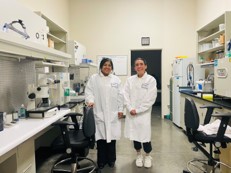
Aruna Chetty and Rachel Rivas from the Cancer Center visited the MBSR facilities to view the services available for use by the Cancer Center members.
| |
Aruna and Rachel in the Mouse Biology lab | |
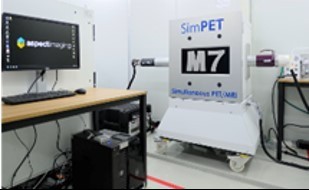
SimPET M7 MRI/PET scanner | |
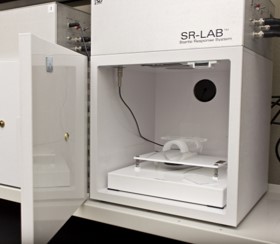
SR-LAB Acoustic Startle Chambers | |
|
MBSR provides state-of-the-art technologies, essential expertise and immediate and experimental analysis in the areas of mouse mutagenesis and reproductive technologies.
Key services include:
- CRISPR knockout, gene targeting by homologous recombination in ES cells, conditional mutagenesis, and transgenesis
- Cryopreservation and recovery, assisted reproduction (IVF, ICSI), rederivation
-
Patient derived xenograft (PDX) using primary tumors and cells and Cell- derived allografts (CDA) using mouse tumors, cells, and tissues
- Gnotobiotic mouse husbandry and experimental services
- SPF and barrier mouse housing, colony management, breeding, and imports and exports of mice, germplasm and tissue
- Genotyping (PCR), quantitative TaqMan, transcriptome, and expression analysis
- In vivo phenotyping services, including behavior, morphology, and physiology
- Professional mouse pathology services including digital slide scanning
- Training and education in mouse biology and mouse models of cancer
- Experimental design & planning consultation, project management
Key technologies and instrumentation include:
- 33 Chart MVE cryostorage tanks for liquid or vapor nitrogen storage of >100,000 vials and/or straws
- Two 3000 liter microbulk nitrogen storage and supply manifold for automated liquid nitrogen delivery, with 24/7 alarm monitoring and notifications
- Hamilton Thorne (HT) XYClone 20X precision lasers (embryo manipulations)
- LIMS integrated HT STAR Robotics System for genetic analysis
- Two HT IVOS II Animal & Research CASA sperm analyzers
- Five Nikon TI2010 Inverted Microscope Microinjection systems and 2 Piezo actuators for injection, IVF, ICSI
- SR-LAB Acoustic Startle chambers, Y-Maze and Elevated + Maze systems, and passive avoidance chamber for behavior analysis
- ECG platform, VEXTA AXUM425-GN gait analysis system, Opto-Varimex4 open field and system, DEXA/Xray, and Kent Scientific blood pressure monitors for morphologic and physiologic assessments
- SimPET M7 MRI/PET scanner
- Aperio AT2 slide scanner and full suite of pathology laboratory microscopes and instruments
- Gnotobiotic isolator bubbles and caging
- Metabolic testing of mouse models of cancer
| |
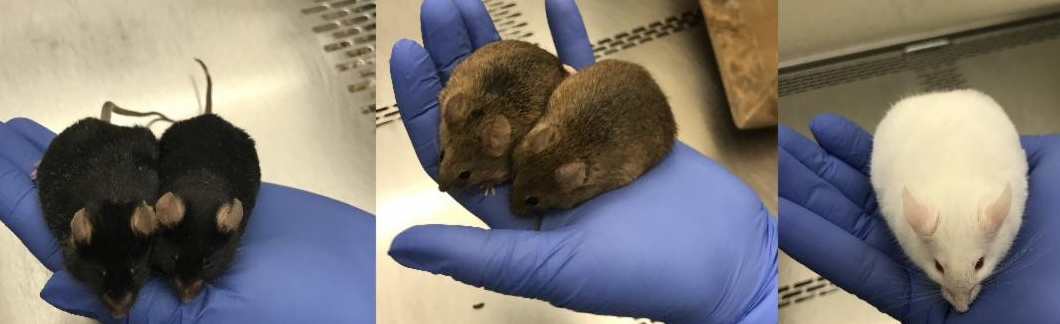
Mouse models that can be ordered from MBSR | |
MBSR facilities are located in Davis (~30,000 sq. ft.) and include a 22-room shower-in barrier, 7 room restricted-access SPF vivarium, 3 room gnotobiotic vivarium, and 2 room quarantine vivarium (~20,000 cages, ~40,000 sq. ft.). They have a full suite of pathology laboratories and collaborates with the Comparative Pathology Laboratory.
MBSR hours of operation are from 5 a.m. - 6 p.m. weekdays and project management and mouse care are provided 24/7, 365 days. PDX services are available from Monday through Saturday. The MBSR is located at 2795 2nd Street, Suite 400 on the Davis Campus.
MBSR services and recharge rates can be found here. Please note that Cancer Center members receive a lower, subsidized rate for cancer-related research.
Request a quote from MBSR Customer Service for your project.
Please contact MBSR for more information.
| |
|
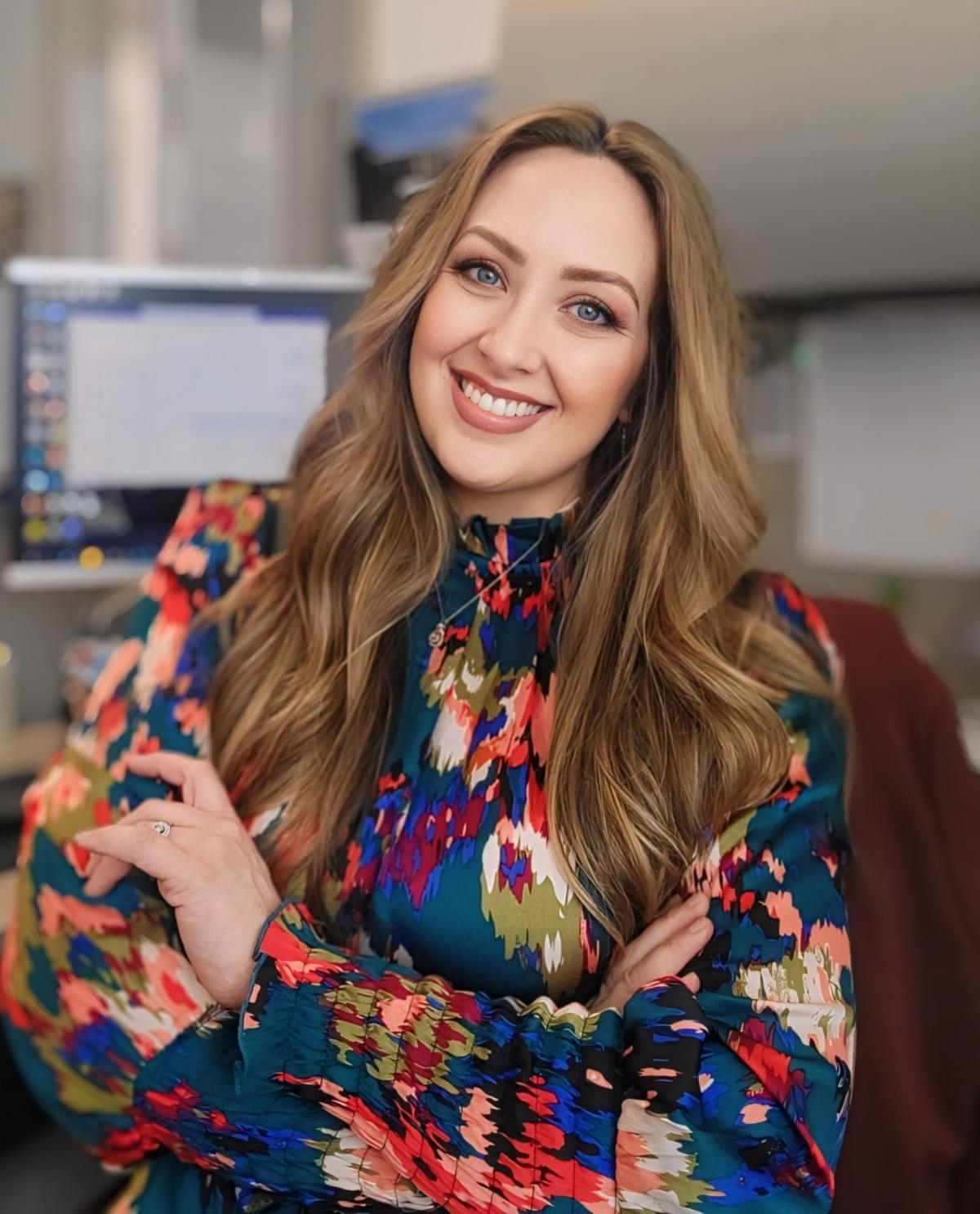
Chelsey Reeves joined the UC Davis Comprehensive Cancer Center’s Administration in 2018 as an Executive Assistant to the Director, Dr. Primo “Lucky” Lara. She was recently elevated to Project Policy Analyst III and continues to support Dr. Lara as an Executive Analyst. Chelsey helps the Administrative team in annual reporting and renewal of the Cancer Center Support Grant (CCSG). She will also assist with managing and tracking projects for the forthcoming Southwest Oncology Group (SWOG) grant and supporting Dr. Lara in his role as the incoming SWOG Group co-chair. Currently, she is studying for her Project Management Professional (PMP) certification and looks forward to adding more tools to her arsenal!
In addition to her rewarding work at the Cancer Center, Chelsey has had the opportunity to work on several meaningful projects and positions. Before coming to the Cancer Center, she worked at MTI College where she served as the Director of the Career Services Department, where she revamped the department’s processes and procedures to help the school achieve over 93% job placement year over year for students in the medical, legal, IT, business, and cosmetology fields. Creating processes and organizational tools and providing deliverables that have a positive impact on an individual or company is something that Chelsey finds rewarding and enjoys doing here at the Cancer Center.
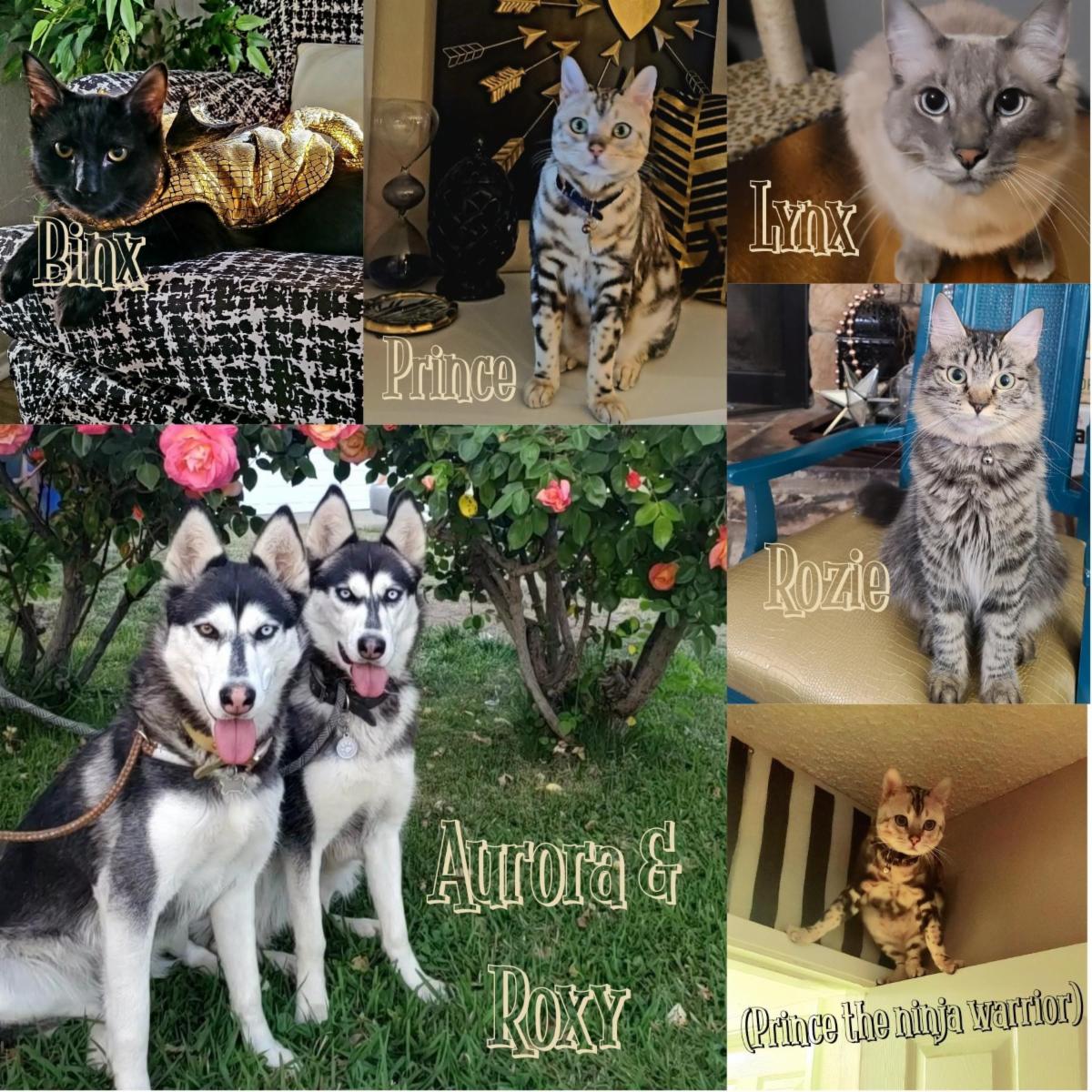
Outside of work, Chelsey is passionate about making the world a little more beautiful everywhere she goes. Whether it’s through interior design, planning a fantastic party, or as a freelance makeup artist, she always finds time to stretch her creative muscles and leave her mark. She grew up in Southeast Idaho, and while you’d think with Yellowstone as her backyard, she would love the outdoors, her idea of camping is a 4-star hotel with a view! Chelsey never shies away from a challenge. For example, she remembers being very nervous about her in-person interview with Dr. Lara because she knew it was a big career shift, but she knew she had the skills, tenacity, and patience for the position, and she was ready for whatever might be thrown her way. After all, Chelsey is no stranger to challenging "executives". At that time, her triplet girls were about to turn 13, and any career, comparatively, would have been a welcome reprieve. She and her husband also have two Siberian Huskies and four cats (pictured below), one of which is a Bengal, who is almost as challenging as the triplets.
| |
|
Chelsey says it’s been a wonderful journey with opportunities for self-reflection and personal growth for which she is so grateful. And those pre-teen girls are now seventeen, going on eighteen, scheduling college visits and prepping for the S.A.T. She looks forward to continuing to support the Cancer Center to reach new milestones, and she can’t wait to see what the future holds!
Please contact Chelsey if you have any questions about the Cancer Center Administration.
| |
Biostatistics Office Virtual Office Hours | |
|
The Biostatistics Shared Resource (BSR) provides biostatistical support for clinical, population, and basic science researchers.
To better support the study design and data analysis efforts of our members, the BSR offers weekly office hours in collaboration with the Clinical and Translational Science Center:
- 1st and 3rd Monday, 1-2 p.m.
- Tuesdays, 12-2 p.m.
For more information, contact Dr. Lihong Qi.
| |
Genomics Pop-In Workshop Series | |
|
Presented by the Genomics Shared Resource (GSR)
Please join GSR staff for a monthly open discussion about genomics applications in basic science and medicine. Each workshop consists of a brief presentation on a selected topic, application, technology, or method, followed by questions and discussion. GSR staff will also reserve time for BYOP (Bring Your Own Project), where investigators can start the conversation with the GSR team for help with experimental design, methods troubleshooting, data analysis, and proposal & manuscript writing.
Pop in for the next genomics workshop on the 4th Wednesday of each month from 12 - 1 p.m. in-person at UC Davis Health Campus, Sacramento, CA 95817, or via Zoom.
| |
For more information on the next workshop or to be added to GSR's email list, please contact them by clicking the button below. | |
|
Shared Resources Workshop Series
2024 - 2025
| |
|
The Shared Resources provide the UC Davis research community with centralized access to specialized scientific expertise, consultation and assistance, infrastructure, and equipment necessary to conduct cutting-edge scientific research.
Want to know how to incorporate SRs into your research? This year’s workshop series will feature faculty who have used one or more SRs for their cancer research projects.
Register today to learn from Cancer Center members who will share their unique experiences.
This series will equip you with ways to take full advantage of SRs services and equipment in your research and publications and how to learn strategies for using SRs. As a Cancer Center member conducting cancer research, you are eligible for prioritized status and subsidized rates when using the SRs! Register now and hear what our SRs “super users” have to say!
Join us at one or more of the workshops scheduled below and learn how SRs can add value to your research:
- September 12, 1 - 2 p.m.
- October 17, 1 - 2 p.m.
- November 14, 1 - 2 p.m.
- January 16, 2025, 3 - 4 p.m.
- February 20, 2025, 1 - 2 p.m.
| |
Northern California Cytometry Group
Annual Meeting 2024
September 24, 2024
| |
The Northern California Cytometry Group (NCCG) is an association of Flow Cytometry researchers, professionals and laboratory managers who are interested in promoting the field of Flow Cytometry and its applications to basic and biomedical research. Bridget McLaughlin (Director, Flow Cytometry Shared Resource) is part of the NCCG. Click the button below to learn more about NCCG. | |
The NCCG is hosting its 2024 annual meeting at the David J. Gladstone Institutes.
Date: Tuesday, September 24, 2024
Time: 8 a.m. - 3 p.m. (Networking event to follow from 3 - 5 p.m.)
Location: Gladstone, Mission Bay, 1650 Owens Street, San Francisco, CA 94158
This meeting will feature scientific talks discussing cytometry technology, issues, solutions and breakthroughs from regional investigators and vendor scientists.
Registration is free but required for entry. Morning coffee, light snacks and a boxed lunch will be provided. An optional networking session is planned off-site nearby from to encourage conversation and build connections within our community.
Register for the meeting by clicking the button below and join NCCG in September. Registration deadline is September 19.
| We always welcome new members to our community. You can apply for membership via LinkedIn. If you have any questions, please contact NCCG by clicking the button below. | |
|
30th Annual Cancer Research Symposium
October 10-11, 2024
| |
|
CALL FOR ABSTRACTS FOR POSTER AND EXHIBITION SESSIONS
The Call for Poster and Exhibition Abstracts and event registration is now open for the 30th Annual Cancer Research Symposium on October 10-11, 2024, at the UC Davis Comprehensive Cancer Center.
POSTER PRESENTATIONS
UC Davis and Lawrence Livermore National Laboratory (LLNL) participants (at all levels) are encouraged to submit abstracts when registering for the symposium:
- Abstracts should not exceed 250 words and include: 1) a title, 2) presenting author and affiliations, 3) a complete list of all authors and affiliations, and 4) any acknowledgments to include in the Symposium program.
- Please indicate your preferred poster or exhibition session slot when registering (lunchtime on Thursday, October 10 [11:45 a.m. – 1:15 p.m.] or breakfast time on Friday, October 11 [8 – 9:15 a.m.]). While we cannot guarantee your preferred session, every effort will be made to accommodate your preference.
EXHIBITIONS
This new opportunity at the symposium will be held alongside the poster presentations. Faculty members of the Cancer Center at the faculty level are invited to submit abstracts to exhibit a new/emerging equipment, service, or technology relevant to cancer research, diagnosis, and/or treatment:
- Abstracts should not exceed 250 words and include: 1) a title, 2) presenting author and affiliations, 3) a complete list of all authors and affiliations, and 4) any acknowledgments to include in the Symposium program.
- Exhibitors will be provided with one 110-volt electrical outlet and one six-foot skirted table.
- Exhibitors are responsible for the security of their stored and exhibited equipment, materials, and/or technology between Poster Sessions.
- Please indicate your preferred poster or exhibition session slot when registering (lunchtime on Thursday, October 10 [11:45 a.m. – 1:15 p.m.] or breakfast time on Friday, October 11 [8:00 – 9:15 a.m.]). While we cannot guarantee your preferred session, every effort will be made to accommodate your preference.
The abstract submission deadline is September 1. Free registration for UC Davis and LLNL attendees ends October 4.
| |
Explore all the Shared Resources | |
Notice to All NIH-Funded Investigators | |
|
Shared Resources are funded by the UC Davis Comprehensive Cancer Center Support Grant (CCSG) awarded by the National Cancer Institute (NCI P30CA093373). Publications that have utilized facility resources, services or scientific data generated using shared resources should acknowledge the shared resource(s) or the assistance provided by their staff and cite the CCSG (NCI P30CA093373). An electronic copy of the publication should also be sent to the directors of the SRs that were used.
National Institutes of Health public access policy
| | | | |