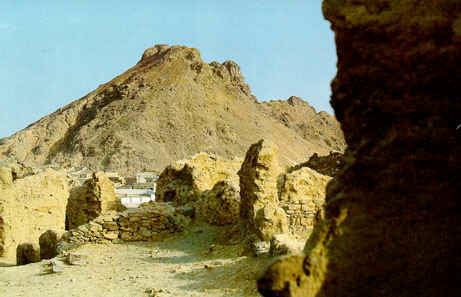
Anyone who looks at Mount Uhud, Allah will erase all their sins.”
— Shaykh Hisham Kabbani
| | | |
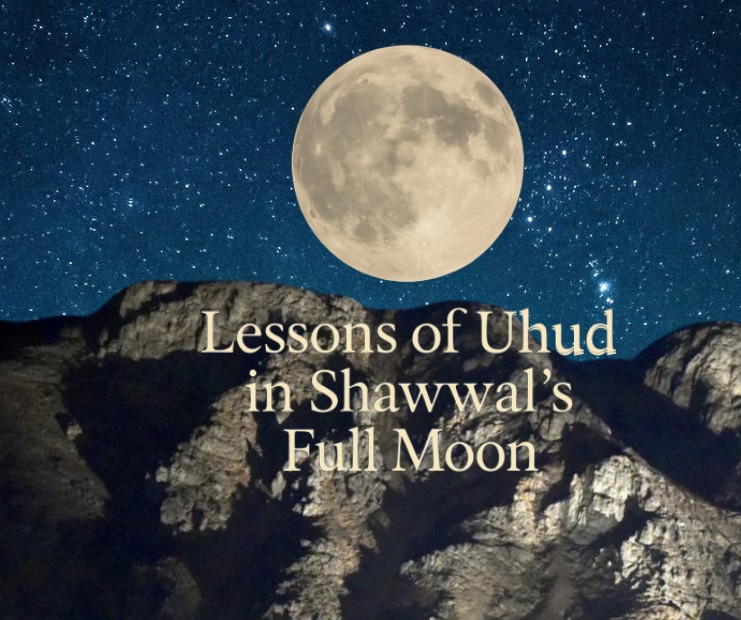
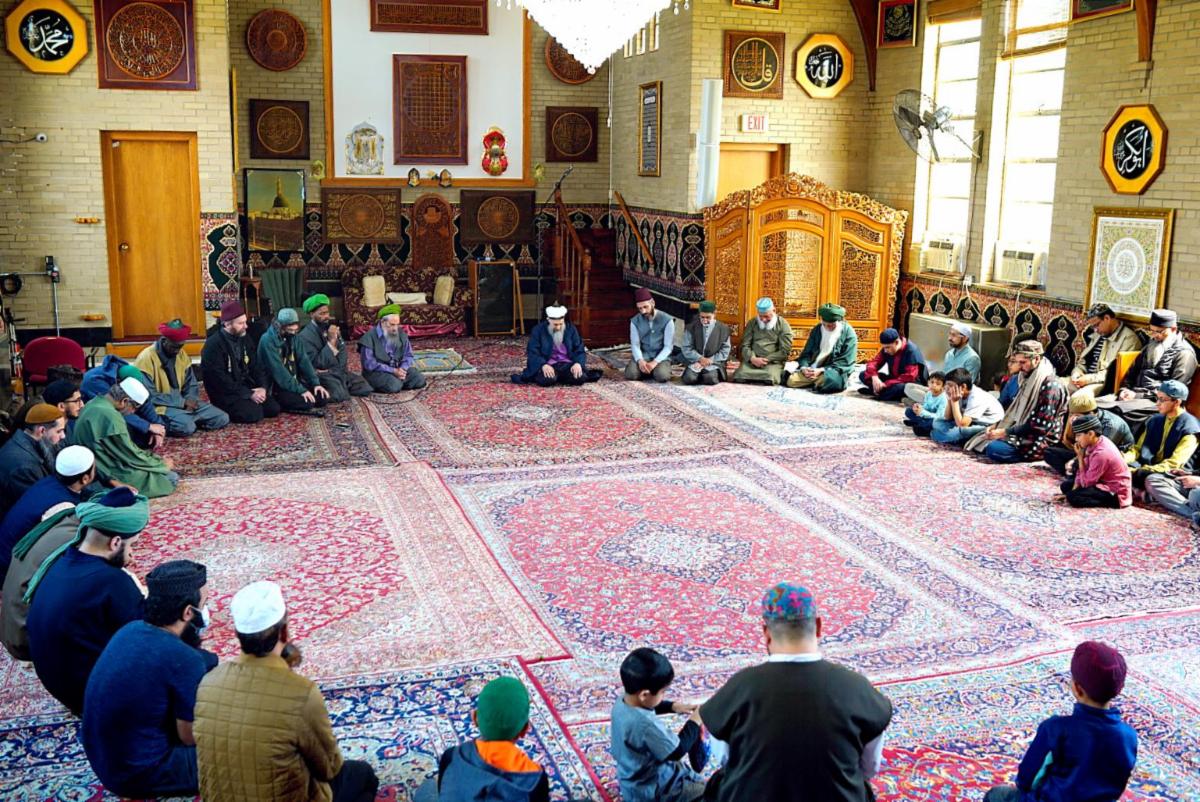
On Saturday, April 12, 2025 — the 13th of Shawwal — we gather for dhikr beneath the full moon's radiance to reflect on the Battle of Uhud, a turning point etched into the spirit of our tradition. More than a historical encounter near Mount Uhud in 625 CE, this event teaches us to remember obedience, trust, and spiritual maturity. The Prophet ﷺ’s love for Uhud — “a mountain that loves us and we love it” — reminds us that even the earth bears witness to our trials.
In this week’s newsletter, we draw from the courage, discipline, and divine intimacy reflected in Uhud.
| |
Timeless Teachings
FROM THE SUFILIVE ARCHIVES
| | |
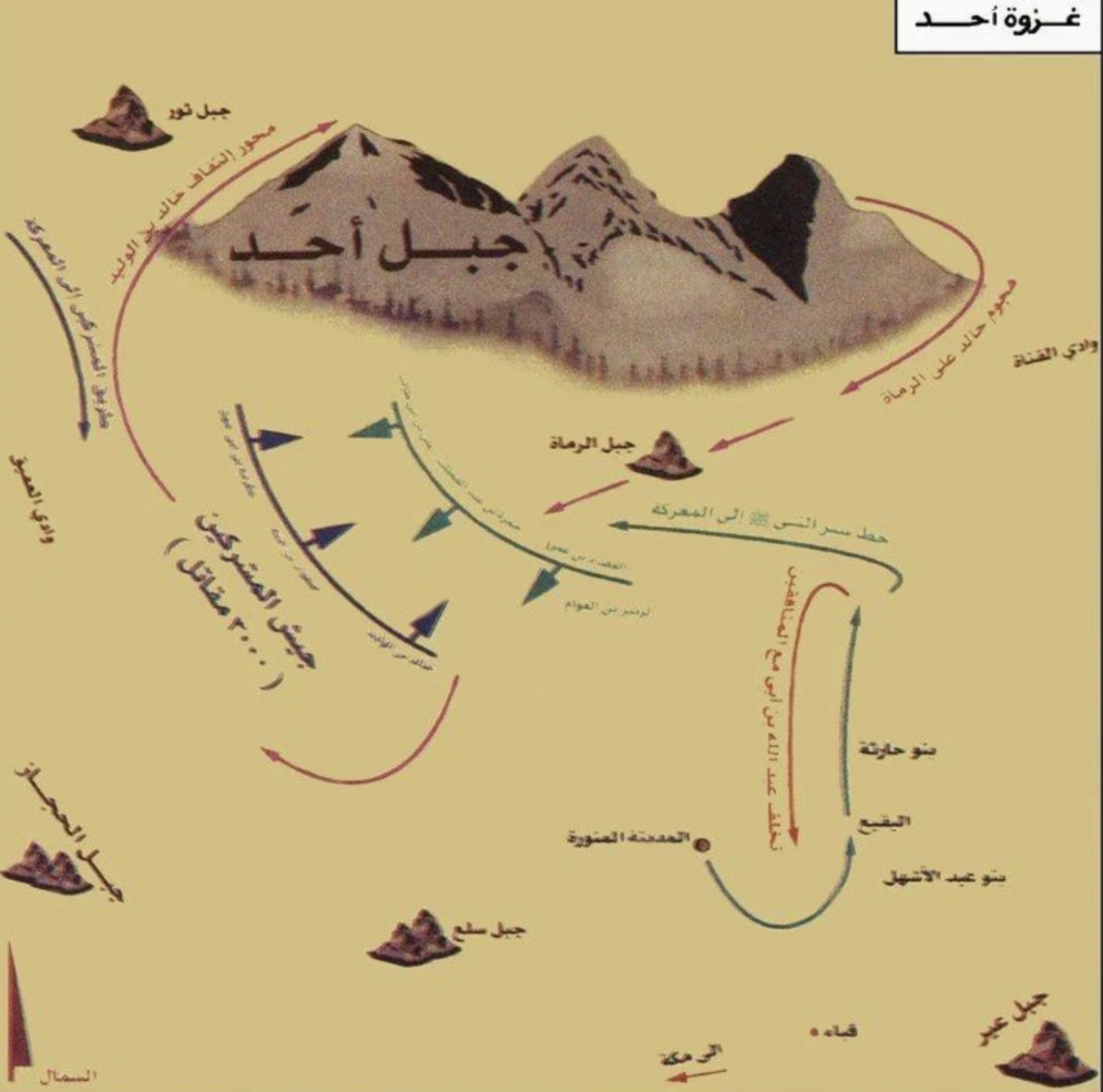
The Battle of Uhud is directly addressed in Surah Aali 'Imran (Chapter 3) of the Qur'an, especially from verses 121 to 180. These ayat offer both historical narrative and deep lessons — emphasizing themes of obedience, patience, trust in Allah.
إِذْ غَدَوْتَ مِنْ أَهْلِكَ تُبَوِّئُ الْمُؤْمِنِينَ مَقَاعِدَ لِلْقِتَالِ ۗ وَاللَّهُ سَمِيعٌ عَلِيمٌ
(3:121)
“And [remember] when you, [O Muhammad], left your family in the morning to post the believers at their stations for the battle, and Allah is Hearing and Knowing.”
وَلَا تَهِنُوا وَلَا تَحْزَنُوا وَأَنتُمُ الْأَعْلَوْنَ إِن كُنتُم مُّؤْمِنِينَ
إِن يَمْسَسْكُمْ قَرْحٌ فَقَدْ مَسَّ الْقَوْمَ قَرْحٌ مِّثْلُهُ ۚ وَتِلْكَ الْأَيَّامُ نُدَاوِلُهَا بَيْنَ النَّاسِ
(3:139-140)
“So do not weaken and do not grieve, and you will be superior if you are [true] believers. If a wound has touched you, be sure a similar wound has touched the [disbelieving] people. Such are the days [of varying conditions] We alternate among the people…”
وَلَقَدْ صَدَقَكُمُ اللَّهُ وَعْدَهُ إِذْ تَحُسُّونَهُم بِإِذْنِهِ ۖ حَتَّىٰ إِذَا فَشِلْتُمْ وَتَنَازَعْتُمْ فِي الْأَمْرِ...
(3:152)
“And Allah had certainly fulfilled His promise to you when you were killing them by His permission until [the moment] when you lost courage and fell to disputing about the order and disobeyed after He had shown you that which you love...”
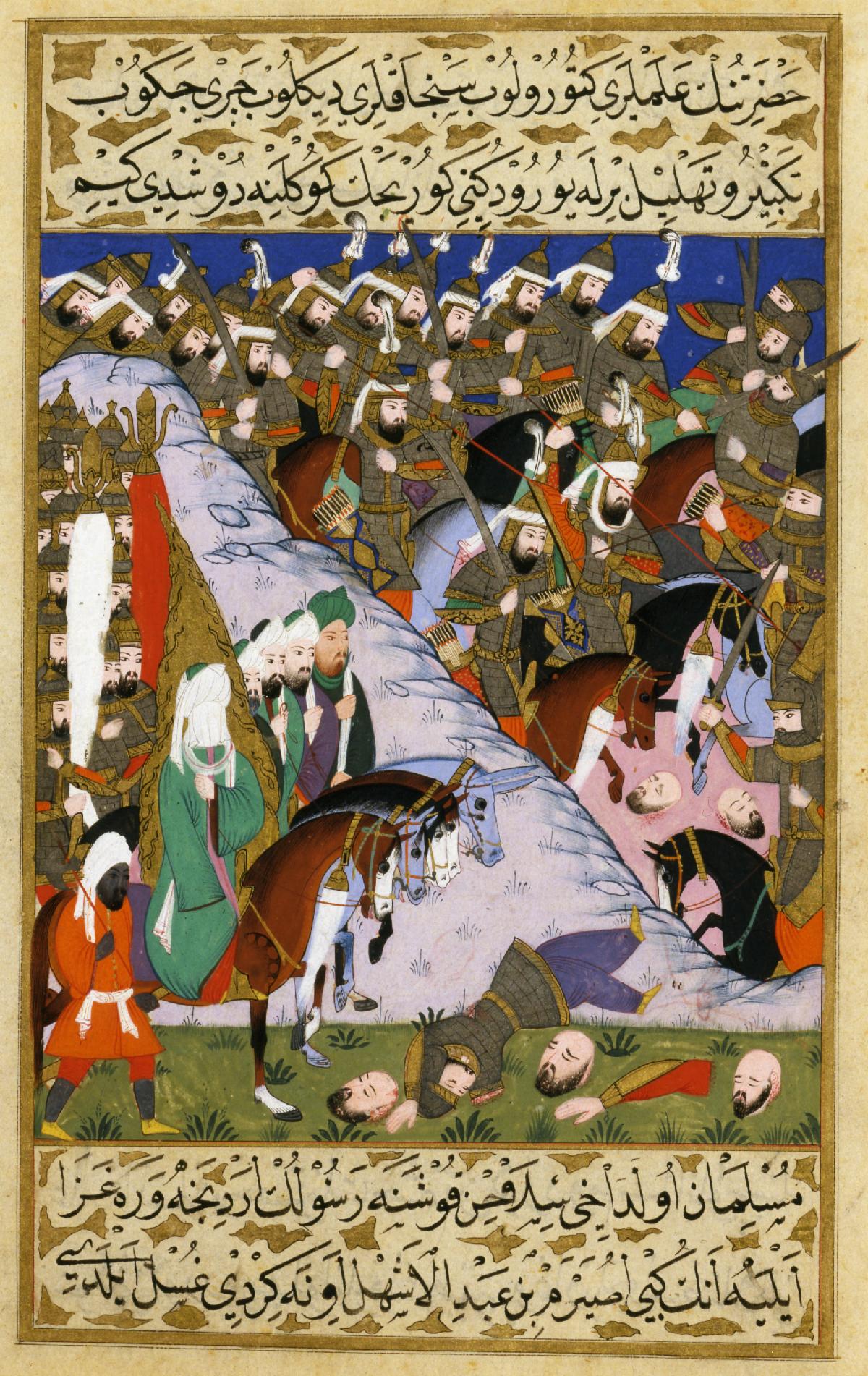
The Muslims’ initial success at Uhud was overturned by a single moment of disobedience and anarchy— when archers left their post on top of the Mountain, in pursuit of war spoils.
Shaykh Hisham reflects on this as a symbol of spiritual heedlessness (ghafla) — the moment one turns away from divine guidance due to egoic desire. The battle's reversal is a mercy, not a punishment — a way to return to sincere reliance on Allah.
| |
Two Types of Jihad
الجهادُ جهادان: جهادُ النفسِ وجهادُ العدوّ
Al-jihādu jihādān: jihādu an-nafs wa jihādu al-ʿaduww
“Jihad is of two different levels. First, the jihad against your ego, then the jihad against your enemy.”
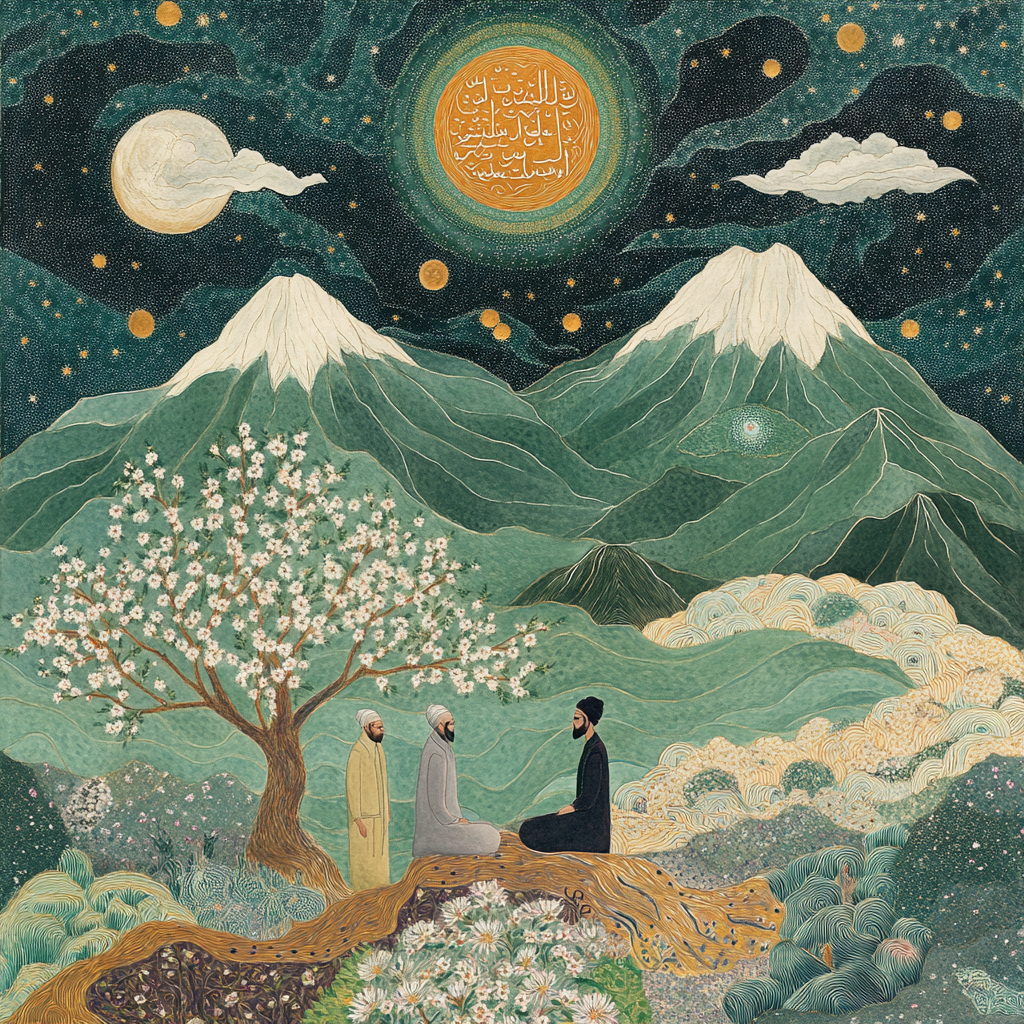
Mawlana Shaykh Hisham emphasized that the real battlefield is inside. The most important and primary struggle is the inner one — to conquer one's own selfishness, pride, anger, desires, and disobedience.
Before any outward battle is legitimate, the inner self must be trained, tamed, and purified. Mount Uhud thus becomes a mirror of the seeker’s soul — strong, yet humble; tested, yet loyal.
| | |
Mount Uhud as a Living Entity
هَذَا الْجَبَلُ يُحِبُّنَا وَنُحِبُّهُ
“This mountain loves us and we love it.”
Prophet Muhammad ﷺ (Bukhari)
According to Shaykh Hisham Kabbani, Mount Uhud was granted a form of spiritual life and awareness, capable of feeling love for the Prophet and even communicating with him.
As narrated by Shaykh Hisham, during the intense struggle of the battle, Mount Uhud spoke to the Prophet ﷺ:
“Yā Rasūlullāh! We will turn ourselves into gold and be a support for you!”
But the Prophet ﷺ, the most reliant on Allah, replied:
“We are not in need of that. Allah is al-Muʿṭī — the Giver.”
He declined the mountain’s loving sacrifice — to affirm that real support comes only from Allah, not material power, and is what sustains the mission of truth.
To simply gaze at Uhud — with love and recognition — is to reflect the Love of Prophet ﷺ into your heart. It is a moment of connection with a living servant of Allah, who loves the Prophet more than many humans ever will.
| | |
The Prophet’s Wounds & the Healing Power of Love
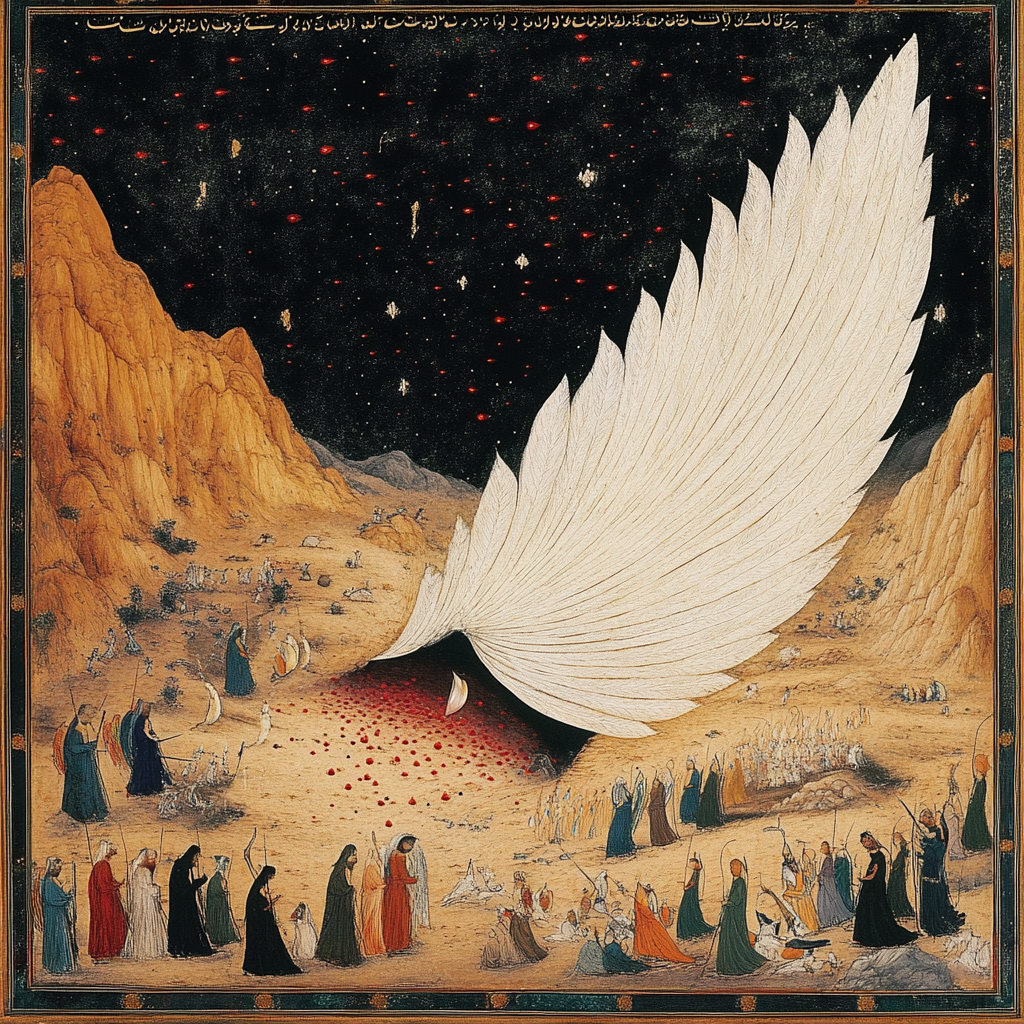
During the Battle of Uhud, the Prophet Muhammad ﷺ was severely wounded in a direct attack by four determined enemies of Quraysh. His tooth was martyred, and two rings from his helmet embedded in his blessed cheek. According to Hajjah Amina bint `Ayesha, the angel Jibril (as) said:
“This is the fastest I have ever descended from the Divine Presence — to catch the Prophet’s blood before it reached the earth.”
| | | |
The Prophet ﷺ, bleeding heavily, wiped the blood from his face and made duʿa for his attackers, saying:
“O Lord, what good can come to a people who have bloodied the face of their Prophet? But they did it out of ignorance, so forgive them.”
He interceded with Allah to hold back divine punishment, teaching us that forgiveness is greater than revenge. Though physically injured, the Prophet ﷺ shows us that his wounds were not signs of weakness, but of healing, and those who served him in those moments — like Abu ʿUbaydah, Fatima, ʿAli, and Ziyad — were elevated to timeless spiritual stations.
| | | | |
Sayyiduna Hamza: Martyrdom as a Mirror for the Ego
Sayyiduna Hamza ﷺ was not just a warrior — he was a mirror of the Prophet’s own strength and mercy, described by Hajjah Amina as "the tireless warrior of Islam". His death came not through fair battle but through a hidden spear, flung from the shadows by Wahshi under Hind’s infamously cruel orders.
| | |
In the Naqshbandi understanding, martyrs like Hamza are not dead but alive in the presence of their Lord — they became pillars of light, continuing to fight in the spiritual realm.
Martyrs are called "shuhada" — "those who witness" — because they are granted vision into the unseen, into realities most people are veiled from. Though Sayyiduna Hamza ﷺ's body was mutilated, the light of truth remained untouched—and through his martyrdom, victory was sealed for the spirit of Islam.
| |
Urs of Sayyid Jamaluddin al-Ghumuqi al-Husayni
Sayyid Jamaluddin al-Ghumuqi al-Husayni (1788–1866) was a distinguished scholar and Sufi master within the Naqshbandi Golden Chain. Born in Ghazikumuk, Daghestan, he was renowned for his encyclopedic knowledge, having memorized the Qur'an and approximately 775,000 hadiths. His expertise spanned various disciplines, including jurisprudence, logic, mathematics, and physics. Fluent in over fifteen languages, Sayyid Jamaluddin was instrumental in spreading Islamic teachings across diverse communities. Notably, he authored "Adab al-Muridiyya fi-t-Tariqat an-Naqshbandiyya," detailing the conduct of disciples in the Naqshbandi path.
| | |
Shaykh Hisham Kabbani, during a visit to Sayyid Jamaluddin's maqam in Üsküdar, Istanbul, highlighted his pivotal role in Islamic history. He noted that Sayyid Jamaluddin was the father-in-law of Imam Shamil and actively resisted Russian oppression in the . Shaykh Hisham emphasized the profound spiritual legacy of Sayyid Jamaluddin, acknowledging his significant contributions to the Naqshbandi order and his enduring influence on subsequent generations.
Click the button below to see a comprehensive list of Naqshbandi references to Grandshaykh Ghumuqi al-Husayni (q).
Click here for a full list of Naqshbandi Referendes
| | As-Siddiq Mosque, Burton | | |
Give Sadaqa with your time!
We always need extra hands with setup and cleanup at the Farm, Dergah, and Masjid.
Join the Whatsapp Group, if you would like to volunteer and share in the collective baraka!
| | |
Click here for the Prayer Schedule
Don't forget to visit the Sufilive Shop, home of the Islamic Shopping Network.
| | Join Shaykh Nour's Caravan! | | Looking for Naqshbandis in your area? Request to join the local Whatsapp groups for details about weekly dhikr gatherings and other community updates. | | Sufilive/ISCA is a 501(c)(3) nonprofit religious organization. Your contribution is tax-deductible to the extent allowed by law. Update your contact information BELOW in order to receive year-end tax-deduction documentation for tax purposes. | | | | |