|
Governments have two levers…
Bungs and beatings.
Bungs… the power to control finances, withdraw funds or throw money at problems.
Beatings… rules, targets, guidance and legislation.
Both being...
The foundation of Lilley's Law (!)
The further government is from the front line, the more likely it is to rely on bungs and beatings… and the less likely it is to change organisational behaviour.
From Whitehall, you can allocate money or pass laws. You cannot make people curious.
From Whitehall, you can threaten them, terrify them with targets, cut budgets, drive them into a corner but you cannot make them inquisitive.
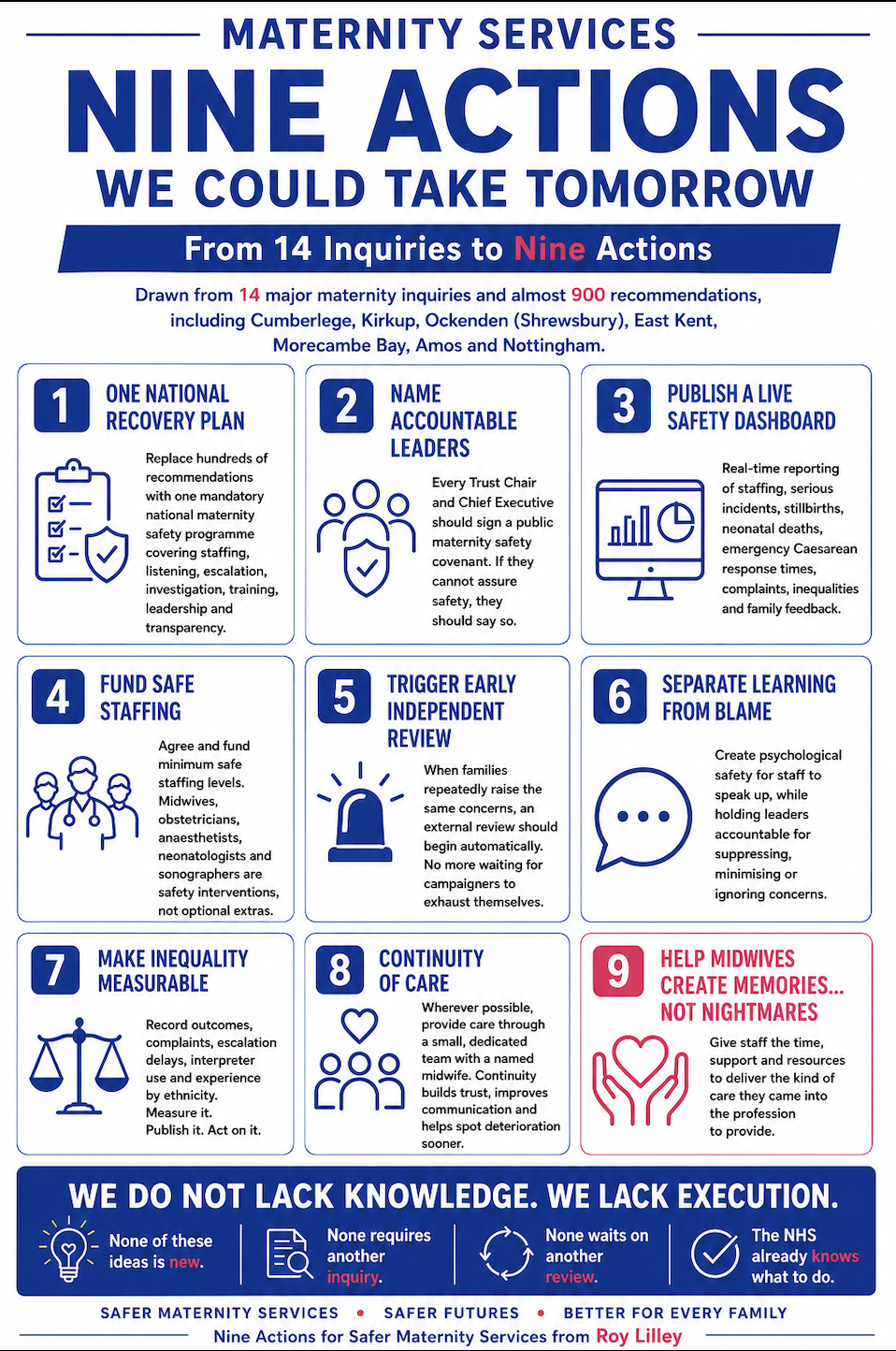
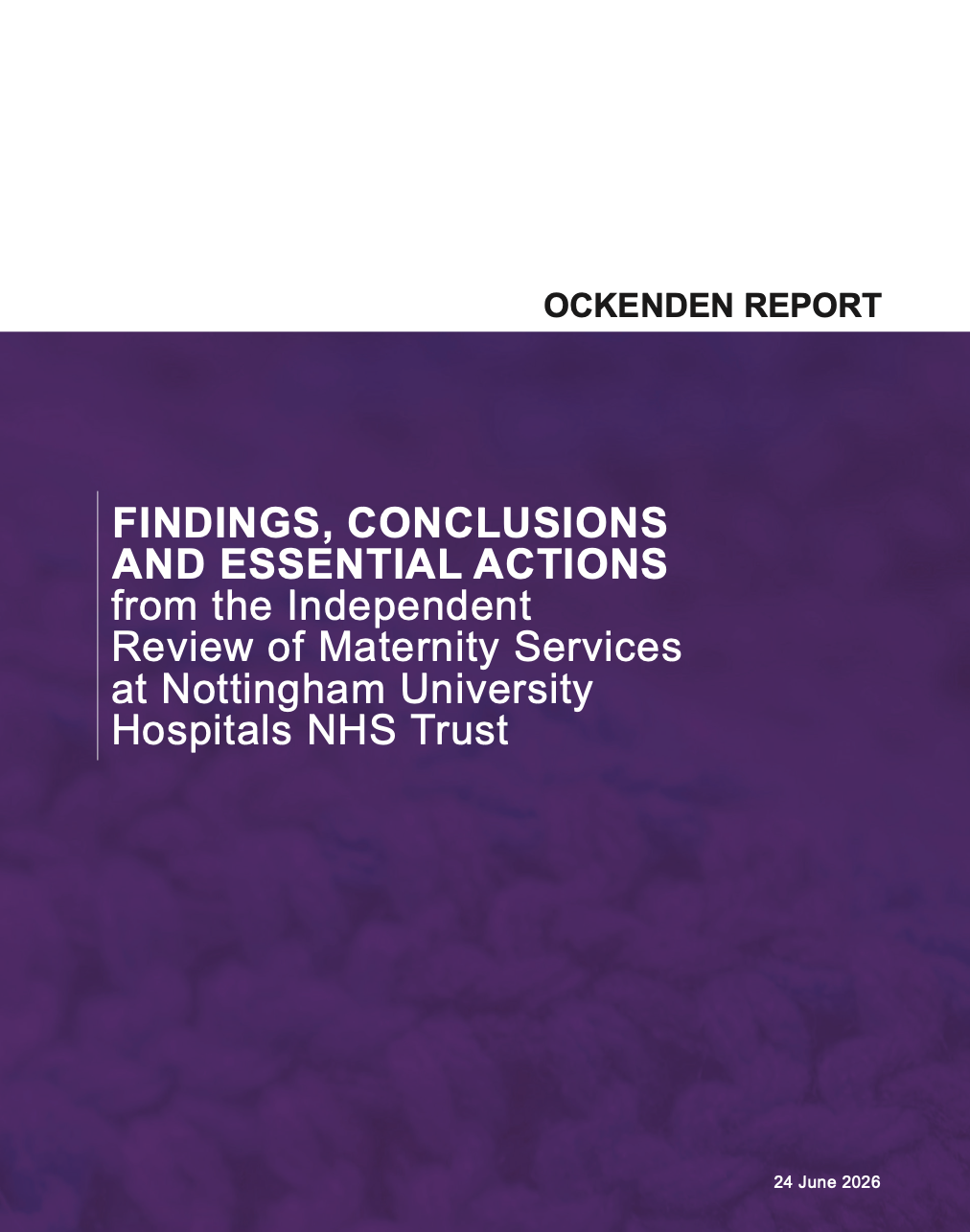
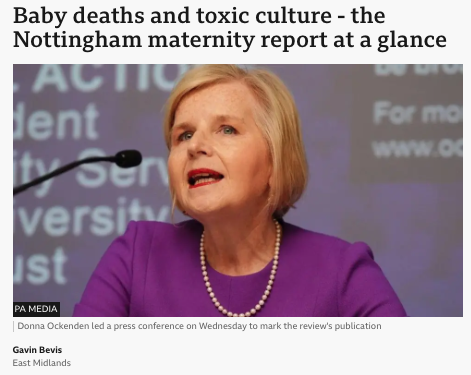
In Donna Ockenden's devastating report into maternity services at Nottingham University Hospitals, we learned over 60 people declined to talk to her. (838 did)
Thus...
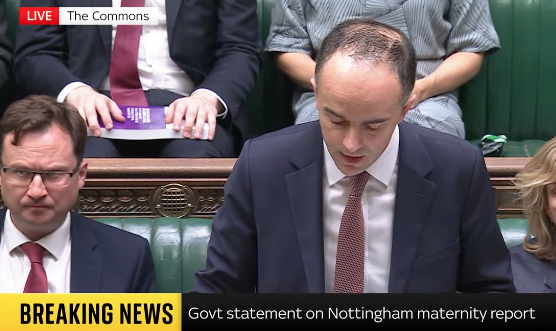
... pull the beatings lever... we now have plans to legislate, so present and former NHS staff can be compelled to give evidence to future inquiries.
I know performative policy when I see it and so do you.
At first glance, who could object? Bereaved families deserve the truth. No witness should simply be able to refuse to cooperate. If there are facts to establish, inquiries should have access to them, but…
…there’s another question, and it should trouble you, because one day, it could be you.
Imagine you're a junior midwife, or a consultant obstetrician, or a ward manager…
... a letter arrives compelling you to give evidence at an inquiry.
Apart from coming out in a cold sweat. What do you do?
Ring your partner who says, get a lawyer. Ring your union… who will tell you to seek legal advice. Talk to colleagues who say ‘they’re looking for scapegoats, you need a solicitor'.
A solicitor prepares a statement...
... every sentence examined. Every adjective disappears. Uncertainty is qualified. Every answer is crafted to avoid misunderstanding, and quite understandably, to minimise personal exposure.
No one should criticise that. It’s exactly what will happen, but…
… ask yourself; have we increased the chances of discovering the truth?
No.
We’ve made the process more legal and more confrontational?
Do you see the irony?
Donna Ockenden's report is not about people refusing to speak. They did speak... no one listened.
- Families raised concerns.
- Midwives raised concerns.
- Staff wrote to the board.
- Reviews were commissioned.
- Warning signs accumulated over years.
The problem wasn't silence. The problem was that the organisation didn't listen.
Those are two very different failures.
Government's answer is to compel people to speak.
Ockenden's diagnosis is that the NHS failed to hear.
Legislation addresses the first. It does nothing about the second.
Over sixty people declined to give evidence to Ockenden. Why?
When people fear blame more than they trust the process, silence becomes a rational response.
The refusal to give evidence may say less about the individuals and more about a system where fear outweighed trust.
In the NHS learning depends upon candour. Staff need to be able to admit mistakes, discuss uncertainty, challenge colleagues and report risks...
... without immediately reaching for legal protection.
It means recognising that accountability and learning are not always the same thing.
The danger is... we drift towards a culture where every serious incident becomes a legal event first and a learning opportunity second.
That would be a profound mistake.
The law can compel attendance, not openness, trust, curiosity.
It cannot create a culture where bad news is welcomed rather than feared.
Ockenden describes concerns that became familiar. Warnings that became routine. Risks that gradually became part of everyday life.
The answer is not simply more powers after the event.
The answer is organisations that are curious enough to act before the event.
If staff believe every serious incident ends with lawyers, compulsory testimony and personal jeopardy, we should not be surprised if they become more guarded long before an inquiry is ever convened.
Candour is built long before the inquiry begins… it grows out of trust, curiosity, leadership and the working environment.
Qualities no Act of Parliament can compel.
Ockenden is asking the NHS to become more curious. The Government's response is to become more coercive.
The Government is strengthening the inquiry...
...Ockenden is asking us to strengthen the organisation, and…
… she is right.
Have the best weekend you can...
|