When Disaster Hits

NPC Newsletter August 14, 2025

Surviving nature's course.

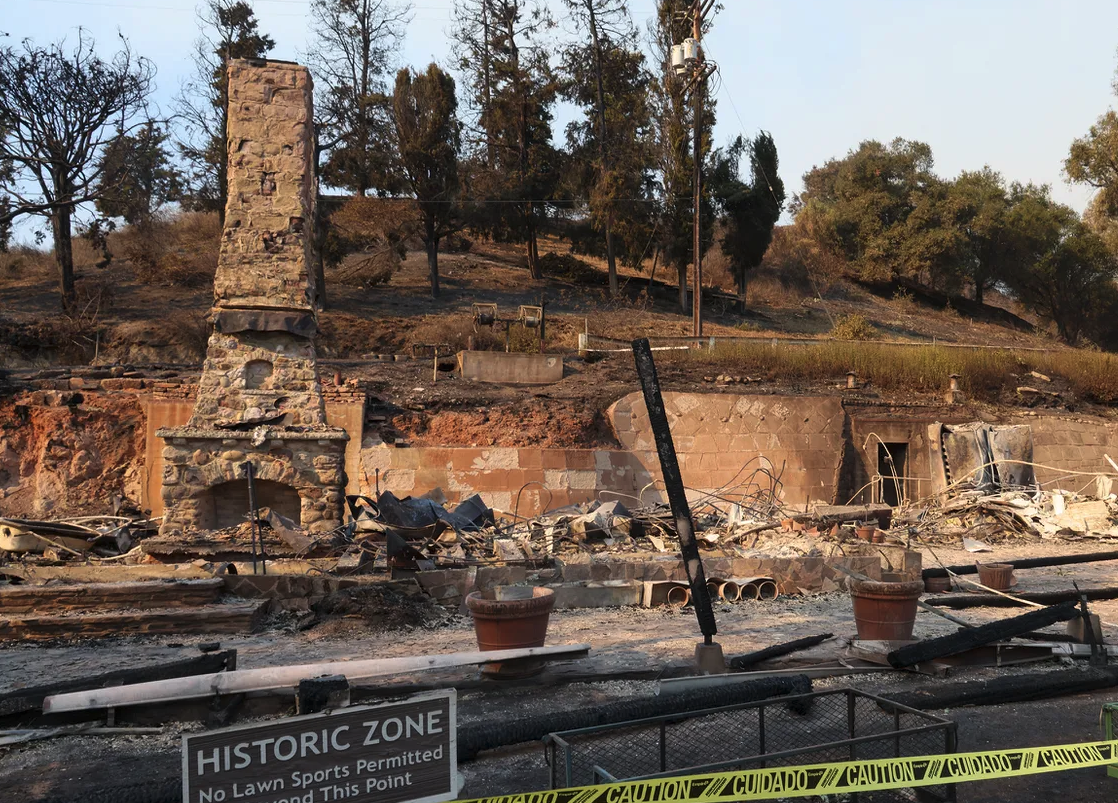
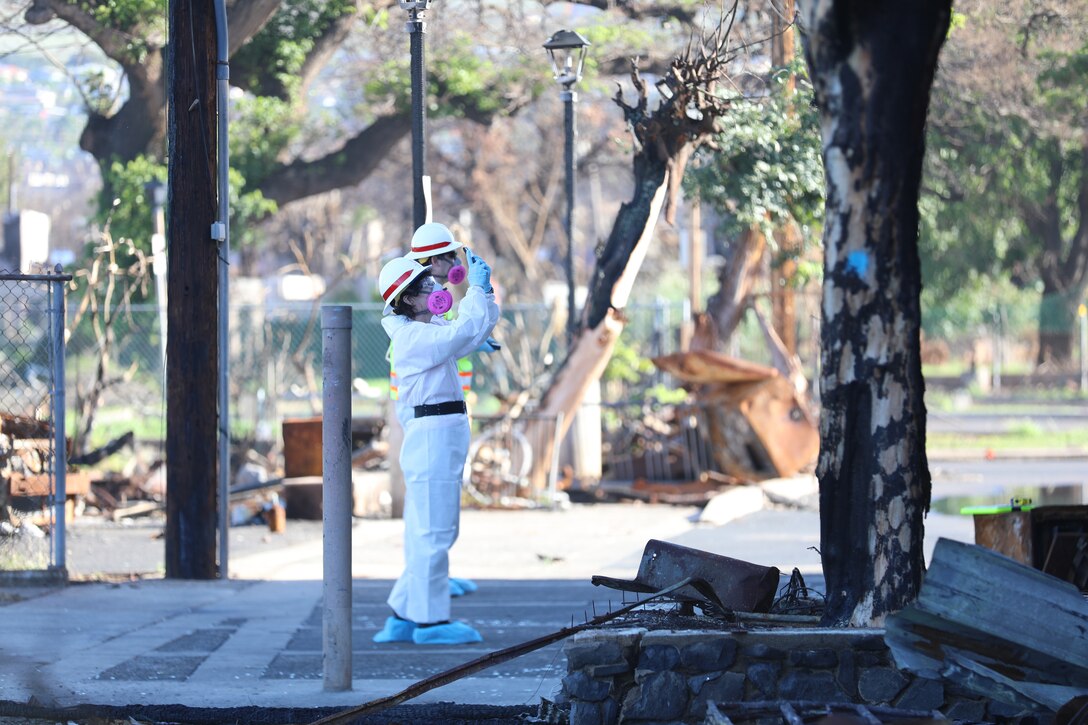
Cities, towns and neighborhoods from coast-to-coast have felt the ravaging effect of natural disasters over the past year with many facing incomprehensible destruction. 


Each time we emerge from disaster civic leaders, preservationists, and community organizations ask: are we rebuilding and if so, how do we do this when the elements of our physical fabric that imparted a sense of place are no longer standing?  Do we even know what we have lost?

Should we be shifting our playbook on disaster response?


  • While there are many resources on disaster planning* and organizations generally have written plans, living through a natural disaster takes courage beyond any pre-established protocol or expert guidance. Fostering long-term support structures is critical for the health of the individuals and institutions impacted by disasters.


  • Coming to terms with the continued impacted that disasters can have days, months and even years after the original incident may require a different approach to how we structure response resources and policies.


  • As federal funding is being shifted under new government priorities, state and local governments and local institutions may find that they need to organize new processes and develop further expertise in order to restore their communities and support businesses and residents in the aftermath of a disaster.


  • Looking outside our community for affinity groups and cultural resource agencies who might be able to step in to assist in our response plan if we are not able to is a tactic that agencies should begin to think about.


  • Mapping our historic and community assets so that we can work with responders during and after a disaster to protect these invaluable elements that give character to our neighborhoods has become a new focus for community leaders. Learn more here about cultural asset mapping.


*This link takes you to our newly published resource page which we will continue to update and expand. Let us know if you have questions on additional topics that will help your institution or neighborhood in its disaster planning and response. Email us at info@nycnpc.org.


How are we planning for disasters? When faced with decision making in response to hurricane-force winds, sudden walls of raging waters or collapsing buildings and utility lines, feeling paralyzed by uncertainly is not without reason. 


On the flip side, hero mode may also kick in where we react instinctively to a general responsibility to preserve life and limb. 


And so, it is critical to always start at the beginning, to adopt a proactive model of planning and preparing.


o   Have we made personal preparations at home?

o   Have we incorporated thinking about personal safety when making plans for the places where we work?

o   Do we have regular planning meetings to review and revise safety plans?


Main Street America’s Disaster and Resilience Toolkit is a terrific guideline for any community.


Preparation through adaptation and resilience models, and ensuring that we have mapped our communities and documented the rich history behind the buildings, streets, plazas and open spaces that create a sense of community identity today, will better help us navigate and recover after a disaster.


Other Resource Links:


o    National Heritage Responders, a program of the American Institute for Conservation, created a hotline of trained emergency responders to help navigate the needs of cultural institutions after a disaster. They also have tip sheets and videos on recovery from Fire and Water damage.


o   Integrating Historic Property and Cultural Resource Considerations into Hazard Mitigation Planning, this publication from FEMA that highlights inclusion of historic resources in disaster plans as they often provide economic value to local communities.


o   The Smithsonian Cultural Rescue Initiative and the Heritage Emergency Task Force (HENTF) share materials to help those in the U.S. and abroad be fully prepared in all aspects of disaster risk management and emergency response.


Have a question or idea about your neighborhood preservation project?


Share your thoughts, suggestions, or resources by emailing us at:

info@nycnpc.org


NPC Newsletter Contributors


L. Danielle Cylich: NPC Board Chair, Danielle is always ready to share enthusiasm about the rich history and beauty found in the built environment and the people who inhabit our neighborhoods, and in protecting our natural resources.


The Neighborhood Preservation Center is a not-for-profit organization dedicated to advancing and enabling conversations about the need for community space - both physical and virtual - in order to improve the urban environment and quality of life.


We work to facilitate mutually beneficial connections between like-minded groups in the livable cities sector, share resources and champion neighborhoods.

Twitter  Instagram  YouTube  Email  LinkedIn

Neighborhood Preservation Center | c/o 8 East 8th Street, #1C | New York, NY 10003 US

Constant Contact