Sign Hill Stewards
Winter Newsletter
|
|
Dear Sign Hill Stewards,
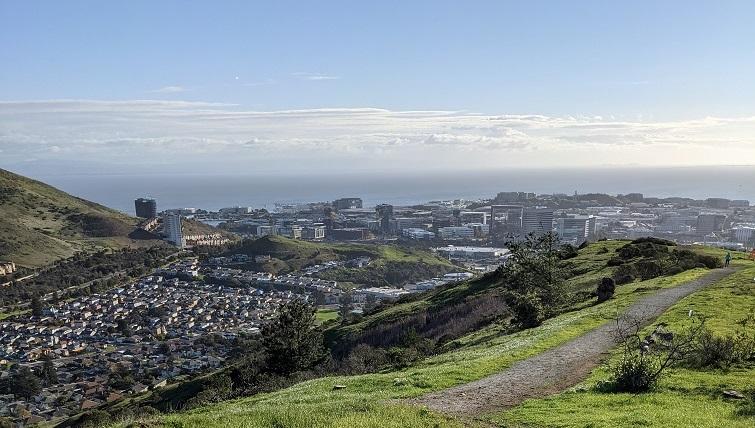
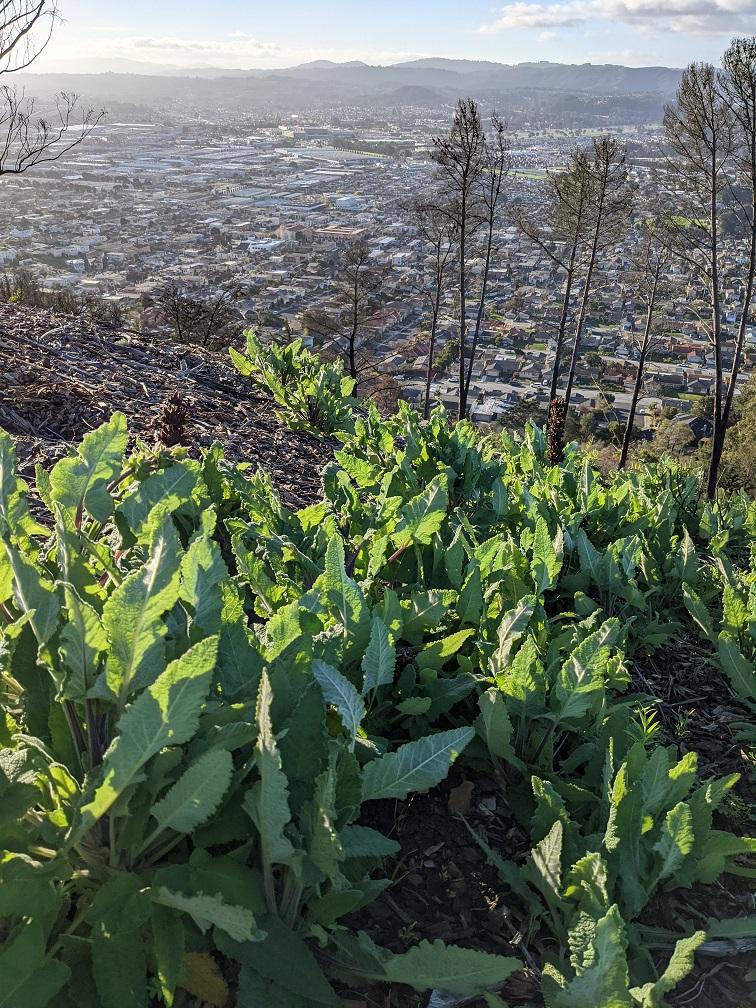
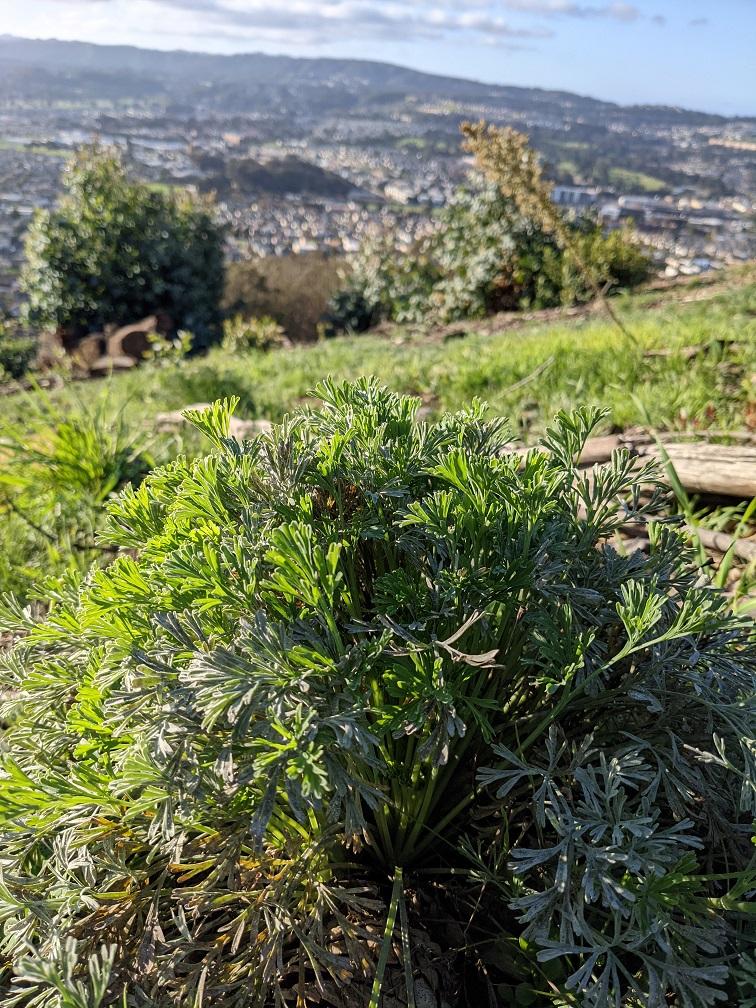
Rain has finally returned to Sign Hill! With the recent wet weather, the plants on Sign Hill have awakened from their summer dormancy, and native wildflowers and ferns have begun to emerge. The rain has also brought invasive weeds back to Sign Hill, and Parks Staff has been busy removing Italian thistle from sensitive grassland areas.
|
|
As you may have noticed, the hill is looking very different since the 2020 Diamond Fire burned approximately 15 acres last October. Burned vegetation has begun to recover, and crews have been busy removing hundreds of dead and hazardous trees, as well as working to create defensible space and reduce fire danger around nearby homes.
In this newsletter, we share updates on vegetation recovery following last year’s Diamond Fire, as well as some of the work that Parks Staff and volunteers have been doing on Sign Hill. We will also tell you how you can get involved if you are interested in volunteering on Sign Hill!
|
|
Post-Fire Recovery
How Sign Hill is recovering from the 2020 Diamond Fire
|
|
The 2020 Diamond Fire burned approximately 15 acres on Sign Hill last October, killing hundreds of trees and drastically altering the landscape. While the effects of fire and tree removal can appear destructive, it has created opportunities for native wildflowers to grow in areas where they haven’t been able to for decades. Many of the native plants here have evolved special relationships with fire over thousands of years, and fire can have a regenerative effect on the landscape. Here, we have highlighted a few of the wildflowers that are emerging post-fire. Look out for these wonderful native wildflowers next time you visit Sign Hill!
|
|
|
|
Hummingbird Sage (Salvia spatheca)
As the name suggests, the red flowers of this plant attract hummingbirds, as well as other pollinators. Hummingbirds have long beaks perfectly adapted to drinking nectar from these tubular flowers.
|
|
|
|
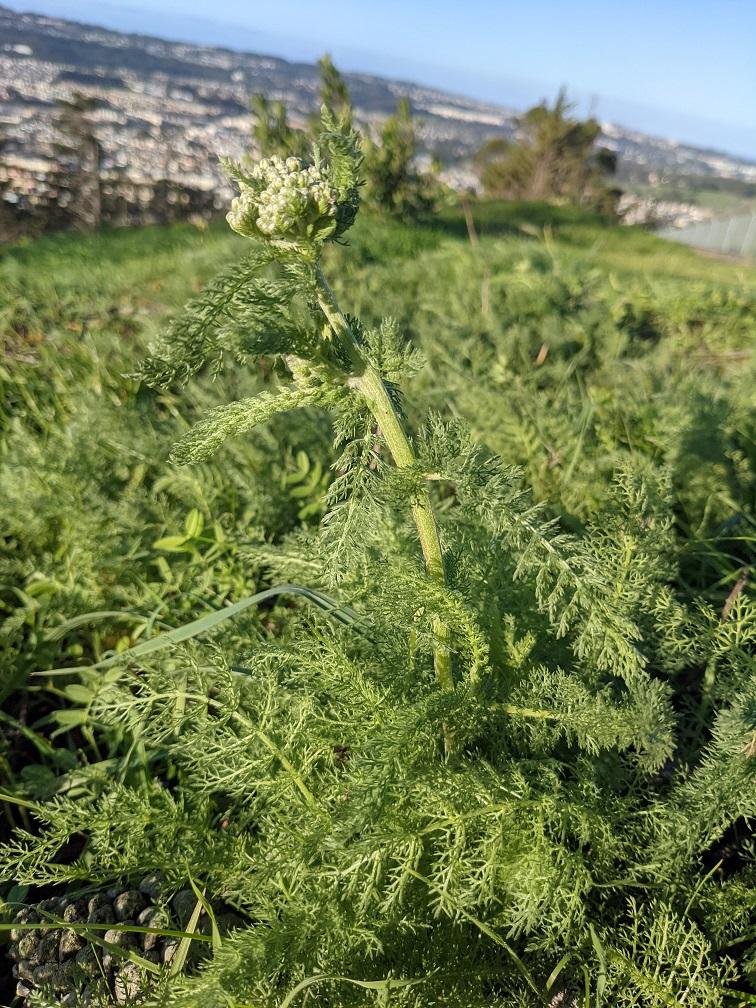
Yarrow (Achillea millefolium)
Yarrow is a native wildflower in the Daisy family that attracts a diverse array of insect pollinators. It is recognizable by its feathery leaves and small white flowers.
|
|
|
|
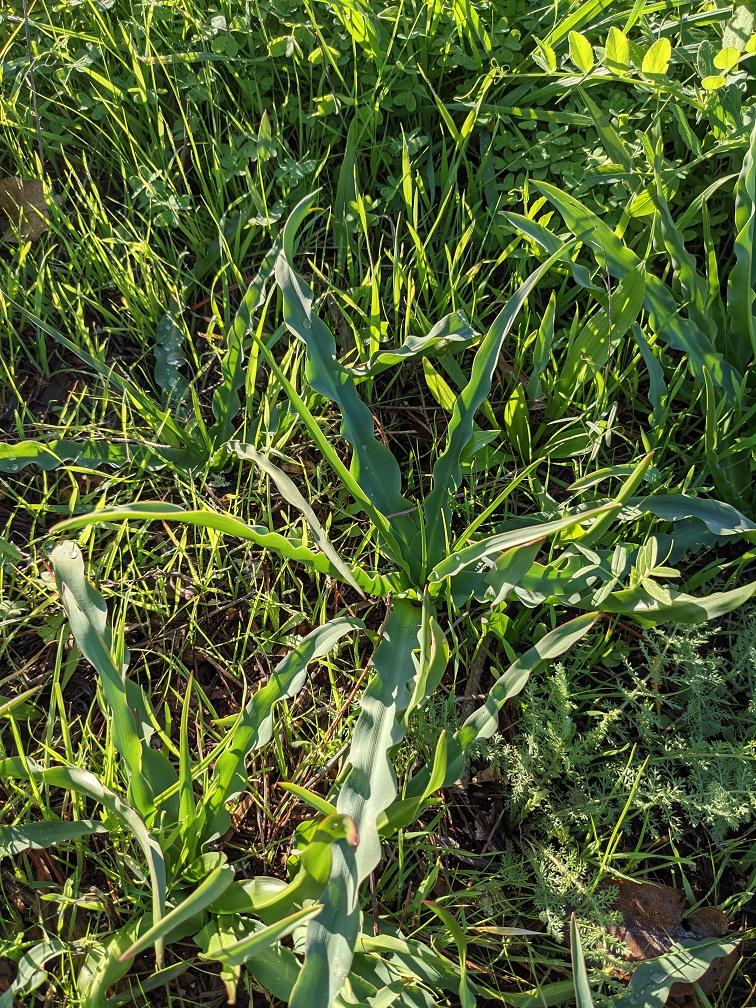
California Soap Root (Chlorogalum pomeridianum)
Also known as wavy-leaf soap plant, this plant had many uses to Native Americans, including using juices from the bulb as a soap. It has white flowers that open late in the afternoon and close each morning.
|
|
|
|
California poppy (Eschscholzia californica)
Our State flower, the California Poppy, is common across Sign Hill. In the spring months, the poppies bloom and large meadows of orange flowers cover the hill.
|
|
Iris Trail Rehabilitation |
|
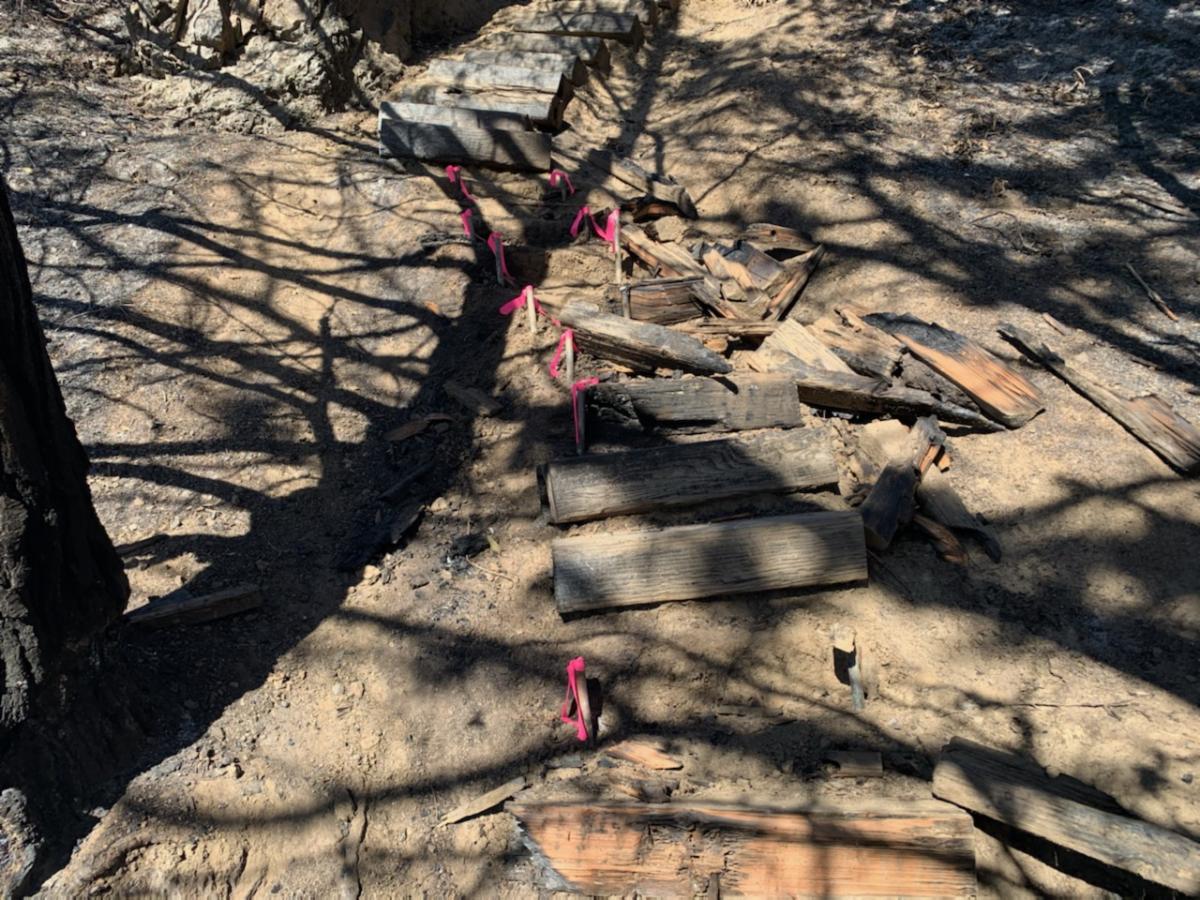
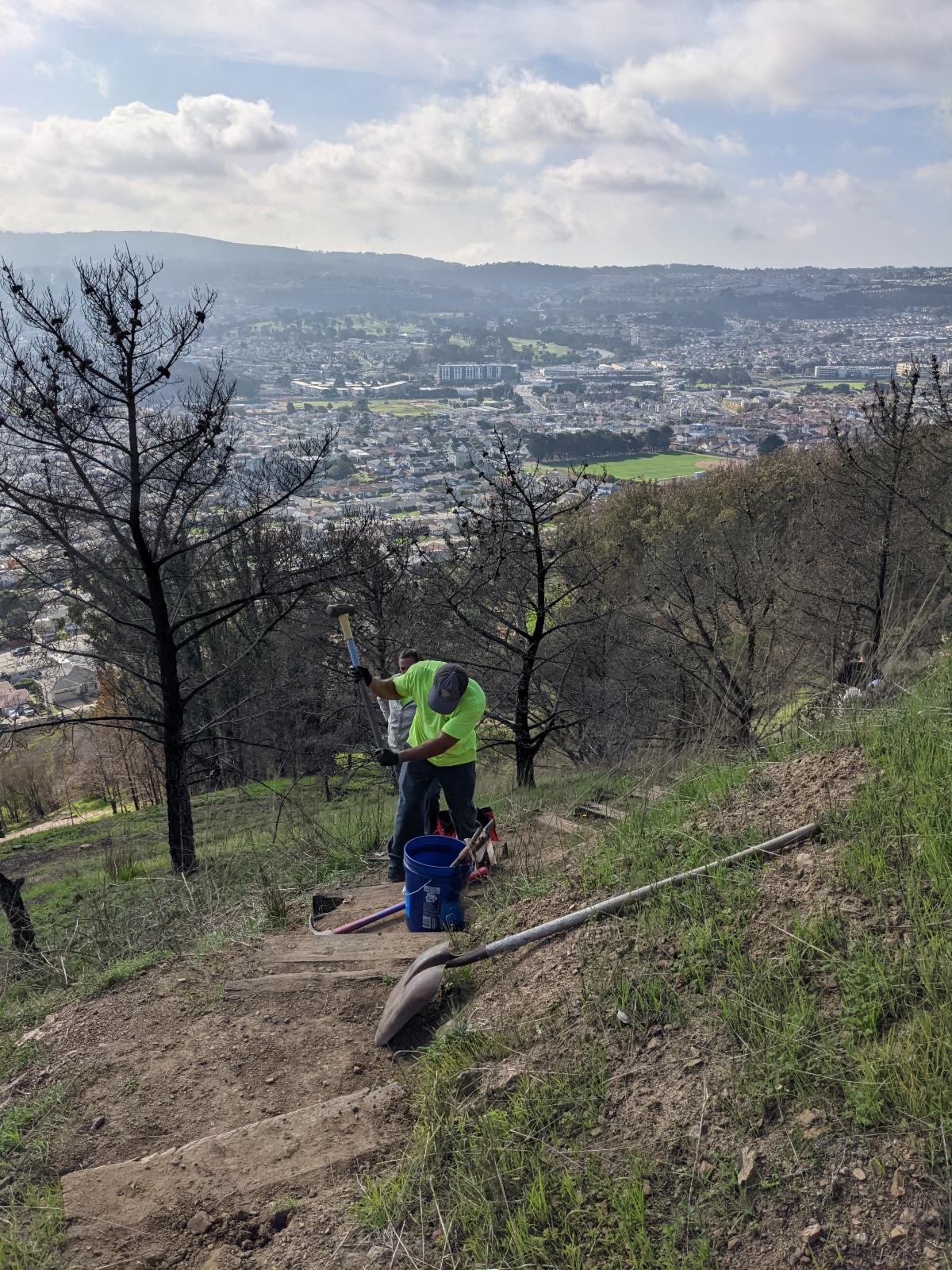
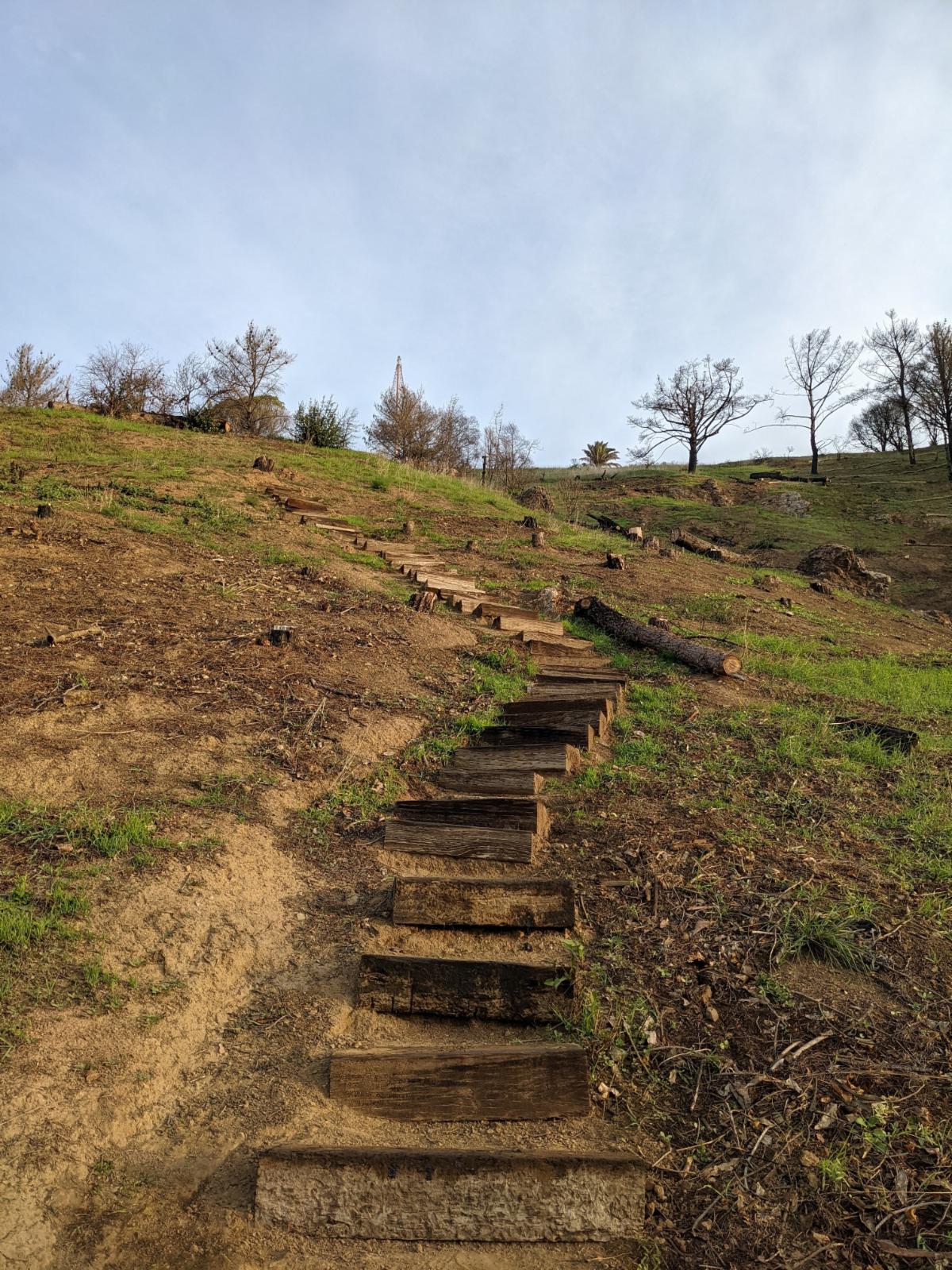
Since last year’s fire, the Iris Trail has been closed to the public for tree removal and trail improvement. Recently, Parks Staff has been working to replace fire-damaged stairs on the Iris Trail. Over 30 wooden stairs were carried down the Iris Trail by hand and installed into the hillside. The Iris Trail is now open to the public! Thanks to Parks Staff for their hard work improving the Iris Trail and increasing public access and safety.
|
|
Fire-damaged stairs along the Iris Trail prior to repairs |
Parks Staff working to install replacement stairs |
|
A newly repaired section of stairs |
|
Volunteer with Sign Hill Stewards |
|
Restore habitat with the SSF Parks & Recreation Department on Sign Hill |
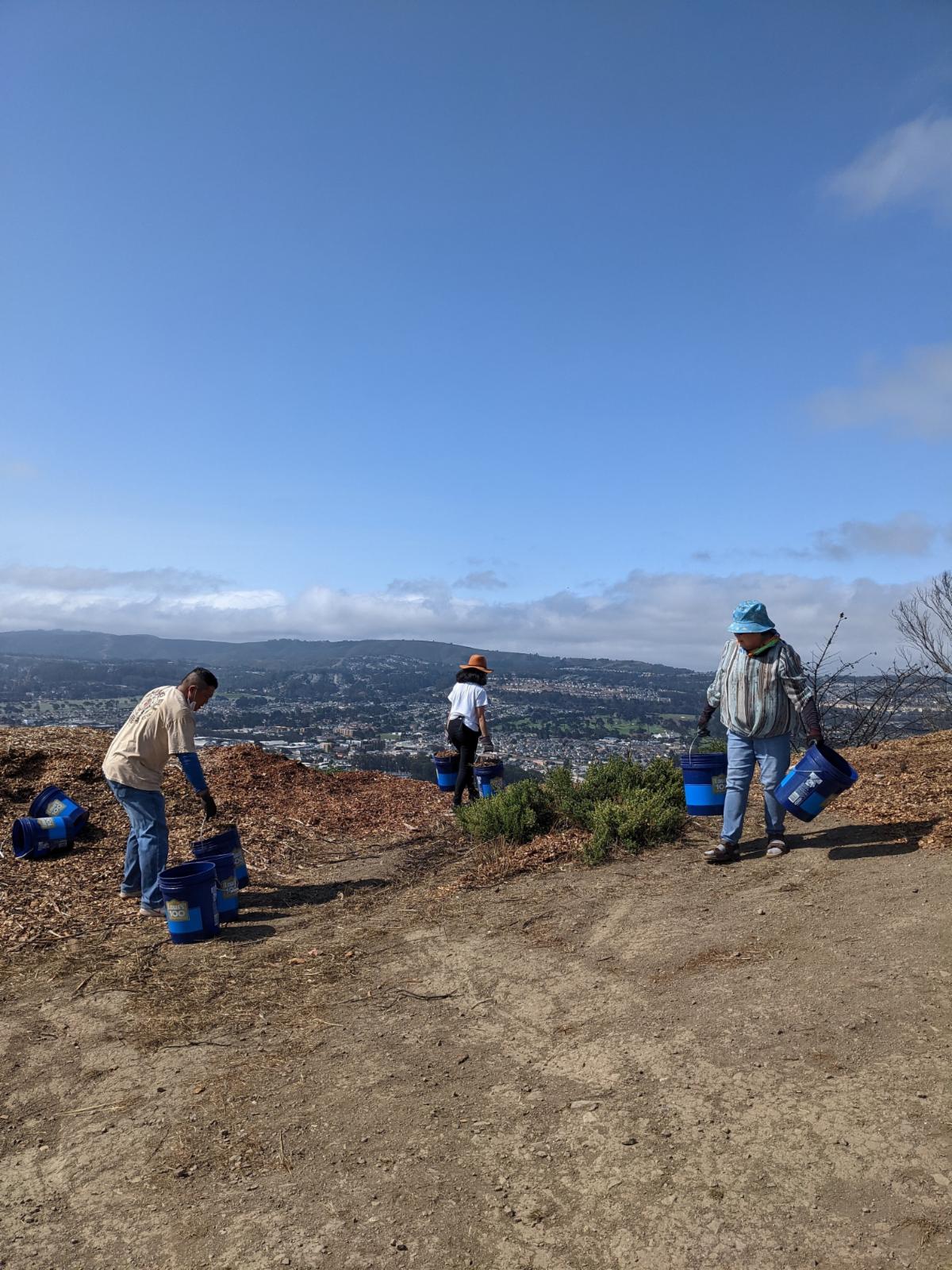
There are many species of fantastic native plants and wildflowers growing on Sign Hill. Several are rare or threatened, and others support populations of endangered Mission Blue butterflies. However, these native plants are threatened by invasive weeds. Natural Resources Staff and volunteers have been working hard to remove invasive species and restore Sign Hill's native grassland. If you would like to get involved with habitat restoration on Sign Hill, please contact us at parks.volunteers@ssf.net. There are opportunities to volunteer by appointment individually or in small groups.
|
|
Sign Hill's Fantastic Fungi
The plants aren't the only ones enjoying the rain on Sign Hill!
|
|
Did you know?
Mushrooms are actually the "fruiting body" of a larger organism, which usually lives underground or in decaying wood and leaves. Similar to how plants produce flowers to reproduce, fungi produce mushrooms to spread their spores. The part of the fungus living underground that we don't usually see is called the mycelium.
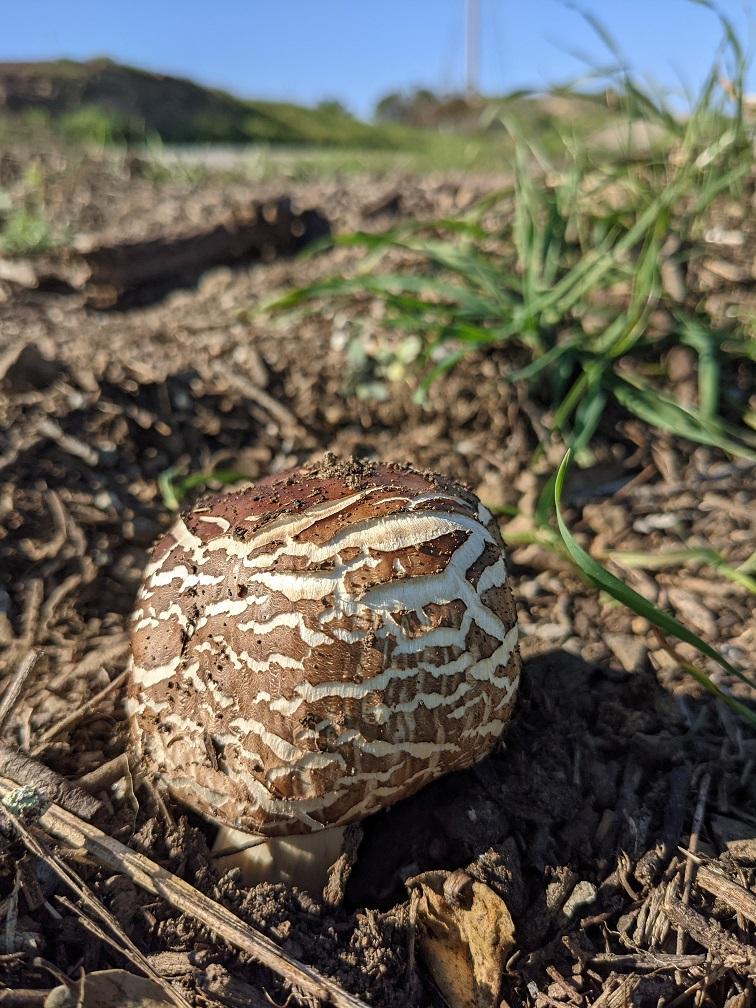
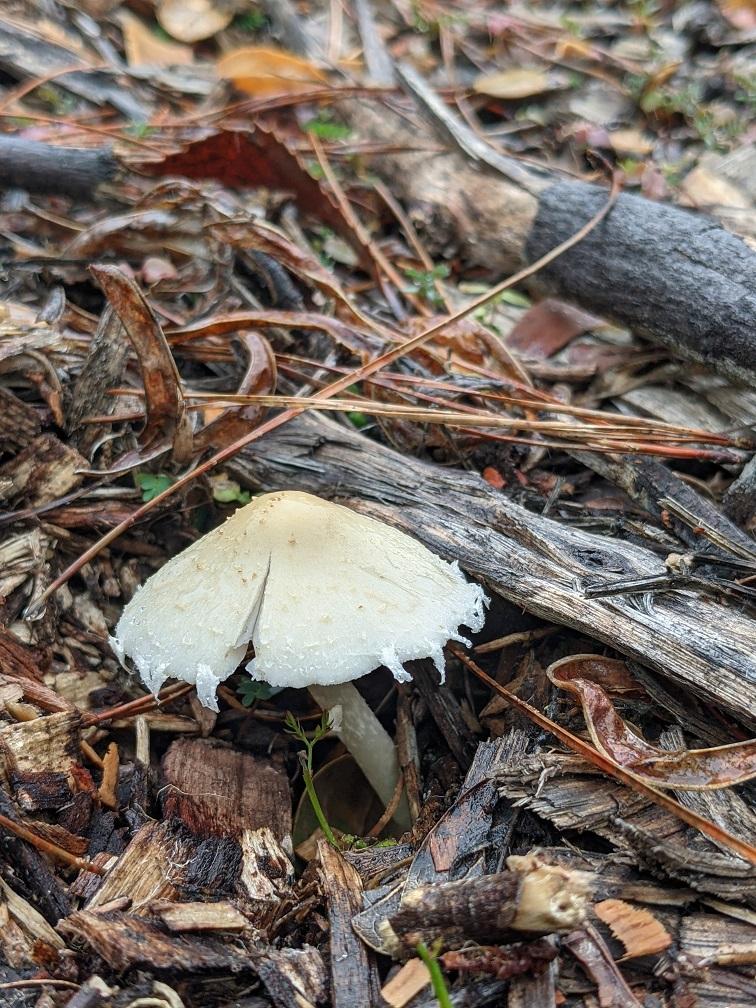
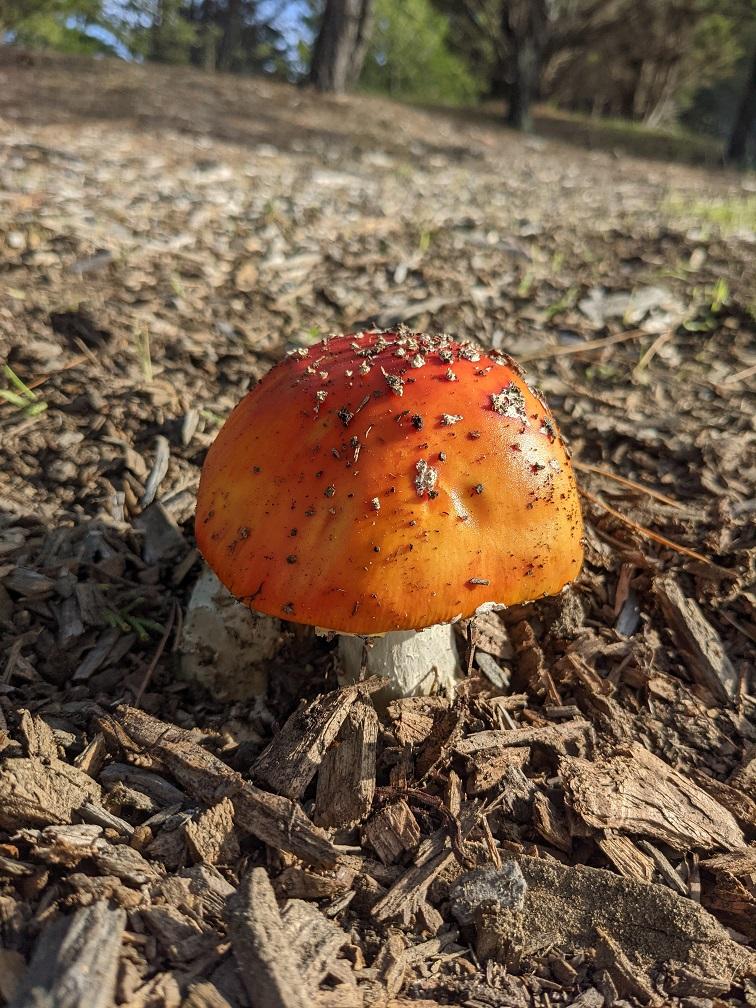
Sign Hill is home to many different species of fungi. Fungi are typically most active in wet conditions, and the rainy season is when fungi typically produce mushrooms. Here are some of the mushrooms to look out for next time you visit Sign Hill. Remember, mushrooms are an important part of the natural environment, and can also be extremely poisonous to humans. If you visit Sign Hill, please leave mushrooms undisturbed for all to enjoy.
|
|
Shaggy Parasol (Chlorophyllum rhacodes)
|
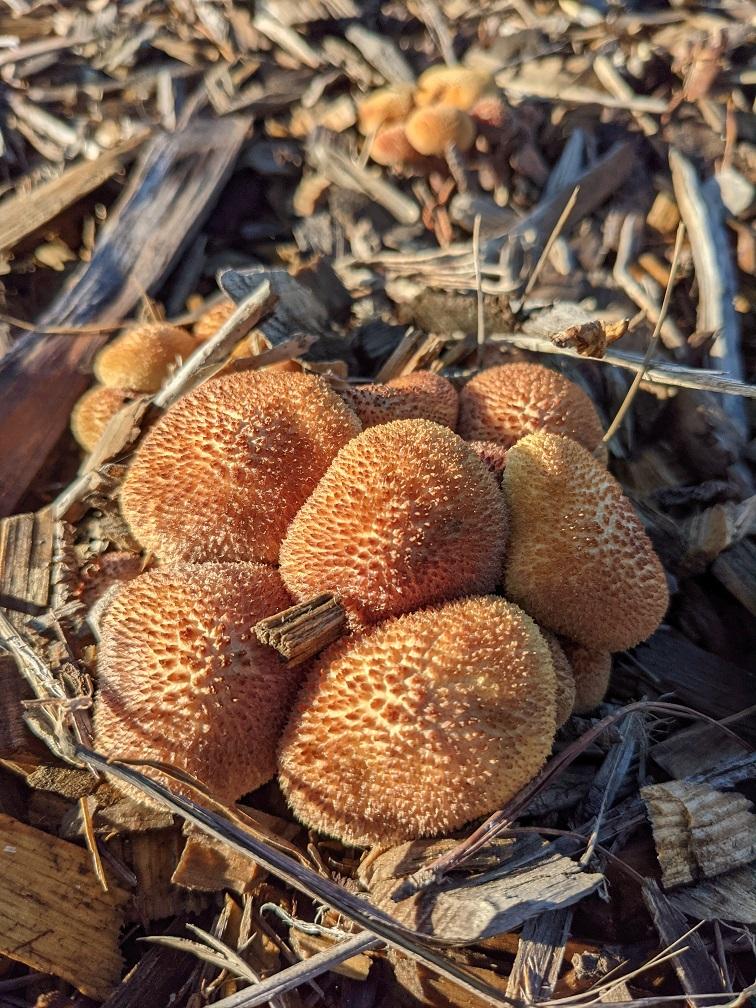
Mulch Maids (Leratiomyces percevalii)
|
|
Fly Agaric (Amanita muscaria)
|
Yellow-gilled Gymnopilus (Gymnopilus luteofolius)
|
|
Wildlife Sightings on Sign Hill! |
|
|
|
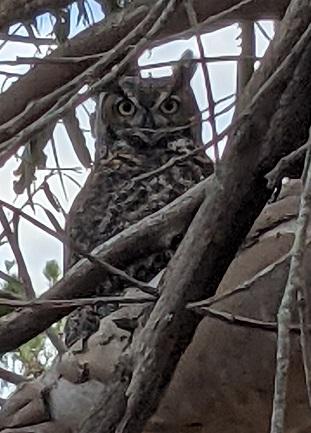
Great Horned Owl (Bubo virginianus)
|
The great-horned owl is an impressive hunter. Like other owls, it is nocturnal, and feeds mainly on rabbits, rats, mice, and other rodents. These owls have been known to nest on Sign Hill, and can be heard hooting late at night. |
|
|
|
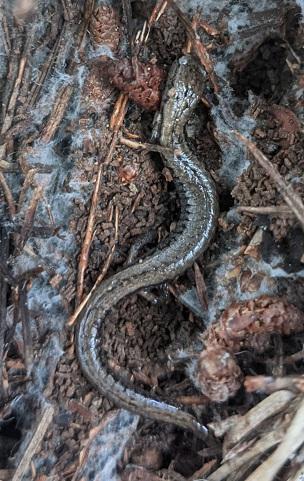
California Slender Salamander (Batrachoseps attenuatus)
|
These salamanders can be recognized by their long slender bodies and small, short limbs. They belong to a family known as the "lungless salamanders", that breathe through their skin. They are most active during wet weather, and can be found under logs, rocks, and leaf litter.
|
|
|
|
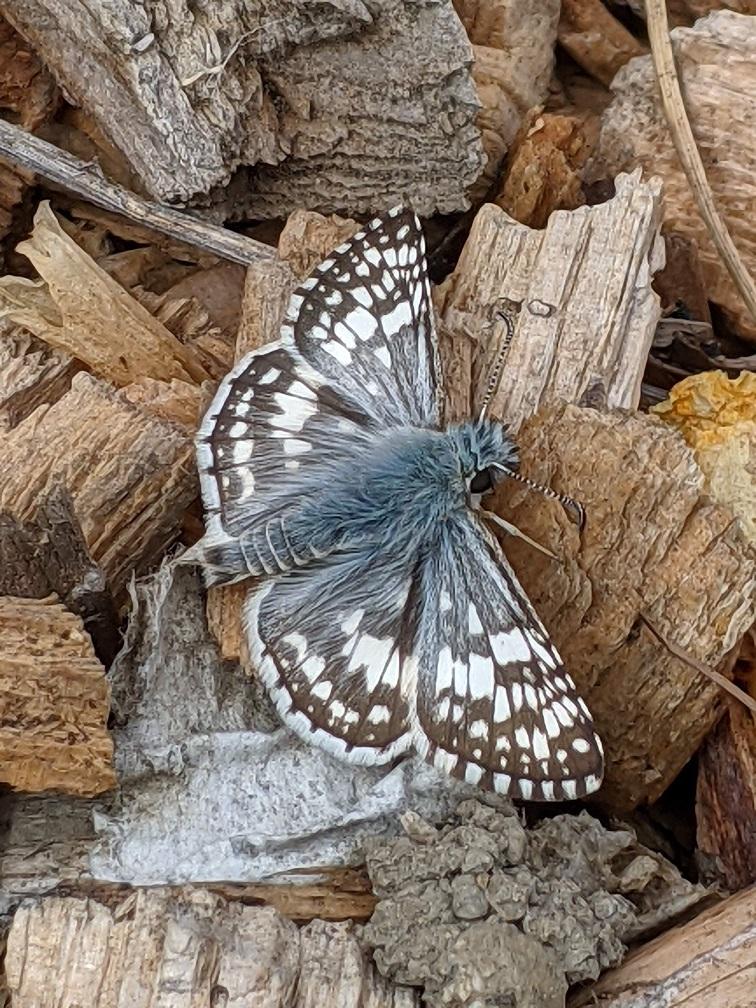
Common Checkered-Skipper (Burnsius communis)
|
The common checkered-skipper, which gets its name from the checkerboard pattern on its wings, is a common butterfly that can be found in parks, gardens, and fields. It is recognizable by its distinct blue-grey color, and can be found all over Sign Hill. |
|
|
|
|
|
|