Sign Hill Stewards
July Newsletter
Dear Sign Hill Stewards,

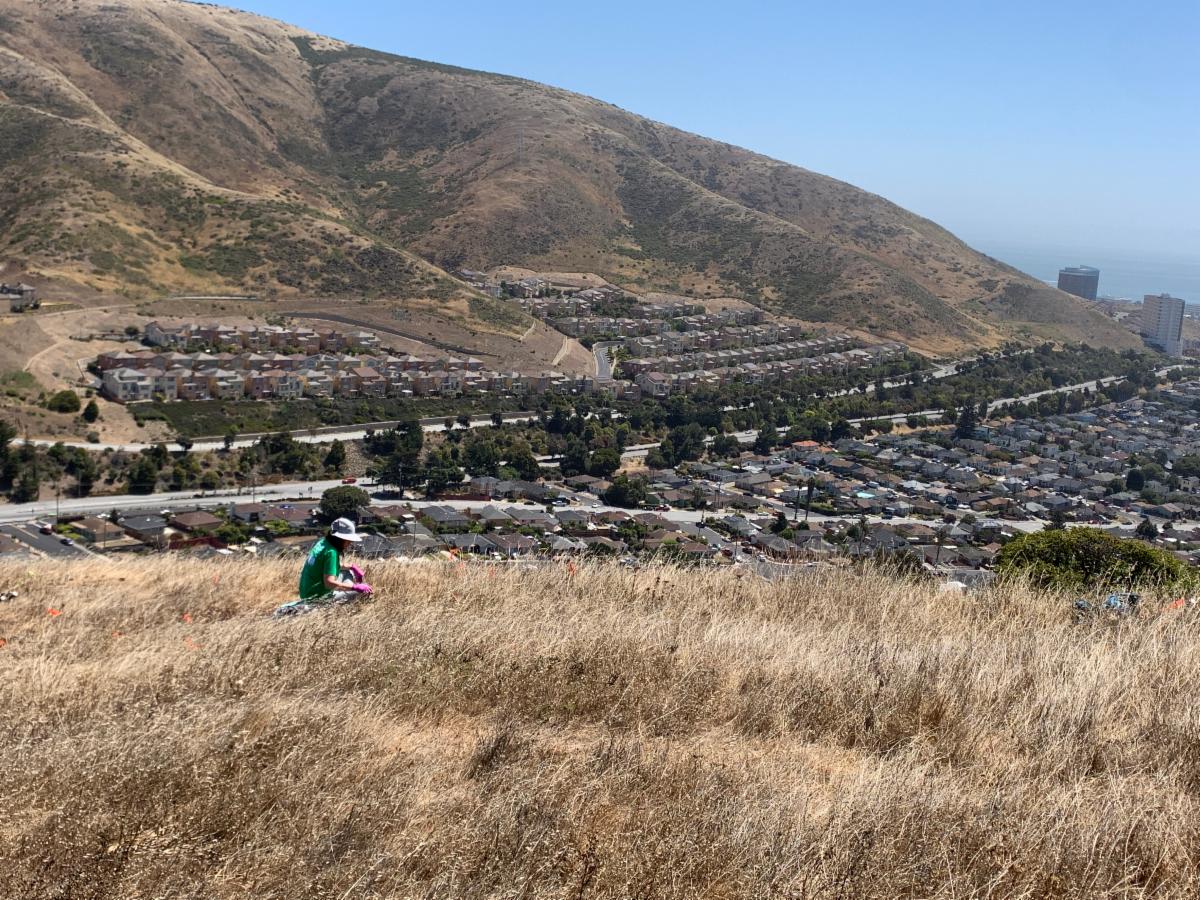
Happy Park and Recreation Month! With summer in full swing, Sign Hill is the perfect destination for a short hike with an amazing view. Late-blooming gum plants, dudleyas, and fragrant everlastings are scattered along the trails, providing much needed food for pollinators! Listen closely, and you may even hear the calls of hawks that rely on Sign Hill for habitat.

In this newsletter, we share information on socially distant volunteering, community science opportunities, tick safety, and recent wildlife sightings! Are you interested in volunteering on Sign Hill? Do you have any Sign Hill wildlife photos that you would like to share? Email emma.lewis@ssf.net.

Hope you are safe and healthy,

Emma Lewis
Natural Resources Specialist
Leading the Sign Hill Habitat Restoration Project
Socially Distant Volunteering
Sign Hill Stewards Return
The City of South San Francisco Parks Division and Sign Hill Stewards continue to keep the safety of our residents and volunteers as our first priority, while recognizing and balancing the need to enjoy and interact with outdoor settings. Staff are following all County, State, and CDC guidance in regards to social distancing, sanitation, and mask requirements. All volunteers are expected to also abide by these rules to keep all participants safe and comfortable while on the hill.
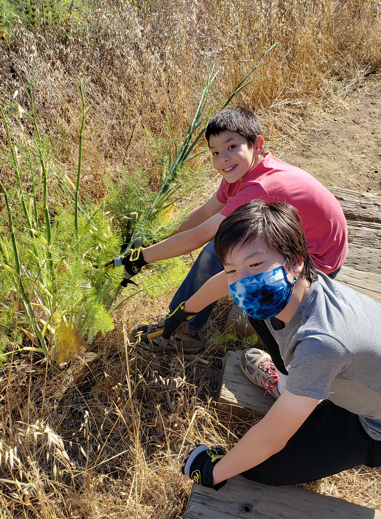
Beginning in July, several volunteers returned to Sign Hill to help staff tackle troublesome invasive plant species!

Volunteers brought their own tools and PPE, volunteering as individuals or within their family group. Some volunteers incorporated habitat restoration into their daily hikes, removing invasive fennel along Sign Hill's trails. Others met project staff with masks to restore habitat off trail, social distancing throughout the workday.

Are you interested in volunteering on Sign Hill? Email emma.lewis@ssf.net to find a volunteer activity that matches your interest and needs.
Become a Community Scientist!
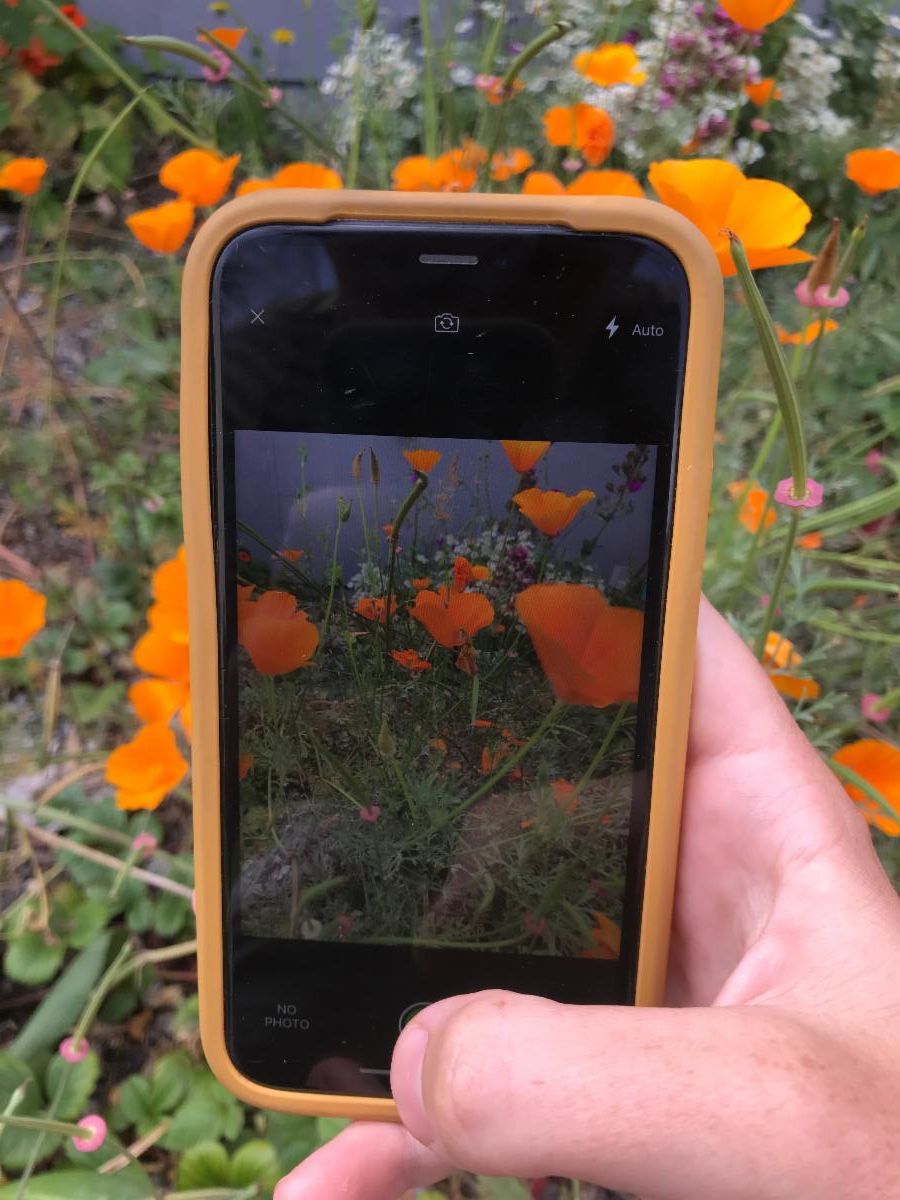
The SSF Parks and Recreation Department wants to learn more about the Sign Hill ecosystem. We need help from community scientists like you to make 1,000 iNaturalist observations on Sign Hill!
iNaturalist  is a great tool for identifying wildlife! Take photos of wildlife on your hikes and upload them to iNaturalist via the iNaturalist app or website.

Sign Hill currently has 260 iNaturalist observations. We are ~ 1/4 of the way to our goal of 1,000 observations! This is the perfect socially distant activity for you and your family. You can help Sign Hill while also learning about the wildlife in your backyard! We will even feature your iNaturalist photos in our next newsletter.

Tag  ms-signhill  in your posts for Sign Hill identification help.  Please remember to stay on trails when making an iNaturalist observation.
Tick Talk
Ticks on Sign Hill are most active in the spring and summer seasons.
Ticks are small, spider-like arthropods that can carry a variety of diseases. It is important to know how to protect yourself from ticks when hiking!

There are over 21 species of ticks in San Mateo county, however, the three most common tick species are the Western Black-Legged Tick, the Pacific Coast Tick, and the American Dog Tick. On Sign Hill, we most commonly find the American Dog Tick (a vector for Tularemia and Rocky Mountain Spotted Fever).

On Sign Hill, ticks are found in tall grass and brush. You can prevent ticks by staying on trails, wearing long sleeves and pants, and using CDC recommended repellents containing 20-30% DEET. Always conduct a tick check on yourself, your family, and your pets after hiking on Sign Hill! Visit the links on the right to learn more about ticks from the San Mateo County Mosquito and Vector Control District.
Nature Sightings
Reptiles, wildflowers, and more!
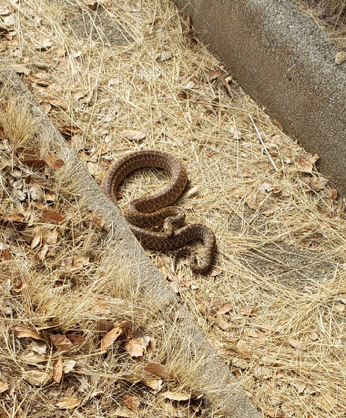
Gop he r Snake ( Pituophis catenifer)
These snakes may hiss and shake their tail if threatened. Not to worry! Gopher snakes are nonvenmous and not harmful to humans.

Photo by Jiho Kim
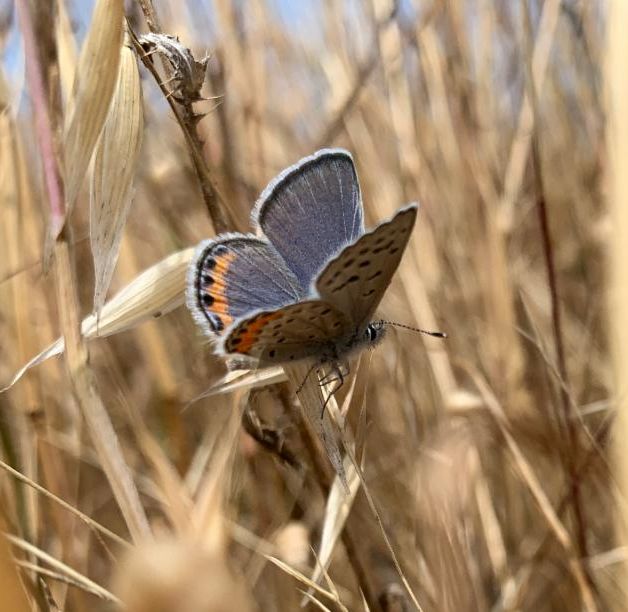
Acmon Bl ue ( Icaricia acmon )
Keep an eye out for these tiny blue butterflies! They are common to open fields and even road sides, wherever their host plants (buckwheat & lotus) are found!
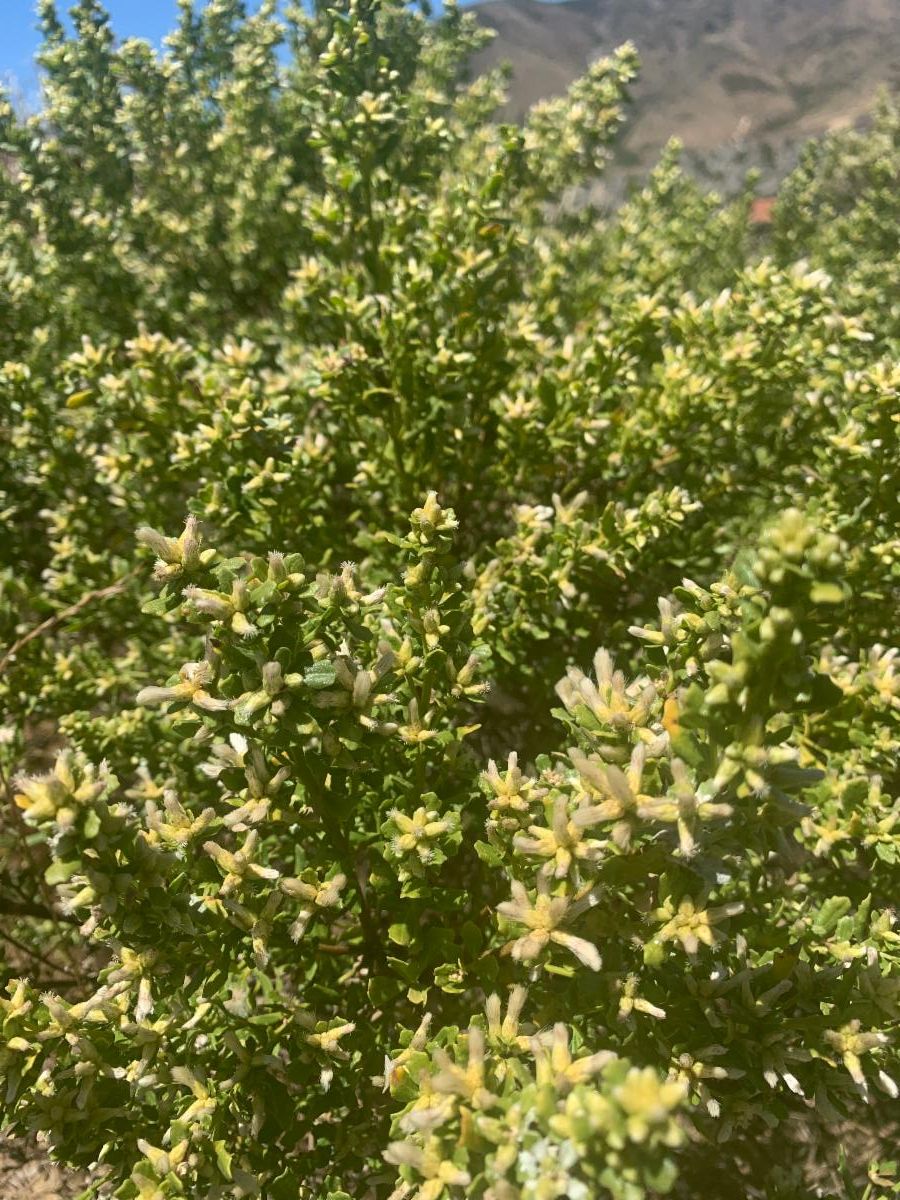
C oyote Brush ( Baccharis pilularis )
This shrub is one of the most common native plants on Sign Hill! Coyote brush is diecious , meaning that the shrub will have only female or male flowers.

This shrub is a female coyote brush. You can tell by the paintbrush-like flowers that will eventually become seeds, carried by wind.
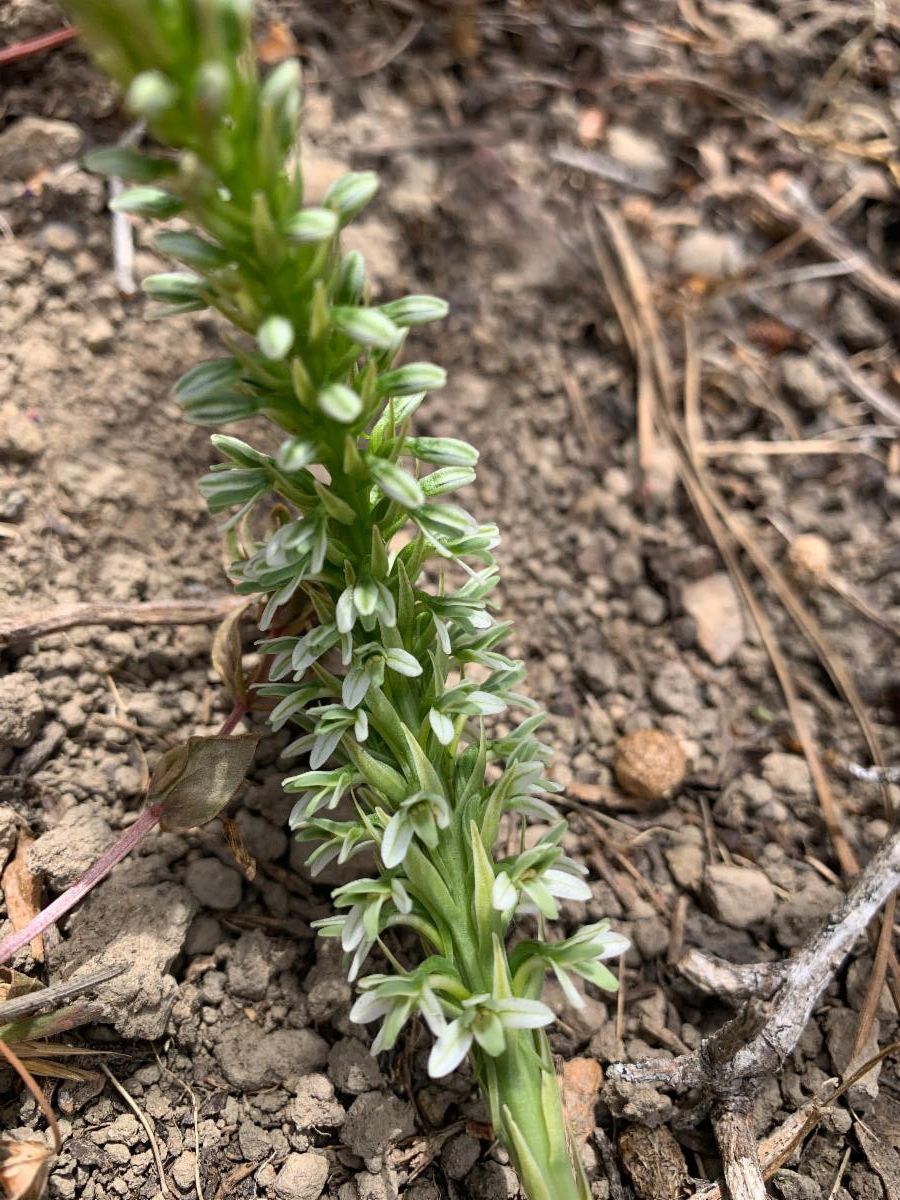
Elegant Piperia O rchid ( Piperia elegans )
Did you know we have native orchids on Sign Hill? The orchid family is extremely diverse, due to its specialized symbiotic relationships with pollinators and fungi.
‌