Sign Hill Stewards
June Newsletter
Dear Sign Hill Stewards,

Although summer is around the corner, there is still plenty to see on Sign Hill! Late rains have turned Sign Hill into a pollinator paradise, with bees and butterflies visiting native wildflowers such as bright pink clarkias and deep purple Ithuriel's spears. At the Sign Hill summit, you can hear the songs of cicadas which have just emerged from their underground slumbers.

Our project has also undergone changes. Sign Hill Habitat Restoration staff have resumed fieldwork with the new shelter-in-place orders. We are giving the hill a much needed haircut, mowing invasive species like wild oat and Italian thistle threatening native grassland. While our formal volunteer events are canceled, we will begin allowing individuals and family groups to volunteer on Sign Hill following proper social distancing protocols. If you are interested in volunteering on Sign Hill, please email emma.lewis@ssf.net.

In this newsletter, we share exciting initial results from our project, inspiring stories of stewardship, plant identification resources, and wildlife sightings. We also give you some ideas on how to help Sign Hill during shelter-in-place!

As we turn towards nature for exercise and enjoyment, local open spaces like Sign Hill have proven themselves to be invaluable parts of our communities. Sign Hill has received more visitors than ever! I am hopeful that this will inspire a new generation of environmental stewards to take action.

Hope you are safe and healthy,

Emma Lewis
Natural Resources Specialist
Leading the Sign Hill Habitat Restoration Project
Restoration Successes
Habitat Islands
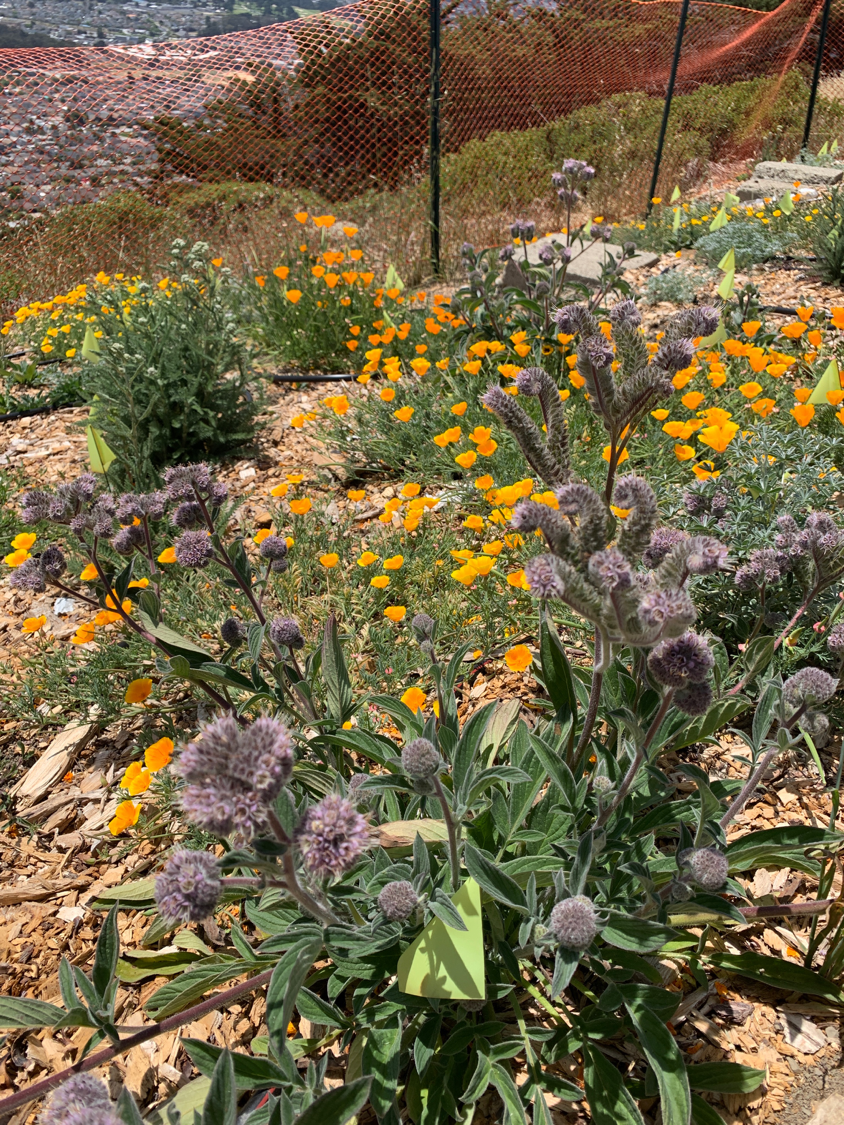
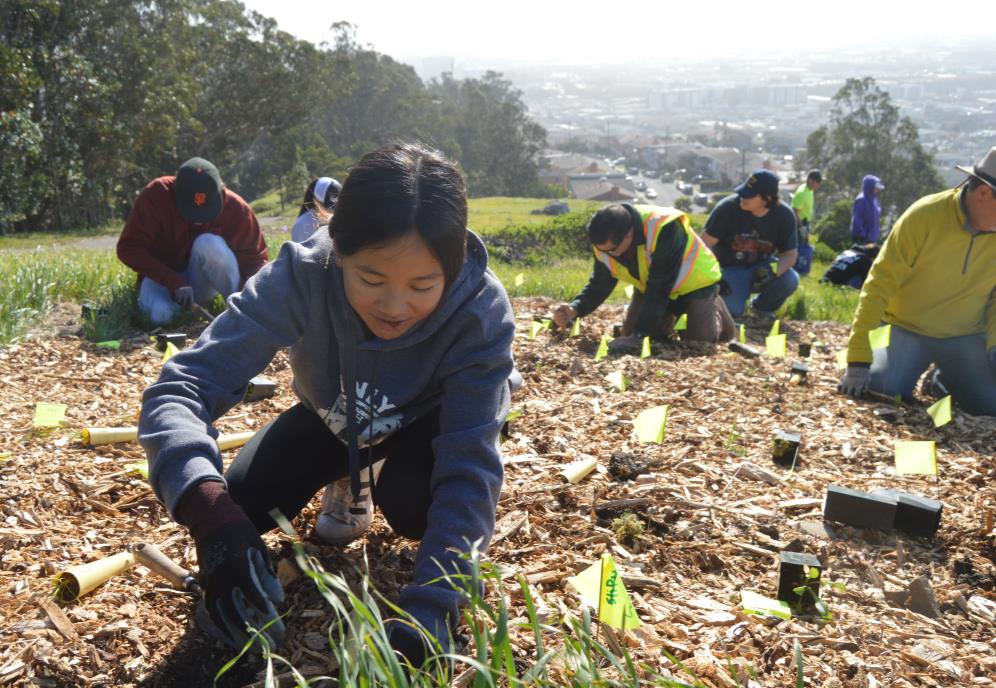
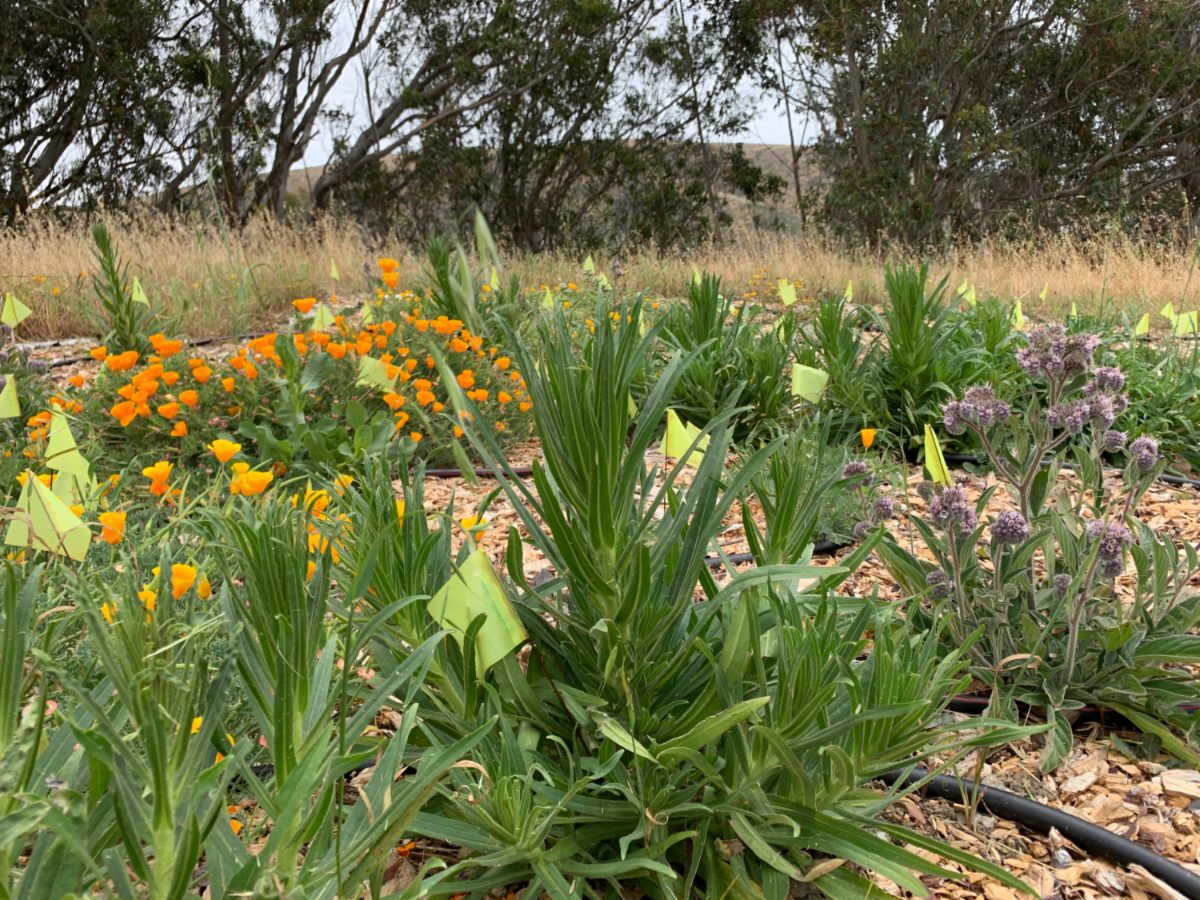
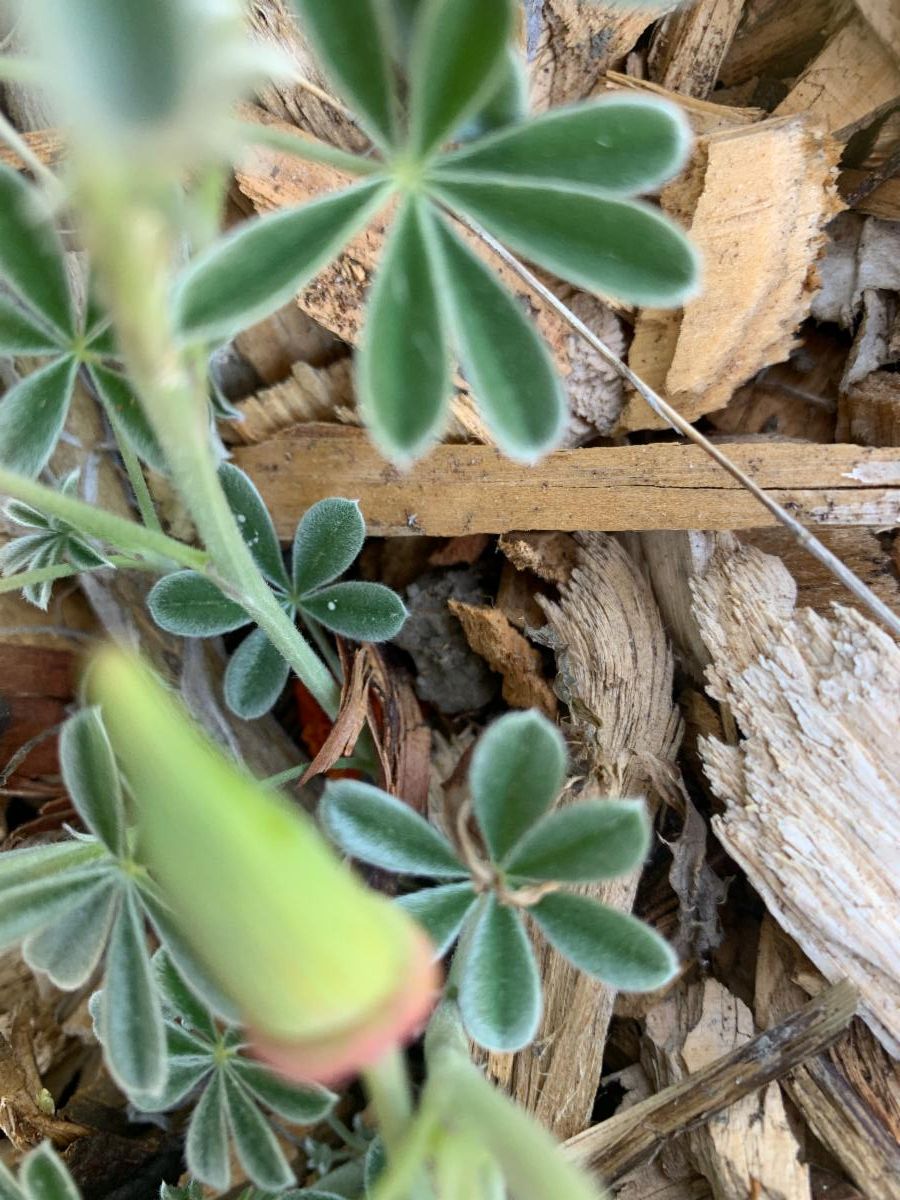
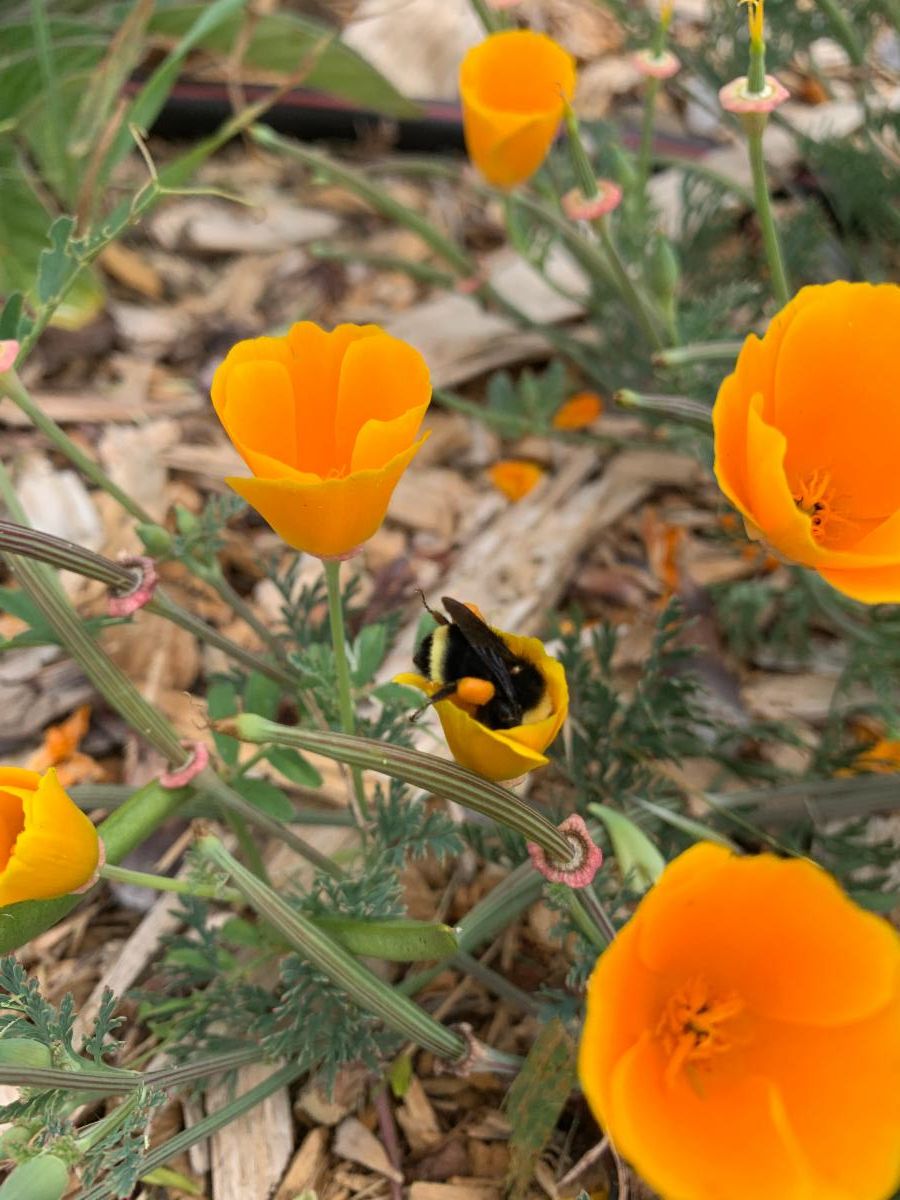
Over the winter and early spring, volunteers planted 500 native plants across Sign Hill. These "habitat islands" were filled with pollinator friendly wildflowers such as the nectar rich California phacelia and the Mission Blue host plant, the silver lupine.

These plants have grown tenfold in size and many are now flowering! 83% of the plants have survived, a major success for restoration plants. We have spotted many native butterflies on our plants, including the Mission Blue butterfly. Next winter, we will expand these habitat islands to restore even more habitat on Sign Hill!
Left: CA phacelia, CA poppy, and yarrow flowers at the summit habitat island. Upper Right: Volunteers planting native plants in February. Lower Right: Coast tarweed & CA poppy at the low elevation habitat islands.
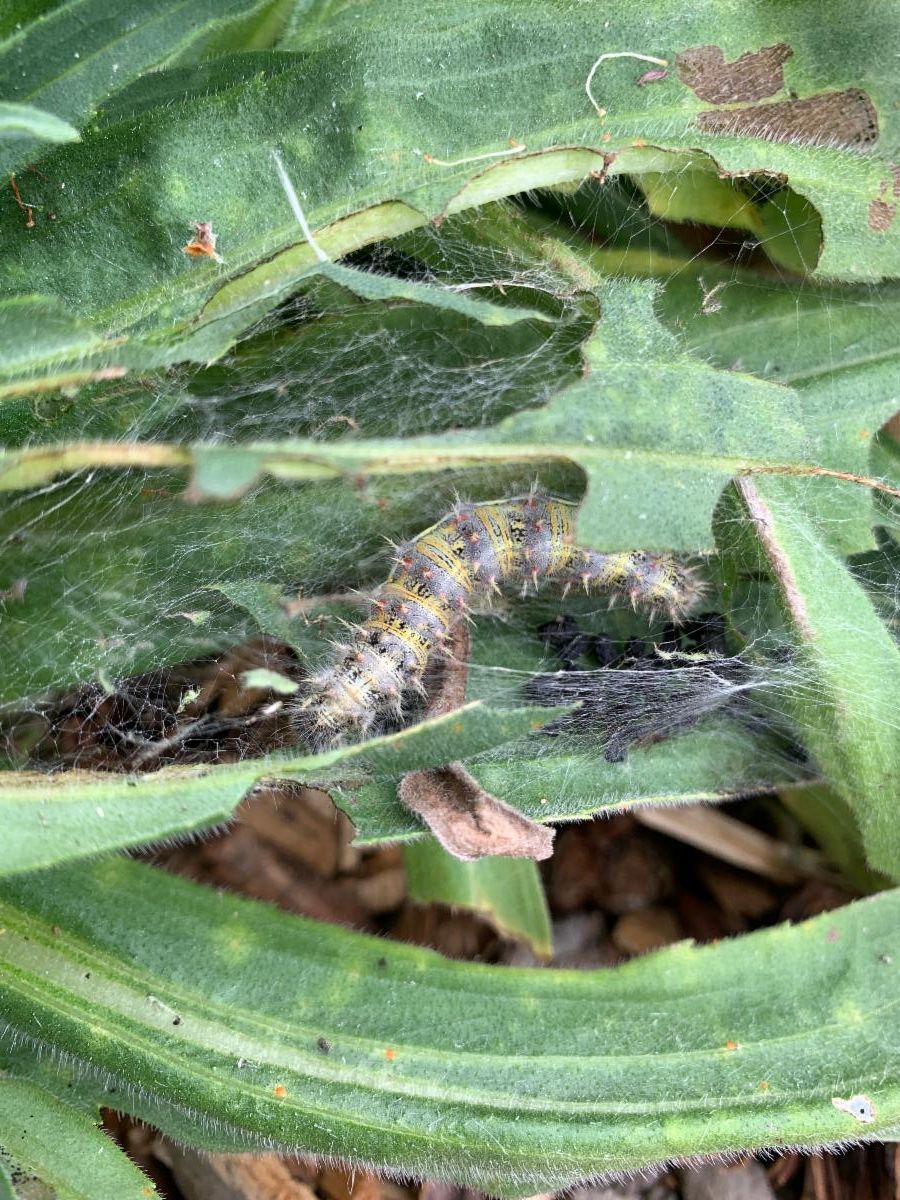
Left: Endangered Mission Blue butterfly eggs on a silver lupine. Right: A painted lady caterpillar on a coast tarweed.
Vegetation Management
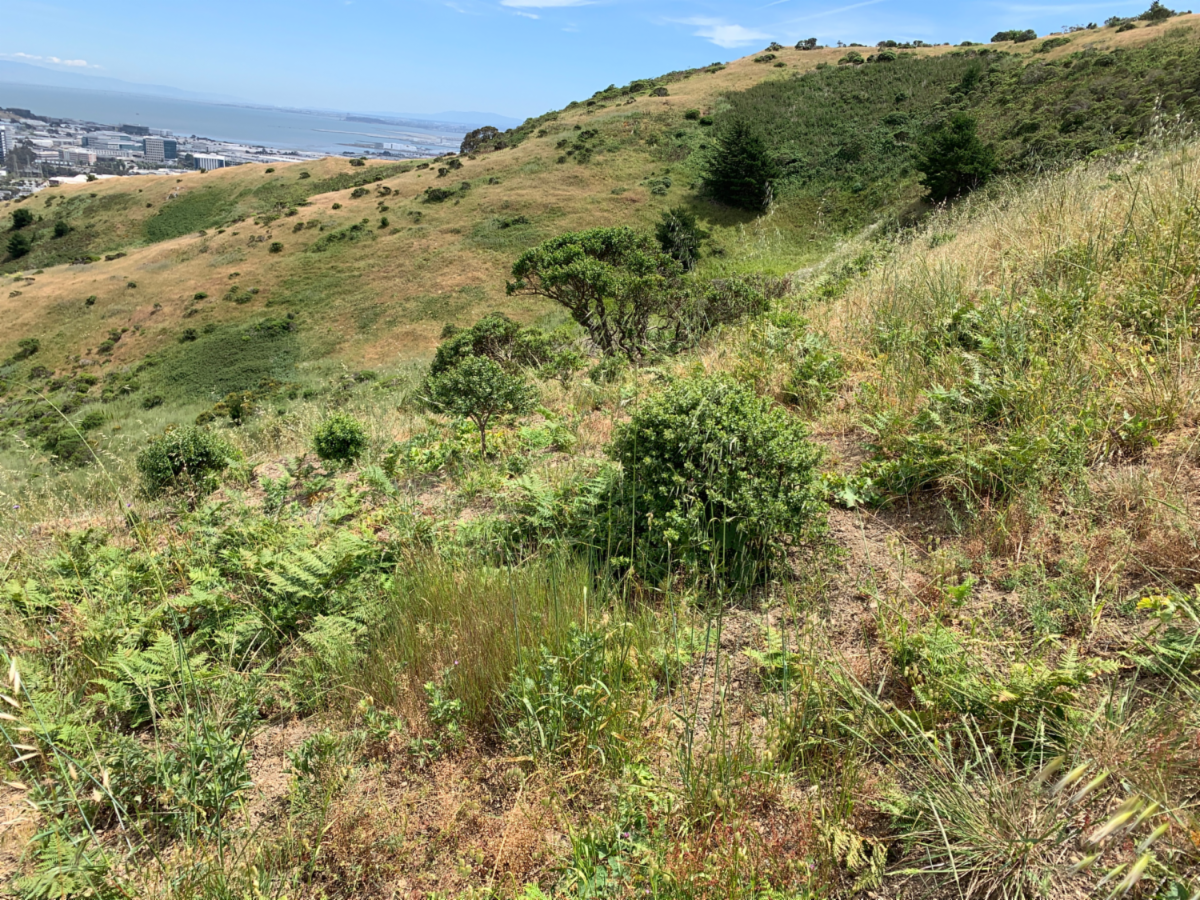
Both staff and volunteers have worked hard to remove invasive plants and limit scrub expansion on Sign Hill's native grassland habitat. We are beginning to see native grassland bounce back in areas where we have worked!
Native plants such as bracken fern, blue wildrye, and CA goldenrod are dominating in an area once covered with invasive Italian thistle. Volunteers and staff carefully removed Italian thistle by hand and mechanical methods over the spring.
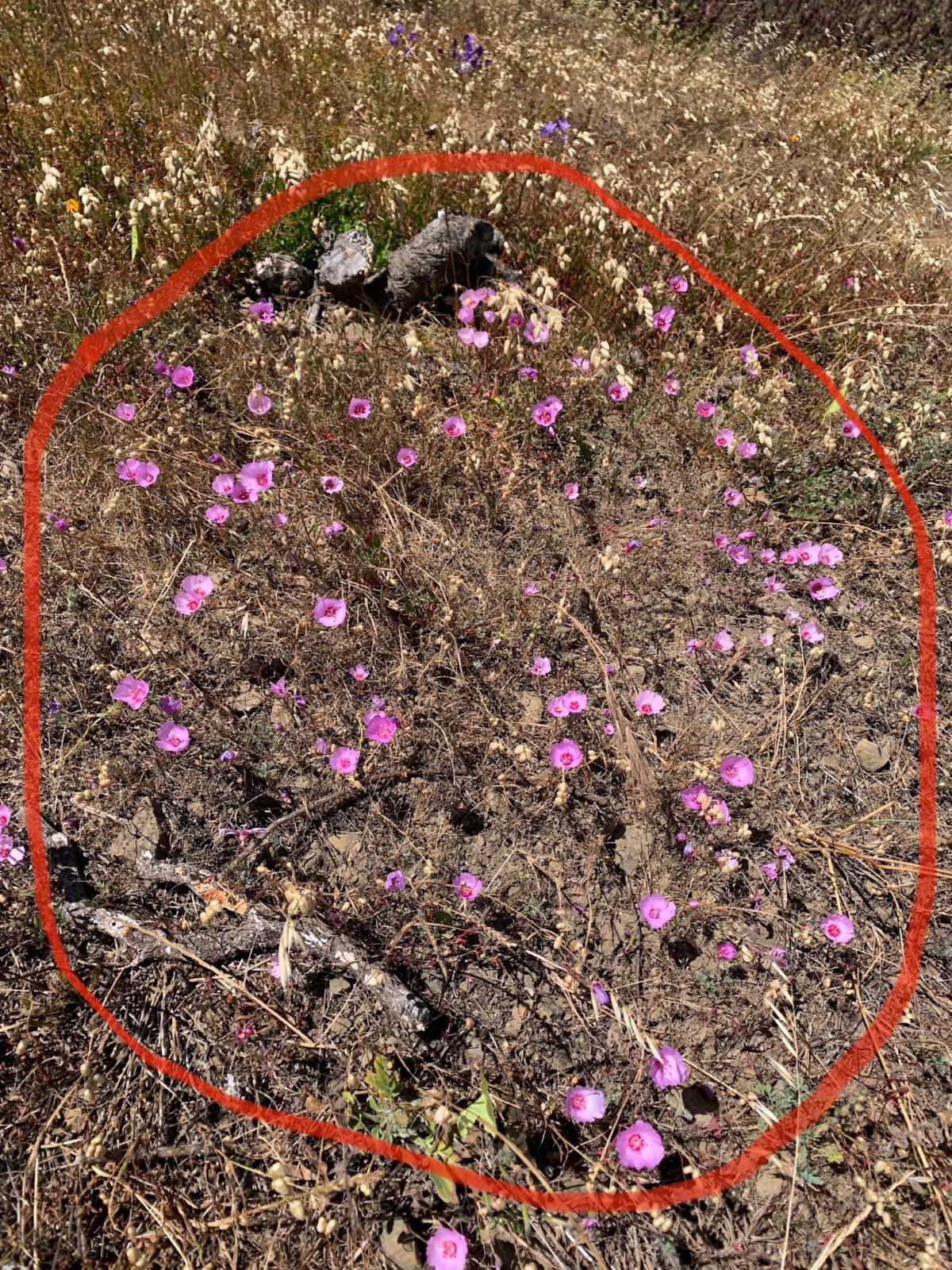
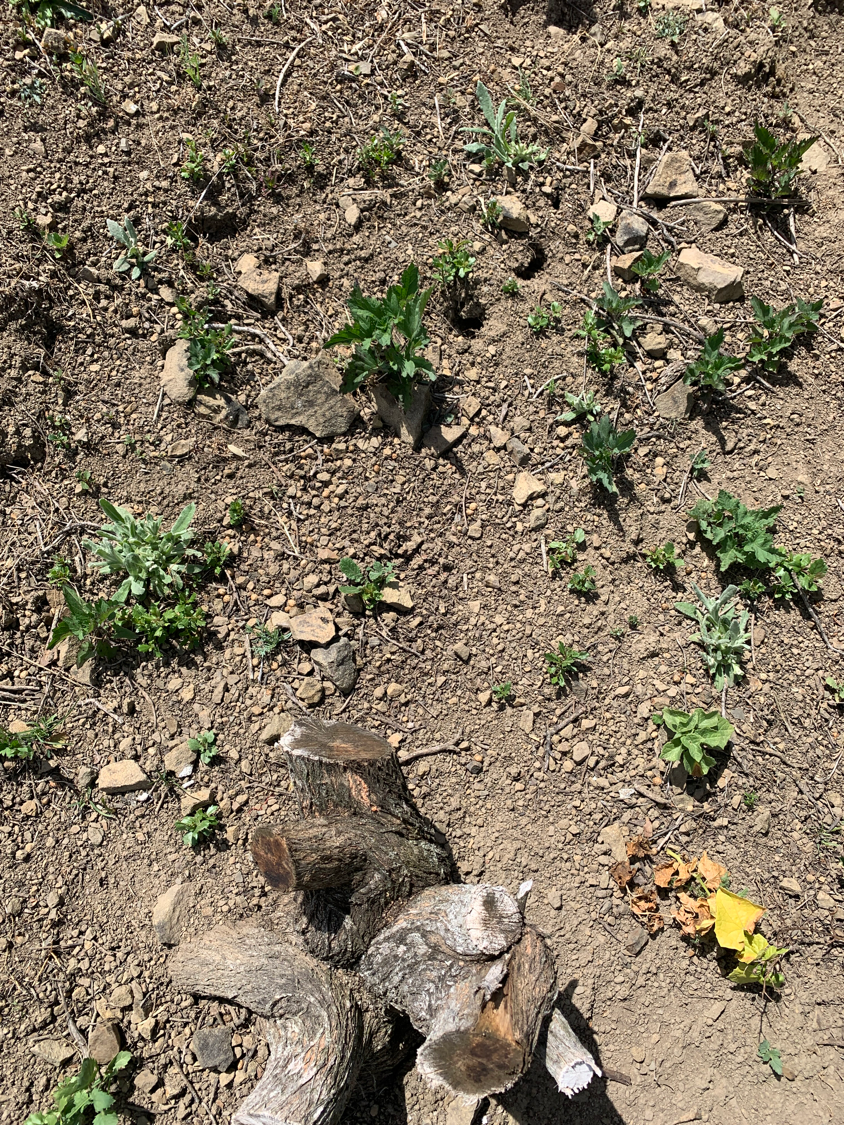
Left: The bright pink ruby chalice clarkia colonizing an area once shaded by scrub. Right: Native seedlings such as manroot, beeplant, and Pseudognaphalium emerge following the removal of coyote brush.
Inspiring Stewardship
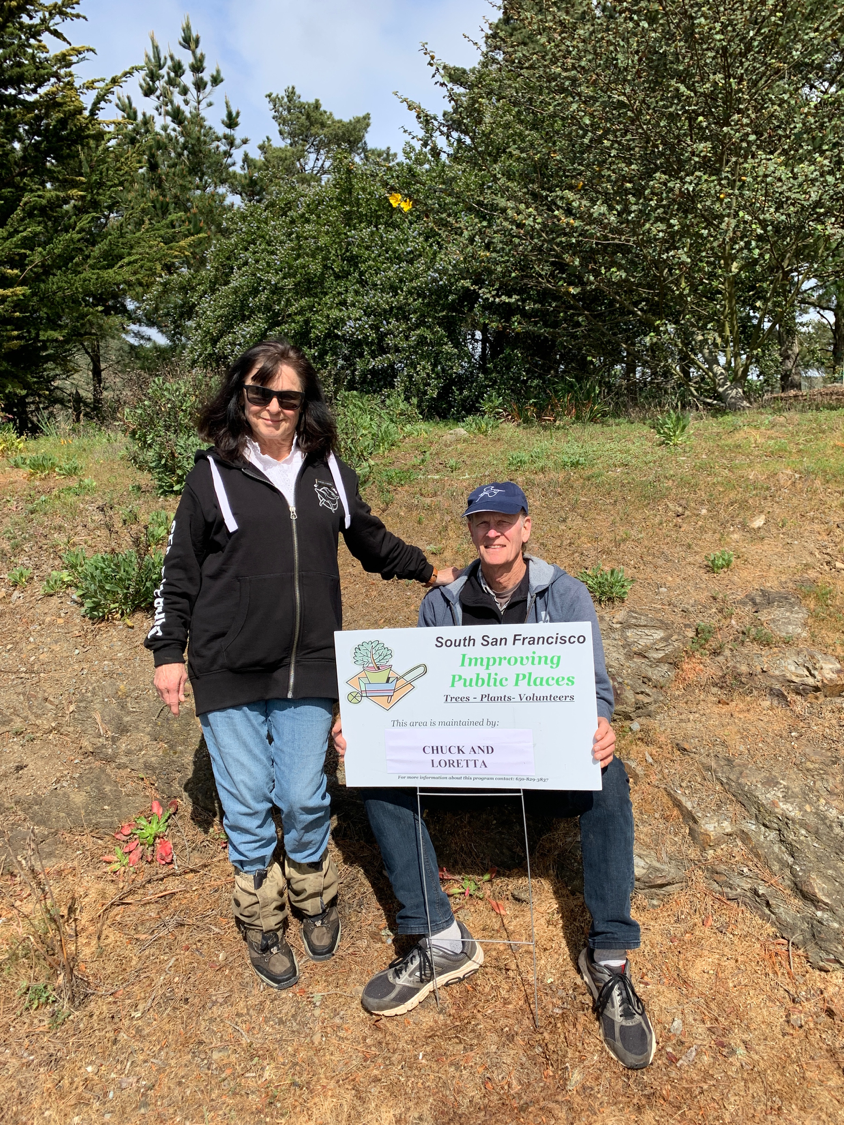
For almost 10 years, Loretta Brooks and Chuck Heimstadt have been stewarding Sign Hill!

They began by installing a native plant garden at the Ridgeview Court entrance of Sign Hill in 2010, wh ich they maintain to this day. At least weekly, they work to restore Sign Hill's native grassland habitat by removing invasive plants and picking up trash! They lead wildflower hikes on Sign Hill, as well as a volunteer program on San Bruno Mountain.
Stewarding Sign Hill
During COVID-19
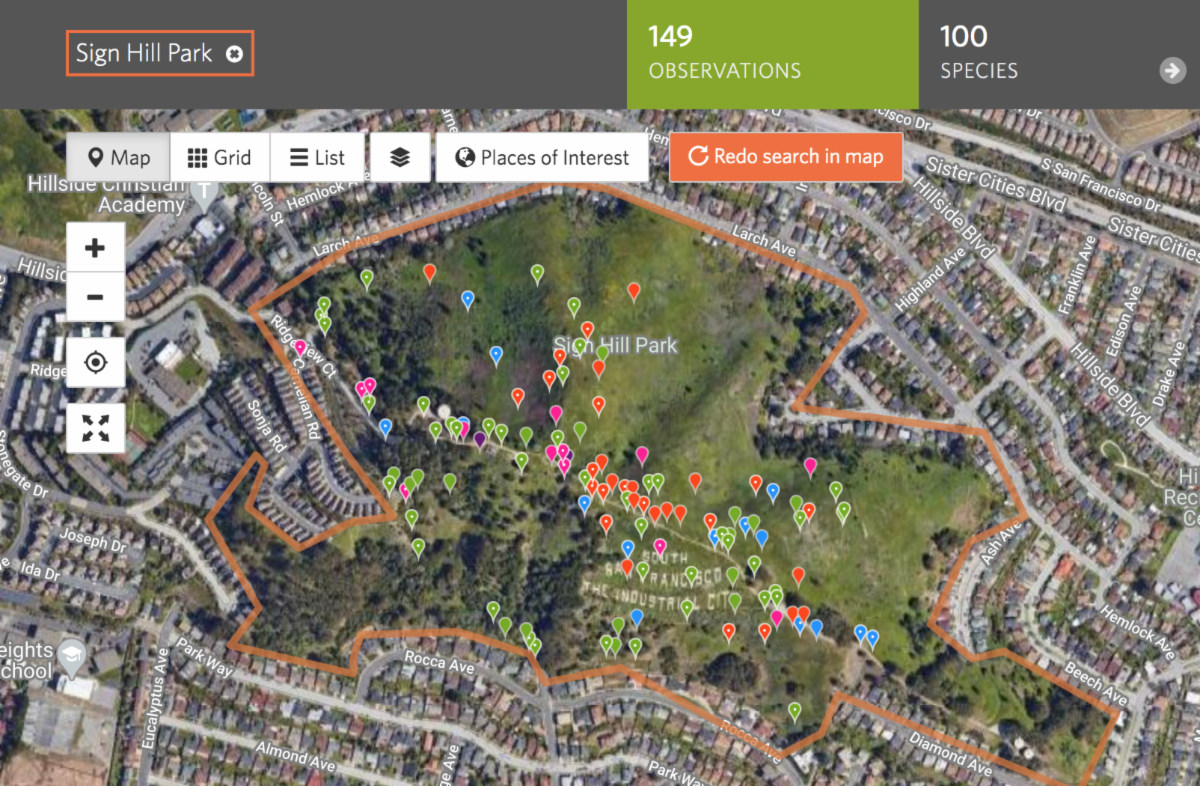
Make an iNaturalist Observation
iNaturalist is a great tool for identifying wildlife. Download the app on your phone to become a citizen scientist!

Sign Hill only has 149 iNaturalist observations! In comparison, San Bruno Mountain has over 10,000. Help us better understand the Sign Hill ecosystem while learning yourself! Tag ms-signhill in your posts for Sign Hill identification help. Please remember to stay on trails when making an iNaturalist observation.
Native Plants in Your Garden
With many plant nurseries opening back up, now is a great time to catch up on gardening projects! You can easily expand Sign Hill's ecosystem by planting native plants in your garden. Not only are native plants beautiful, but they also provide habitat for native pollinators and birds. Bonus, they are adapted to California's droughts and require much less water throughout the year.

Luckily for us, there is an entire website to help Californian gardeners find the right native plants for their garden. Visit Calscape to learn more about native plant gardening.
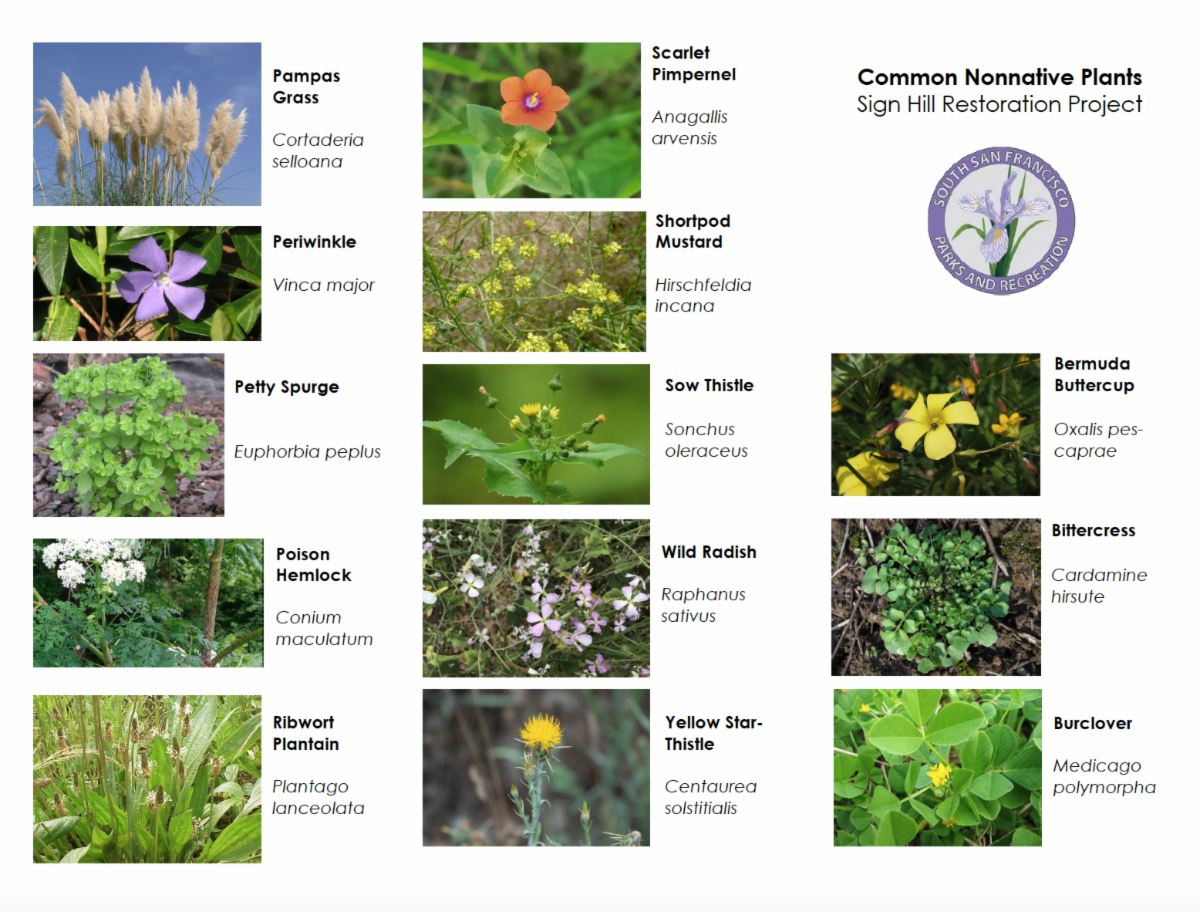
Plant Identification Trifold
Are you interested in identifying some of the common plants in your backyard, on your daily walks, or even on Sign Hill? Download our printable trifold to learn the common weeds we see everyday!
Nature Sightings
Wildflowers, butterflies, and more!
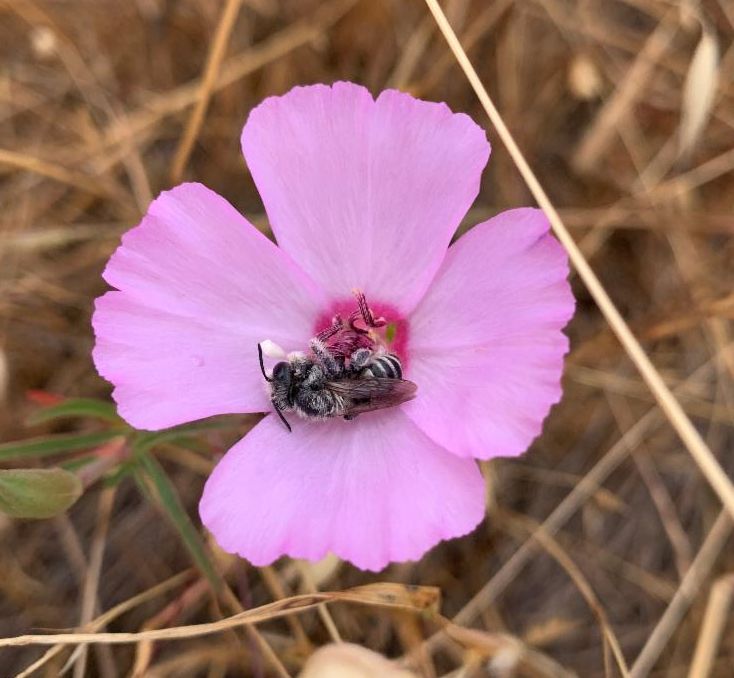
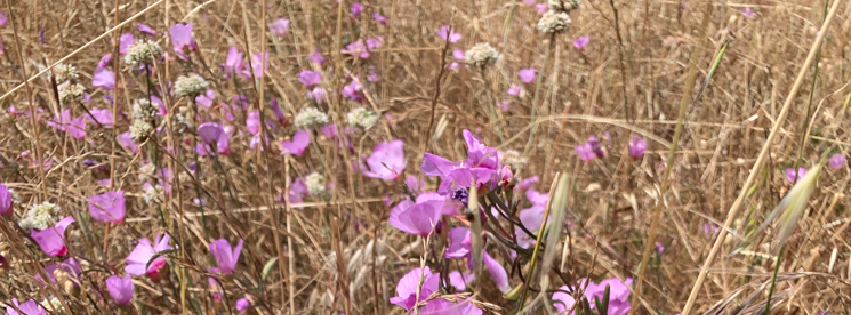
Ruby Chalice Clarkia ( Clarkia rubicunda )
Clarkias are blooming across Sign Hill in large patches. Native bees will even rest in the flowers overnight and into the early morning!
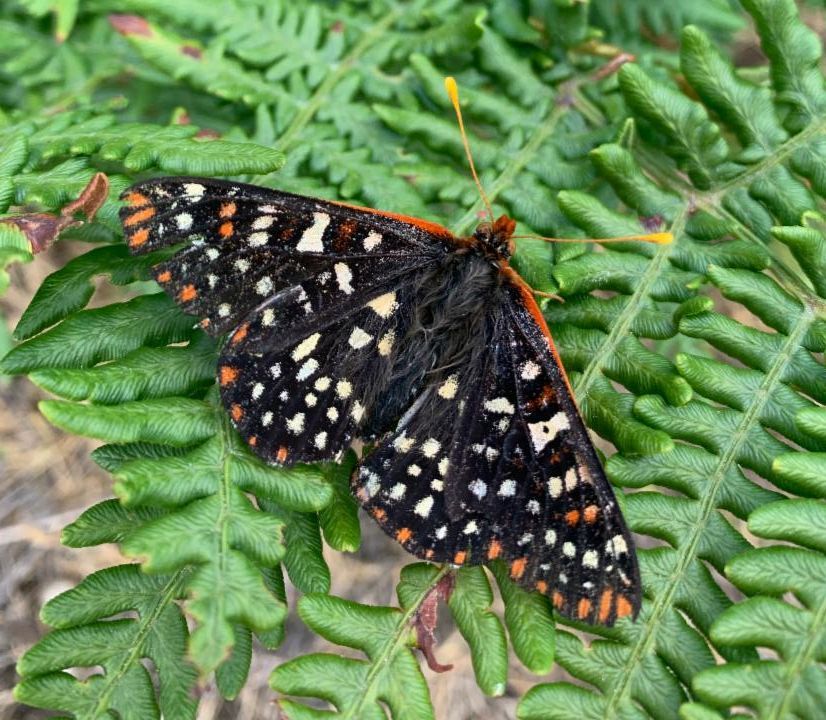
Variable Checkerspot ( Euphydryas chalcedona )
Variable checkerspot butterflies are some of the most striking butterflies on Sign Hill! You can find their caterpillars on bee plant ( Scrophularia californica ).
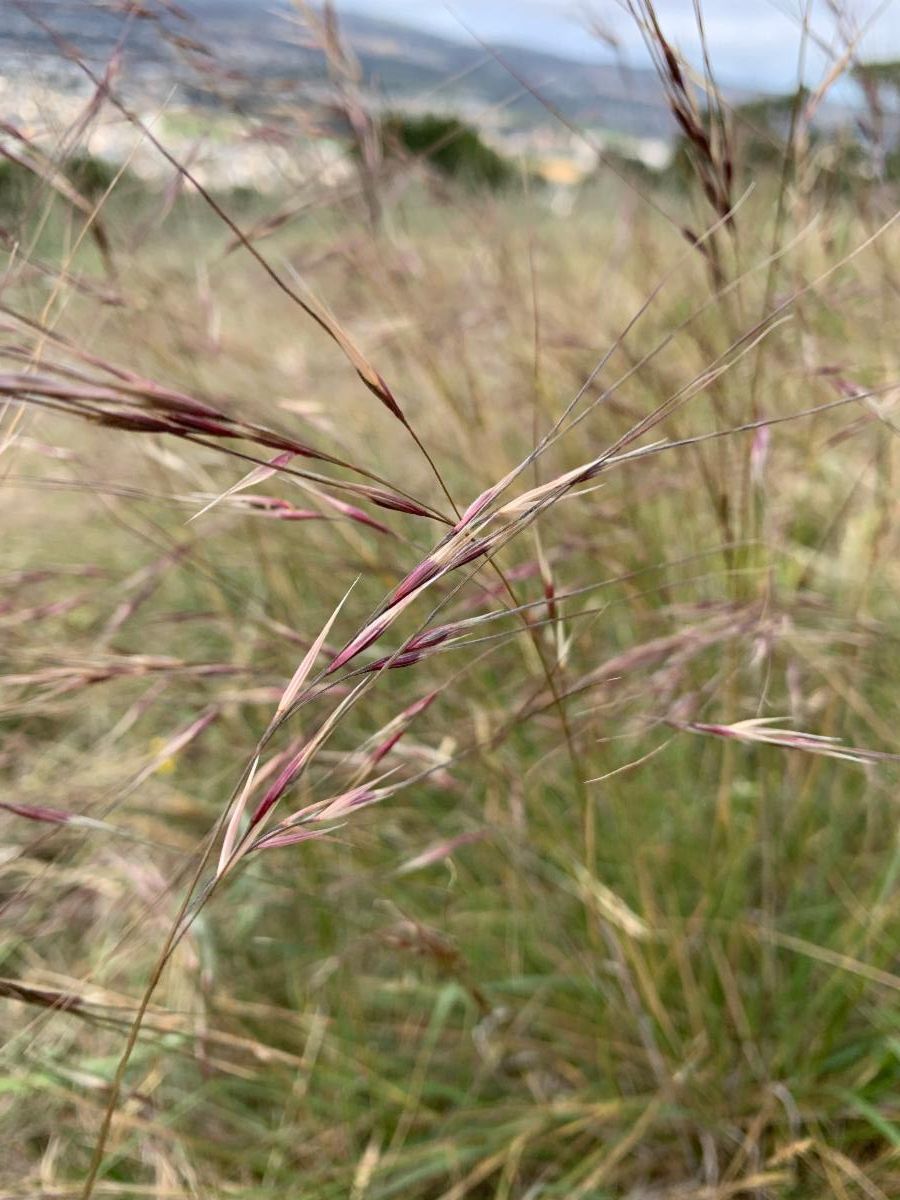
Purple Needle Grass ( Stipa pulchra )
Purple needle grass, California's state grass, is found on the south facing slopes of Sign Hill. Its colorful seeds have a long twisted appendage called an awn, which helps bury the seed into the soil similar to a screw!
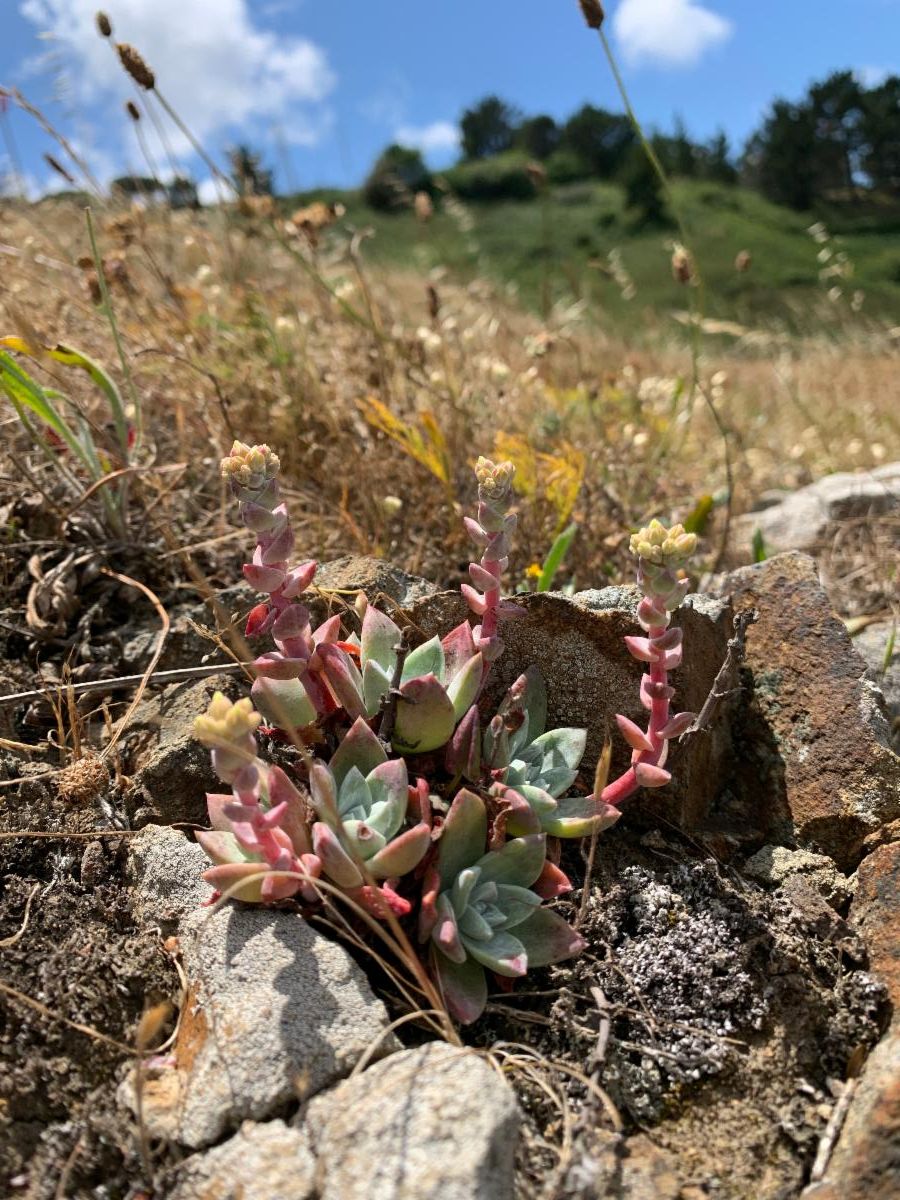
Bluff Lettuce ( Dudleya farinosa )
This charming native succulent thrives in rocky environments on Sign Hill! Along the coast, this plant is an important nectar resource for hummingbirds.
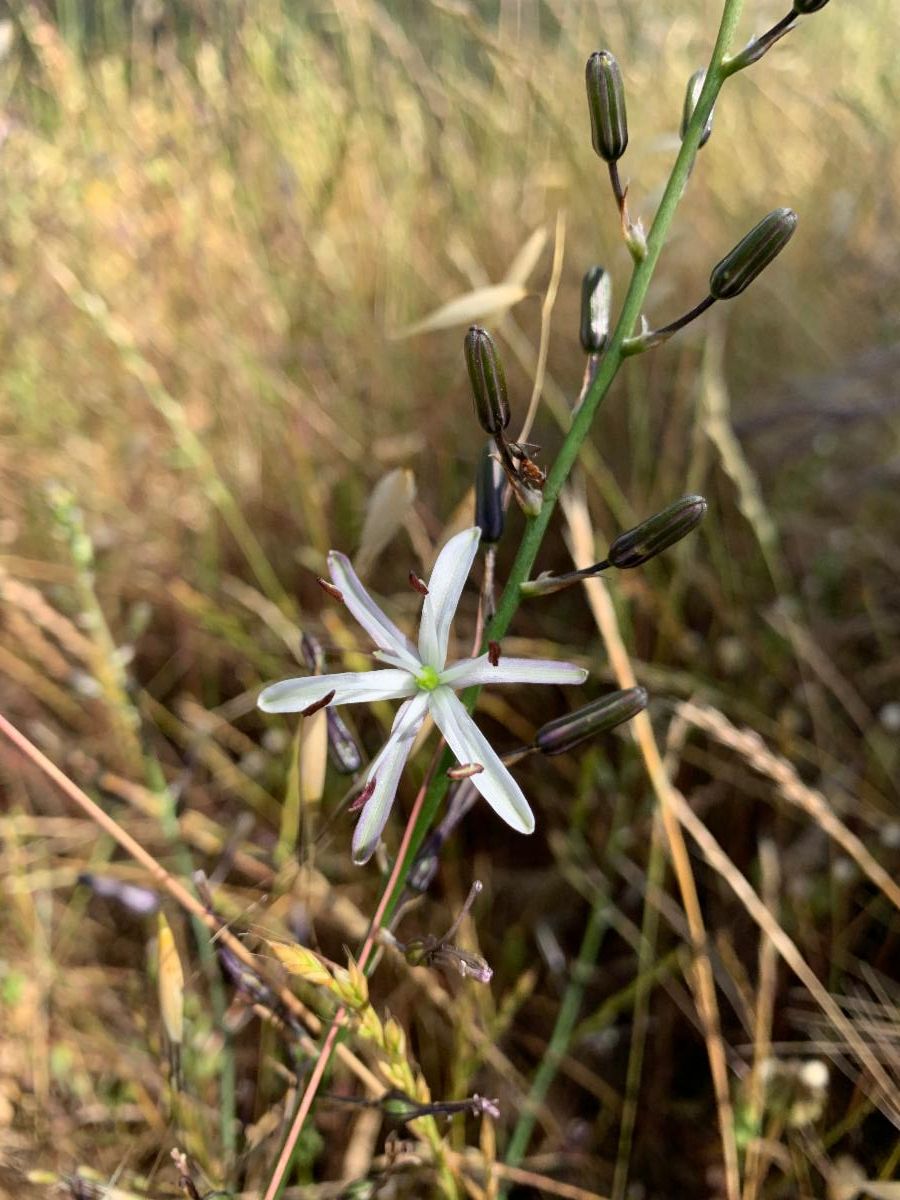
Soap Plant ( Chlorogalum pomeridianum )
Soap plant has flowers that bloom for one day, opening in the afternoon and closing by the early morning. Not only do they get pollinated by late afternoon bumblebees, but they also attract moth pollinators at night!
‌