Sign Hill Stewards
September Newsletter
Dear Sign Hill Stewards,

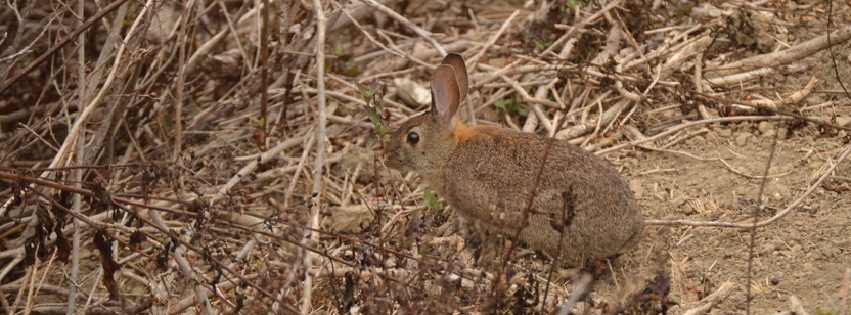
While most plants are dormant on Sign Hill, charismatic animals like the brush rabbit and scrub jay scatter the trails. Before taking a hike on Sign Hill, we encourage you to check the air quality. Sign Hill luckily has its own Purple Air sensor that best captures the microclimate.

In this newsletter, we discuss how to register for Coastal Cleanup 2020, insect diversity, and bird sightings. We continue to provide socially distant volunteering opportunities for individuals and families on Sign Hill, in accordance with public health recommendations. For more information, please email emma.lewis@ssf.net.

Hope you are safe and healthy.

Emma Lewis
Natural Resources Specialist
Leading the Sign Hill Habitat Restoration Project
San Bruno Mountain Watch Board Member
Volunteer for Coastal Cleanup Day
Saturday September 26th
The South San Francisco Parks and Recreation Department will be participating in Coastal Cleanup Day 2020!

Coastal Cleanup 2020 is the world’s largest cleanup event that will be different this year to keep everyone safe during the COVID-19 pandemic. Instead of participating in large groups, your household or social bubble is encouraged to dedicate Saturday September 26th to pick up litter in your neighborhood or local parks while following social distancing protocols.
Celebrating Insect Diversity
Sign Hill's Beetles by Daniel Simoni

Beetles are the largest and most diverse order of insects, and play many incredibly important roles in healthy ecosystems!


There are around 400,000 known species of beetles, and around 30,000 species that live in the United States. They comprise around 40% of all known insects and 25% of all known animal species, and many new beetle species are still being discovered.

Beetles are found in many different habitat types all over the world, and serve many different important functions to ecosystems. Some beetles are herbivorous, feeding only on plants. Other beetles are carnivorous predators, eating mainly other insects and invertebrates. One example is the ladybug, also sometimes called a ladybird beetle, which is well known and liked by farmers and gardeners for eating aphids and other pests. Other beetles are decomposers, eating rotting wood and leaves and recycling nutrients back into the soil for plants to use.

Sign Hill is home to a variety of beetles, which can be found living in many different places. In flowers, on the stems of plants, and beneath fallen leaves are good places to look for them. Beetles are an important part of Sign Hill’s natural biodiversity, and provide many great benefits to our ecosystem.

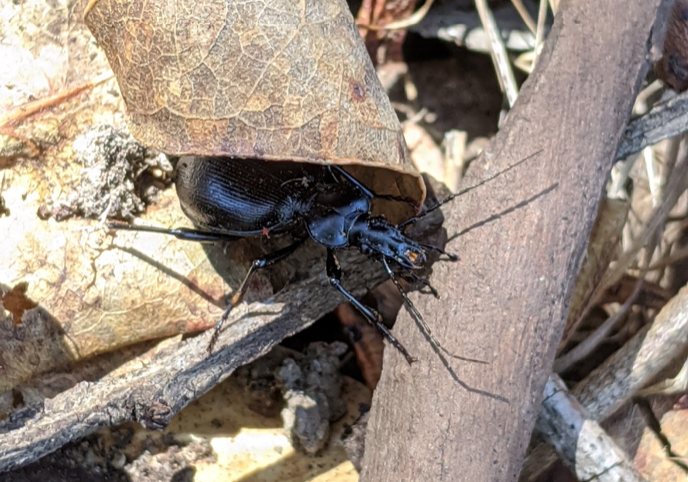
Ground Beetles
This beetle is part of a family known as ground beetles. Ground beetles often live under tree bark, fallen leaves, logs, and rocks. Most are predators, eating smaller insects, and many species are nocturnal.
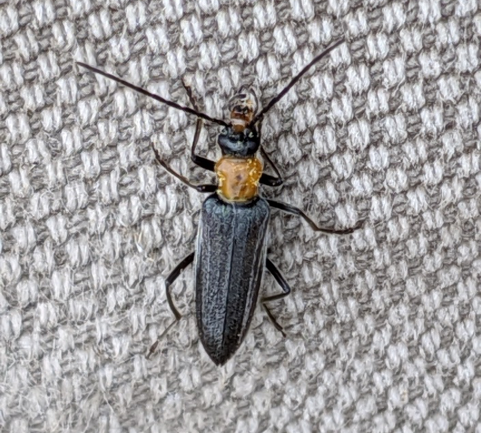
False Blister Beetle
False Blister Beetle larvae are often found in rotting wood, while adults are commonly found on flowers. The adults feed on pollen and nectar, and are active during the day.
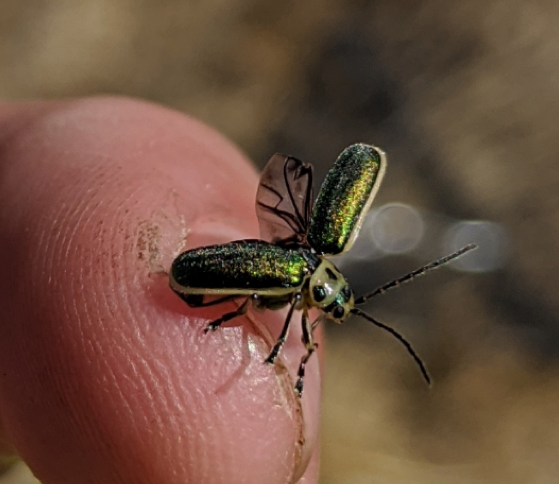
Coyote Brush Leaf Beetle
The coyote brush leaf beetle spends its entire larval and adult life eating coyote brush leaves. It is a member of the leaf beetle family, a large family of herbivorous beetles.
Nature Sightings
Birds on Sign Hill
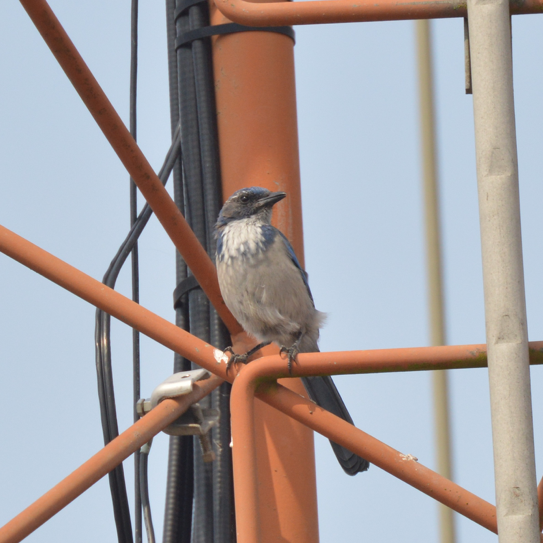
California Scrub Jay (Aphelocoma californica)
On Sign Hill, scrub jays are found along the ridge top. These intelligent birds are in the Corvidae (crow and jay) family. They are known to sometimes steal acorns from fellow jays and woodpecker caches!
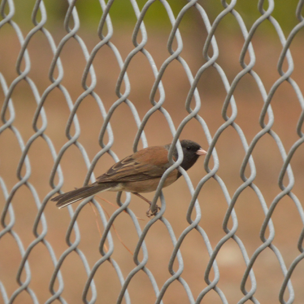
Dark-Eyed Junco (Junco hyemalis)
Dark-eyed juncos are one of the most common birds in North America. They are found on Sign Hill year-round in a variety of habitats.
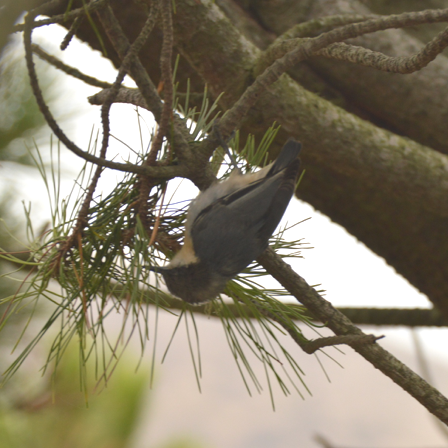
Pygmy Nuthatch (Sitta pygmaea)
Arguably one of the cutest birds on Sign Hill, pygmy nuthatches are tiny balls of energy. They often travel and breed in extended family groups. Look for them in Sign Hill's pines!
This project is supported by Measure K funding