Sign Hill Stewards
Summer Newsletter
|
|
Dear Sign Hill Stewards,
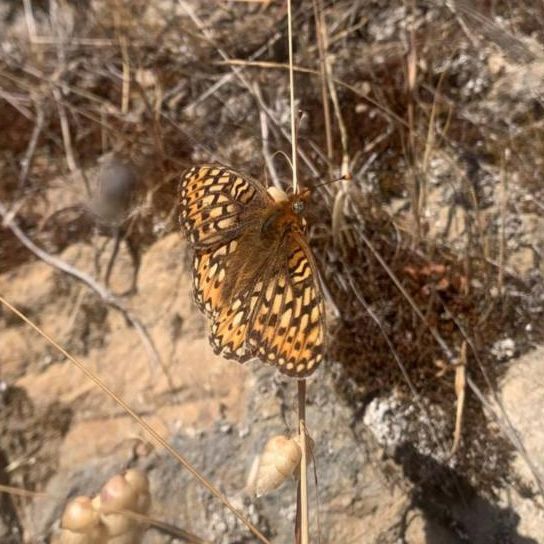
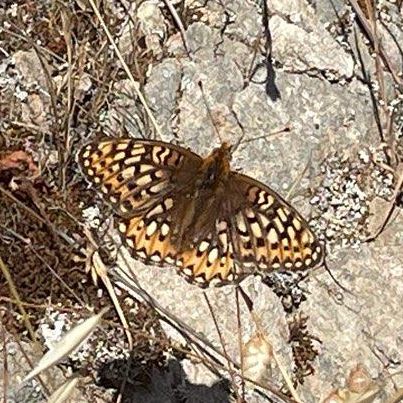
We have exciting news! On a Saturday morning volunteer event in June, we noticed something surprising — a federally endangered callippe silverspot butterfly (Speyeria callippe callippe). This butterfly was last spotted on Sign Hill in the 1980s when fieldwork was being conducted for the San Bruno Mountain Habitat Conservation Plan!
|
|
Likely, this butterfly flew to Sign Hill from San Bruno Mountain. The callippe silverspot butterfly is known for being a strong flier! It is also possible that a small population of callippe silverspots survived on Sign Hill despite invasive plant species. Regardless of how this butterfly got to Sign Hill, it's an uplifting moment for our habitat restoration project! Sign Hill Stewards have worked hard over the past two years to improve grassland habitat, especially for our endangered butterflies. The work we are doing is making a difference!
|
|
We have one last big announcement. At the end of July, I will be leaving my position with the City to attend graduate school at Berkeley Law. I will miss Sign Hill and all the wonderful people I met through the program! Thank you for supporting me throughout the past two years as we have grown the project. I couldn't have done it without you!
Over the next few months, the SSF Parks Division will be hiring a new part-time Natural Resource Specialist to continue the habitat restoration project on Sign Hill. We will be holding Sign Hill Stewards volunteer events at reduced capacity for the time being.
Read on to learn about summer volunteer highlights, ways you can get involved, and our charismatic callippe silverspot butterfly.
Hope you are safe and healthy,
Emma Lewis
Natural Resource Specialist
Leading the Sign Hill Habitat Restoration Project
Parks and Recreation Department
City of South San Francisco
San Bruno Mountain Watch Board Member
|
|
Two Generations of Eagle Scouts
A Legacy of Service by Peyton Dulay
|
|
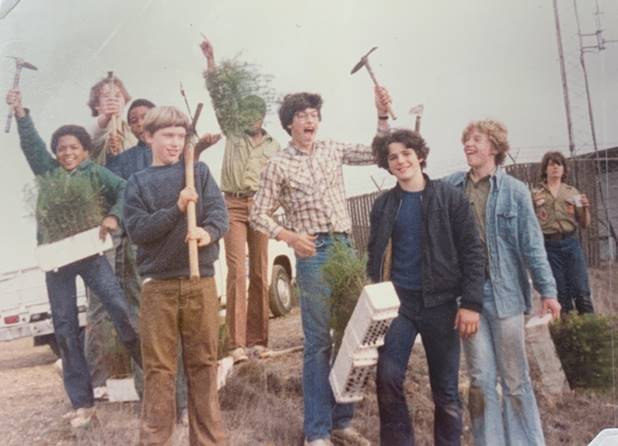
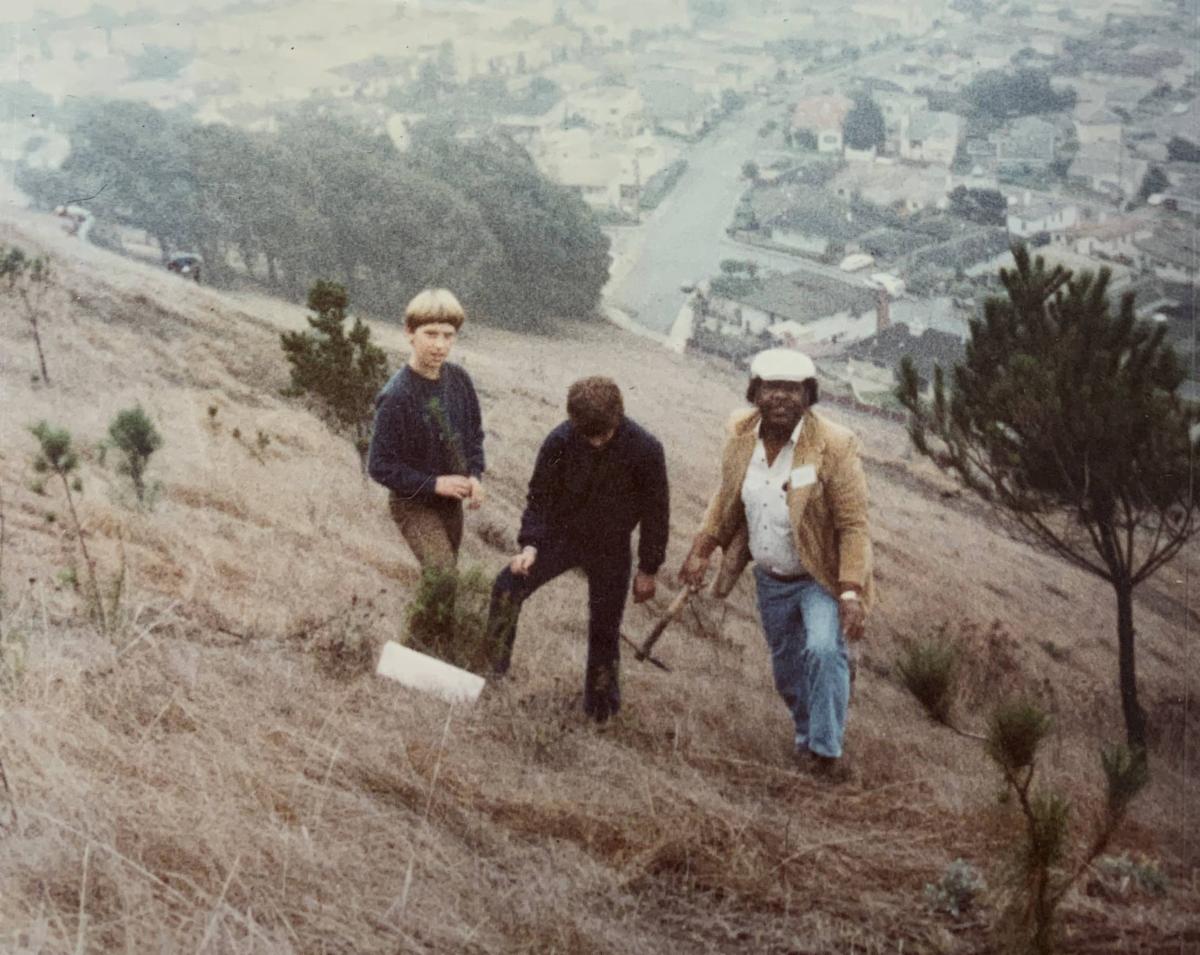
Peyton Dulay completes her Eagle Scout Project on Sign Hill — following her father's footsteps made 40 years prior. |
|
Over the past few months, I have had the opportunity to plan out and eventually complete my Eagle scout project on South San Francisco Sign Hill! It has been an extremely exciting and fun couple of workdays, in which we had a couple of volunteer groups work on some habitat restoration projects.
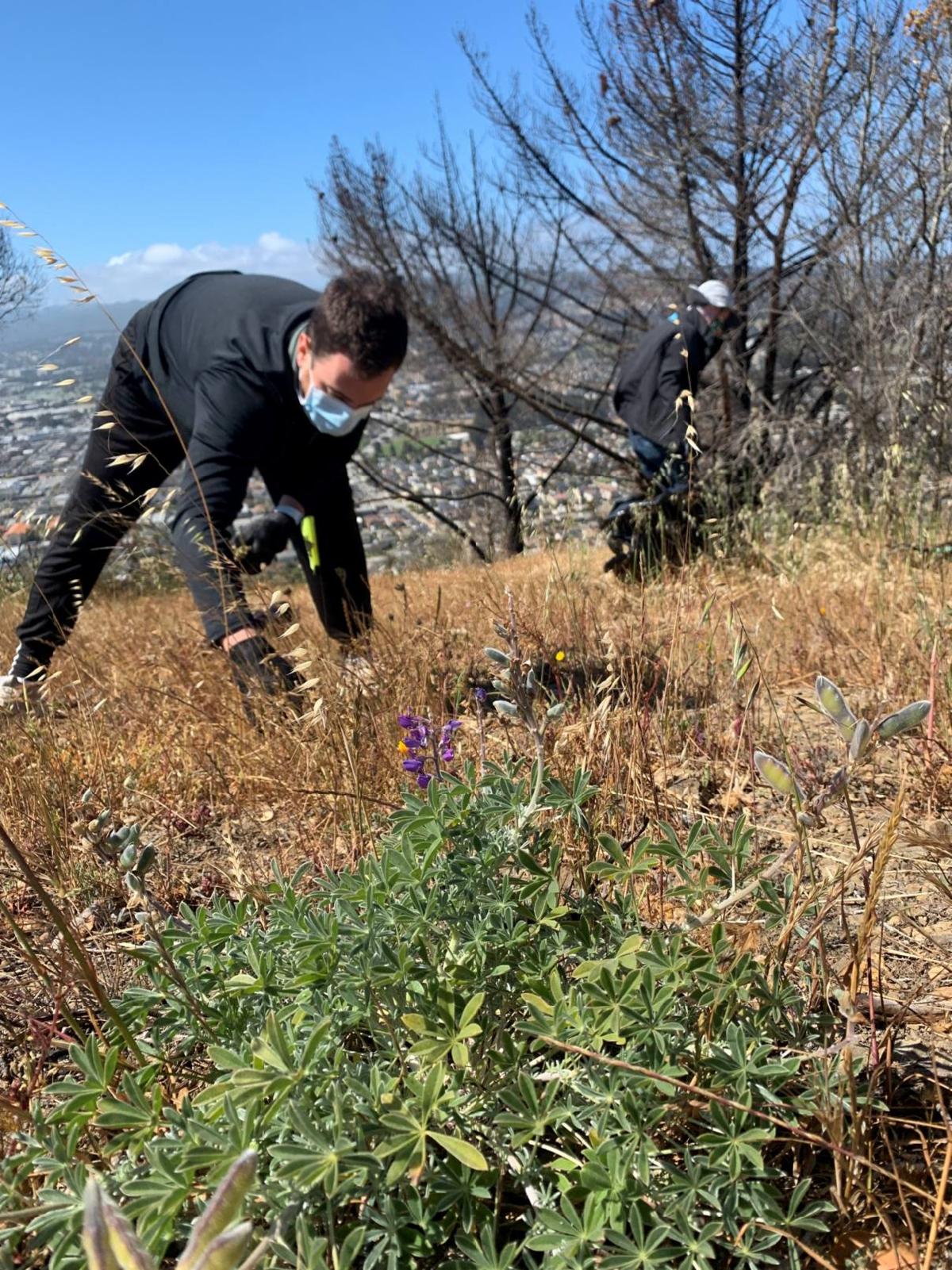
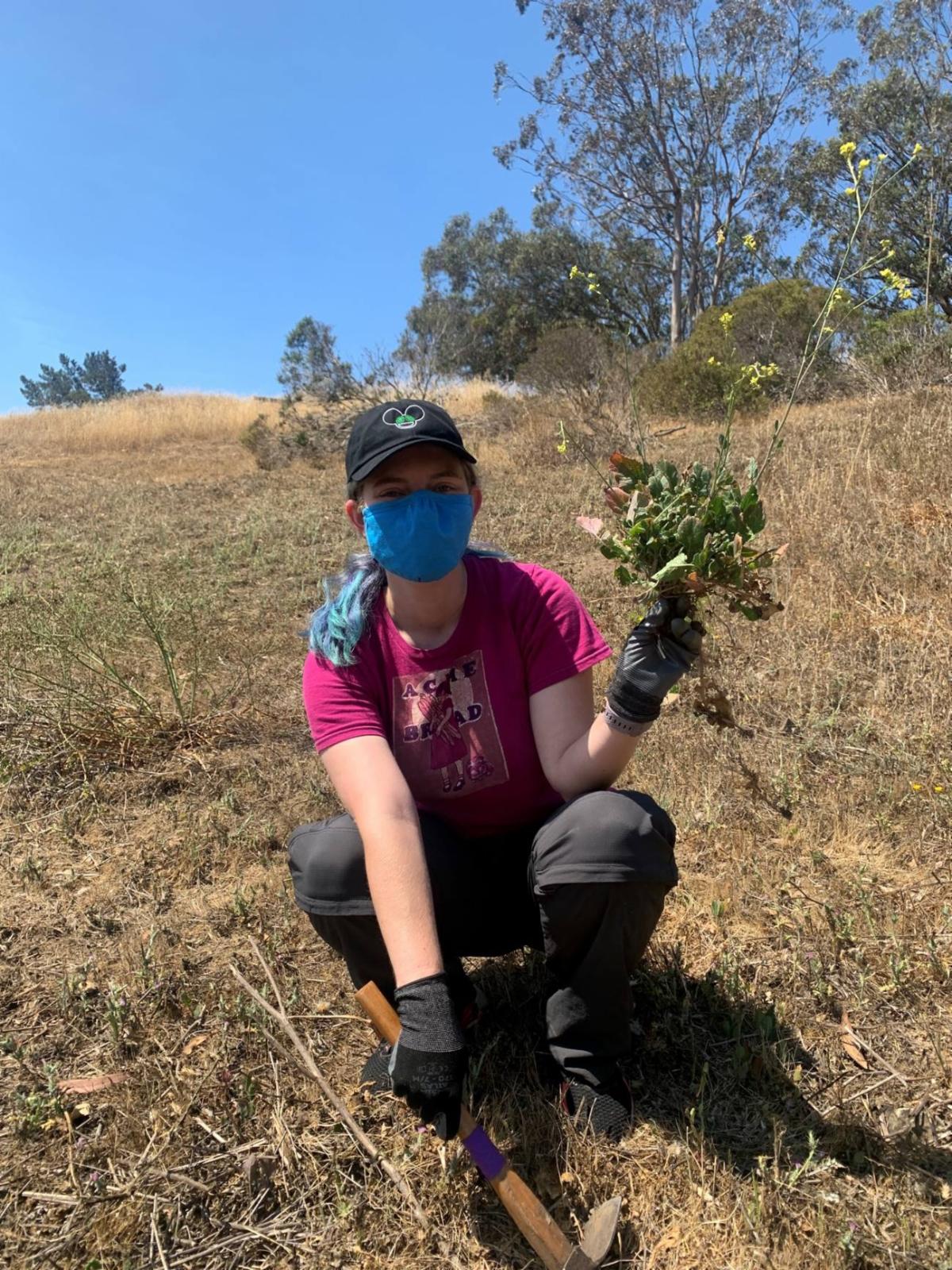
Two years ago, when girls were first allowed to join scouting, I knew that I wanted my Eagle project to contribute to the health and safety of the local environment- and this project along Sign Hill was just that! We had a dozen volunteers over the span of two workdays and did some invasive species removal as well as worked to move a large portion of a mulch pile down into the fire-damaged area above the sign.
Both these projects worked to restore the natural habitat and help the growth of the native and endangered species of the area! Being able to finish my two years of scouting and become one of the first female Eagle Scouts with this project that impacted such a precious area of the local environment is really amazing! Sign Hill is an incredibly diverse area that is home to lots of important native plants and insects and working to preserve that has been an incredible opportunity!
Doing my Eagle scout project on the SSF Sign Hill is also important to me as my dad, Michael Dulay, was a scout and did his Eagle project at Sign Hill as well! In 1980, he completed his Eagle project in which he helped plant hundreds of Douglas Fir saplings along Sign Hill! His project actually led to the beautiful forest that was unfortunately damaged during the fire last year. It has been really exciting to see our projects overlap, even decades later! Being able to have my Eagle project be something that restores the same land my father planted trees in so long ago is really a special experience!
I am now going to be attending UC San Diego this fall as one of the first female Eagle Scouts and I am really grateful and happy to have been able to work with Sign Hill on my last big project as a scout!
|
|
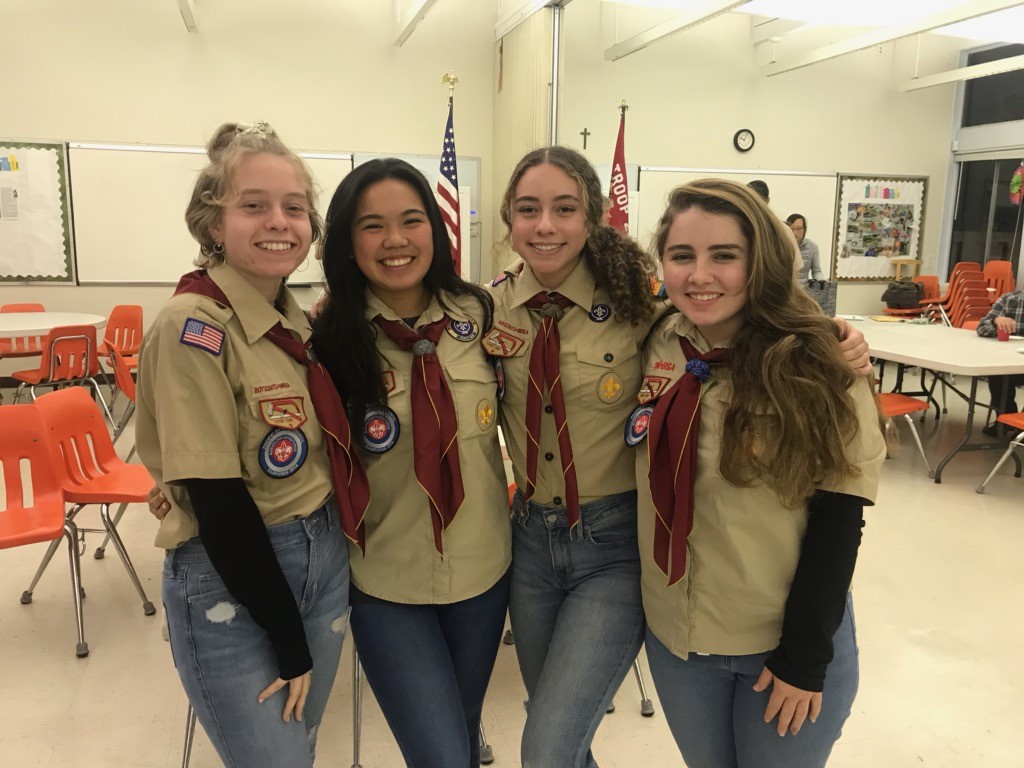
Peyton Dulay, on the left, with her fellow pioneer female scouts! |
|
Volunteer with Sign Hill Stewards!
Tuesday, August 24th from 9:00 - 11:30 am
|
|
Restore habitat with the SSF Parks & Recreation Department on Sign Hill, following COVID-19 safety guidelines.
|
When: August 24th from 9:00 - 11:30 am.
Where: Volunteers will park at the Sign Hill Parking Lot nearby 964 Ridgeview Ct, South San Francisco, CA (Google Maps Link) and hike with staff to the restoration site.
Registration: Registration is required. To socially distance, registration is limited to 10 volunteers per time slot. Volunteers under the age of 18 must have a youth waiver signed by a parent/guardian. Youth under the age of 15 are welcome and must be accompanied by an adult.
What to bring: To prepare for working outdoors, please bring work gloves, a water bottle, sturdy shoes, long pants and sleeves, a hat/sunscreen, and a completed waiver for each volunteer. Volunteers should expect some hiking on steep terrain.
|
|
Summer Volunteer Highlights
Thank you volunteers!
|
|
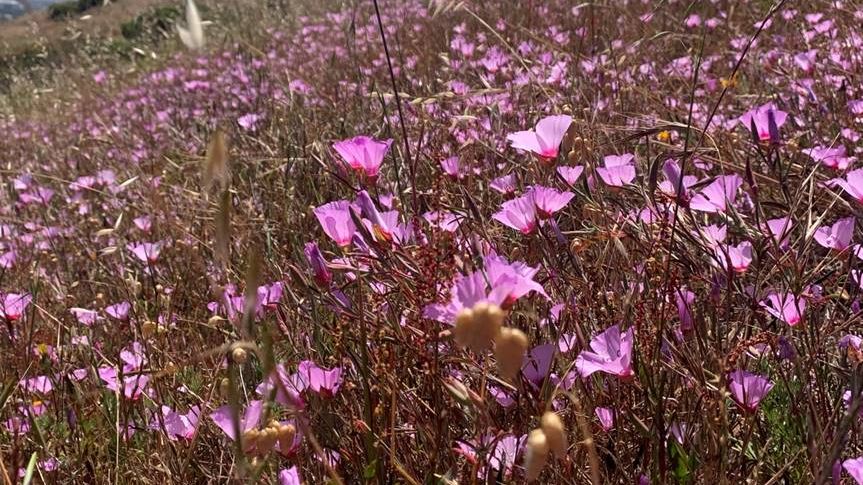
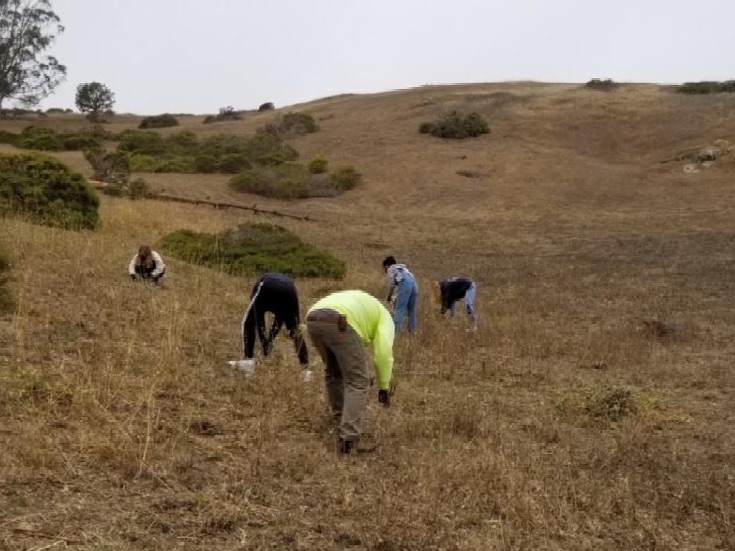
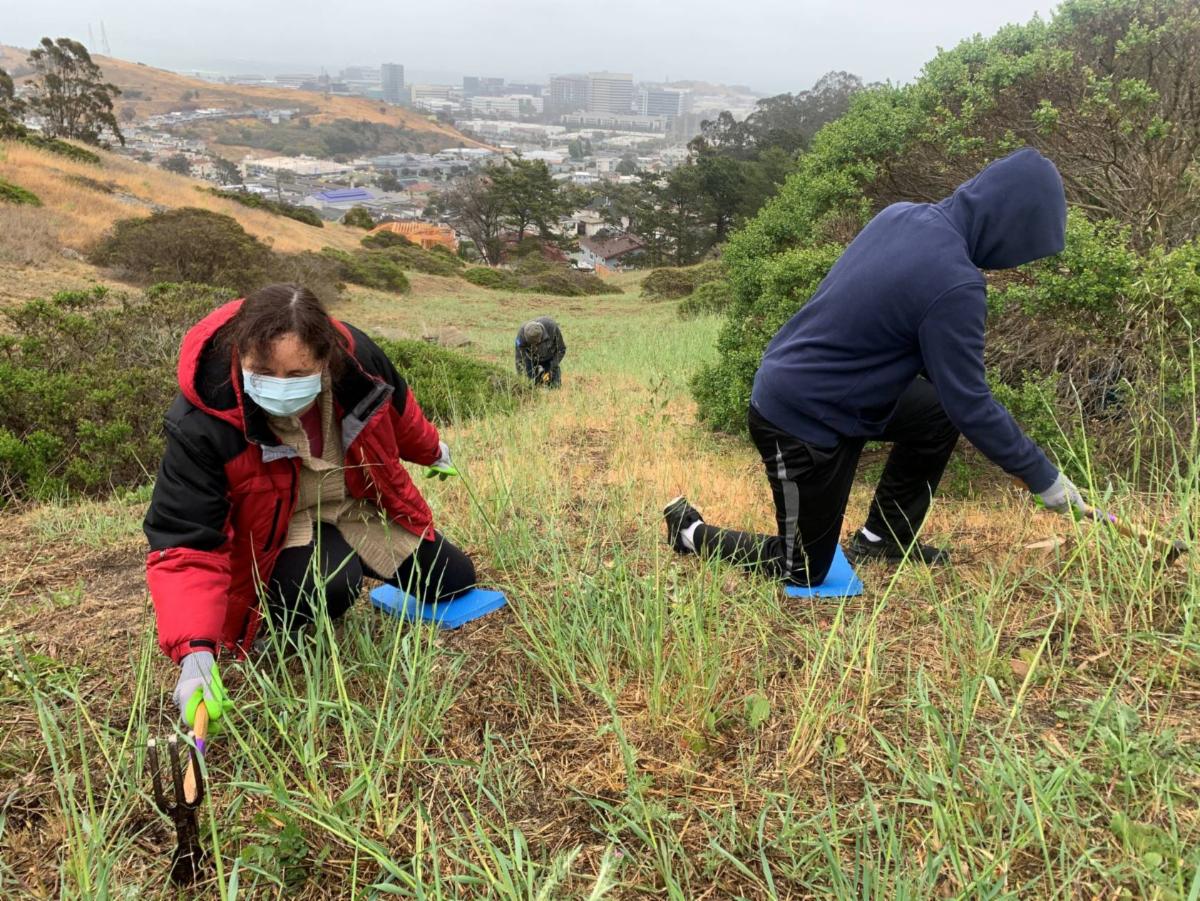
This summer, volunteers worked hard to remove invasive short-pod mustard and fennel from Liberty Valley. Last year, the valley was 100% invasive Italian thistle and short-pod mustard. Thanks to the efforts of volunteers, we are beginning to see native wildflowers like willowherb, clarkia, and California poppy return!
|
|
Species Profile: The Callippe Silverspot Butterfly
|
|
|
|
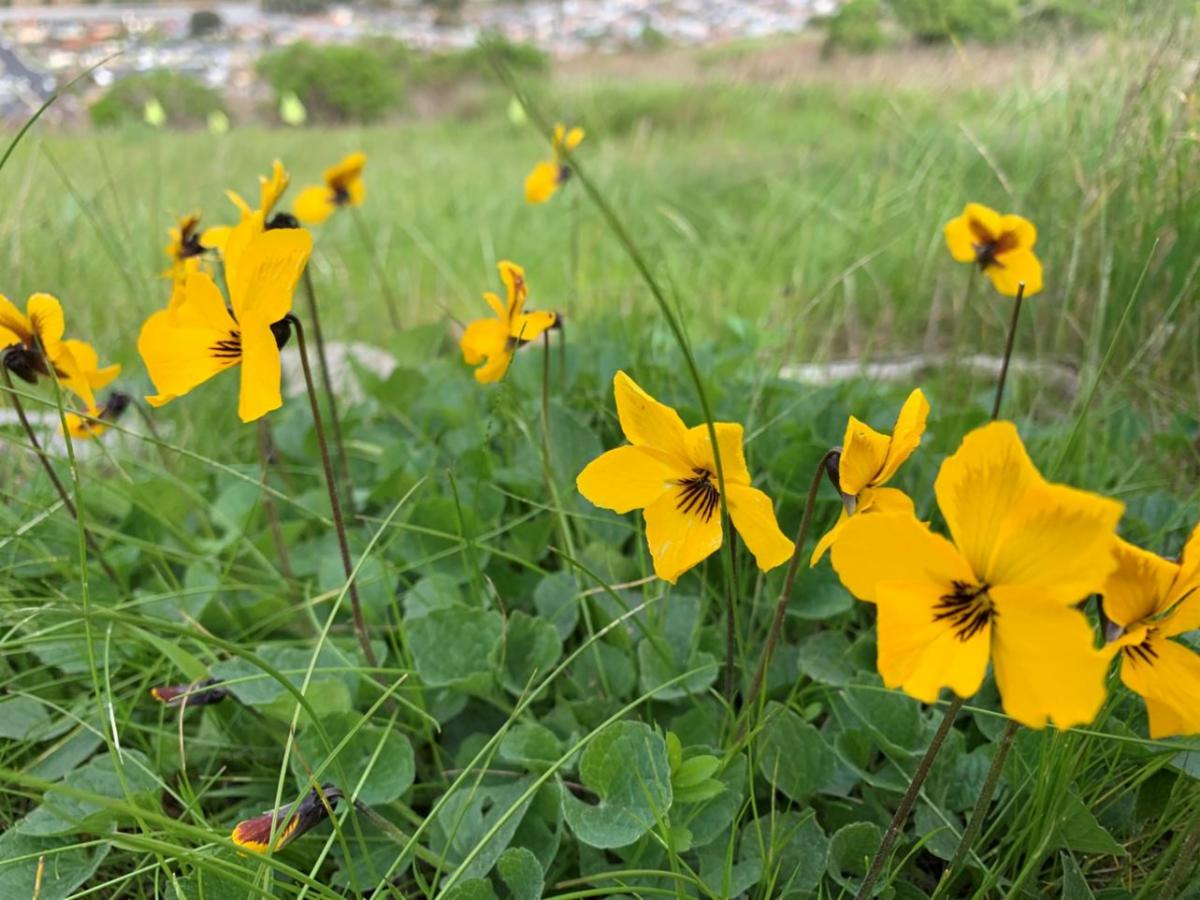
Golden violet (Viola pedunculata)
|
|
Scientific Name: Speyeria callippe callippe | (ca-LIP-ee)
Status: Endangered
Description:
- Wingspan of 5.5 cm
- One flight of adults per year
- Adults out mid-May to mid-July
Food Source:
-
Larvae: Golden Violet (Viola pedunculata)
- Adults: Nectar from summer flowering plants
Range:
- The subspecies historically occurred in grassland habitat across San Francisco Bay. Five colonies, including the one located at Twin Peaks in San Francisco, were extirpated.
- Current Range (Since 1988): San Bruno Mountain & Sign Hill, Pleasanton Hills, Sears Point, hills between Vallejo and Cordelia
Threats:
- Habitat loss and fragmentation due to development
- Invasive species competing with its host plant
- Trampling of host plants by hikers, equestrians, bicyclists, and off-road vehicles
How can you help?
- Most of Sign Hill's golden violet host plant lives on the ridge. Stay on trails to prevent trampling this important wildflower
- Volunteer with Sign Hill Stewards to remove invasive plant species threatening the callippe
Information from U.S. Fish & Wildlife Service
|
|
Protect Your Neighbors
No smoking or fireworks on Sign Hill
|
|
Flyer created by Parks Division Intern Danielle Leong. |
|
Nature Sightings on Sign Hill! |
|
|
|
Dotseed Plantain (Plantago erecta)
|
This unassuming wildflower only grows a few inches tall. Despite its size, the dot seed plantain is an important food source in grasslands, especially for the threatened bay checkerspot butterfly.
This photo comes from the Seubert Grove, where the 2020 Diamond fire burned most of the Monterey Pine forest. Without a tree canopy, native wildflowers are sprouting back from the seed bank. Talk about seed dormancy — the Seubert Grove was planted around the 1980s.
|
|
|
|
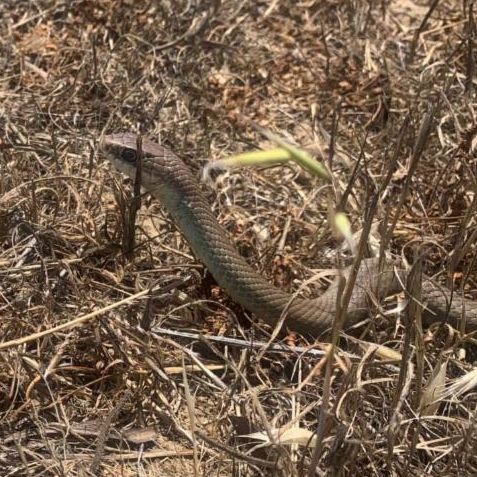
Western Yellow-bellied Racer (Coluber constrictor mormon)
|
These non-venomous snakes eat small animals like insects, rodents, and reptiles. Don't be confused by the name "Racer" — they usually only move at a speed of 4 miles per hour.
|
|
|
|
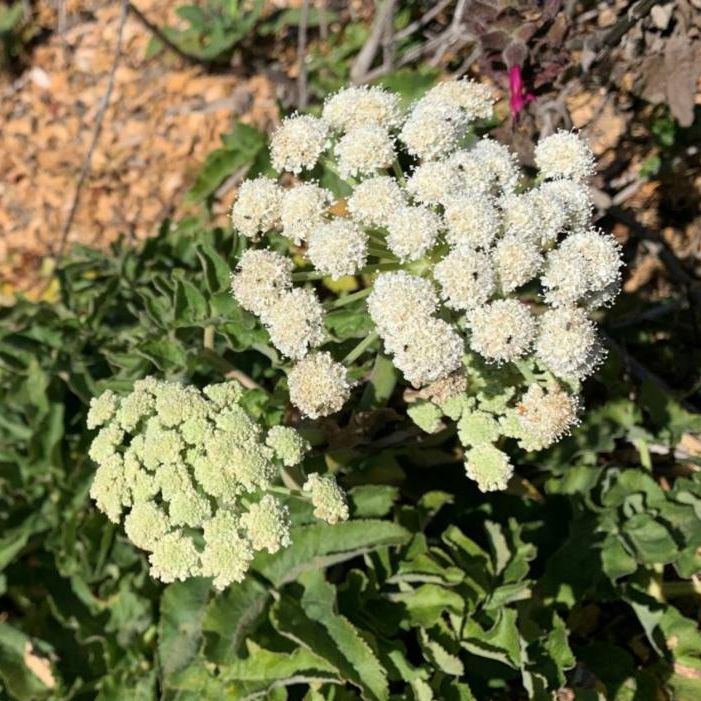
Coast Angelica (Angelica hendersonii) |
Found on Sign Hill's north-facing scrubby slopes, this carrot family plant can grow up to 7 ft tall! |
|
|
|
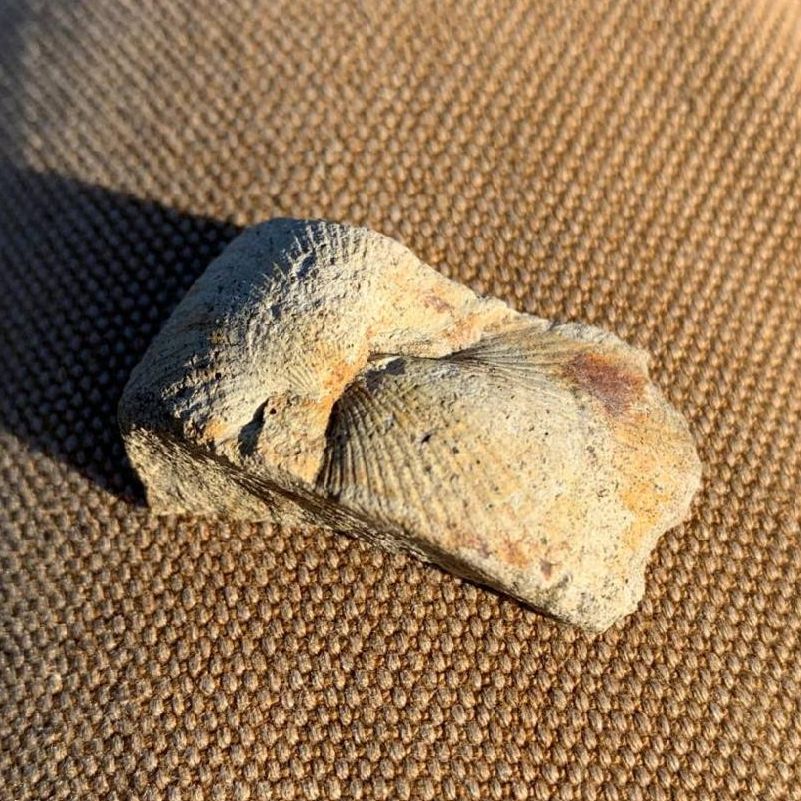
This fossil was discovered by staff on the Sign Hill ridge. Found in a debris pile, it's possible that this fossil was transported from elsewhere! |
|
This project is supported by Measure K funding |
|
|
|
|
|
|