| | Sign Hill Restoration Project | | |
Greetings Sign Hill Stewards,
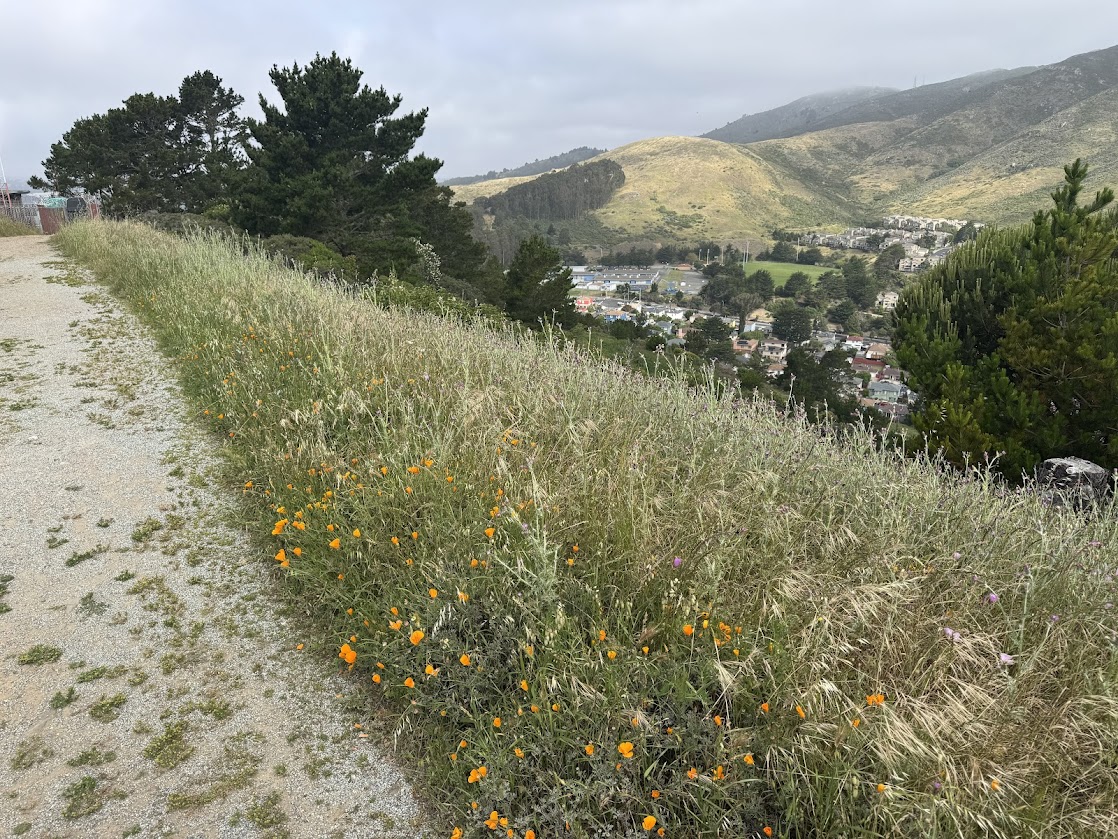
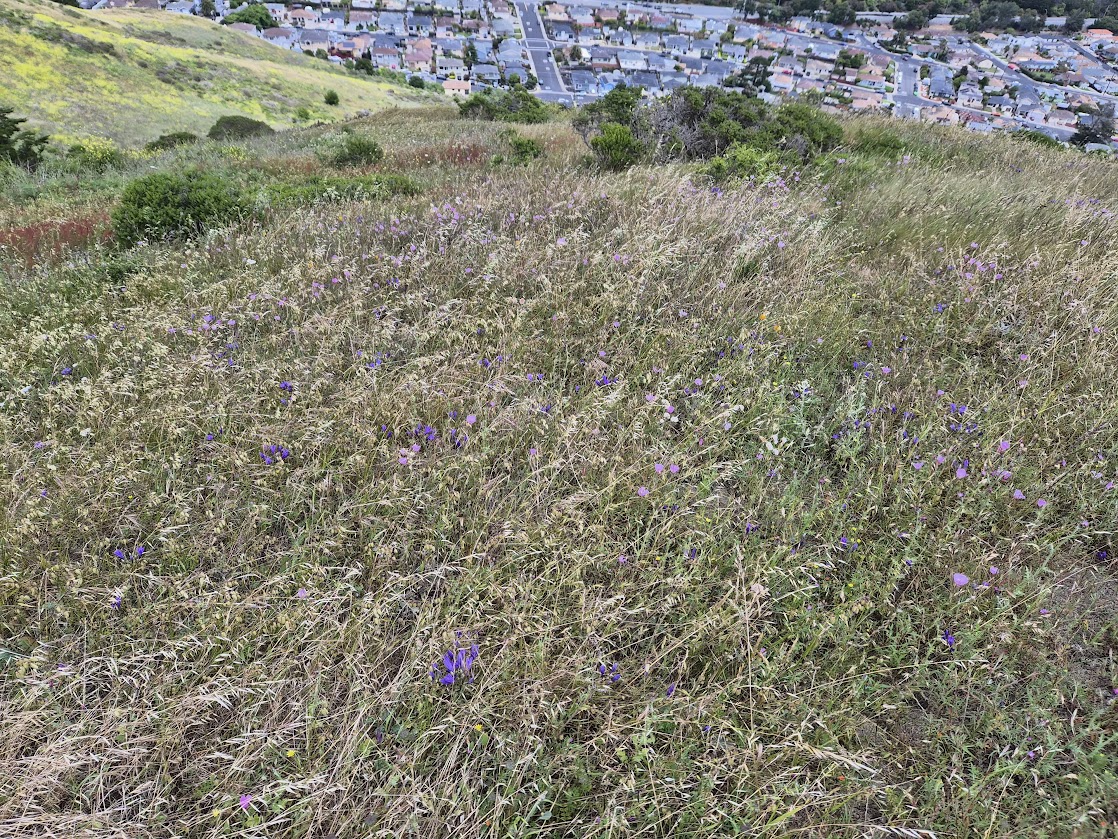
Spring has flown by in a flutter on Sign Hill as SSF Parks Natural Resource Staff and volunteers have worked ardently to combat invasive weeds across the park and conduct time-sensitive mission blue butterfly monitoring surveys. Now vibrant flushes of pink farewell-to-spring clarkias have bloomed across Sign Hill's slopes, ushering us into the summer months.
For many California native plants summer is a time of dormancy, an adaptation to a season of warmth and dryness. And while the plants may be at rest, the work on Sign Hill is only heating up. Since the summer months are somewhat inhospitable, the invasive plants that we are abating have a particularly hardy nature that can make them challenging or impossible to remove. Noteworthy species include sweet fennel, pampas grass, wild mustard, and the ever-growing eucalyptus and acacia trees. Additionally, the mighty Green Climber and nimble string trimmers will be working at a steady hum as we create fire breaks around the park and break up the dense thatch in the mission blue butterfly habitat.
We hope you will join us for a Sign Hill Stewards workday this summer and experience the satisfaction that comes from working as a team to accomplish something big. The environment will thank you!
Candace LaCroix
Natural Resource Specialist
Leading the Sign Hill Habitat Restoration Project
| | | | |
Sign Hill Stewards in Spring
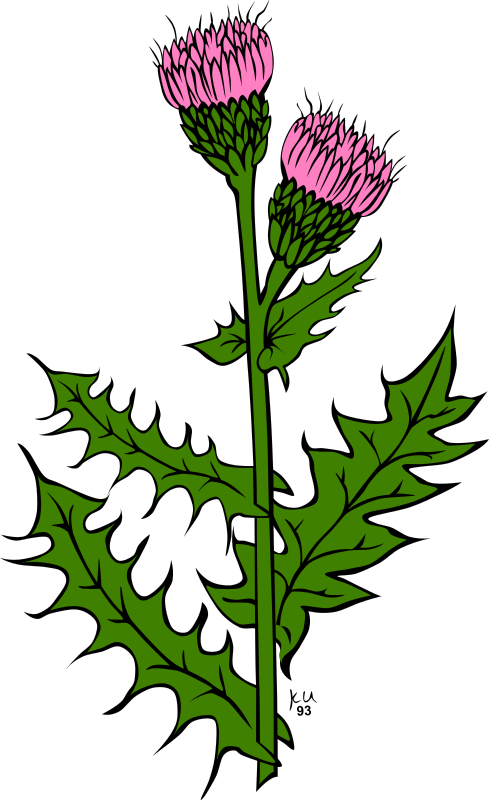
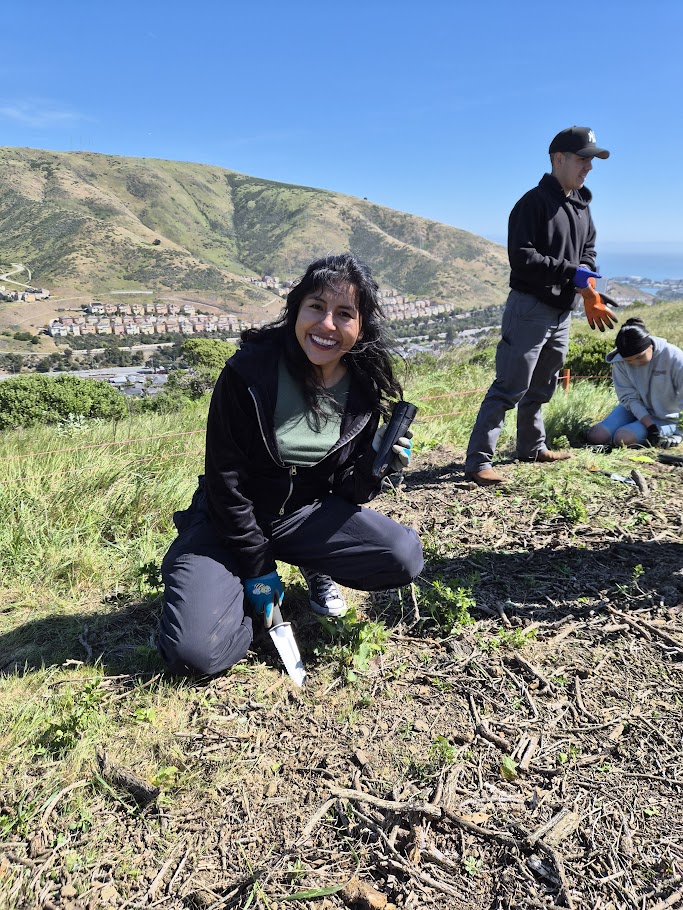
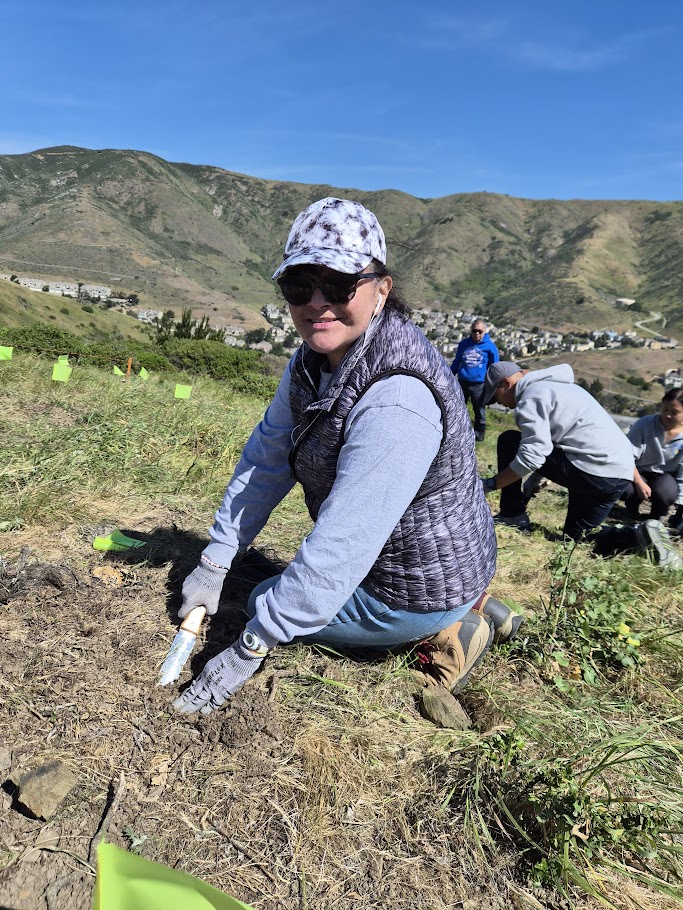
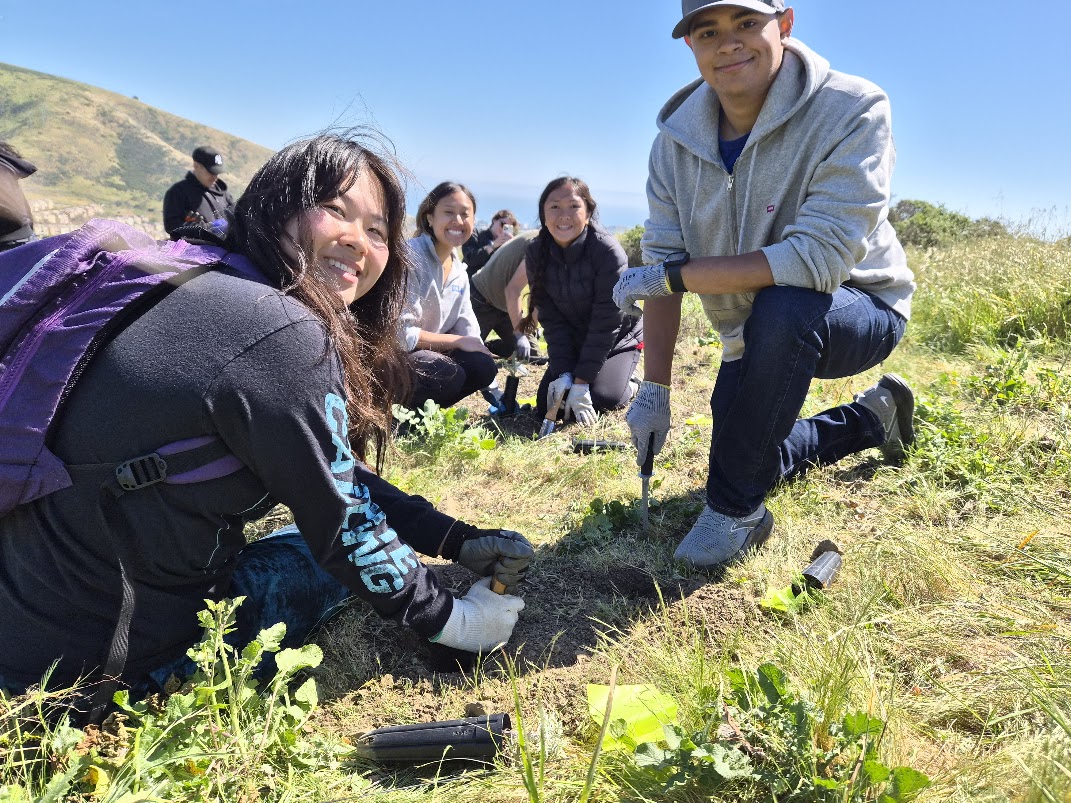
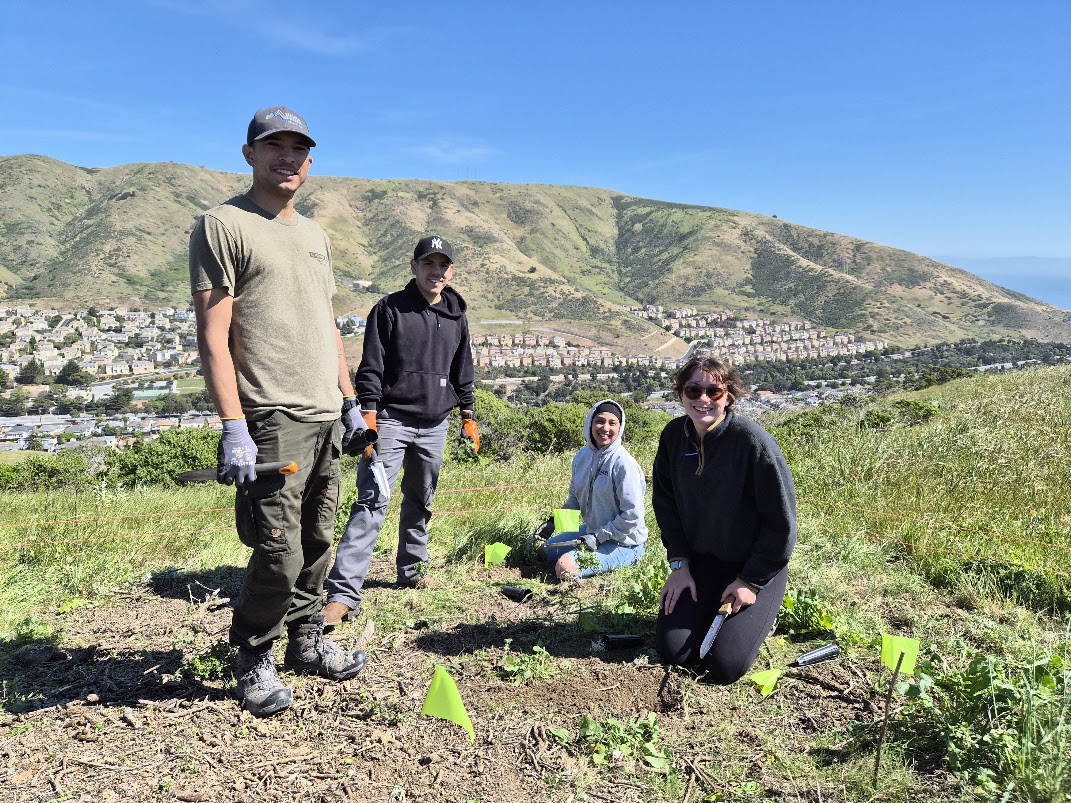
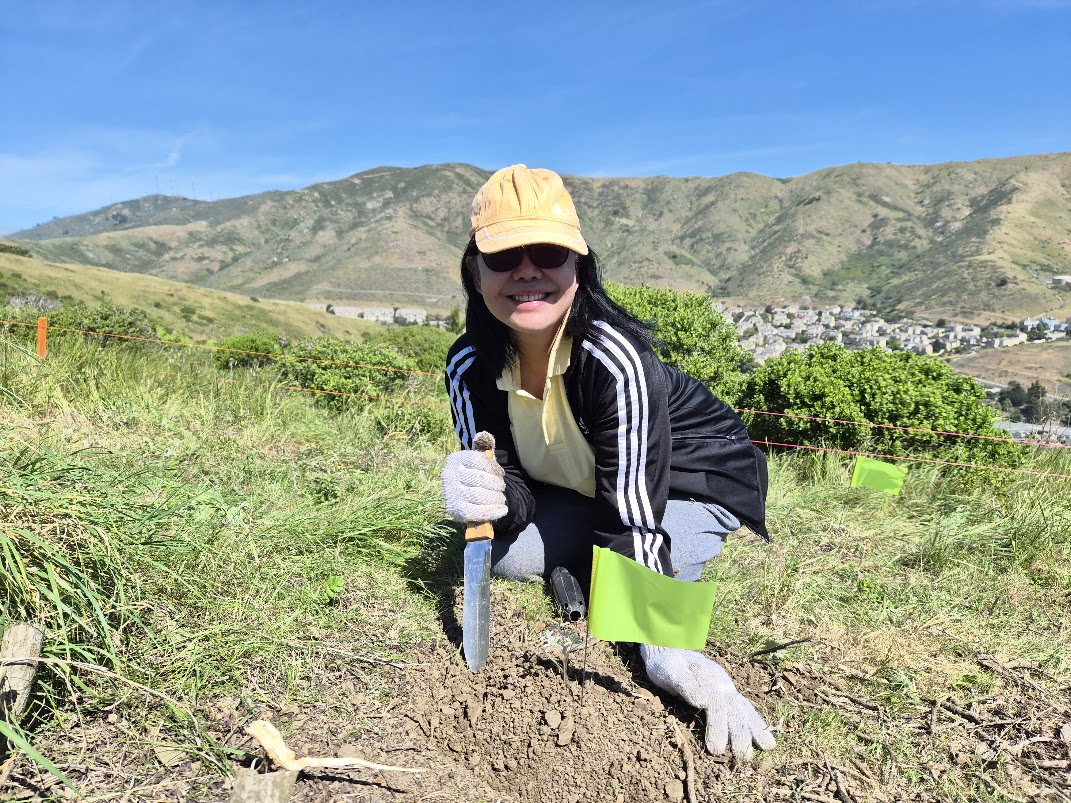
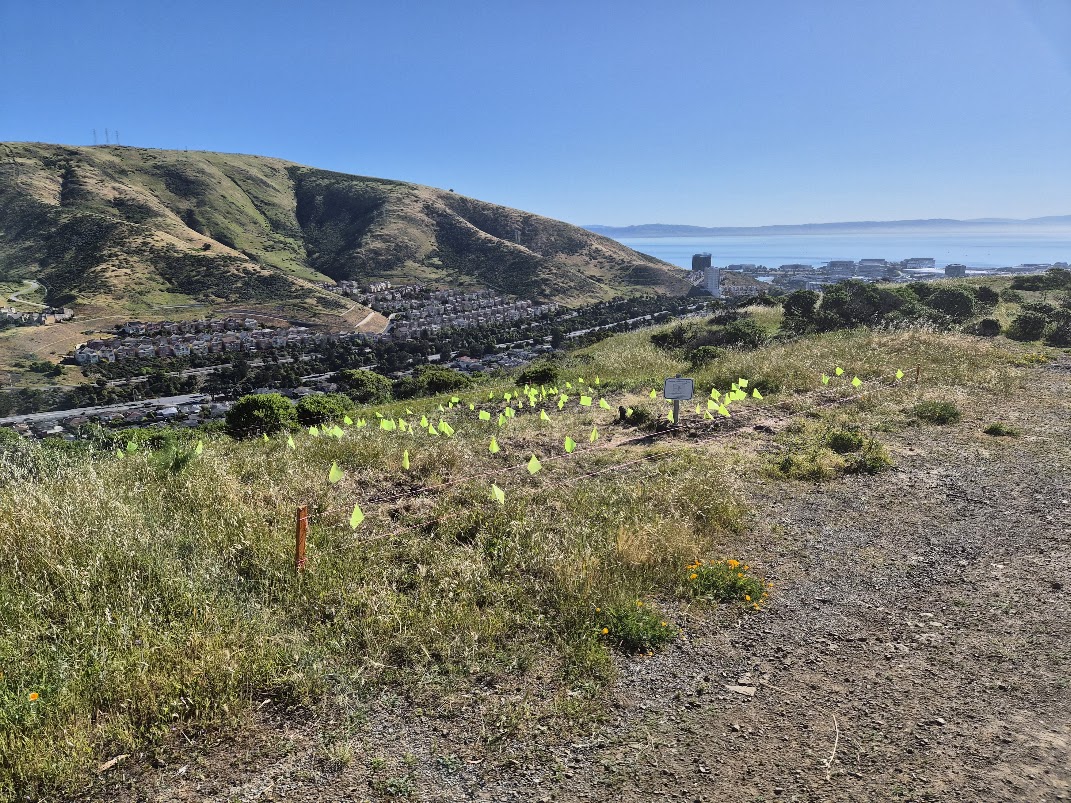
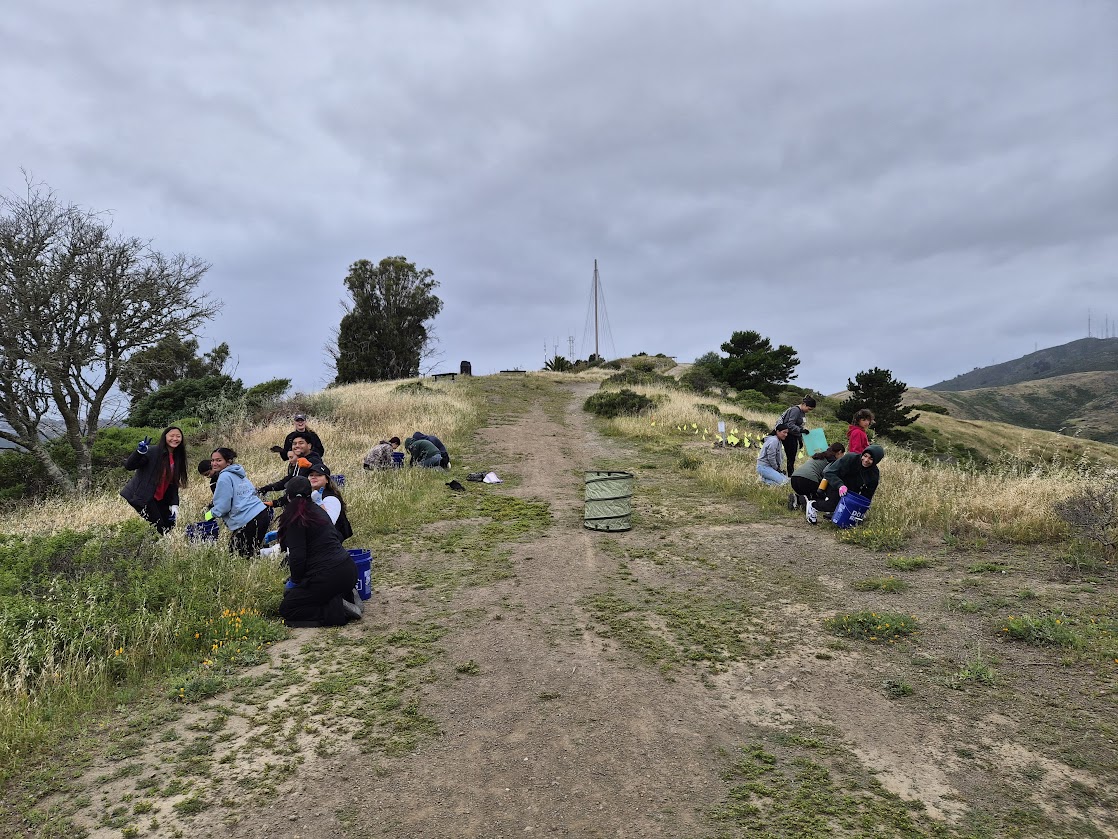
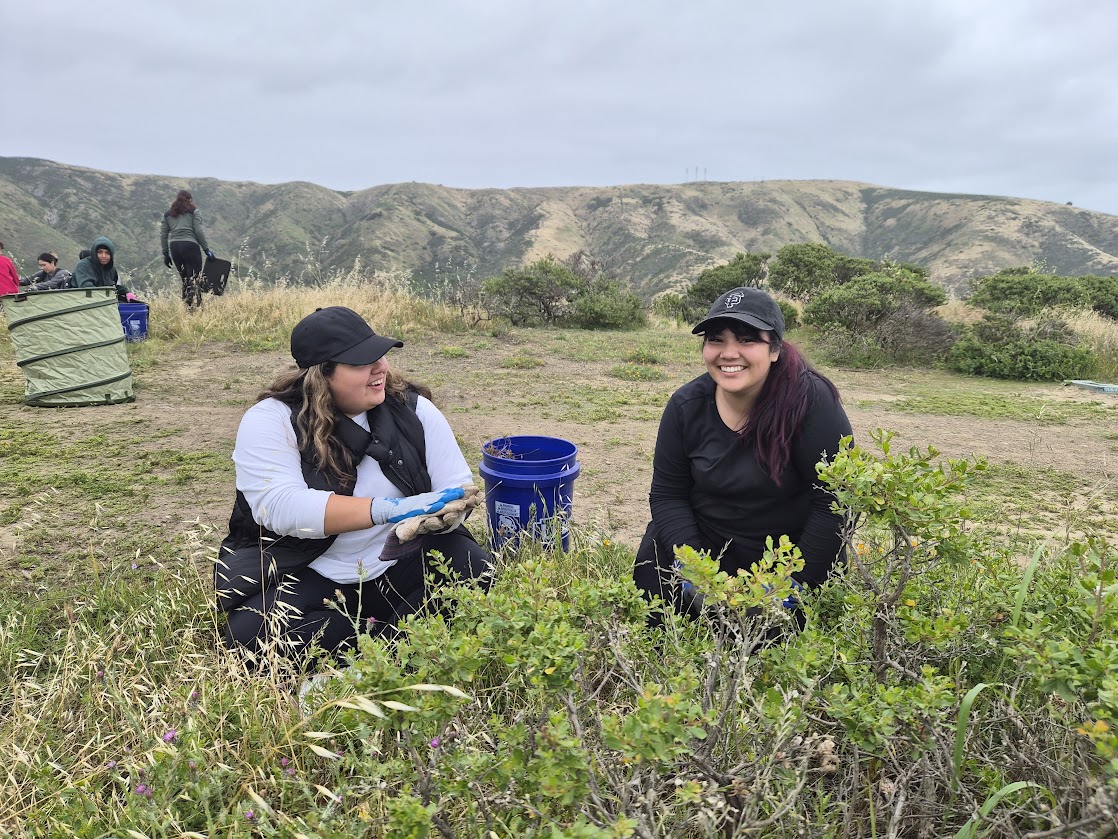
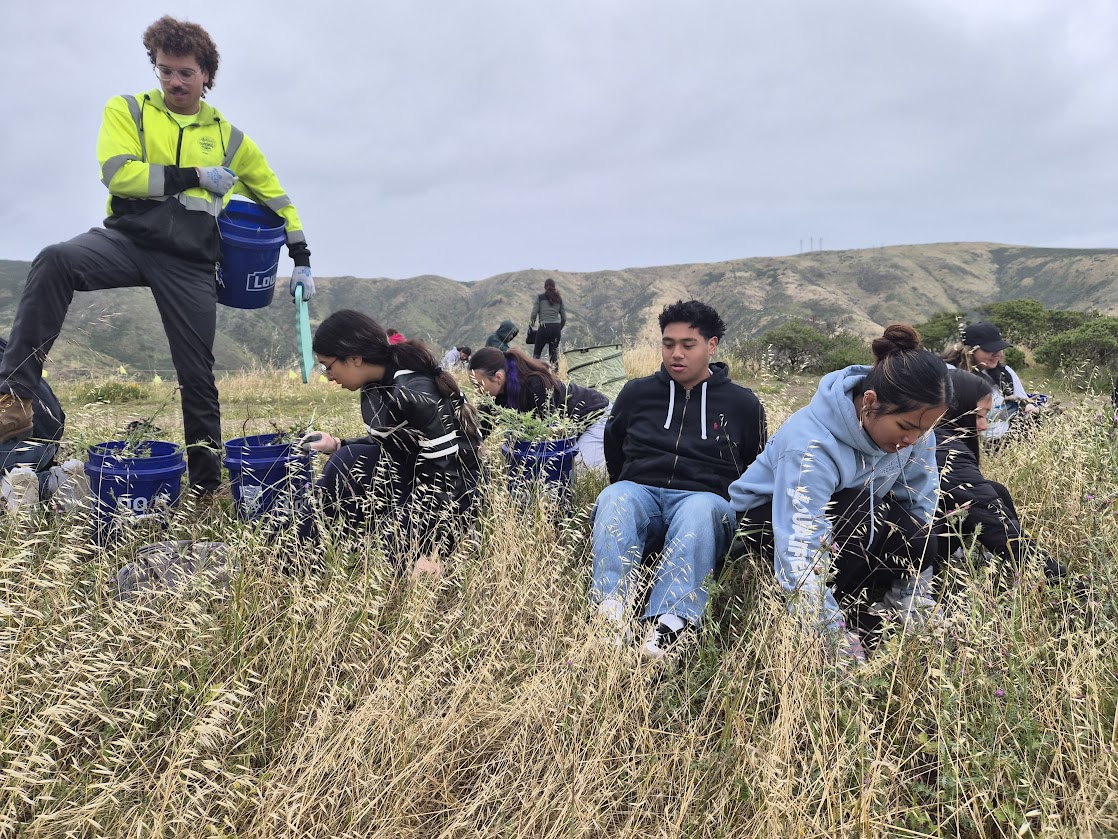
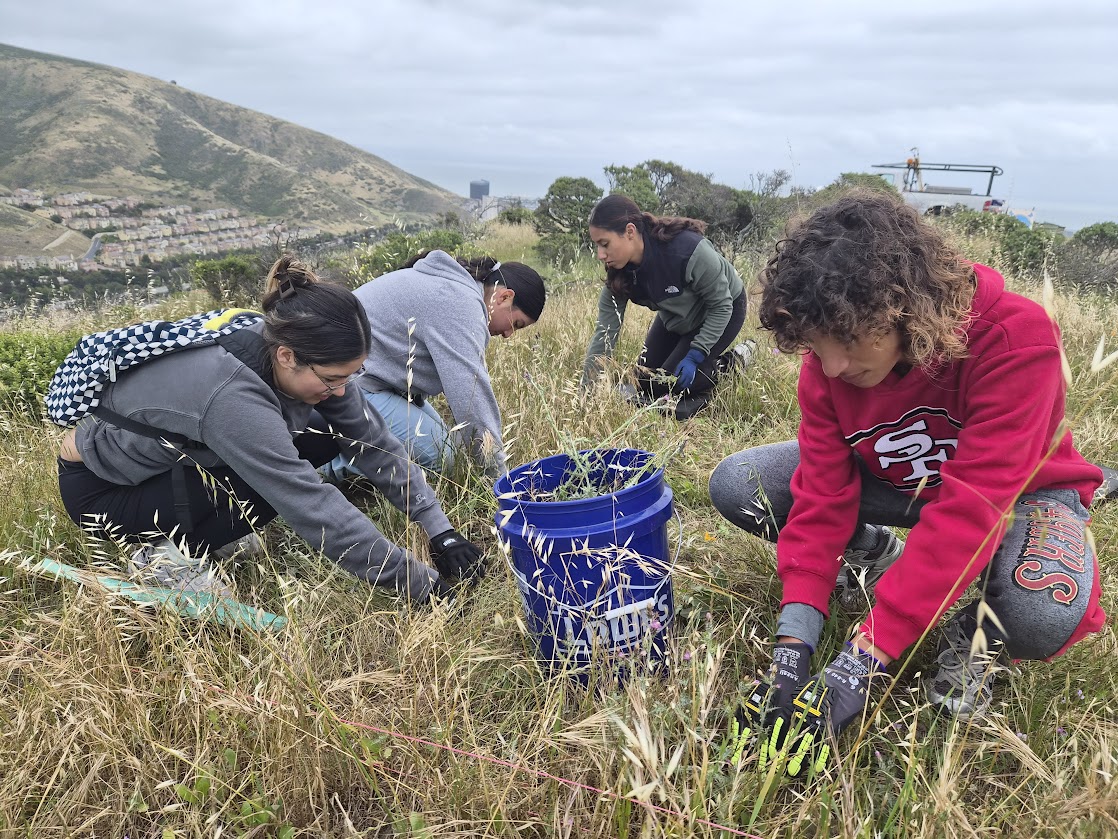
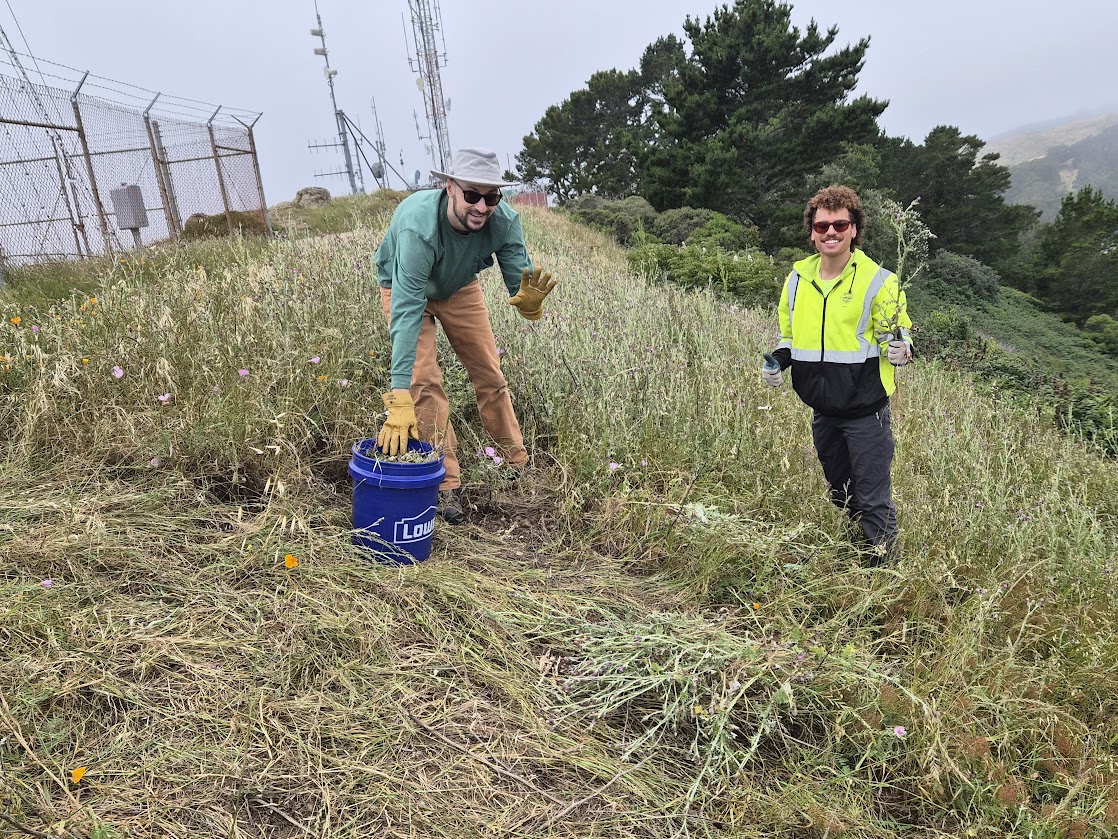
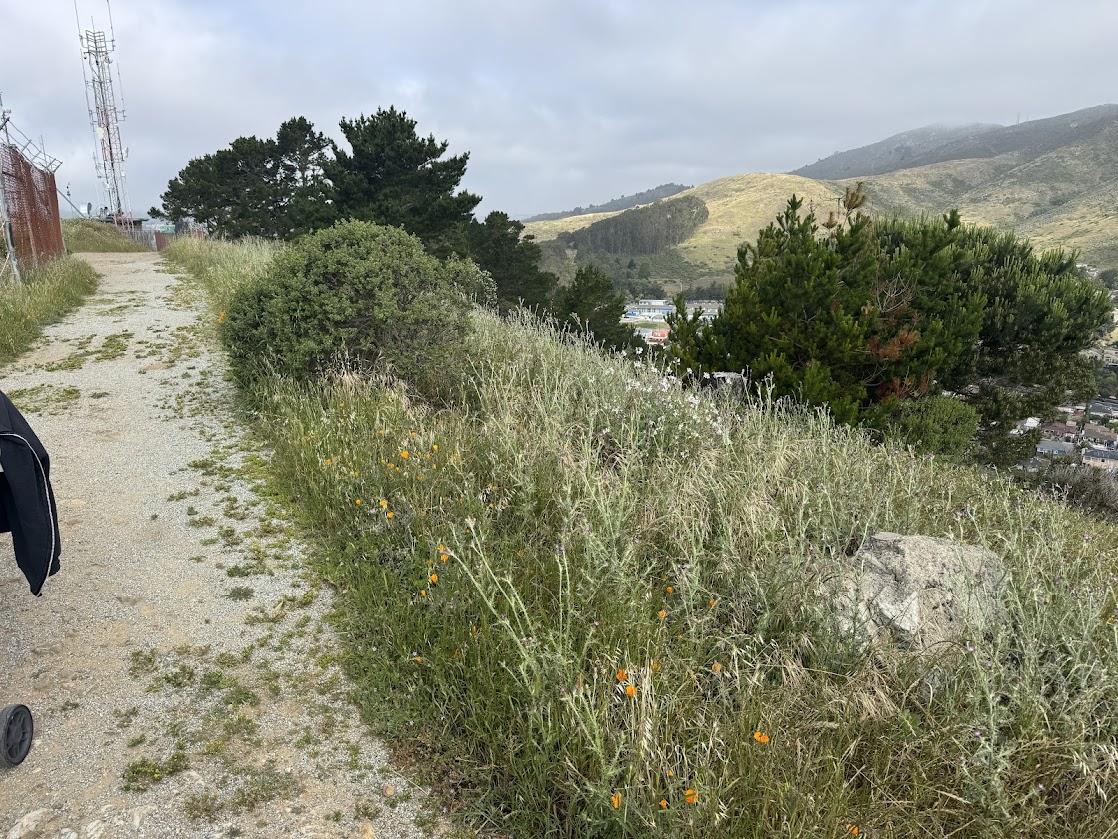
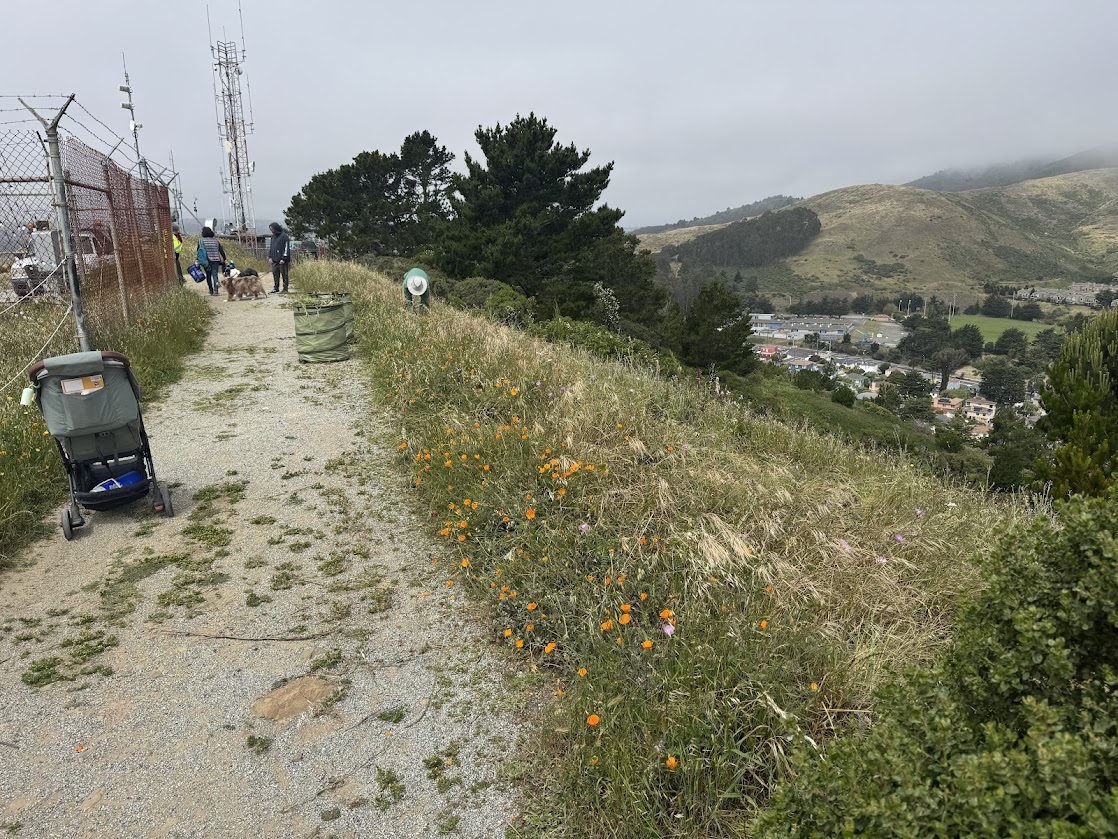
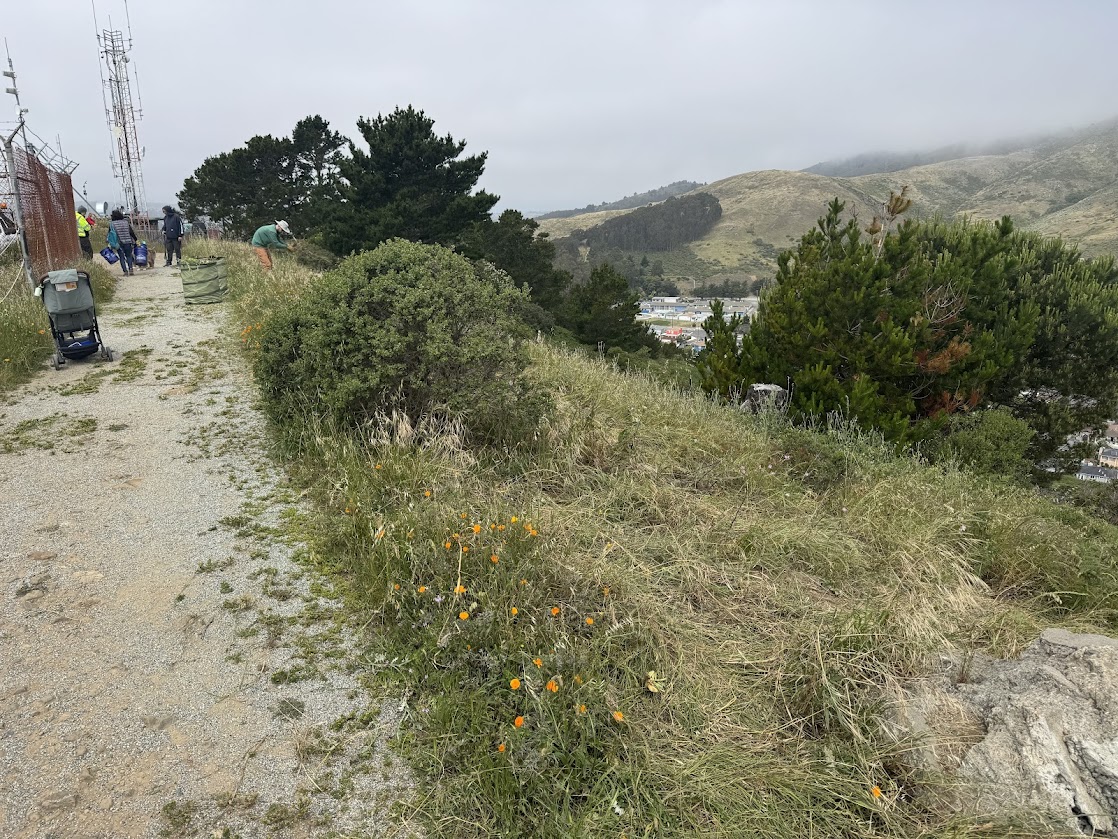
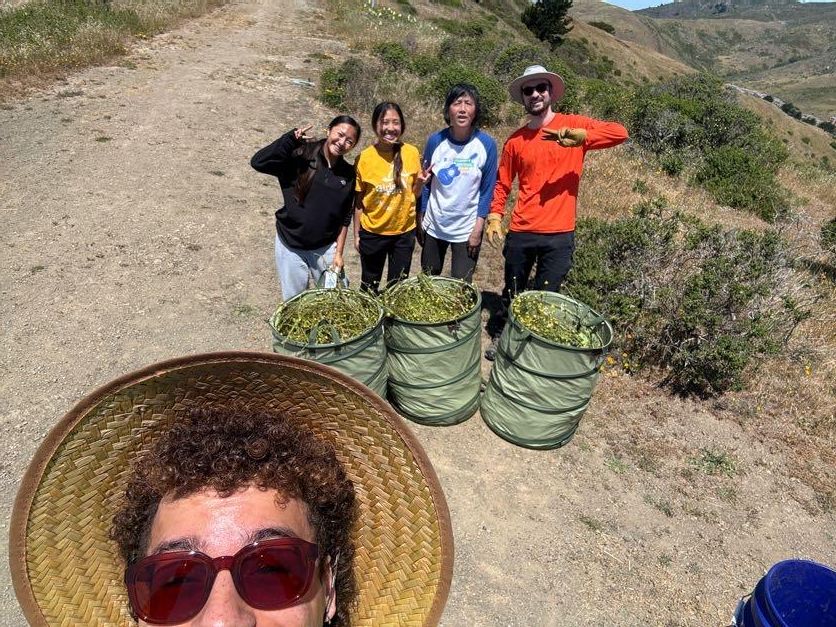
| | For much of this spring, Sign Hill Stewards dedicated their efforts to restoring an area along the summit of Ridge Trail. The area was densely covered with invasive Italian thistle which the stewards meticulously removed by hand. This work can be arduous, especially as the thistle grow larger and spinier- yowch! Next a restoration planting palette of native nursery plants and seeds was installed. It will be exciting to observe how this area establishes over the coming months and years! | | | |
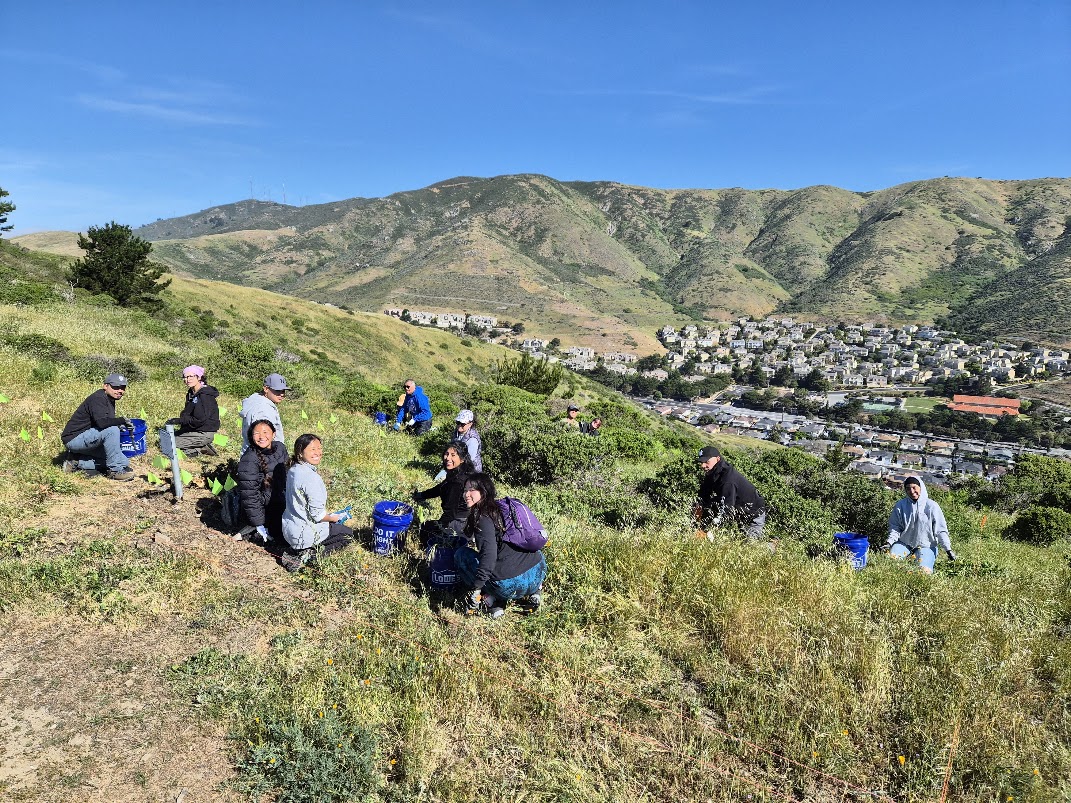
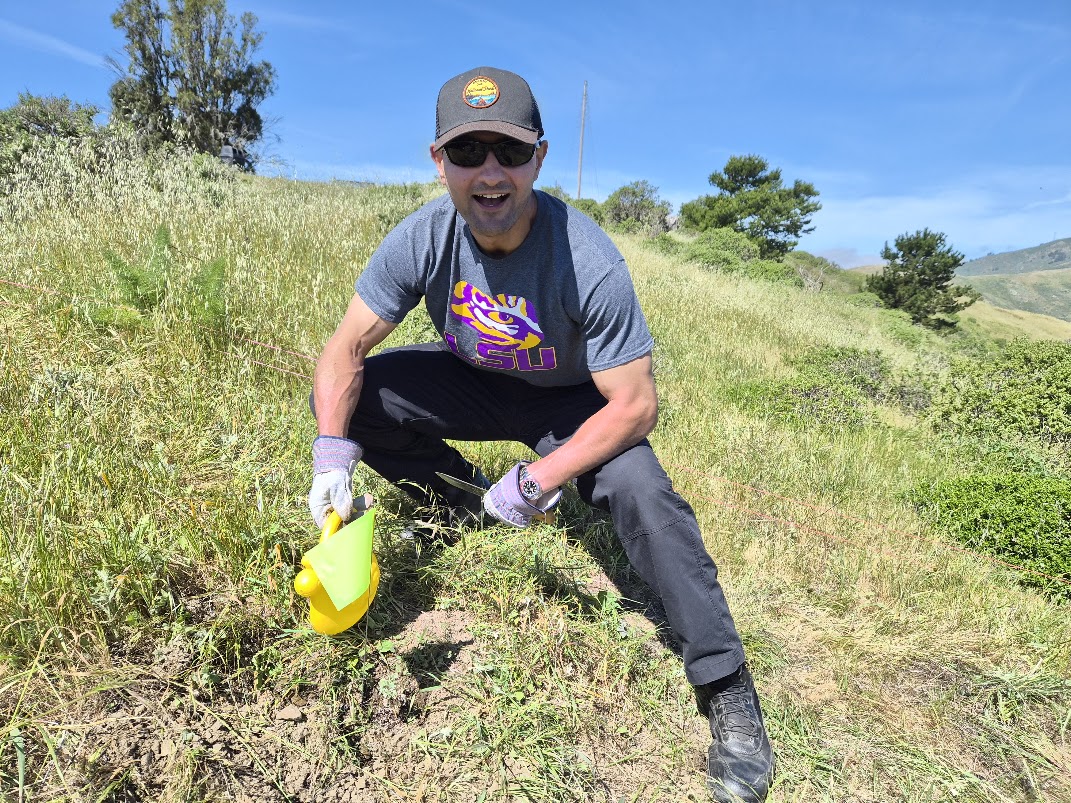
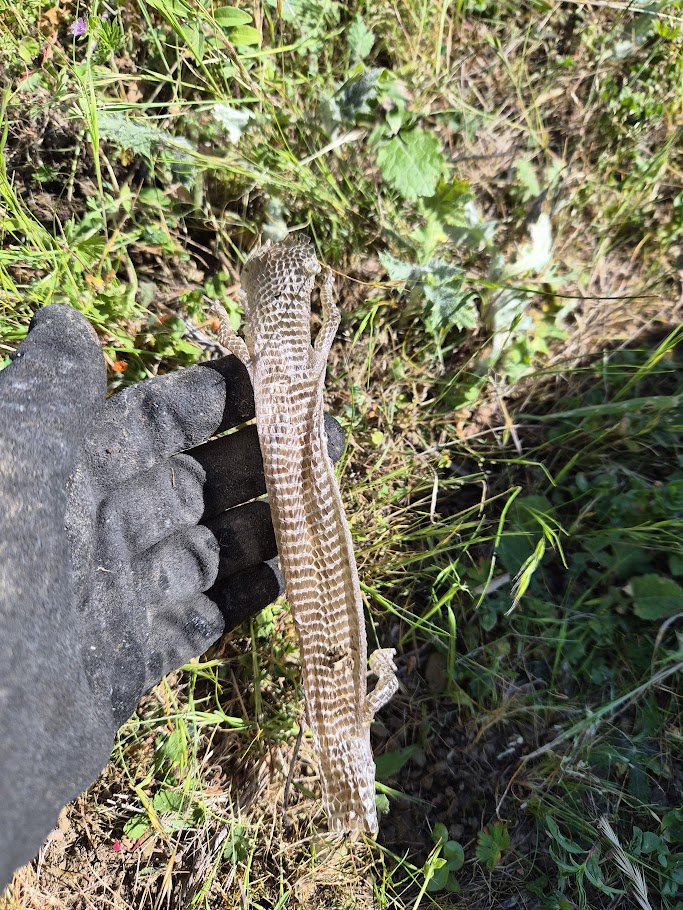
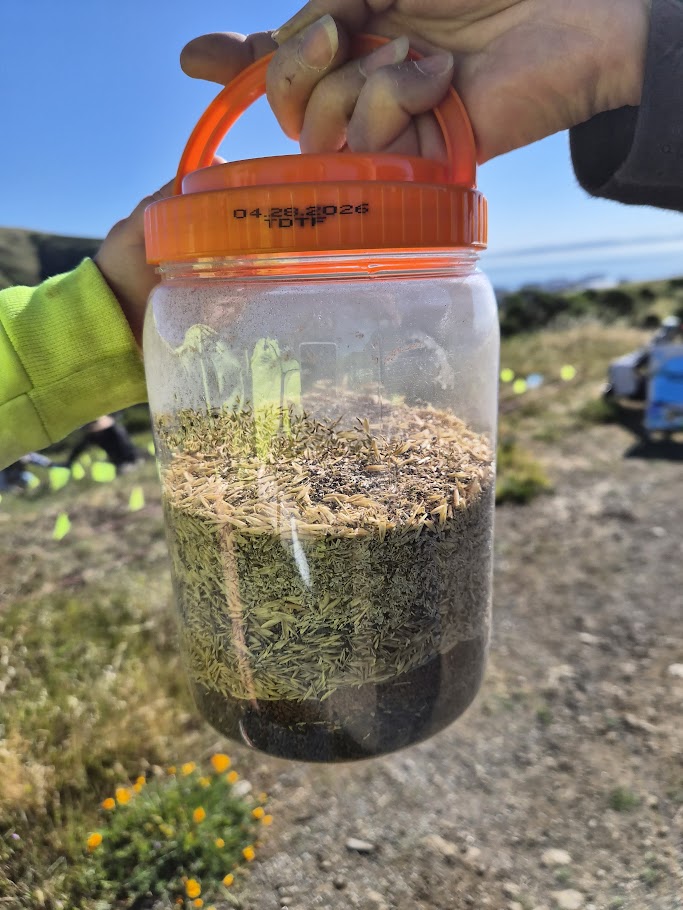
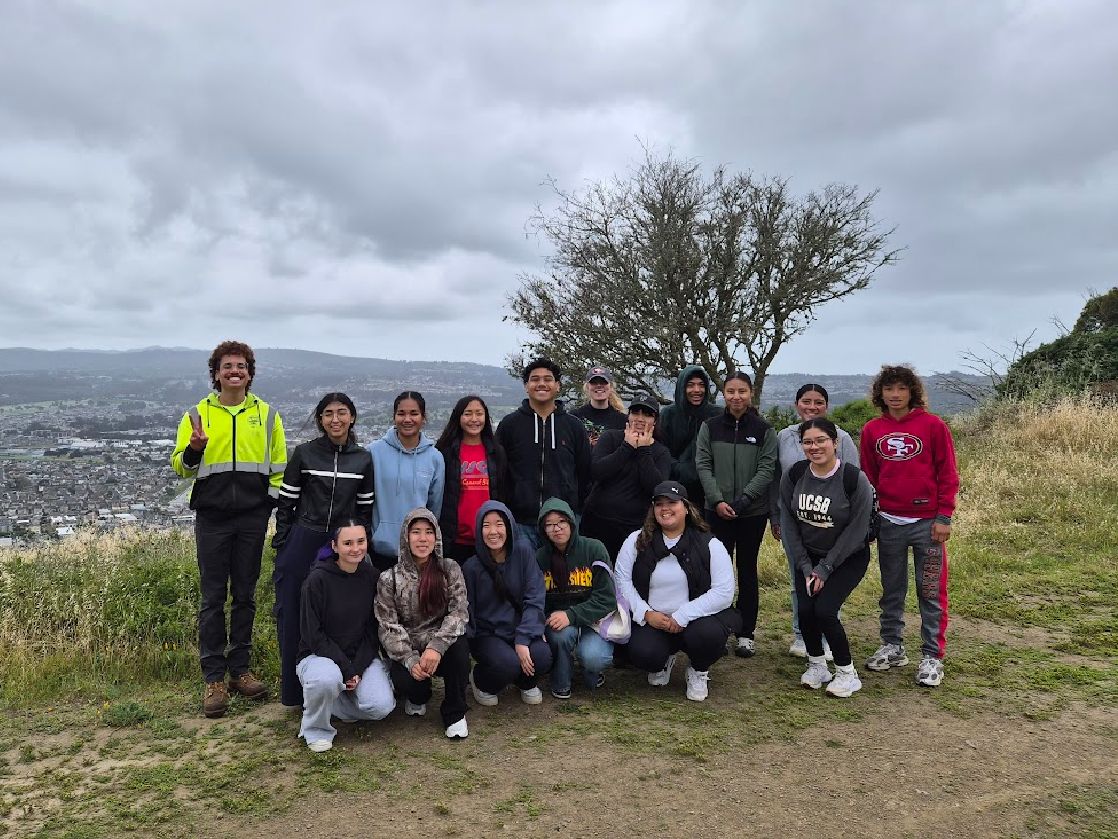
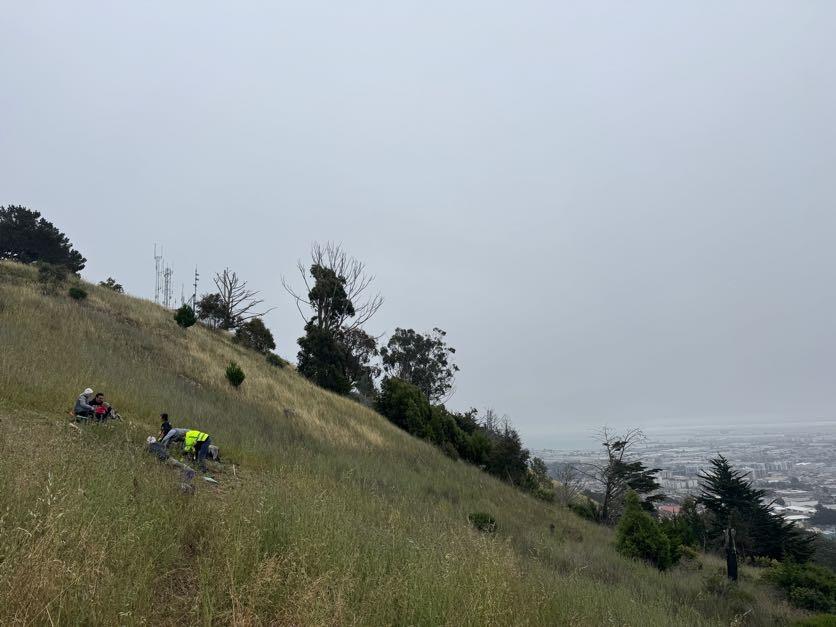
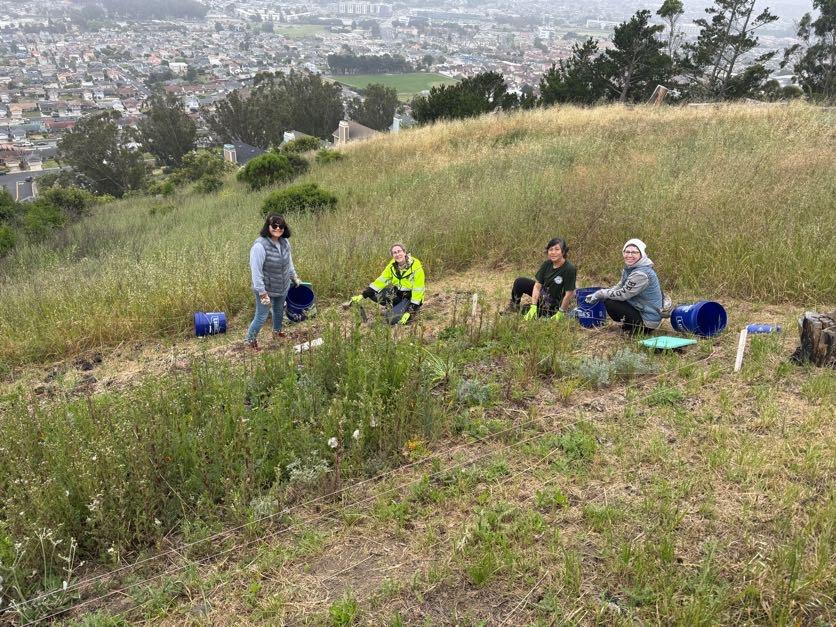
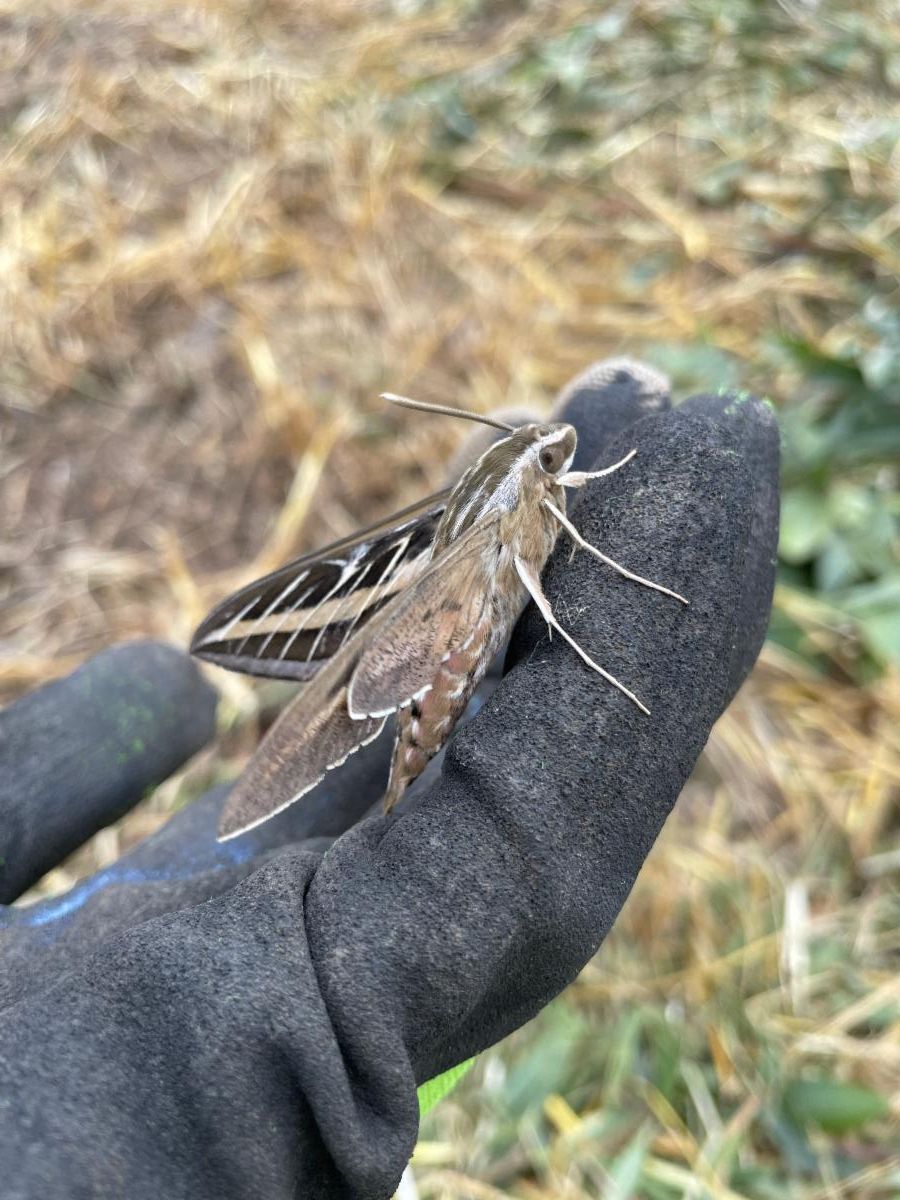
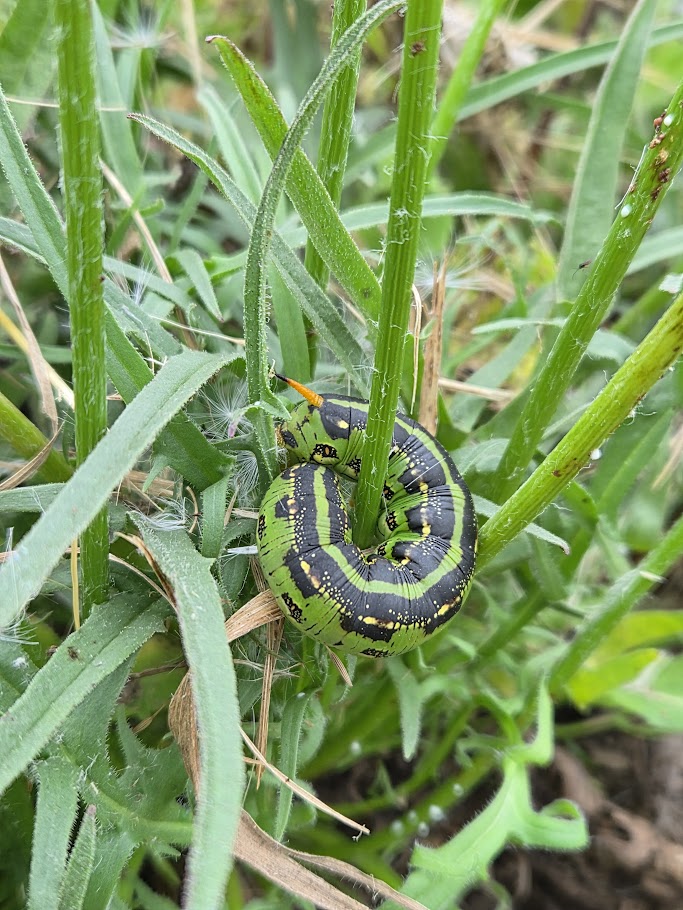
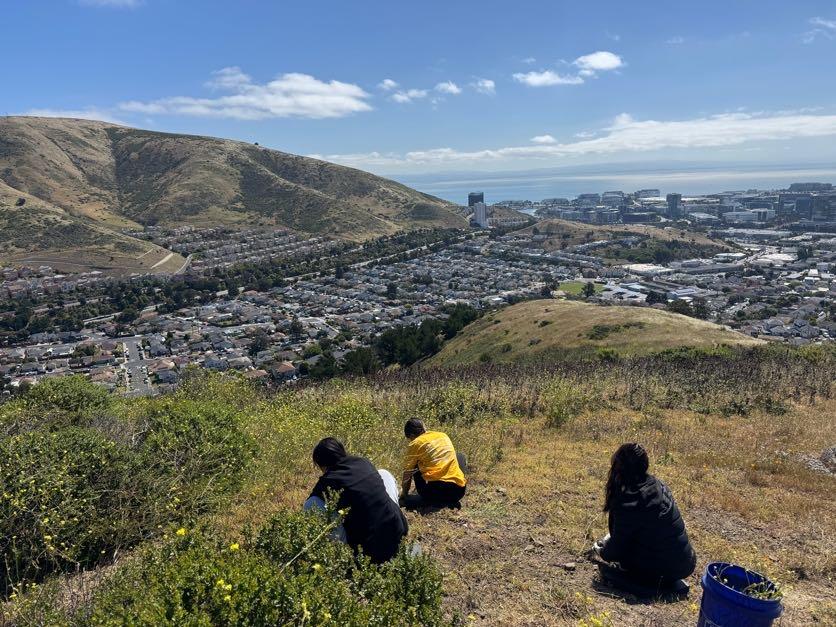
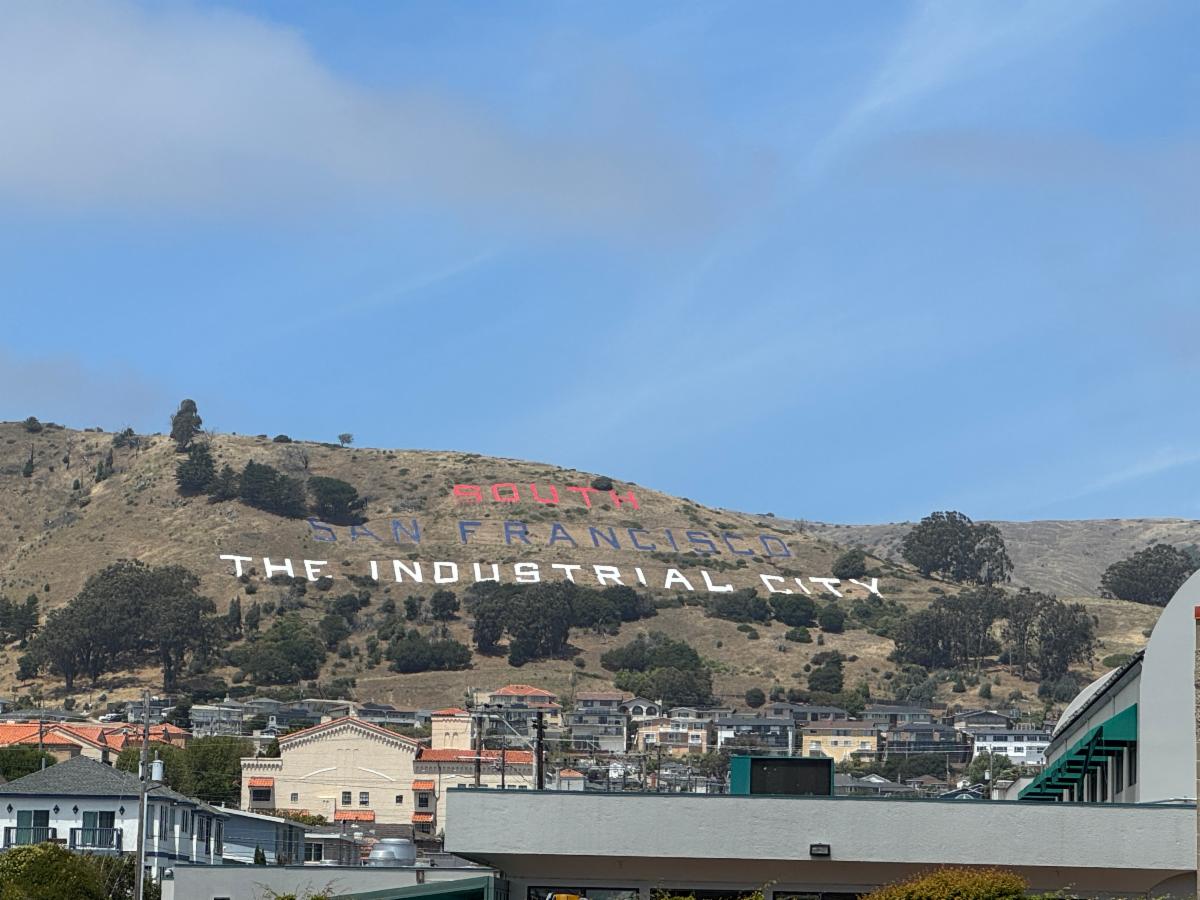
Have you ever felt like you wanted to crawl out your own skin? Well, no one understands that feeling better than the local alligator lizard! Unlike most lizards that shed their skin in flakey patches, the alligator lizard sheds it's whole skin in one piece-- just like a snake. A volunteer discovered this alligator lizard skin nearly perfectly intact, what a find! | | You have heard of sand art, but what about seed art? These stratified seed mixes are just so pleasing to the eye before being shaken up. | | | It was a pleasure to work with a special group of South San Francisco High School students this spring who helped pull Italian thistles and plant a native seed mix along the top of Ridge Trail. This impressive group of young leaders is getting an early start to building strong communities through environmental stewardship! | | FUN FACT: I bet you wouldn't have guessed that, under the direction and funding of the Chamber of Commerce, the Hillside Sign as we know it today was actually built by students from South San Francisco High School. Sign Hill and SSFSH's history goes way back! | | Sign Hill Stewards brave steep slopes to restore habitat for mission blues. These volunteers are weeding the restoration area we installed earlier this year close to the top of Seubert Trail. | | Sow thistles had really taken this plot over, but Sign Hill Stewards came to the rescue! | | Hornworm wonder! While weeding this restoration area Sign Hill Stewards discovered something delightful, a hornworm. This enormous caterpillar with a protruding orange "horn" was found curled around a California dandelion stalk. | | If it is successful this hornworm will grow to become a white-lined sphinx moth, Hyles lineata(left). These charming moths resemble hummingbirds in flight and pollinate many of the park's native wildflowers. | | |
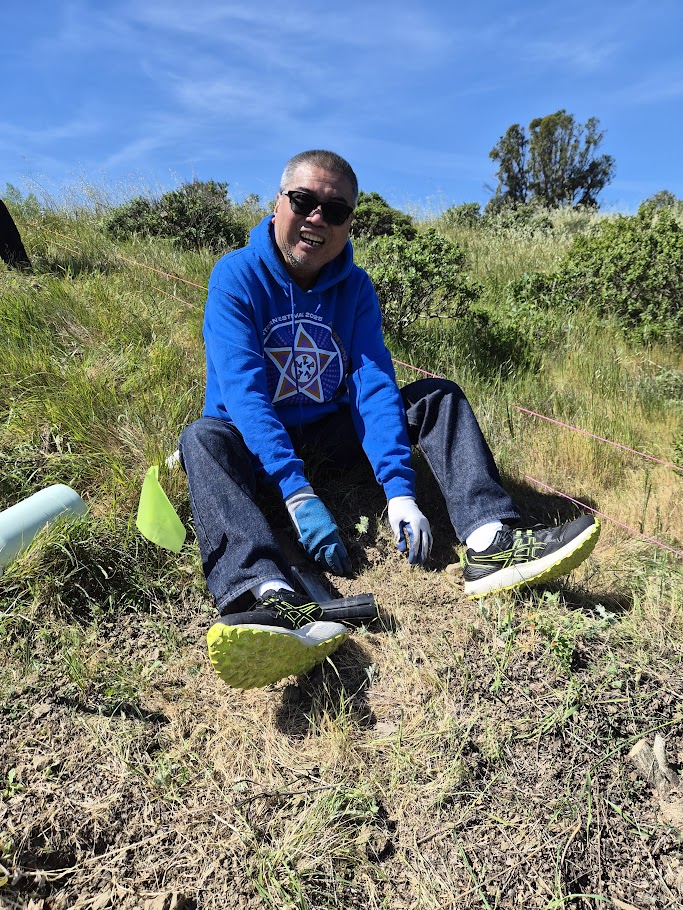
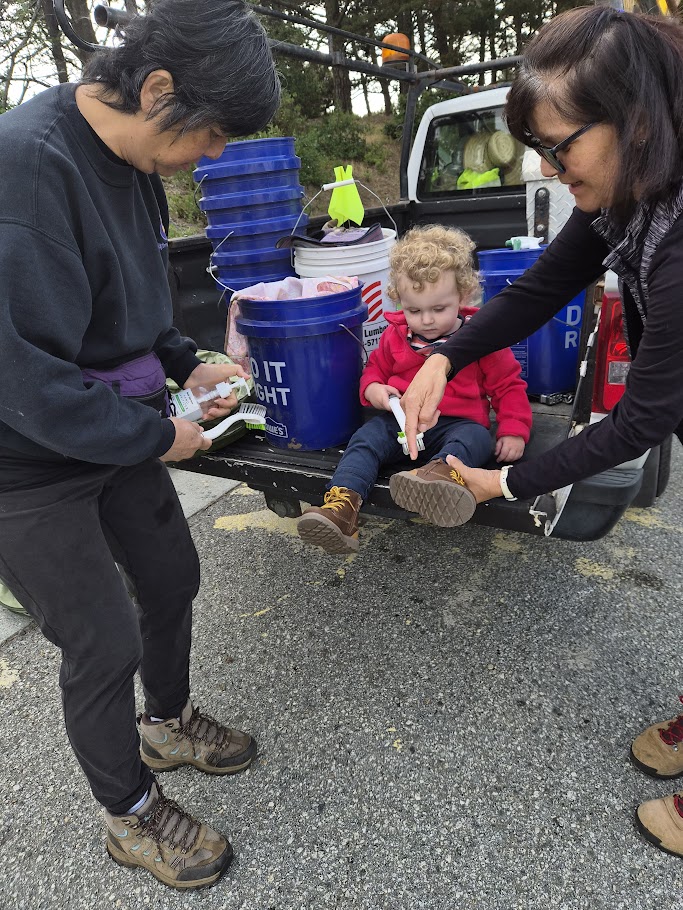
While working off-trail, Sign Hill Stewards help to protect sensitive habitat by scrubbing our boots with alcohol. This helps to prevent the spread of potentially harmful plant pathogens and introductions of invasive plant species.
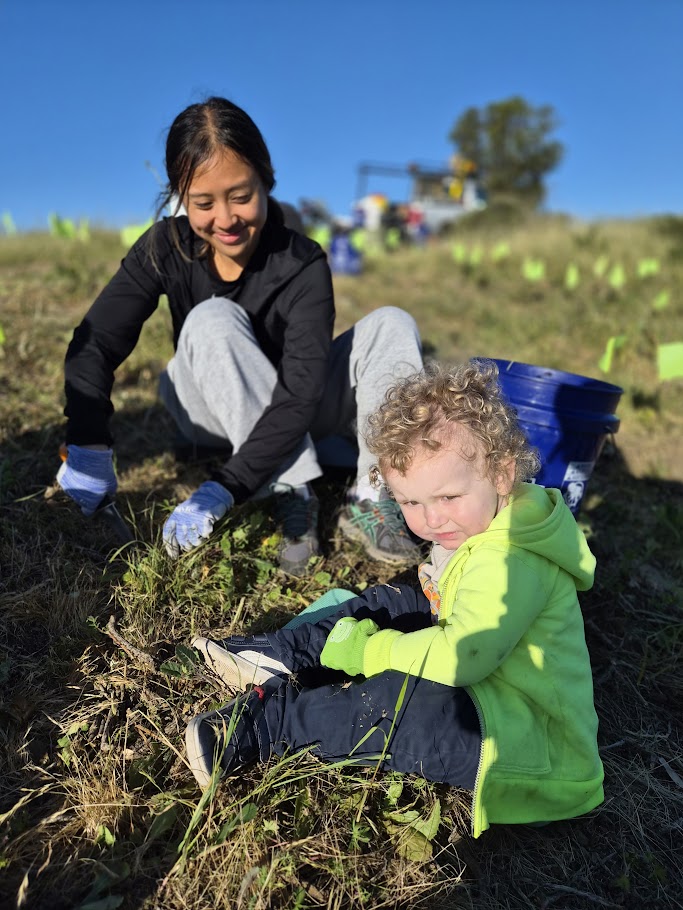
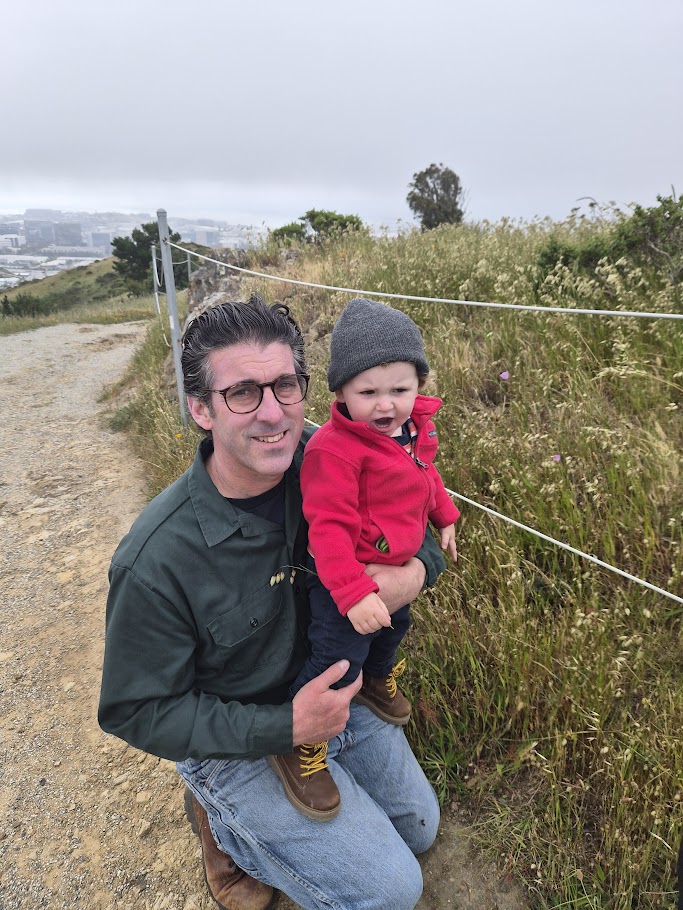
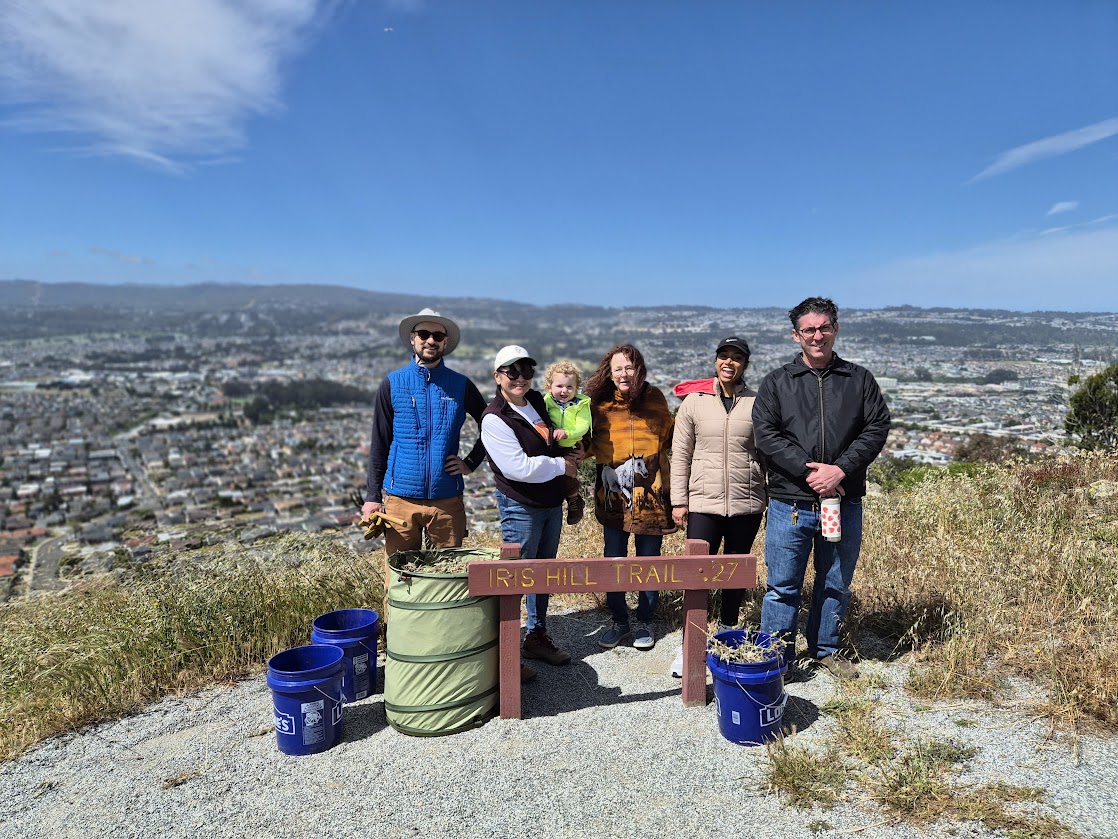
Here, Leslie and Sylvia help show little George the proper technique.
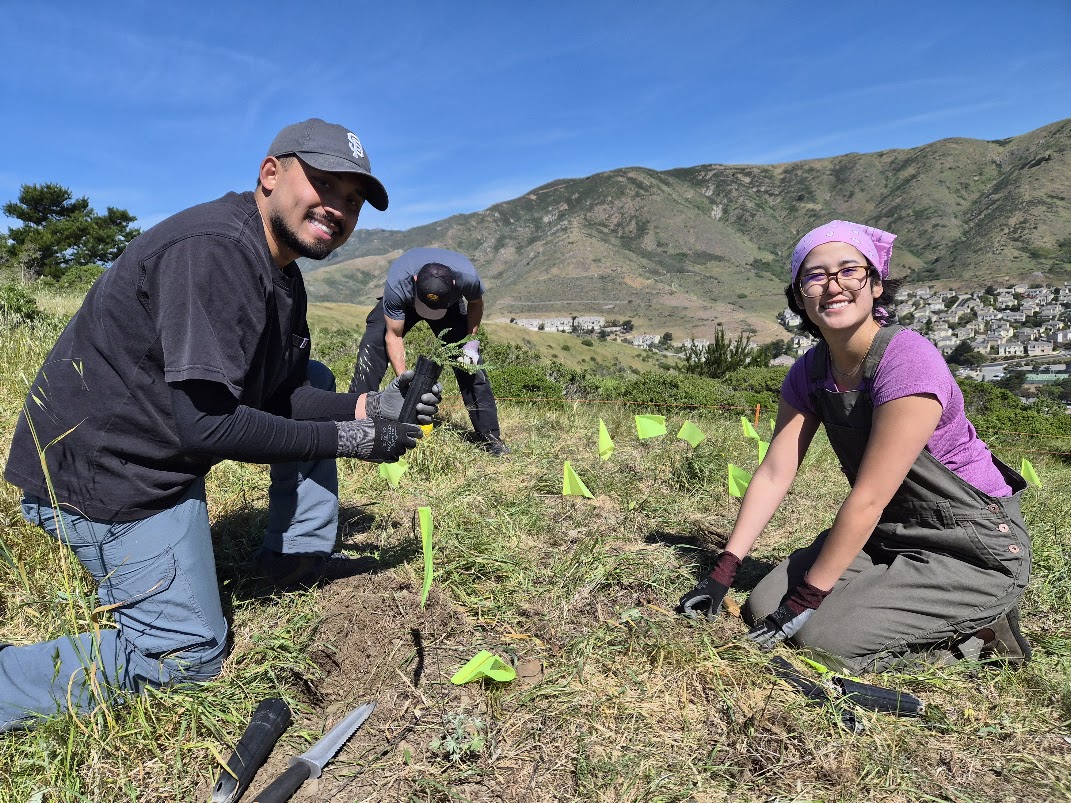
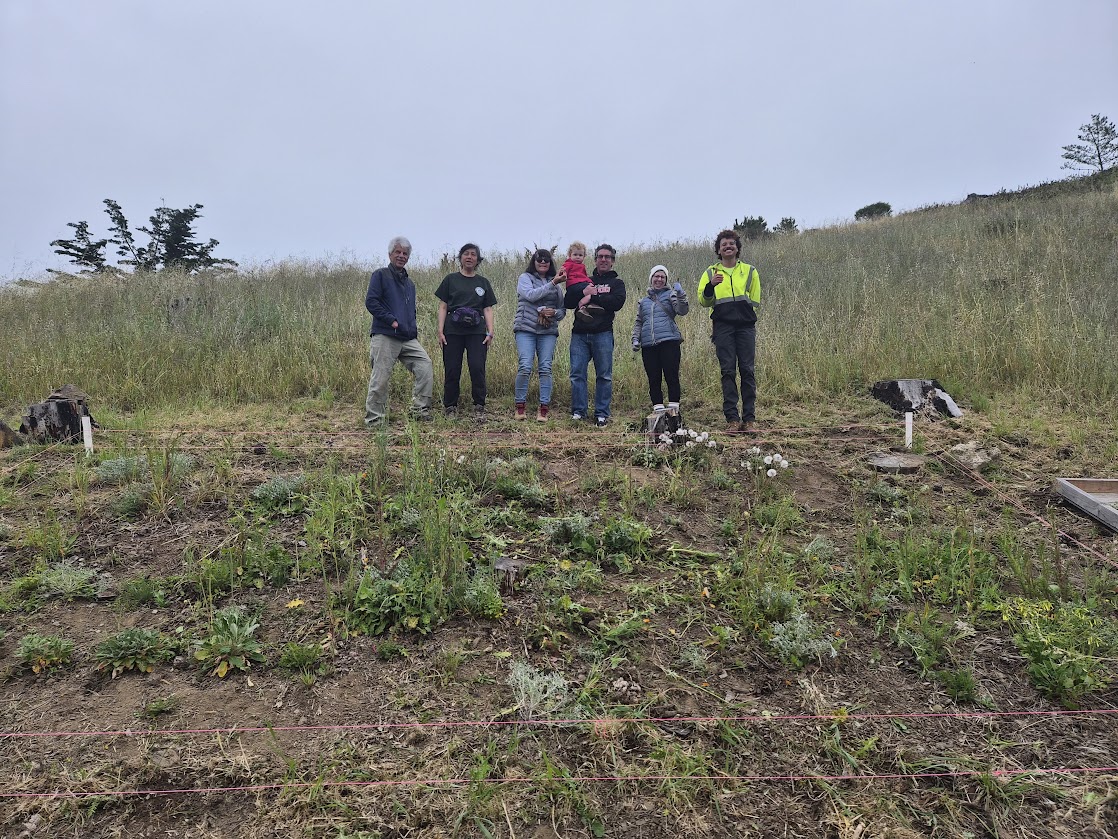
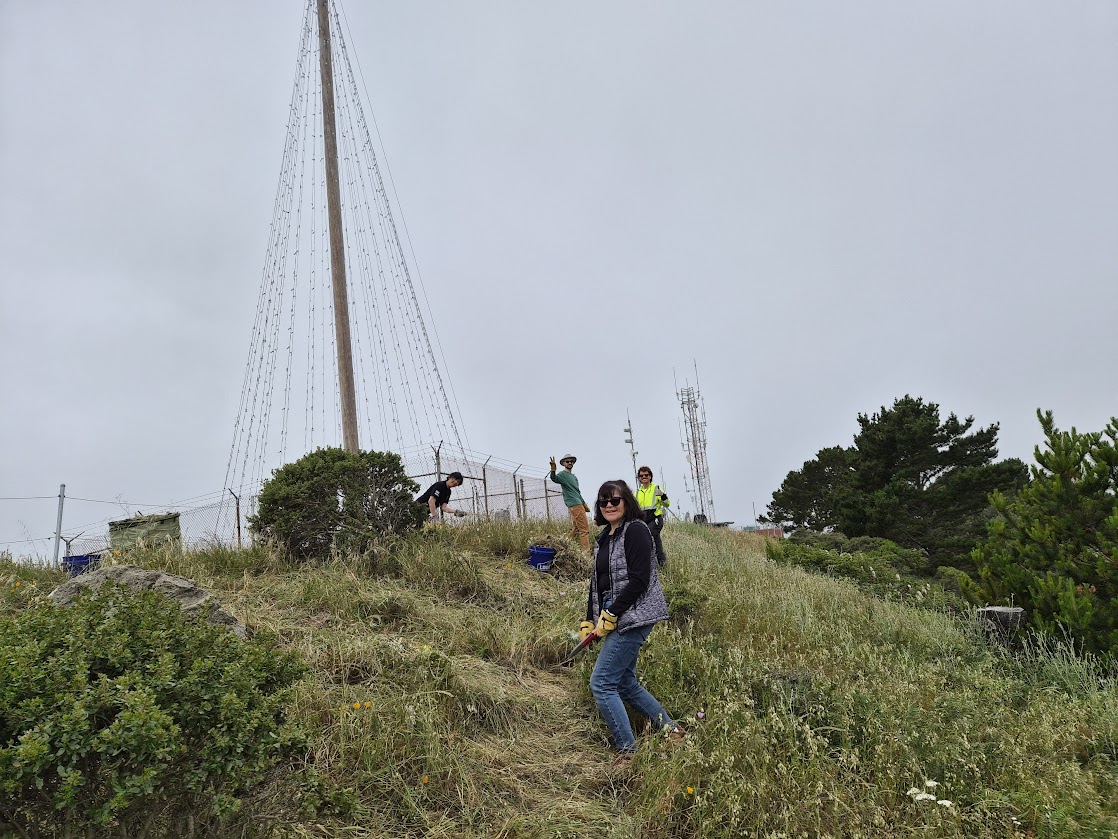
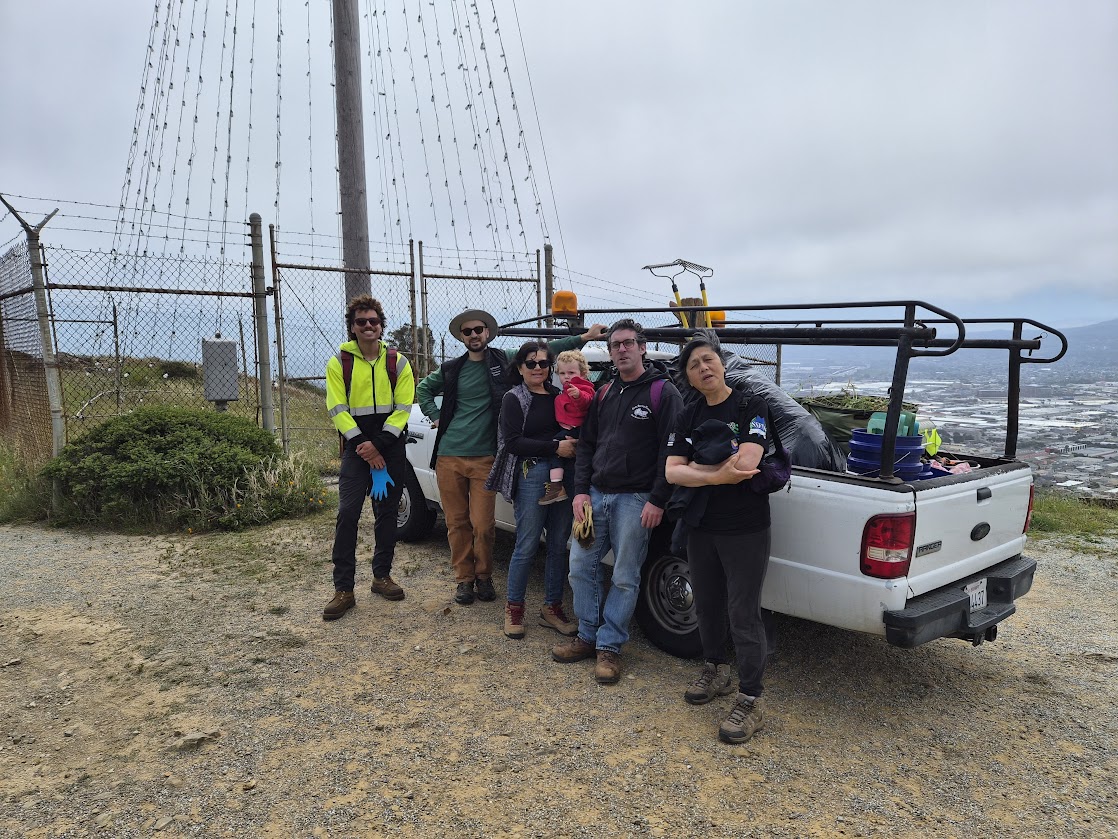
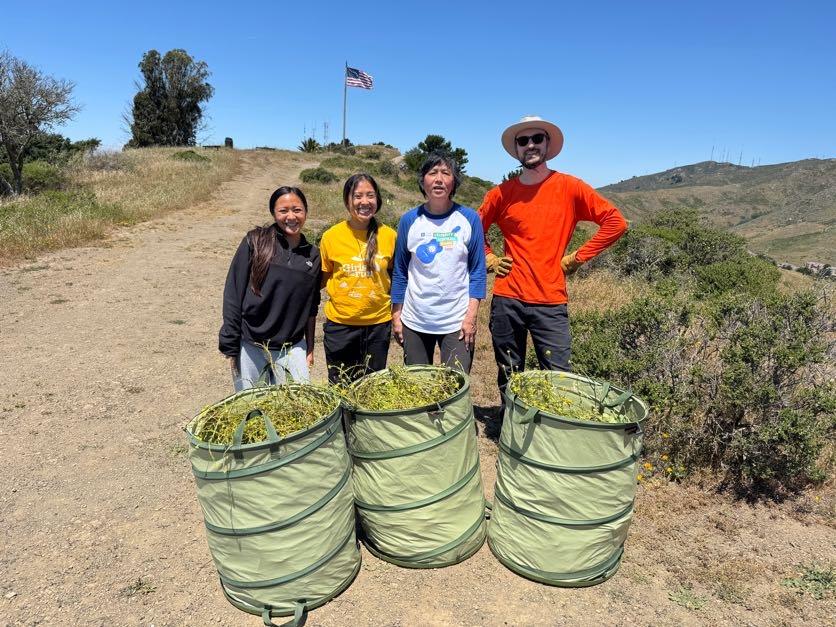
| | | Don't let the small size of this group fool you, these highly experienced volunteers are a powerhouse! In just a few hours they weeded out dense patches of Italian thistle at the summit of Sign Hill leaving the area completely transformed. These thistles were right on the cusp of dropping seed and had some gnarly spines, but they were no match for these fearless volunteers! | | Later in spring, we begin to focus our efforts on removing wild mustard as it is beginning to flower. | |
After sowing a native seed mix, Sign Hill Stewards encourage the seeds to establish with a little happy-growing dance, crouching then reaching our arms up to the sky like little seed leaves.
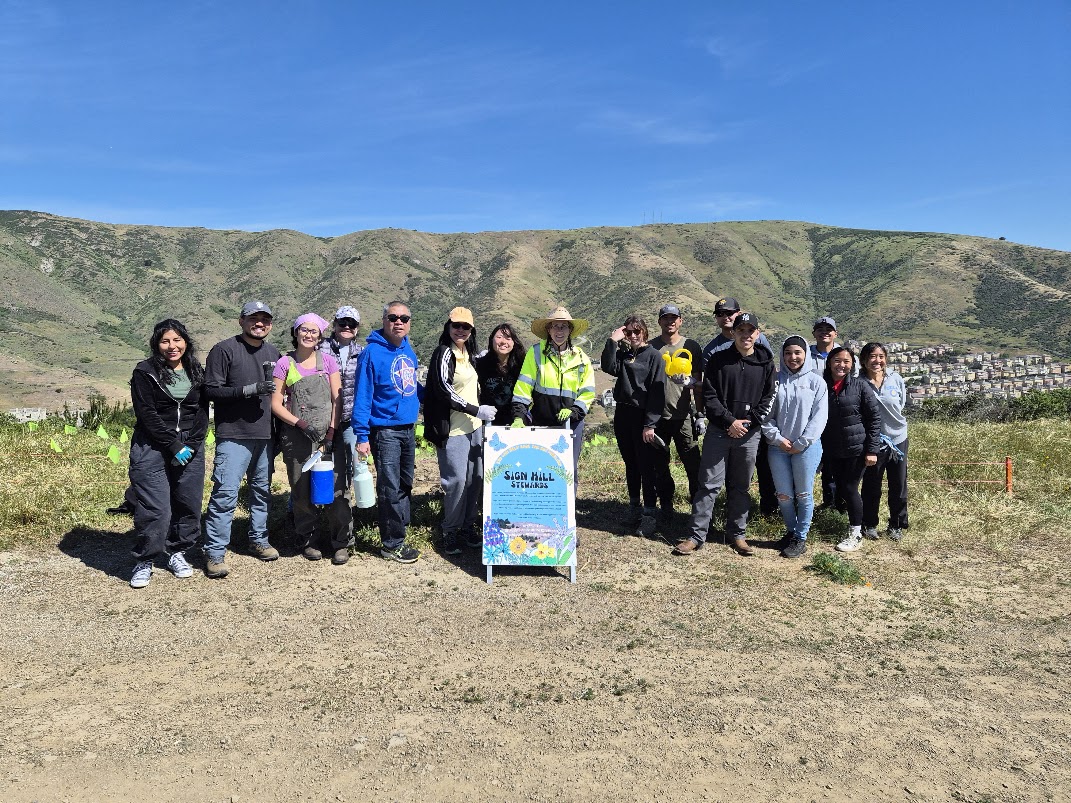
| Thank you for all your hard work this spring, Sign Hill Stewards! | | | | |
Bird Nerd!
Entry #3- Great Horned Owl
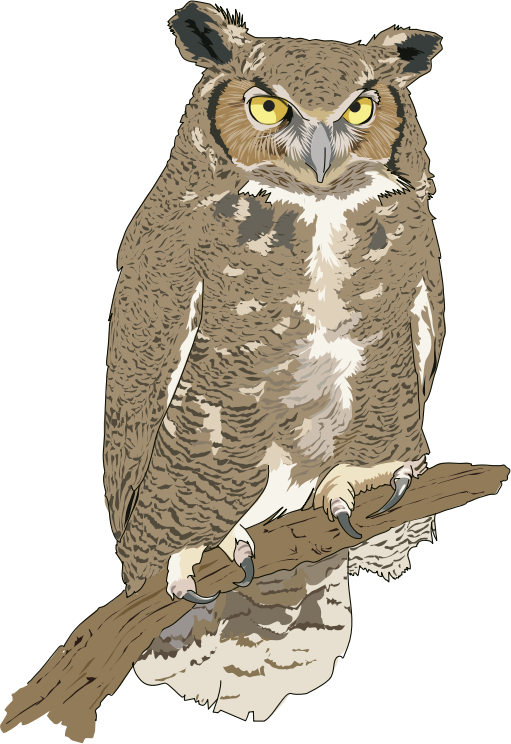
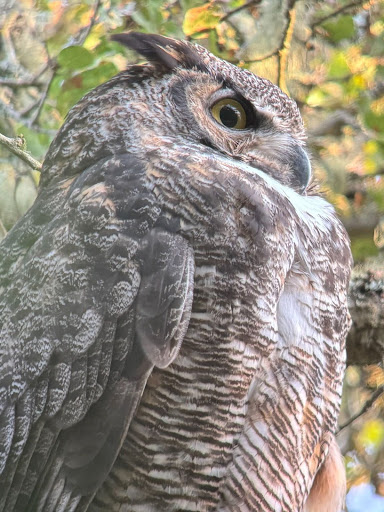
| | Great horned owl. Photographed by Joe Batom, 2024. | | |
Hello everyone! Welcome back to Bird Nerd, a section of the Sign Hill Stewards Newsletter dedicated to the discussion of our avian friends on the Hill. In this entry, we are discussing the great horned owl (Bubo virginianus).
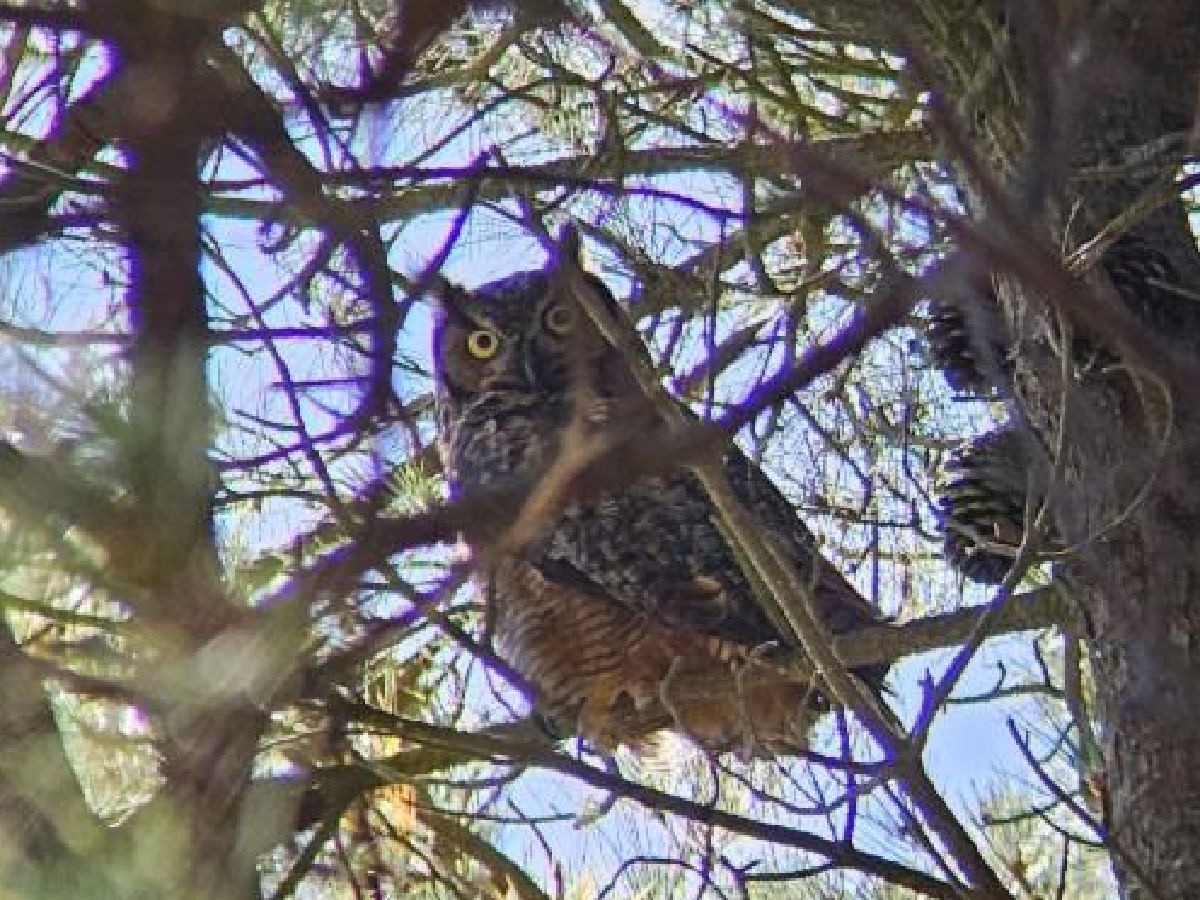
Betwixt groves of eucalyptus, cypress, and pines on the Hill, silent wings flap deftly. A characteristic “hoo-hoo-hoo-hoot” beckons the attention of nearby birders. Hushed fingers point to the canopy above where yellow eyes pierce through dense vegetation. Having been graced by the presence of a great horned owl, the birders fumble for their cameras and phones to record the observation.
| | The great horned owl is a well-known bird, widely represented in pop culture. They are the subject of storybooks, films, and cartoons alike, often pictured as being scholarly and mysterious. All for good reason–they have a striking appearance and a charm to them that makes them quite memorable. | | | |
These birds are nocturnal predators, meaning that they do most of their hunting in the darkness of night. Sound-dampening features in their large wings allow them to soar almost silently. Paired with an excellent sense of hearing and strong low-light vision, great horned owls are fierce and efficient generalist hunters. They typically target small mammals like squirrels and mice, but will hunt amphibians, reptiles, and even other raptors.
You’ll have to be patient to catch one of these mystic predators on the Hill. During dawn and dusk, survey the foliage of trees and listen for their characteristic hooting. When they are not calling, they are remarkably quiet, so they will be tricky to locate otherwise. As always, keep your distance and remain on trails when looking for these birds. Make sure to utilize a pair of binoculars to spot them from afar. If you get lucky–you may be able to catch a gaze from their golden eyes.
Happy birding!
Joe Batom
Natural Resource Aide
City of South San Francisco
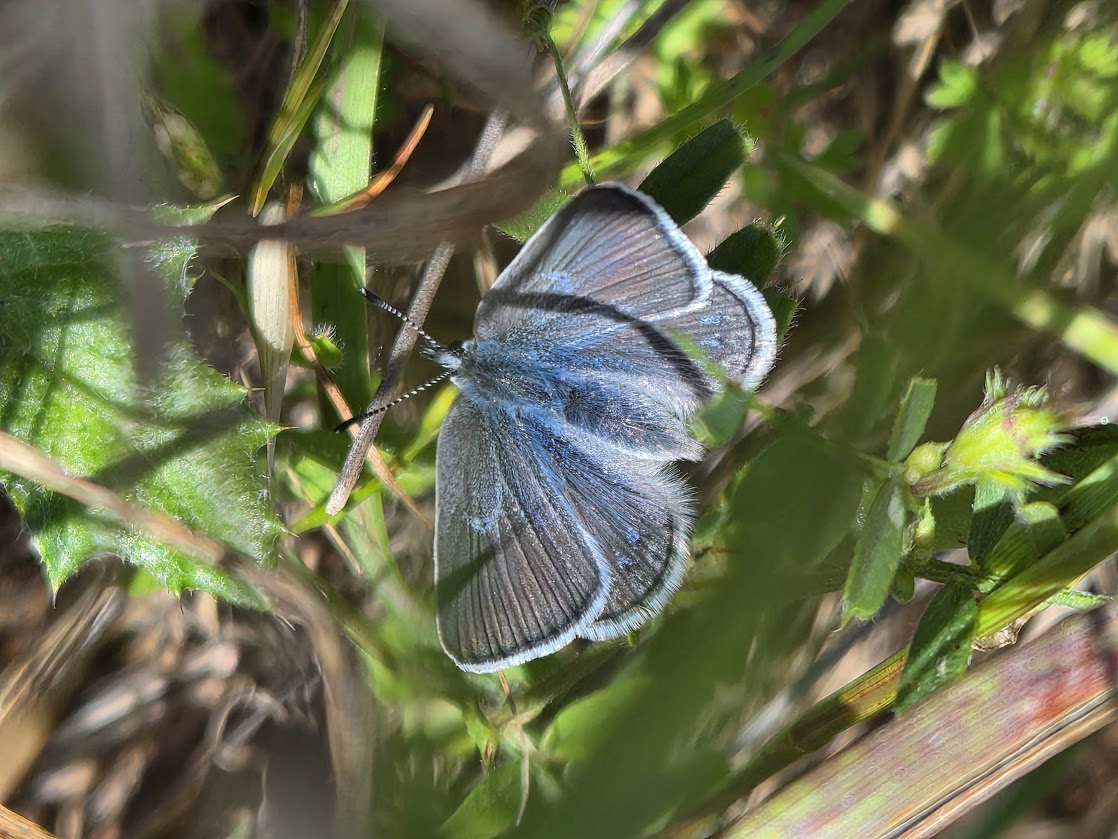
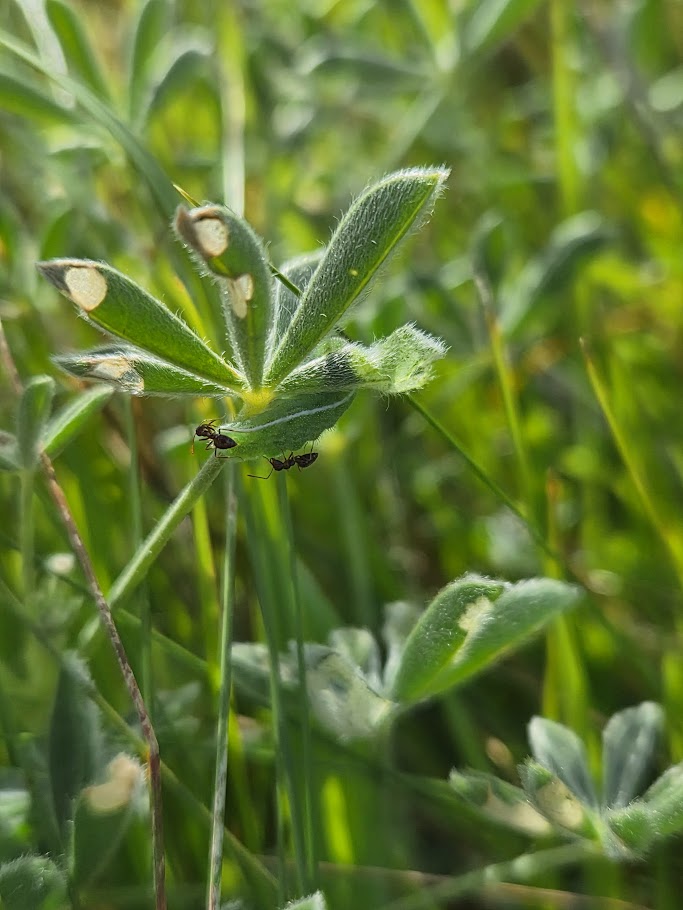
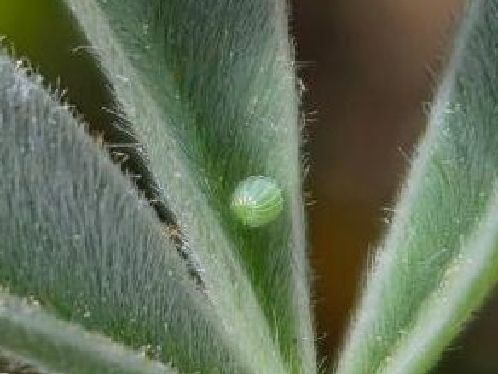
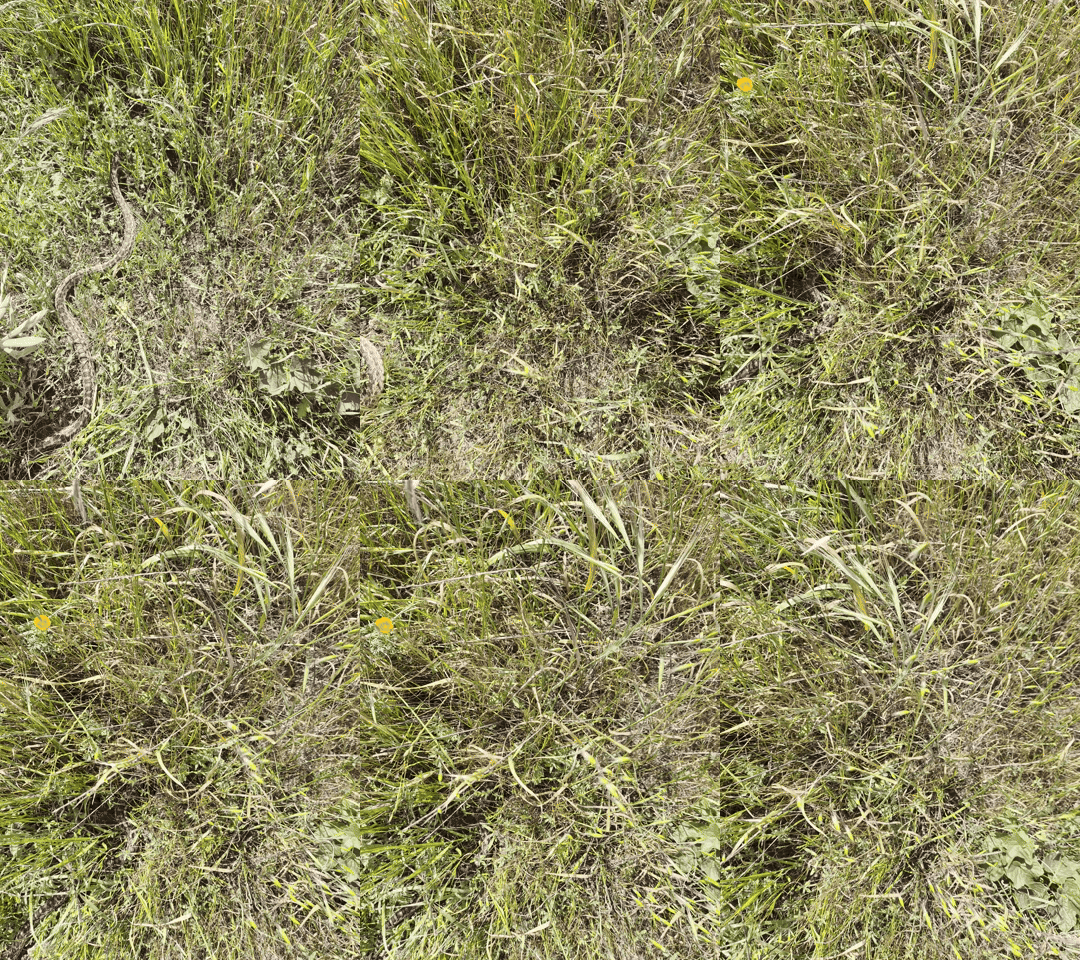
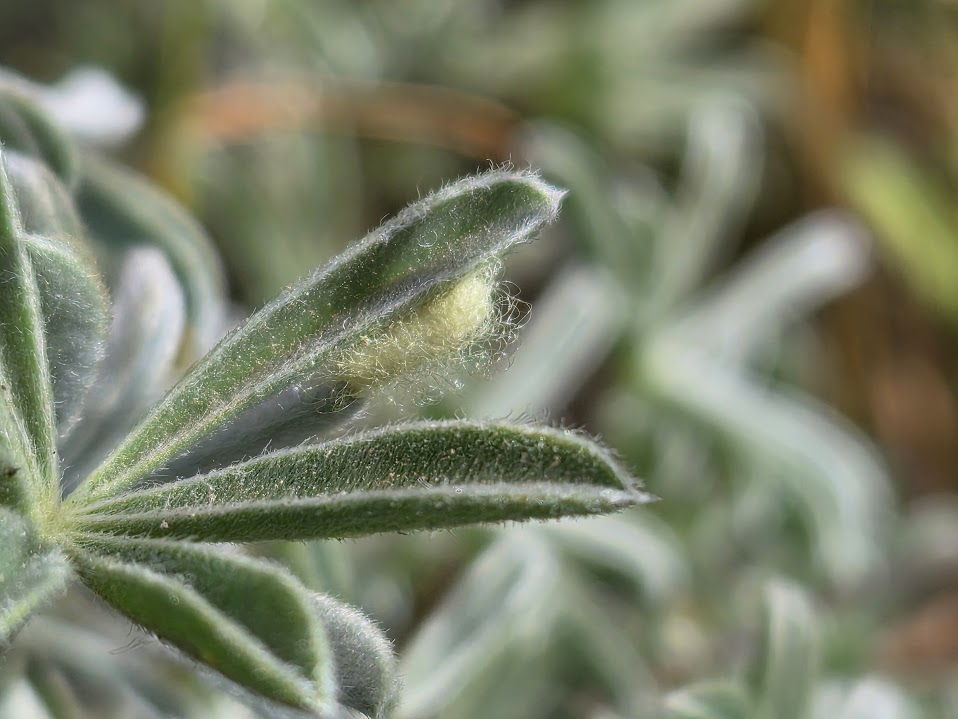
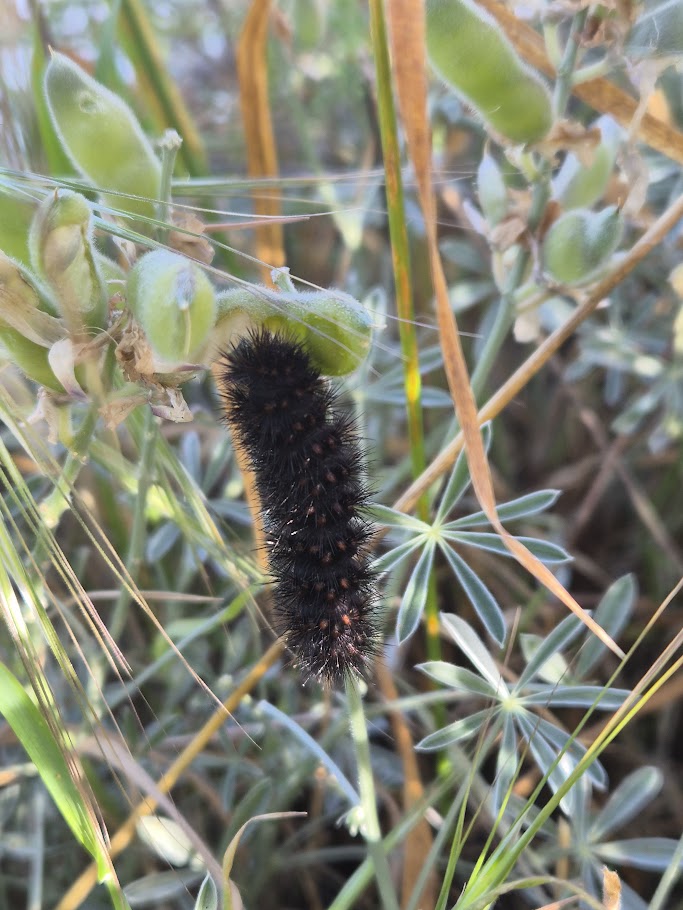
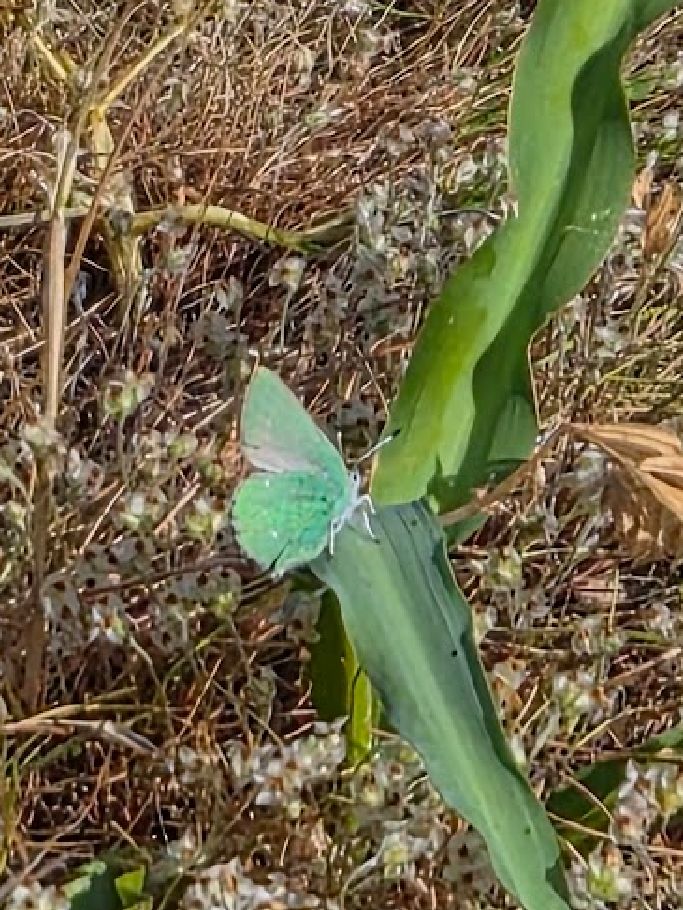
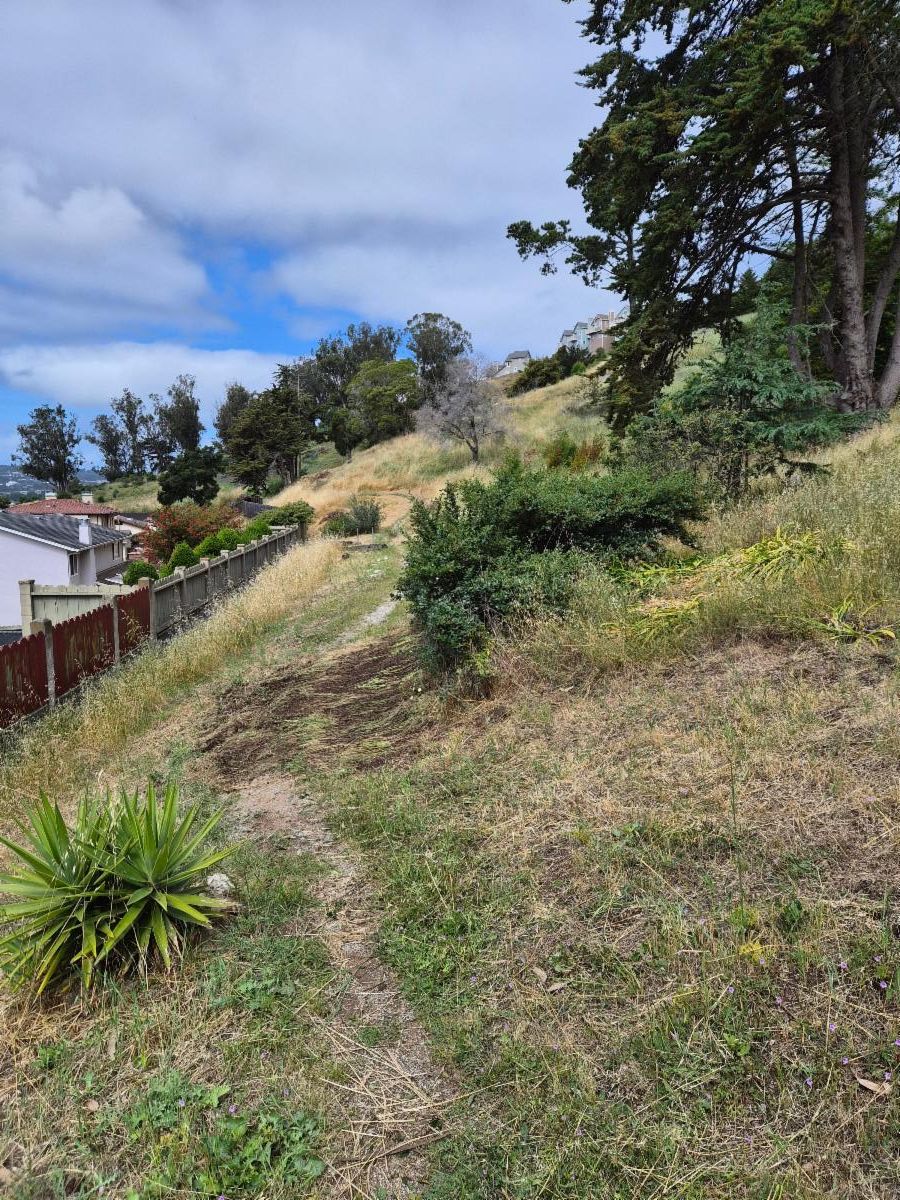
| | SSF Parks team came together to mow all of Sign Hill's trails in just one day! Teamwork! | | Mission blue larva being tended by native ants. | Red admiral butterfly egg. | Gopher snake slithering through the grass. | | Cocoon of a parasitic wasp. These wasps lay eggs in caterpillar hosts which become food for their larvae when they hatch. | Painted tiger moth caterpillar. | Green hairstreak resting on a soaproot leaf. | | |
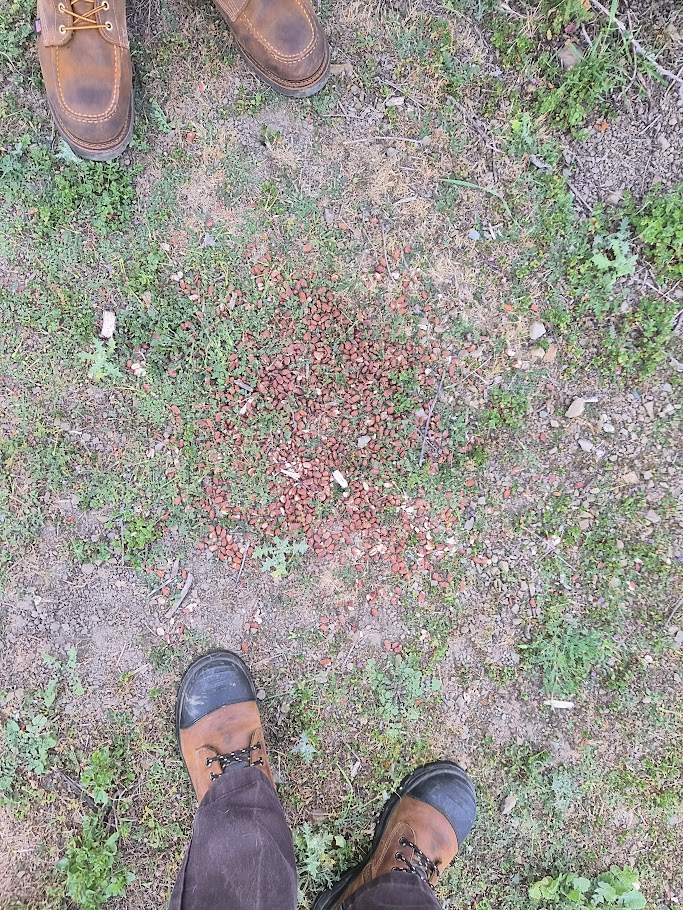
Who could this have bean? We have recently discovered several curious piles of dry beans near the summit of Sign Hill. Could they be someone's lunch leftovers, remains from a sacred ceremony, or scraps from a child's art project? We may never know, but it does serve as a friendly reminder to please never feed wildlife.
Not only are animals not adapted to eating foods from outside their natural environment, but feeding them can also create an association between humans and food, leading to negative or dangerous encounters.
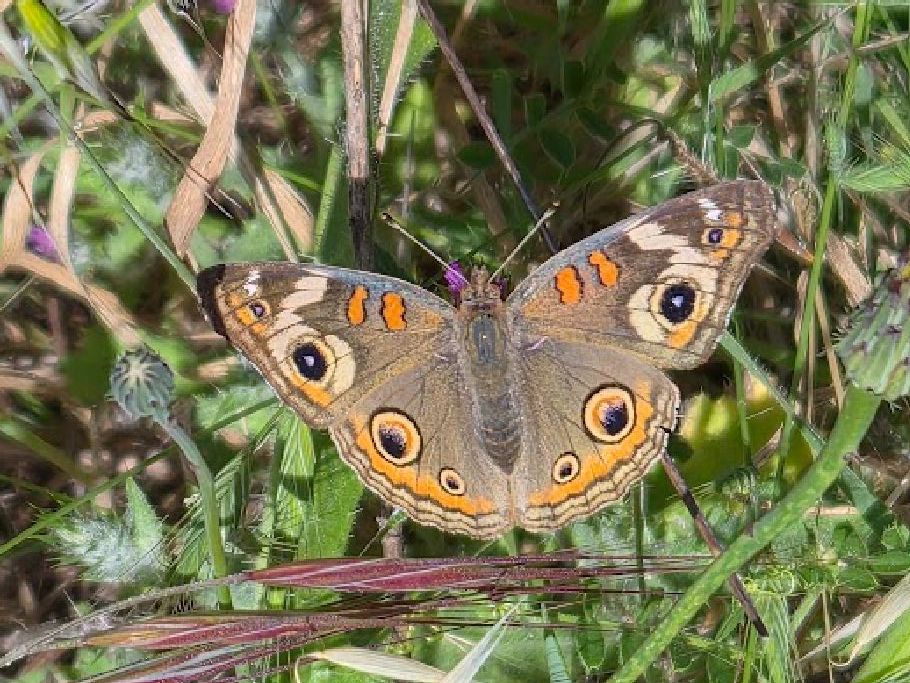
| | | Common buckeye butterfly (Junonia coenia). | | |
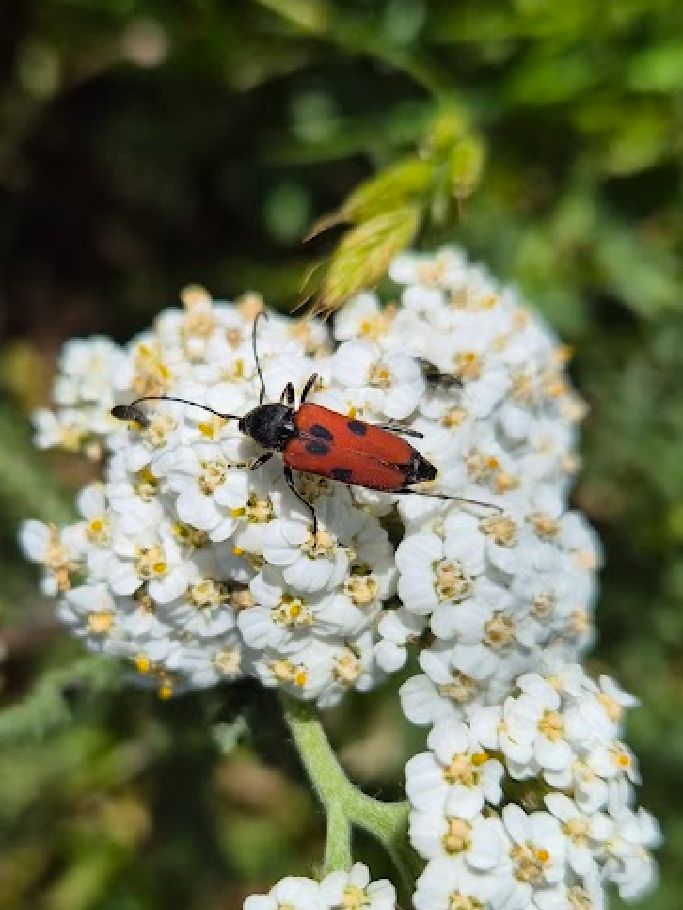
A female Dimorphic Flower Longhorn Beetle (Anastrangalia laetifica).
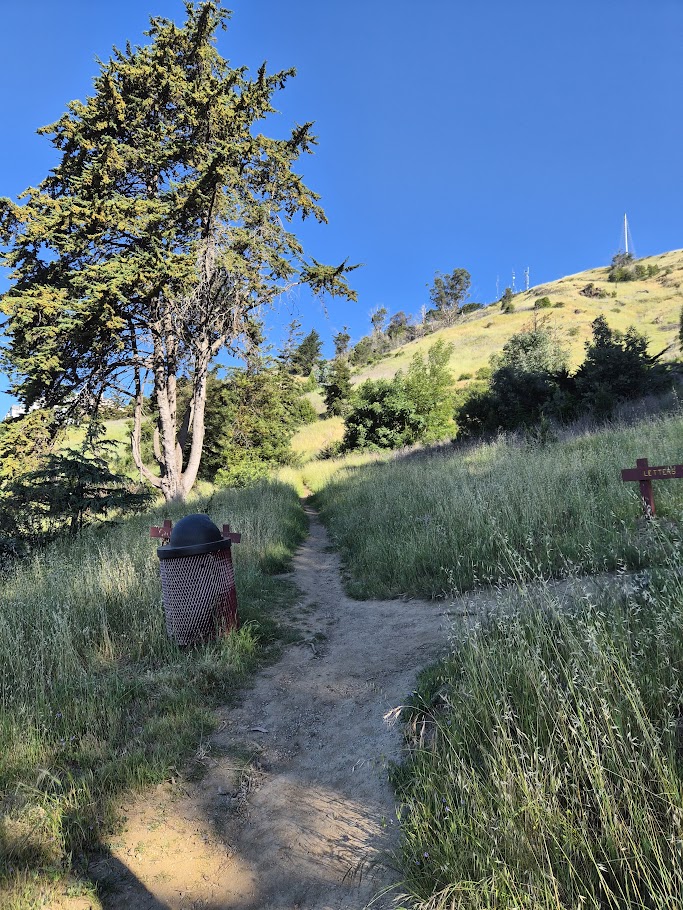
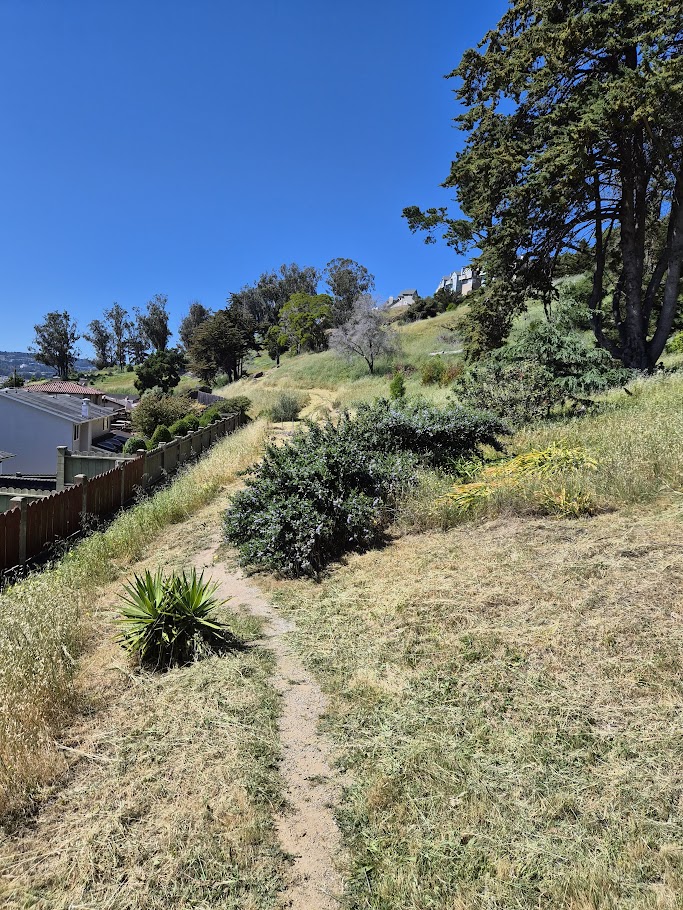
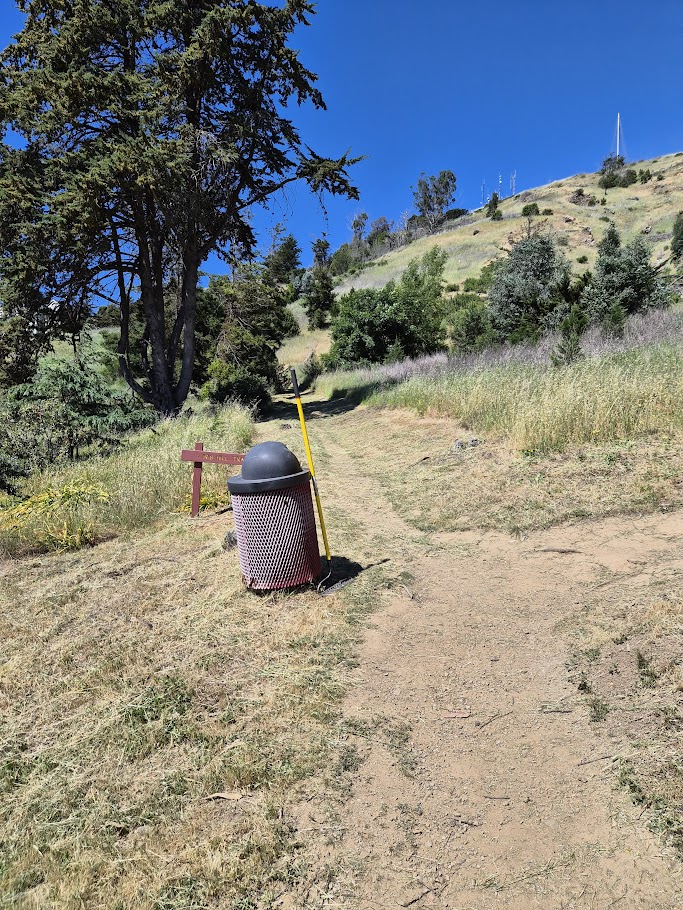
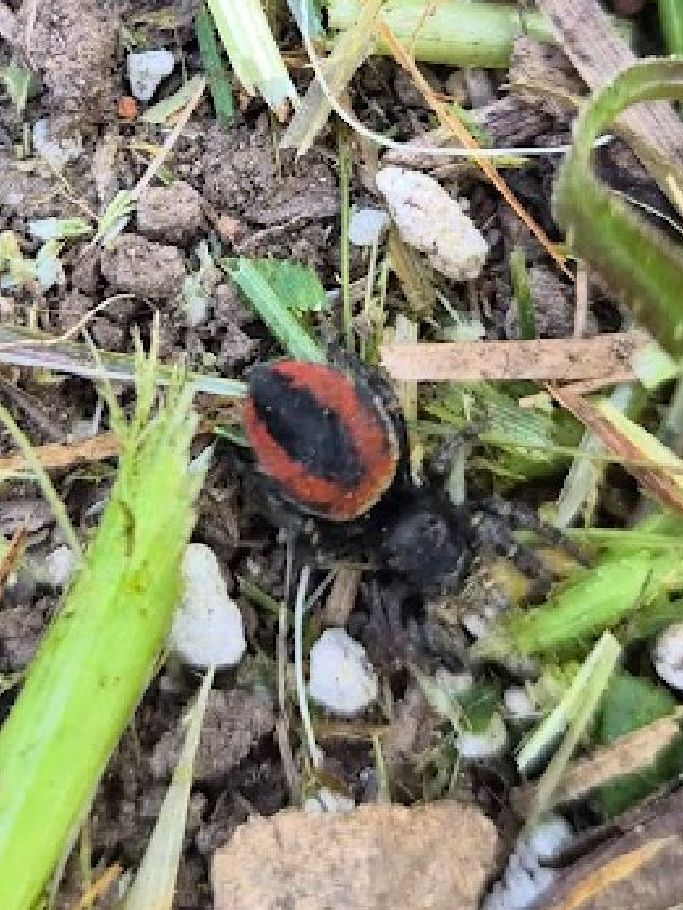
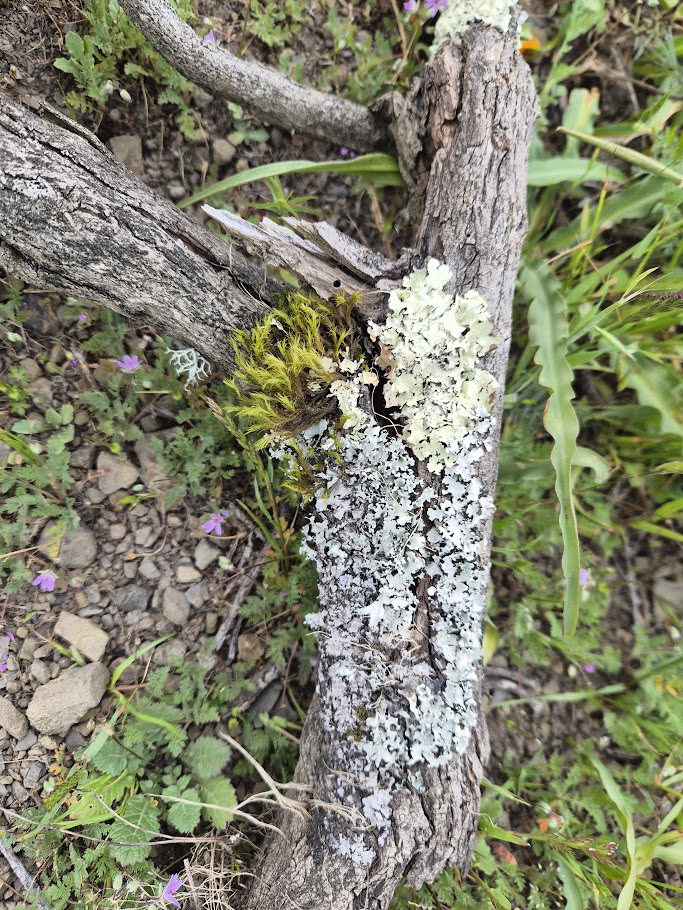
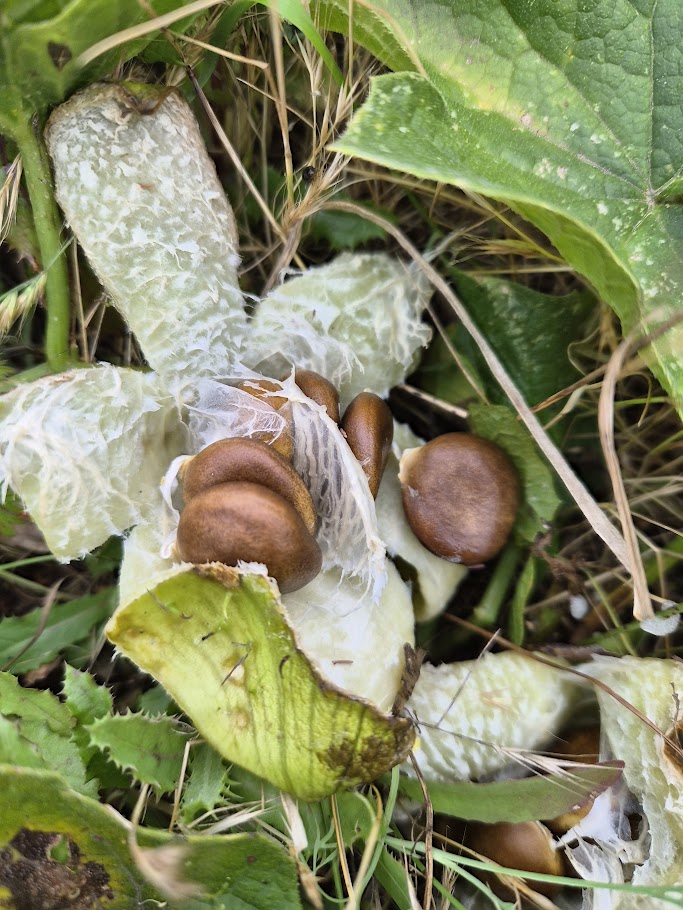
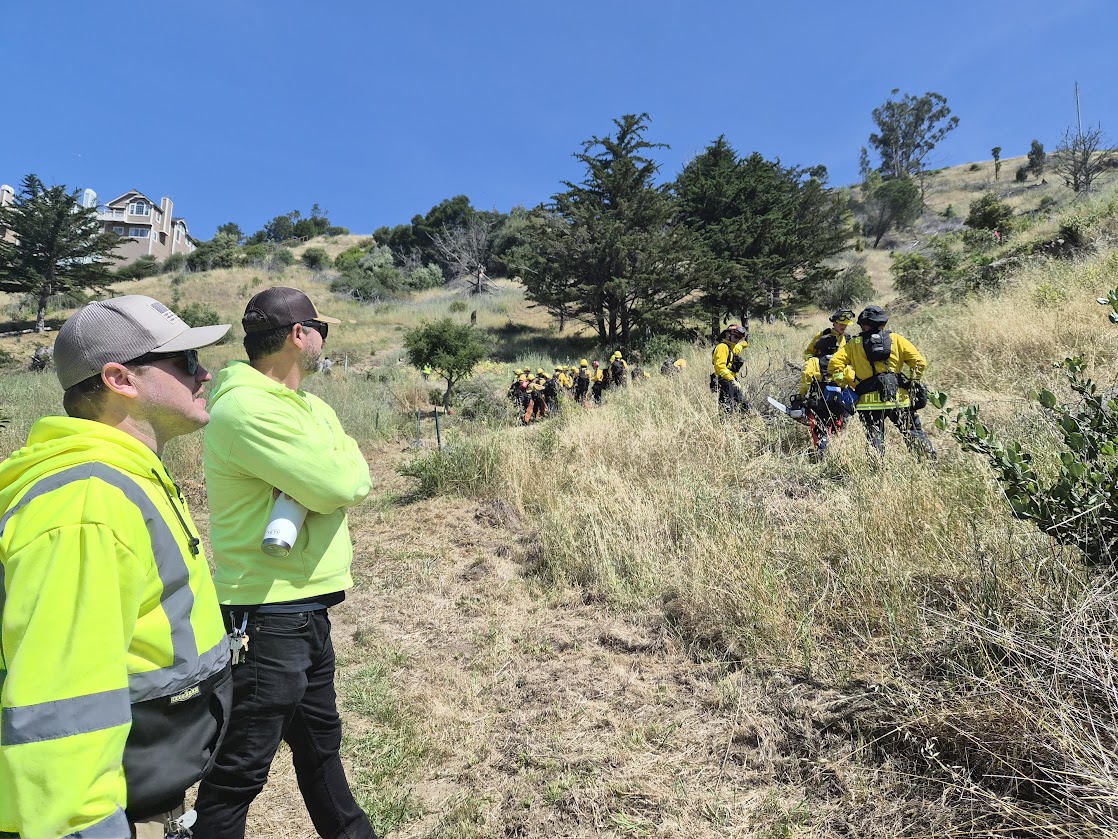
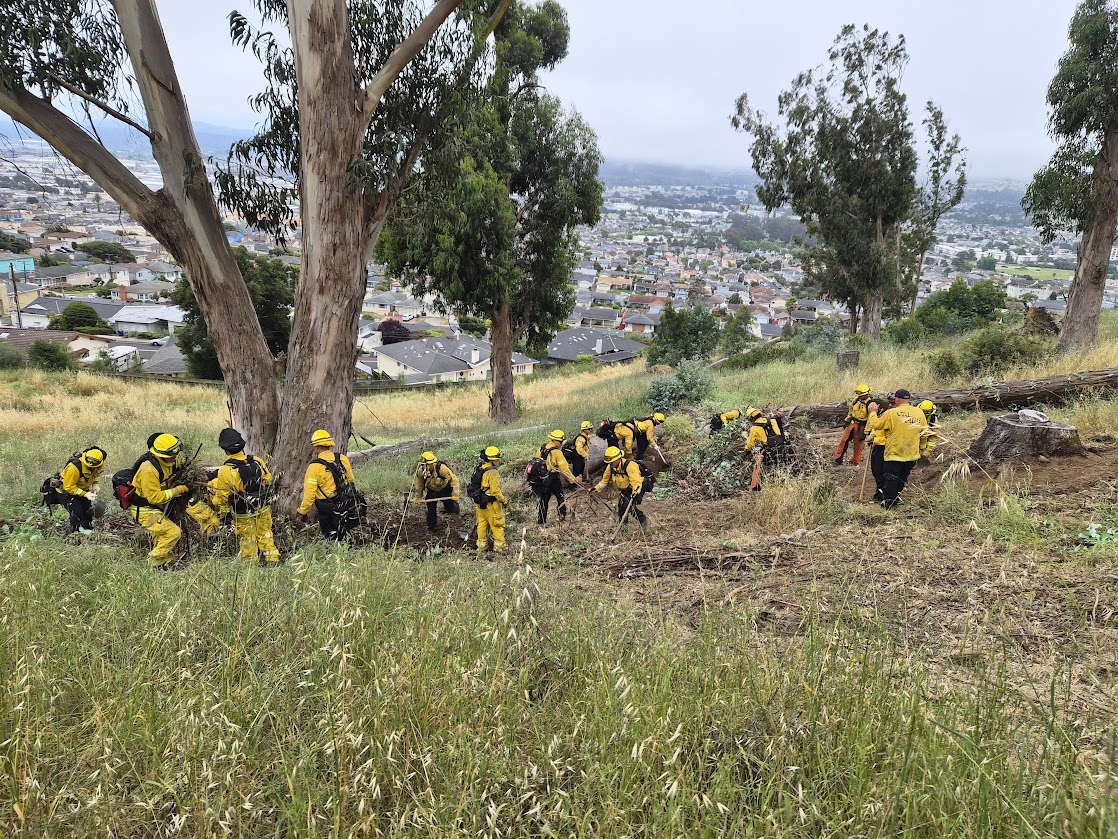
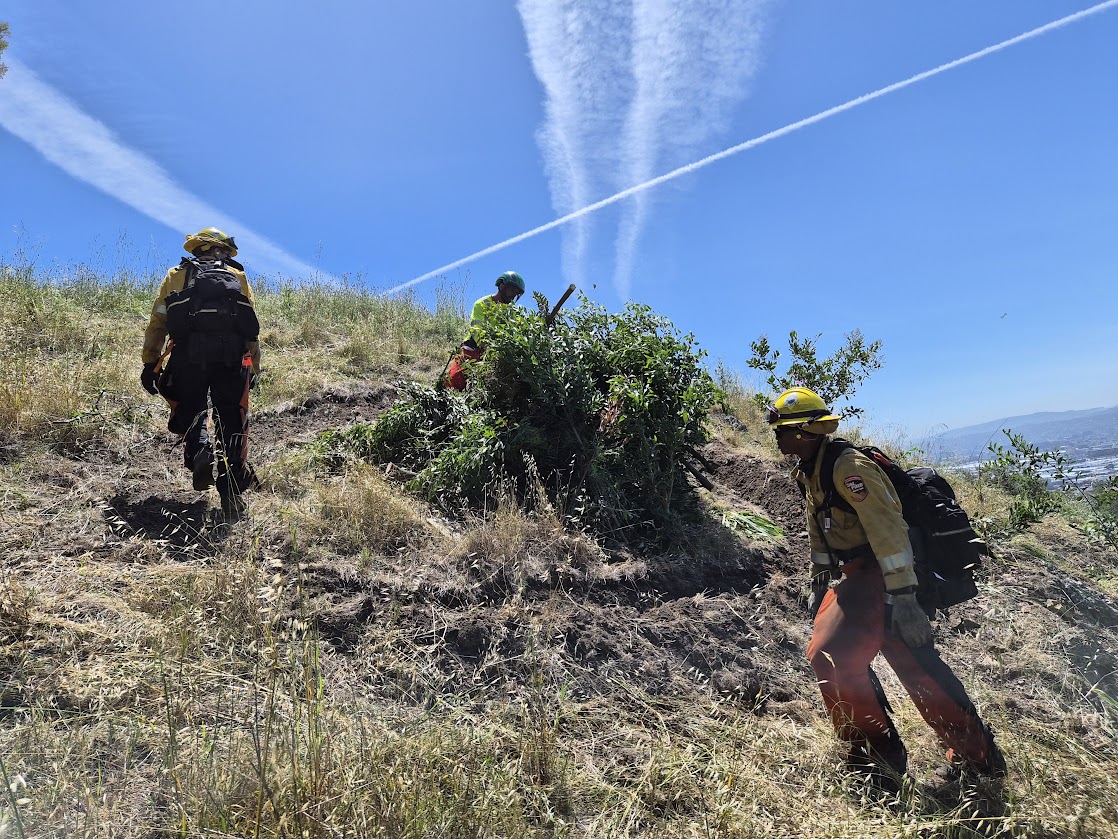
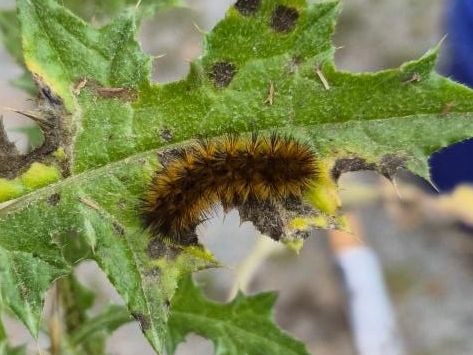
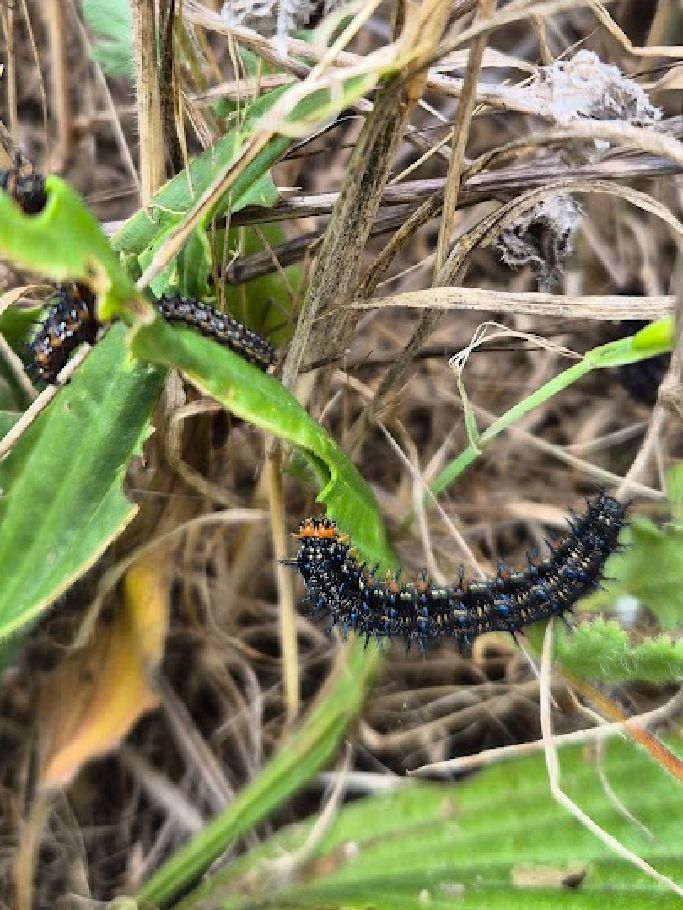
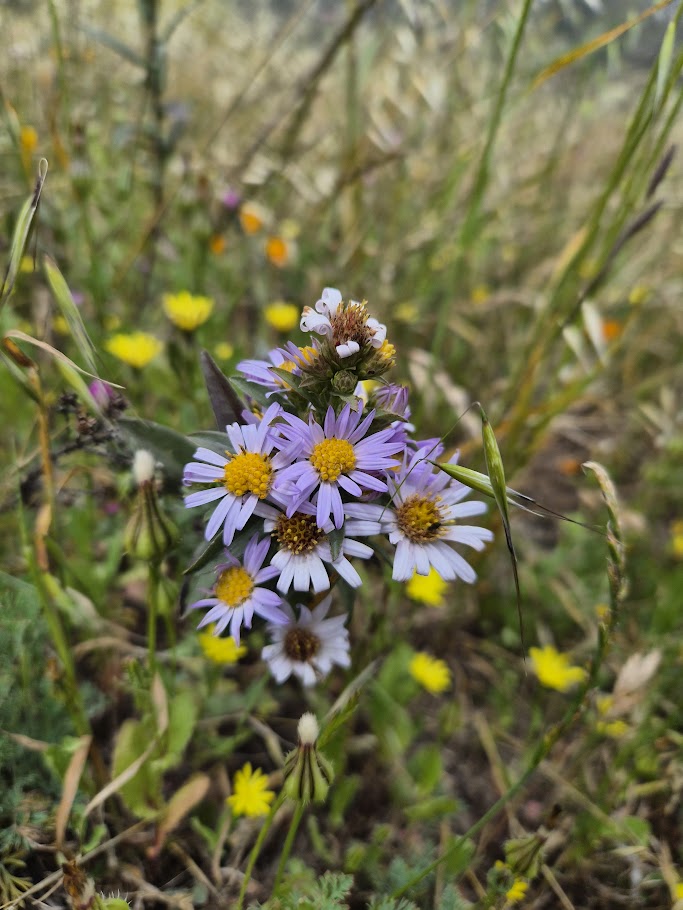
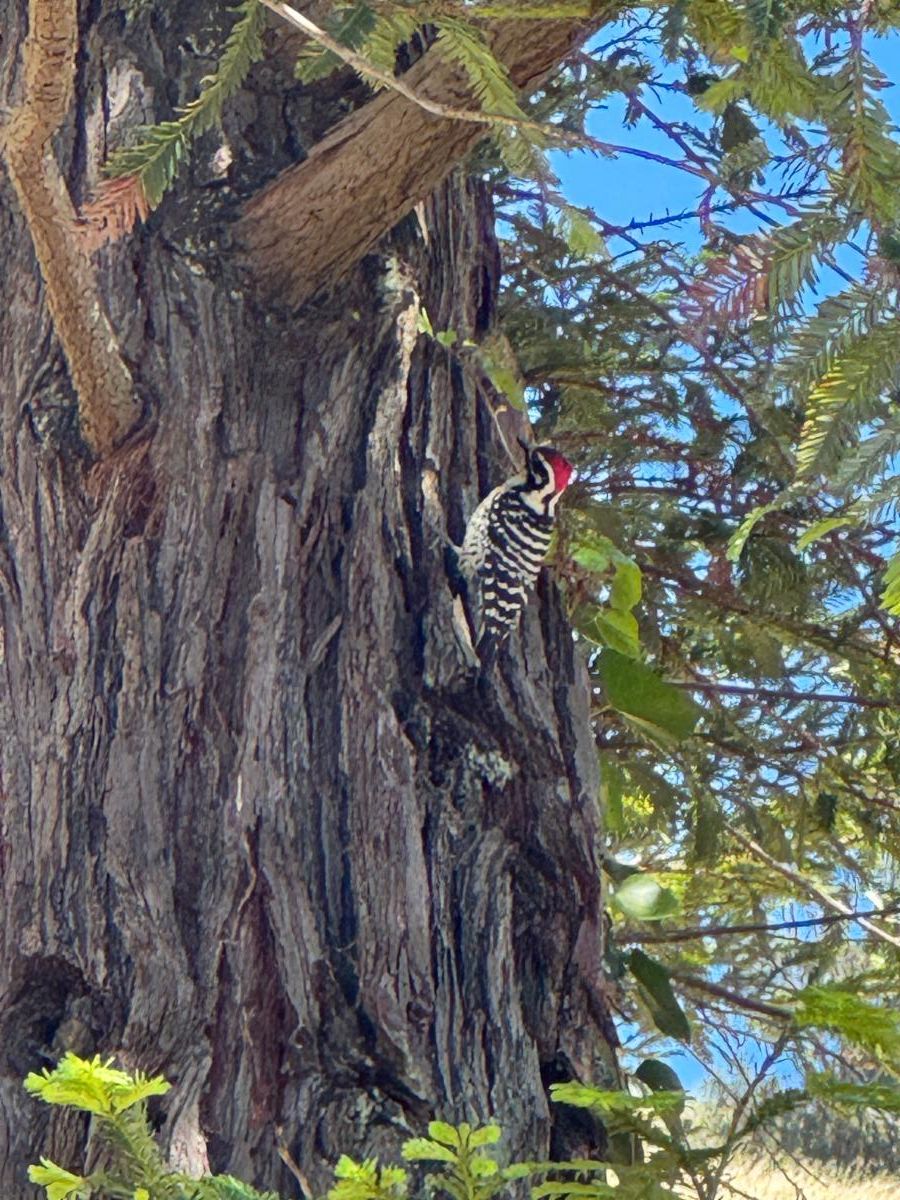
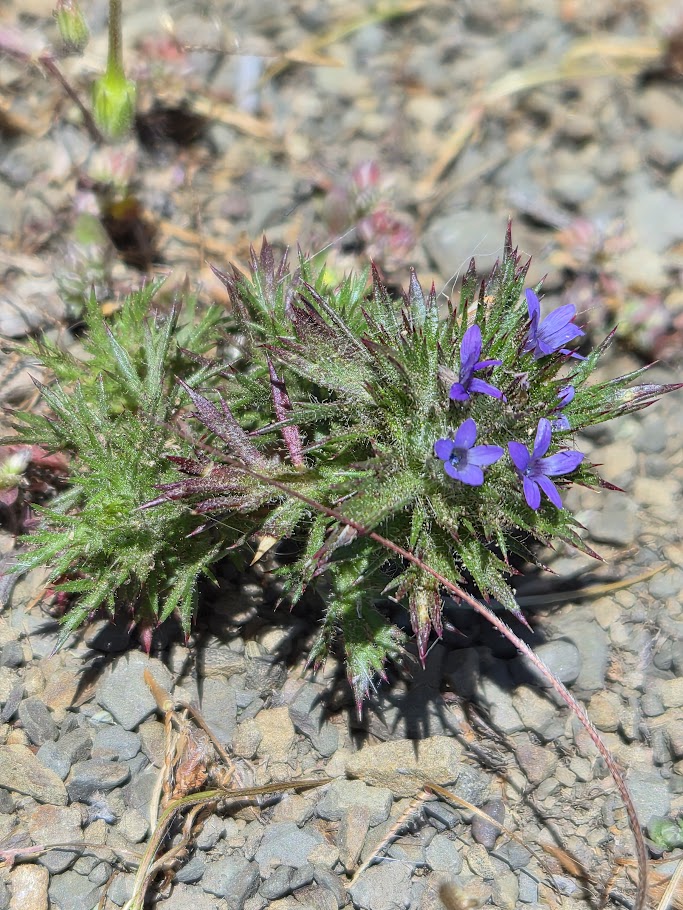
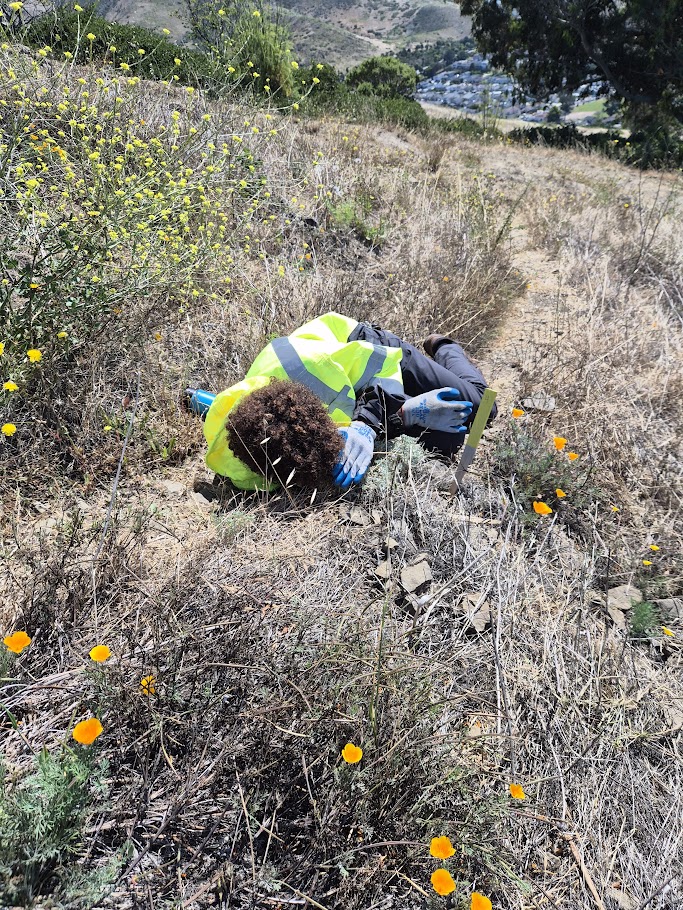
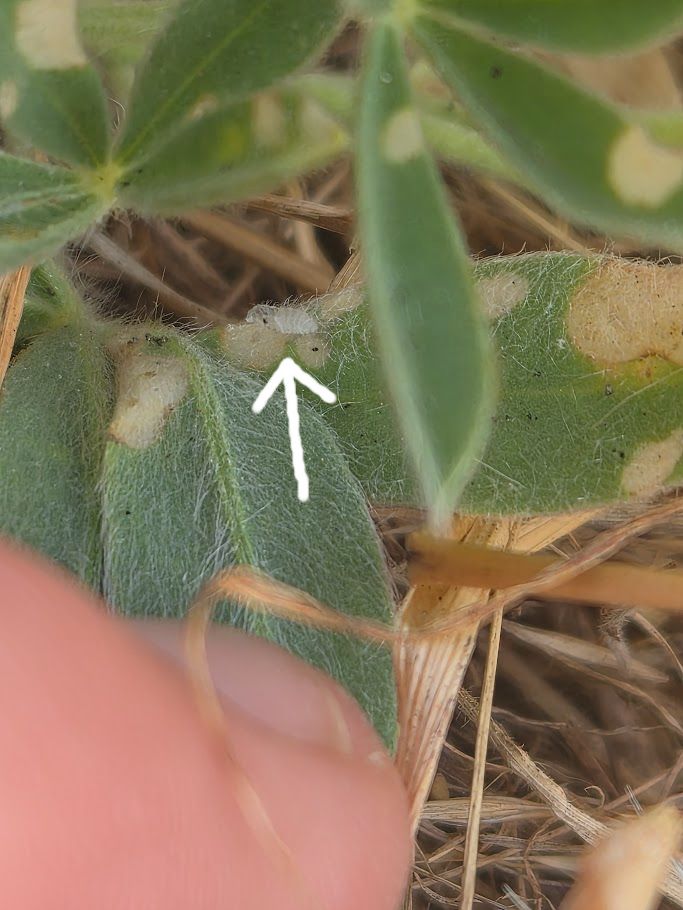
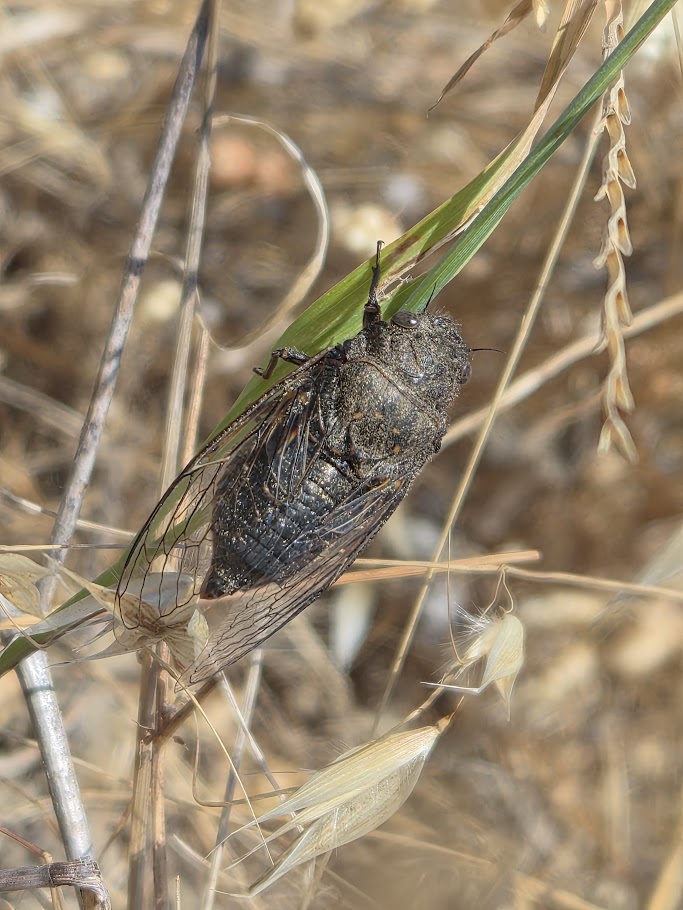
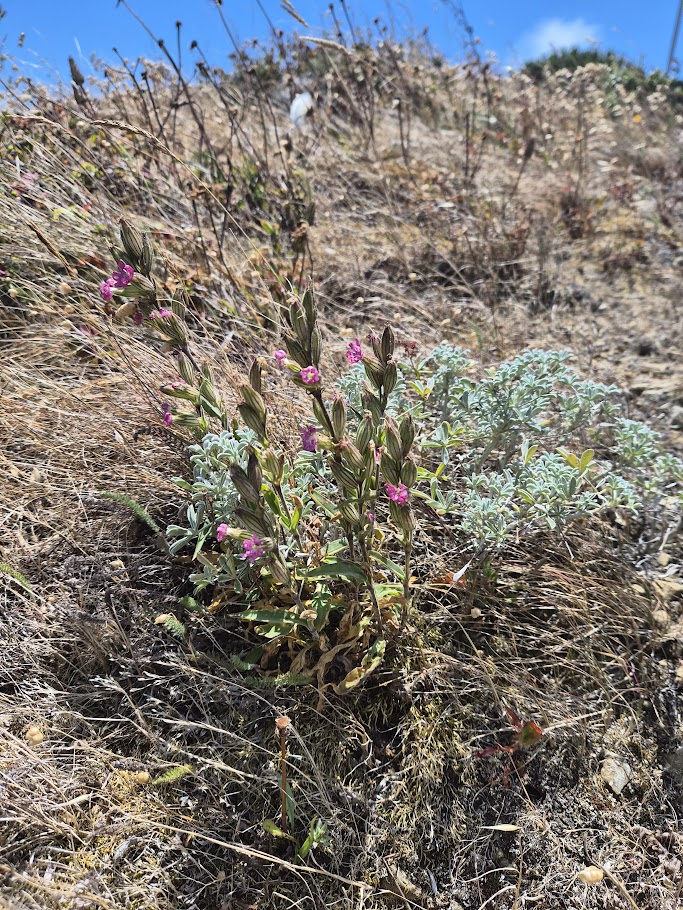
| | A female red-backed jumping spider a.k.a. Johnson's jumping spider (Phidippus johnsoni) scurries away from the freshly mowed area. | | | | | A vigorous ceanothus bush had grown over the beginning of Seubert Trail, forcing hikers to walk around on a slope. SSF Parks trimmed it back to set the trail back on track. Happy hiking! | | A beautiful array of lichen and moss growing on a dead coyote bush branch. | | The fruit of the native California man-root (Marah fabacea)split open to reveal the large penny-sized seeds. | | This year were were grateful to partner with SSF Fire Department and CalFire in our effort to control the fuel load on Sign Hill. The crews mowed the tall grasses and reduced the woody material that had regrown after the tree removals of 2022 into discrete piles. This work will help keep the park safer in the event of a wildfire. We look forward to continuing this valuable interagency partnership! | | An fuzzy caterpillar munching on a thistle leaf. It is likely some kind of tiger moth. | | | A common buckeye caterpillar (Junonia coenia). | | Cute purple blooms of the California aster (Symphyotrichum chilense). | | Pink farewell-to-spring clarkia and purple Ithuriel's spear blooms pop up across Sign Hill's slopes. | | Nuttall's woodpecker on a redwood tree trunk, photographed by Joe Batom. | | | | It is said that a rose by any other name would smell just as sweet, but what about this skunkweed (Navarretia squarrosa)? This aptly named California native has a very distinct odor reminiscent of a skunk. This adaptation may help to deter herbivores from munching on it. | | South San Francisco shows it's patriotism by painting the Hillside Sign in red, white, and blue with volunteers from Genentech. | | SSF Parks staff go to great lengths to count mission blue eggs during monitoring surveys. Here, Joe is fully laid out on the trail. | What an exciting find! Look carefully and you see the molt from the first instar of a mission blue caterpillar. | | A noisy cicada (Okanagana canescens). | Theses charming pink blooms are simple campion (Silene scouleri ssp. scouleri). This plant has a California Rare Plant Rank of 2B.2, making it the rarest in the park. | | Within just a couple of weeks of mowing around the letters, the purple needle grass has sprung back vigorously. This native grass has been largely outcompeted by the taller, invasive, wild oats across the state. Here you can observe it's strategy of investing it's energy into deep root systems, which can reach down over 15 feet into the soil! It is adapted to herds of grazing animals passing through and eating it down to the crown. While we no longer have herds of grazing animals passing through the park, these native grasses can greatly benefit from mowing to break up the thick light-blocking thatch. | | |
Volunteer information:
When: Every other Saturday from 9am-12pm. NEW! Early Birds Workday Every other Friday from 7:30-9:30am.
Where: Volunteers will park at the Sign Hill Parking Lot nearby 964 Ridgeview Ct, South San Francisco, CA and hike with staff to the restoration site.
Registration: Registration is required. Volunteers under the age of 18 must have a youth waiver signed by a parent/guardian. Youth under the age of 16 are welcome and must be accompanied by an adult. Click the link below to RSVP.
What to bring: To prepare for working outdoors, please bring work gloves, plenty of water, sturdy shoes, long pants and long sleeves, a hat/sunscreen, and a completed waiver for each volunteer. Volunteers should expect some hiking on steep terrain.
| | | | |