|
Sign Hill Stewards
Spring 2025 Newsletter
| | |
|
Greetings Sign Hill Stewards,
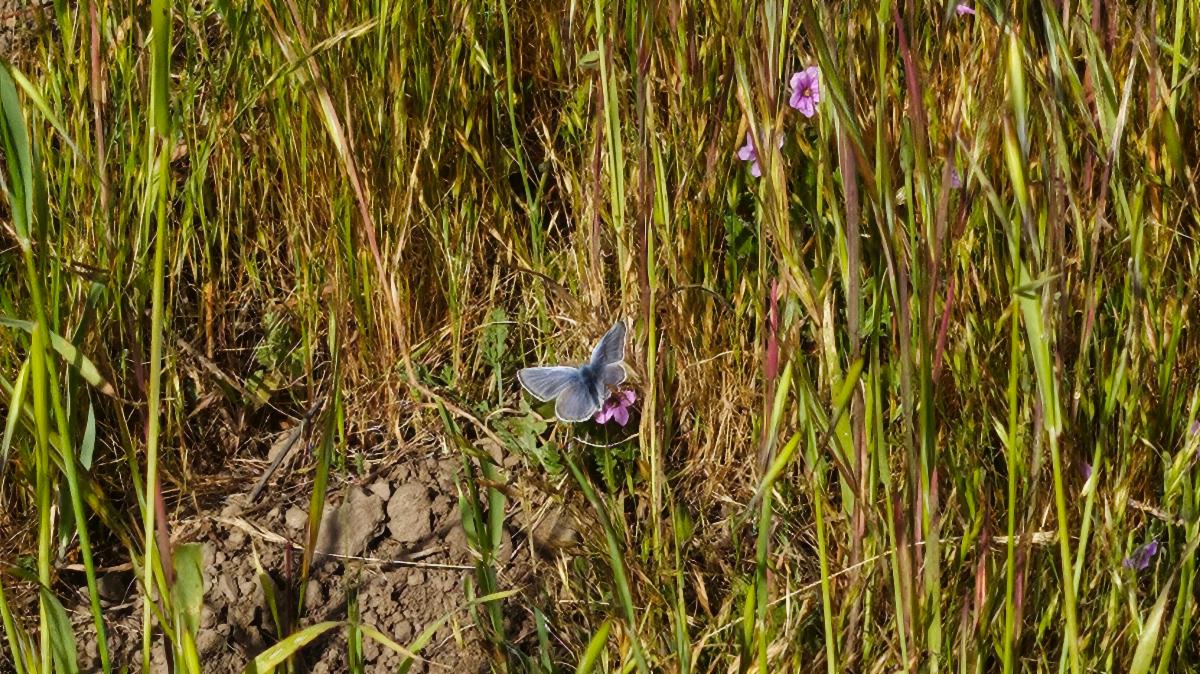
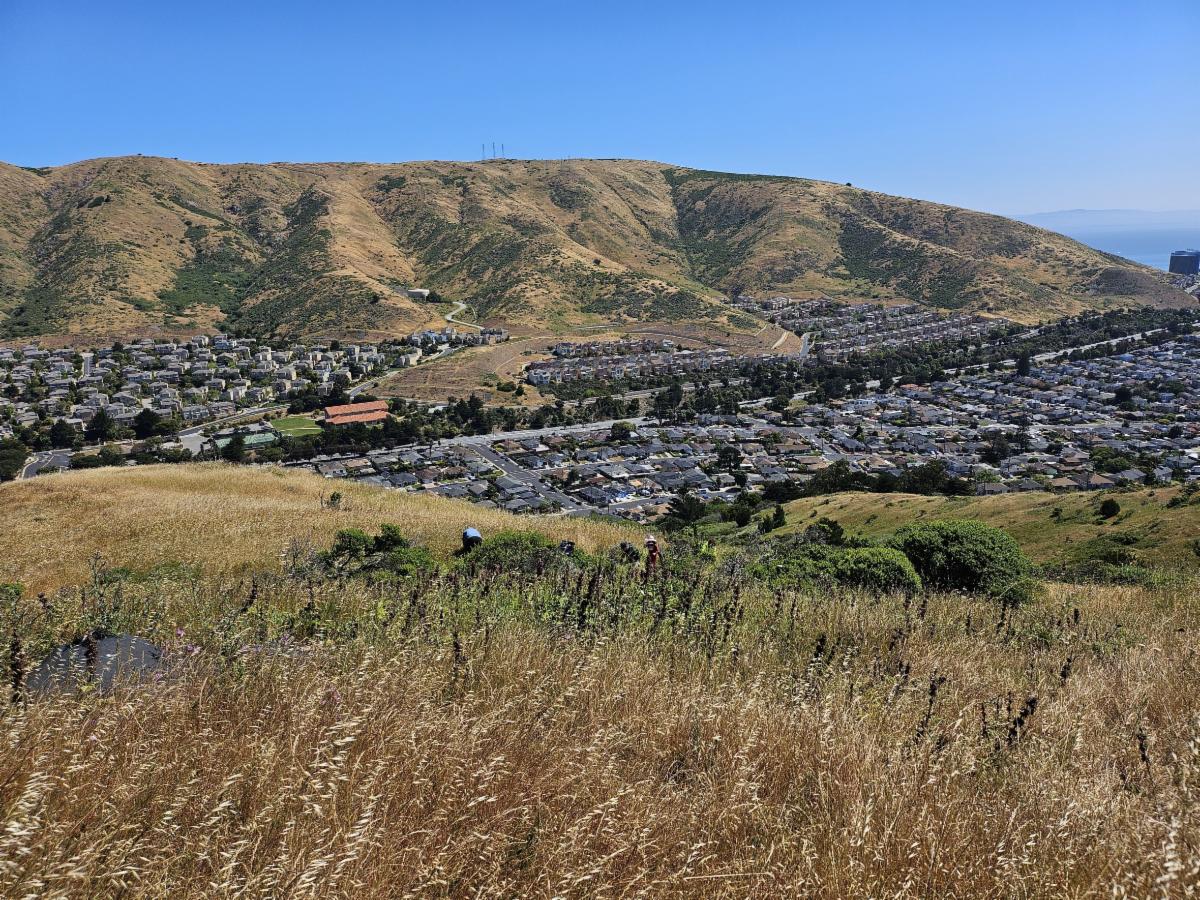
You might say that spring is when Sign Hill pulls out all of its charms. It is certainly an ideal time for seeing its coastal prairies at their greenest with a vibrant display of wildflowers. A fitting period for the emergence of the federally-endangered mission blue (Icaricia icarioides missionensis) and numerous other sightly butterflies on a quest for nectar.
This spring brought many volunteers to Sign Hill working to help enhance the habitat for mission blues and other grassland species as well as curb invasions by noxious weeds that can reduce biodiversity. At several of our events volunteers even got to see mission blues in flight!
It was wonderful to come together to welcome all the newness of spring, and this year it was not just the foliage. We are excited to have welcomed a fresh face to Sign Hill, our new Natural Resource Aide, Joe Batom! Find out more about the awesome background and experience that Joe brings to the Parks team in his bio below.
Whether it is for the first time, or you’re an old friend, we hope to see you on Sign Hill soon!
Candace LaCroix
Natural Resource Specialist
Leading the Sign Hill Habitat Restoration Project
| | Welcome to the Team, Joe! | | |
Hello everyone!
My name is Joe Batom. I was recently hired as the Natural Resource Aide for South San Francisco Parks & Recreation, assisting Candace with a variety of projects related to the greater Sign Hill Habitat Restoration Project! As a recent graduate from the Ecology and Environmental Biology program at the University of Santa Cruz, California, I am eager to put my experience and skills to use in such a special place.
My stewardship story began when I was very young, watching raptors soar above the ridges of Oakland and running along the tides of San Francisco and Marin. These early memories ignited a passion for the natural world within me, and as I later began to think about what I wanted to pursue for my career, I followed these passions. During my undergraduate education, I explored my curiosities, taking an interdisciplinary variety of courses: marine and terrestrial ecology, horticulture, systematic botany, and wildlife biology. I involved myself with academia, conducting field research on California mussels in the rocky intertidal zones of Santa Cruz and recording physiological metrics of coast live oaks in Marina.
I have used this experience in past roles to assist and lead in hydrological monitoring efforts, wildlife inventory and monitoring, data management and analysis, and habitat restoration in a wide variety of ecosystems. I am looking forward to using these skills as part of the team at SSF Parks & Rec. and to learning more about the ecological history of the Sign Hill!
I am also an avid birder who loves to talk birds, so feel free to inquire!
Joe Batom
Natural Resource Aide
| | |
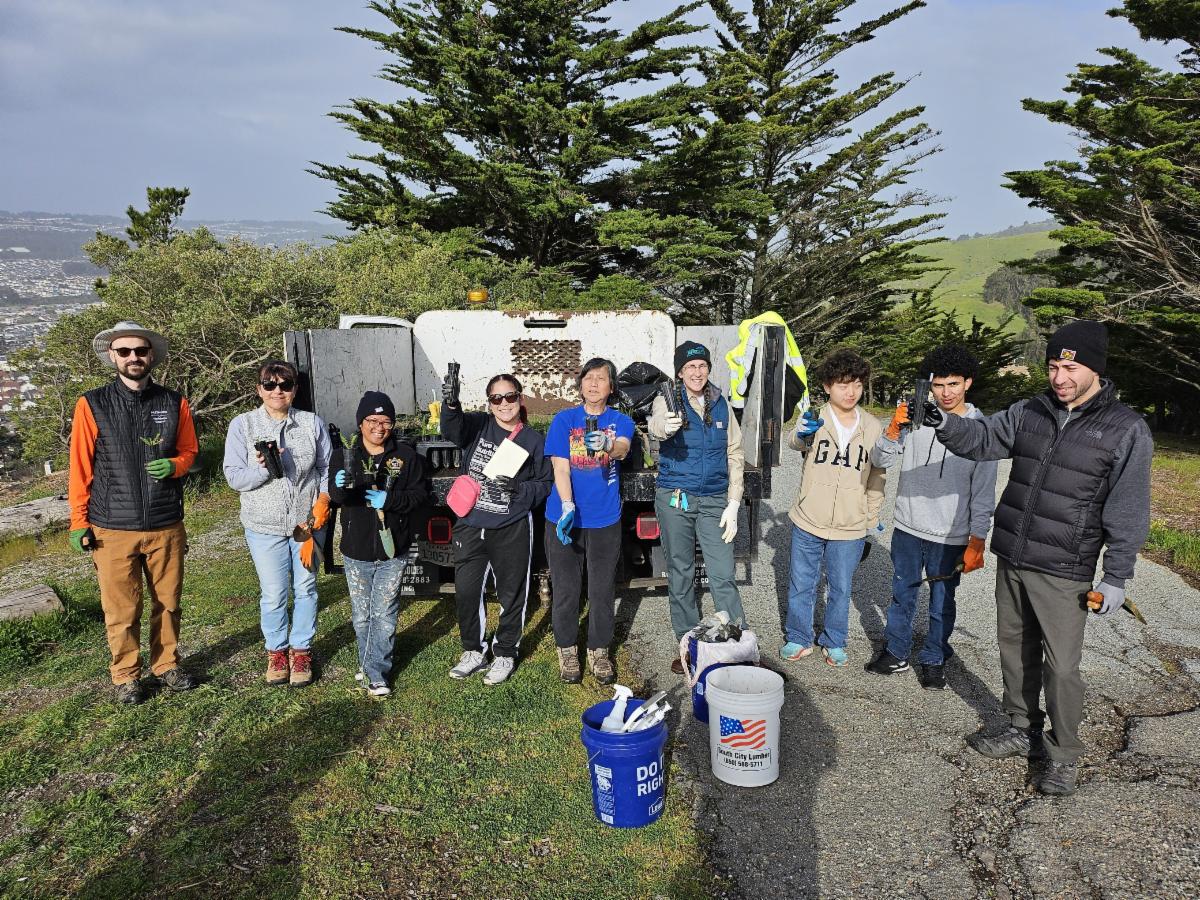
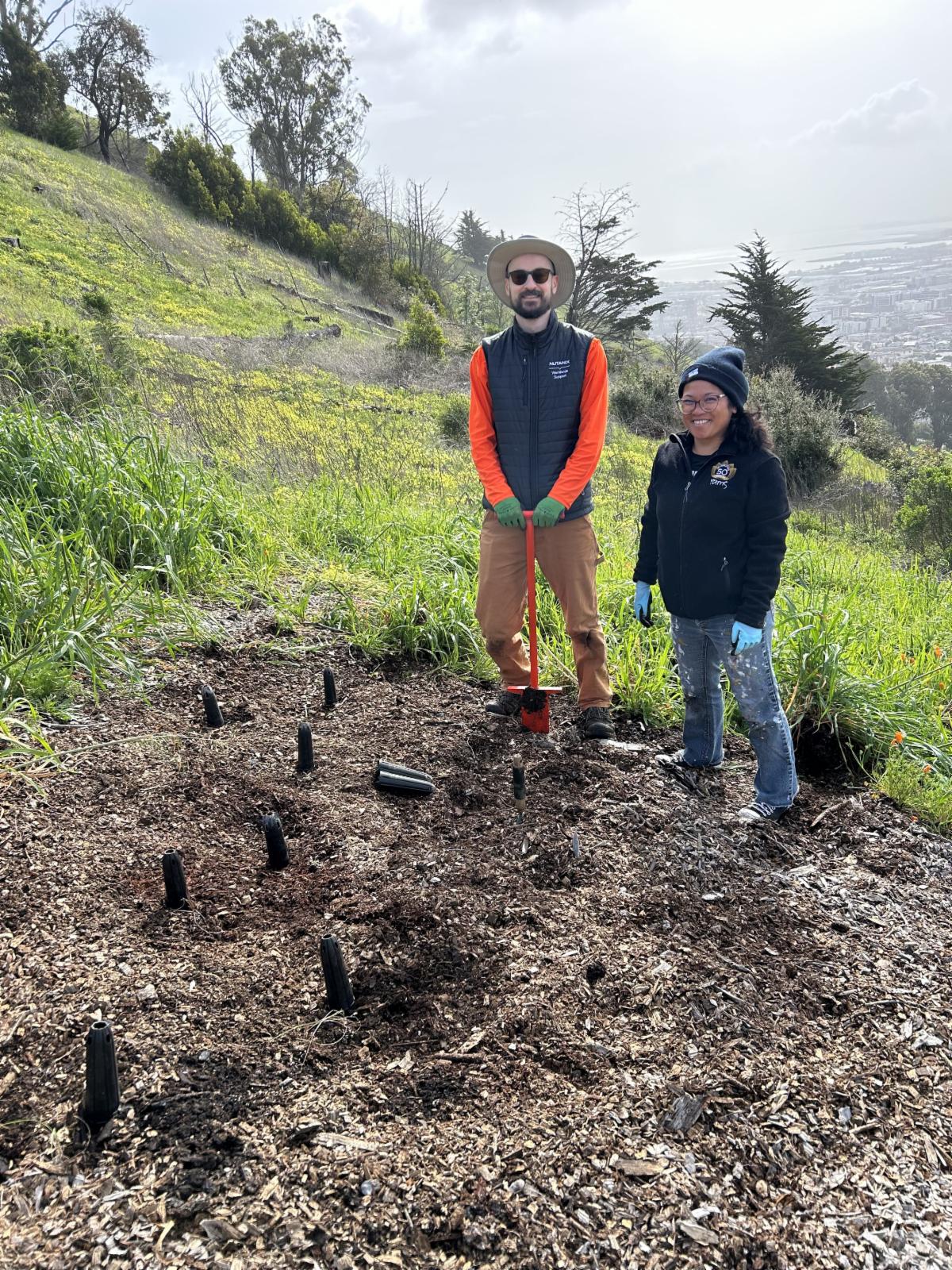
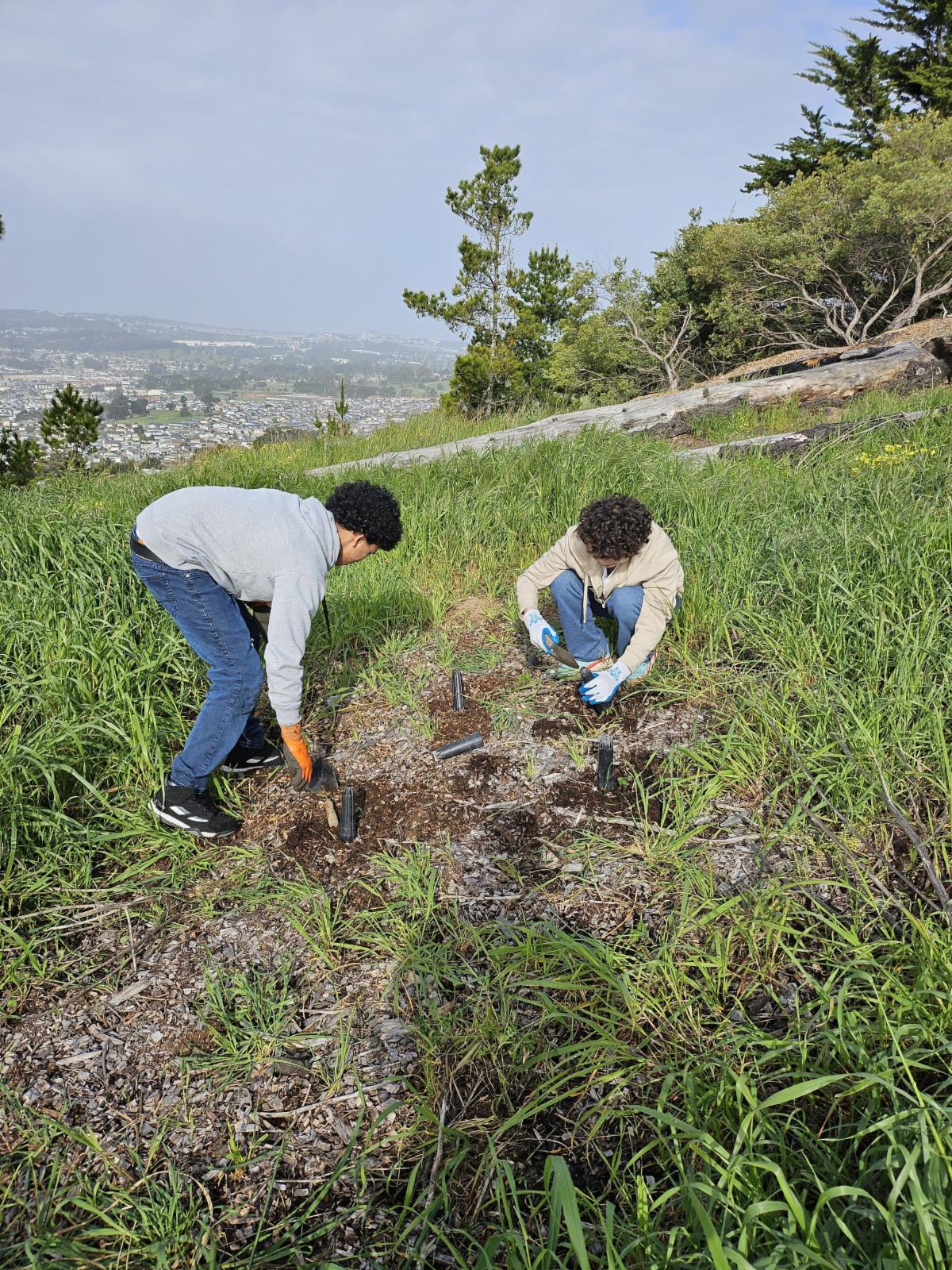
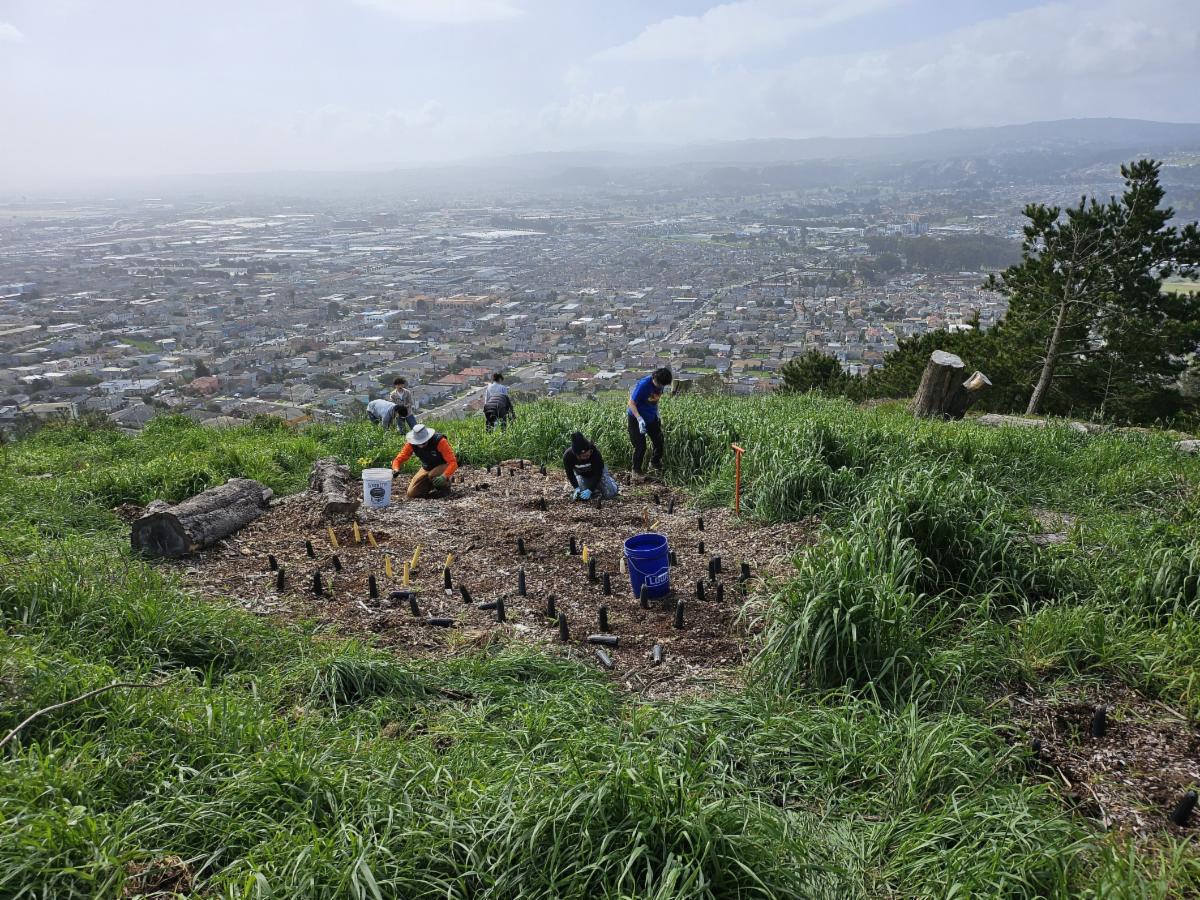
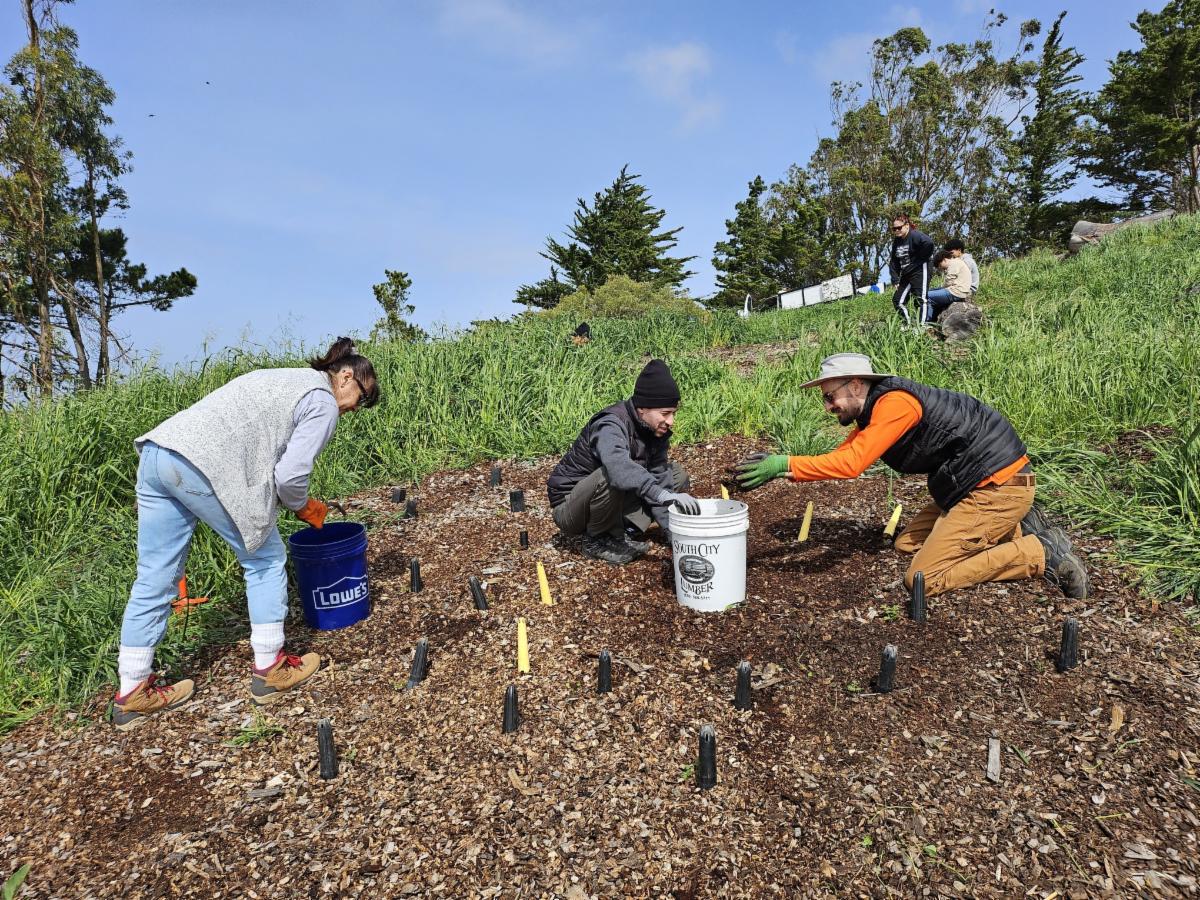
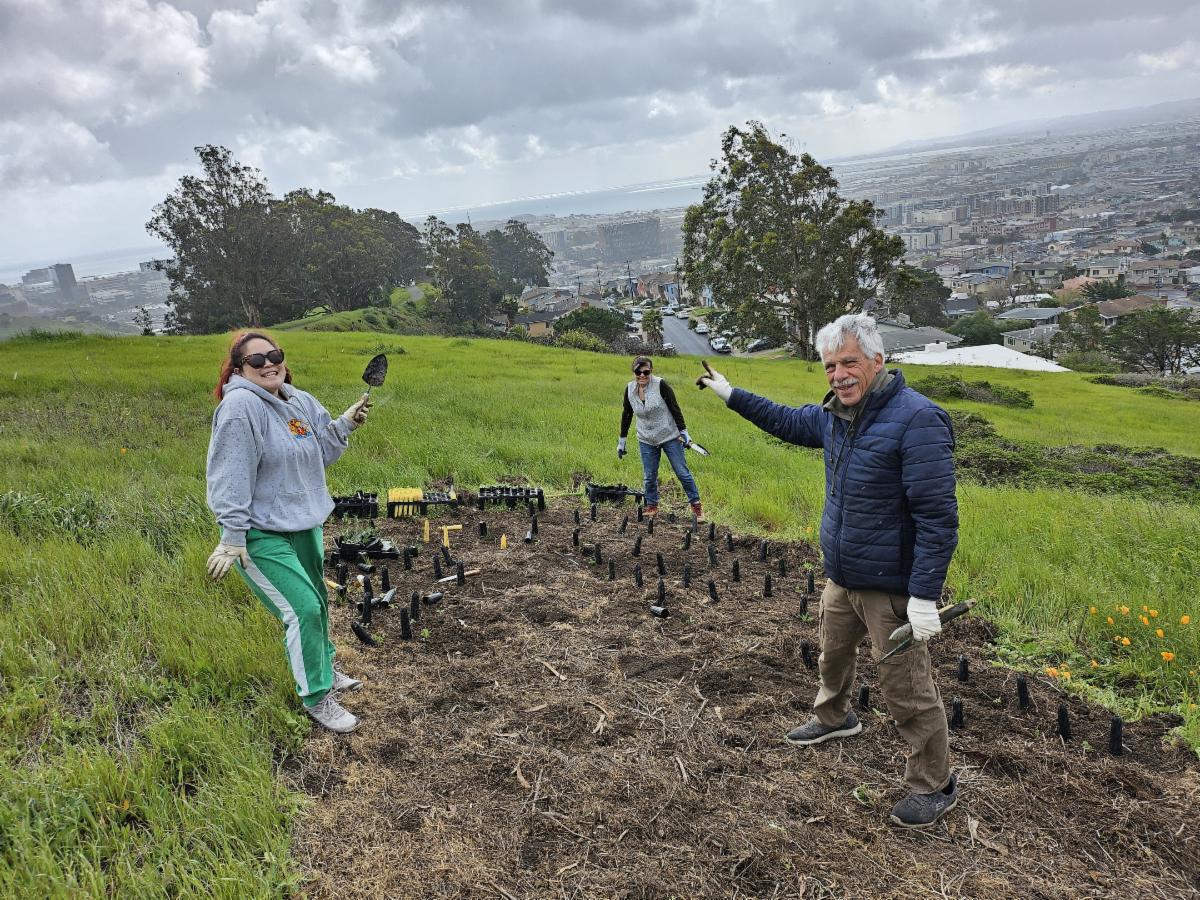
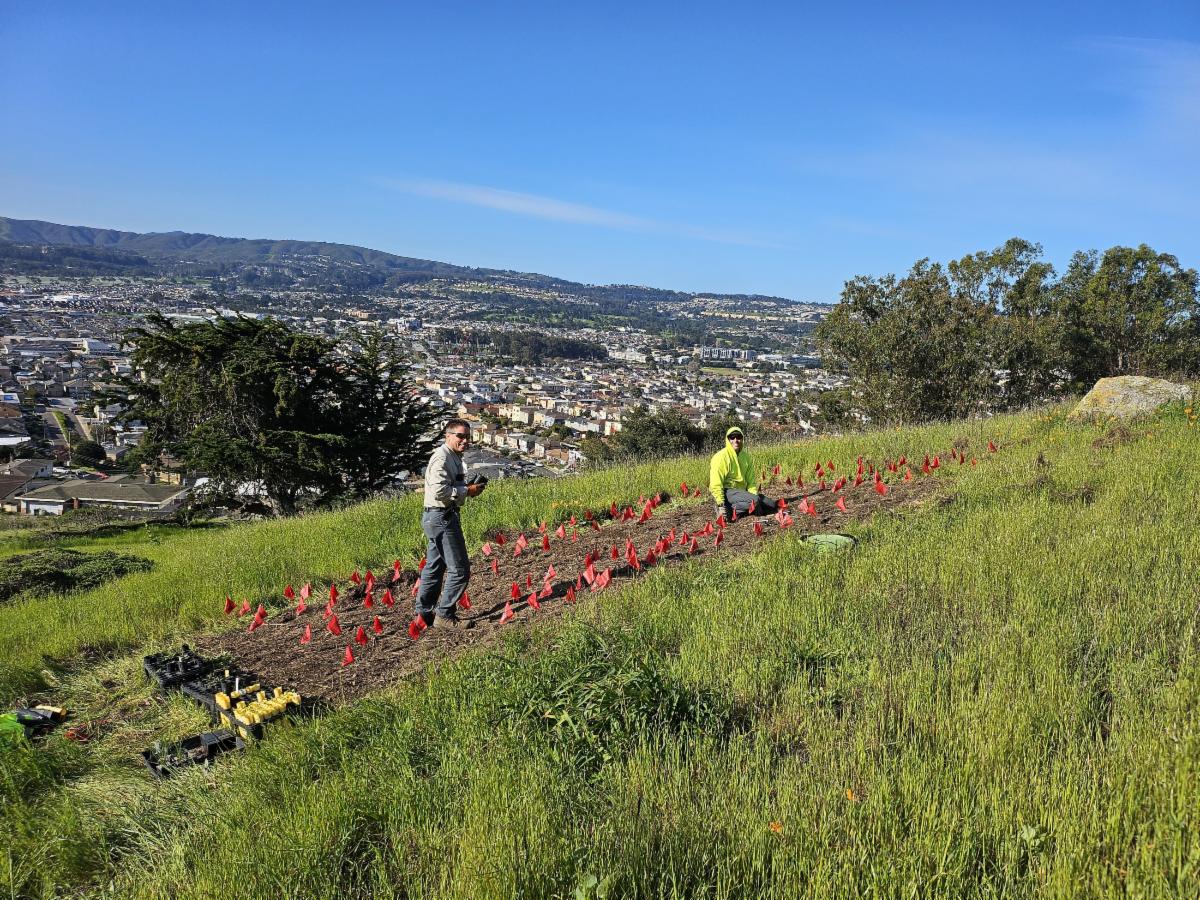
This year's first Sign Hill Stewards workdays of 2025 started off with a bang as we installed a host of native plants in mission blue butterfly habitat islands.
On March 15, Sign Hill Stewards were busy installing plants at the top of Seubert Trail. This area was once a forested grove that burned in the 2020 Diamond Fire. Following the fire, the burned trees were cut down to help minimize the risks of large-scale wildfires that could threaten people or wildlife in the future.
This also opened up the opportunity to restore the coastal prairie habitat that existed before the trees were planted in the area. Great news for the mission blue butterfly and other grassland species that rely on this habitat to live!
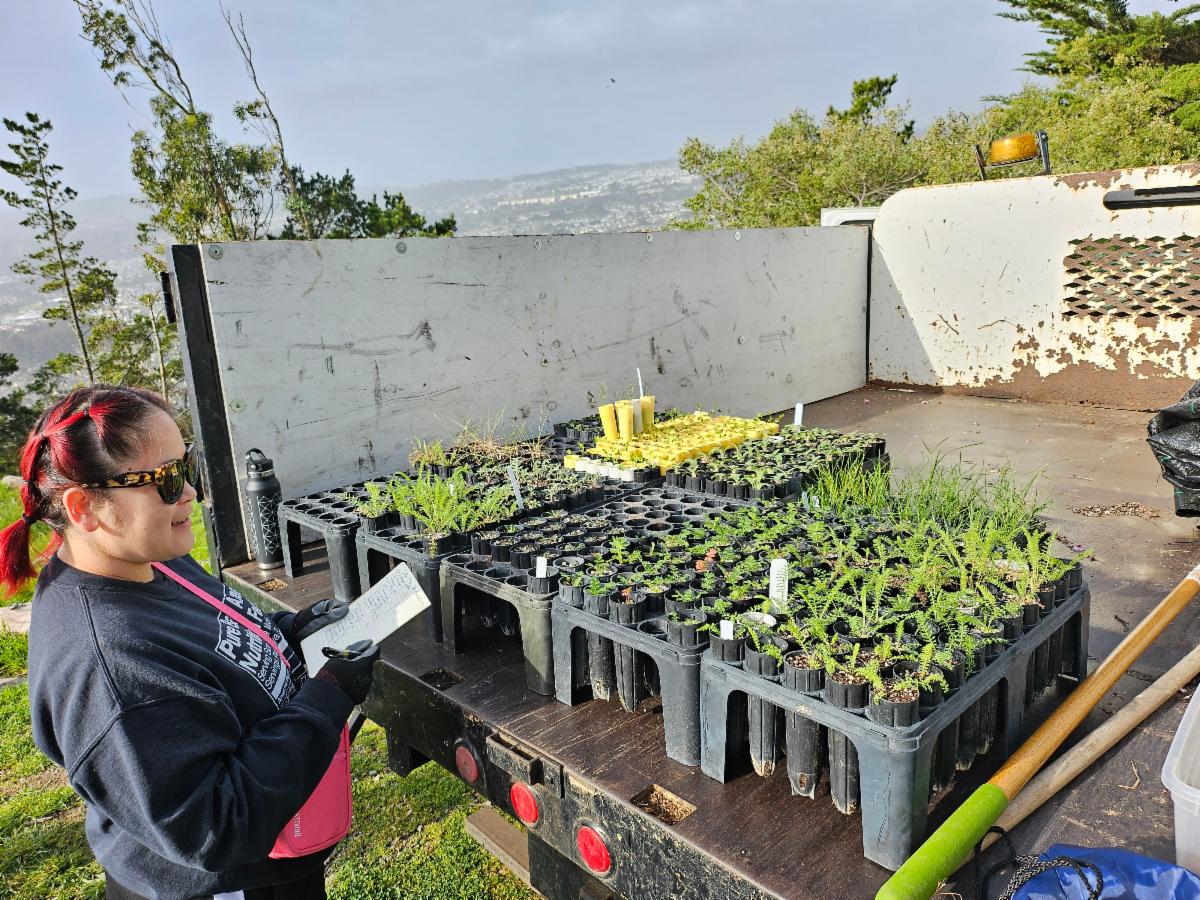
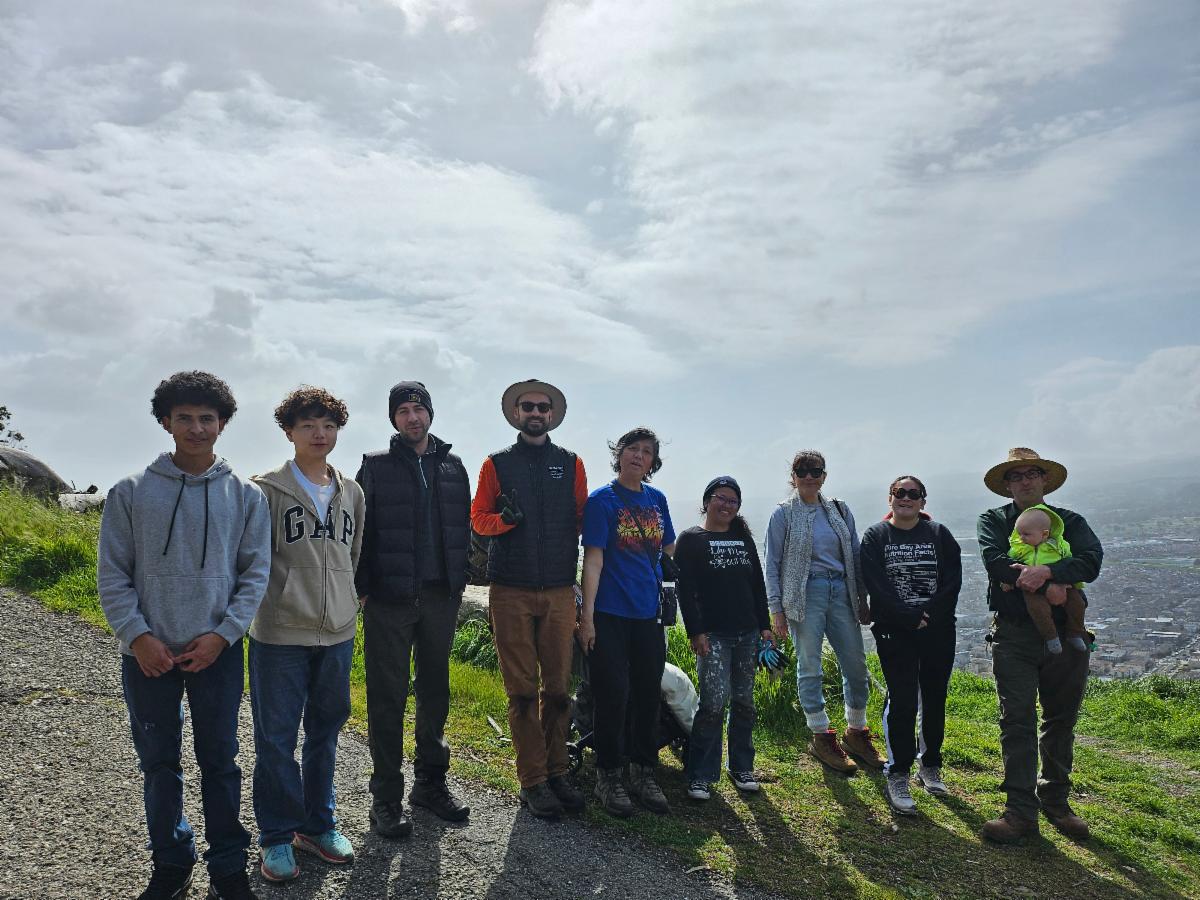
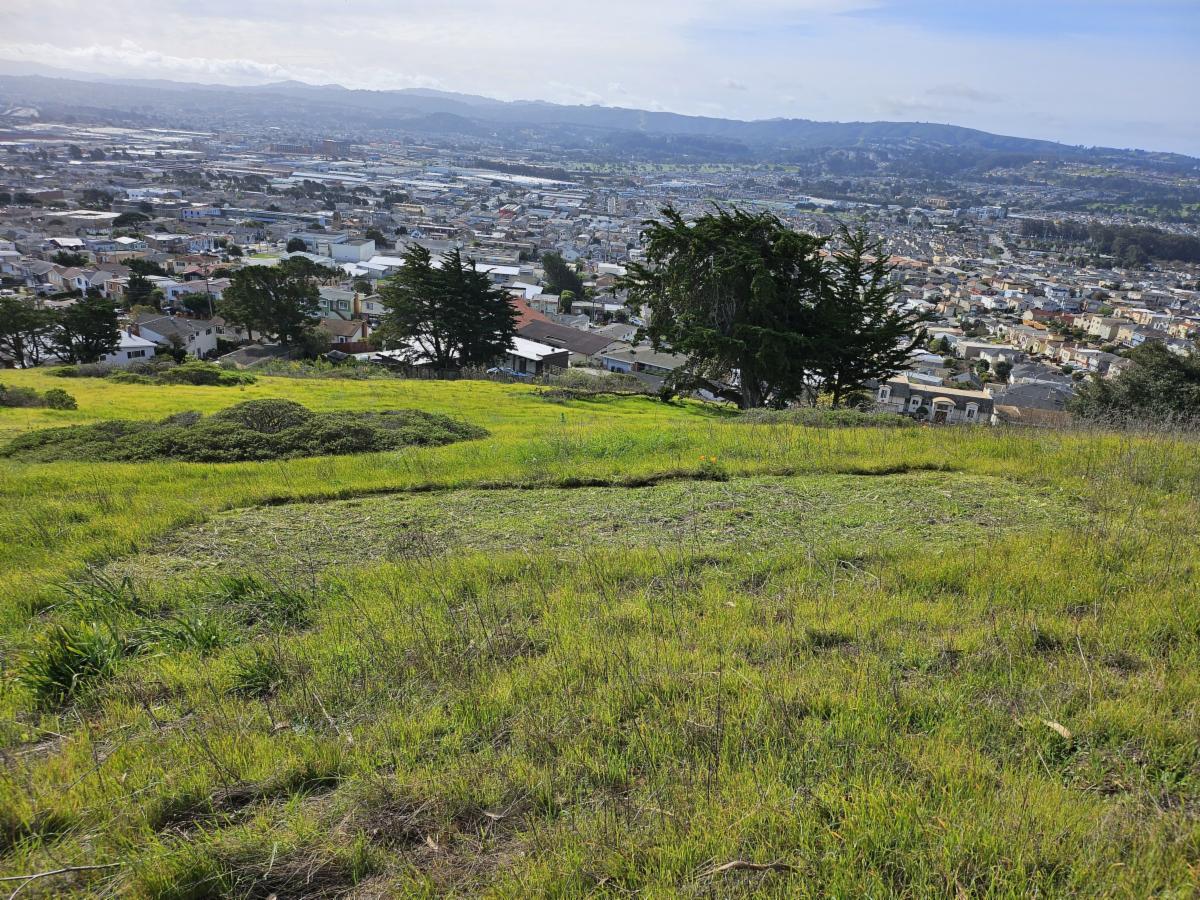
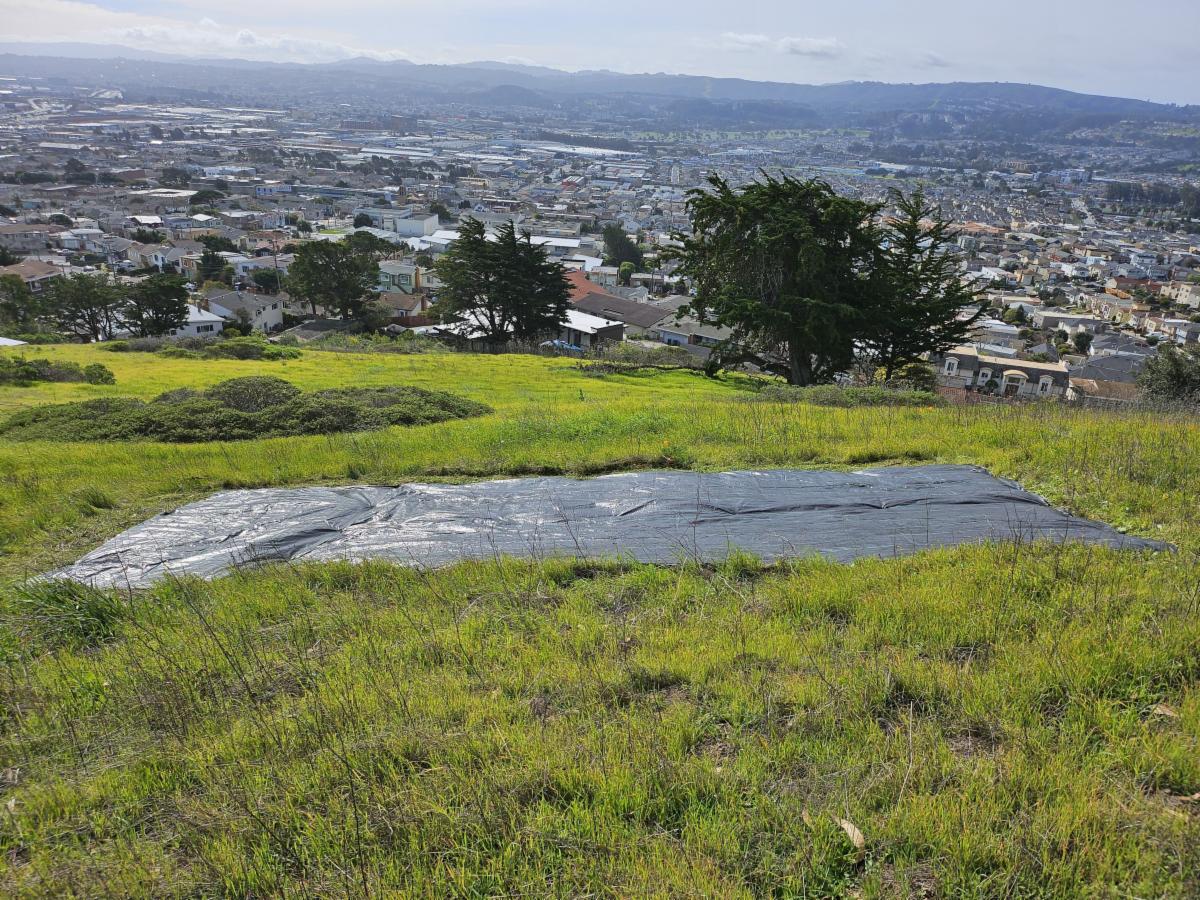
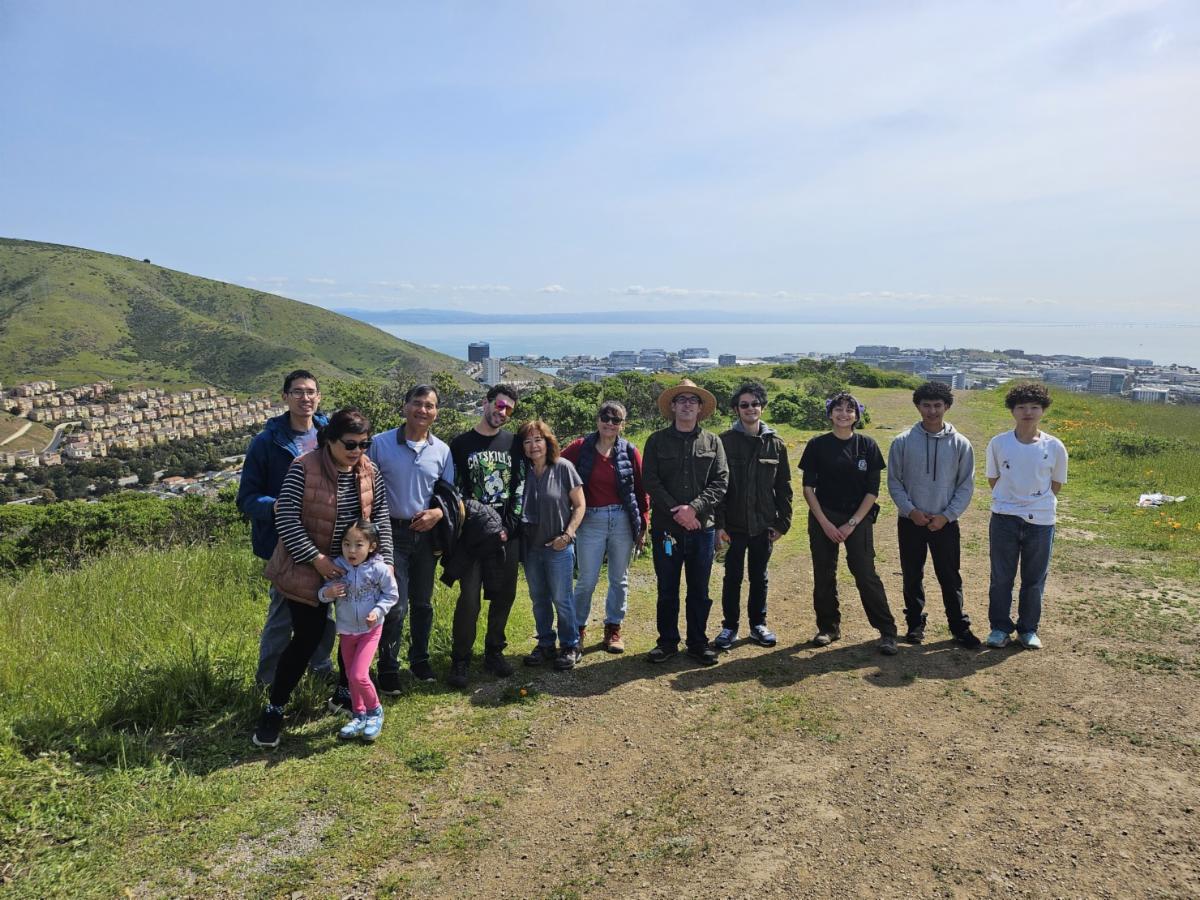
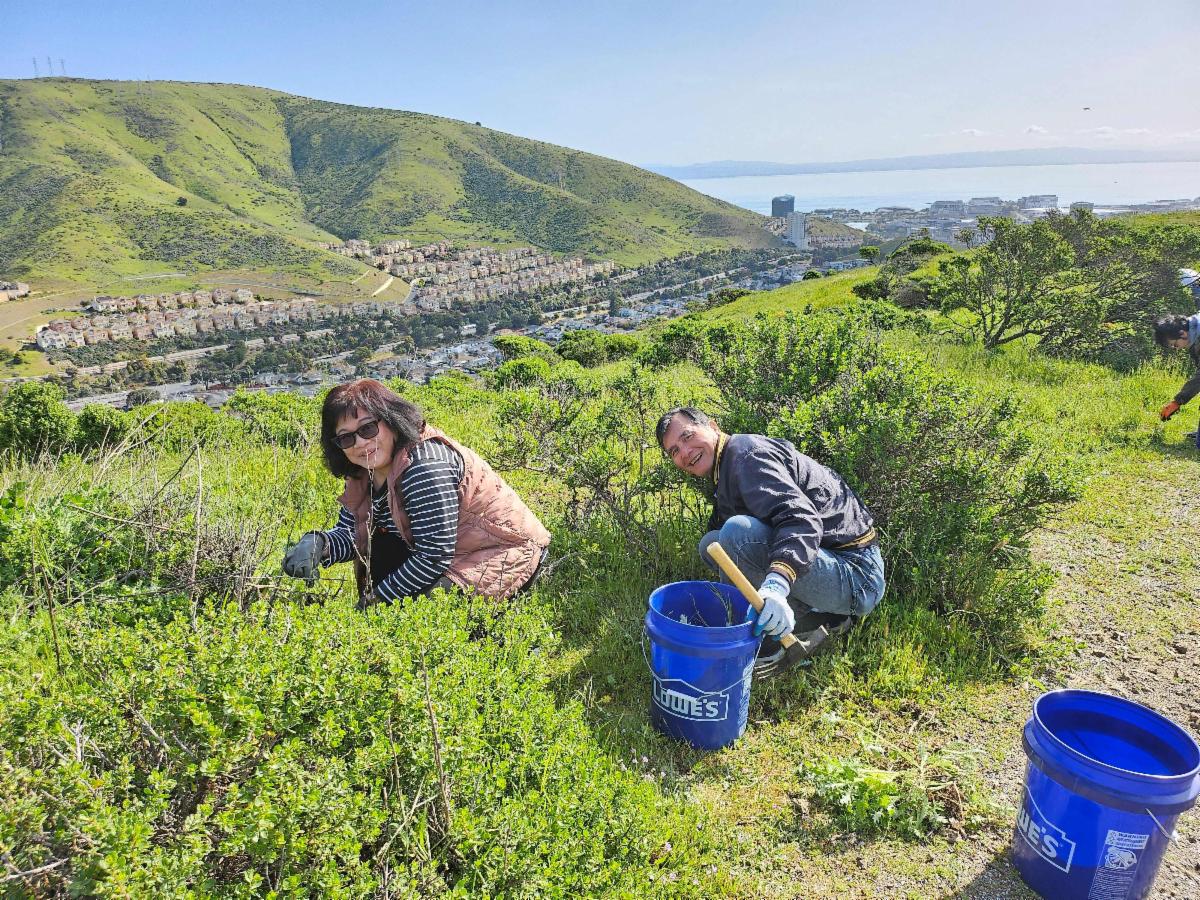
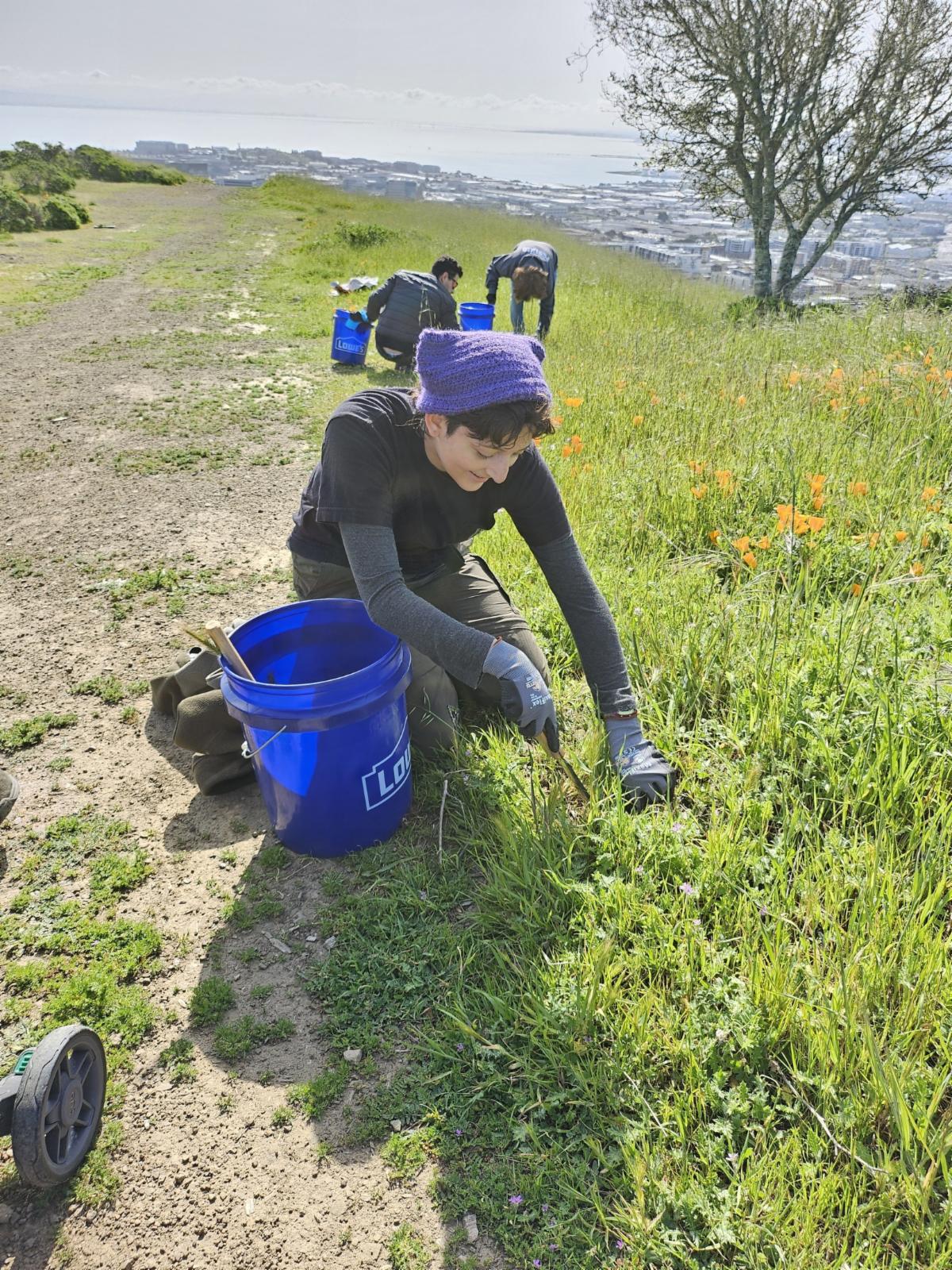
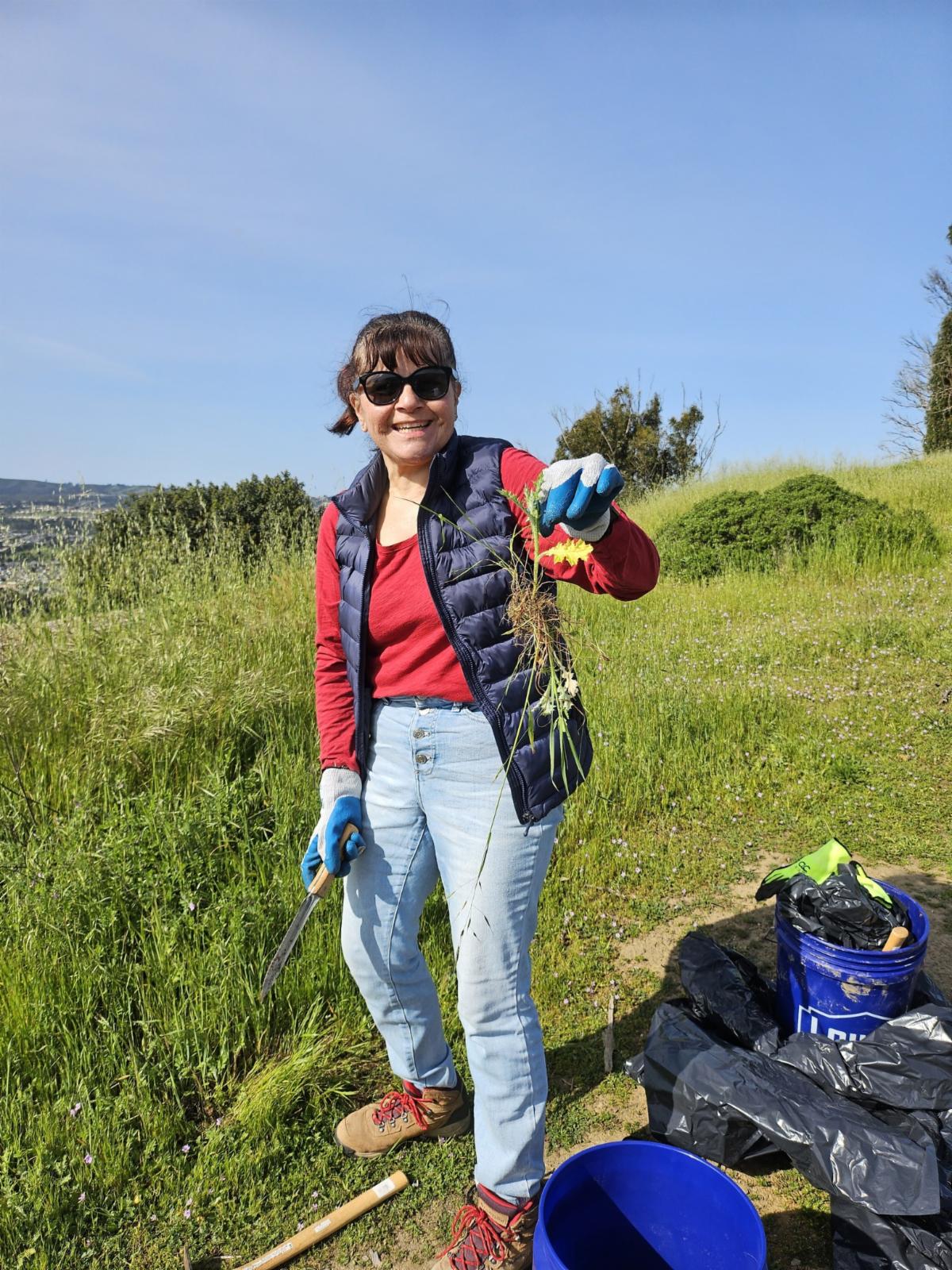
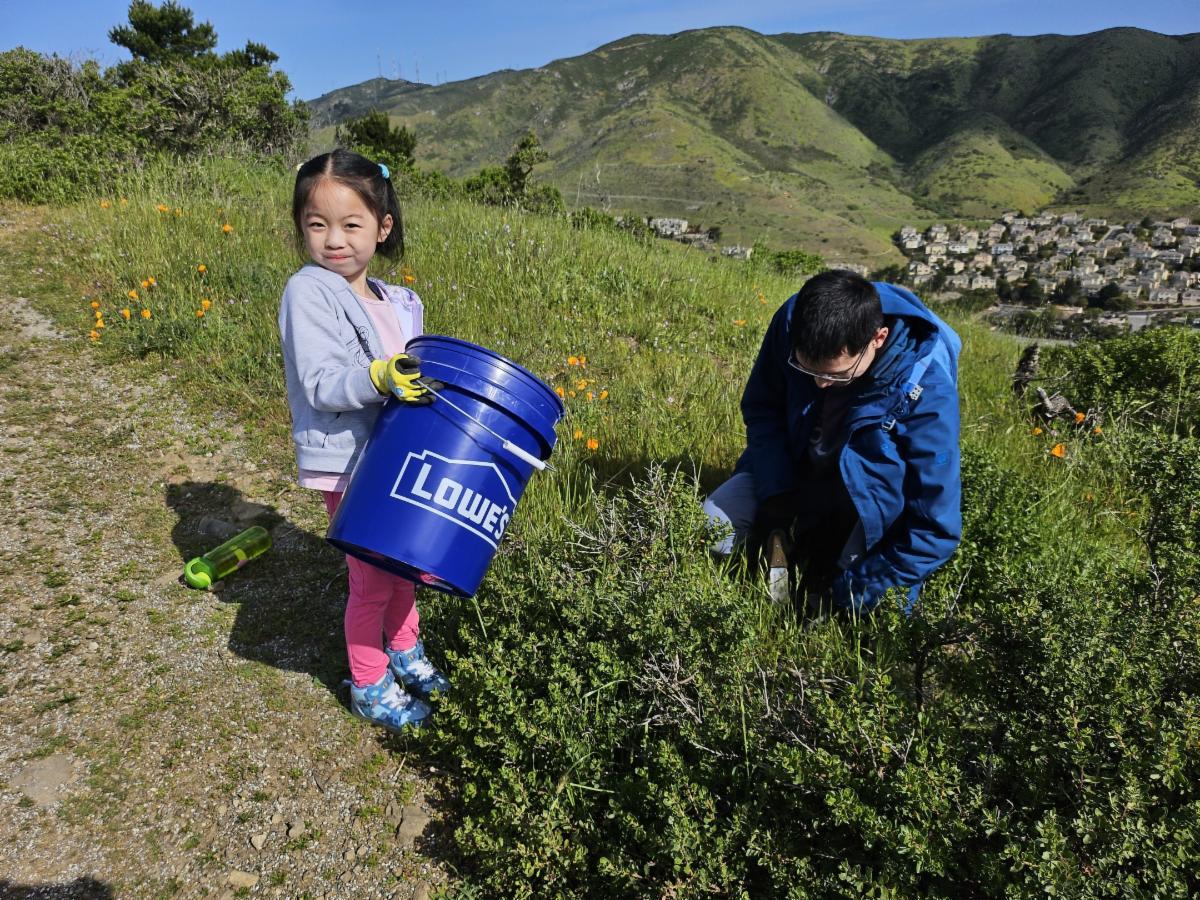
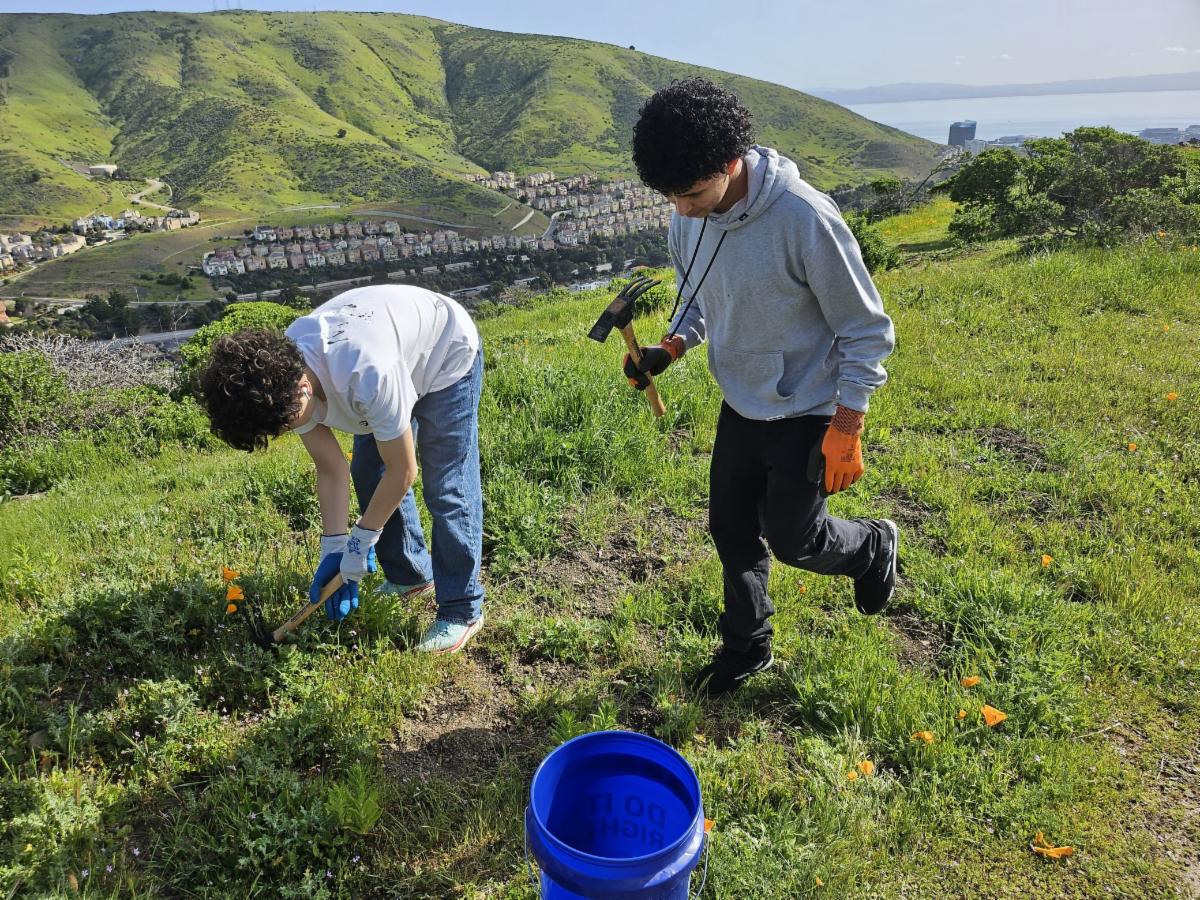
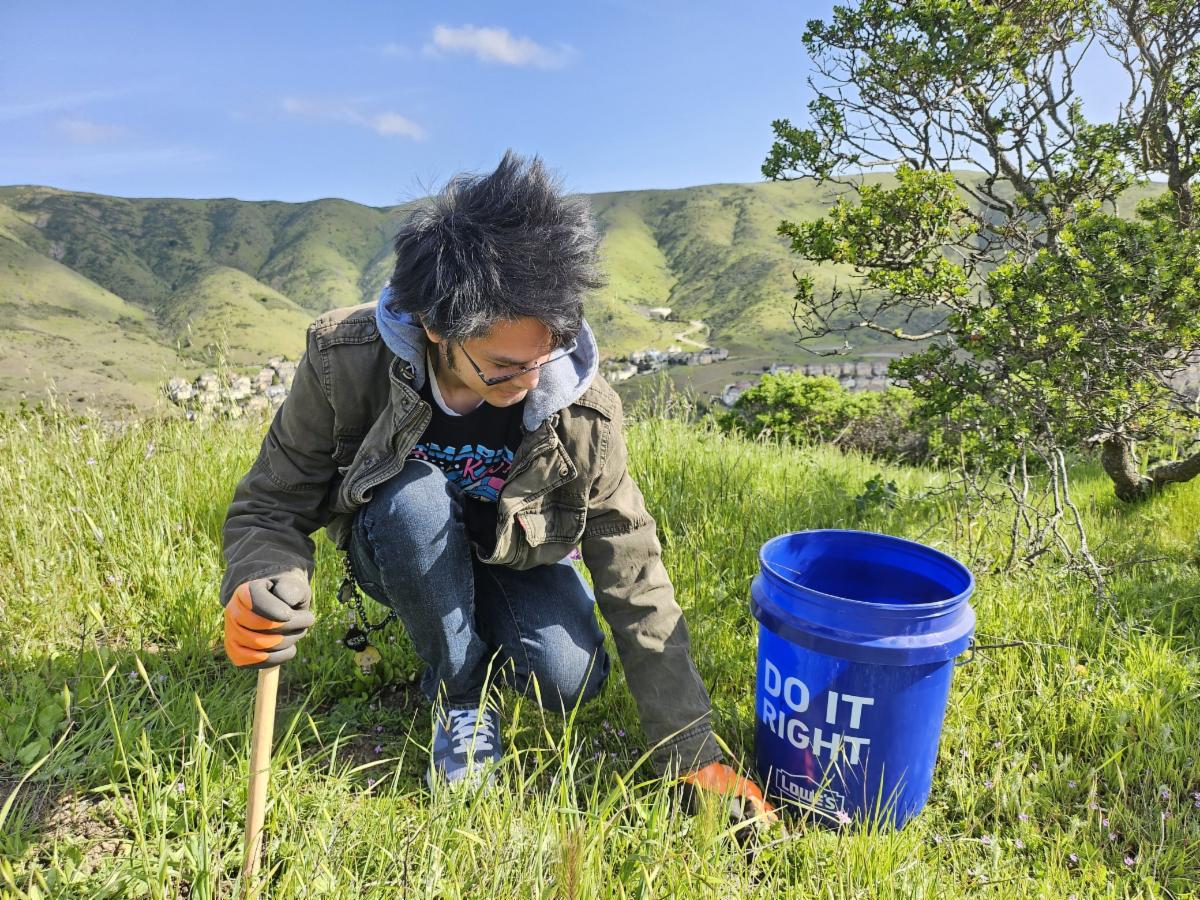
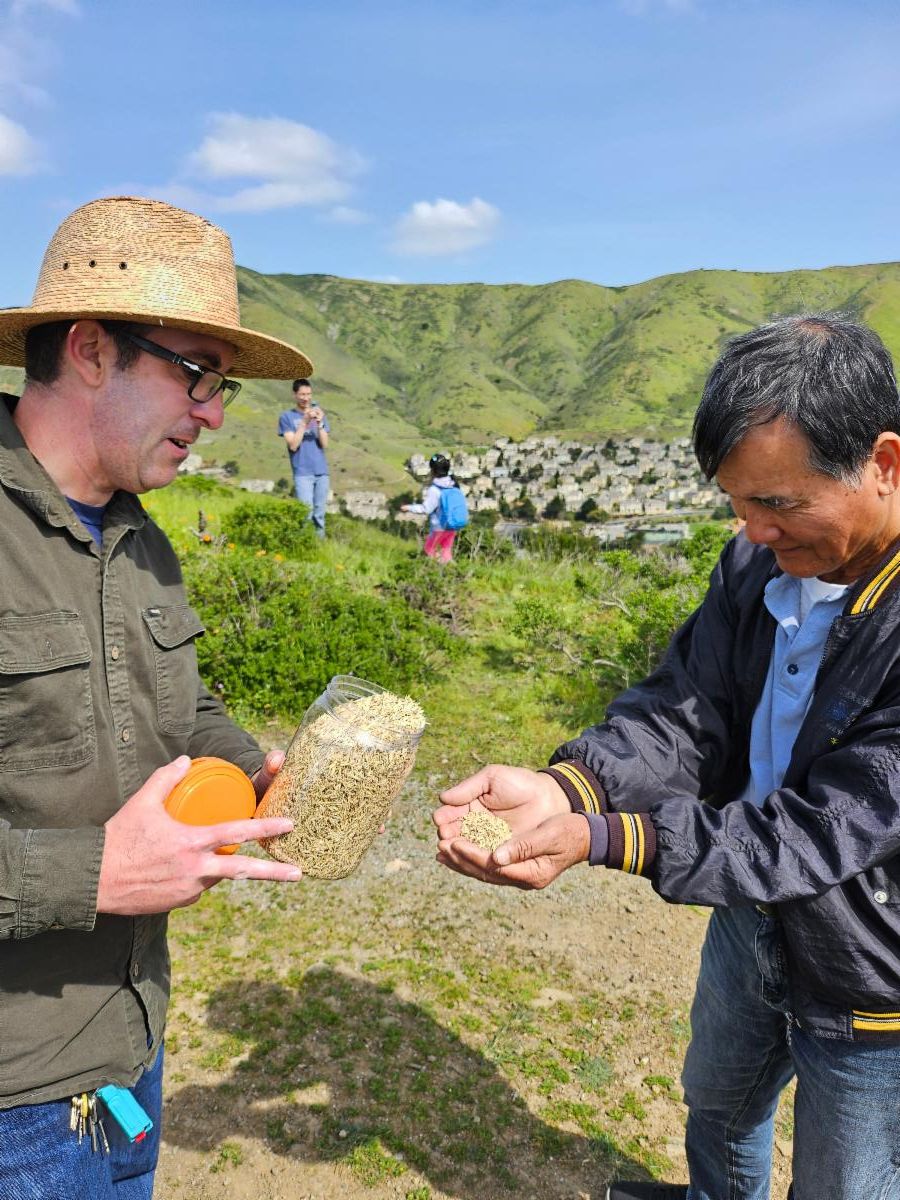
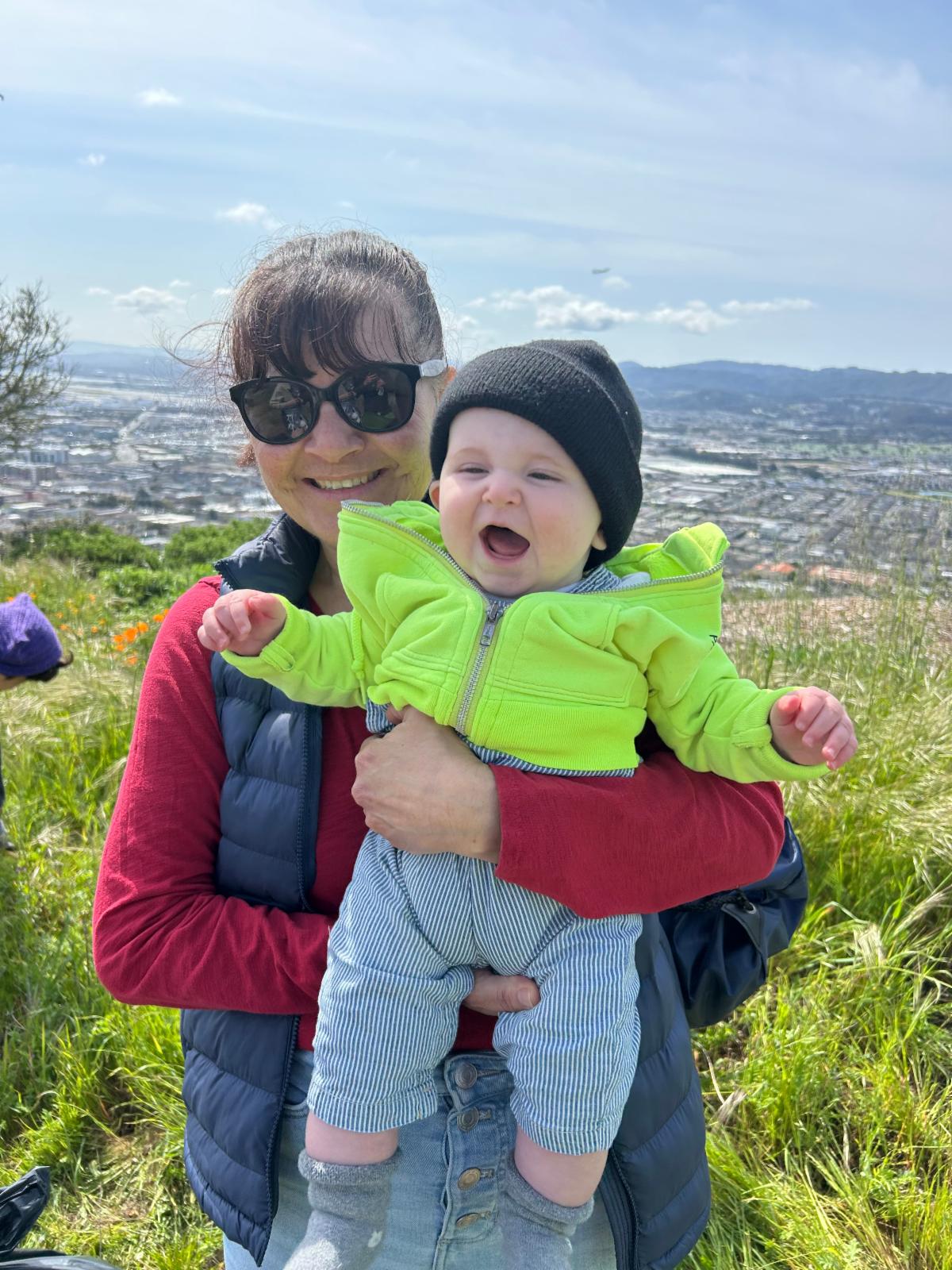
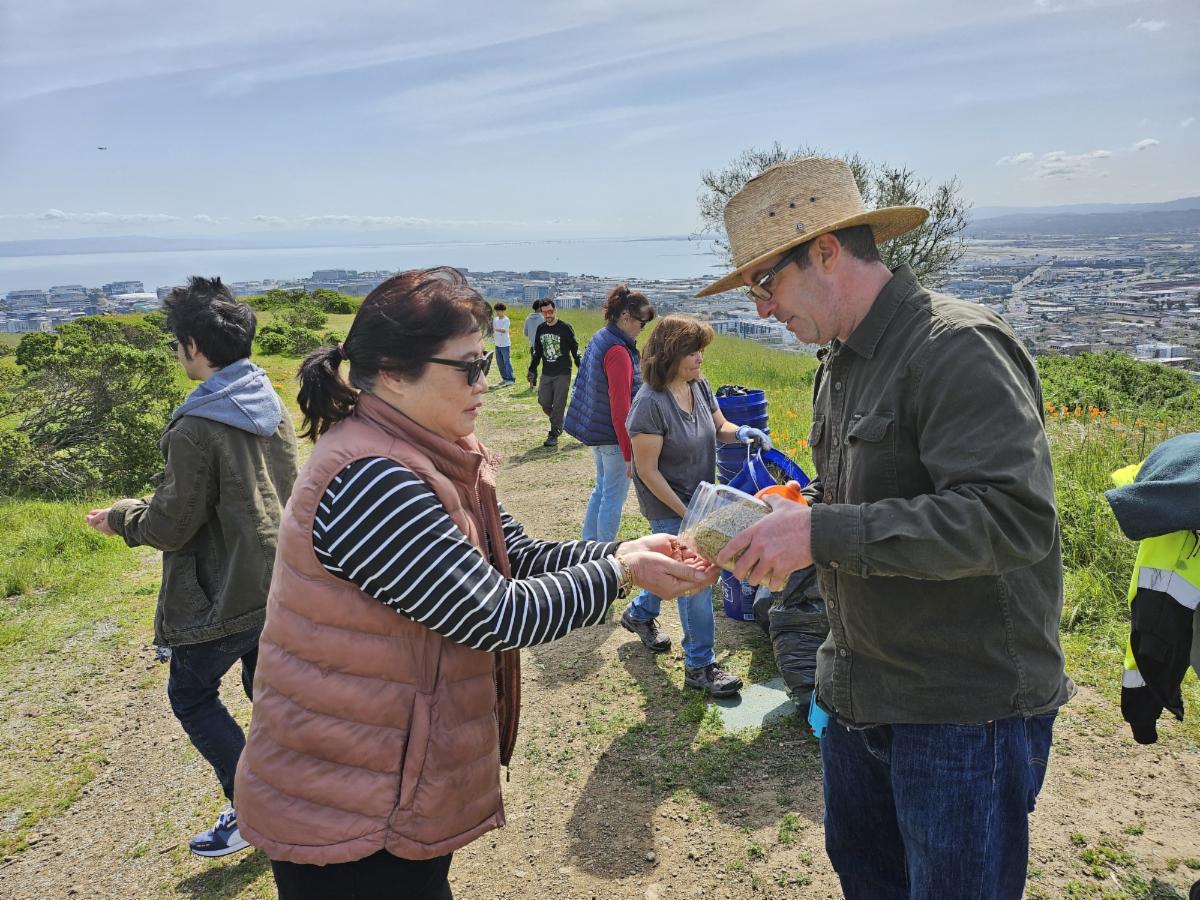
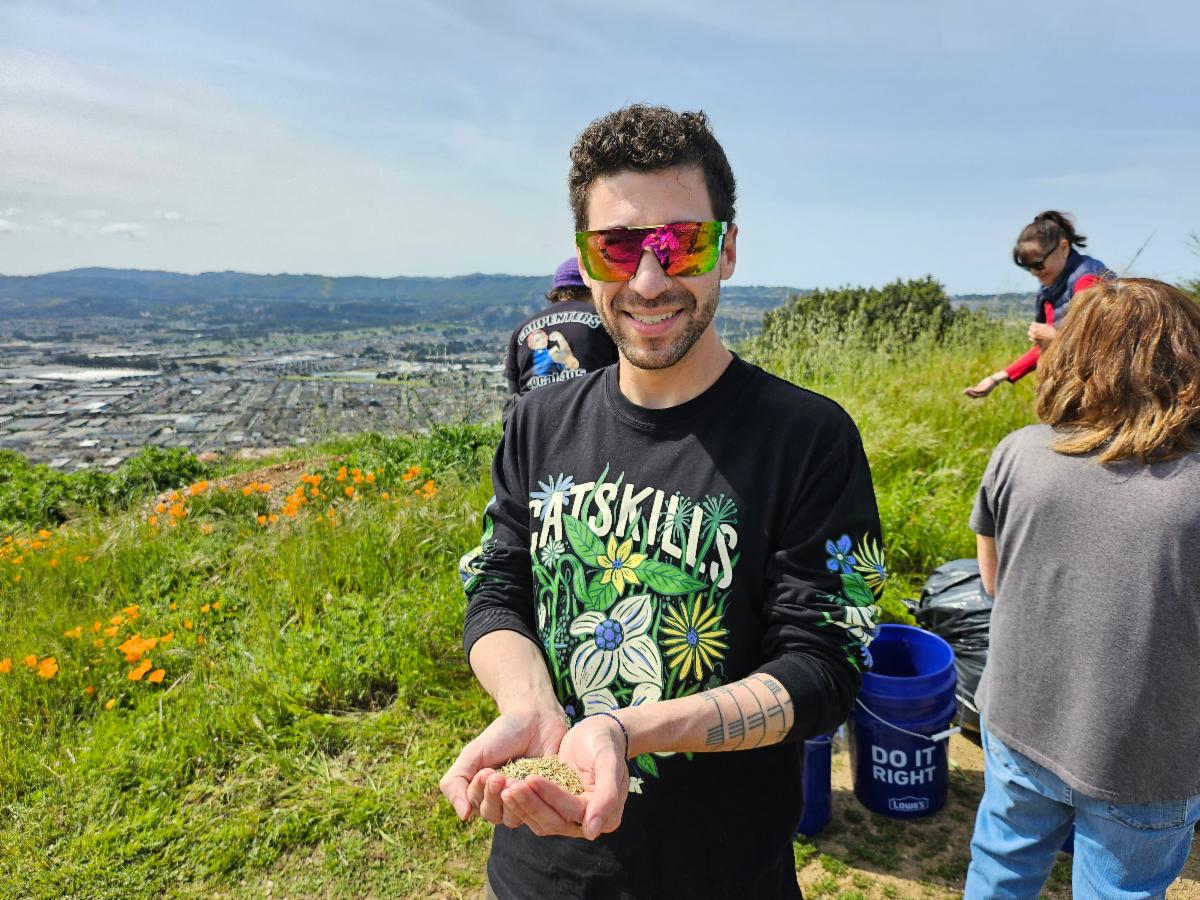
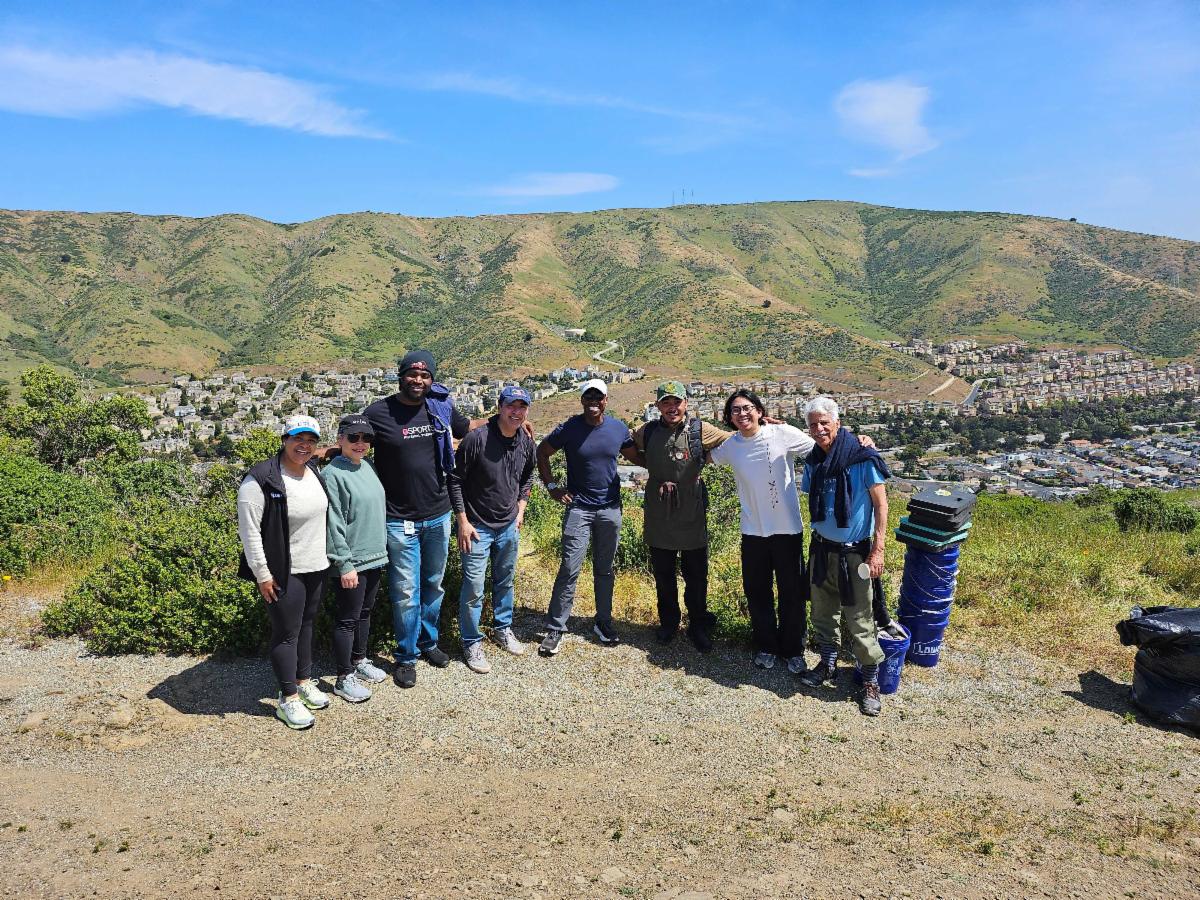
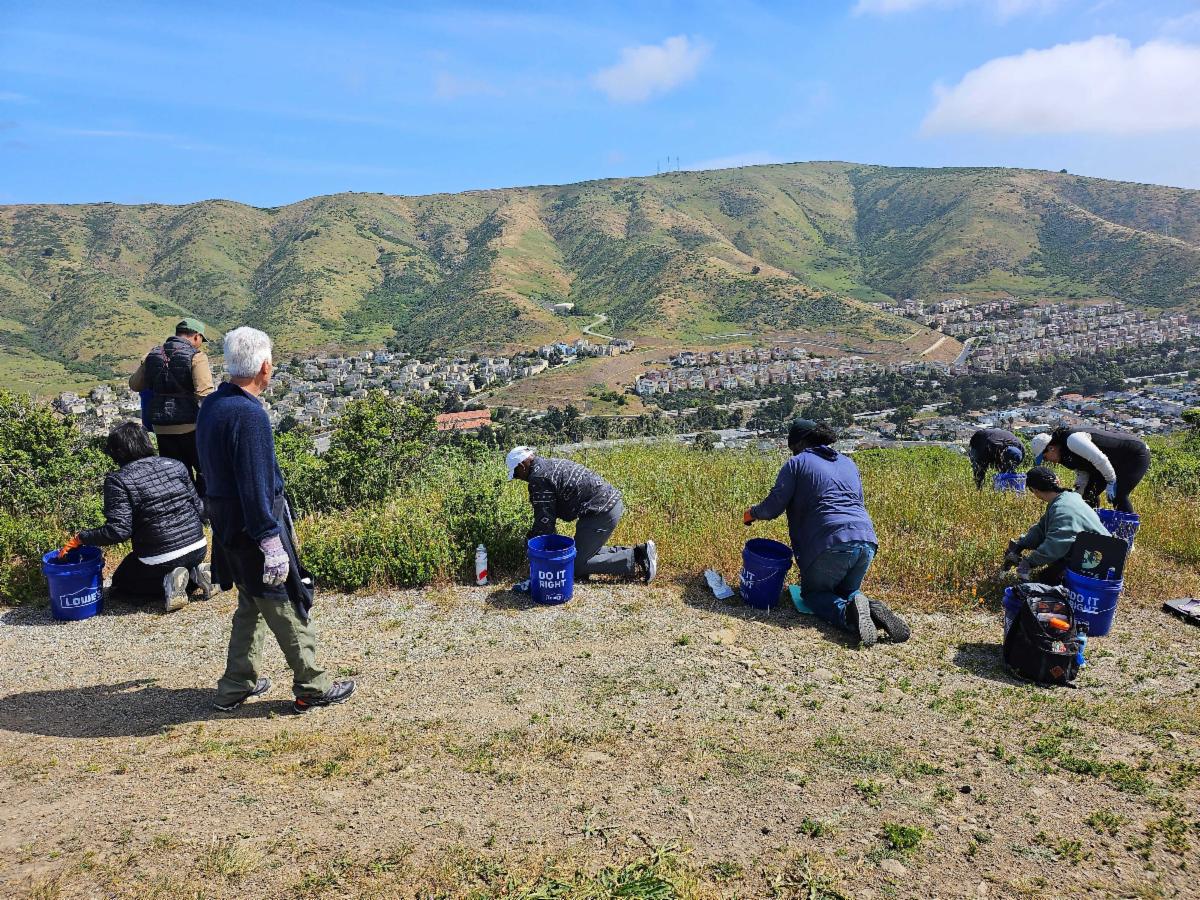
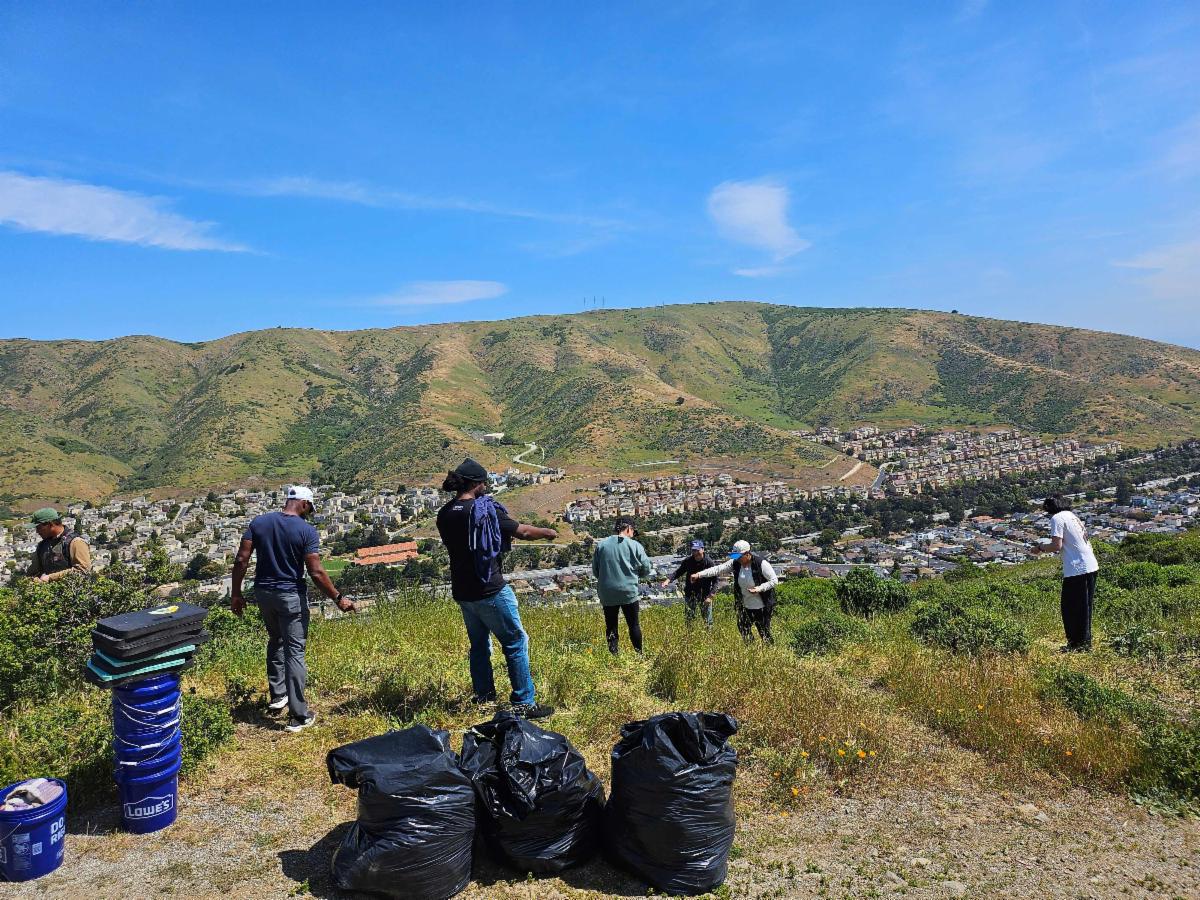
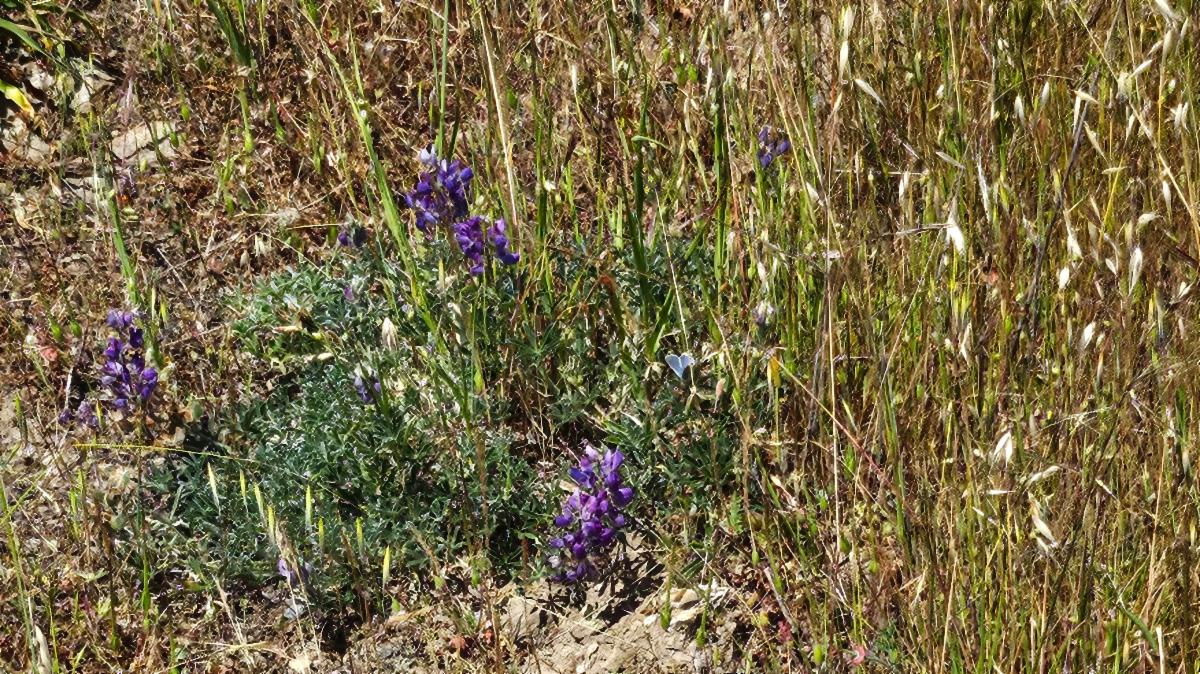
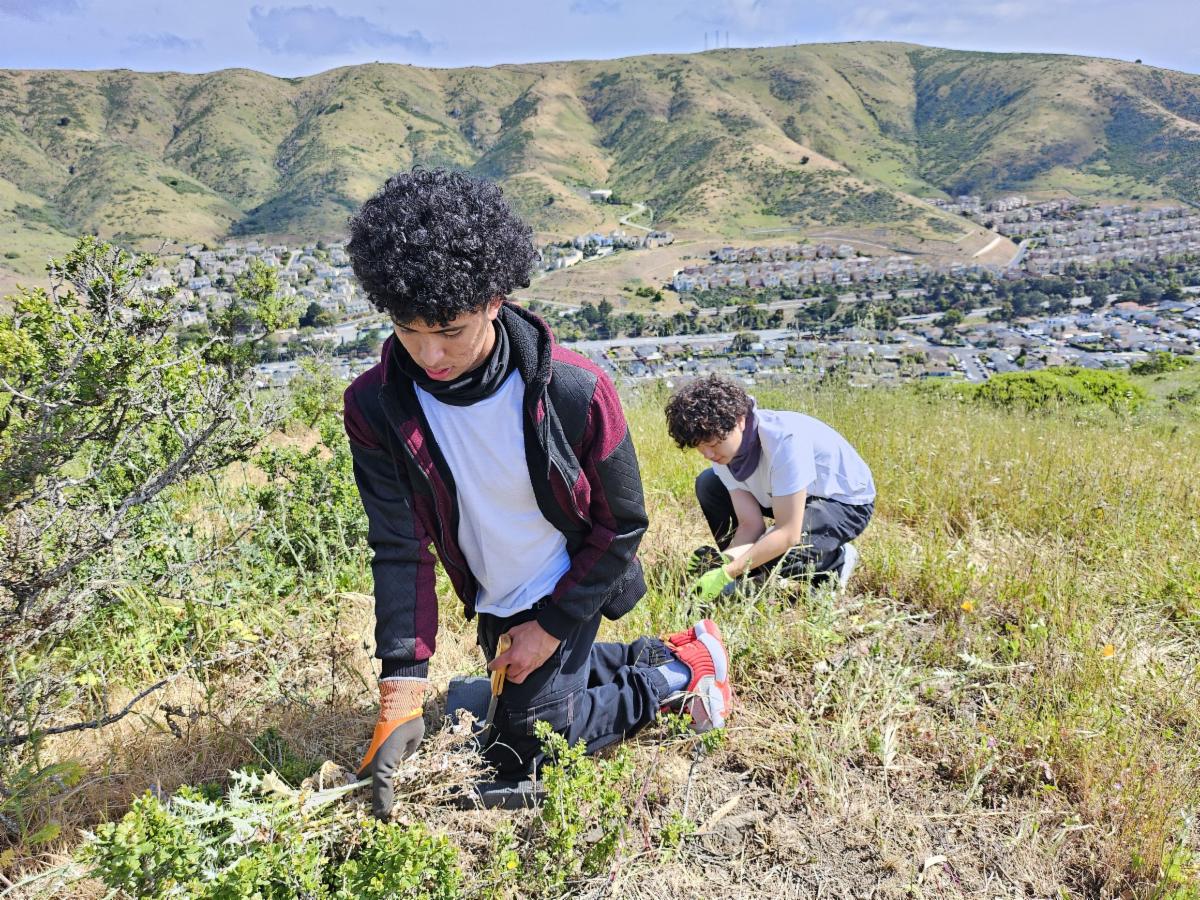
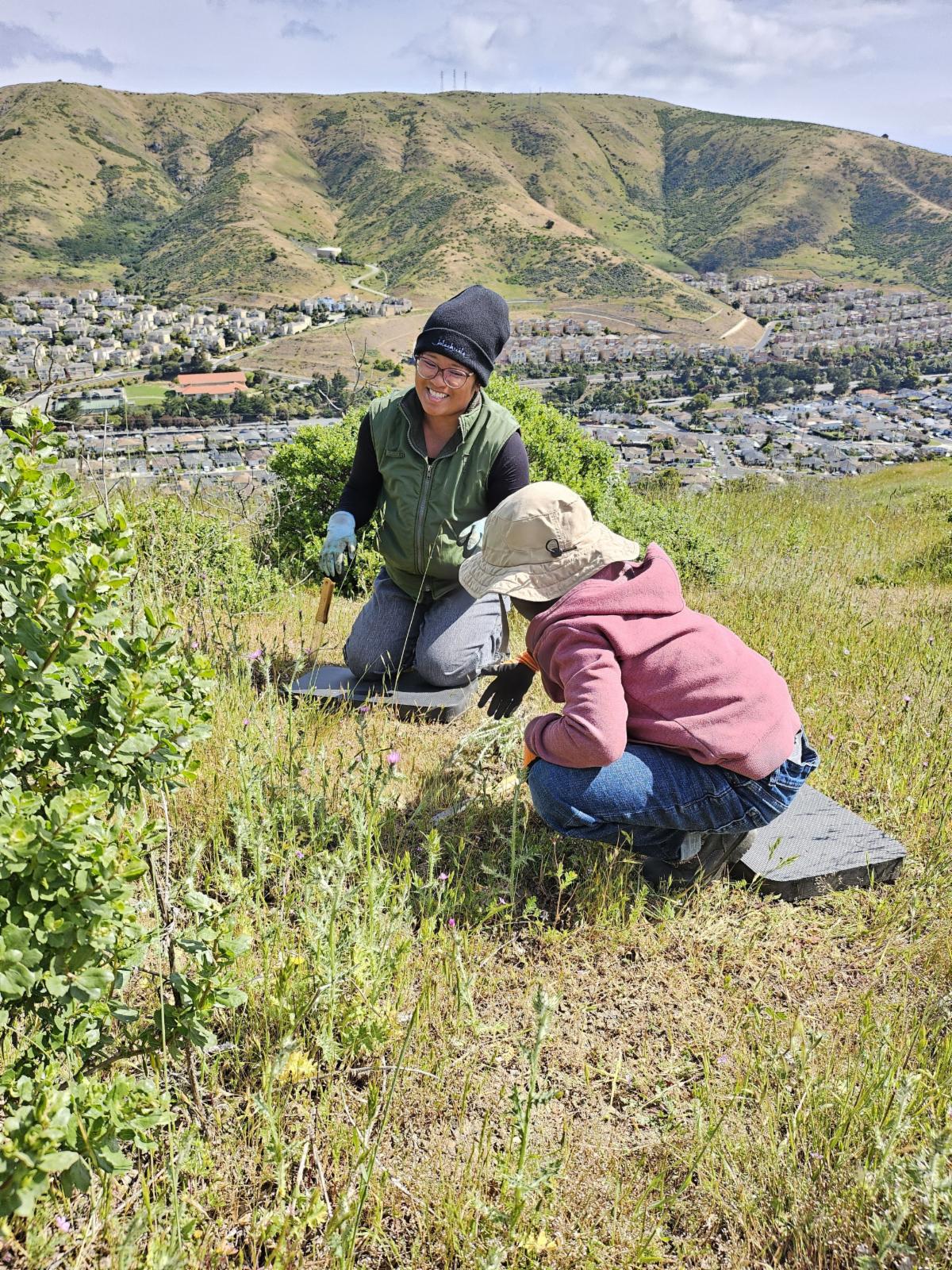
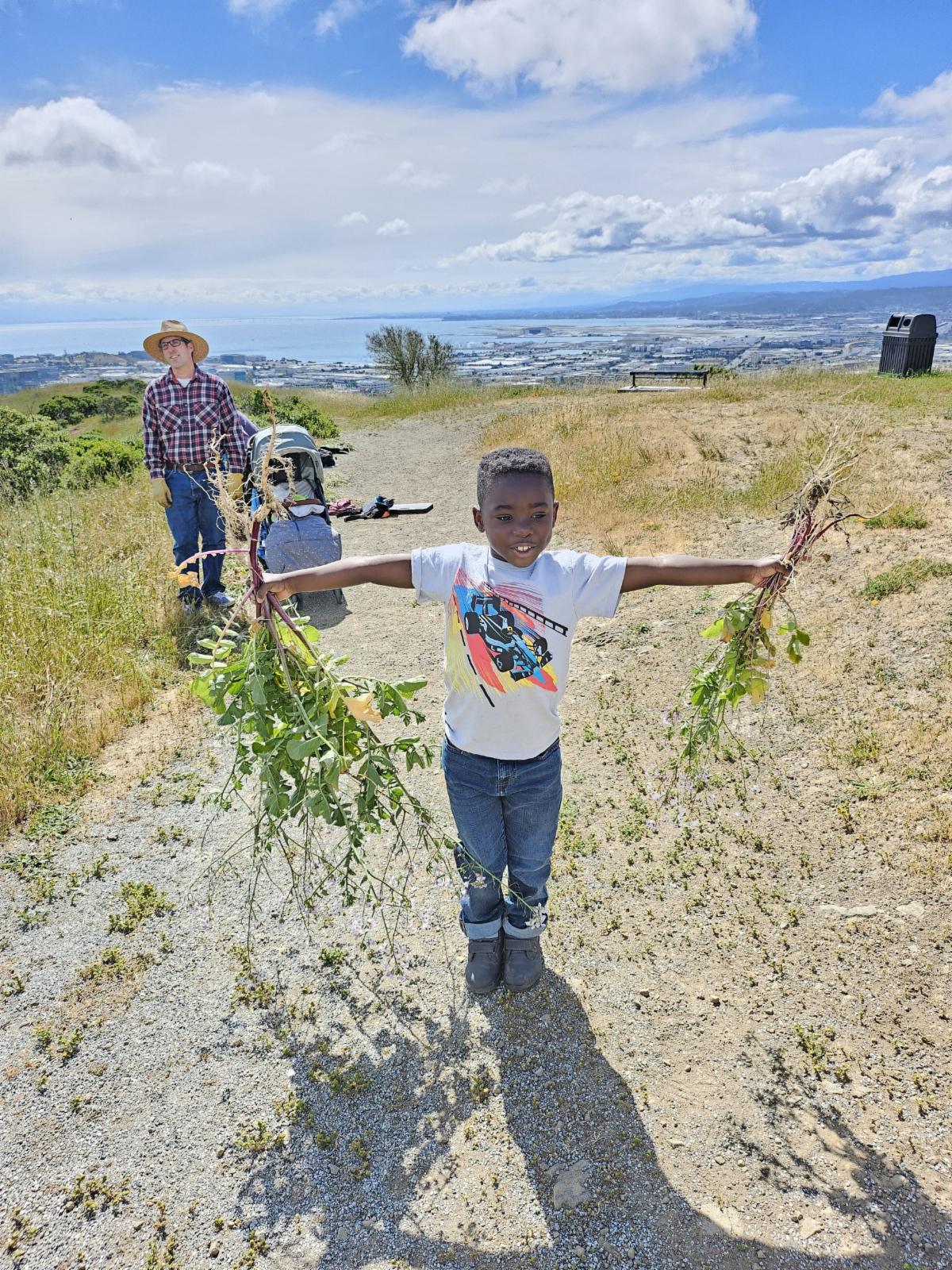
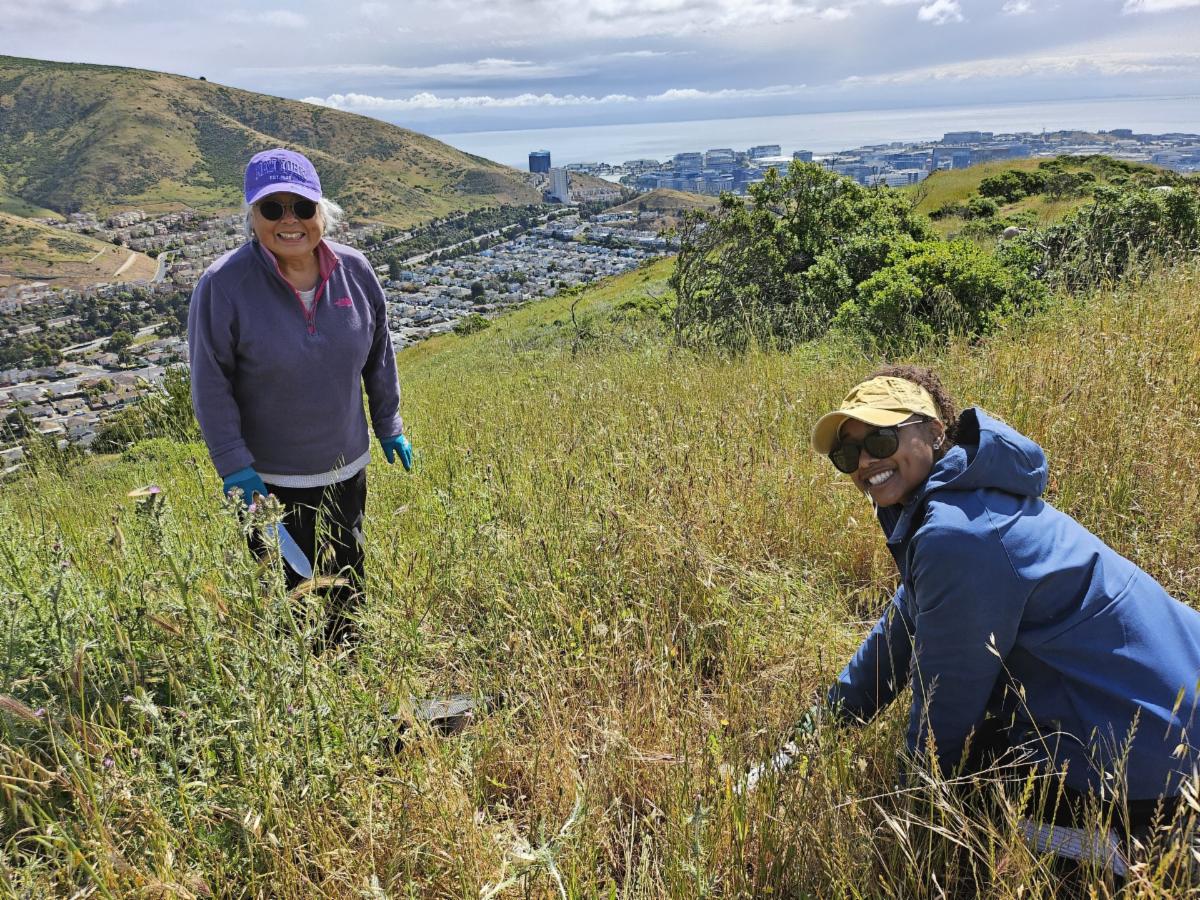
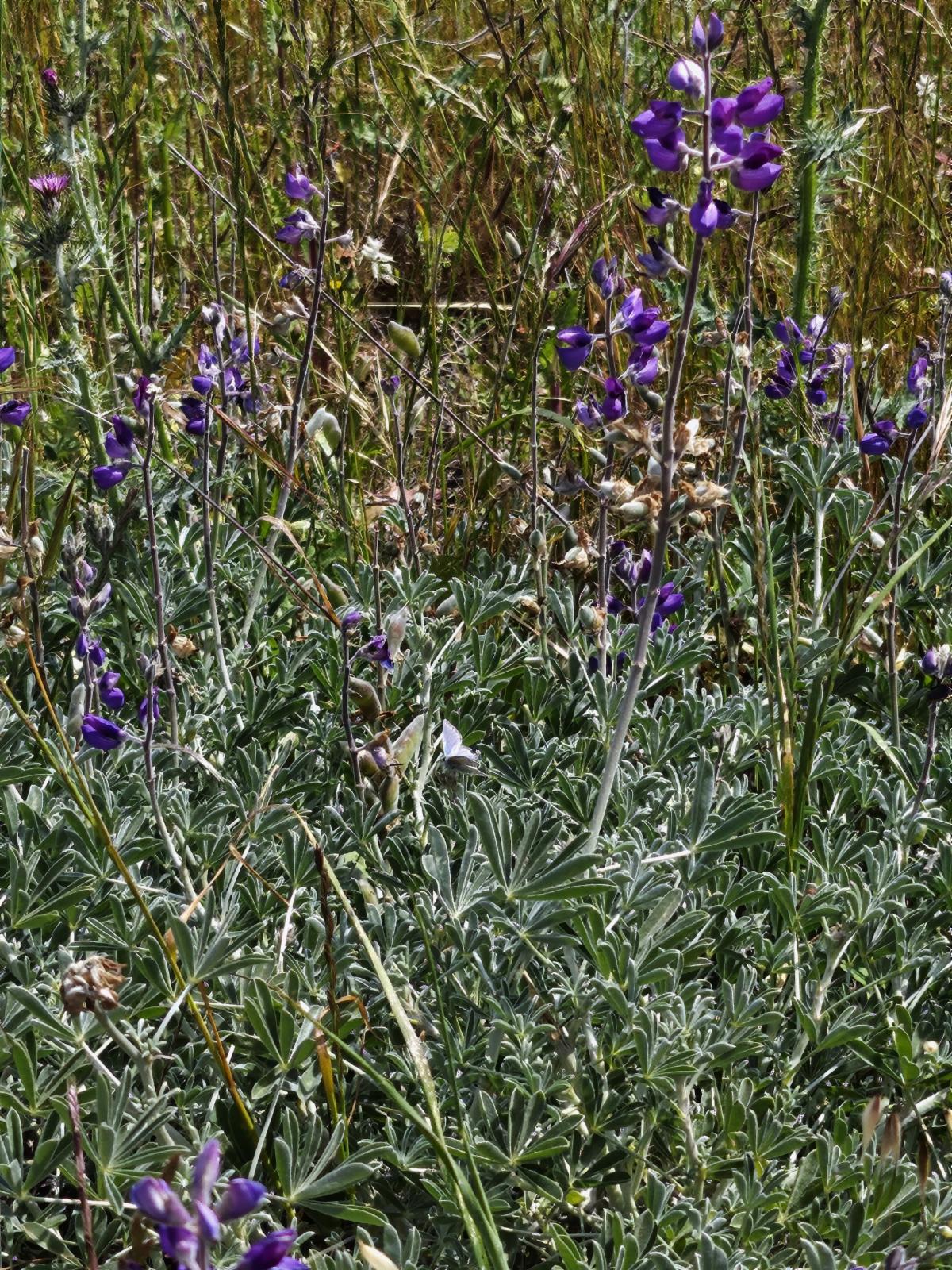
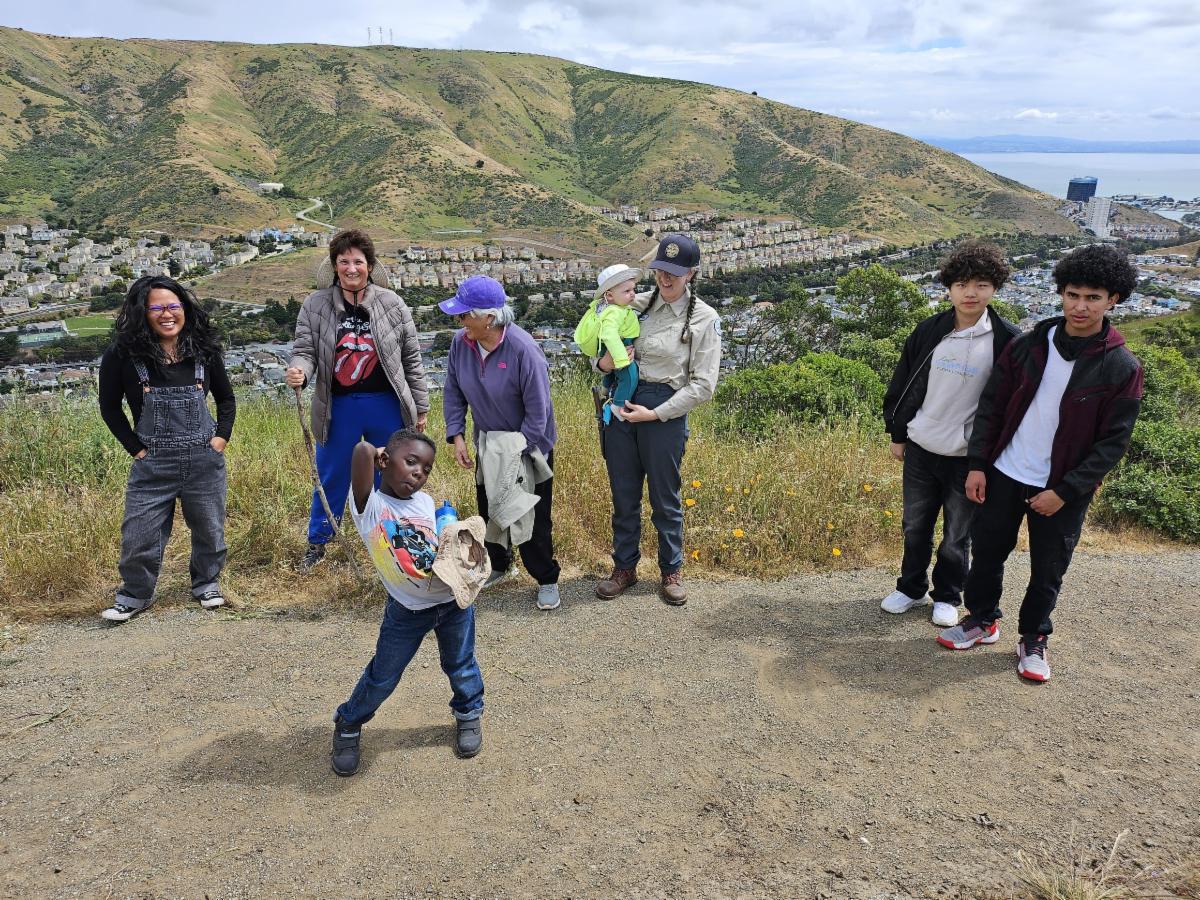
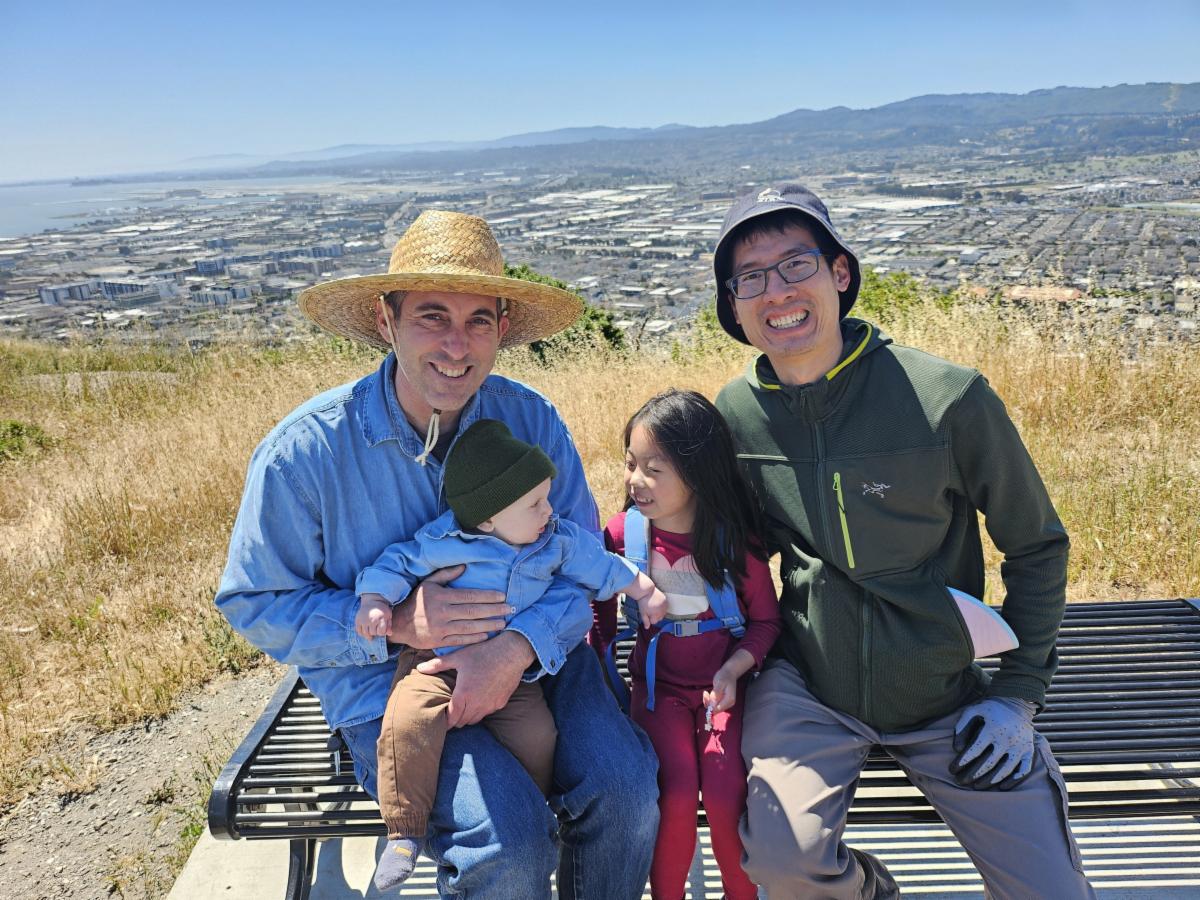
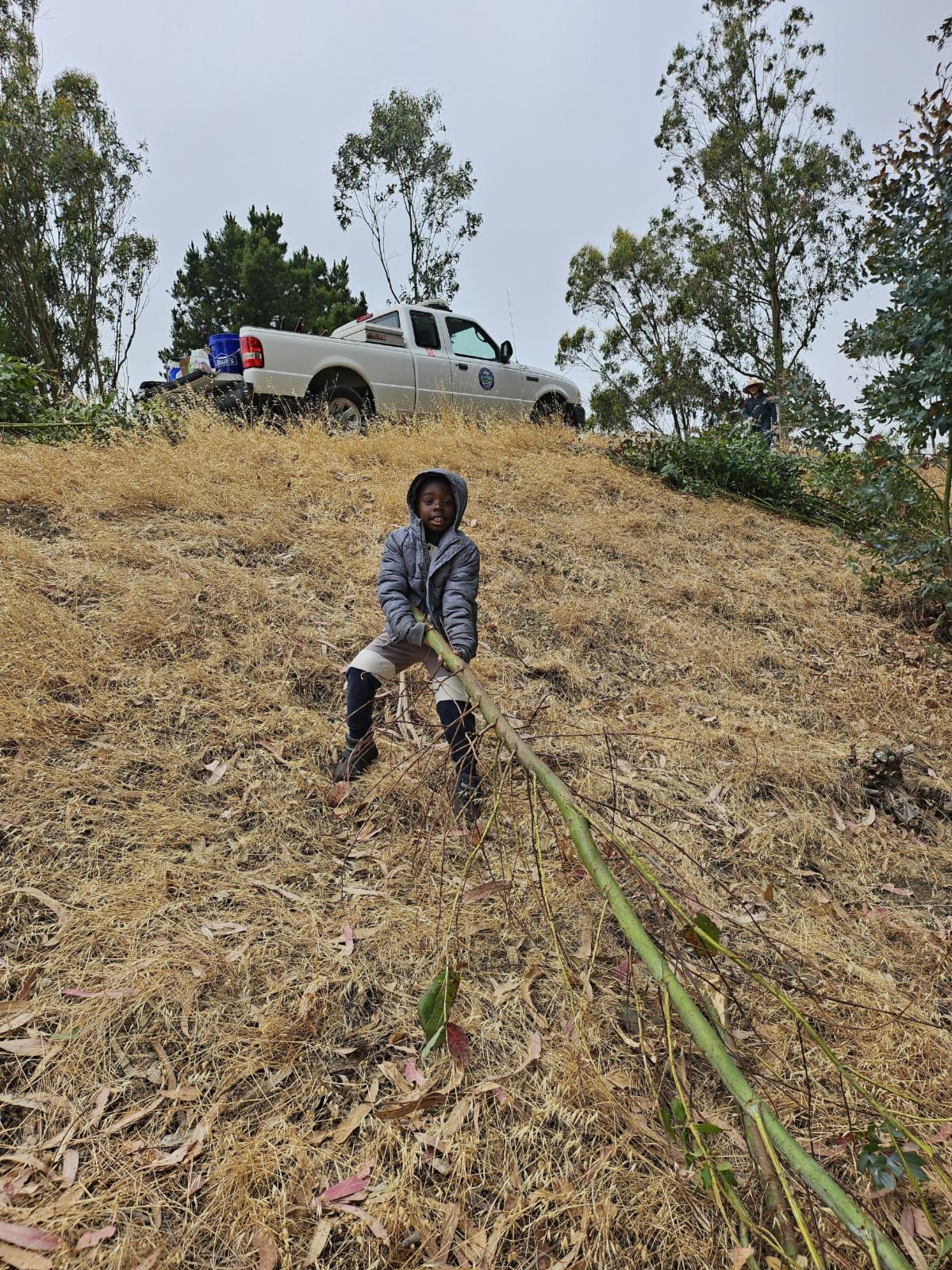
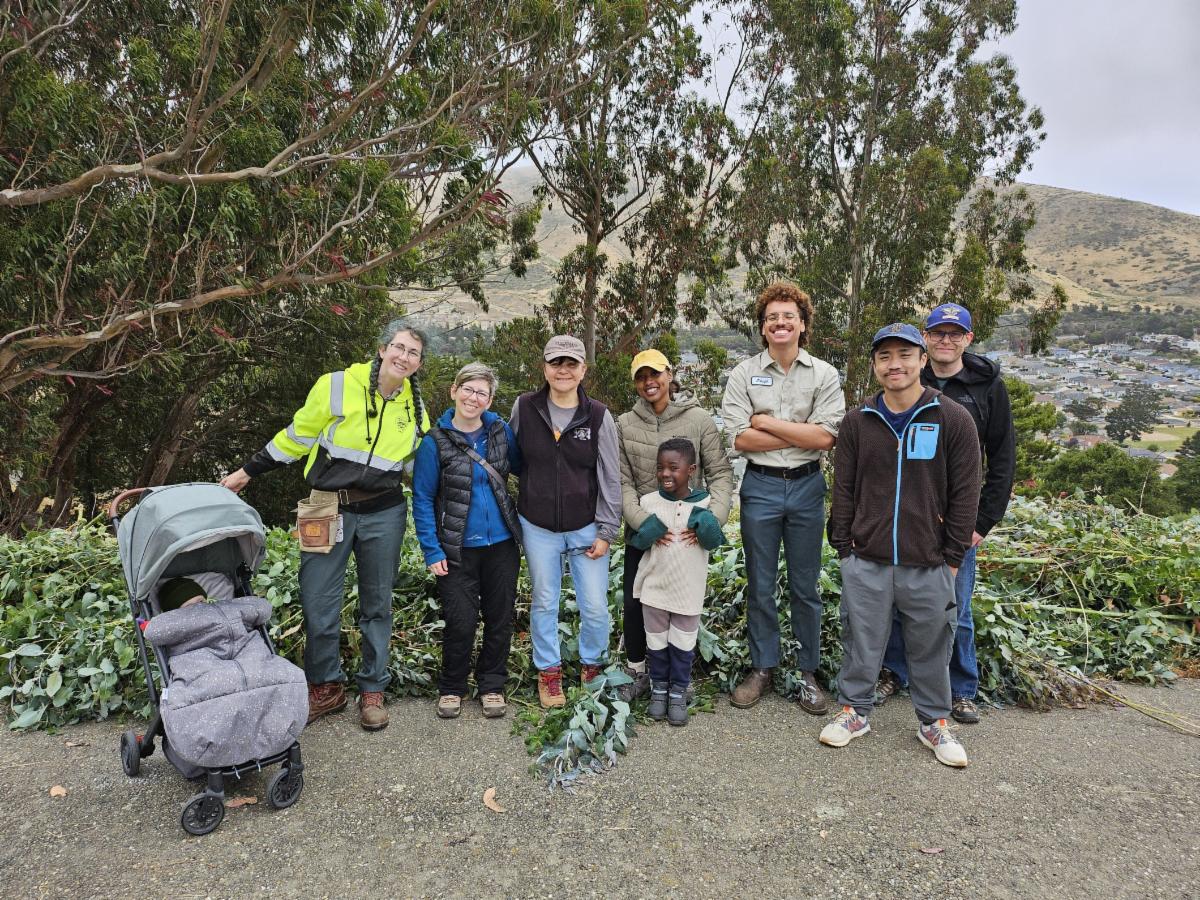
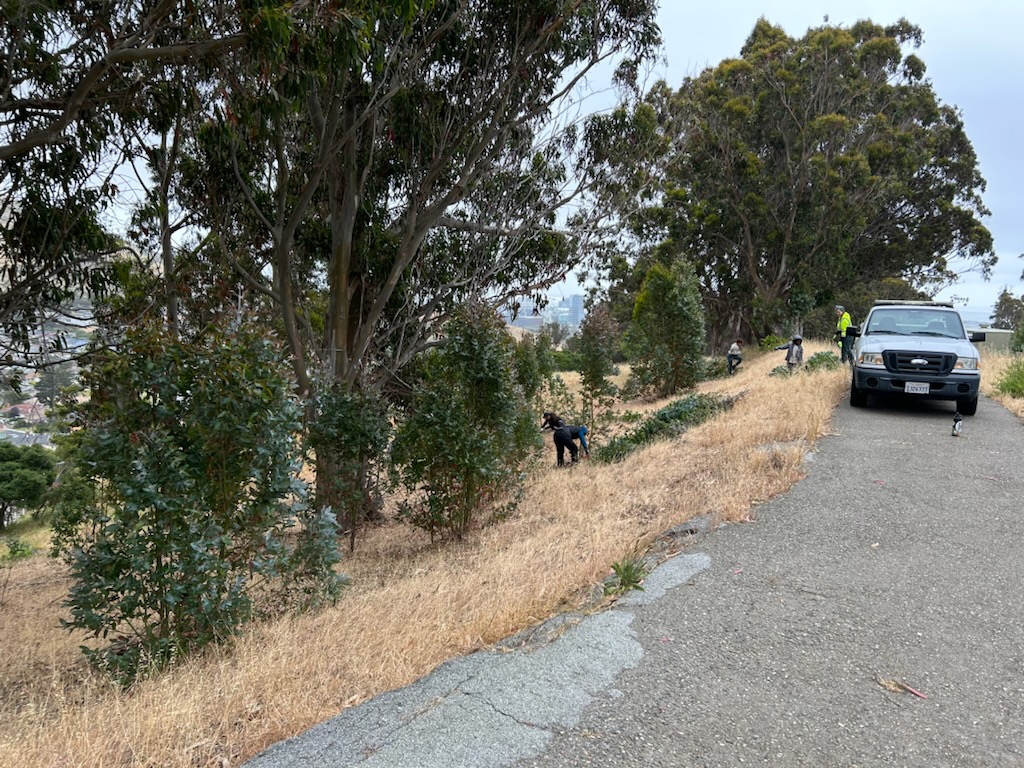
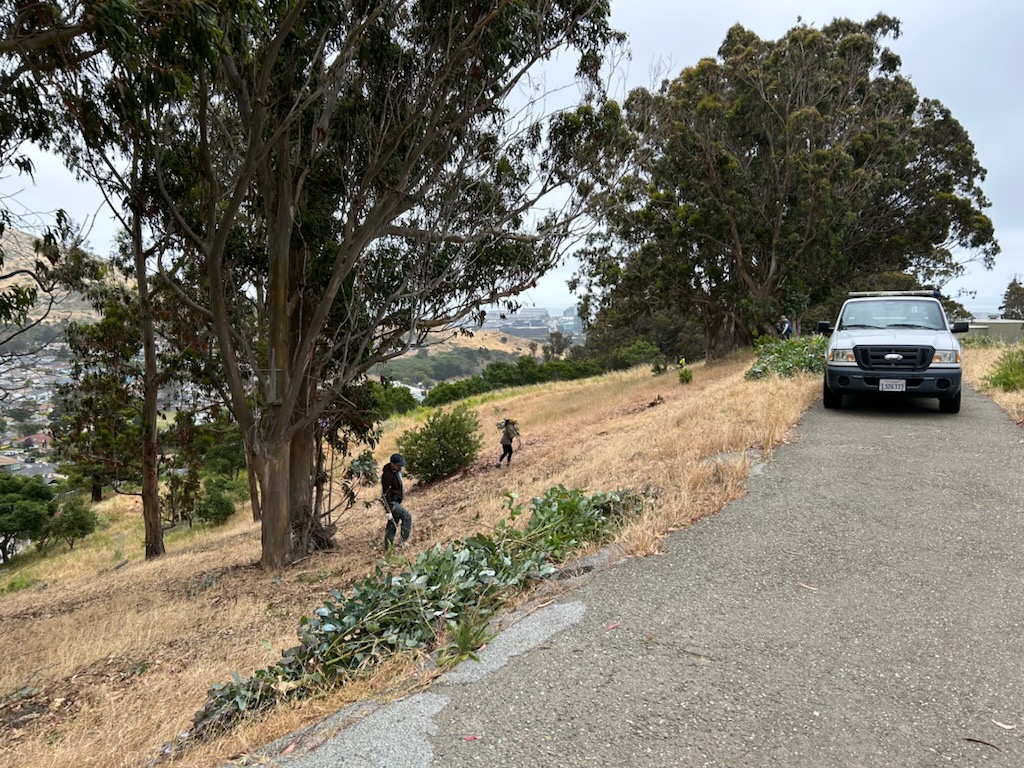
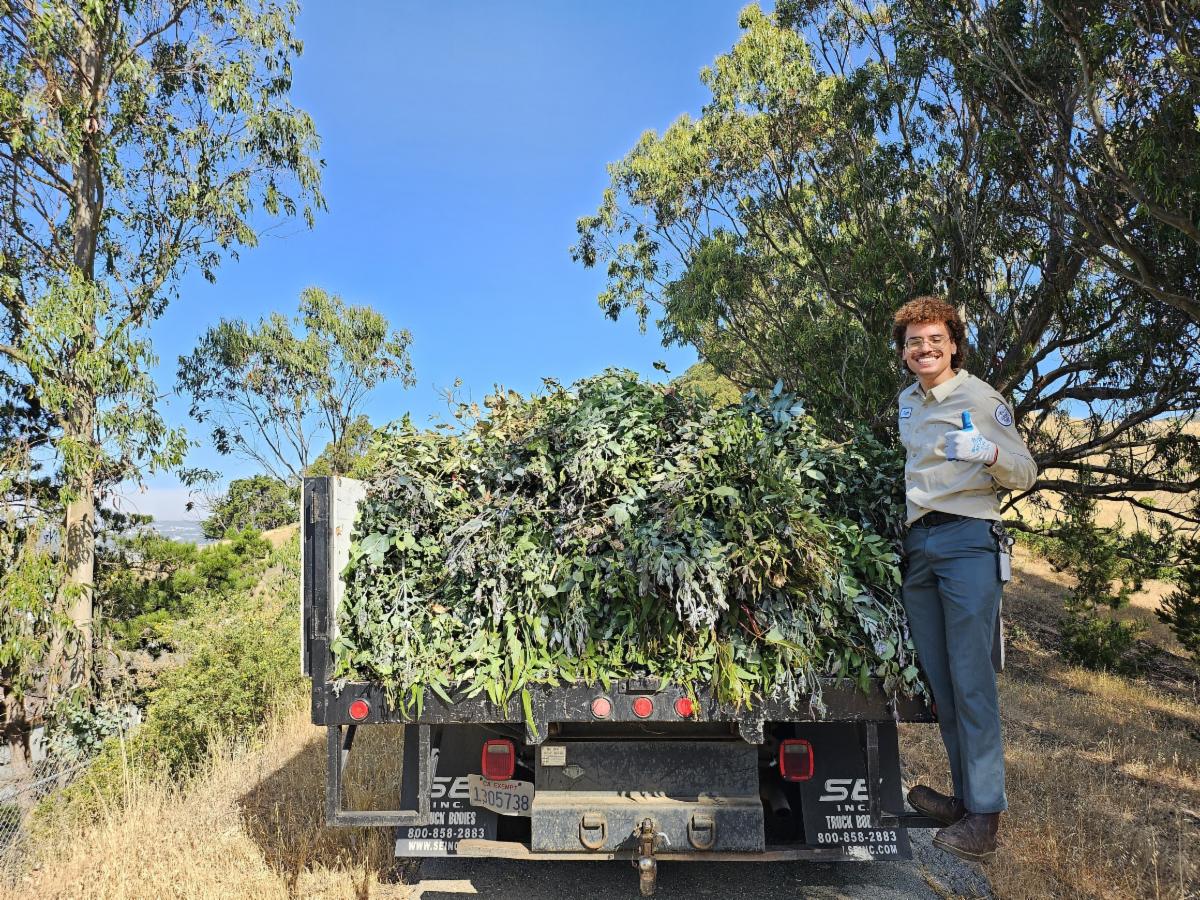
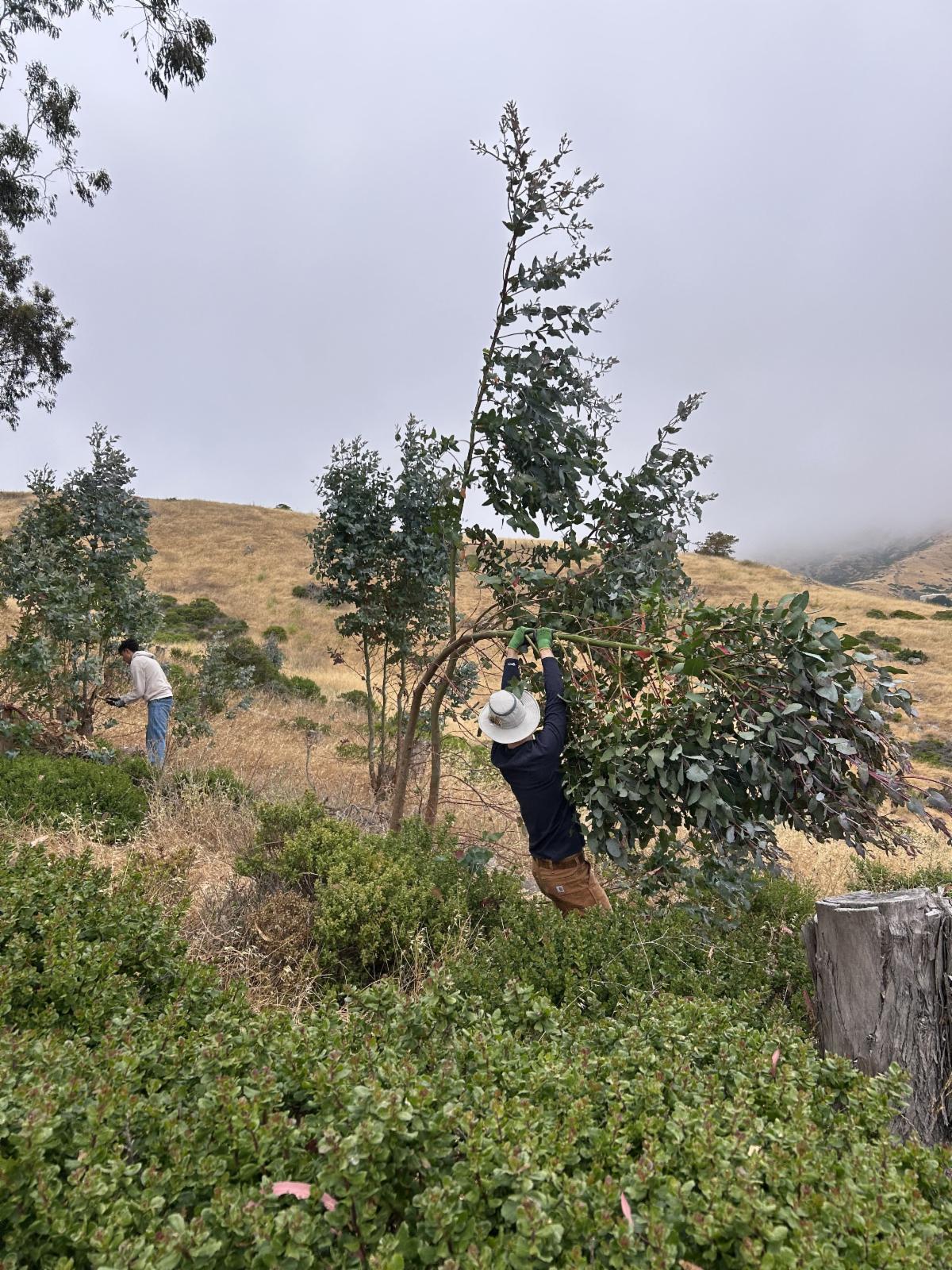
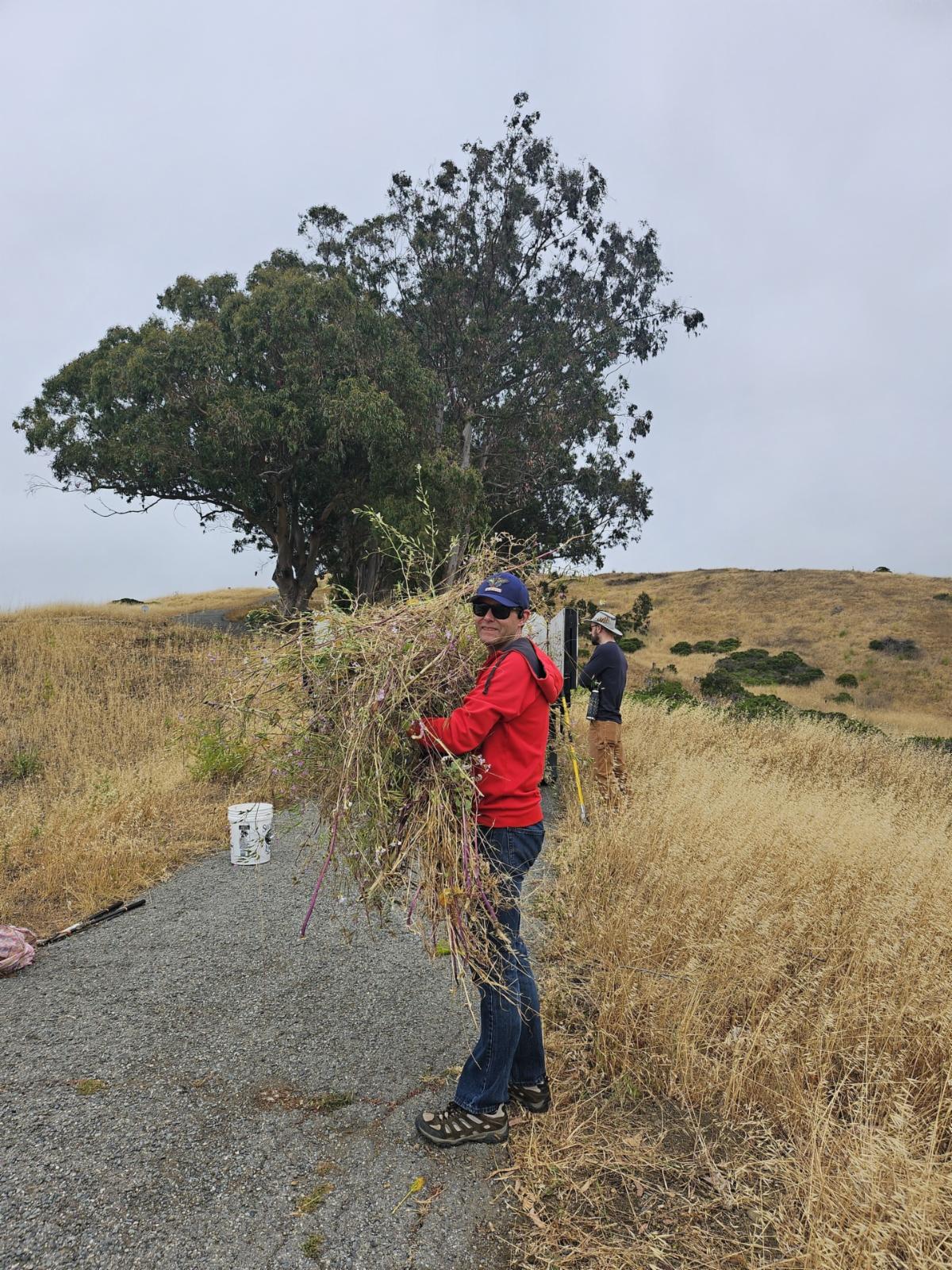
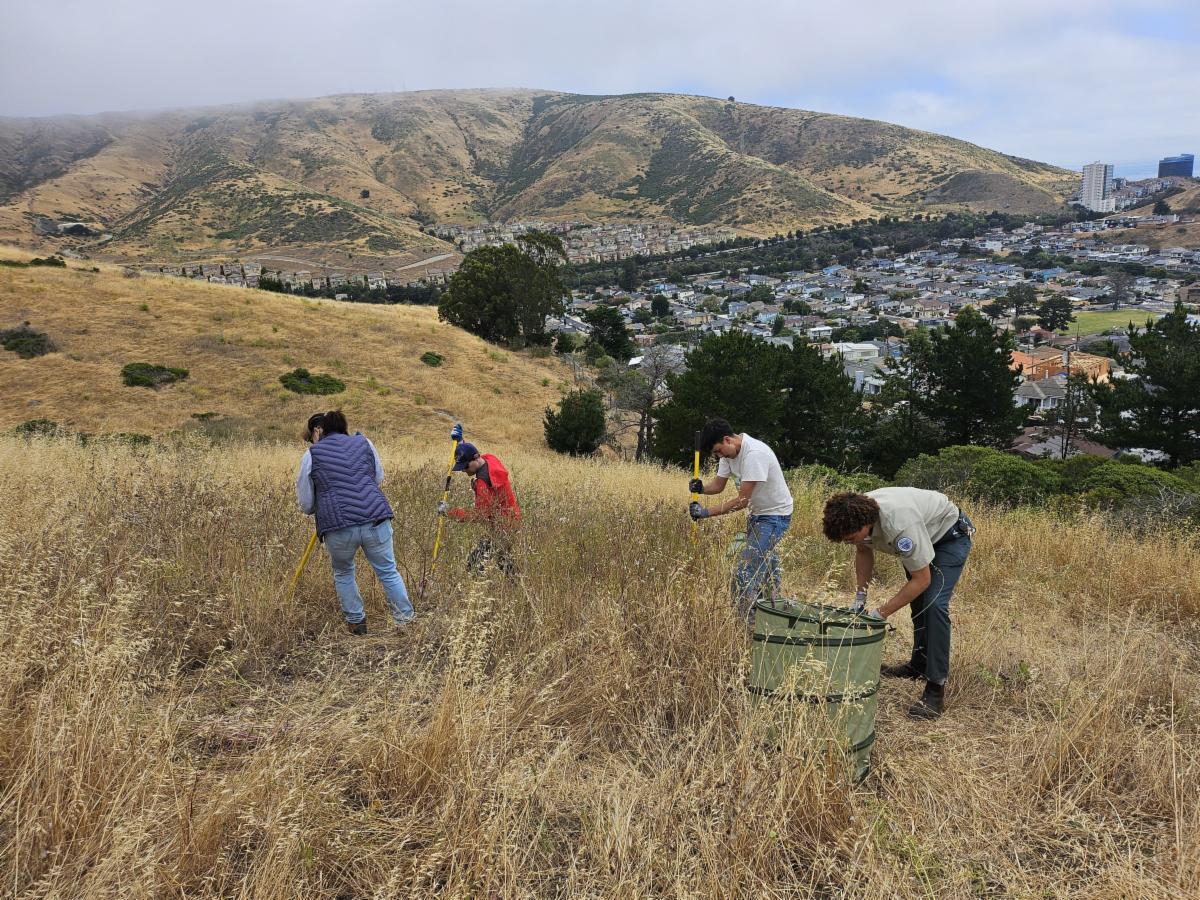
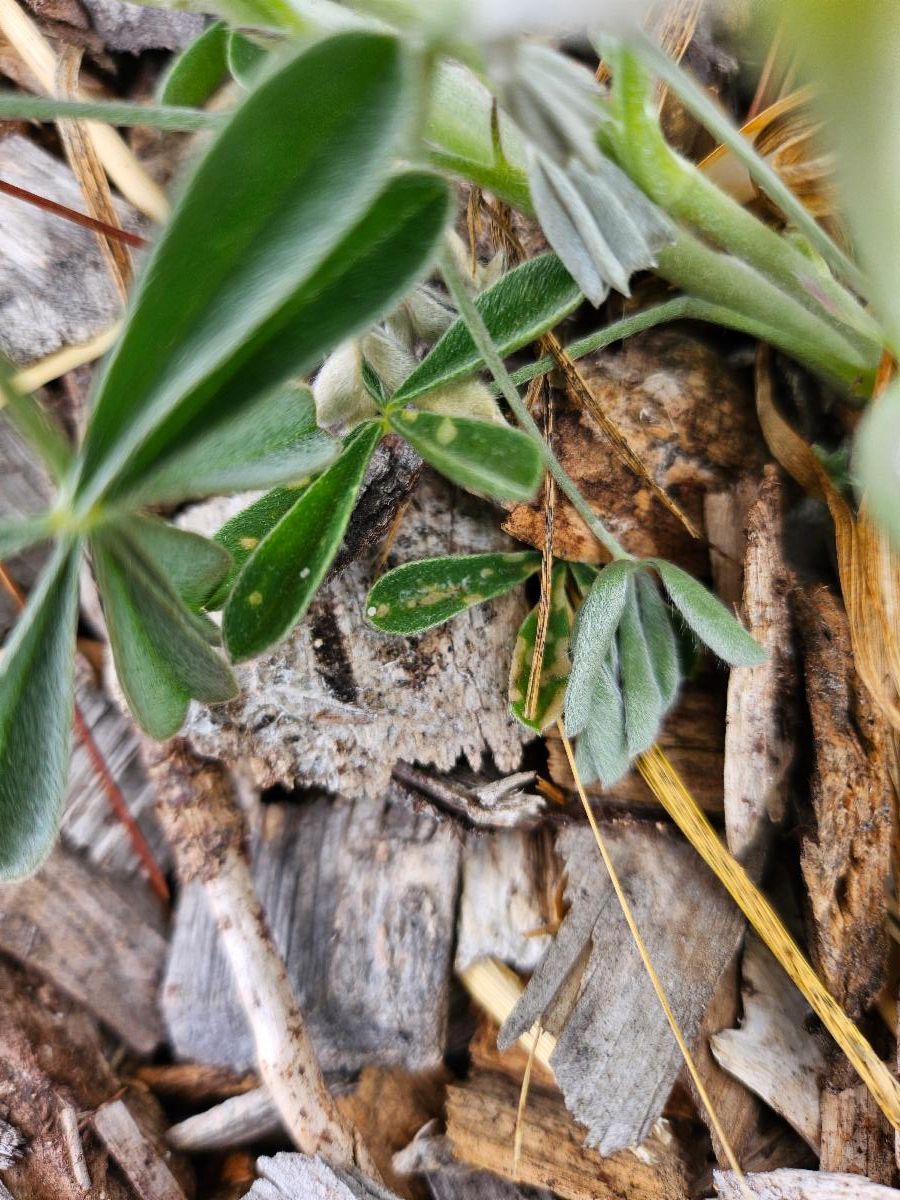
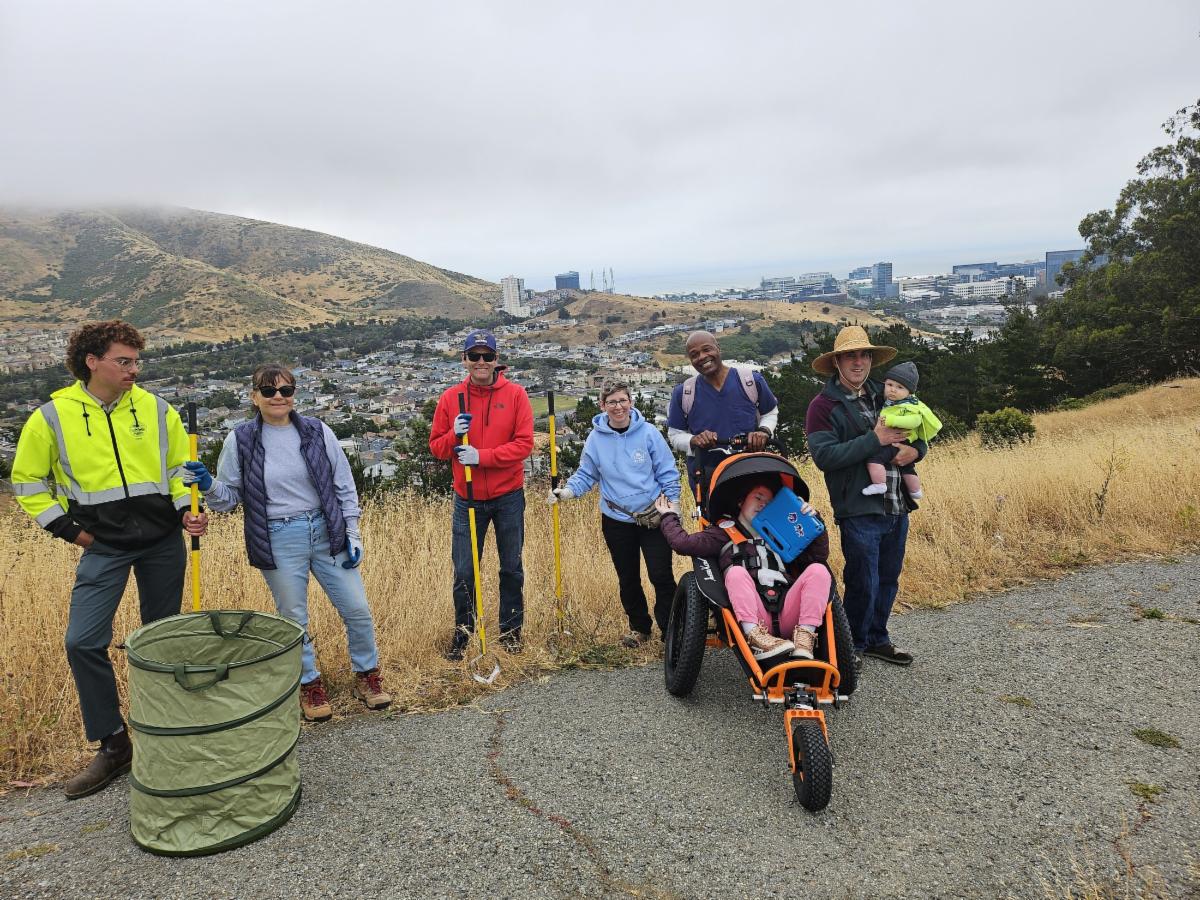
| | Long-time volunteer, Stephanie, helped to keep us all on track by distributing the plants and keeping notes. | | We installed over 200 plants including native grasses, mission blue butterfly host plants, and a variety of nectar flowers. It was a great time to reunite with some of our most dedicated volunteers and a few new faces too! | | Our second planting area is on the east side of the park near some of the best mission blue butterfly habitat. SSF Parks Staff began their work in early February. The planting area was mowed and a layer of landscaping fabric was applied and left in place for 5 weeks. This is an effective method to tamp down the competition from weeds and prepare the soil for planting. | | The forecast for our planting day on March 17 was cloudy with a high chance of afternoon showers, but that did not deter a brave few volunteers from coming out to work. We got a bit wet but the rain rolled out the red carpet for the new plants we were able to install! | | Thankfully SSF Parks Maintenance Workers, Mike and Alex, were happy to help finish installing the remaining plants a couple days later. | | Spring is a very important time for the work that Sign Hill Stewards do. Many of the annual invasive plants are just starting to pop up or are beginning their bloom periods, and it is the ideal time to remove them before they are able to set seeds. It is also a great time for pulling weeds while the soil is still moist. | | This year Sign Hill Stewards had several "Weed n' Seed" events along the crest of Ridge Trail. We spent many hours pulling and removing massive quantities of Italian thistles (Carduus pycnocephalus), sow thistles (Sonchus spp.), shortpod mustard (Hirschfeldia incana,)and other invasive weeds. Each event was finished by spreading a seed mix that included several native grasses and wildflowers into the freshly disturbed areas. | | Our March 29, our event was graced by multiple mission blue butterflies in flight. What a sight! | | A group of volunteers from Pliant Therapeutics joined Sign Hill Stewards to celebrate Earth Day for the third year in a row. We know you spend your day-to-day dedicated to amazing life-saving work, and we so are grateful you set aside time to help save the little butterflies on Sign Hill too! | | Can you spot what we saw? What good fortune to spot a mission blue while celebrating Earth Day on Sign Hill! | | Another mission blue passing through at our April 26th volunteer day! | | Did you know that Sign Hill Stewards is family friendly? It is a great opportunity for kids to get out in nature and learn about the natural environment hands-on. They might even make a new friend! | | Sign Hill Stewards blend into their natural environment as they tend to the invasive weeds on Sign Hill's northern ridge. Can you spot them hard at work on the landscape? | | We also spent time this spring cutting down regrowth from eucalyptus stumps that have been removed to reduce fire risk in the park. | | | | Some suckers had gotten pretty big, but they were still no match for Sign Hill Stewards! | | |
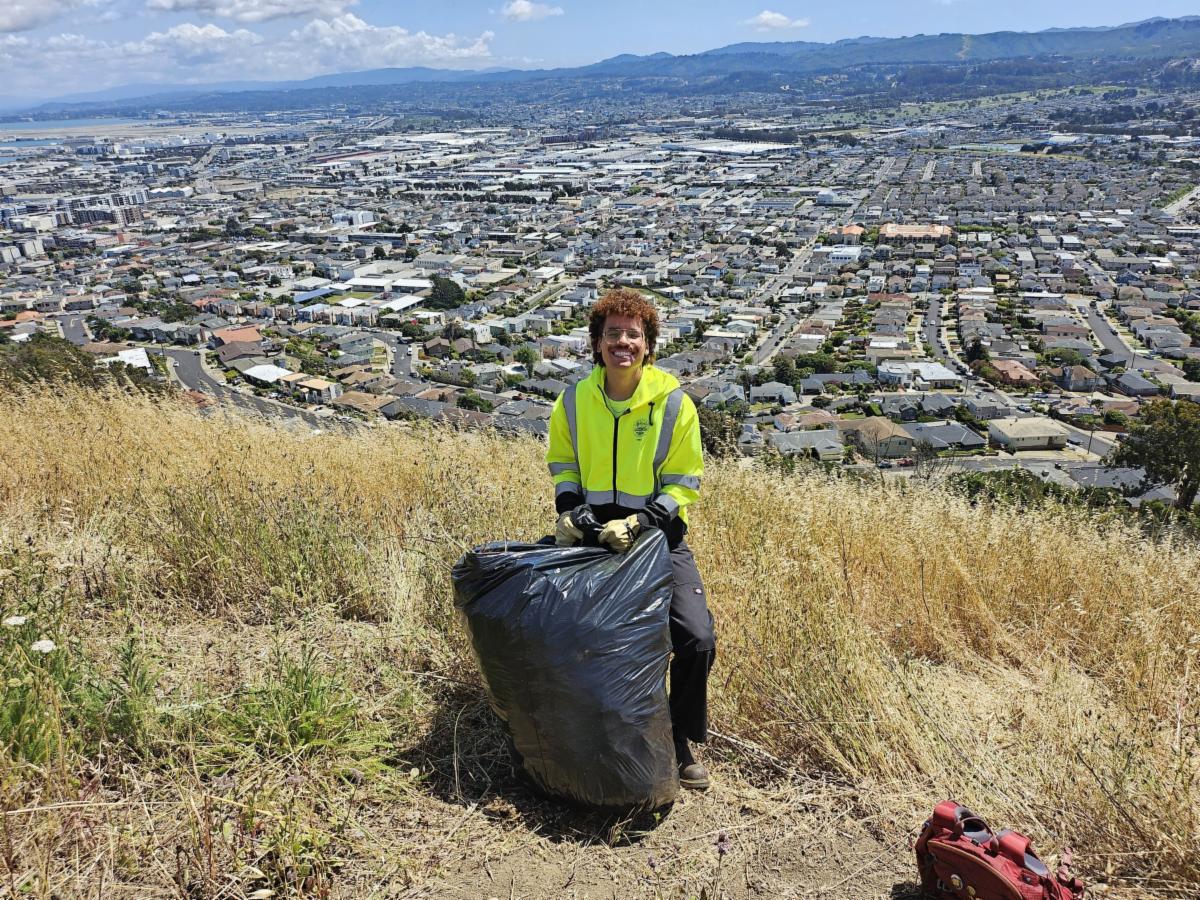
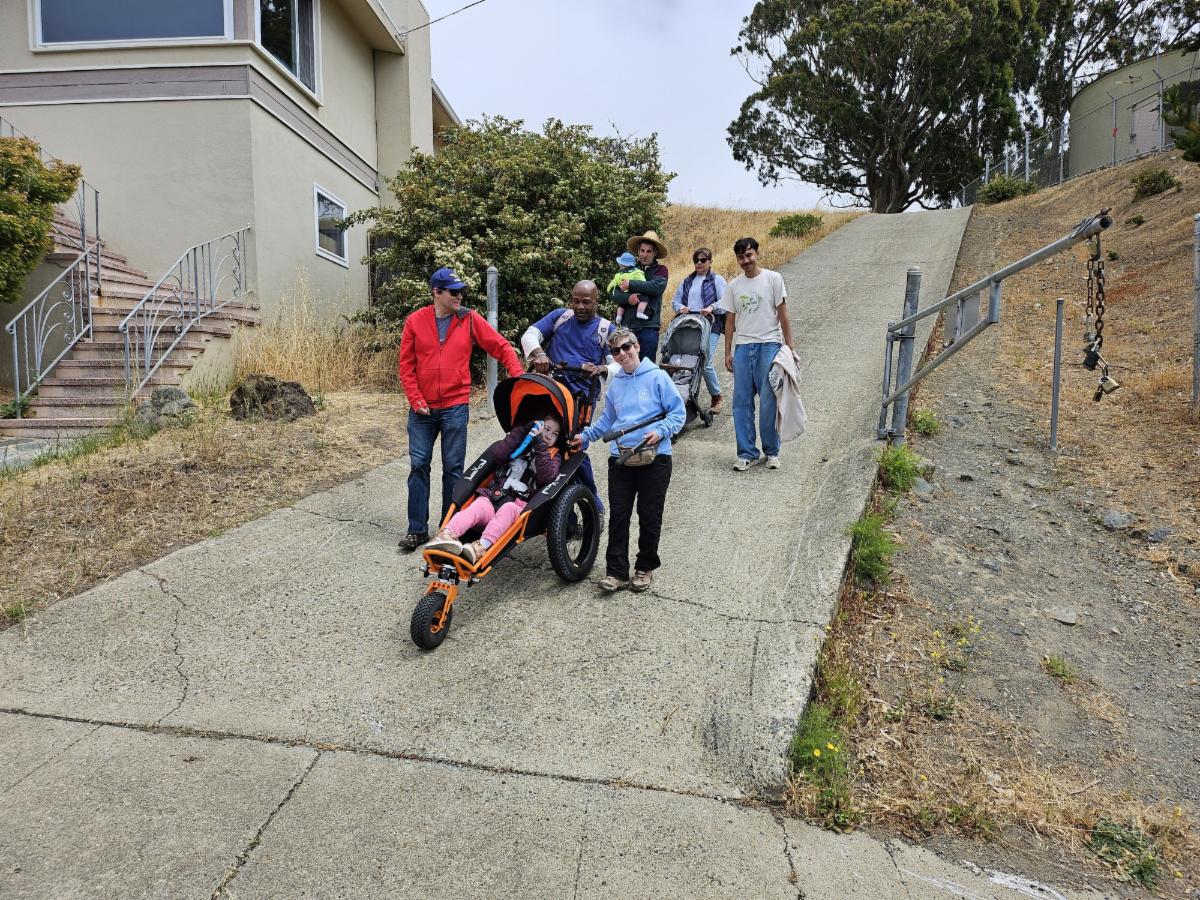
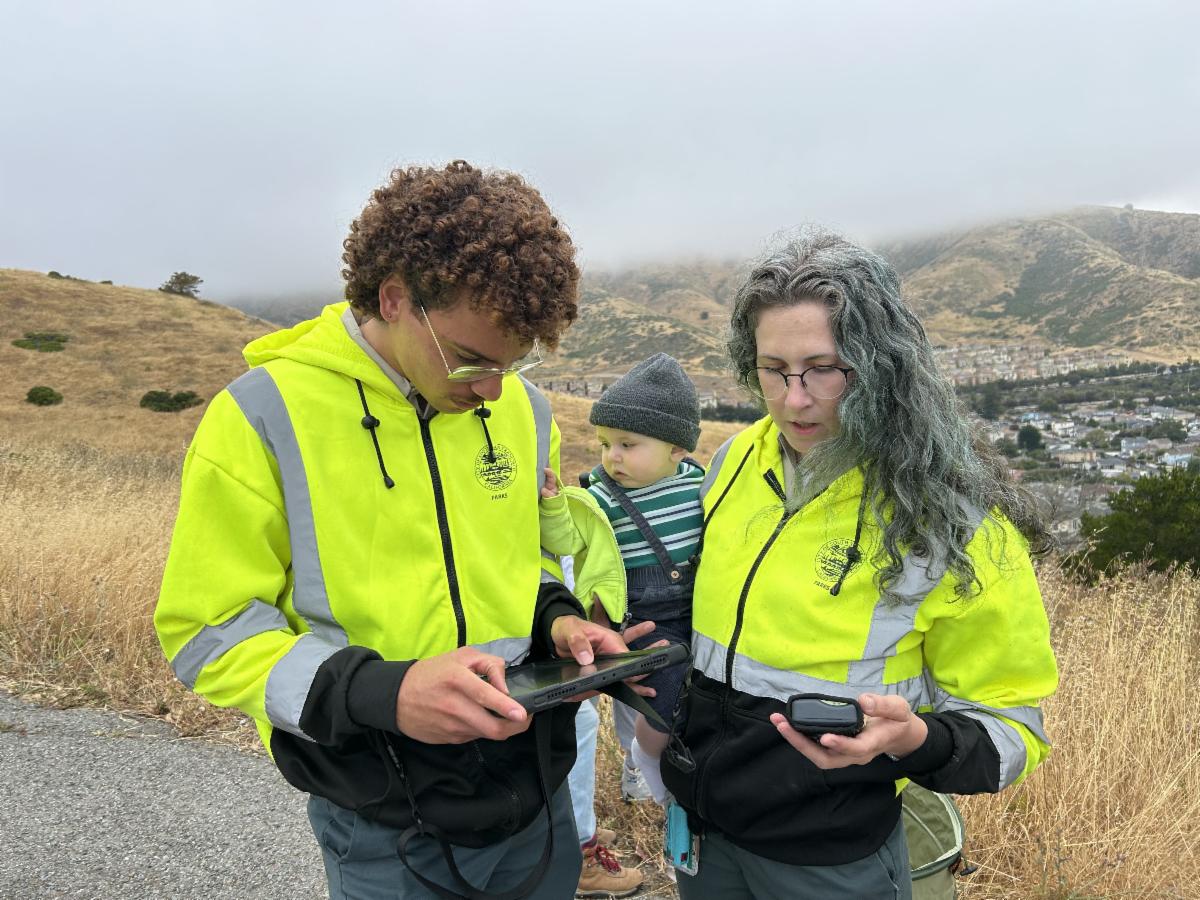
It was very exciting to have Teagan, the daughter of long-time Sign Hill Steward, Melanie, join our workday on June 7. Sign Hill was the perfect place to try out her new all-terrain wheelchair that she received from the Make-A-Wish Foundation! | | | | | Joe is helping to track our efforts using our ArcGIS Collector map and Trimble GPS unit. This is how we can see how Sign Hill's plant communities are changing over time. | | A big thank you to all of the Sign Hill Stewards who came out this spring to get into the weeds! | | | |
Sign Hill Resident Spotlight: Common Raven | | | |
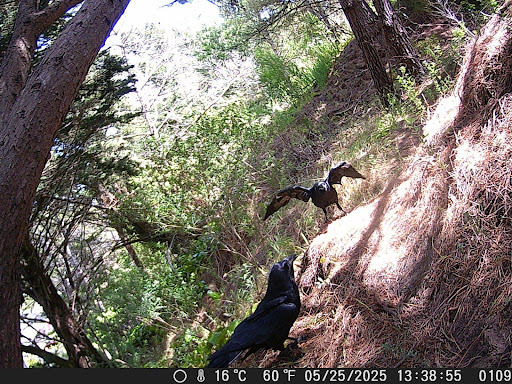
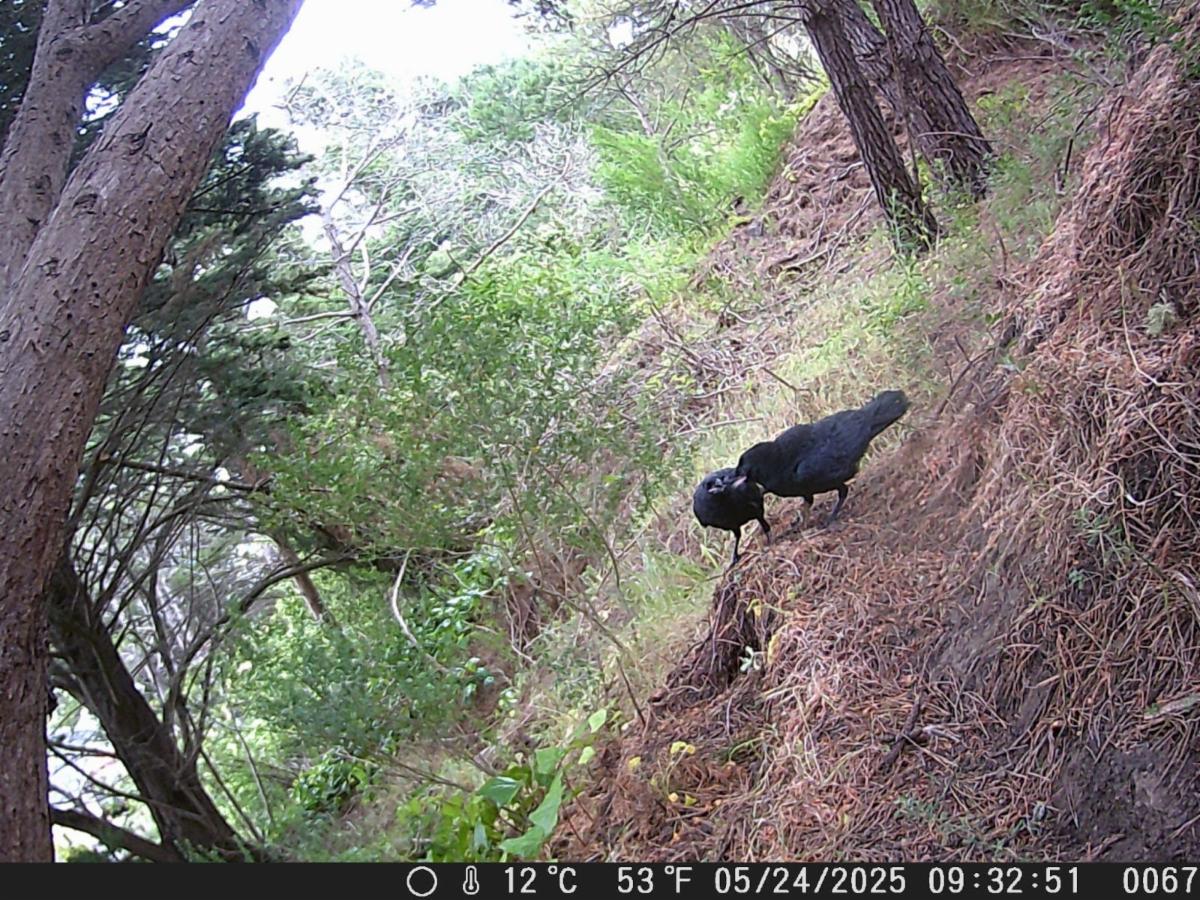
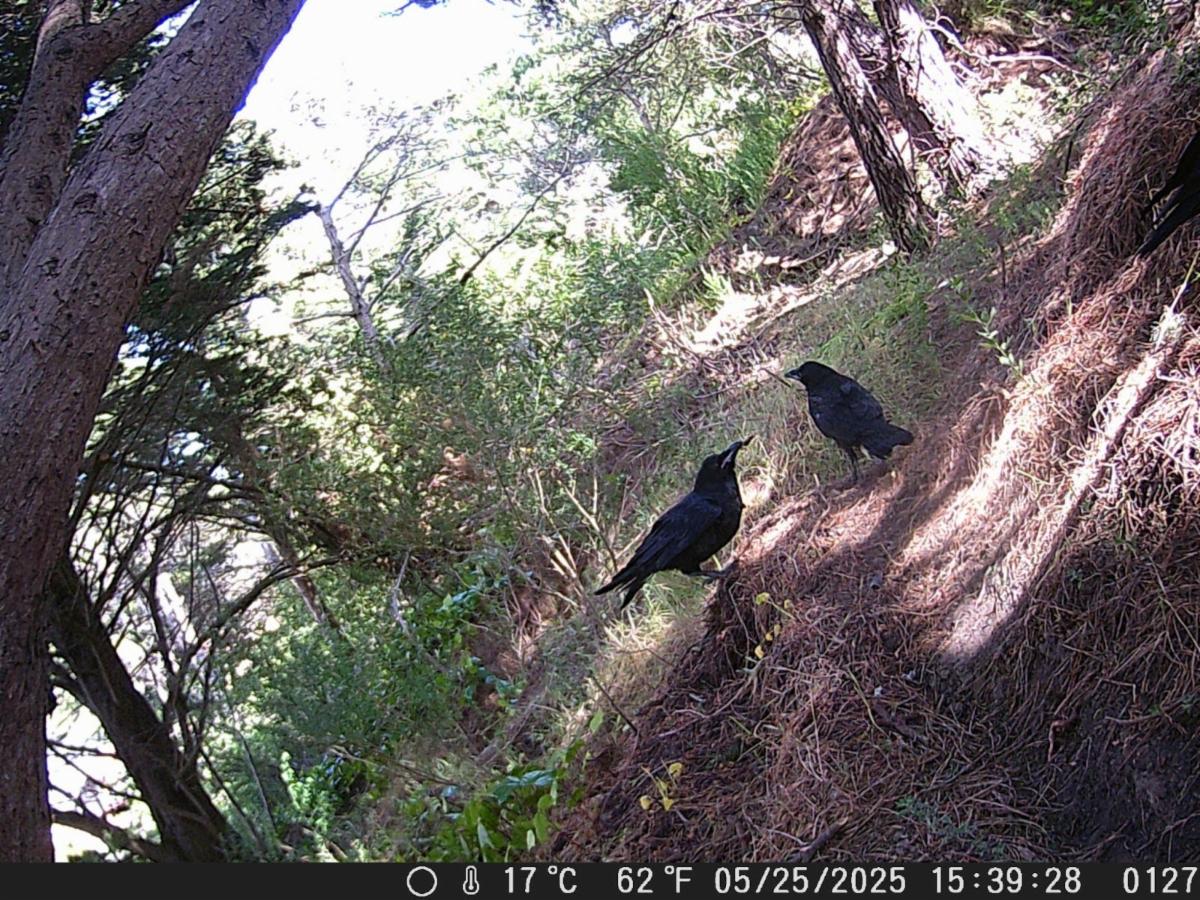
Have you ever wondered what that booming, guttural croak among the trees is while out hiking on Sign Hill? Or perhaps those repetitive knocking noises? You are likely hearing a Common Raven (Corvus corax). These massive birds are infamous for their glossy-black coat, thick beaks, and loud vocalizations, and are year-round residents of the Hill.
Ravens are an omnivorous species of corvid native to California. They primarily inhabit forested regions, but are highly successful in many ecosystems–even in agricultural landscapes and cities where you may see them watching from a distance.
They are exceptionally intelligent animals, known to memorize specific individuals, interactions, and past locations that they have stored food. They feed opportunistically, their diet changing based on season, location, and food availability. If they see a food source they recognize as beneficial, they’re likely to take advantage of it.
| | | |
To help protect these clever birds, it is important to reduce human-related food sources that can attract them to areas of potential conflict with humans or other wildlife. You can do this by picking up and properly disposing of trash, covering food when ravens are present, and avoiding intentional feeding.
Next time you find yourself questioning what that strange noise echoing across the Hill is, wonder “nevermore”!
Fun fact: a group of ravens is known as an “unkindness”.
Joe Batom
Natural Resource Aide
SSF Parks & Recreation
| | |
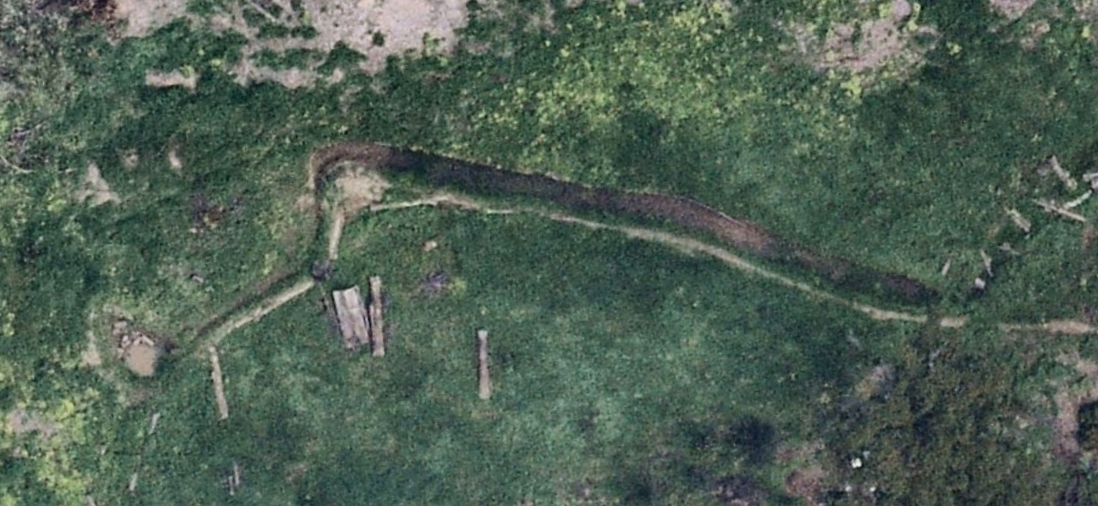
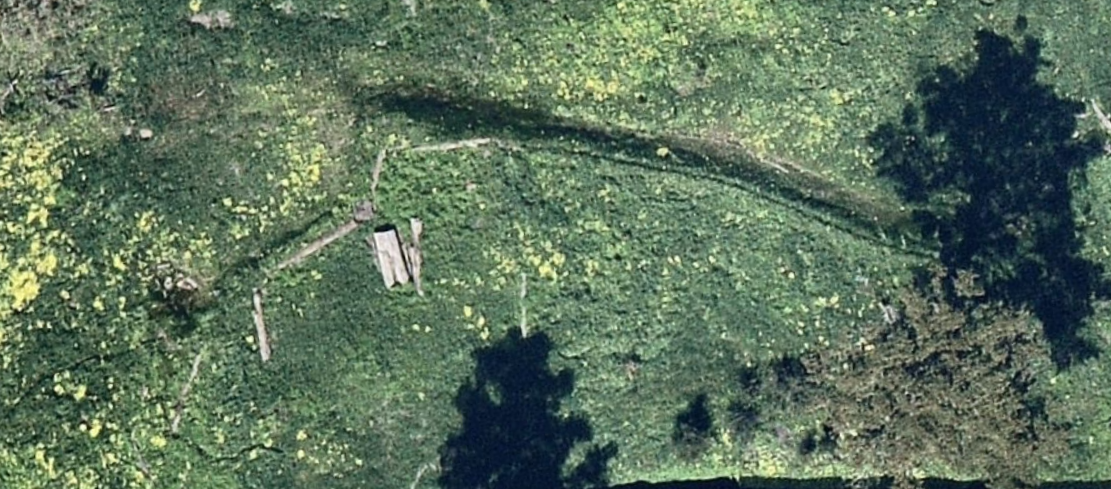
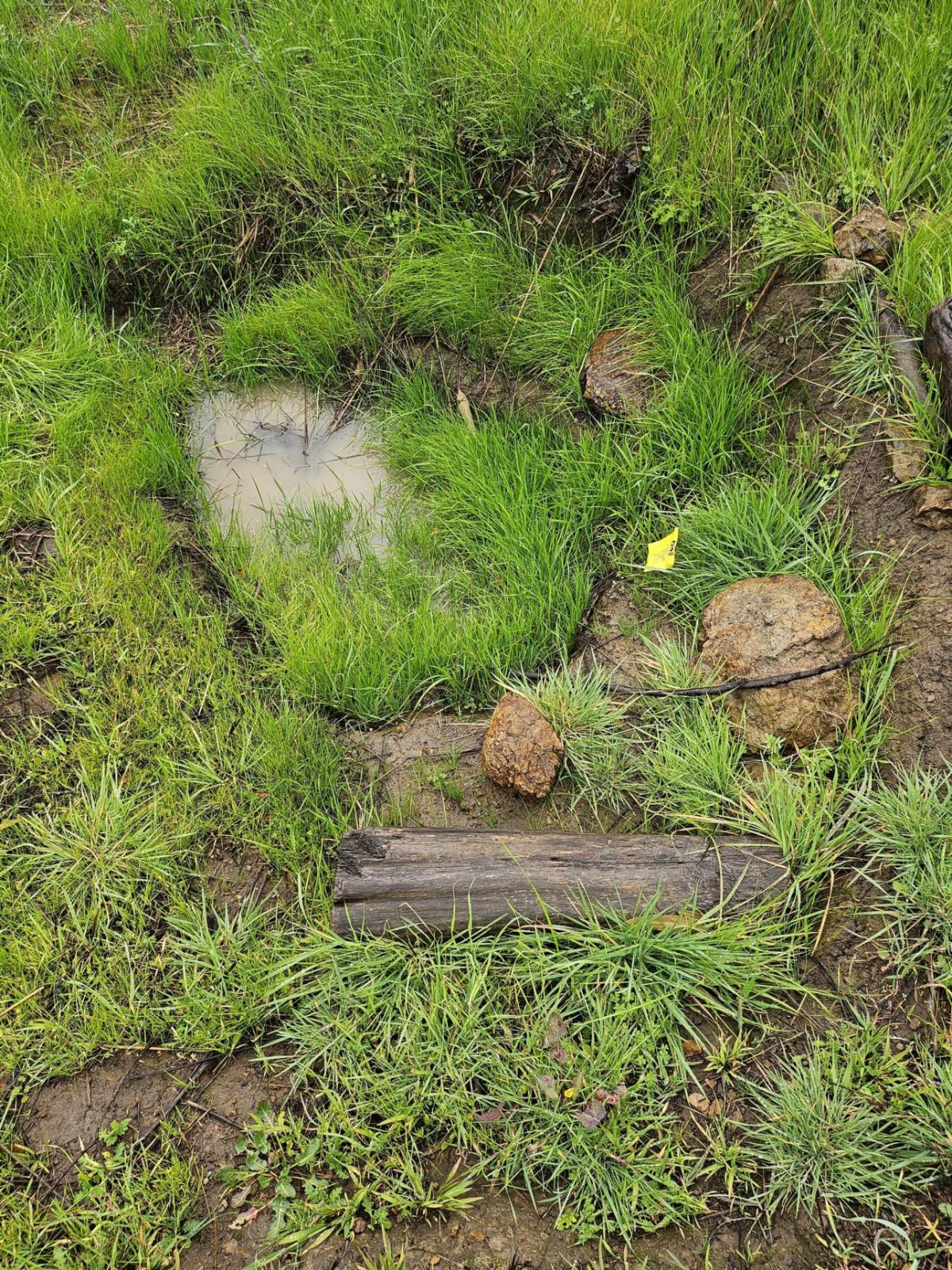
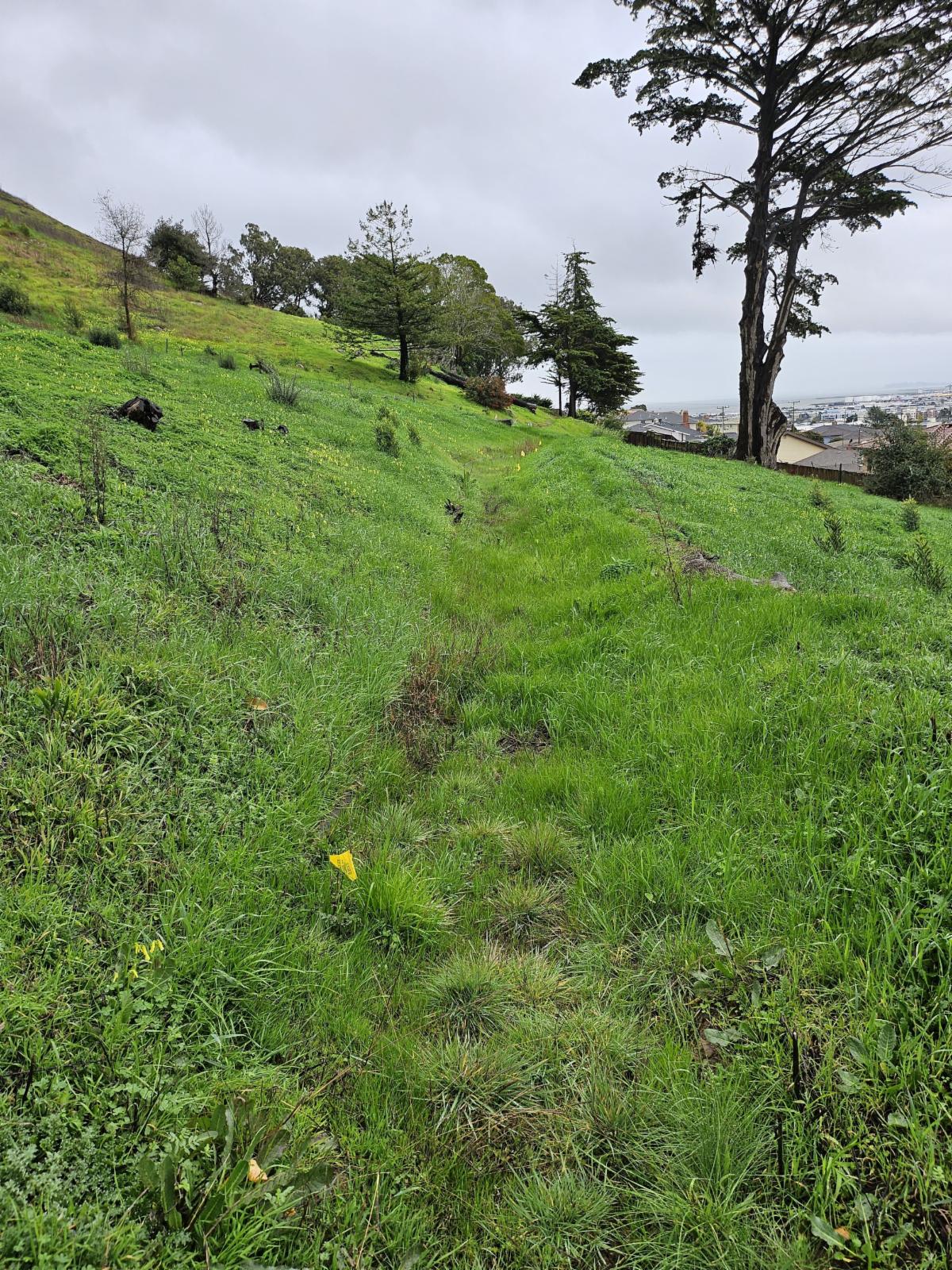
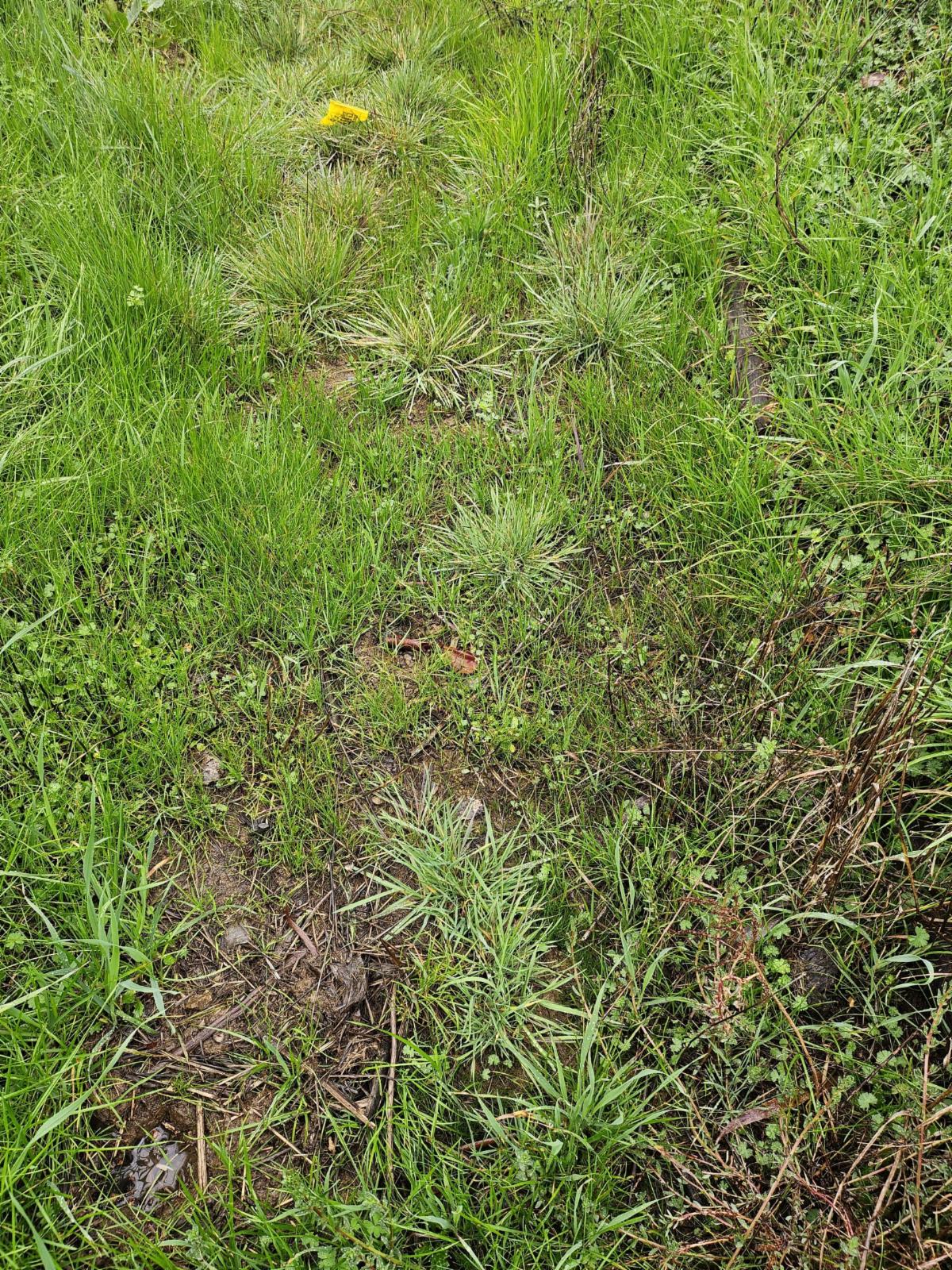
Following the extensive tree removals on Sign Hill that took place in 2022, we made an exciting discovery-the water table had begun to rise! In October of 2023, before the season's first rains, we noticed the ground in the footprint of the old Eucalyptus Loop Trail was greening up and there was a seep with water flowing out.
Sign Hill Stewards sprung into action! We dug a swale, a depression in the land that can help to manage storm water. In this case it also helped to enrich the habitat quality on Sign Hill by providing seasonal surface water.
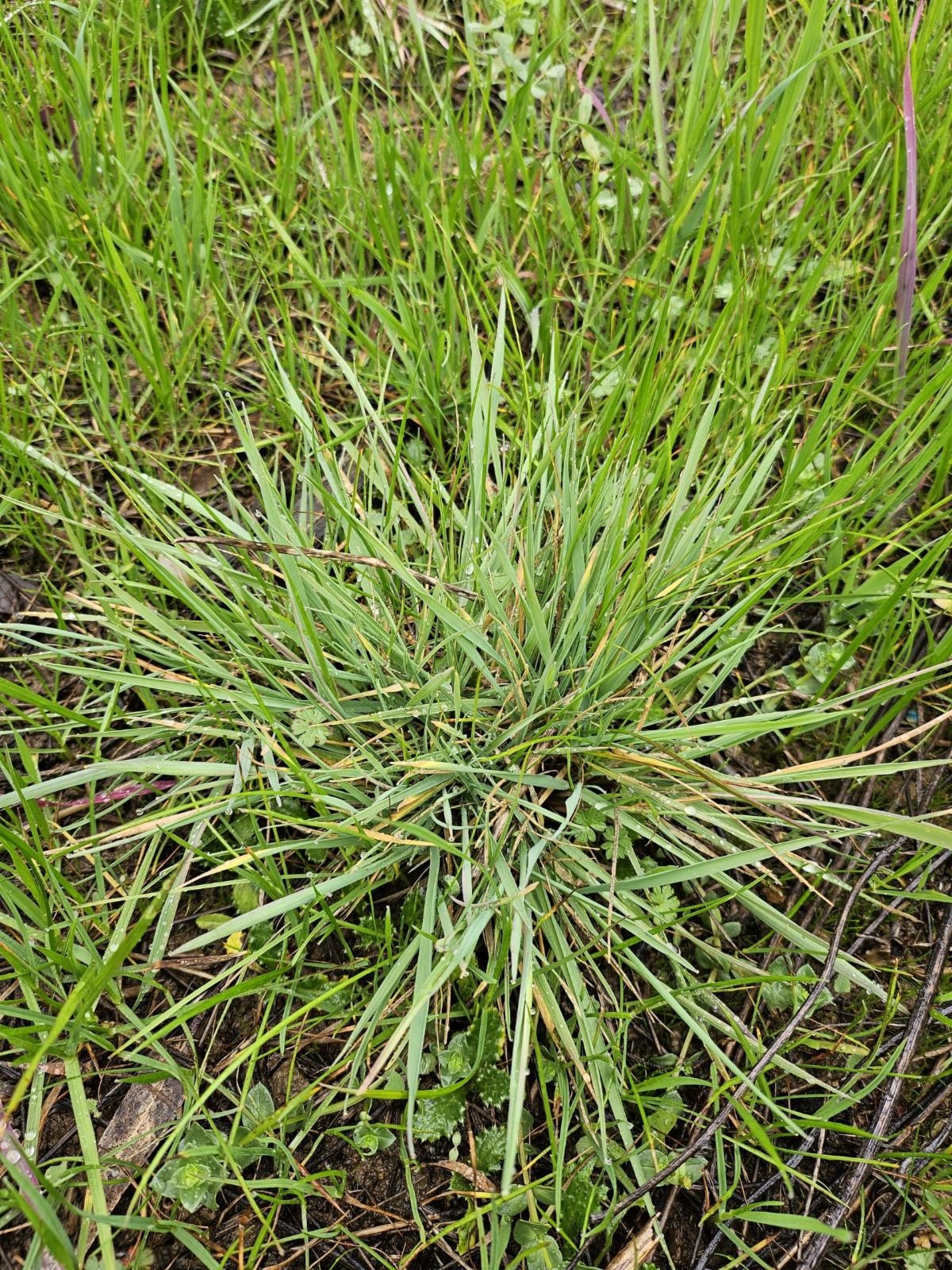
| February 2024 - The first winter following the construction of the swale. Surface water is abundant and vegetation is sparce. | February 2025 - One year later the swale is fully vegetated. The deep rooted grasses help the rainwater to permeate the soil, although surface water is retained in the deepest part of the swale throughout the winter months. | | The shallower depression running east to west is now fully vegetated and shows distinct vegetative character- including many of the native grasses planted by Sign Hill Stewards! | | The swale was surely a welcomed refreshment for many animals and insects as it held water in throughout winter. | | | | |
Looking for ways to get your kids out in nature and learning about the environment?
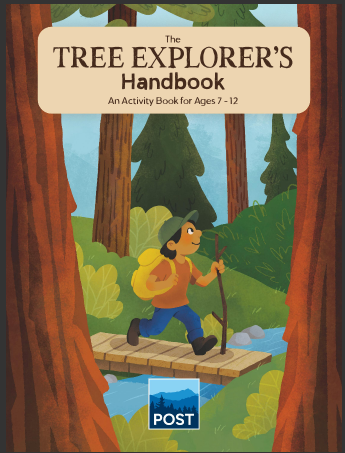
Peninsula Open Space Trust (POST) has some great resources for locals to explore the great outdoors in their Field Notes Blog.
A recent post, Rooted in Wonder: Become a Tree Explorer recommends 5 great parks where the whole family can get immersed in the wonder of trees. With the nifty Tree Explorer's Handbook, designed for kids 7-12, your little ones are sure to gain insights and curiosity about nature!
| | |
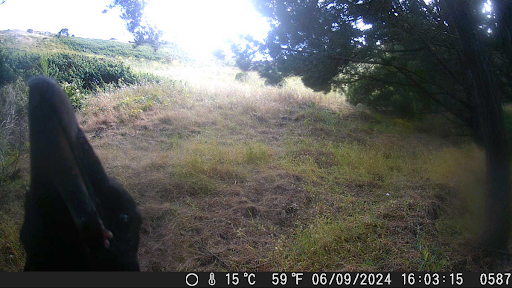
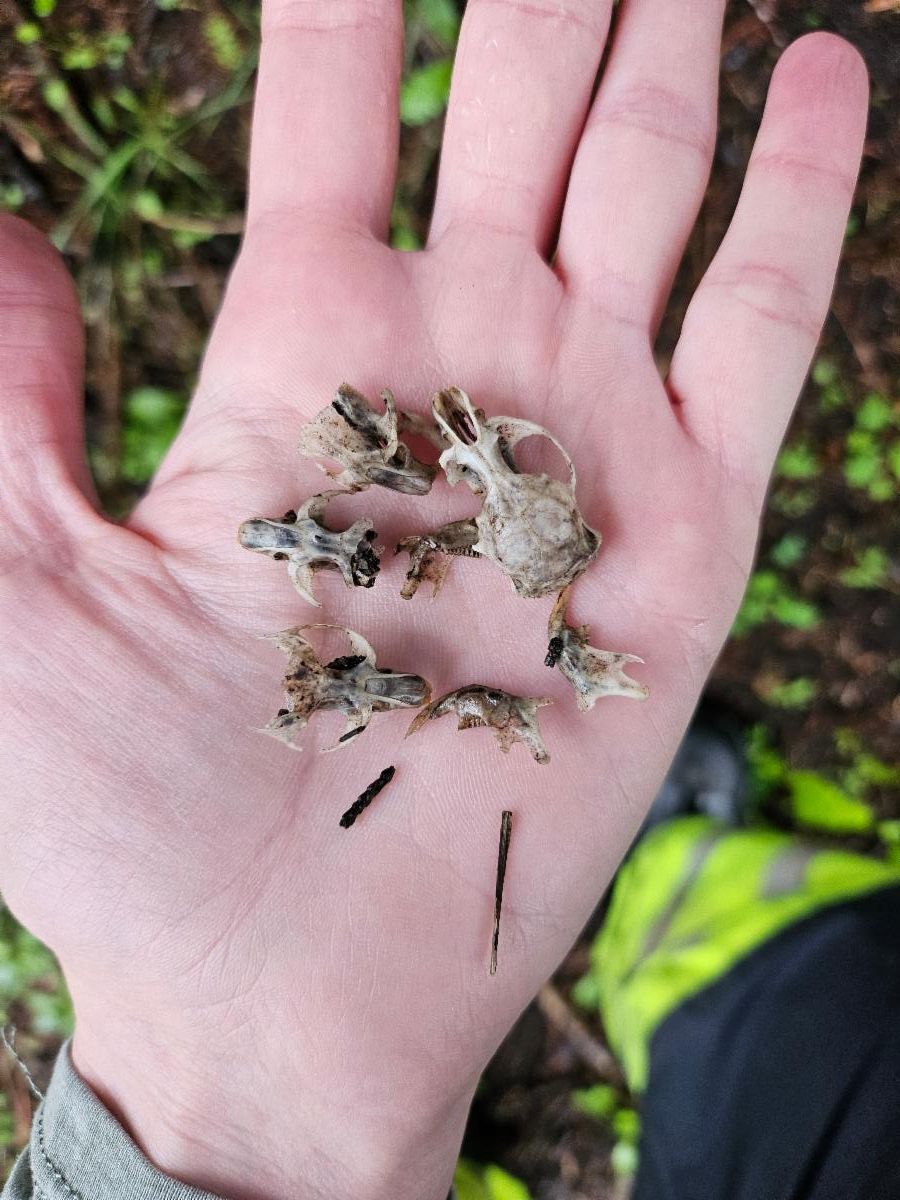
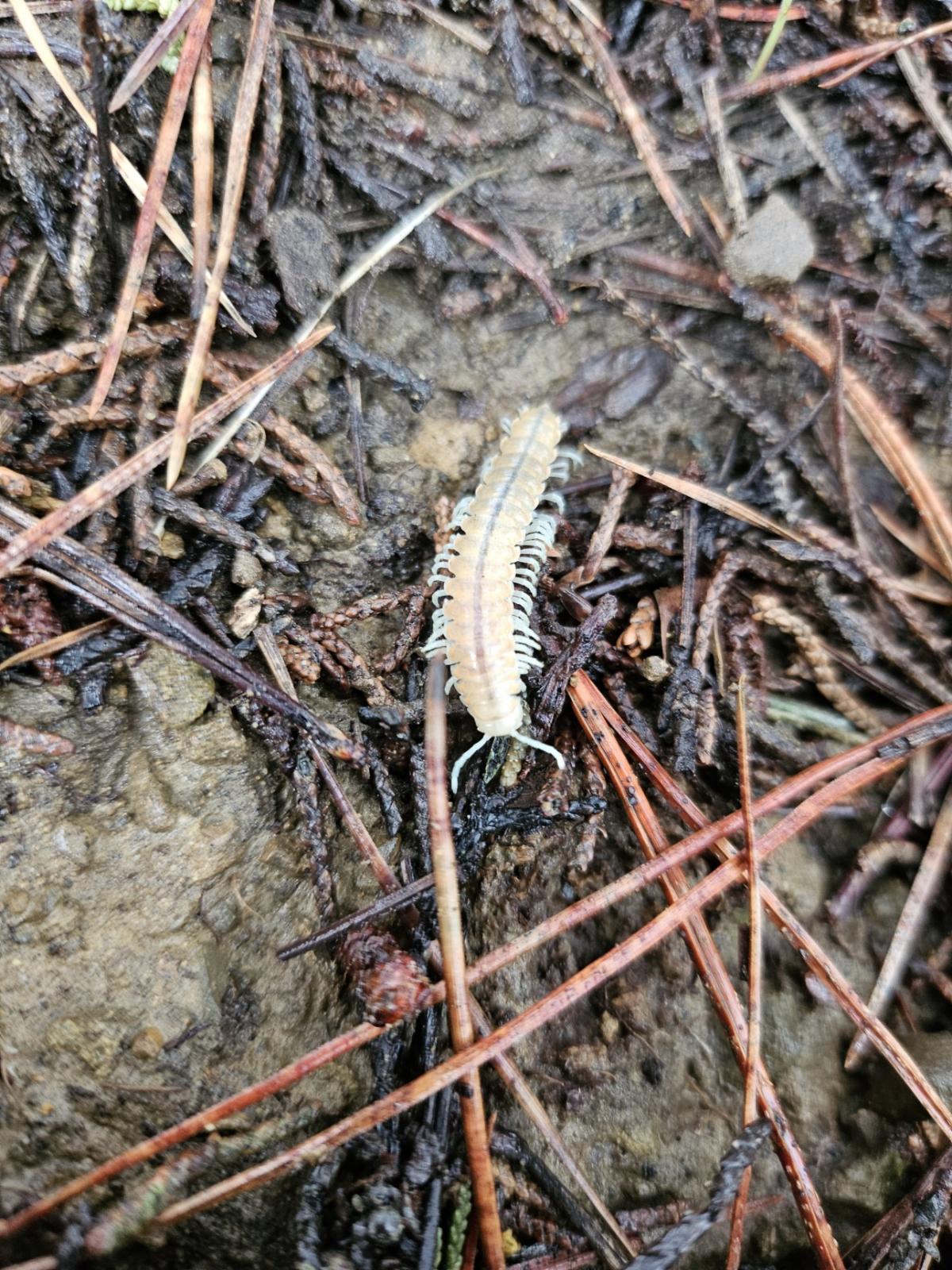
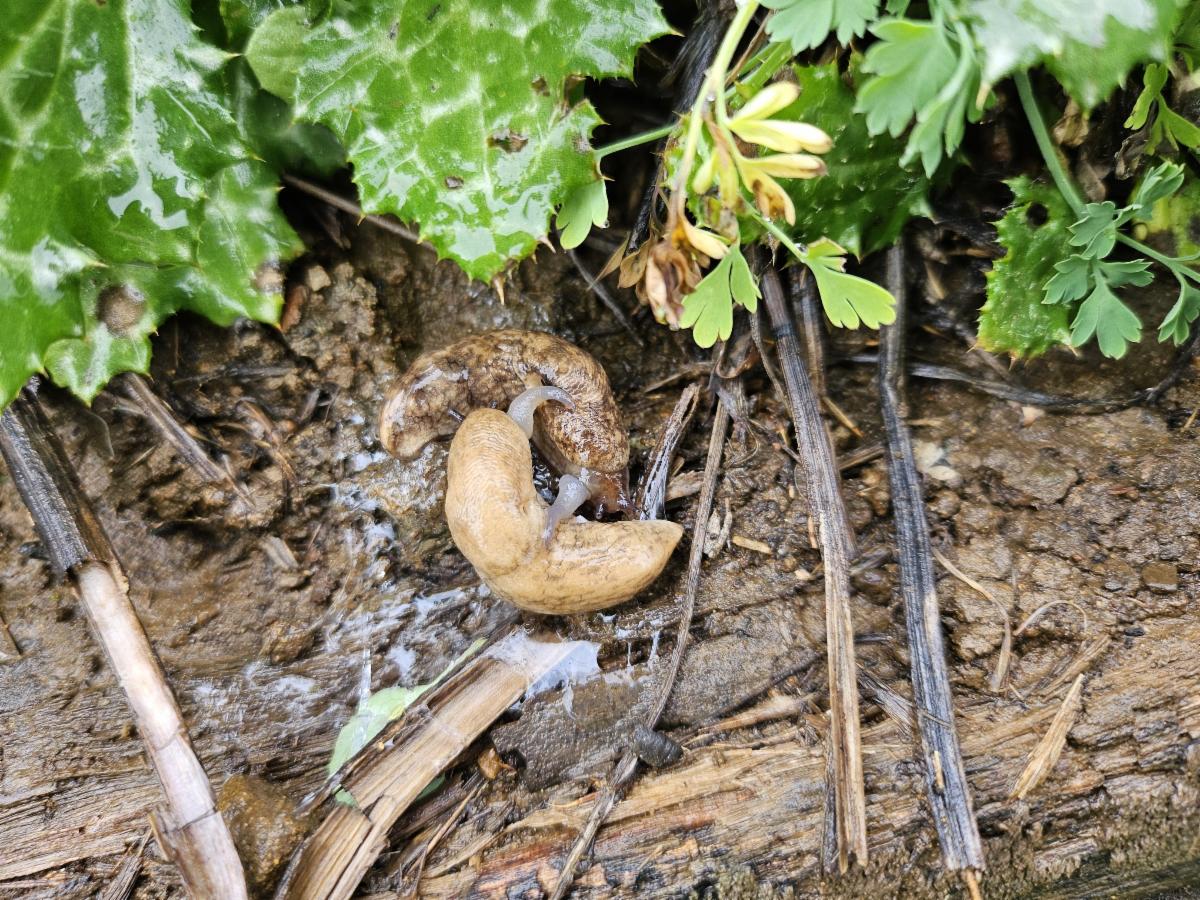
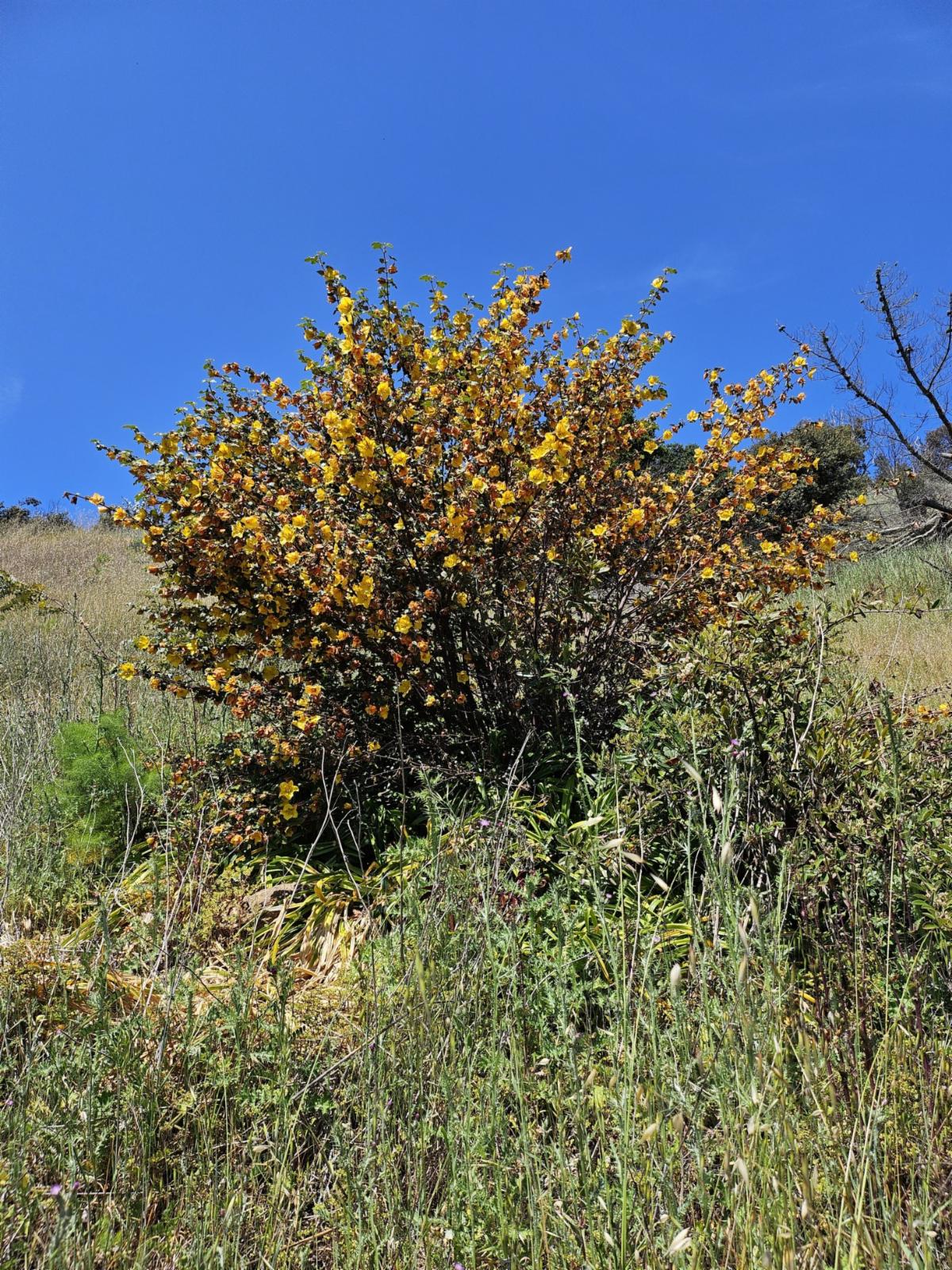
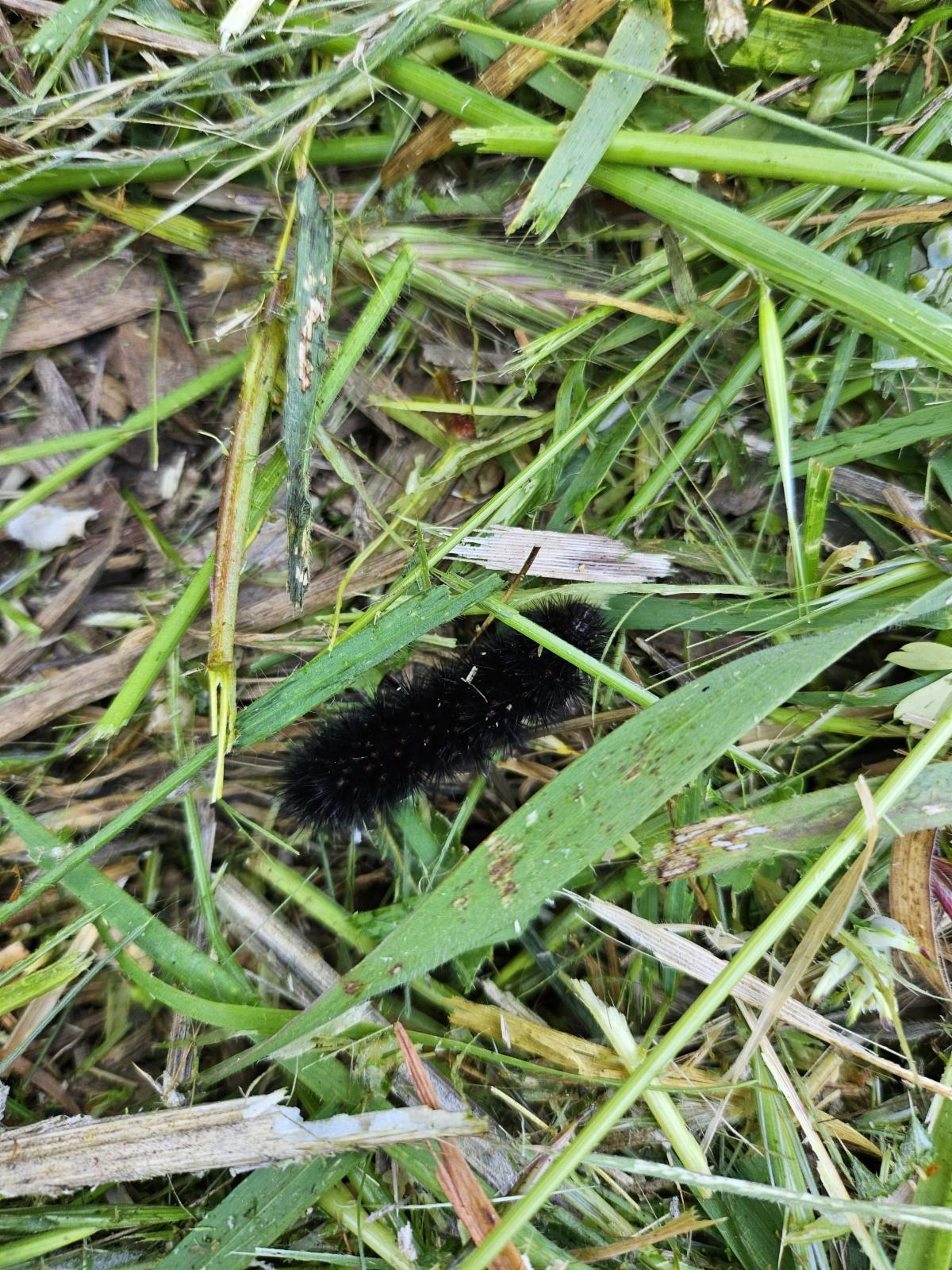
February 4, 2025 Somebody seems to be munching on mice in a favorite spot. I wonder who it could be? | A pale millipede (Xystocheir dissecta) glides across the moist earth looking rather ghostly. | | A rare glimpse of two grey field slugs, or milky slugs, (Deroceras reticulatum) in a mating embrace. These slugs are hermaphroditic, meaning they possess both male and female reproductive parts, and are capable of self-fertilization. In this case however, they will strengthen their progeny by introducing more genetic diversity. | | April 29, 2025 A California flannelbush (Fremontodendron californicum)blooms vibrantly along Seubert Trail. | | A painted tiger moth (Arachnis picta) caterpillar makes his way along the freshly mowed grass. | |
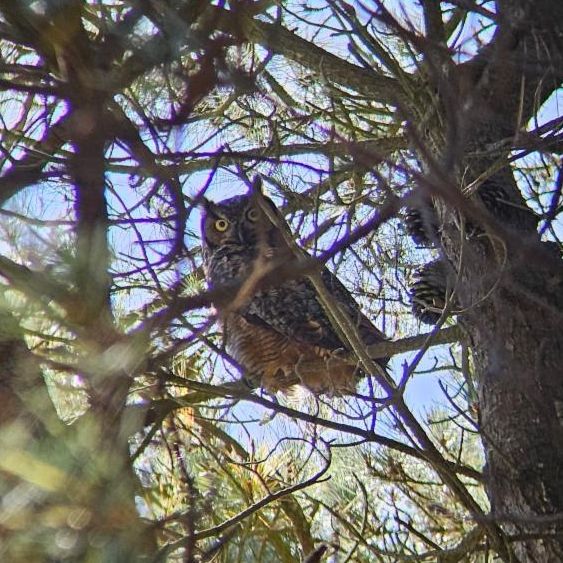
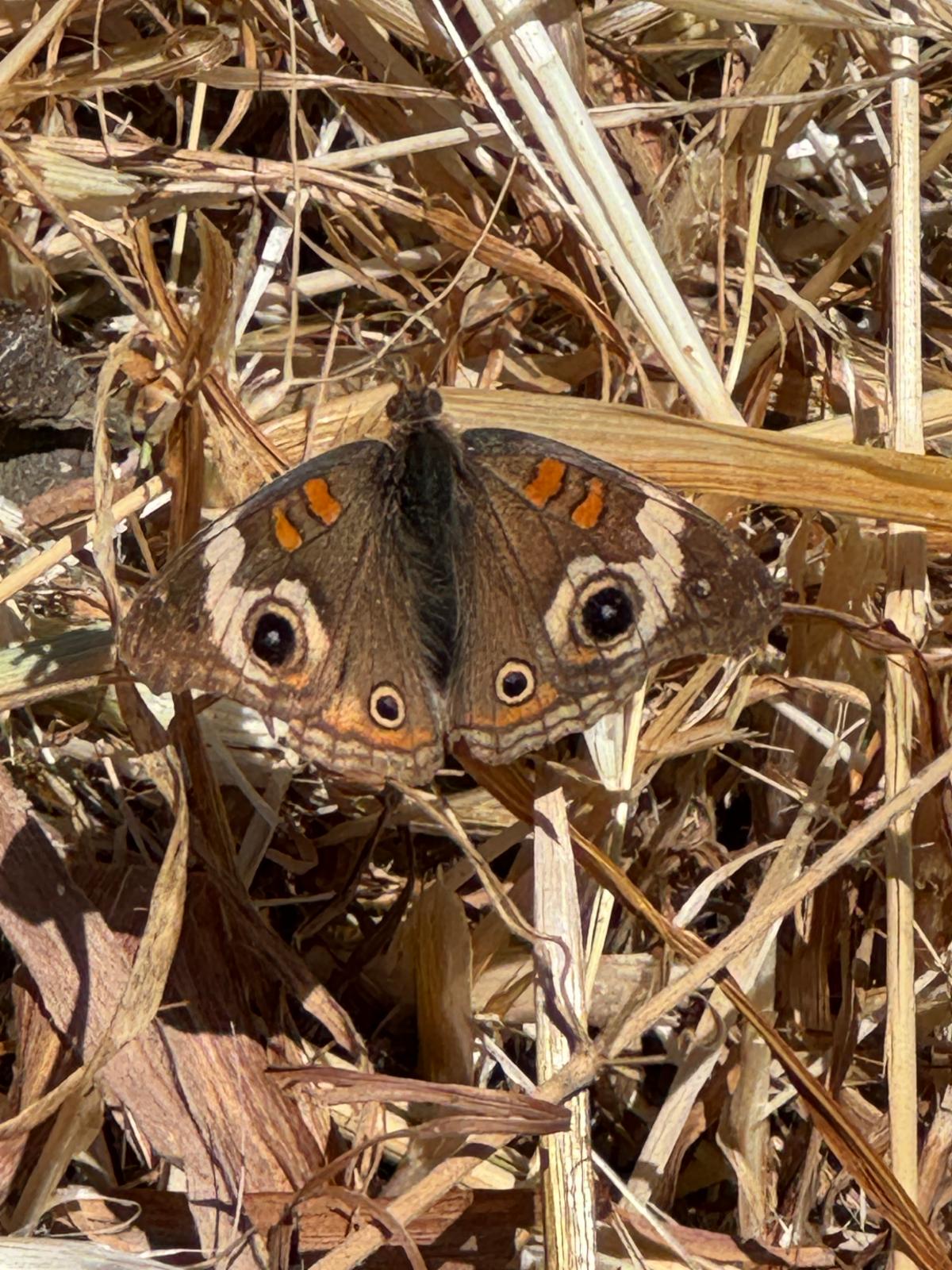
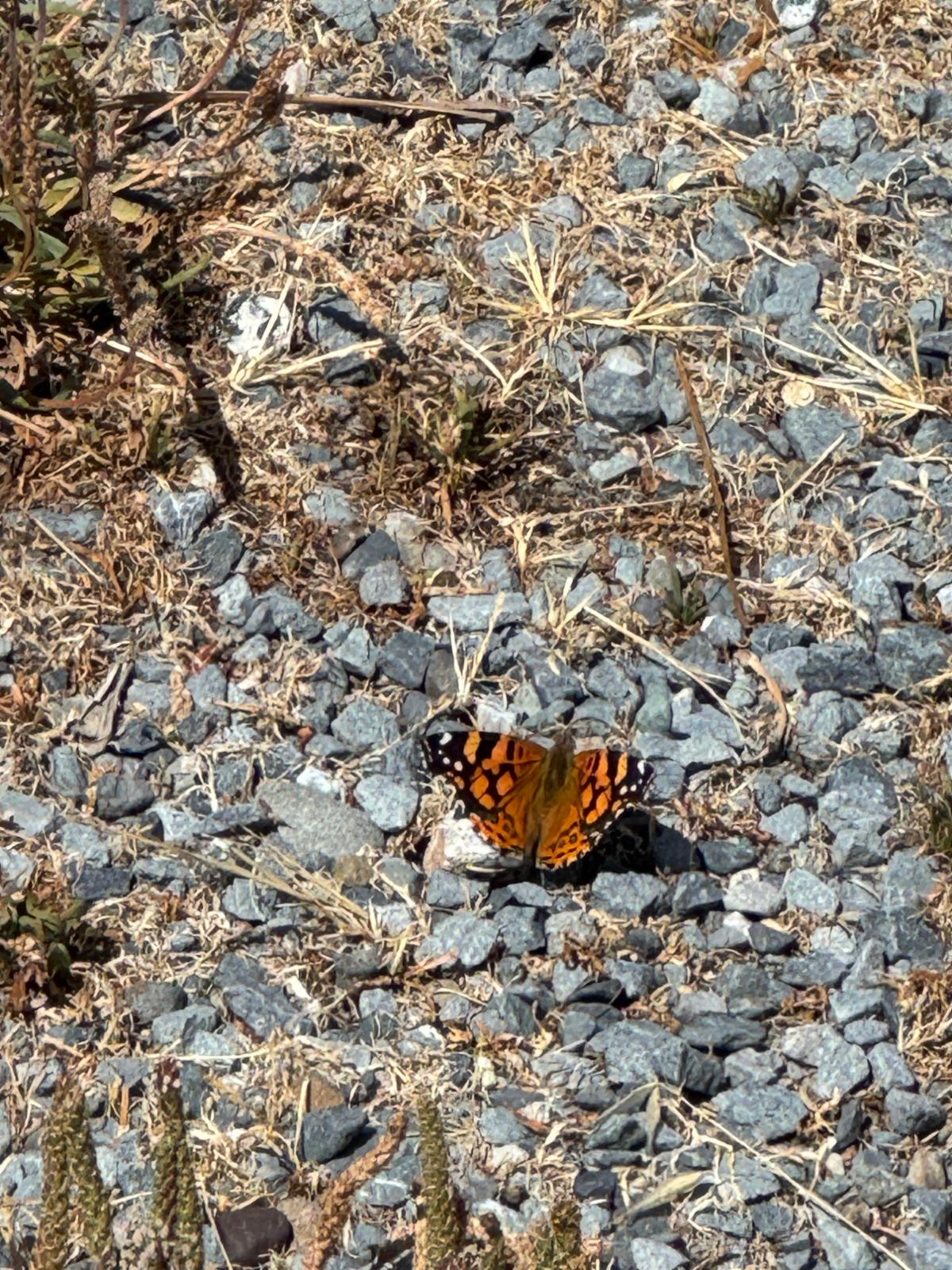
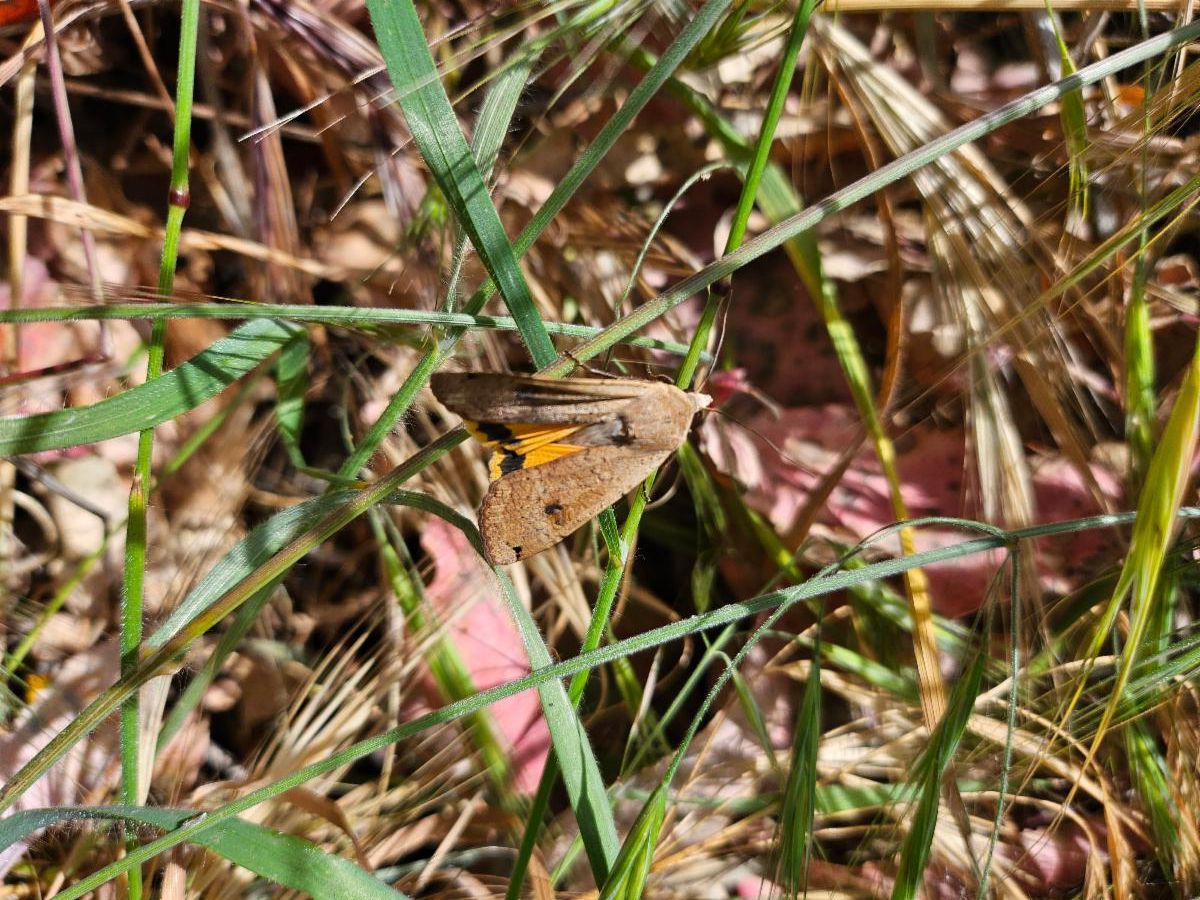
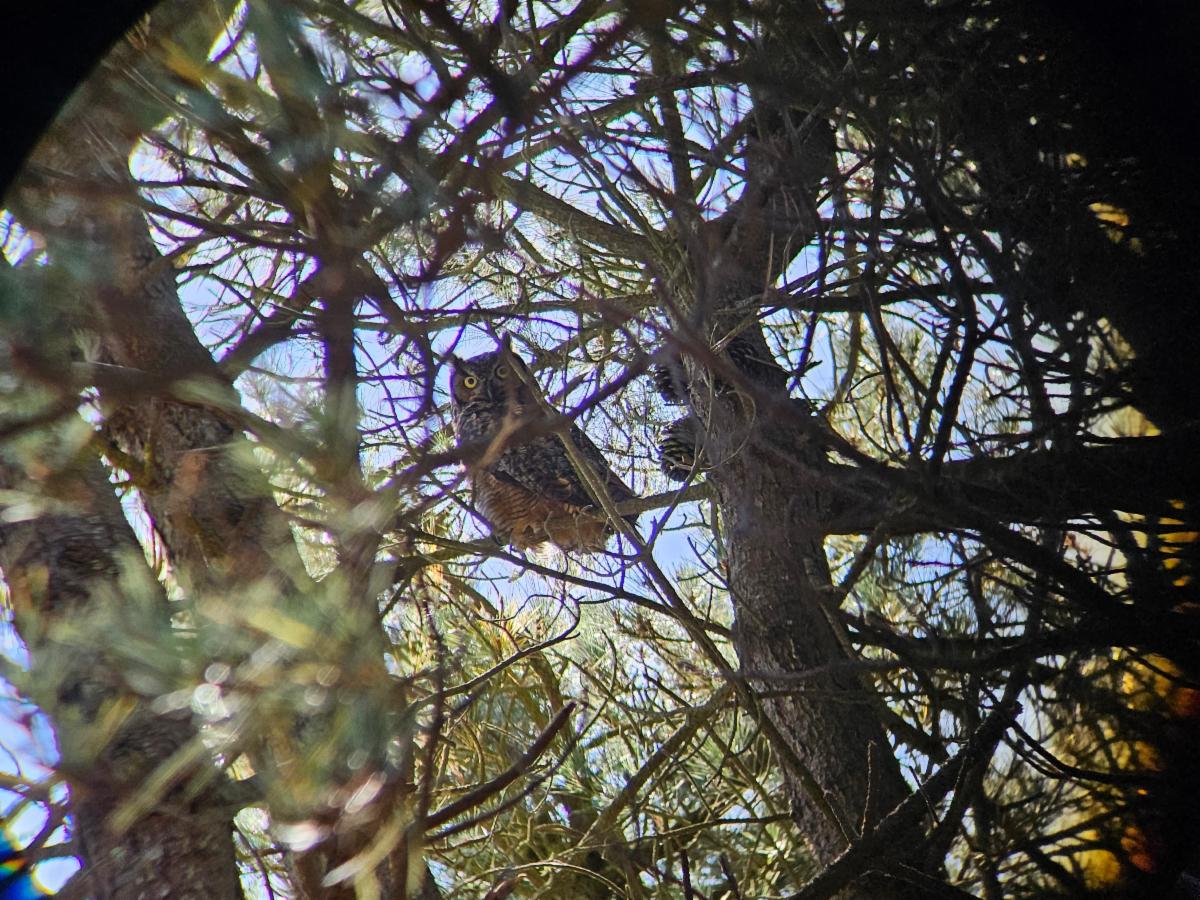
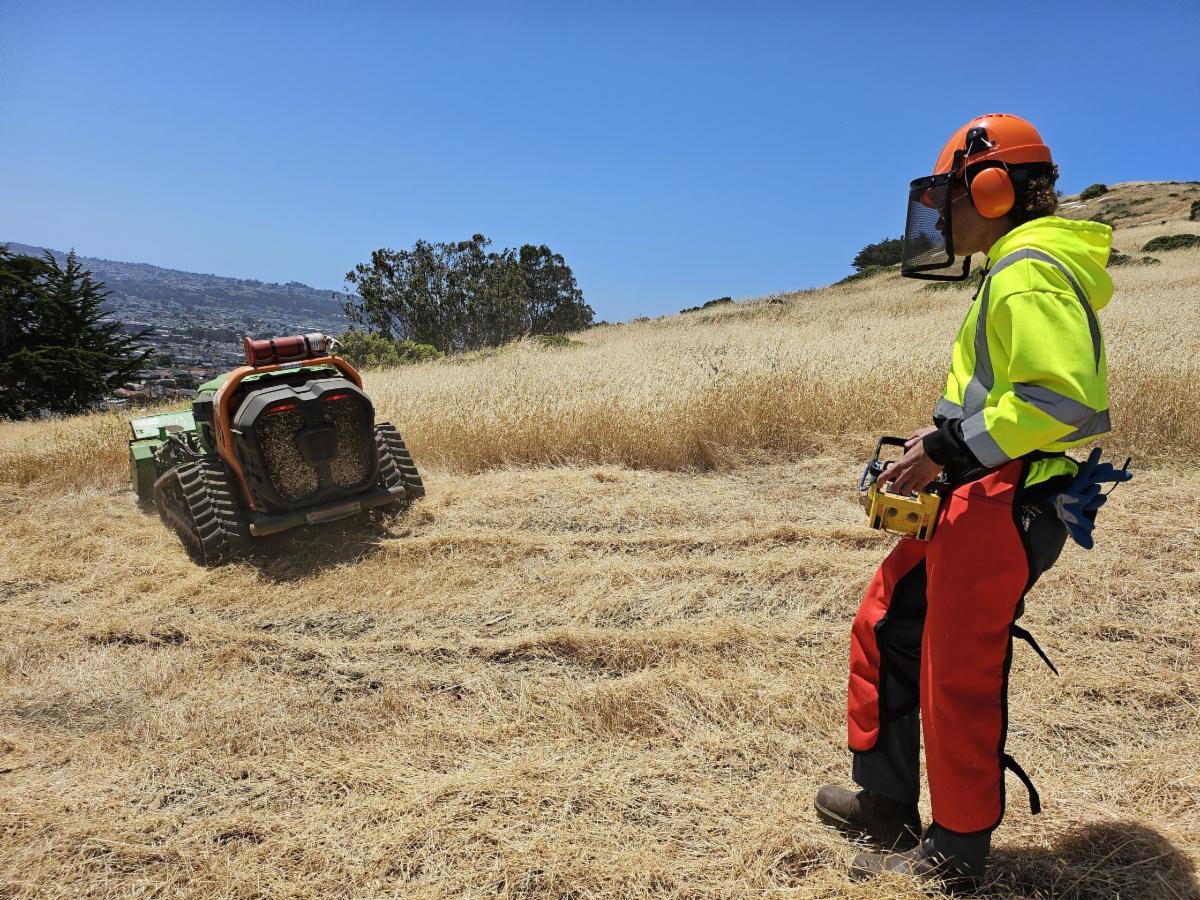
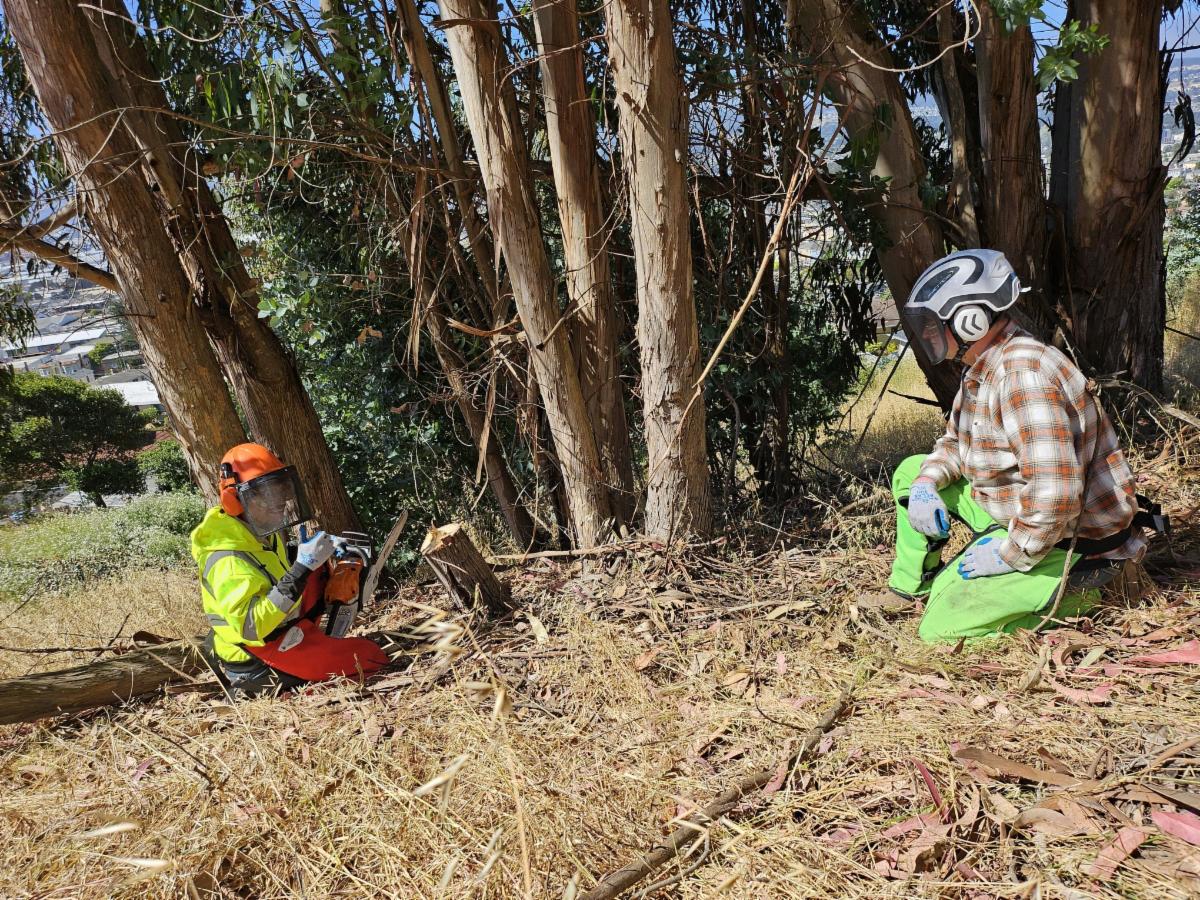
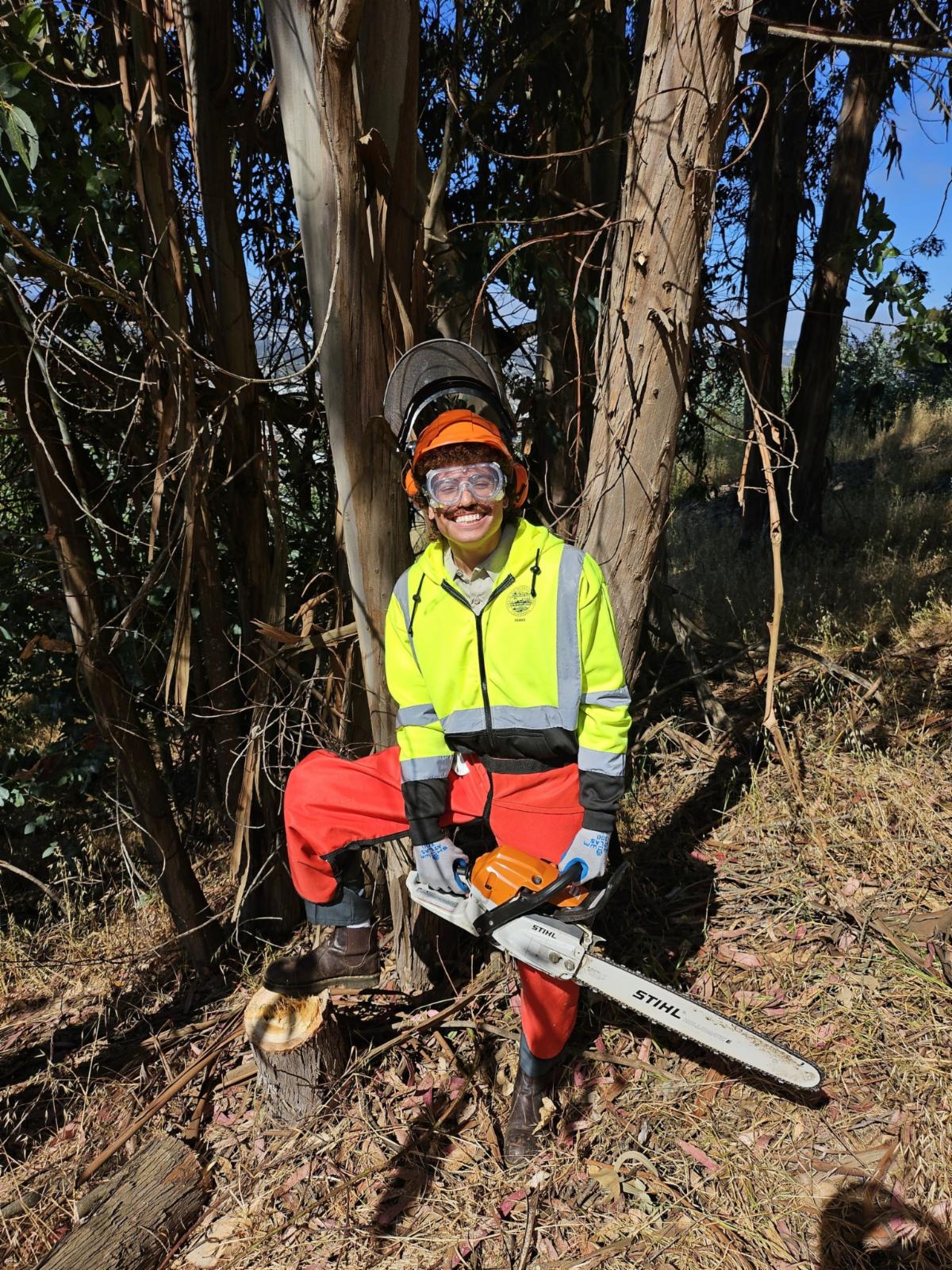
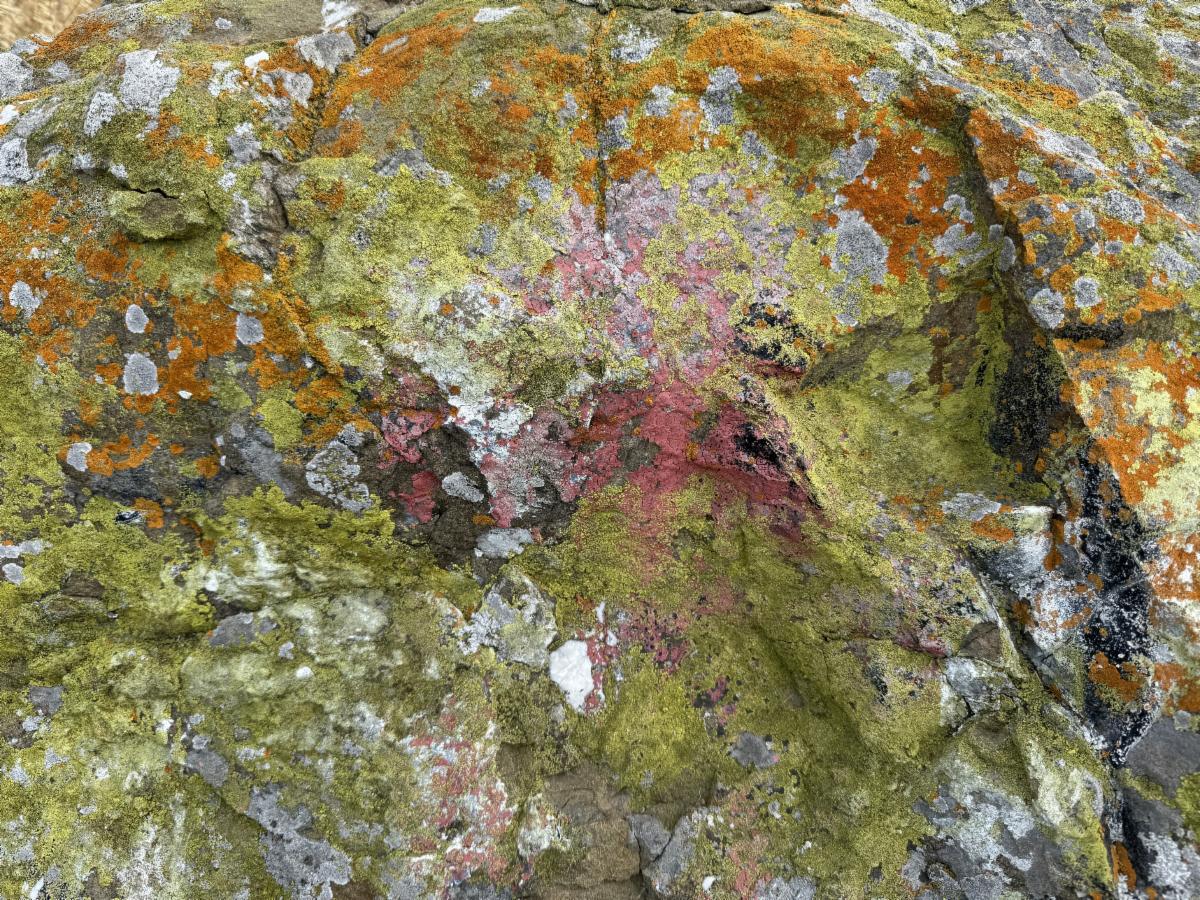
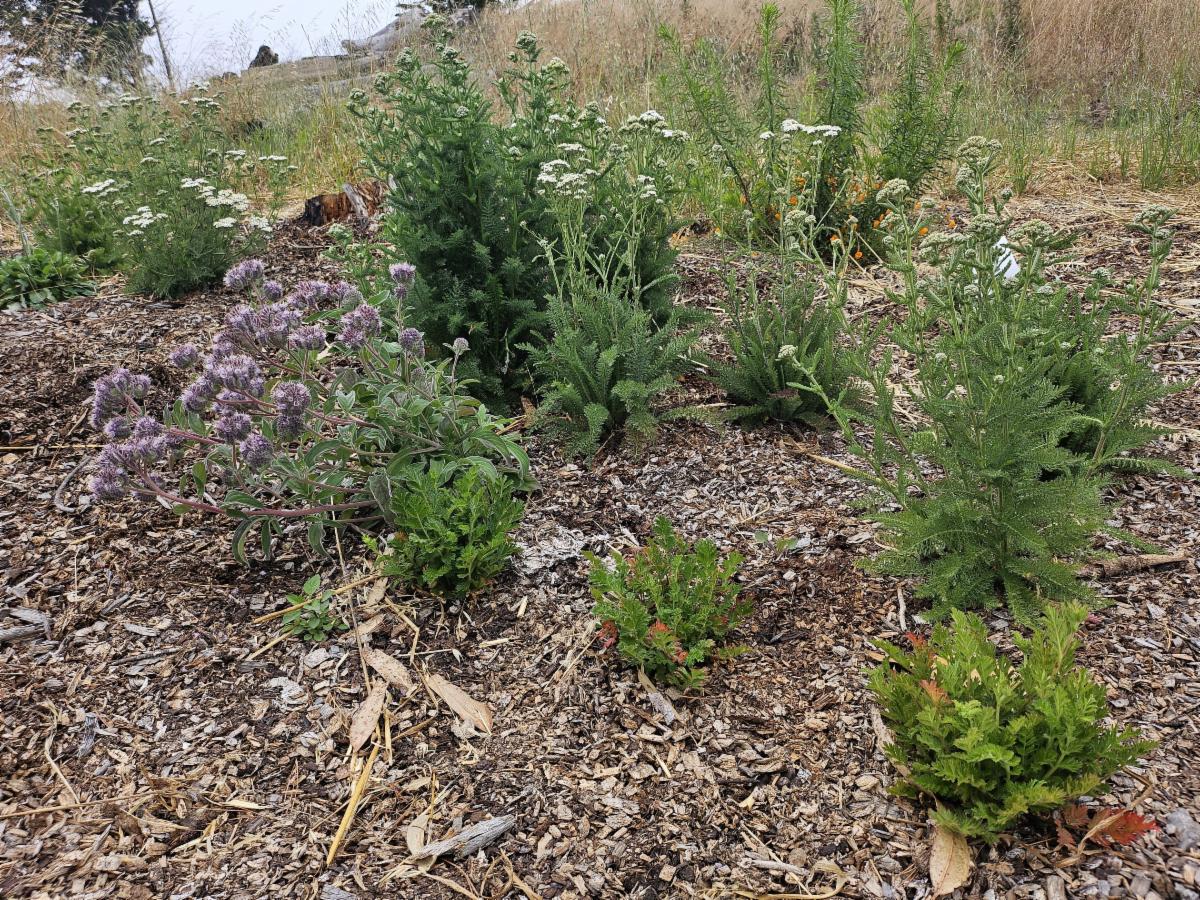
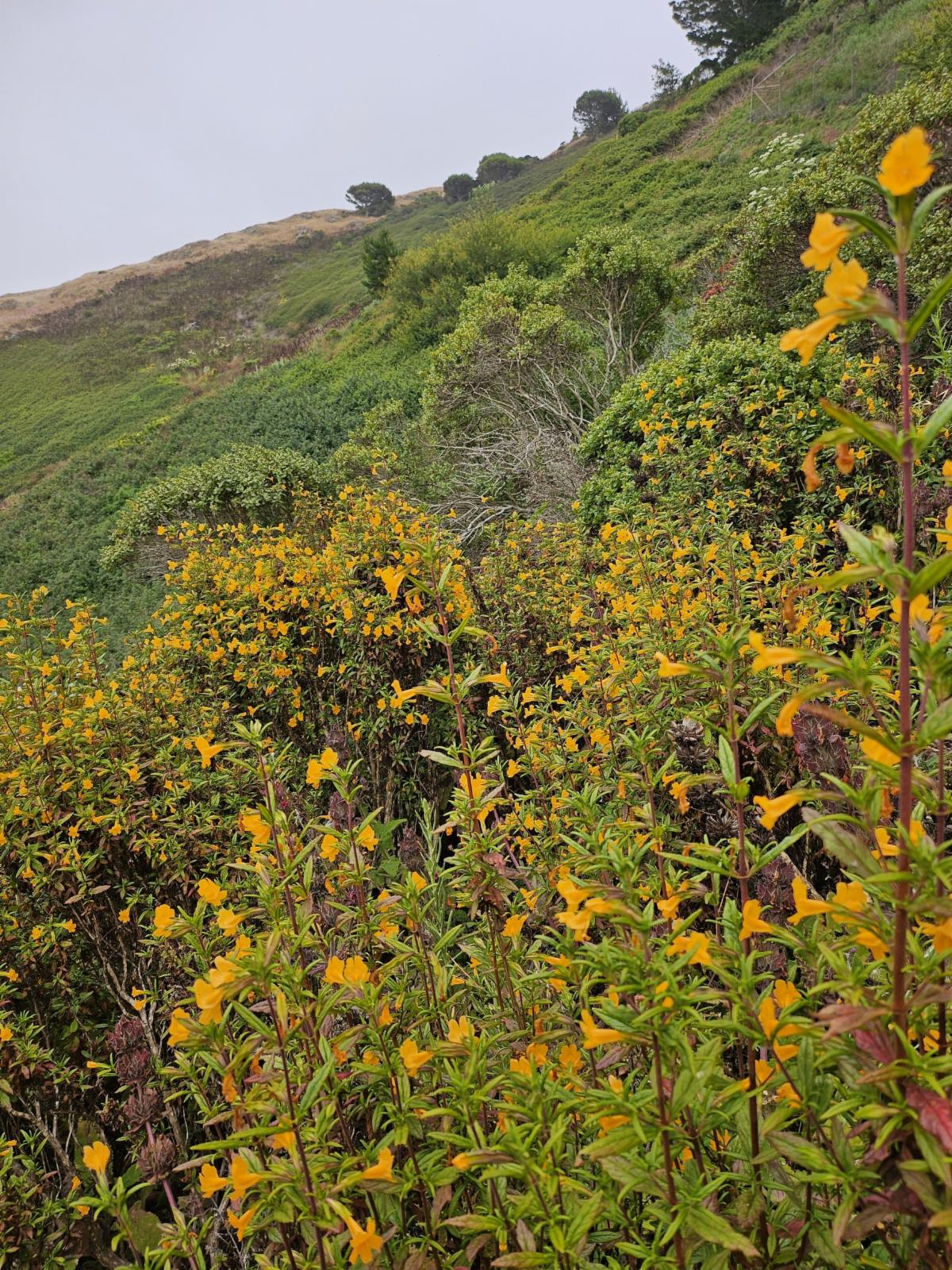
May 8, 2025 A beautiful buckeye butterfly (Junonia coenia) soaks up the sun while resting on the dry grass. | | May 13, 2025 A west coast lady butterfly (Vanessa annabella) makes a pit stop on the warm gravel. | | May 15, 2025 This nocturnal large yellow underwing moth (Noctua pronuba) was probably feeling a bit disoriented in the daytime. | | May 20, 2025 A great-horned owl rests in a Monterey pine tree after being attacked by a raven. I wonder what the quarrel was all about? | | New Natural Resources Aide, Joe, operates the Green Climber. This powerful machine is a remote-controlled mower that makes it possible to mow large swaths of Sign Hill's steep slopes and even cut through thick brush. | | May 22, 2025 Parks Supervisor, Zach, shows Joe the ropes on using a chainsaw. | | | June 5, 2025 When you slow down and look closely, even the seemingly-mundane can become splendid. Take a look at the incredible diversity of lichen hosted by this boulder. | | June 12, 2025 Our planting area in Seubert grove is growing vigorously and there is evidence that the mission blue butterflies have already moved in. This is likely the first time mission blues have been able to inhabit this part of the hill in over 40 years! | | June 13, 2025 Sticky monkey-flower (Diplacus aurantiacus) blooms abundantly on Sign Hill's north-facing slopes. | | |
When: Every other Saturday from 9am-12pm. Only cancelled for heavy rains.
Where: Volunteers will park at the Sign Hill Parking Lot nearby 964 Ridgeview Ct, South San Francisco, CA and hike with staff to the restoration site.
Registration: Registration is required. Volunteers under the age of 18 must have a youth waiver signed by a parent/guardian. Youth under the age of 16 are welcome and must be accompanied by an adult. Click the link below to RSVP.
What to bring: To prepare for working outdoors, please bring work gloves, plenty of water, sturdy shoes, long pants and long sleeves, a hat/sunscreen, and a completed waiver for each volunteer. Volunteers should expect some hiking on steep terrain.
| | | | |