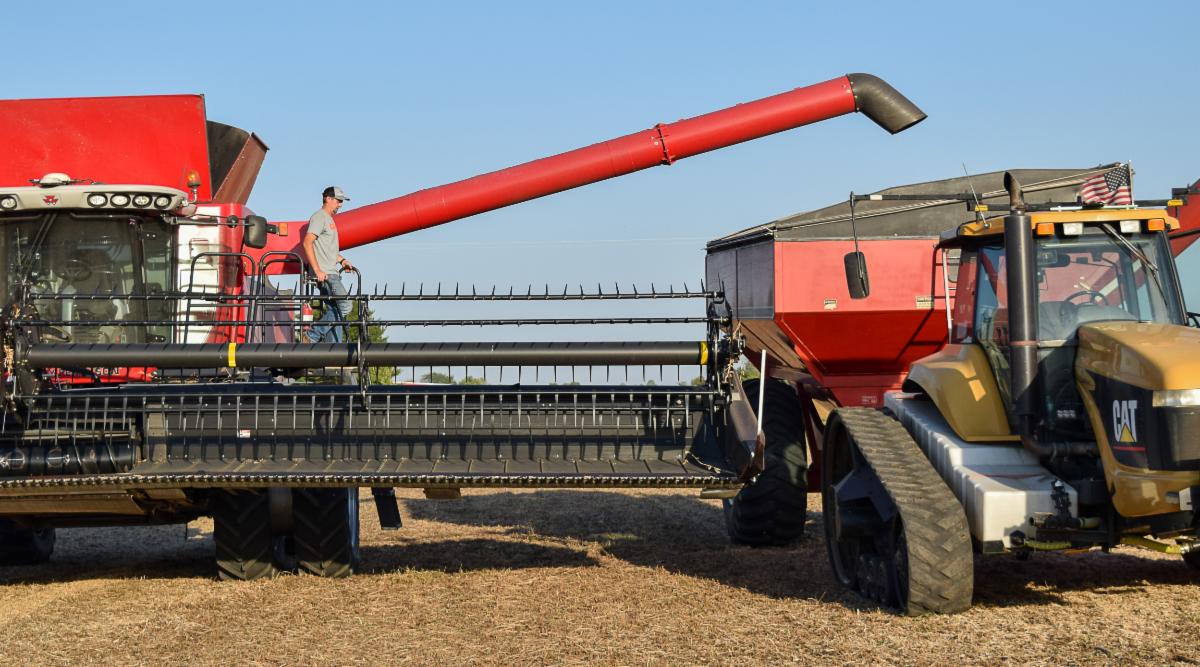
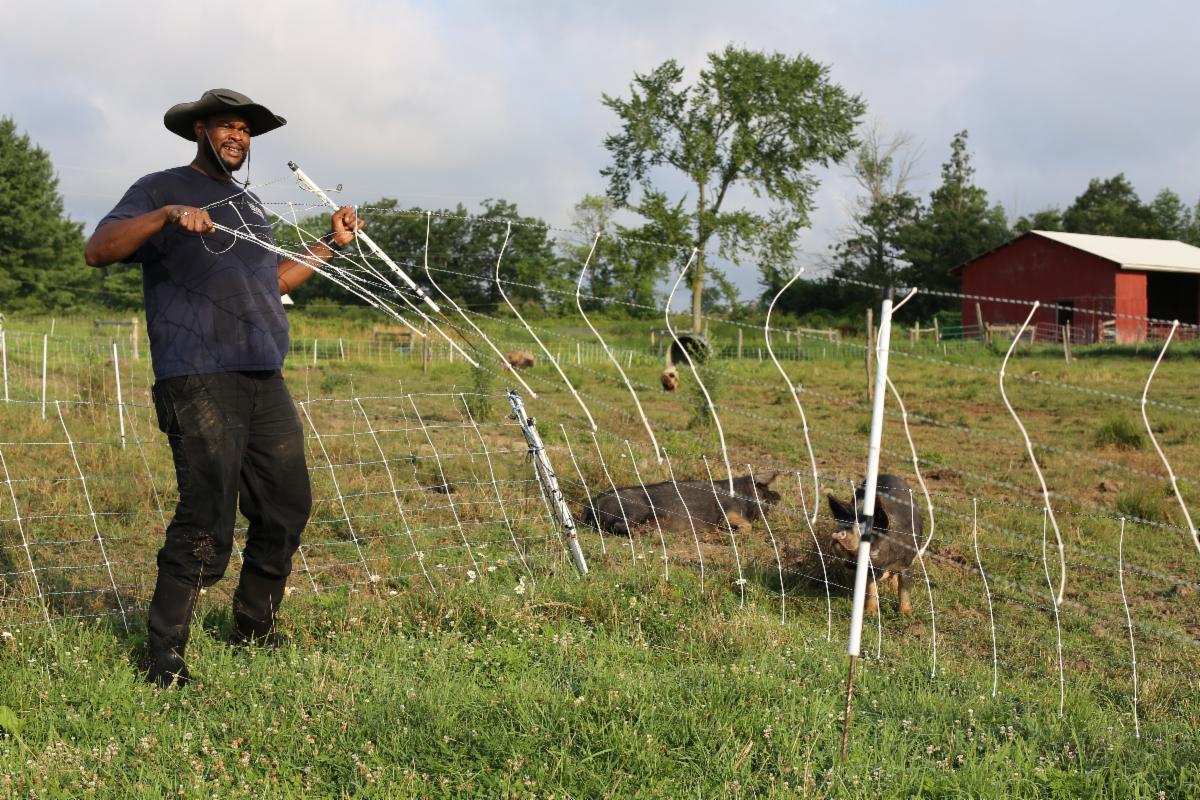
Strong farmland investments start with strong farmer partnerships. This month, we’re sharing an important update to how we structure leases with the farmers in our portfolio. Our new lease framework is designed to be simpler, fairer, and more transparent—building long-term partnerships with farmers while supporting resilient investments.


Over the years, our lease model evolved in ways that created wide differences in rent between similar types of farms, largely because rates were tied to the original cost of acquiring the land. As farmland values have risen significantly, this approach has become an added barrier for younger farmers.


Our updated framework reflects a simple principle: rent should reflect what the land can produce, not what we happened to pay for it. Instead of tying rent to acquisition costs, lease rates will now be informed primarily by county-level agricultural data and the underlying soil quality of each farm. Because soil quality is a strong indicator of yield potential and farm income, this approach keeps rents aligned with earning capacity rather than with market fluctuations. The result is a model that is: 


Simpler — Rent is based on an objective measure of land productivity rather than deal-specific factors like purchase price, financing structure, or timing in the land market.


Fairer — Farmers leasing similar-quality land pay similar rents, avoiding situations where one farmer benefits from historically low acquisition costs while another pays more for land with the same productivity.


More Transparent — Soil productivity indexes are widely understood and publicly available measures of farmland quality, giving farmers clear visibility into how rent is determined and what to expect over time.


Most importantly, our commitment to farmers remains unchanged. Lease terms continue to support long-term partnerships aligned with the organic transition period and clear renewal pathways. Farmers remain eligible to purchase the land they steward after six years while benefiting from capital improvements, flexible payment timing aligned with the growing season, and opportunities to participate in our Farmer Success Sharing Plan. Together, these updates strengthen the foundation for resilient farms—and durable farmland investments.

AWARDS & RECOGNITION

IROQUOIS VALLEY NAMED IA 50 EMERITUS MANAGER FOR 14TH CONSECUTIVE YEAR

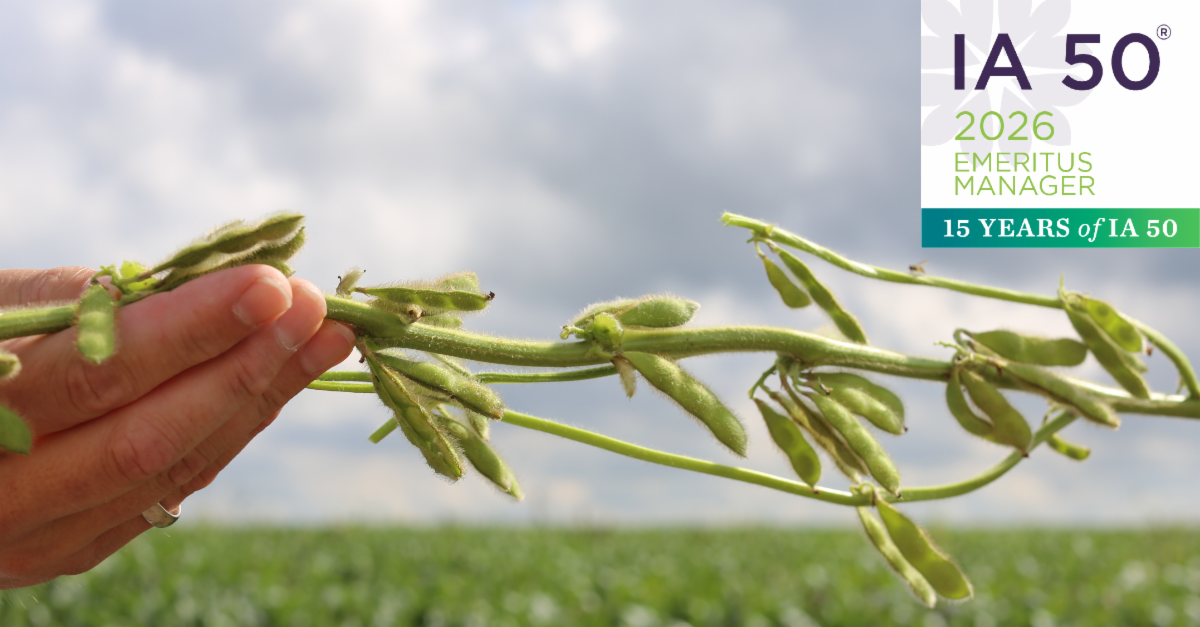
We are proud to announce that Iroquois Valley has been named to the Impact Assets IA 50 for the 14th consecutive year and officially designated as an Emeritus Impact Manager. This year marks the 15th anniversary of the IA 50, the definitive guide to impact investment fund managers globally. 


The IA 50 Emeritus category recognizes impact fund managers who have been on the IA 50 for at least five years. As the impact investing field matures, we’re excited to be recognized alongside fund managers who have matured with it. IA 50 Emeritus Managers have demonstrated resilience within the impact investing market and a consistent ability to generate positive impact.

IN THE MEDIA

FARM CPA REPORT PODCAST FEATURING DREW BLANKENBAKER

We are excited to share that our VP of Farmer Relations, Drew Blankenbaker, joined the Farm Journal Top Producer Podcast for an informative conversation about the future of organic farmland.


In the episode, Drew speaks with Paul Neiffer about how Iroquois Valley partners with organic farmers to provide long-term land access. They dive into how our model gives farmers the runway they need to steward the land successfully, including the opportunity to purchase it at fair market value after six years.

JOIN OUR TEAM

WE ARE HIRING: STAFF ACCOUNTANT

Iroquois Valley is seeking a detail-oriented, proactive accounting professional to join our team in a high-impact role supporting day-to-day financial operations. This hybrid position plays a critical role in ensuring the accuracy, integrity, and timeliness of our financial processes — from payables and payroll to reporting and audit support. If you are based in the Roanoke, IN area, have 3+ years of accounting experience, strong GAAP knowledge, and thrive in a collaborative, mission-driven environment, we’d love to hear from you.

JOIN US THIS THURSDAY, MARCH 19

USING YOUR DONOR-ADVISED FUND FOR IMPACT INVESTING WEBINAR

Many Iroquois Valley investors already use Donor-Advised Funds for charitable giving—but most don’t realize those same dollars can also be used for impact investing. In this webinar, Iroquois Valley and Realize Impact will introduce a powerful, lesser-known approach for activating philanthropic capital through Philanthropic Investment Grants (PHIGs). You’ll learn how grants from any Donor-Advised Fund can be used to invest in Iroquois Valley—supporting organic agriculture while keeping charitable dollars working for impact.


In this session, we’ll break down how the model works, who it’s a good fit for, and what happens to returns—plus leave plenty of time for live Q&A. If you’ve ever wondered whether your DAF could do more than sit on the sidelines, this conversation is for you!

LEARN & GROW

INVESTOR QUESTION OF THE MONTH

Q: What happens if Iroquois Valley must sell a farm?


A: When we acquire land for a farmer, our intention is to begin a long-term partnership. We expect to support the farmer through the organic transition and then benefit from their long-term stewardship of the land. Occasionally, however, a partnership ends, leaving us with farmland that has been thoughtfully transitioned to certified organic production, but no farmer to farm it.


In these situations, our first priority is to keep the land in organic stewardship. Our Farmland Hub Strategy helps make this possible. Because we invest in regional clusters of farms, there is often another organic farmer nearby who can steward the land—either temporarily or long term. If a farmer within our existing network cannot take over the land, we work to identify another qualified organic farmer in the region.


If we are ultimately unable to partner with an organic producer, we sell the land. While this sometimes means selling to a conventional farmer, our goal is always to preserve as much of the environmental and economic value created through the organic transition as possible. Auctions are considered only as a last resort, since the benefits of organic stewardship—and in some cases, farmland itself—can be lost when land changes hands at auction.

SAVE THE DATE: MAY 13, 2026 AT 1 PM CST

IROQUOIS VALLEY ANNUAL MEETING

Please mark your calendars for our virtual 2026 annual shareholders meeting. Join us for an engaging discussion on May 13, 2026, at 1 p.m. CT. We will provide an update on our 2025 financial results, the farmer portfolio, and our impact.


Please note, this meeting is for Iroquois Valley REIT shareholders. If you’re an advisor, noteholder, or prospective investor interested in attending, please contact us at coordinator@iroquoisvalleyfarms.com to secure your spot.

CONNECT WITH IROQUOIS VALLEY

Our team is attending these upcoming events. Reach out to connect!

Photos Featuring: Prairie Grass Ranch, Vilicus Farms, Johnson Family Farm, A & T Organic Farms and Black Wind Farm

RNR Notes are available to accredited investors only. You may only invest after careful consideration of our complete Private Placement Memorandum, verification of your accredited investor status, and the submission of any other information required by Iroquois Valley relating to your proposed investment. No offering of RNR Notes is being made to investors until the Company has complied with the applicable state law. 


Iroquois Valley Farmland REIT, PBC is offering its common stock for sale pursuant to Tier 2 of Regulation A+ and as such intends to be exempted from state qualification pursuant to federal law. No offer to sell securities or solicitation of an offer to buy securities is being made herein or in any state where such offer or sale is not permitted under the blue sky or state securities laws thereof. Offerings are only made through our Offering Circular, available here. Some of the statements herein may constitute forward-looking statements under federal securities laws. Such forward-looking statements are subject to various risks and uncertainties, including those described in the Offering Circular.

CONNECTING FARMERS, COMMUNITIES, AND INVESTORS SINCE 2007


As a corporate guideline, we do not look for specific farmland to purchase or finance. We develop relationships with farmers who want to grow their businesses. We move forward when we have a ready, willing, and able farmer. 

Linkedin  Instagram  Youtube
Iroquois Valley Farmland REIT | Public Benefit Corporation  
 Certified B Corporation | Est. 2007