Slept 8 Hours… Why Are You Still Exhausted? | Getting enough sleep is one of the first things people look at when they feel tired, and that makes sense. If you're exhausted during the day, the obvious assumption is that you simply need more rest. Maybe you need to go to bed earlier, sleep longer, or improve your nighttime routine. | | |
But what happens when you're already doing all of those things and still wake up feeling like your brain never fully recovered?
You get eight hours of sleep, yet you still feel tired. You start the morning already feeling behind. Your mind feels cloudy, your energy is low, and even simple tasks require more effort than they should.
| | |
That can be incredibly frustrating because you're doing what you've been told to do. You're prioritizing sleep, but you're not experiencing the restoration you expected.
So the question becomes: Is the problem really the amount of sleep you're getting, or is something else affecting how your brain recovers?
| | Sleep Is More Than Just Being Unconscious | | Most people think of sleep as the time when the body shuts down and rests. In reality, your brain remains incredibly active. While you sleep, it organizes information, supports memory, regulates systems throughout the body, and helps restore balance within the nervous system. | | Sleep isn't just about turning off. It's about resetting. When that process works well, you wake up feeling refreshed because your brain has had the opportunity to recover and prepare for another day. But when the nervous system is under strain, that recovery may not happen as efficiently as it should. | | |
When Your Brain Never Fully Gets to "Power Down"
Think about your brain like a computer running too many programs at once. Even though it still works, everything feels slower because more energy is being used behind the scenes.
| | |
Your brain works in much the same way. When it's constantly managing extra demands from stress, sensory overload, previous injury, poor regulation, or inefficient communication between brain systems, it has to work harder just to keep up.
Instead of operating efficiently, it spends more energy compensating, leaving you feeling like you never fully recharge.
| | You might notice signs like: | |
- Waking up tired despite getting enough sleep
- Feeling mentally exhausted before the day even begins
- Relying on caffeine just to feel functional
- Struggling to focus later in the day
- Feeling "wired but tired" at night
- Having difficulty recovering after stressful days
| | Why Mental Exhaustion Feels Different | | There's a difference between being physically tired after a long day and feeling like your brain has run out of energy. Physical fatigue often improves with rest, while mental fatigue can leave your thoughts feeling slower, your patience shorter, and your ability to handle noise, bright lights, conversations, or multitasking noticeably reduced. | | That's because your brain isn't only responsible for thinking. It's constantly processing sounds, movement, visual information, and countless decisions throughout the day. When that filtering system becomes less efficient, everyday life demands far more neurological energy than it should. | | |
The Connection Between Recovery and Brain Function
At Plasticity Brain Centers, we often see people who have spent months or even years trying to understand why they feel different.
| | |
They may have already improved their sleep habits, nutrition, and stress management, yet still struggle with persistent fatigue.
Those changes are important, but sometimes the missing piece is understanding how efficiently the brain is processing and regulating itself.
| | The nervous system is designed to adapt. Through neuroplasticity, the brain can change how it responds to input and improve communication between different systems. By identifying areas where the brain may be struggling and providing targeted neurological input, the goal is to help it function more efficiently and become more resilient. | | |
If Sleep Isn't Restoring You Like It Used To
If you're getting enough sleep but still wake up exhausted, it may be time to ask a different question.
Instead of asking, "How can I sleep more?" consider asking, "Is my brain recovering the way it should?"
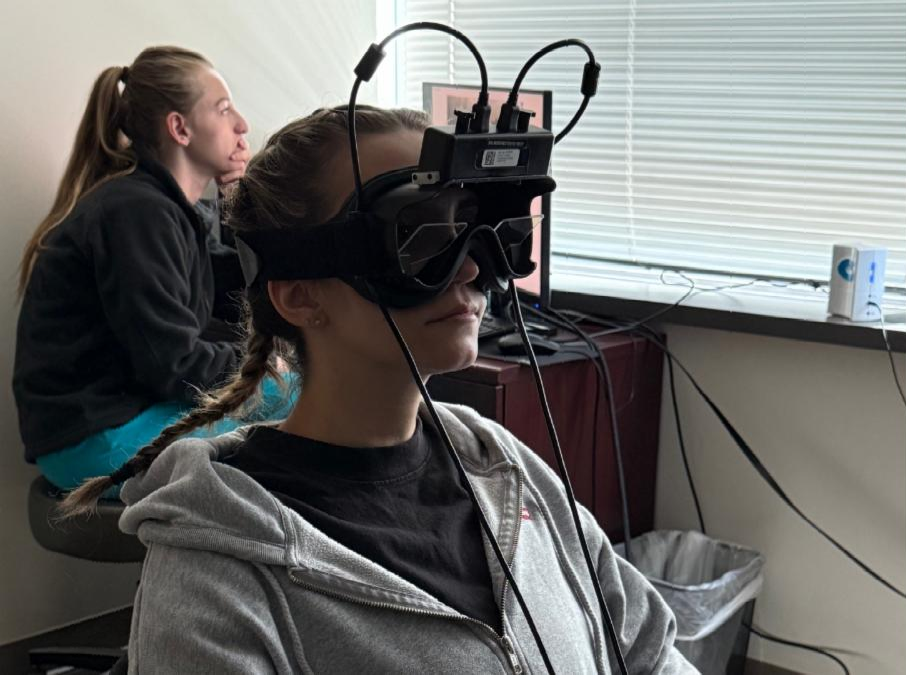
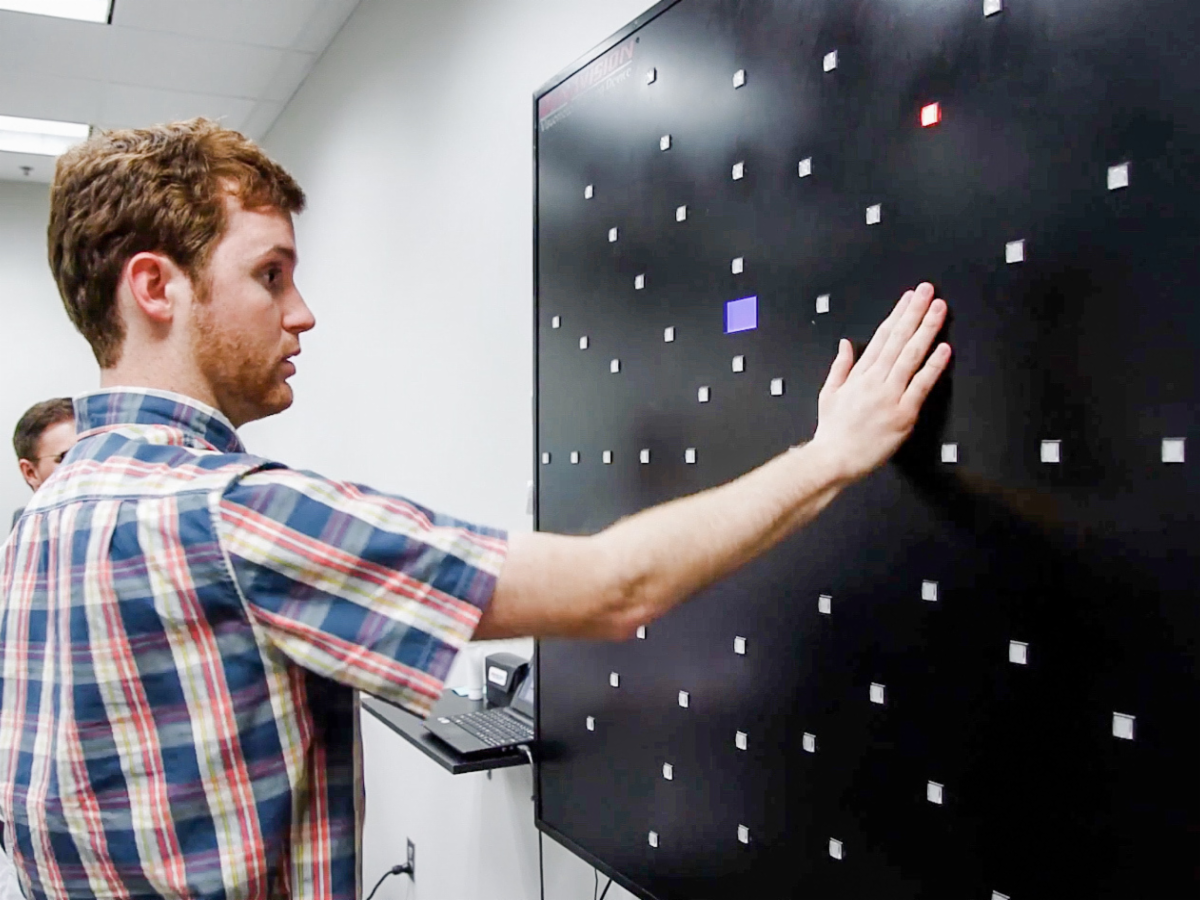
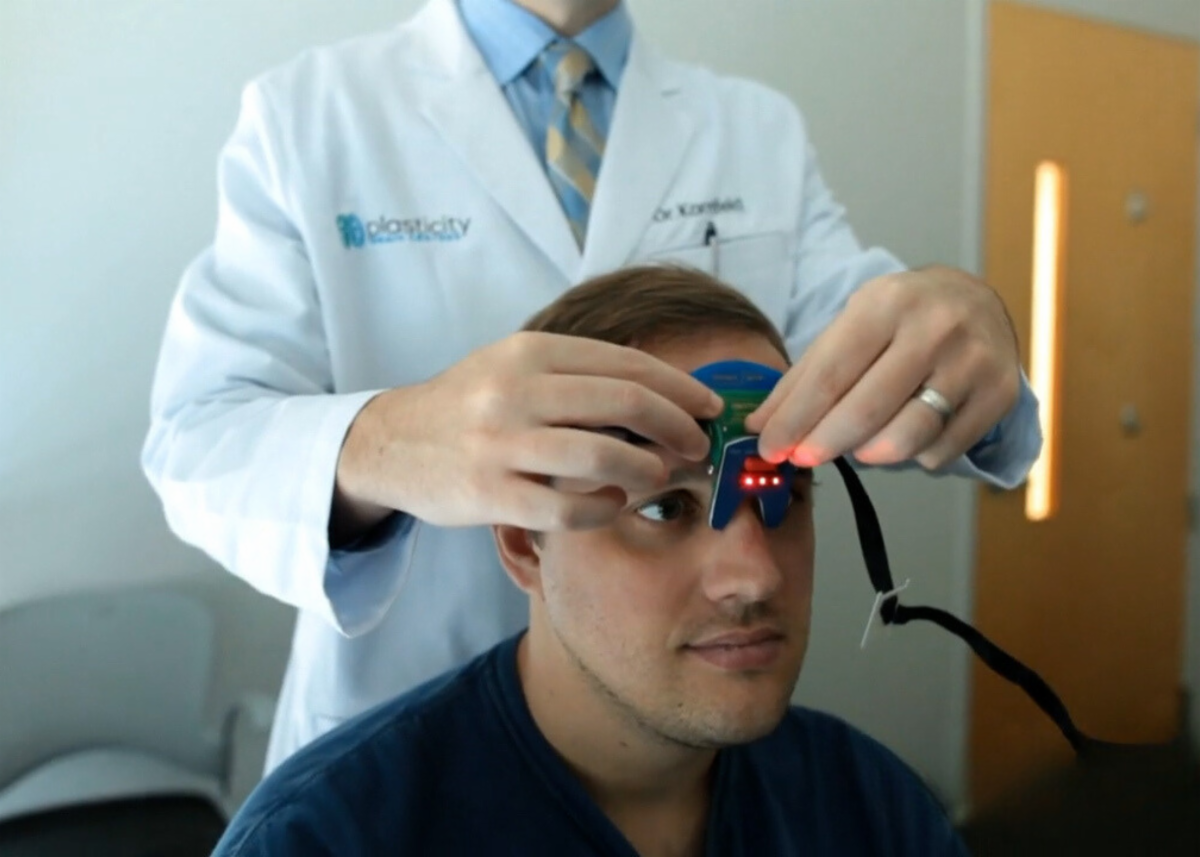
| | At Plasticity Brain Centers, we evaluate how different systems of the brain are working together and help identify areas that may be contributing to fatigue, brain fog, and reduced mental energy. | | |
If you feel like you're constantly running on empty despite doing the right things, an evaluation may help uncover why. Reach out to Plasticity Brain Centers to learn more about how your brain is functioning and whether a personalized evaluation could help you better understand what's driving your symptoms. |
|
PLASTICITY BRAIN CENTERS TREAT & IMPROVE:
-Vertigo -Concussion - Hypoxic Injuries - Stroke - Autism - ADHD & Dyslexia
-Cognitive Challenges - Parkinson’s Disease - Improved Brain Function - Headache & Migraine -Dysautonomia - Long Haul Covid -Dizziness
| |
We know that each person is unique and we tailor our treatments accordingly. Book your personal 15-minute phone consultation today!
Let's talk today to see if we can help.
| |
Are you or a loved one prepared to embark on a transformative journey towards better brain health? Reach out to Katie via email at katie@plasticitycenters.com or give us a call at 855-955-9727. Discover firsthand the positive transformation that awaits you at Plasticity Centers!
| | | | |