Greetings Monarch Friends & Families!


As summer unfolds, in addition to managing surprising stressors like wildfire smoke days and avoiding shredded lettuce, we hope you're finding moments to slow down, reconnect with what matters most, and care for yourself in ways—big and small—that support your well-being. At our practice, we believe mental health isn't just about getting through difficult moments; it's about building habits, relationships, and communities that help us flourish.


In this month's newsletter, we're recognizing Minority Mental Health Awareness Month by sharing ways we can all help create more supportive, inclusive communities. From starting conversations about mental health to finding culturally competent care and making time for rest, learn more about how small actions can have a meaningful impact.


We're also exploring simple ways to strengthen executive functioning skills over the summer. Whether you're helping a child prepare for the school year, supporting a teen's growing independence, or looking to improve your own organization, planning, and time management, our guides at a glance offer the flexibility to practice these skills in fun, low-pressure ways.


We invite you to dive into this month's resources, try one new strategy, and share what resonates with someone you care about. Together, we can build habits that support stronger minds, healthier communities, and greater well-being for everyone.


Have a fantastic day!


Julie Braciszewski, PhD, LP

Director of Clinical Services


Minority Mental Health Month: 4 Simple Ways to Support Yours and Others' Mental Wellness


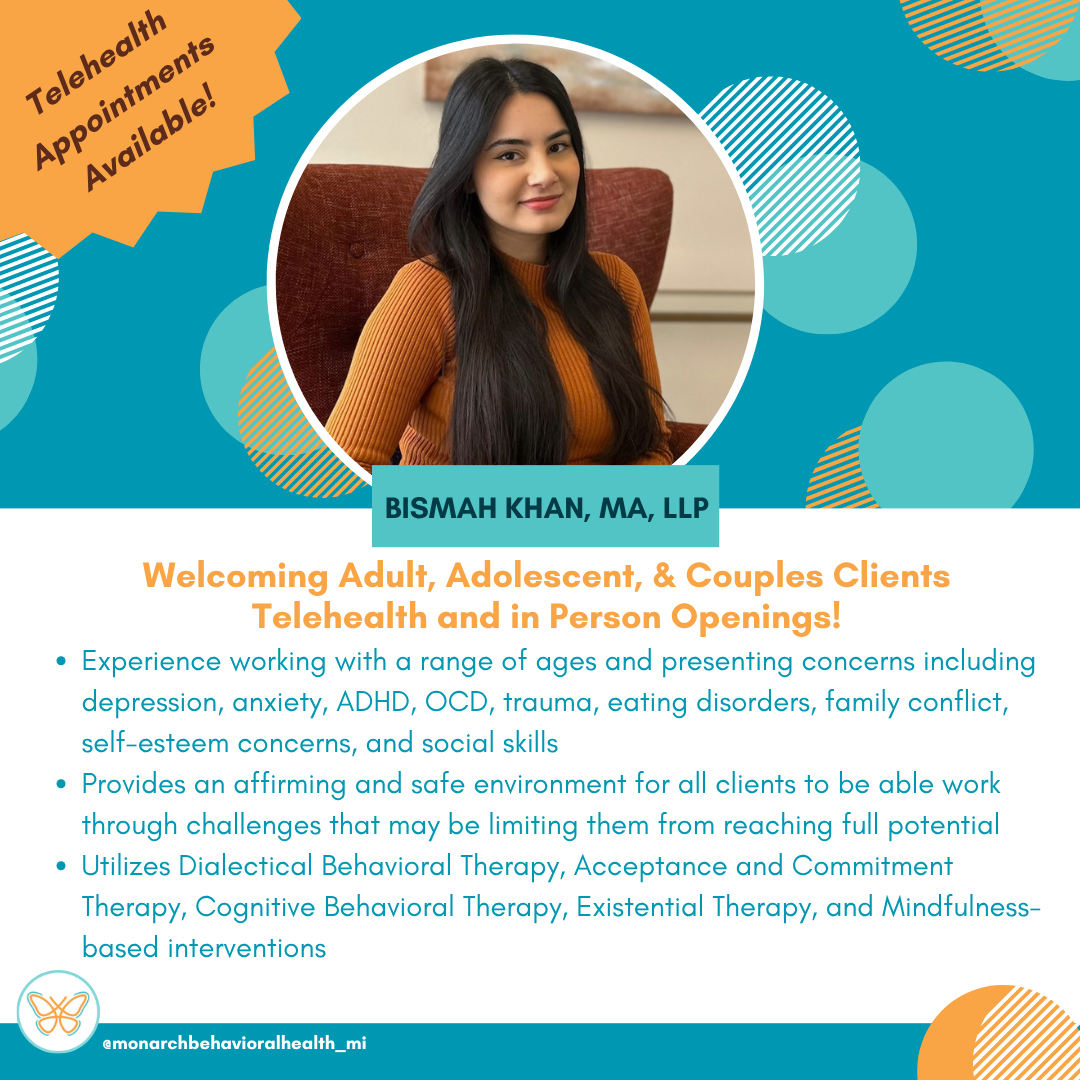
By Bismah Khan, MA, LLP


Mental health is something that touches every one of us, but not everyone experiences the same barriers to getting support. Our backgrounds, cultures, identities, and lived experiences all shape how we understand mental health, seek care, and find community.


July is Minority Mental Health Awareness Month, a time to really think about and recognize the unique mental health challenges that Black, Indigenous, People of Color (BIPOC) and other minority communities face.


Whether you're looking to support your own mental well-being or show up for the people around you, here are 4 simple ways to help support minority mental health this month and throughout the year.


Bismah Khan, MA, LLP


Guides at a Glance: Tips and Tricks for Building Executive Functioning Skills this Summer!


Summer is the perfect time to build executive functioning skills that support emotional and physical regulation. Each quick glance guide below links to more details on how to support skill growth in your home.


Parents of neurodivergent kids, you won't want to miss these.

#1 Build Better Routines, Build Better Minds

  1. Collaborate, don't dictate
  2. One routine at a time
  3. Break it down- make it visual
  4. Model it together, and celebrate the effort!
  5. Cue and celebrate independence
  6. Support smarter with scaffolding

#2 Beating the Time Warp: Mastering Time Awareness

Practice Time Estimation Trials:

  1. Pick a task
  2. Estimate a time
  3. Start the timer and complete the task
  4. Record the actual time it took
  5. Reflect together

# 3 Boredom is a Brain Booster: Helping Kids Embrace the Pause

Benefits of tolerating boredom

  • Break the dopamine dump & deprivation cycle
  • Increase attention regulation
  • Reduce tech tantrums
  • Increase frustration tolerance and sustained focus

Building Boredom Positive Mindset

  1. Mindset: boredom= brain power
  2. Create a go-to boredom buster bank
  3. Introduce new challenge tasks
  4. Watch for time vortex traps
  5. Schedule 'mind expansion time'
  6. Break out! Do something you normally don't

#4 Physical Regulation: Tools to Slow, Grow, and Go

Body based strategies to try together:

  • Co-regulation: move together- dance, walk, jump
  • Movement break: silly breaks throughout the day
  • Activate sensory cues through 5 senses
  • "Calm cocooning:" low sensory input through headphones, blankets, etc.

#5 Navigating Big Feelings

  1. Name it to tame it
  2. Reflect internally: try open ended reflection
  3. Link emotion to motivation
  4. Emotions are not a problem, they are the map!

Click below for a more in depth guide to these steps.


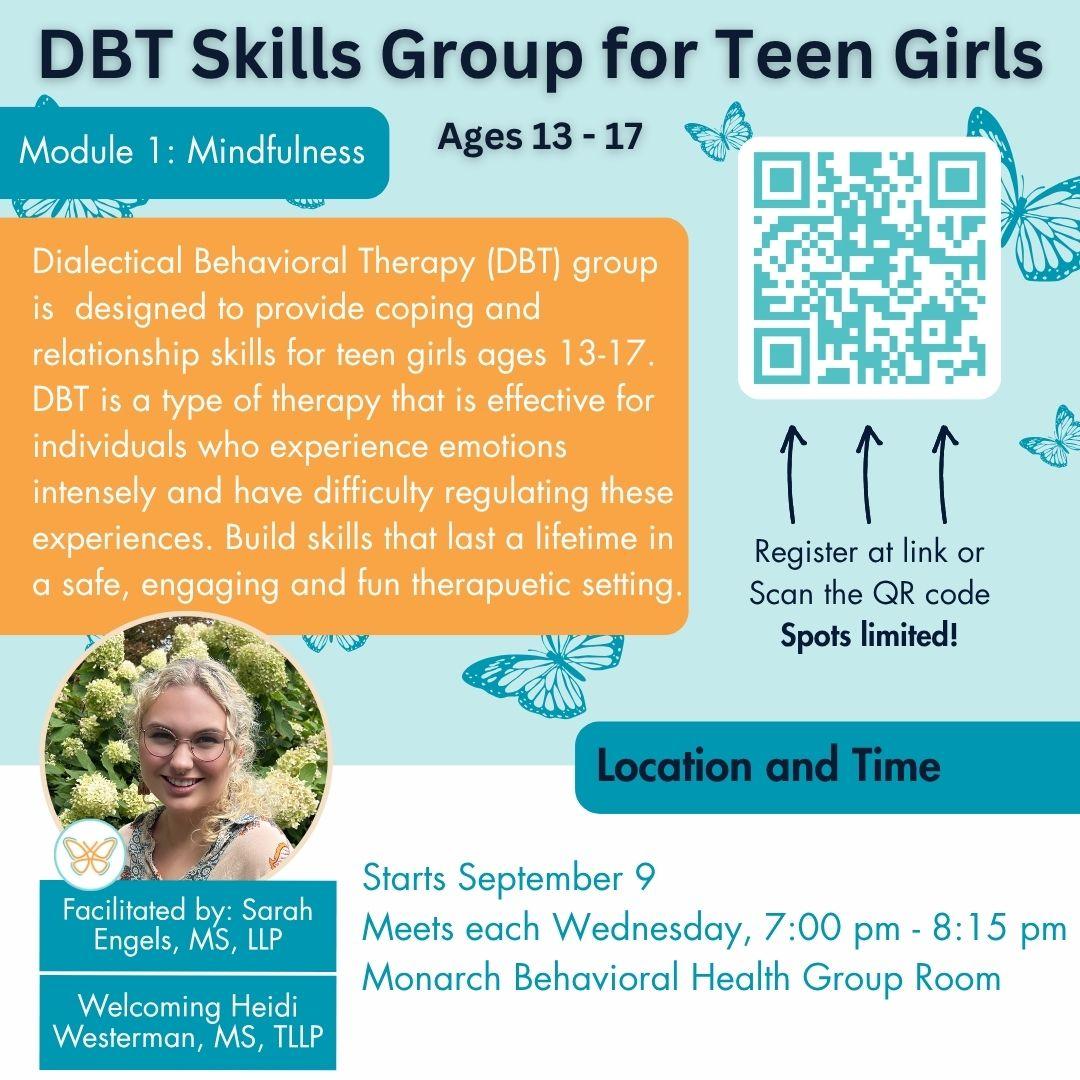
Register now for our fall DBT group:

Spots are limited


Interested in hosting a Monarch wellness event?

If you would like an expert from Monarch Behavioral Health to speak at your organization, school or business please reach out! Click here for examples of our many community engagement events. If you are ready to schedule your next event, email office@mbh-mi.com or call 248-220-3332.

We're all ears!

If you have gotten this far in our newsletter, please consider taking our 5 question, 1 minute survey.


We are working to plan seminars, workshops, and group therapy throughout 2026.


We want to know how best to serve you and your family!

Facebook  Instagram  Twitter