|
Cutting cycle time is one of the fastest ways to boost productivity, but doing it wrong can cost more in scrap, tooling, and rework than you’ll ever save in machine minutes. The goal is to balance speed with control, not just crank up the feedrate.
Start by eliminating non-cutting motion.
Most programs waste time in retracts, clearance moves, and unnecessary tool changes. Tighten up your linking moves, lower retract heights, and group operations by tool. You’ll save minutes on every run without touching feeds or speeds.
Use high-efficiency roughing.
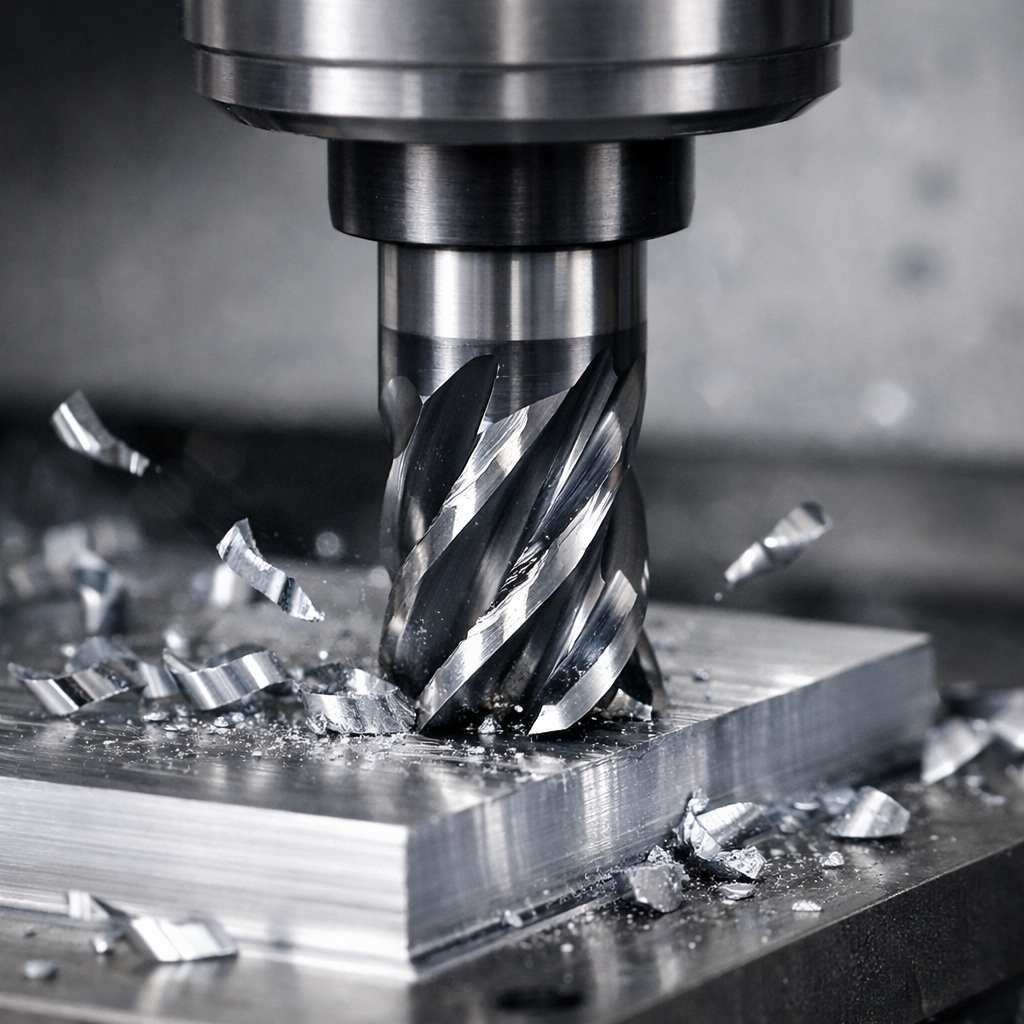
Adaptive or constant-engagement toolpaths remove material faster and safer than traditional pocketing. The steady tool load lets you take deeper stepdowns with smaller stepovers, increasing metal removal rates without beating up your cutter or spindle.
Dial in your stepovers and stepdowns.
A smaller stepover with a deeper axial cut often wins. It keeps the tool engaged evenly and allows higher feedrates through chip thinning. The goal is finding the sweet spot where the cutter stays busy but never overloaded.
Keep stock consistent between ops.
Use rest machining and stock models so each tool only cuts what’s left. Air-cutting wastes time, and inconsistent stock can ruin finishes. Clean stock handoff between operations keeps your cycle tight and predictable.
Add a semi-finish pass.
It sounds slower, but one quick semi-pass evens out leftover material. Your finish tool will cut more consistently, which means better surface quality and faster feeds without risk.
Push where it’s safe, not everywhere.
Increase feedrates on rigid setups, short tools, and stable features. For thin walls or flexible setups, stay conservative and focus on entry moves that keep tool pressure steady.
Automate checks and feedback.
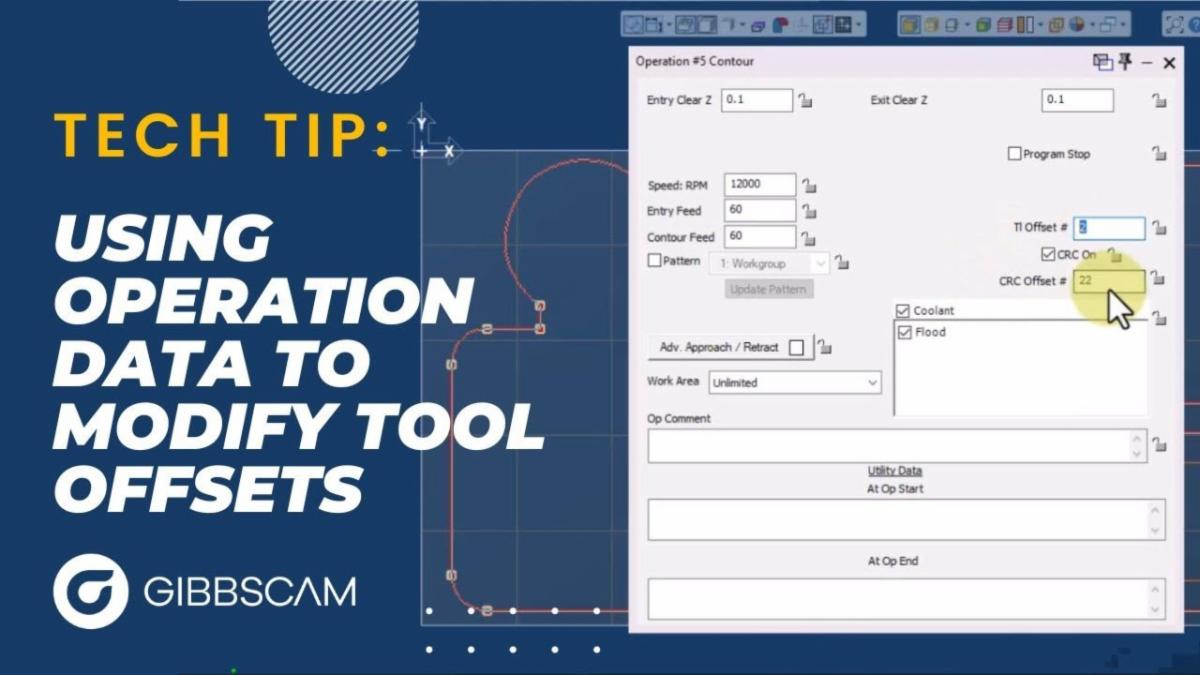
In-process probing can verify key dimensions mid-cycle. If offsets drift, you can correct them before the part is wasted. Probing takes seconds but saves hours of inspection and rework.
Bottom line:
Speed comes from efficiency, not aggression. Cut wasted motion, keep engagement steady, and protect your quality at every step.
Have a programming question?
Send it in for the next edition of Ask a CAM Pro!
|