|
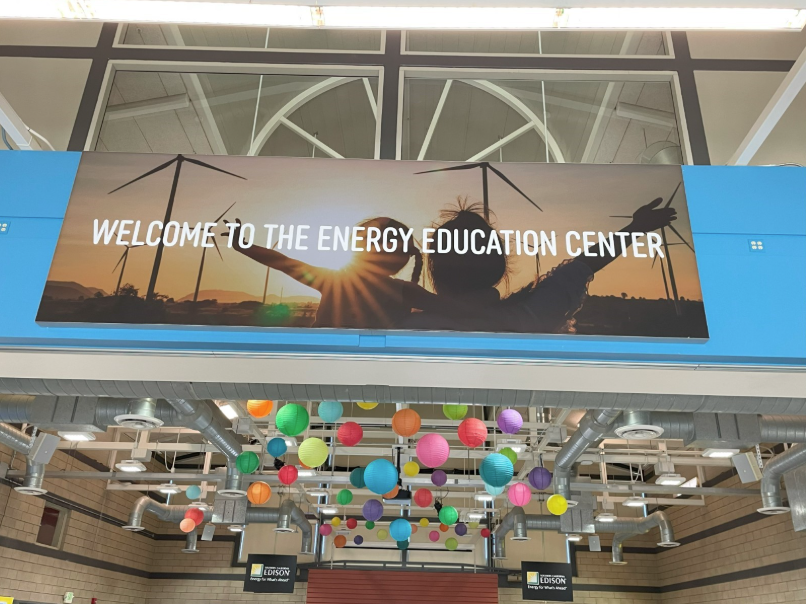
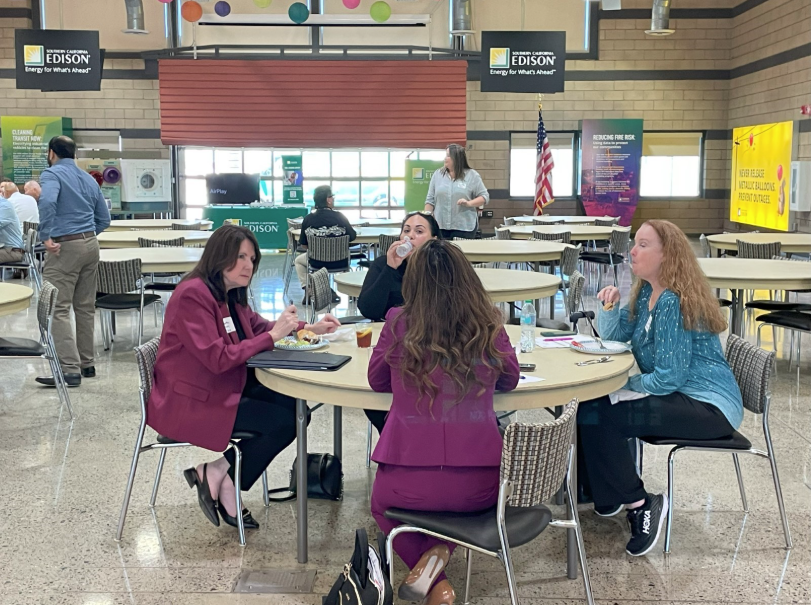
The SoCalREN Regional Workforce Alliance (RWA) hosted its Q2 Meeting on Wednesday, June 4, 2025, at SCE's Energy Education Center in Tulare. The RWA brought together a dynamic group of eighty-six (86) stakeholders representing twelve counties, both virtually (50) and in person (36). Under the theme "Connecting the Energy Efficiency Workforce," the event aimed to bridge critical workforce development gaps in the energy sector, address certification needs, promote equitable access to training, and leverage existing resources for the Central Valley and surrounding regions. A robust turnout fueled an engaging and productive dialogue.
A highlight of the meeting was an insightful panel discussion that illuminated the diverse career opportunities within the energy efficiency and clean energy sector. Experts of SoCalREN program implementers represented workforce development opportunities within the Commercial, Agricultural, and Workforce Education and Training (WE&T) portfolios. Additionally, the California Air Resources Board discussed workforce-related energy efficiency programs for air quality improvements in the Central Valley.
Key Insights from Participant Discussions:
- Identifying Job Needs and Skill Gaps: Attendees pinpointed critical roles such as solar panel technicians and contractors specializing in decarbonization. A recurring concern was the lack of comprehensive employer data and the urgent need for accessible training in energy efficiency retrofits.
- Crucial Certifications and Training Approaches: The discussion emphasized the importance of industry-recognized certifications, such as NABCEP PVIP for solar technicians, alongside essential adaptive (soft) skills like communication and data entry. Participants advocated for more interactive and varied class formats to keep pace with the rapid advancements in the industry.
- Fostering Equitable Access to Opportunities: Programs like UCLA Climate Corps were highlighted as exemplary models for equitable climate action training. Suggestions for improvement included providing stipends for internships, enhancing transportation options, and forging stronger partnerships with community colleges to create clearer career pathways.
- Leveraging Shared Resources and Addressing Deficiencies: Notable resources mentioned included paid work-based learning programs and comprehensive curricula from organizations like Efficiency First California. Identified gaps included non-accredited facilities management training and specific community college programs.
The meeting concluded with a collective commitment to advancing clean energy workforce solutions and forging stronger collaborations between training initiatives and employment opportunities. SoCalREN looks forward to continuing these impactful conversations to build a skilled and equitable workforce in energy efficiency.
|