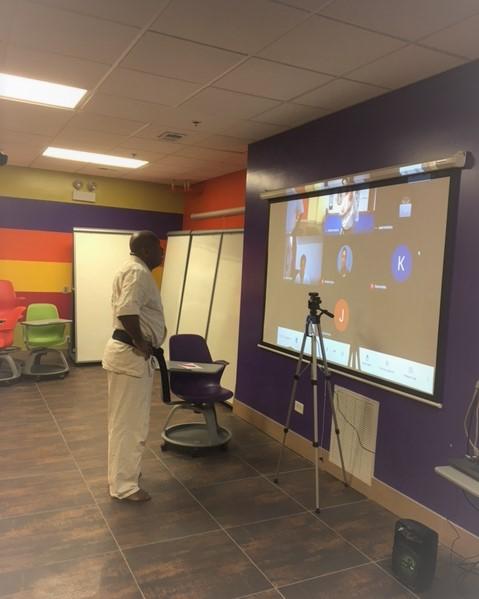
Teachers and supportive staff faced some of the greatest challenges of their careers when COVID forced them into uncharted territory of remote teaching. A few of them shared their thoughts:
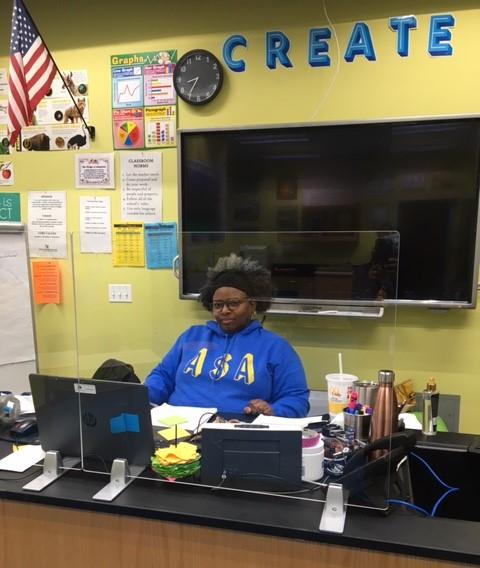
Kelly Smith, math teacher: "As a community resident and teacher, I see the lack of engagement from honors down to struggling students. It's a roll of the dice who can adapt and who can't. I've personally struggled with anxiety and I know the students have too. There are inequities with hardware and internet access, and strength of internet in communities. There are times when I have felt that it's horrible to teach remotely. You have to figure out how to teach STEM, mainly math and science, with no apps that allow you to do formulas or write equations with symbols. There's also the social inequities. But it's a bigger problem than technology and internet access, it's social and emotionally.
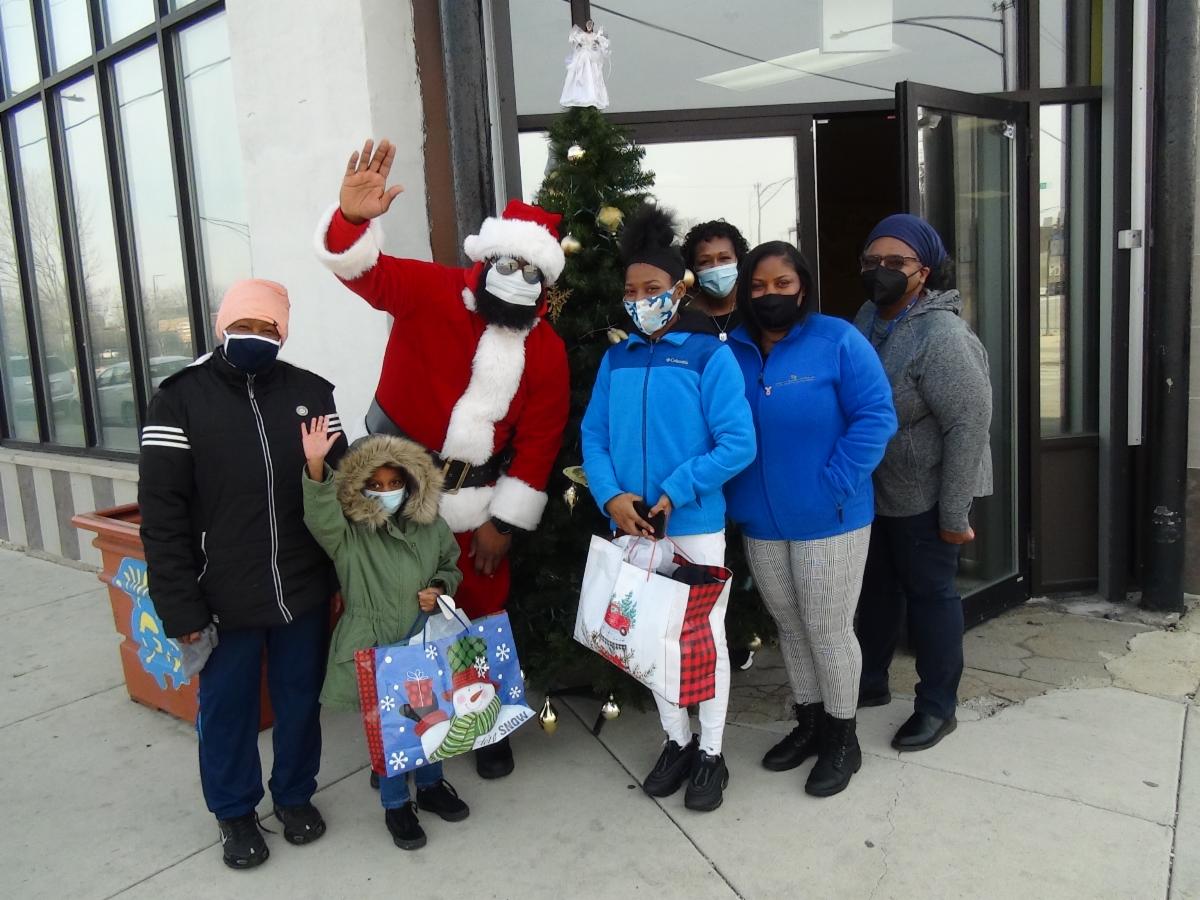
"Some students like (remote learning) better. You see the character of the kids, you celebrate with them. We're all on equal footing. (Before COVID) I could walk around the classroom, figuring things out on the fly. Now I'm transparent with my own limitations. When I'm frustrated I stop. Sometimes the internet is not working. We're all dealing with the same things. We have to be supportive of each other. I try to be transparent with my students about my own struggles. When I threw a mini-tantrum, the students calmed me down. They'd say 'Ms. Smith, it's going to be alright.' We try to be real together. There's a difference in age and seasoning, so I know how to push through. Students are suffering added hardships. I taught them about Maslow’s hierarchy of needs. (Around Christmas) it became real for me when we had students who asked for a bed or food, cleaning supplies, toiletries as opposed to more traditional gifts."
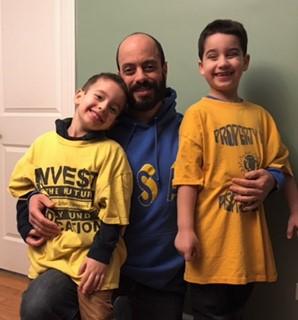
Antonino Lupo, social studies teacher: "I've been balancing time at home while working with children learning remotely and a wife working remotely. I have to figure out the times to put the work away and focus on other things. And I try to put myself in the shoes of students who already struggle with school and now are struggling with it on their own
"I'm homeschooling one son and the other is home three days a week. Henry goes to my parents' home, they help and that's also a worry. They're the older generation of the family, what if I get sick and he goes to my parents (and they get sick). We're a husband and wife working at home. (Faced with the Chicago Public School survey asking parents to commit to in-person or online learning), right in the middle of a COVID spike -- no way. I guess it was probably easier to make that decision because my son Henry is doing okay with online learning. If he had been struggling, the decision might have been different. I have to work and can’t really help a child at school. We were lucky. My wife and I still have jobs. Henry, the youngest is pre-K so it's easier for him to skip a year in school. We decided on homeschooling. Six-year-old Mario is in the first grade, so he's in remote learning."
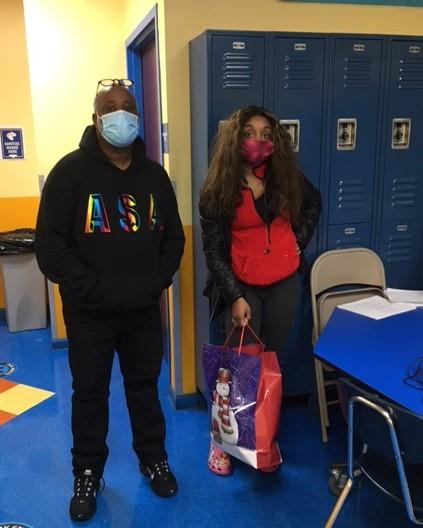
Lawrence Perkins, Dean of Students: "I've had several challenges. I lost my mom last year, during COVID and I wasn't able to spend time with her. COVID hit in March, she turned 85 in April. I had to wave to my mother through a window. I also lost a nephew to COVID. It's a challenge when you're used to being free and now you have to wear face masks, gloves, you have to be cautious. I'm a youth minister in church, Greater St. John, and I'm not able to greet people. I'm a touchy-feely person, but I can’t do that.
"With students, I'm not as engaged as I once was. With COVID you have to really reach out to get the students attention. You have to be entertainer, cheerleader, coach. You have to get the students geeked up, just to get engaged. And many students still don't want to show their face. We give them incentives for participating, a lot of extra stuff. But the biggest challenge is with students hurting themselves (by not engaging). They're not as active as they once were when we were face to face. The motivation factor is not there with students. More students are requesting paper packets rather than work online. They're more used to hands-on, they need more face-to-face interaction. There's something about proximity, somebody sitting down with you face-to-face. Online there is more exposure to weaknesses. Particularly with new students; they don’t know each other and we don’t know them."