|
Solar Powers Rise in Roofing
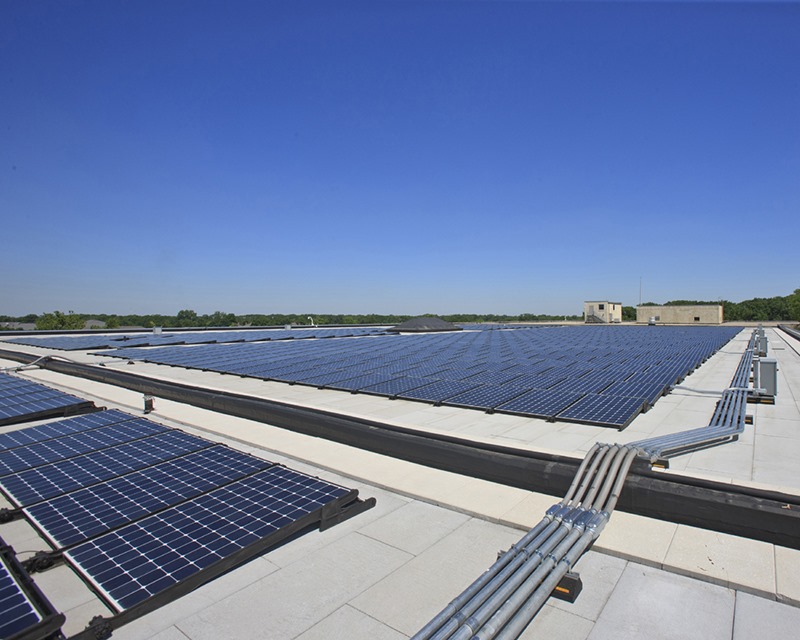
Rooftop photovoltaic (PV) solar installations have been steadily growing over the past two decades. Rooftops are an excellent place to install solar systems because they typically cover large unobstructed spaces which are unused. Photovoltaic solar systems have increased in popularity due to technological improvements and the need for alternative energy sources. In 2021, 46% of all new electric capacity added to the grid came from solar energy.
With governments pushing to reduce dependency on fossil fuels and reduce the carbon footprint, more states are writing legislation to mandate the use of solar on residential and commercial buildings. There are several advantages for companies looking to incorporate solar into their roofing designs. The Solar Investment Tax Credit is one of the most important federal policies enacted to support the growth of solar energy in the United States. Solar systems that are installed and placed in service in 2022 or later and begin construction before 2033 are eligible for a 30% Investment Tax Credit or a 2.6 cent/kWh Production Tax Credit if they meet labor requirements issued by the Treasury Department or are under 1 megawatt in size.
Not only does solar save money and reduce operational costs to the building owner, it's also good for the environment because it doesn't produce greenhouse emissions. Solar power has continued to grow significantly over the past two decades. According to the Solar Energy Industries Association (SEIA), over the last decade, solar power has averaged 24% annual growth.
A LightGUARD® Protected Membrane Roof System is a great choice when specifying a roof top solar system. LightGUARD helps conserve embodied energy, reduces operating emissions and provides long-term stable R-values all while protecting the roof membrane below it. In addition, LightGUARD makes a durable and solid surface for solar support stands to be installed over.
|